Solitude and Brilliance: A Solo Journey Through Shanghai & Suzhou – An SEO-Optimized Travel Guide
Meta Description: Discover the magic of solo travel in Shanghai and Suzhou. From Junya Ishigami's architecture to Suzhou Museum, this 1500-word guide covers hidden gems, cultural insights, and practical tips for the independent traveler.
Why Solo Travel in Shanghai & Suzhou is the Ultimate Escape
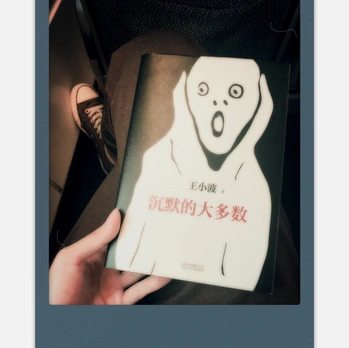
Wang Xiaobo once wrote in The Silent Majority: "I live in this world simply to understand some truths and encounter some interesting things." For those of us who seek not fame or success, but unexpected sights and stories, solo travel offers the most direct path to such encounters.
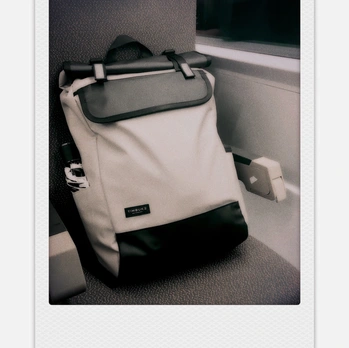
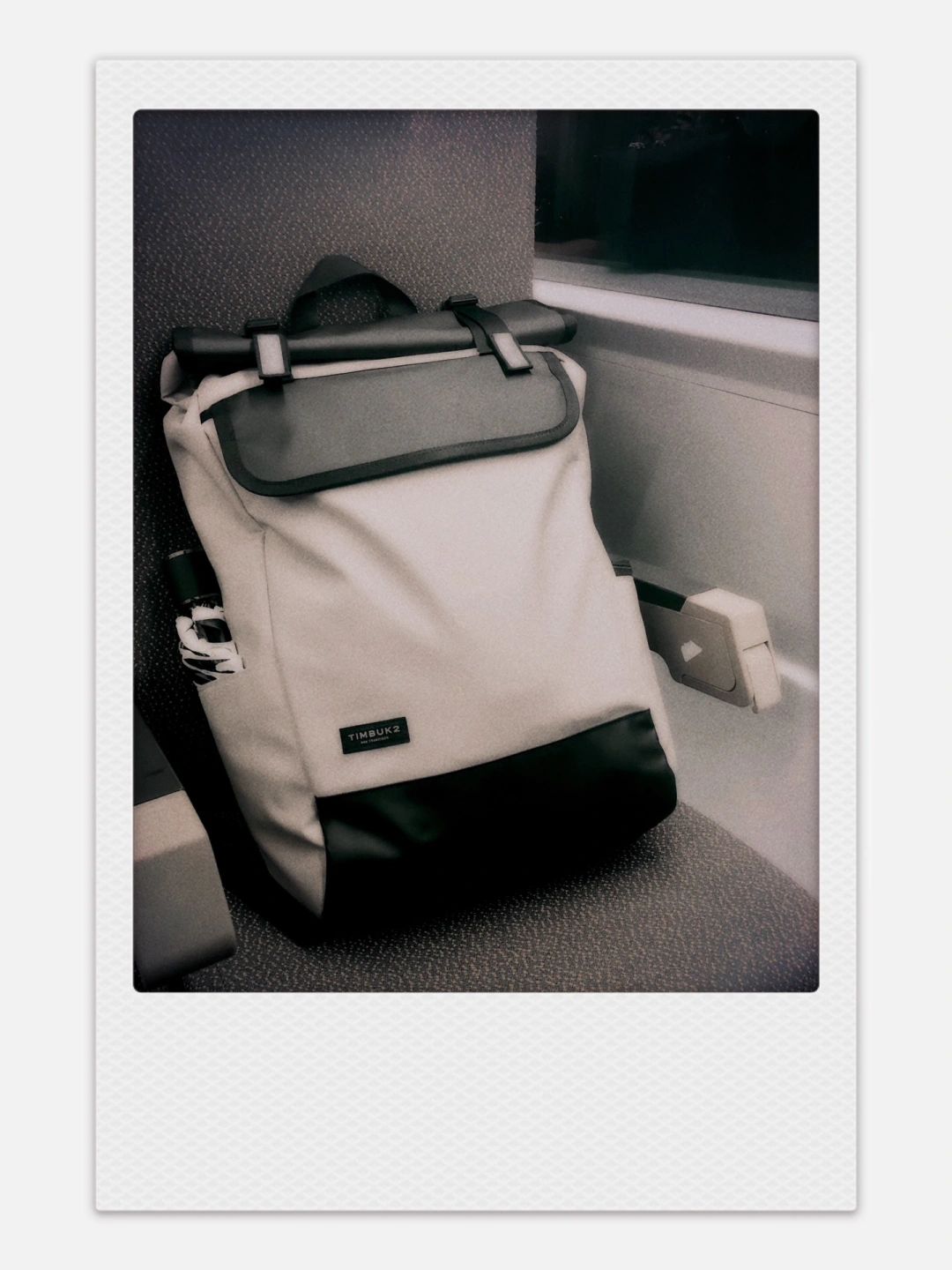
When you set foot on unfamiliar land with a backpack on your shoulders, the entire world becomes lighter. No need to accommodate anyone's schedule, no need to cater to anyone's preferences—you can wake up whenever you want, daydream in whatever alley calls to you. You can sit on stone steps and watch clouds slowly shift their shapes, or sip through a straw while observing hurried passersby through a window, as if you were an audience member detached from the scene. Best of all, you don't need to put on makeup, pose for photos, or edit anything—you shed all social masks and feel with nothing but a bare heart.
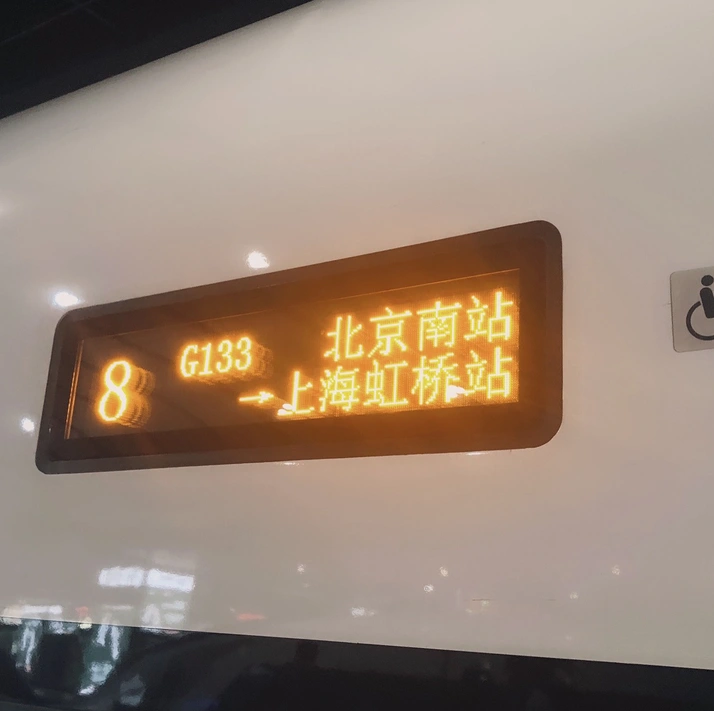
It had been over two years since my last solo trip to London. This time, by a stroke of luck, I wanted to see Junya Ishigami's architecture exhibition in Shanghai, and I'd been intrigued by the Suzhou Museum ever since I. M. Pei's passing. So I booked my train tickets and hostel without asking anyone's permission, and set off on my second solo adventure.
Day 1: A Melancholy Yet Fulfilling Rainy Day in Shanghai

Shanghai in the Rain: Unexpectedly Gentle
Pushing open the hostel door early in the morning—wow, the rain was really going for it.
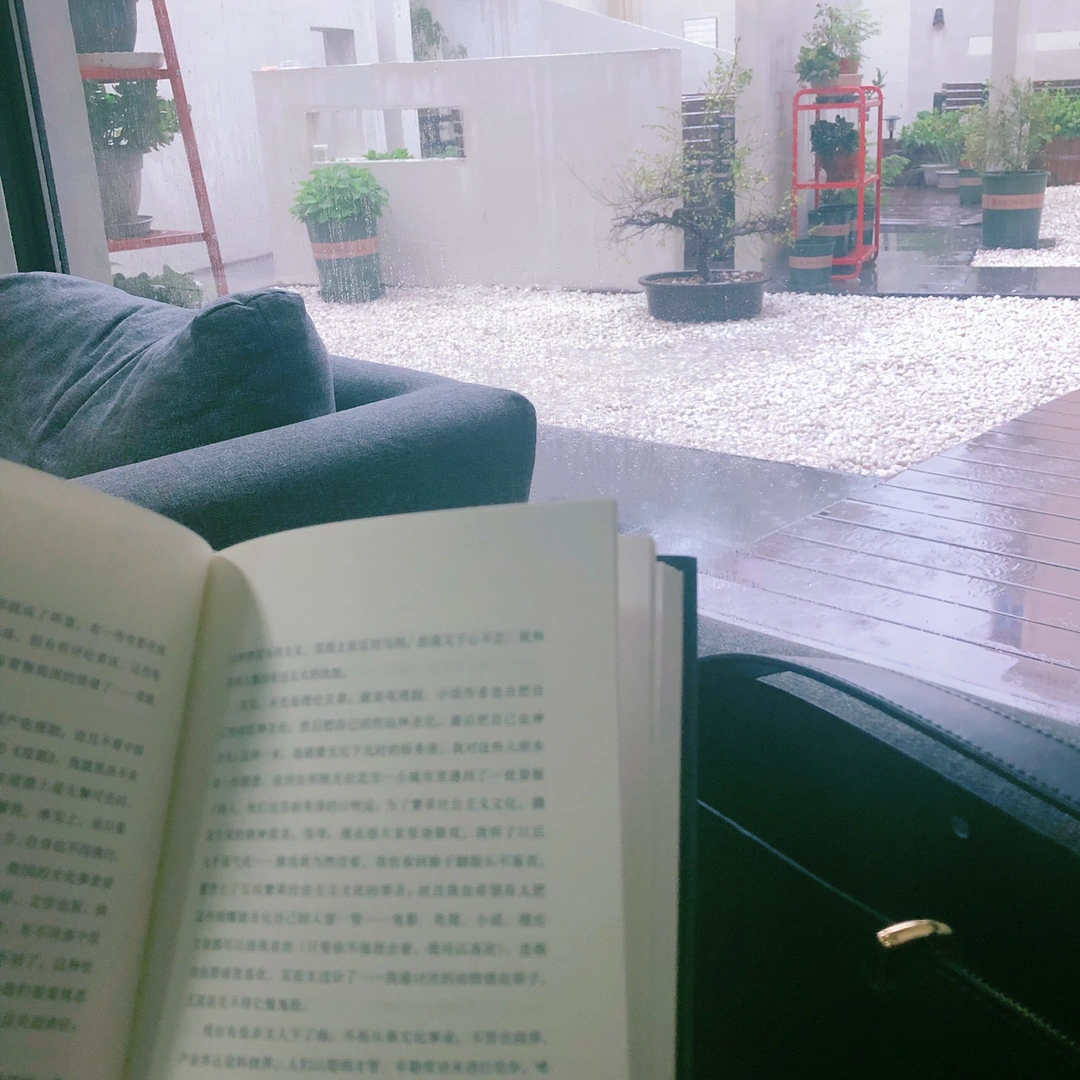
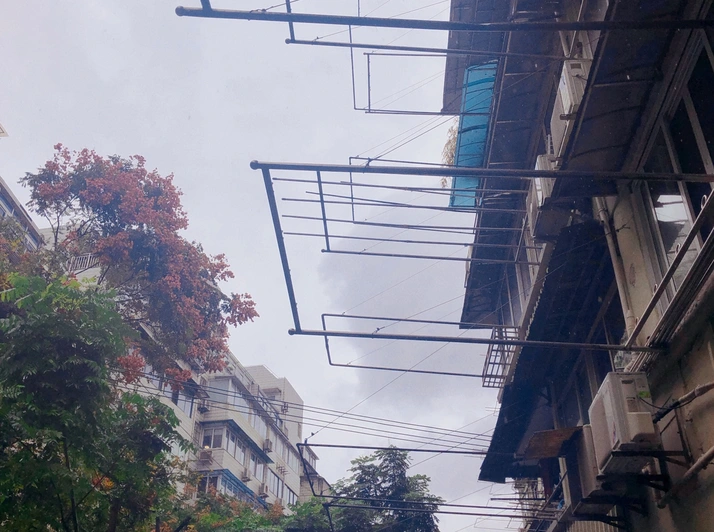
Rainy-day moods always arrive out of nowhere. I put on my headphones, found a quiet playlist, curled up in the common room with a book, and waited until the downpour eased before heading out with my umbrella. A long stretch of Metro Line 4 runs above ground, and the view outside shifted from Pudong's skyscrapers to old residential neighborhoods brimming with everyday life. Those weathered old houses stood silent in the rain, like the city stripped of its glamour, showing its bare face.
Pro tip: Shanghai's metro system is one of the best in the world for solo travelers. [Link: Shanghai Metro Guide for Solo Travelers]
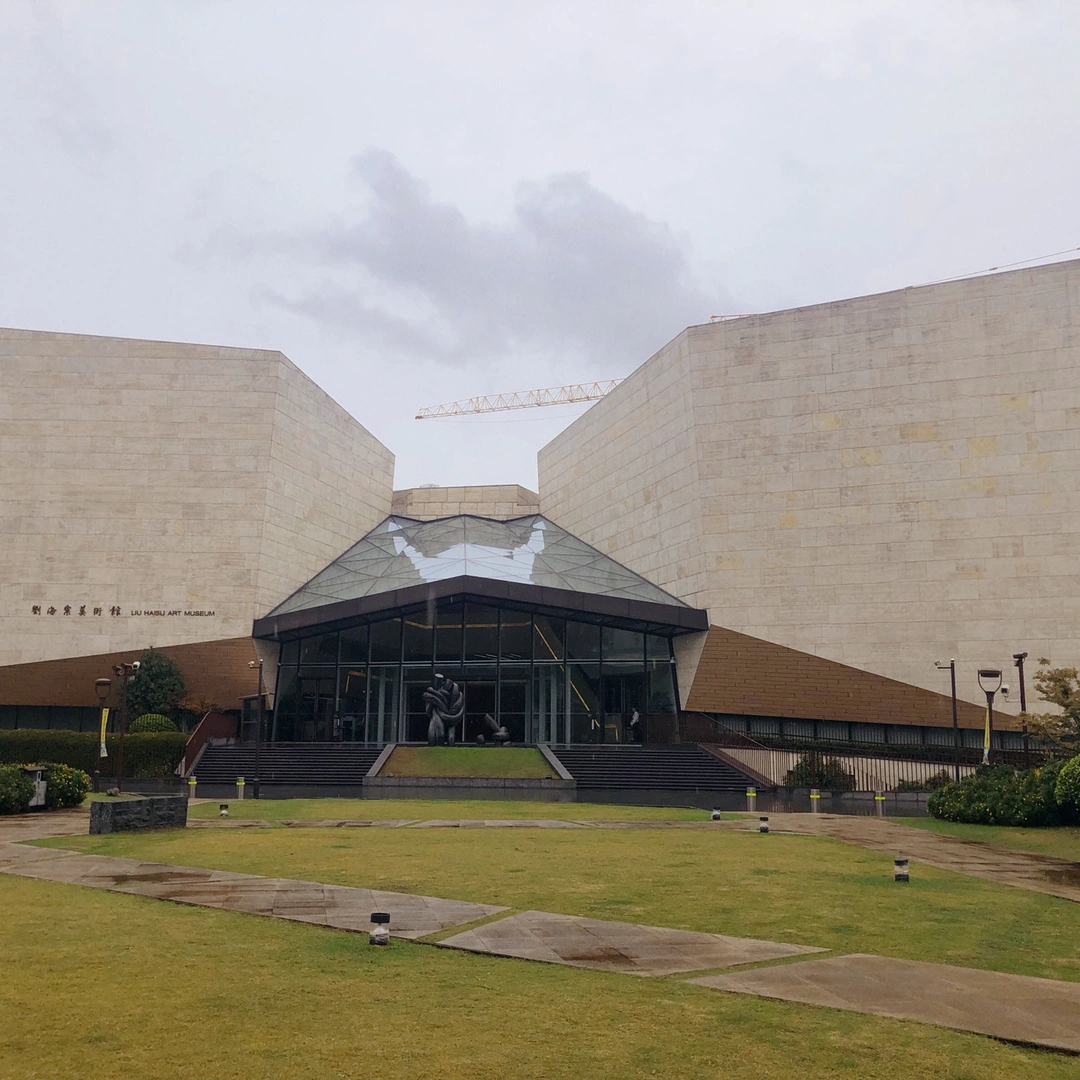
Liu Haisu Art Museum: Poetry and Controversy
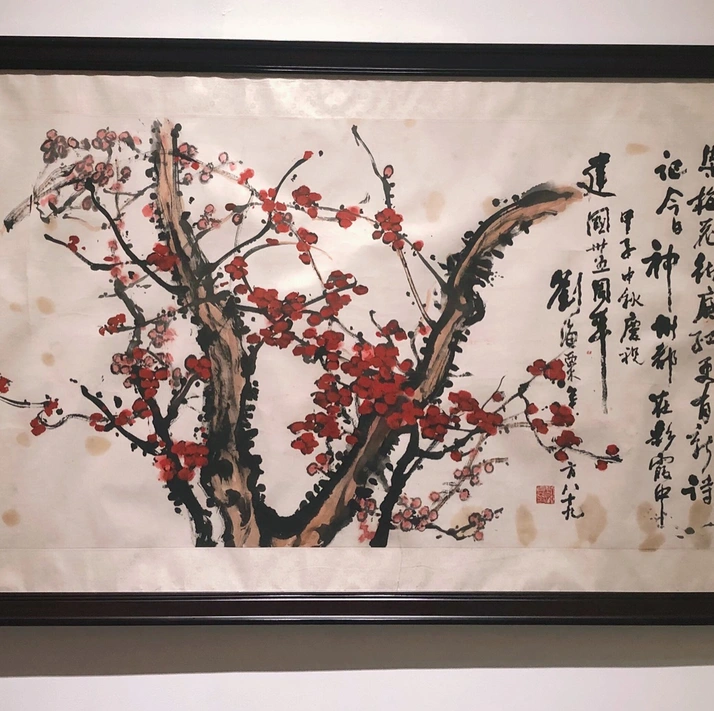
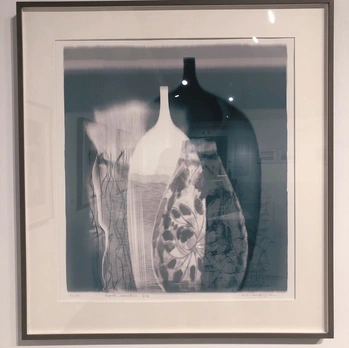
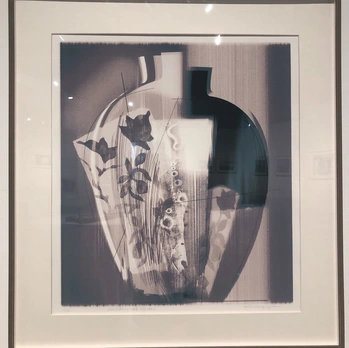
Some say Liu Haisu was a brilliant gem in Chinese art history, a man who single-handedly influenced the entire trajectory of Chinese painting. Others say he was merely average in talent and had a checkered past. I have no intention of judging these debates, but I happened to catch a solo exhibition by Lu Zhiping.
Born in Shanghai in 1947, this print artist's work possesses a strange kind of poetry. His "Moistening Things Silently" series moved me deeply—those bottle-like yet not-quite-bottle forms, both concrete and abstract, felt like a dialogue across time with the ancient philosopher Zhuangzi. The museum's deputy director, Ruan Jun, put it aptly: "Above, he roams with the creator; below, he befriends those who have forgotten life and death, beginning and end."
Walking out of the museum, the rain was still falling. I was alone on the empty, tree-lined road, and the lyrics in my headphones suddenly felt crystal clear. Have you ever noticed how music sounds especially vivid when you're walking in the rain?
Columbia Circle: The Quiet Side of a Trendy Spot
This was once the Columbia Country Club, open only to foreign expats. Later it became the office of the Shanghai Institute of Biological Products, heavily guarded. Last year, Vanke renovated it, and it instantly became a trendy hotspot. Unfortunately, I arrived during National Day, compounded by a typhoon, so there was almost no one around. I ordered a mocha, flipped through a few essays, and took a breather.
My honest take? It was just... okay. But if you're looking for a quiet spot to recharge during your solo trip, it's worth a visit.
Fuchun Xiaolong (Steamed Buns): The Satisfaction of a Return Visit
Crispy fried yellow croaker, shredded chicken and bean curd soup, spring rolls—ordering all this by myself? No problem at all! This was my second visit to this restaurant, and the quality was still excellent.
Food tip: Solo dining in Shanghai is easy and rewarding. [Link: Best Solo Dining Spots in Shanghai]
Long Museum (West Bund): A Space for the Soul to Roam
The raw concrete "umbrella arch" cantilevered structure, designed by Atelier Deshaus, is a work of art in itself. The architects said they chose a "no-wall plan" because they wanted people to "contain their thoughts in this vast space and let their souls roam free." I couldn't agree more.
The ongoing exhibition featured photographs by Jean-Luc Mylayne, with birds as the subject. This French photographer didn't begin his artistic career until age 32, traveling frequently across Europe and America with his wife, sometimes spending months or even years in one place to capture his preferred birds. He said, "Every bird has its own unique personality, just like humans. For me, what matters is recognizing their personalities and inviting them to participate in a performance."
The centerpiece, Mithras, was a stunning installation—made from discarded wooden planks left after Hurricane Katrina in New Orleans, assembled like Noah's Ark. The artist said, "When I opened the box, I could still smell New Orleans. It is a vessel that holds anxiety, and also a sanctuary."
Power Station of Art: The Original Motivation
Finally, the reason I came to Shanghai in the first place—Junya Ishigami's "Freeing Architecture" exhibition.
Even with a half-hour queue due to capacity limits on National Day, it was entirely worth it. Born in 1974, this Japanese architect worked at SANAA before founding his own studio. His buildings are light, delicate, and merge with nature, while constantly challenging people's conventional understanding of architecture.
The exhibition's title, "Freeing Architecture," expresses his refusal to be constrained by traditional forms, exploring architectural possibilities from a free perspective. One of his ideas particularly struck me: architecture today is no longer a simple shelter, but rather various "landscapes" within the vast space that makes up our world.
The large-scale models and design sketches were breathtaking—a restaurant whose floor merges into a lake, a church in a valley where light enters through a narrow slit, a restaurant seeking an exit underground, a villa among boulders... Each project redefined the very concept of "architecture."
After the exhibition, still energized, I wandered into the "Biscent: Contemporary Perfume Designers Exhibition" downstairs. The rain kept falling all day, and I kept walking, exhausted but with a full heart.
Day 2: Hitting My Stride in Shanghai's Old City
The Everyday Charm of the Old City
I took the metro to Hailun Road—what a beautiful name. In search of breakfast, I wandered into an old residential neighborhood. A woman walking her dog in pajamas, an elderly man carrying freshly fried dough sticks and shengjian (pan-fried pork buns) home, neighbors arguing over parking... I even stumbled upon an elderly couple holding hands on a stroll, getting a mouthful of "couple food." Then I witnessed a fierce turf war between stray dogs and couldn't help thinking: life is so hard.
At "Yangyang Timian," I ordered salted egg yolk potstickers and shepherd's purse and pork wontons—the wontons were so hearty, I surrendered after just three.
1933 Old Millfun: Light, Shadow, and History Intertwined
Originally the Shanghai Municipal Council Slaughterhouse, designed by British architect Balfours, only three slaughterhouses of this layout existed worldwide, and this is the only one still preserved. The architect blended ancient Roman basilica style with the Eastern concept of "round heaven, square earth." The staggered bridges and spiral staircases connect interior and exterior spaces, meeting ventilation and lighting needs while creating a powerful visual impact.
Walking inside, the play of light and shadow was incredibly rich, the complex lines mesmerizing. The funniest moment? Someone actually asked me for directions—and I gave them! At that moment, with my headphones in, I felt like a true local.
Historical note: This site is a must-visit for architecture lovers. [Link: Top 10 Architectural Gems in Shanghai]
Day 3: The Suzhou Museum – I.M. Pei's Final Masterpiece
No solo journey through Shanghai and Suzhou would be complete without visiting the Suzhou Museum. Designed by the legendary I.M. Pei, this museum is a harmonious blend of traditional Chinese garden aesthetics and modern architectural principles.
The museum's collection spans thousands of years, from ancient ceramics and calligraphy to Ming Dynasty furniture. But the real star is the building itself—with its white walls, grey tiles, and reflective pools, it feels like a living ink painting.
Insider tip: Visit early in the morning to avoid crowds. The light hitting the water features is magical at sunrise.
FAQ: Solo Travel in Shanghai & Suzhou
1. Is solo travel safe in Shanghai and Suzhou?
 Absolutely. Both cities are extremely safe for solo travelers, even at night. Public transportation is reliable, and locals are generally helpful to tourists.
2. What's the best time to visit Shanghai and Suzhou?
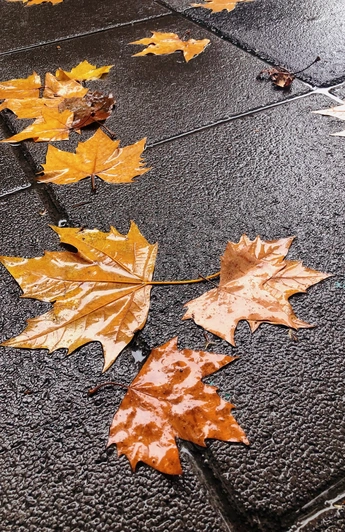 Spring (March-May) and autumn (September-November) offer mild weather and fewer crowds. Avoid National Day (October 1-7) if you prefer quieter experiences.
3. How many days do I need for a solo trip to Shanghai and Suzhou?
A minimum of 4-5 days is ideal: 2-3 days in Shanghai and 1-2 days in Suzhou. This allows for a relaxed pace.
4. Can I visit Suzhou as a day trip from Shanghai?
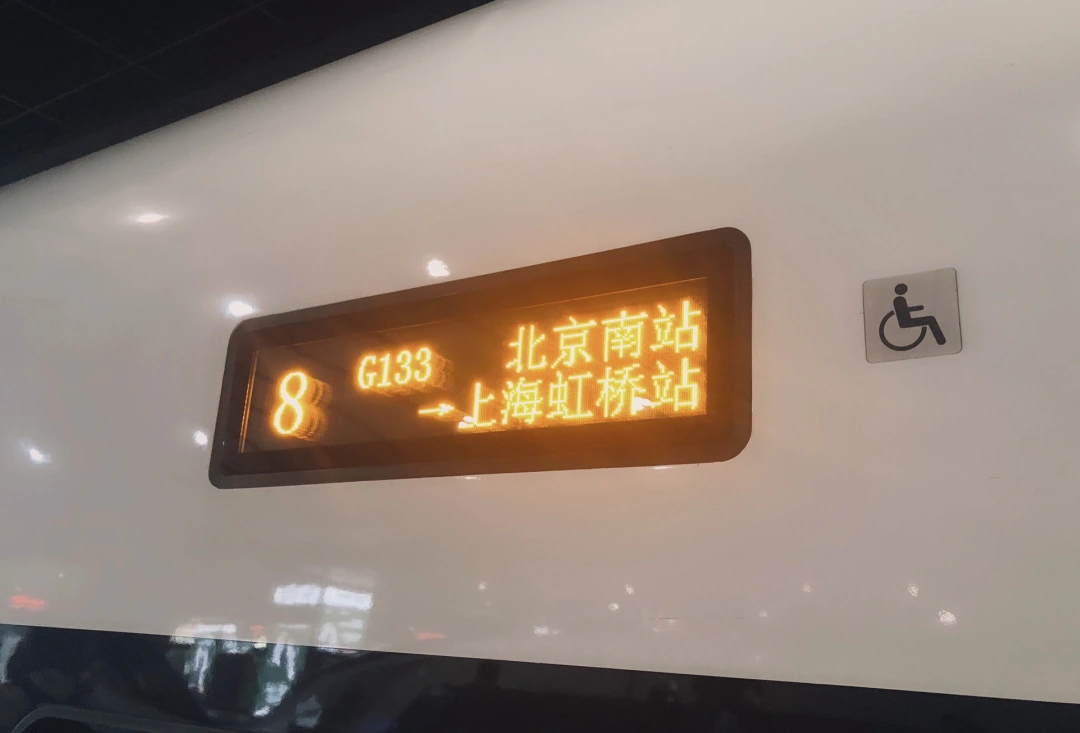 Yes, Suzhou is only 30 minutes away by high-speed train. However, staying overnight gives you a richer experience.
5. What should I pack for a solo trip to Shanghai and Suzhou?
Comfortable walking shoes, a reusable water bottle, a portable charger, and a light jacket (for air-conditioned museums). An umbrella is essential, especially in rainy seasons.
Final Thoughts: Why You Should Book That Solo Trip Now
Solo travel isn't just about seeing new places—it's about meeting yourself again. In the quiet moments between exhibitions, over a bowl of wontons, or while watching rain fall on an empty street, you realize that the world is full of stories waiting for you to discover them.
Whether you're drawn to Junya Ishigami's freeing architecture, I.M. Pei's timeless design, or simply the joy of wandering through old neighborhoods, Shanghai and Suzhou offer an unforgettable solo journey.
Ready to embark on your own adventure? Start planning your solo trip today. Book your train tickets, reserve a hostel, and let the city surprise you. The only thing you need to bring is an open heart.
What's your favorite solo travel memory? Share it in the comments below!
You may also like