Slow Travel in Northern Kyushu: Rediscovering the Heart of Travel in Saga, Nagasaki, and Kumamoto
Meta Description: Discover the art of slow travel in Northern Kyushu with this comprehensive guide to Saga, Nagasaki, and Kumamoto. From Ureshino Onsen to Kumamoto Castle, experience Japan off the beaten path. Plan your 6-day itinerary now.
Introduction: Why Slow Travel in Northern Kyushu Deserves a Place on Your Bucket List
Five years ago, I stepped into Japan for the first time—Tokyo's neon glow, Uji's matcha fields, Nara's cheeky deer, and Gifu's fairy-tale villages. Each trip brought new discoveries, but this time, I chose a quieter path. Northern Kyushu—specifically Saga, Nagasaki, and Kumamoto—offered something rare: the chance to rediscover the heart of travel itself.
While most tourists flock to Tokyo, Osaka, and Kyoto, Northern Kyushu remains a hidden gem. In September 2018, my best friend and I embarked on a six-day off-the-beaten-path journey through these three cities. No crowds. No long queues. Just timeworn streets, steaming hot springs, local cuisine, and moments of pure, unexpected joy.
If you're seeking a Japan itinerary that prioritizes peace, authenticity, and genuine connection, Northern Kyushu slow travel is your answer.
Planning Your Northern Kyushu Slow Travel Itinerary
Flights and Route Strategy: Why Saga Airport is Your Best Entry Point

I'm a textbook Virgo—obsessive about travel planning. Getting lost or wasting time in unfamiliar places sends my anxiety through the roof. So before every trip, I map out every minute and every location.
For this Northern Kyushu adventure, I snagged a bargain airfare from Shanghai to Saga Airport. Daily direct flights offer 5-day and 6-day round-trip options. The deal even included a complimentary Suica card. At that price, one thought echoed in my mind: "It would be a crime not to go!"
Pro Tip: Saga Airport is tiny—smaller than most Chinese domestic ferry terminals. But that's a blessing. Immigration is lightning fast, and Chinese-speaking staff help fill out arrival cards. Most passengers immediately bus to Fukuoka, but we went the other way—straight to Ureshino Onsen.
Accommodation Strategy: Stay Close to JR Stations
Japan's train system is incredibly efficient, but lugging suitcases between towns doesn't match the clean, orderly streets. My rule: the hotel should be as close to the JR station as possible.
Our rough route: - Saga → Ureshino Onsen - Ureshino Onsen → Nagasaki - Nagasaki → Huis Ten Bosch - Nagasaki → Kumamoto → Saga - Saga departure
With only six days, I reluctantly skipped Fukuoka—telling myself that longing would guarantee a return trip.
Final 6-Day Northern Kyushu Itinerary at a Glance
| Day | Route | Highlights |
|---|---|---|
| 1 | Saga → Ureshino Onsen | Onsen relaxation, pastoral landscapes |
| 2 | Ureshino Onsen → Nagasaki | City exploration, night views |
| 3 | Nagasaki → Huis Ten Bosch | Dutch-themed park, seasonal events |
| 4 | Nagasaki | Peace Park, Glover Garden, shopping |
| 5 | Nagasaki → Kumamoto → Saga | Kumamoto Castle, mascot Governor |
| 6 | Saga | Last-minute shopping, departure |
The Northern Kyushu JR PASS: Your Money-Saving Secret Weapon
Why You Absolutely Need It
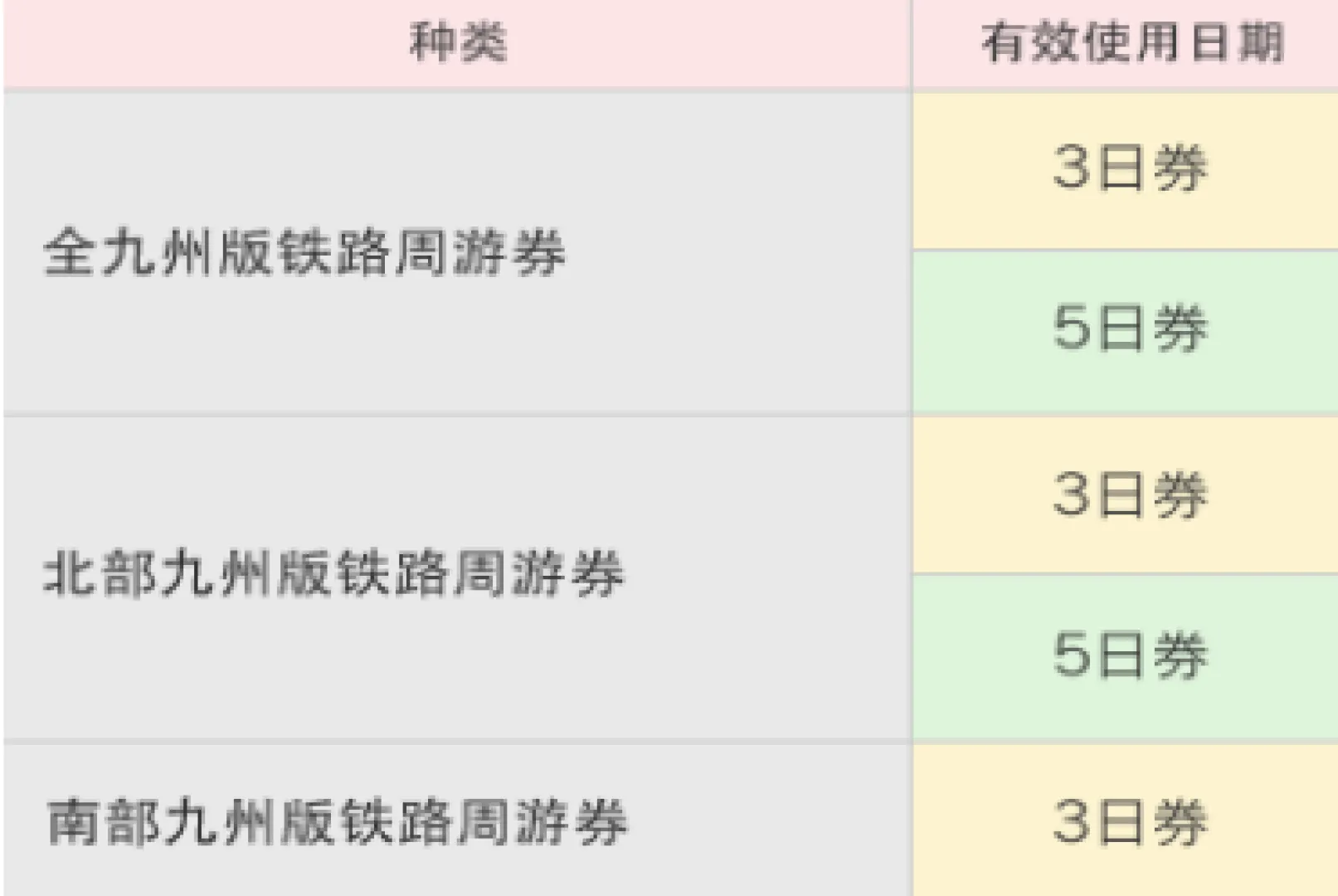
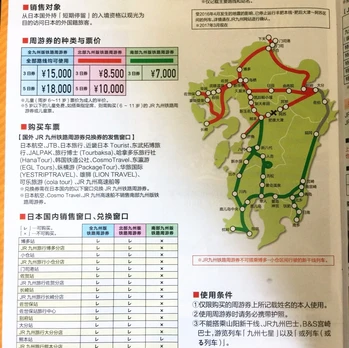
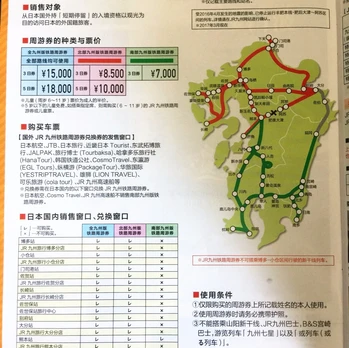
Japan's single-trip train fares are jaw-droppingly expensive. Our itinerary required four days of JR travel, with the longest leg being Nagasaki to Kumamoto via Shinkansen. After calculating single-trip costs, I immediately bought the 5-day Northern Kyushu JR PASS.
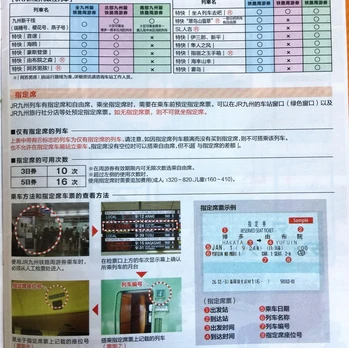
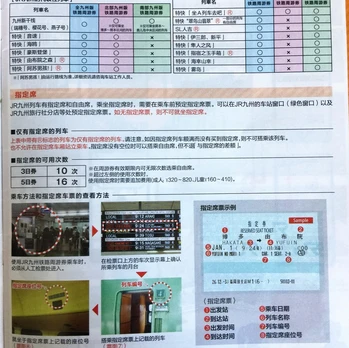
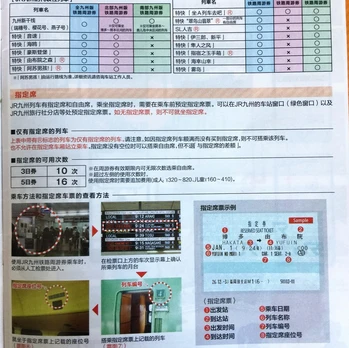
Available options: - 3-day pass: 10 reserved seat bookings - 5-day pass: 16 reserved seat bookings
For our six-day trip, 16 reservations were more than enough—we even had one left over.
How to Buy and Exchange the JR PASS
Purchase: Buy e-tickets on Taobao (issued same day). Super convenient.
Exchange: Present your digital voucher on your phone at any green "JR" information counter. You must complete the exchange within three months of purchase and show your passport with a Japanese tourist visa.
Eligible exchange stations: Hakata, Kokura, Mojiko, Saga, Nagasaki, Sasebo, Beppu, Oita, Kumamoto, Kagoshima-Chuo, Miyazaki, Miyazaki Airport, plus Hakata Port International Ferry Terminal and Fukuoka International Airport TISCO Information Center.
Free Seating vs. Reserved Seating
- Free seating: Hop on any train anytime, but no seat guarantee
- Reserved seating: Guaranteed seat, book in advance at JR ticket counter (no extra charge)

Handy Tool: Download the "Japan Transit" app in advance. Enter locations and times in simplified Chinese, screenshot the results, and show them at the JR counter for reserved seat tickets. The app displays multiple route options—I always pick the fastest.
[Link: Japan Rail Pass guide for first-time travelers]
Day 1: Saga Airport to Ureshino Onsen – An Unexpected Pastoral Poem
Getting to Ureshino Onsen: Two Options
Option One: Pre-book a taxi online (2,000 yen per person) for direct airport-to-hotel transfer. Book by 4:00 PM the day before. Ideal for heavy luggage or mobility issues.
Option Two (Our Choice): Take Saga Airport bus to Saga Station (600 yen one way, 1,000 yen round-trip), transfer to JR line to Takeo-Onsen Station, then local bus to final stop. Total: about 1 hour 30 minutes.
We chose Option Two because we needed to pick up our JR PASS at Saga Station. The airport bus is non-stop and reaches Saga Station in 30 minutes.
Saga: The Most Beautiful Airport City I've Ever Seen
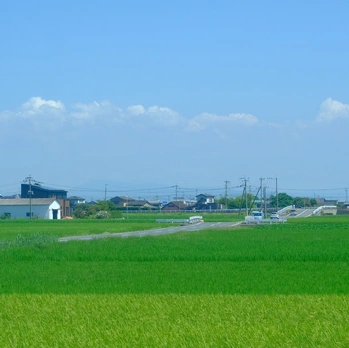
The moment I stepped on the bus, my mood lifted. Countryside fields, running figures in straw hats, film-like scenes—wasn't this straight out of a Japanese drama?
Thirty minutes later, we arrived at Saga Station. We missed the 13:16 limited express due to a long JR counter queue, so we exchanged for the 14:16 reserved seats and browsed the drugstore and convenience store.
Transfer to Ureshino: There's no direct train. Exit Takeo-Onsen Station from the south gate, turn right, follow the wheelchair-friendly ramp to the main road, turn left—you'll see a small bus stop. That's the Ureshino Line bus.
Bus etiquette: Board from the rear door, take a numbered ticket, pay when you get off at the front. Fare varies by boarding point—we boarded at stop 3 and rode to the end, costing 660 yen per person. Suica isn't accepted on this route.
Forty minutes later, we arrived at Higashisonogi Station. The ticket office is right where you get off—buy return tickets in advance.
Ureshino Onsen: The Healing Power of a Dream Hot Spring
Walking from the bus stop to our hotel, I couldn't help but marvel: Japan's countryside is incredibly quiet. Spotless streets, bright convenience stores, and the gentle steam rising from hot spring vents—this is slow travel at its finest.
Ureshino Onsen is one of Japan's top three beauty-enhancing hot springs. The mineral-rich waters are said to soften skin and soothe tired muscles. After hours of travel, soaking in an outdoor bath under the twilight sky felt like a ritual of pure restoration.
[Link: Best onsen experiences in Kyushu]
Day 2-4: Nagasaki – Where History Meets Harbor Views
Huis Ten Bosch: A Breath of Fresh Air
Compared to Universal Studios Osaka or Tokyo Disneyland, Huis Ten Bosch is refreshingly low-key. This Dutch-themed park in Sasebo offers seasonal flowers, canal cruises, and European architecture. In autumn, the park transforms into a sea of tulips and illuminated canals.
Nagasaki City: A Day of Discovery
Nagasaki deserves at least two full days. Key highlights: - Peace Park and Atomic Bomb Museum: A sobering but essential experience - Glover Garden: Western-style residences with stunning harbor views - Mount Inasa night view: One of Japan's three best nightscapes
We spent the most time in Nagasaki for shopping, though later we realized Kumamoto deserved at least two days as well.
Day 5: Nagasaki to Kumamoto – The Mascot Governor Awaits

Shinkansen from Nagasaki to Kumamoto
The bullet train journey takes about 1 hour 15 minutes. With the JR PASS, reserved seating is free—just show your pass at the ticket counter.
Kumamoto Castle and the Lovable Governor
Kumamoto Castle, one of Japan's three great castles, was severely damaged in the 2016 earthquakes but has been partially restored. The real draw? Kumamon, the prefecture's mascot governor. This cheeky bear appears at designated times in the castle grounds and shopping areas.
Day 6: Saga – Last-Minute Shopping and Departure
Saga itself is worth a morning. Visit the Saga Castle ruins, browse local ceramics at the Saga Prefectural Museum, and pick up souvenirs at the station's shopping complex.
Frequently Asked Questions About Slow Travel in Northern Kyushu
Q1: Is Northern Kyushu suitable for first-time visitors to Japan?
Absolutely. While Tokyo and Kyoto are iconic, Northern Kyushu offers a more relaxed introduction to Japanese culture. Fewer crowds, lower costs, and authentic experiences make it ideal for slow travelers.
Q2: How many days do I need for Saga, Nagasaki, and Kumamoto?
A minimum of 5-6 days. This allows time for onsen relaxation, city exploration, and transit between destinations. If you have more time, add Fukuoka or Beppu.
Q3: Is the Northern Kyushu JR PASS worth it for a 6-day trip?
Yes. Single-trip fares are expensive—the Nagasaki to Kumamoto Shinkansen alone costs over 6,000 yen. The 5-day pass (approximately 10,000 yen) pays for itself after two long-distance trips.
Q4: What's the best time to visit Northern Kyushu?
Spring (March-May) for cherry blossoms, autumn (October-November) for foliage, and winter (December-February) for onsen and fewer tourists. Summer can be hot and humid.
Q5: Can I use the JR PASS for local buses and subways?
No. The JR PASS covers JR trains only. Local buses, subways, and non-JR trains require separate tickets or IC cards like Suica.
Conclusion: Your Northern Kyushu Slow Travel Adventure Awaits
Northern Kyushu isn't just a destination—it's a mindset. It's choosing quiet streets over crowded temples, local ramen over Michelin-starred restaurants, and unexpected moments over perfectly curated itineraries.
From the healing waters of Ureshino Onsen to the resilient spirit of Kumamoto Castle, this region offers something increasingly rare in modern travel: the space to breathe, reflect, and truly connect.
Ready to plan your own slow travel journey? Start by booking your Saga flight, purchasing the Northern Kyushu JR PASS, and mapping out your onsen stops. The heart of Japan is waiting—and it's quieter than you imagine.
Book your Northern Kyushu adventure today. Your soul will thank you.
Disclaimer: This article is based on a September 2018 trip. Prices, schedules, and availability may have changed. Always check official websites before booking.
You may also like