Six Years in the Magic City: A "Shanghai Drifter's" Panorama of Shanghai (To Be Continued)
Meta Description: Discover Shanghai beyond the tourist traps through the eyes of a 6-year resident. From Bund sunsets to hidden alleyways, this insider's guide reveals the city's authentic magic.
Introduction: When the Faraway Becomes Everyday
If someone asks me, "What's so fun about Shanghai?" I often fall silent. Not because I have nothing to say, but because I don't know where to begin. This city isn't like Lijiang with its ancient town, or Beijing with its Great Wall. It doesn't have a single "must-visit" attraction that everyone can name in unison. Ticking off the Bund, City God Temple, and Tianzifang in one day might seem to wrap up the trip—on the surface, Shanghai sounds a bit boring.
But the truth is the opposite. Shanghai's magic lies precisely in the fact that it has no "standard answer." It's like a giant jigsaw puzzle, where everyone can find their own piece. Only by truly living here can you feel the city's pulse—that high-pressure "Shanghai drifter" life, yet one that hides countless small, precise joys in the most unexpected moments.
I've lived in Shanghai for six years. From initial unfamiliarity to gradual integration, this city has taught me one thing: the real Shanghai isn't found in travel guides. It's in the soy milk and fried dough sticks of every morning, under the neon lights of every late night, and in those hidden corners known only to locals.
[Link: Shanghai travel guide vs. local experience]
Chapter One: Splendor—The Bund by Day and Night

The Bund: A View You Never Tire Of
"First-time visitors come here. People bring their classmates here. Locals don't love it. Those who've been once don't want to come again—and yet, I still love coming."
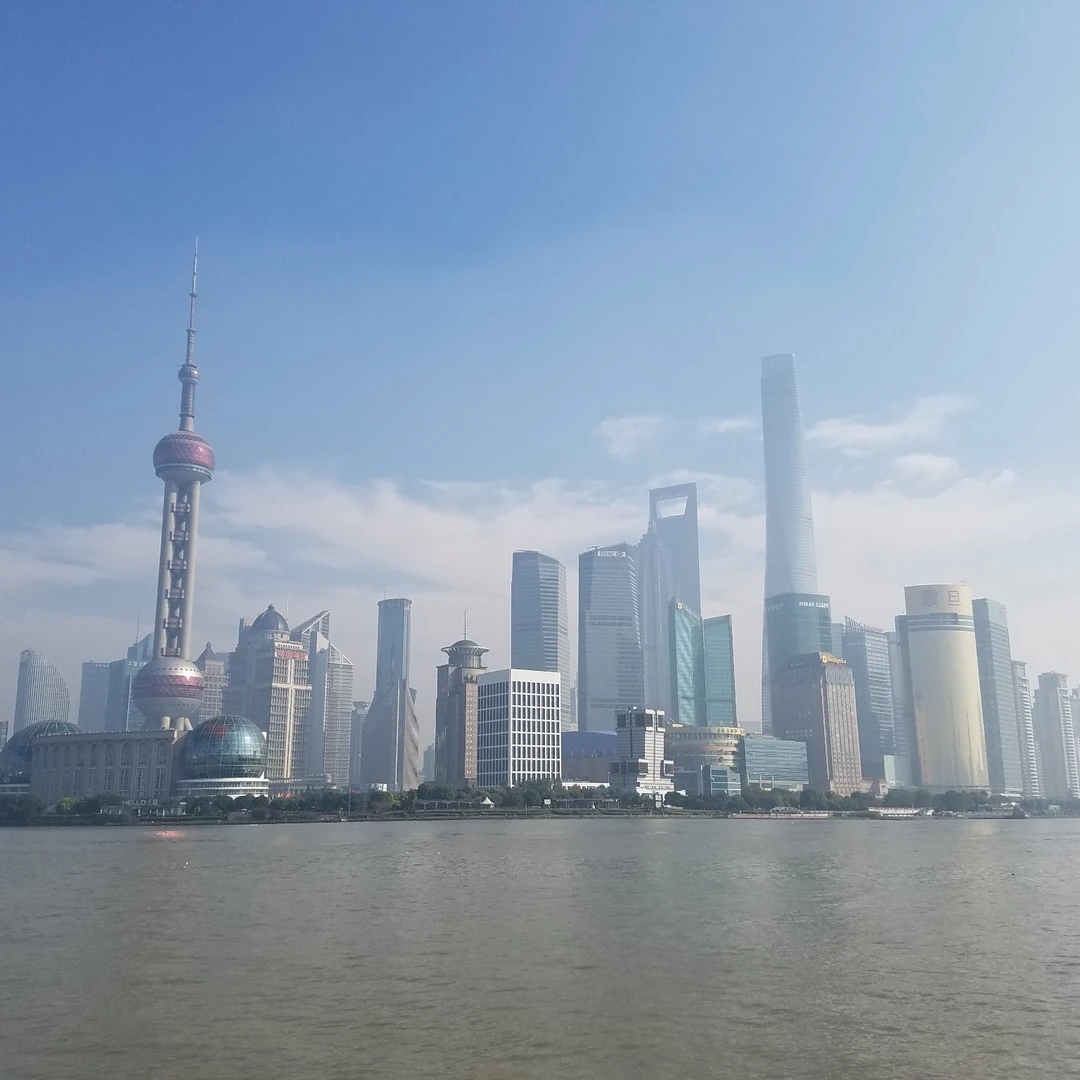
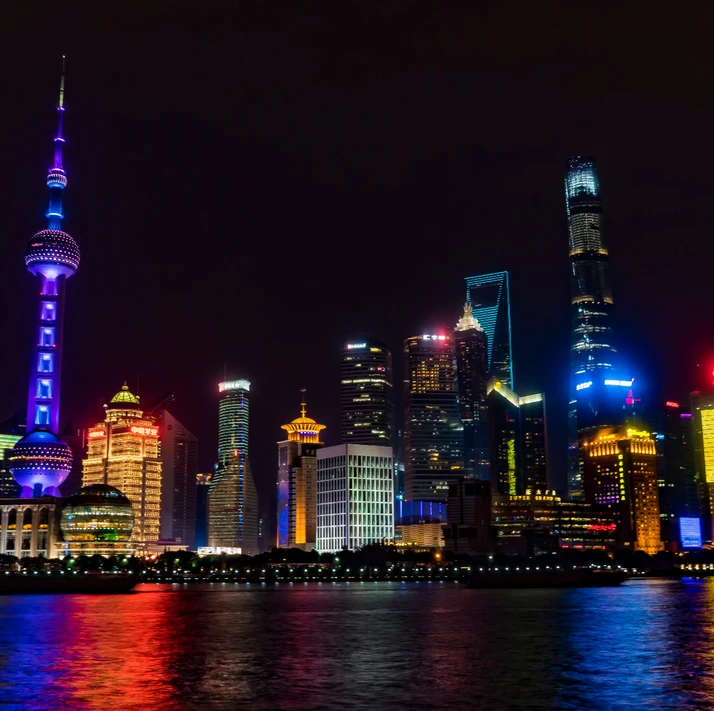
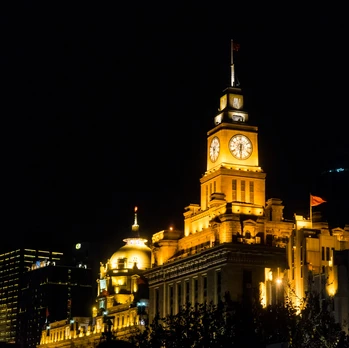
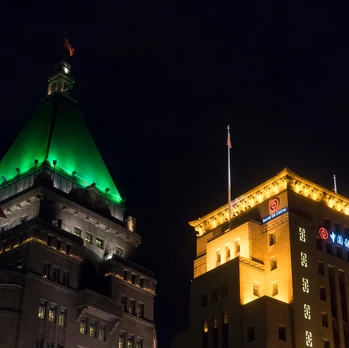
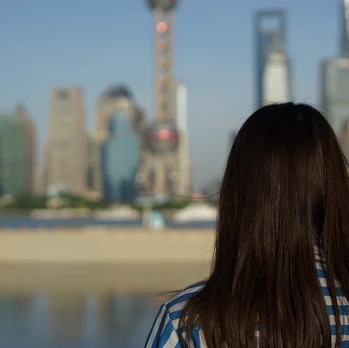
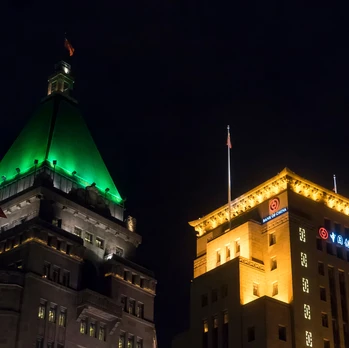
That's the Bund. Along the river stands the row of colonial-era buildings, gazing across at the skyscrapers on the opposite shore—one side a century of history, the other the light of the future. I remember when I first arrived, the Shanghai World Financial Center (which we jokingly called "the bottle opener") wasn't even finished. Now the Shanghai Tower ("the egg beater") has already risen high.
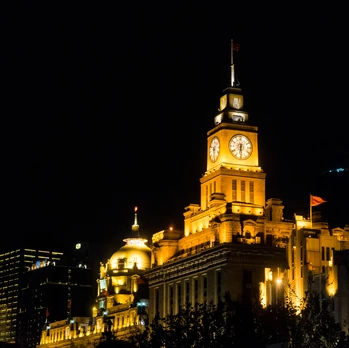
The Bund has two faces: day and night. By day, you can snap a classic photo on the Waibaidu Bridge with the Oriental Pearl Tower in the background. By night, car lights stream in vivid colors, and the metal beams of the bridge glow with a warm orange hue. You can take the ferry across the river for a 360-degree view of the Oriental Pearl, or ascend one of the "Three Towers" (the World Financial Center, Jin Mao Tower, and Shanghai Tower) for a panoramic cityscape.
Practical Tip: The Shanghai World Financial Center offers free admission on your birthday, and student discounts are available.
City God Temple (Yuyuan Garden Area): Once Is Enough
To be honest, the City God Temple area is one of the attractions I'd least recommend. The commercial vibe is overwhelming, and most of the "ancient" architecture was built later to match the shops. What still bothers me most is the time years ago when I spent 50 RMB on a crab roe soup dumpling there—it was so bad I still remember it vividly. If it's your first time in Shanghai, a visit here counts as a "been there, done that" moment. But remember: don't eat the street snacks here.
Tianzifang: Art and Life in the Alleys
Tianzifang is a classic example of Shanghai's old-style lilong (lane houses), preserving the distinctive shikumen (stone-gate) architecture—a blend of Western influences and traditional Chinese dwellings that is uniquely Shanghai's urban memory. The layout inside is a maze; first-timers easily get lost. But it's precisely this labyrinthine design that makes every turn a surprise.
Though commercialization is unavoidable, the atmosphere here is still charming. There are plenty of tourists, but it never feels suffocatingly crowded. Browse the small shops, pick up some handicrafts, take a few artsy photos—it's worth spending an afternoon here.
[Link: Shanghai alley culture guide]
Chapter Two: Art and Culture—The Streets and Galleries Loved by Cameras
Instagram-Worthy Streets: When People Take Photos, They Become Destinations
Lu Xun once said, "There is no road in the world; when many people walk it, it becomes a road." These days, we could add: "There is no special street; when many people photograph it, it becomes an Instagram hotspot."
Hengshan Road: Shanghai's bar street. But walk it properly, and you'll find the bars seem to be "hiding" somewhere. Snap a photo, and you've been there.
Sweet Love Road (Tian'ai Road): Famous for its name alone. The mailbox at the intersection is a photo spot, but I love the redwood trees lining the street even more—their autumn colors are breathtaking.
Sinan Road: Lined with French plane trees, their lush greenery heralding the arrival of summer. Sinan Mansions was once a villa district in old Shanghai. Though now commercialized, the architectural features of the Western-style houses are still worth a look.
Bridge 8 (Baha Qiao): A personal favorite. Clean lines, pleasing color schemes, and a cute robot named "Smart Bee" for company.
Trendy Shops: From Line Friends to Starbucks
The Line Friends store on Huaihai Road always has a long queue outside. Not far away, the Starbucks Reserve Roastery is packed with people. A little further on, you'll see a "Great Wall" made of chocolate beans. Across the river, there's the M&M's flagship store. These shops may not be unique to Shanghai, but their presence on Huaihai Road gives them a distinctly Shanghai flavor.
Museums and Galleries: Another Side of Shanghai
Shanghai Science & Technology Museum: As a 5A-rated attraction, its scale is mind-boggling. With 14 themed zones, I've grouped them into four major themes: Animal World, Earth & Geography, Information Age, and Ingenious Design.
As someone with a background in zoology, the Animal World section felt particularly familiar. From fish to amphibians to reptiles to birds, following the evolutionary path step by step, even touching on genetics—though it might be a bit challenging for young children, the earlier they're exposed to these concepts, the easier they'll understand them later.
My favorite zone is the Information Age—robots! A man's romance! There's a robot that solves a Rubik's Cube automatically (using a camera and robotic arm—slow but fascinating), a robot that plays the piano, and a souvenir shop selling circuit board kits you have to assemble yourself—incredibly cool, and the price is equally "impressive."
The Earthquake Experience in the Earth & Geography zone requires a reservation—but even after reserving, you might wait two hours? I gave up on it.
The Ingenious Design zone traces humanity's journey of understanding time: from sundials to hourglasses, from pendulums to quartz, and finally to atomic clocks. The progress of technology is awe-inspiring. There's also an "atmospheric clock" that runs on the tiny temperature differences between day and night, requiring no winding—pure physics romance.
Practical Tip: The Wisdom Light zone is especially great for families with kids—lots of interactive exhibits that are both fun and educational.
Shanghai World Expo Museum: Opened less than two years ago, with a visually striking exterior. It showcases the history of World Expos and exhibits from various countries, from replicas of Brussels' Atomium to Egyptian-style pieces to displays of plant seeds—quite rich in content.
Museum of Contemporary Art (MOCA): The chimney out front is its iconic landmark. Unfortunately, I went on a Monday—closed. Remember: closed on Mondays!
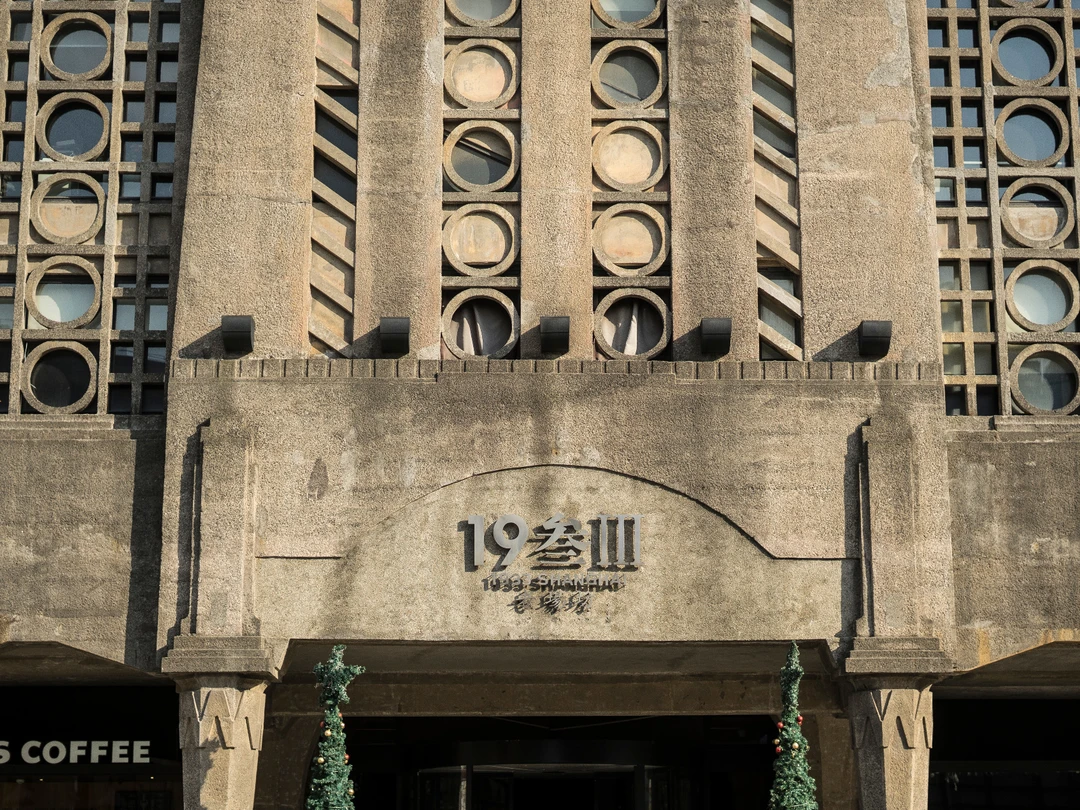
1933 Old Millfun: Originally a slaughterhouse, it became an Instagram hotspot after being featured in the film Tiny Times. It's absolutely fantastic for photos!
Star Light Illusion Art Museum: Located in Pudong, offering a great visual experience.
Shanghai Museum of Glass: Close to Tianzifang—worth a visit if you're in the area.
[Link: Shanghai museum guide for families]
Chapter Three: The Scent of Books—Youth and Cultural Depth on Campus
Shanghai Jiao Tong University (Minhang Campus)
I spent five years in Minhang, and the biggest impression? It's a city within a city. The Minhang campus of Shanghai Jiao Tong University is massive—you could easily spend a full day exploring its tree-lined avenues, historic buildings, and modern facilities. The campus feels like a living museum of Chinese higher education, blending classical architecture with cutting-edge research centers.
What to see: The old library building, the statue of the university's founder, and the serene lake near the student center. If you're lucky, you might catch a student performance or an open lecture.
Why it matters: Shanghai isn't just about commerce and nightlife. Its universities are incubators of ideas, technology, and culture. Walking through SJTU's campus gives you a glimpse into the city's intellectual heart.
[Link: Shanghai university campus tours]
FAQ: Shanghai Travel Tips from a Local
1. What's the best time to visit Shanghai?
 Spring (March-May) and autumn (September-November) are ideal. The weather is mild, and the city's parks and streets are at their most beautiful. Avoid Chinese New Year and Golden Week holidays if you dislike crowds.
2. Is Shanghai expensive for tourists?
It can be, but budget options exist. Street food (like shengjian pan-fried buns) costs under 10 RMB. Many museums offer free or discounted admission. Accommodation ranges from hostels to luxury hotels.
3. How many days do I need in Shanghai?
 At least 3-4 days to cover the essentials: Bund, Yu Garden, Tianzifang, and one museum. Add 2 more days if you want to explore suburban attractions like Zhujiajiao water town or Shanghai Disneyland.
4. What's the best way to get around?
The Shanghai Metro is efficient and covers most tourist spots. Buy a Shanghai Public Transportation Card for convenience. Taxis and ride-hailing apps like Didi are affordable for short trips.
5. Are credit cards widely accepted?
Major hotels, upscale restaurants, and chain stores accept credit cards. But many small shops, street vendors, and local eateries prefer cash or mobile payments (Alipay/WeChat Pay). Carry some cash just in case.
Conclusion: Shanghai Is a City You Live, Not Just Visit
Six years in Shanghai taught me that this city rewards those who slow down. Don't try to "conquer" it in a weekend. Instead, pick a neighborhood, sit in a café, watch the old men play chess in the park, or join the morning tai chi crowd on the Bund.
The real Shanghai isn't in the travel guides. It's in the steam rising from a dumpling cart, the laughter of children in a lilong alley, the quiet dignity of a century-old plane tree. It's a city that reveals itself slowly—like a good book you don't want to end.
Your turn: What's your favorite hidden corner of Shanghai? Share your discovery in the comments below, or tag us in your photos. The Magic City is waiting for you.
[Link: Shanghai off-the-beaten-path guide]
This article is part of an ongoing series. Stay tuned for Chapter Three: The Scent of Books—Youth and Cultural Depth on Campus, coming soon.