Shanghai–Wuzhen–Hangzhou: A Dreamlike Corridor Through Time and Space – The Ultimate 6-Day Travel Guide
Meta Description: Discover the perfect Shanghai–Wuzhen–Hangzhou itinerary. From thunderstorm spectacles on the Bund to Wuzhen's ancient canals and Hangzhou's West Lake, experience China's most enchanting corridor. 1500+ words of expert travel insights.
Introduction: Why the Shanghai–Wuzhen–Hangzhou Route is a Must-Travel Corridor
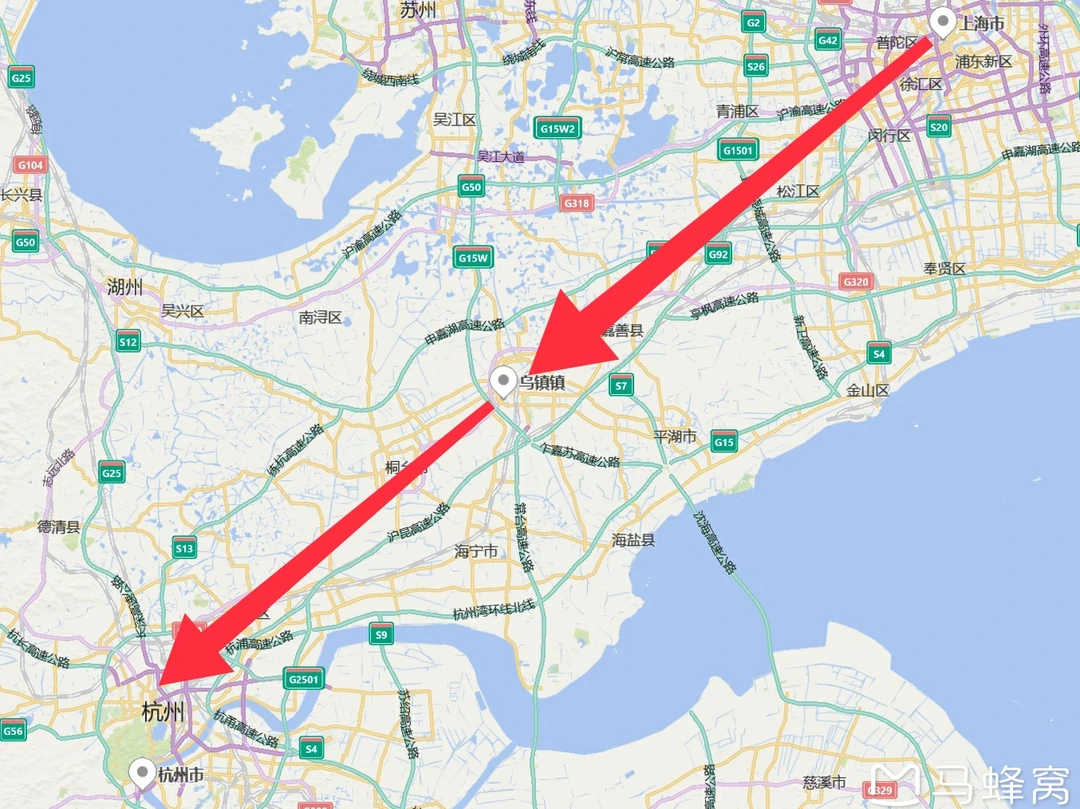
In the height of summer 2020, I sketched out a perfectly straight travel route in my mind: Guangzhou → Shanghai → Wuzhen (Jiaxing) → Hangzhou → Guangzhou. Six days, three cities, one straight line. Today, that line is etched into my memory like a scar—every time I think of it, the sights, sounds, and tastes of this Shanghai–Wuzhen–Hangzhou corridor feel as vivid as yesterday.
This isn't just a travel itinerary; it's a journey through time and space. Shanghai represents China's futuristic ambition, Wuzhen preserves a thousand-year-old Jiangnan dream, and Hangzhou embodies classical Chinese aesthetics. Together, they form what I call the dreamlike corridor through time and space. Here's how to experience it perfectly.
Day 1: Shanghai – First Encounter with the Magic City
Morning: Flying into Shanghai and First Impressions
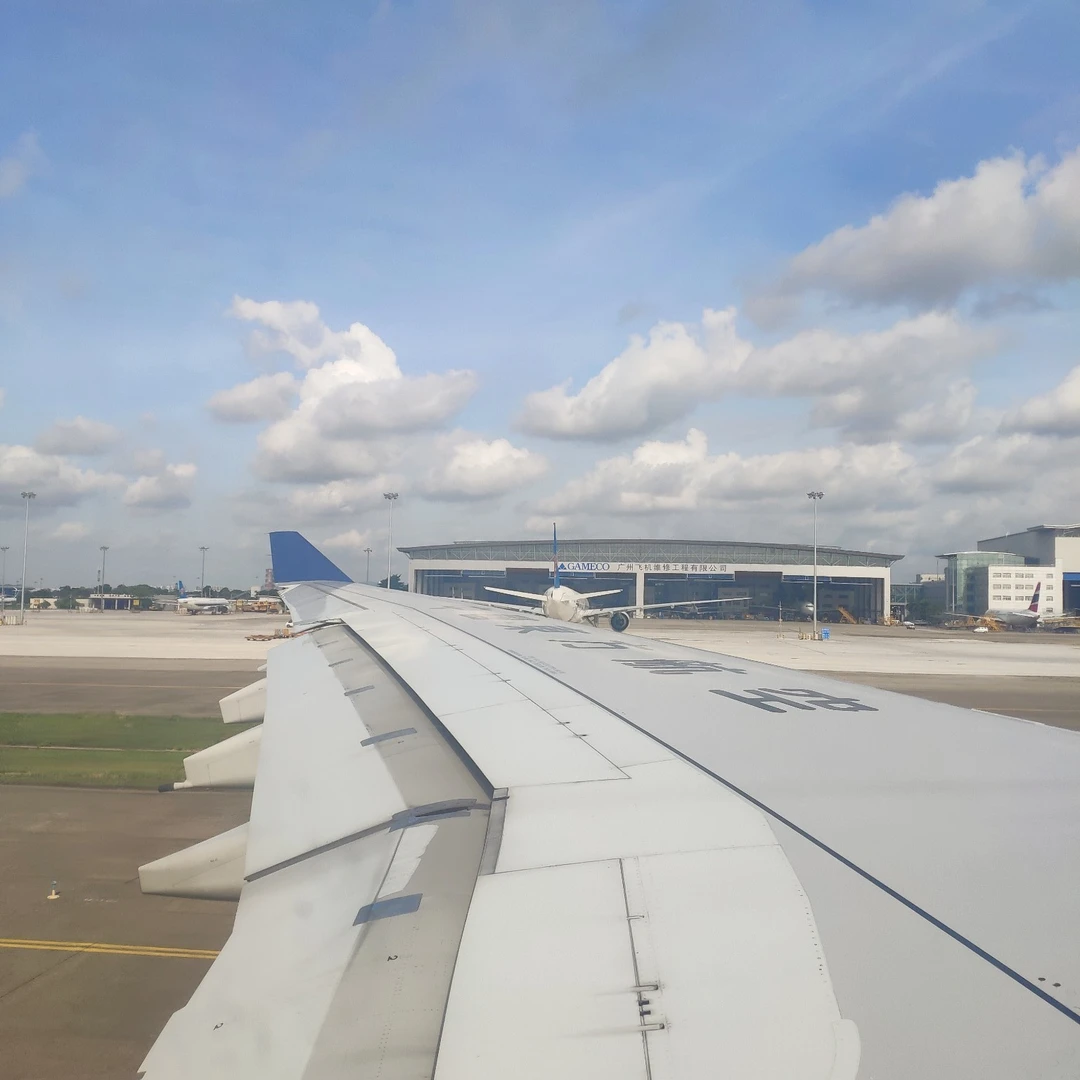
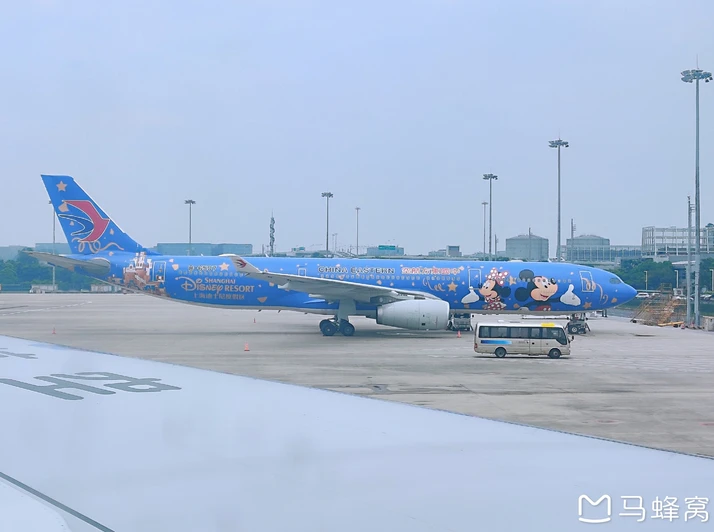
Our journey began at 8:30 AM on August 10th, lifting off from Guangzhou Baiyun Airport. Just over two hours later, we touched down at Shanghai Hongqiao International Airport. As we disembarked, a Disneyland-themed plane caught my eye—Mickey Mouse and castle patterns sparkled on its deep blue fuselage. In that moment, I was captivated like a child.
From Hongqiao Airport, we took Metro Line 10, transferred to Line 1, and headed straight for People's Square. Lunch was at a small local eatery, then we walked to our hotel—just a ten-minute stroll from Nanjing Road Pedestrian Street. The weather was overcast, but that couldn't dampen the excitement of arriving in Shanghai.
Afternoon to Evening: A Thunderstorm Night on the Bund
After a nap, I looked out the window to find thick dark clouds. Heavy rain poured relentlessly, only easing around six in the evening. We took a bus to the Bund, Shanghai's iconic waterfront along the Huangpu River in Huangpu District.
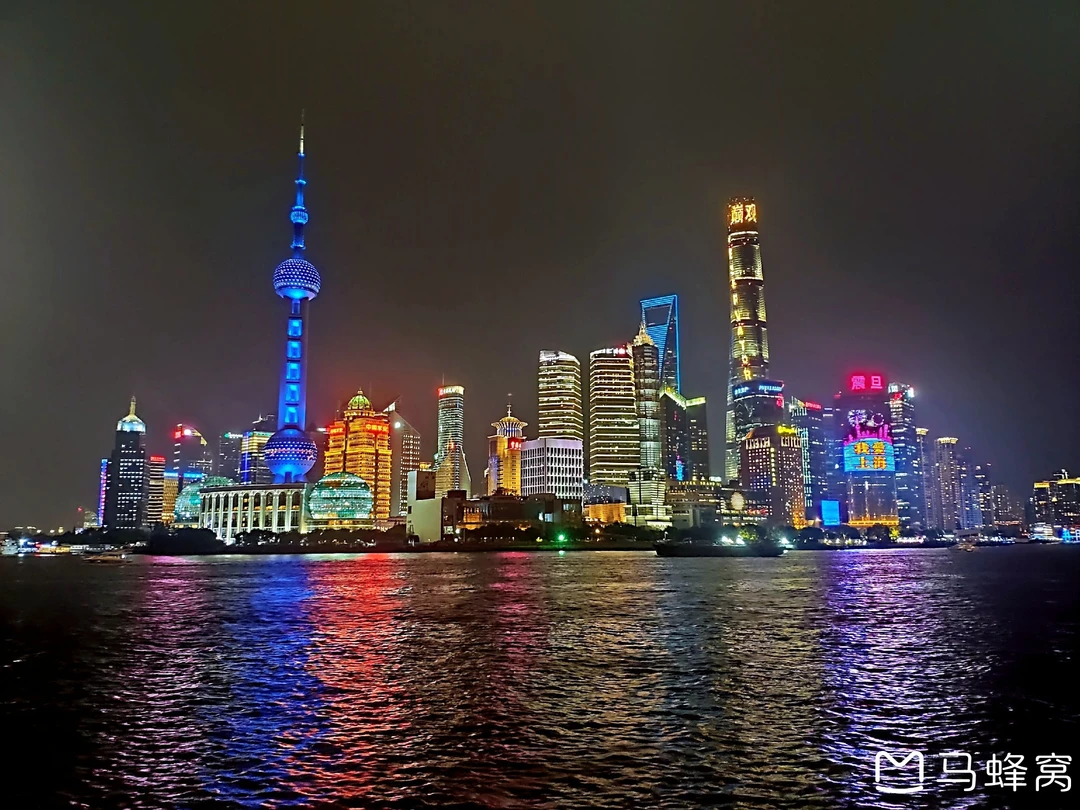
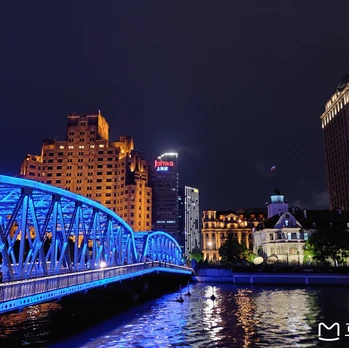
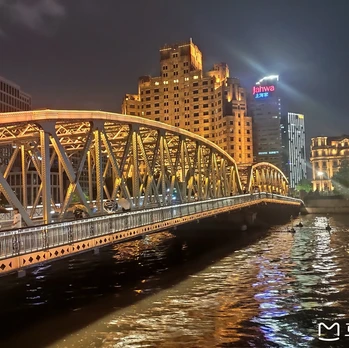
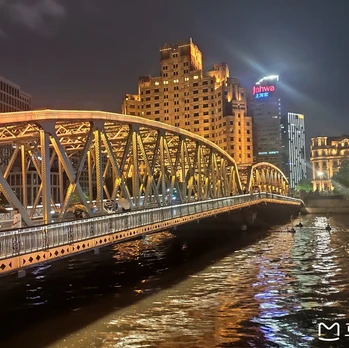
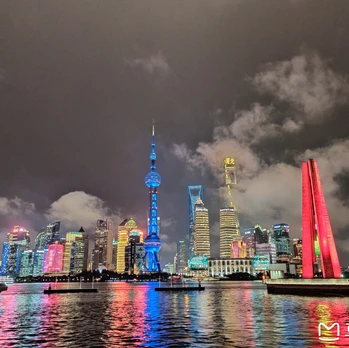
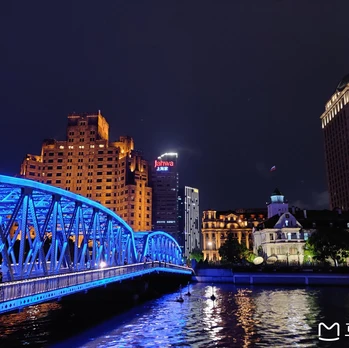
Standing there, the skyscraper cluster of Lujiazui on the opposite bank glittered against the night sky. The lights on Waibaidu Bridge shifted through a spectrum of colors, like a flowing rainbow. The Oriental Pearl Tower, Jin Mao Tower, and Shanghai Tower lined up in sequence—a magnificent portrait of a modern metropolis.
But the most unforgettable part of the night wasn't the lights—it was the thunderstorm. As we reached the center of the Bund, the sky erupted with lightning and thunder. Countless bolts struck the sky above Lujiazui, hitting the Oriental Pearl Tower directly—once, twice, three times. It was as shocking as a sci-fi movie scene. That very night, it became a trending topic on Weibo—we had witnessed a rare natural spectacle with our own eyes.
Day 2: Shanghai – A Journey from History to Modernity
Morning: Shanghai History Museum – Understanding the City's Soul
On August 11th, after a bowl of hot dry noodles (热干面), we took a bus to the Shanghai History Museum. This free-admission museum acts like a time machine, taking you through Shanghai's past and present. The first floor houses special exhibitions, the second floor covers ancient Shanghai, and the third and fourth floors delve into modern history.
With few visitors, it was a comfortable browsing experience. If you're an out-of-towner looking to truly understand Shanghai, this place is absolutely worth your time. [Link: Best free museums in Shanghai]
Afternoon: Tianzifang – The Artistic Vibe of Old Shanghai

After a midday rest, we headed to Tianzifang via the metro just past five in the afternoon. Tianzifang preserves Shanghai's classic lilong (alleyway) architecture while incorporating elements of a creative park. The narrow streets were packed with people, lined with small shops—creative handmade crafts, food stalls, cafés, and tiny bars.
Prices were steep, but the atmosphere was electric. We spent about twenty minutes wandering, soaking in the artistic vibe. [Link: Shanghai's best creative districts]
Evening: Lujiazui – The Urban Forest of Shanghai
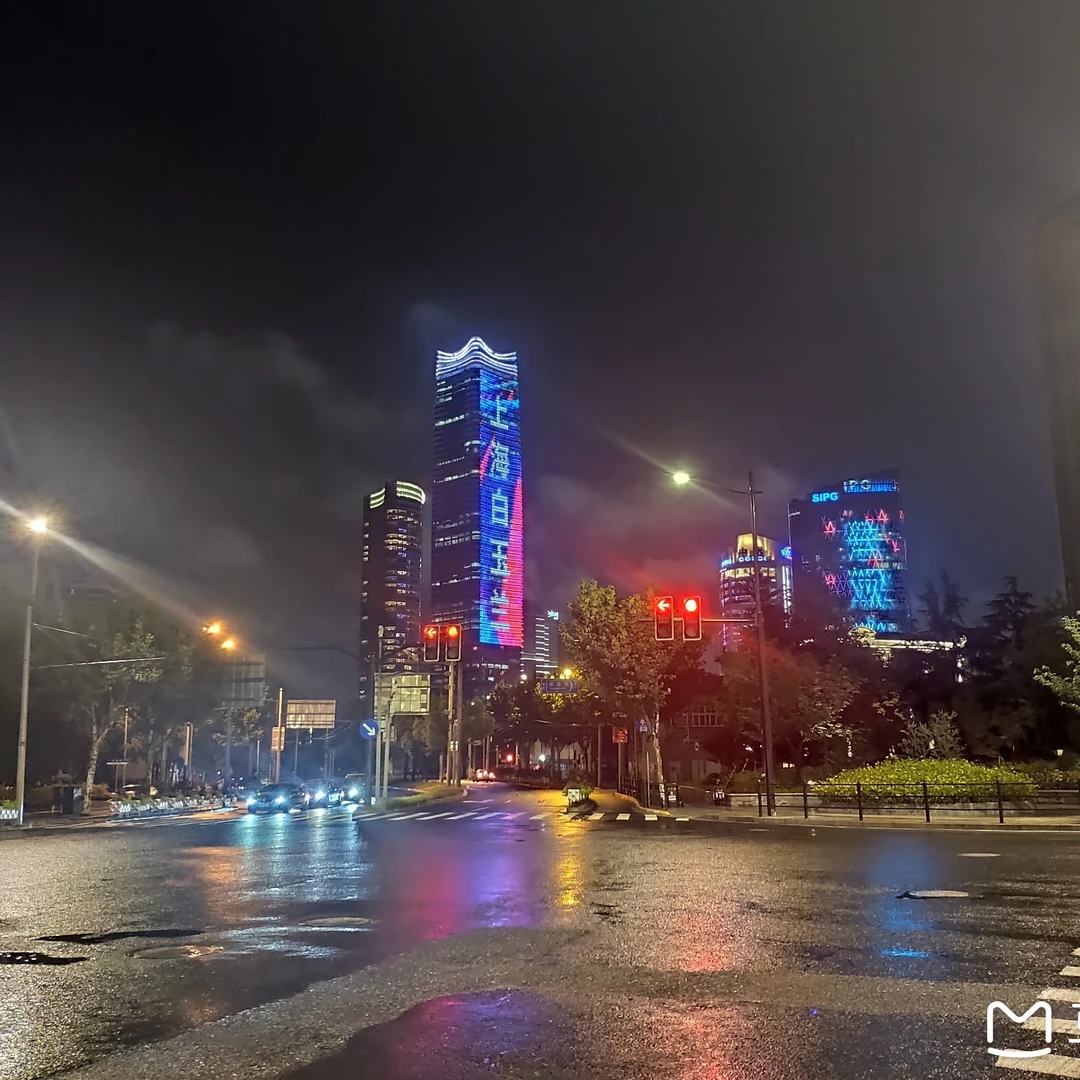
After dinner, we made our way to the core area of Lujiazui, the financial heart of China. The Oriental Pearl, Shanghai International Convention Center, and Shanghai World Financial Center—each building commands your gaze upward.
The Shanghai Tower, standing at 632 meters, is the second tallest building in the world (after the Burj Khalifa in the UAE). If you want to take in the night view of the Magic City, you can buy a ticket for 180 yuan and take the high-speed elevator to the "Top of Shanghai" observation deck on the 118th floor—55 seconds, 18 meters per second, straight into the clouds.
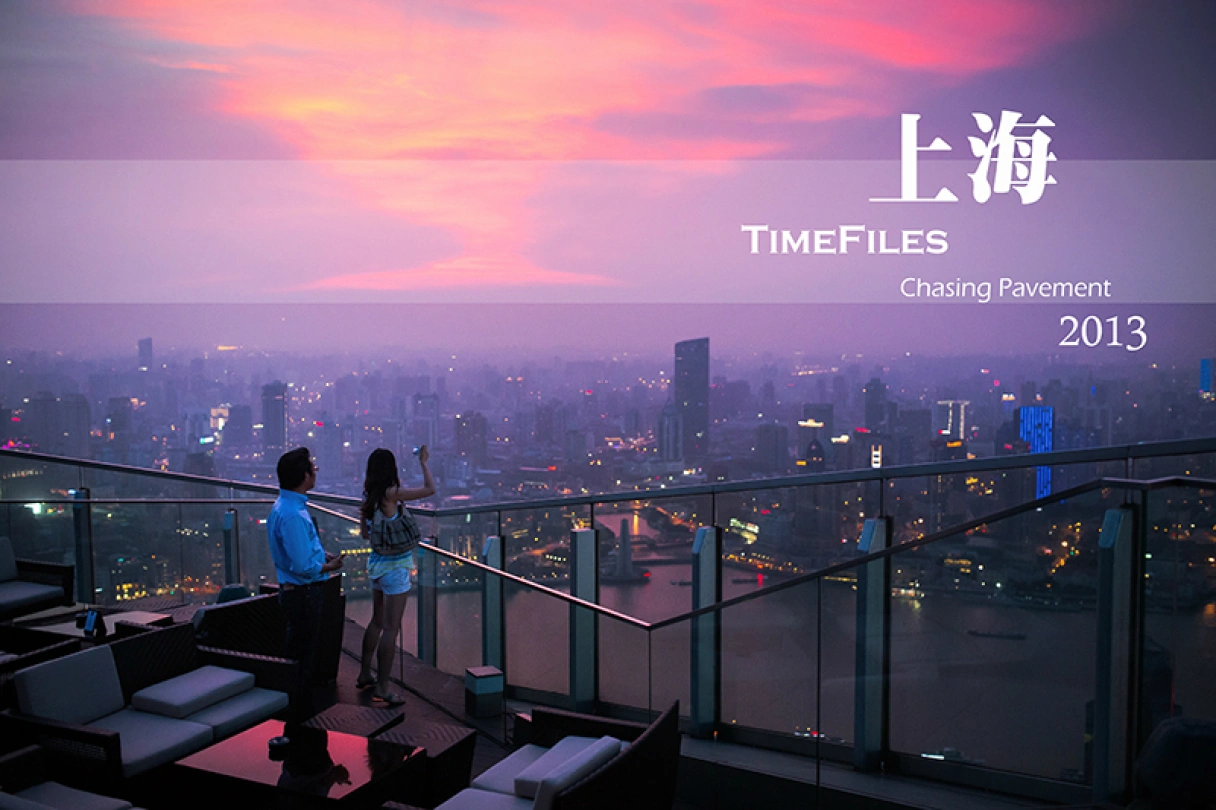
But we discovered a fantastic free spot: the rooftop garden of the Shanghai IFC Mall. It's uncrowded with excellent views, offering a 360-degree panorama of Lujiazui's dazzling lights. To the left is Jin Mao Tower (420.5 meters), in the center is the Shanghai World Financial Center (492 meters), and to the right is the Shanghai Tower (632 meters). Snap a photo with the Oriental Pearl, throw up a heart sign—perfect.
Day 3: Shanghai – The Flavor of Old Shanghai
Daytime: Yu Garden and the City God Temple
On August 12th, at 11 AM, we went to Nanjing Da Pai Dang, a famous chain restaurant. We ordered a table of Jiangzhe cuisine: Nanjing Mixed Vegetables, Osmanthus Flower Sticky Rice Cake, Jinling Roast Duck, Clear-Simmered Lion's Head Meatball, and Garlic-Grilled Prawns on an Iron Plate. The most stunning dish was the clear-simmered lion's head—a plump pork ball simmered in clear broth, tender and bouncy without being greasy.
In the afternoon, we took the metro to Yu Garden. This Ming Dynasty private garden sits right next to the City God Temple. Inside Yu Garden, pavilions, towers, winding paths, and secluded corners are filled with visitors. The City God Temple is a major Taoist temple of the Zhengyi sect in Shanghai, with incense burning thick and steady.
Evening: Nanjing Road Pedestrian Street
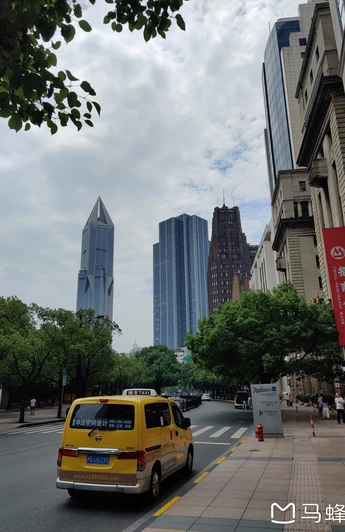
On our last night in Shanghai, we visited Nanjing Road Pedestrian Street. One of China's top ten famous pedestrian streets, it's a shopping paradise lined with department stores. Creative sculptures are scattered along the street, and vintage-style tram cars clatter back and forth, evoking the flavor of old Shanghai. When our feet got tired, we found a bench, sat down, and watched the flow of people, soaking in the city's vibrant energy.
Shanghai Transport & Accommodation Tips
Shanghai's public transport system is arguably the best in the country. The metro network is dense and transfers are convenient, especially Line 2, which stretches from Hongqiao Railway Station and Hongqiao Airport in the west to Pudong Airport in the east, cutting across the city.
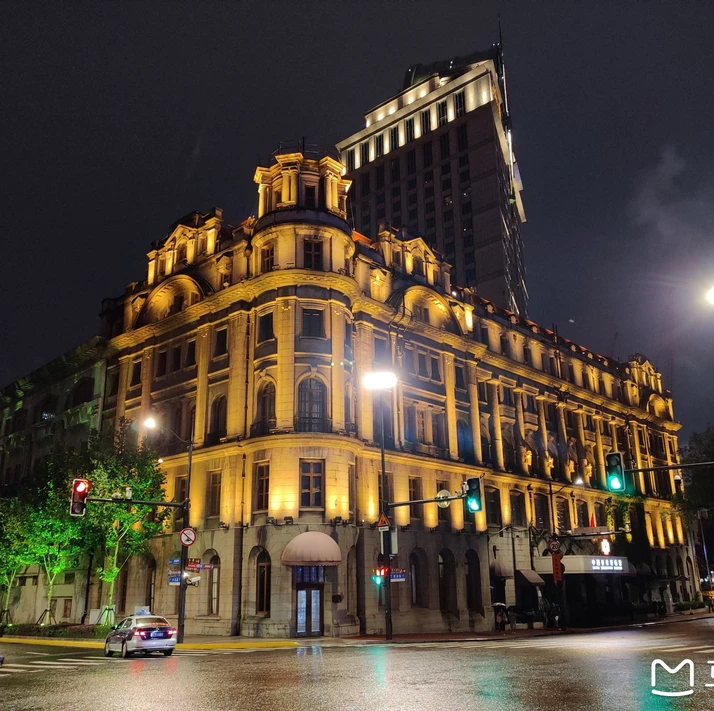
For accommodation, I recommend staying along Line 2 near West Nanjing Road, People's Square, or East Nanjing Road. These areas in Huangpu District are close to the Bund, Lujiazui, and Nanjing Road Pedestrian Street. Hotel prices range from budget to luxury—choose according to your needs. [Link: Best hotels in Shanghai for first-time visitors]
Day 4: Wuzhen – The Jiangnan Dream
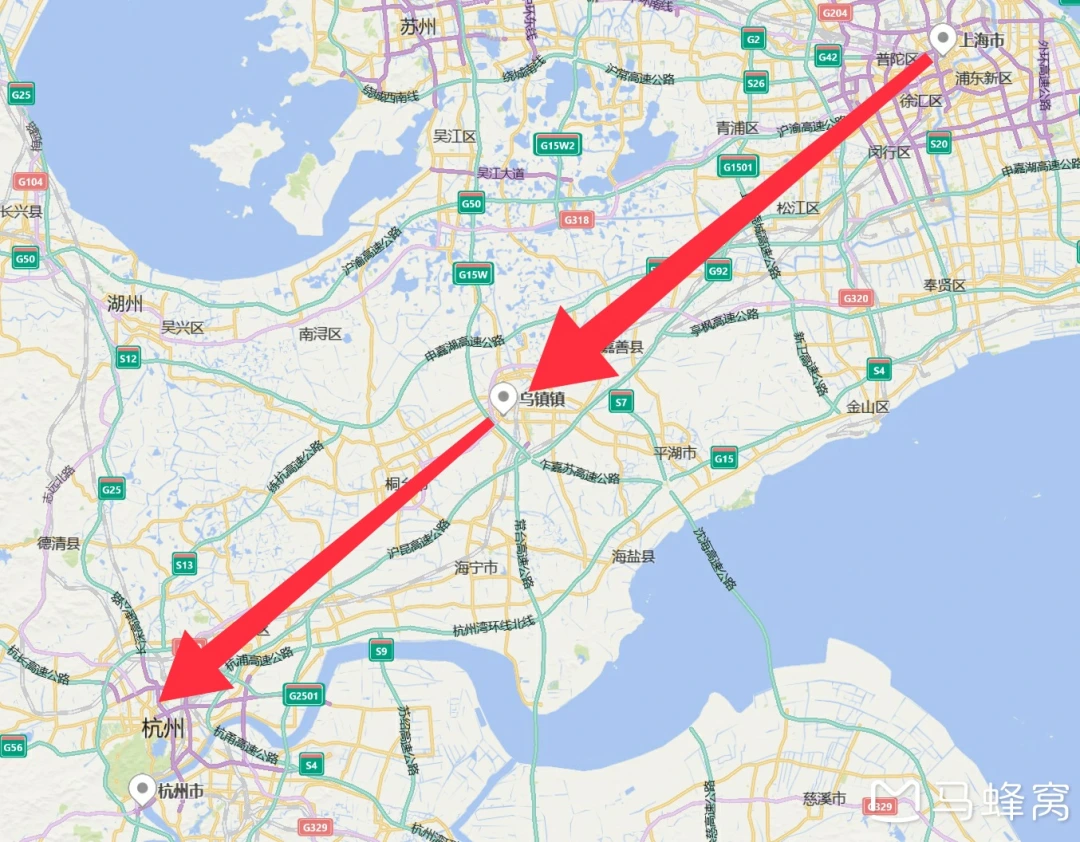
Morning: Shanghai to Wuzhen – A Scenic Journey
On August 13th, we tried some local Shanghai breakfast specialties: doufuhua (tofu pudding) with dabing (a large flatbread). The tofu pudding was savory, and the flatbread was dry—as a Cantonese, I just couldn't get used to it. Then we headed to Shanghai Long-Distance Bus South Station and took a coach to Wuzhen. The one-and-a-half-hour ride was much more convenient than taking the high-speed train and then transferring to a bus.
Afternoon to Evening: The Day and Night of Xizha
Wuzhen, a thousand-year-old water town in Jiangnan, is divided by a cross-shaped water system into four areas: Dongzha, Nanzha, Xizha, and Beizha. Dongzha was developed first and retains a strong local flavor, while Xizha is the main tourist hub. With an investment of over one billion yuan, it covers 4.92 square kilometers and consists of twelve islands surrounded by emerald waters.
When we arrived at Xizha Scenic Area, the ticket price was 150 yuan per person. We dropped off our luggage at the scenic area's luggage storage, then took a sightseeing bus to our inn. The inn was a traditional Jiangnan-style private home, with a small courtyard, carved windows, and wooden furniture. The room was clean and tidy, with a faint scent of wood.
That evening, we strolled along the Xizha ancient street. The banks were lined with Ming and Qing dynasty architecture, stone bridges arching over the water, and green willows brushing the surface. As night fell, lights gradually lit up, reflecting on the water like stars scattered across a river. We found a small bar by the water, ordered a drink, and listened to the folk singer's low voice. The night in Wuzhen was so quiet it felt unreal.
Day 5: Wuzhen – Morning Mist and Afternoon Serenity
Morning: Xizha at Dawn
On August 14th, I woke up early and went out alone. The morning mist hung over the river like a veil. A few small boats were already floating on the water, the boatmen slowly rowing their oars. I walked along the bluestone path, passing by some early-rising elderly locals sitting by the river washing vegetables and chatting softly. This was the most authentic Wuzhen—no crowds, no noise, just the gentle flow of life.
Daytime: Dongzha – The Original Flavor of an Ancient Town
After breakfast, we took the scenic area's shuttle bus to Dongzha. Compared to Xizha, Dongzha feels more authentic and rustic. The streets are narrower, the buildings older, and there are more locals living there. We visited the Wood Carving Museum and the Hundred Beds Museum, each telling the story of Wuzhen's history.
The Mu Xin Art Museum is also worth visiting. This museum, built to commemorate the local writer and painter Mu Xin, has a minimalist design that perfectly complements the ancient town. [Link: Best museums in Wuzhen]
Afternoon: Wuzhen to Hangzhou
In the afternoon, we took a bus from Wuzhen to Hangzhou. The journey took about one and a half hours. Along the way, the scenery gradually shifted from water towns to modern architecture, as if traveling from ancient times back to the present.
Day 6: Hangzhou – The Poetic West Lake
Morning: Lingyin Temple – A Buddhist Sanctuary
On August 15th, we took a bus to Lingyin Temple, one of China's most famous Buddhist temples. The temple is nestled in a forest, surrounded by ancient trees. The main hall is grand and solemn, with a giant Buddha statue inside that commands awe. We lit incense and made wishes, then strolled through the temple grounds, feeling the tranquility and peace.
Afternoon: West Lake – The Soul of Hangzhou
In the afternoon, we arrived at West Lake. The lake was calm, the water clear, and the distant mountains reflected on the surface like a traditional Chinese ink painting. We rented a small boat and rowed to the center of the lake, where the Three Pools Mirroring the Moon stood in the water. The boatman told us that on moonlit nights, you can see the reflection of the moon in the water, creating a stunning effect.
We also visited Su Causeway and Bai Causeway, two famous causeways built during the Tang and Song dynasties. The willows on both sides swayed in the wind, and the peach blossoms were in full bloom. Walking along the causeway felt like stepping into a poem.
Evening: Hefang Street – A Taste of Old Hangzhou
That evening, we went to Hefang Street, a pedestrian street that preserves the style of old Hangzhou. The street is lined with shops selling local snacks, handicrafts, and souvenirs. We tried Dongpo Pork, Longjing Shrimp, and Beggar's Chicken, all delicious. The night market was lively, with street performers showing off their skills and people laughing and chatting.
FAQ: Shanghai–Wuzhen–Hangzhou Travel Tips
1. What is the best time to visit Shanghai, Wuzhen, and Hangzhou?
The best time is spring (March to May) and autumn (September to November). The weather is mild, and the scenery is at its most beautiful. Summer can be hot and humid, while winter is cold but less crowded.
2. How many days do I need for this route?
A minimum of 5–6 days is recommended. Spend 2–3 days in Shanghai, 1–2 days in Wuzhen, and 1–2 days in Hangzhou. This allows you to experience each city without rushing.
3. Is it better to take a bus or high-speed train from Shanghai to Wuzhen?
For convenience, taking a bus from Shanghai Long-Distance Bus South Station is better. The journey takes about 1.5 hours and drops you directly at Wuzhen. The high-speed train requires a transfer to a local bus, which takes longer.
4. What should I pack for this trip?
Pack comfortable walking shoes, lightweight clothing for summer, a light jacket for spring/autumn, and an umbrella for sudden rain. Don't forget a power bank for your phone and a camera for capturing the scenery.
5. Are there any hidden costs in Wuzhen?
Yes. The Xizha ticket (150 yuan) covers most attractions, but some museums and boat rides have additional fees. Food and souvenirs can also be expensive. Budget around 200–300 yuan per day for meals and extras.
Conclusion: Your Dreamlike Corridor Awaits
The Shanghai–Wuzhen–Hangzhou corridor is more than a travel route—it's a journey through China's past, present, and future. From the thunderstorm spectacle on the Bund to the ancient canals of Wuzhen and the poetic beauty of West Lake, every moment is unforgettable.
Ready to experience this dreamlike corridor? Start planning your trip today. Book your flights, reserve your hotels, and pack your bags. The magic of Shanghai, the charm of Wuzhen, and the poetry of Hangzhou are waiting for you.
Share your travel plans in the comments below, or tag us in your photos on social media. We'd love to see your journey through time and space!
You may also like