Shanghai Weekend Wanderings: Rediscovering the Magic City's Warmth Between Light and Life
Meta Description: Explore Shanghai's hidden gems through a photographer's lens—from rooftop skyline views to artistic alleyways. Rediscover the Magic City's warmth in this SEO-optimized travel guide.
Introduction: Falling in Love with Shanghai, One Frame at a Time
The spring of 2022 arrived with unexpected stillness. When the pandemic pressed pause on Shanghai, the city that once pulsed day and night fell silent like a dream. Streets emptied, cafés closed, and even the breeze along the Bund seemed tinged with melancholy. Yet, during those days of isolation, flipping through seven years' worth of photos stored in my camera, I realized—I had unknowingly fallen in love with every facet of this city.
Shanghai has long ceased to be just a geographical coordinate for me. Its fast pace holds the dreams of countless people. Its towering skyscrapers shelter the lights of late-night office workers. Its hidden alleyways preserve the elegance of old-school Shanghainese gentlemen and the warmth of everyday life. Today, I want to take you on a journey through the Shanghai I've captured through my lens—those nostalgic, vibrant, pre-pandemic moments that we all miss dearly.
[Link: Best time to visit Shanghai for photography]
Urban Photography Spots: Capturing Shanghai's Skyline from Above
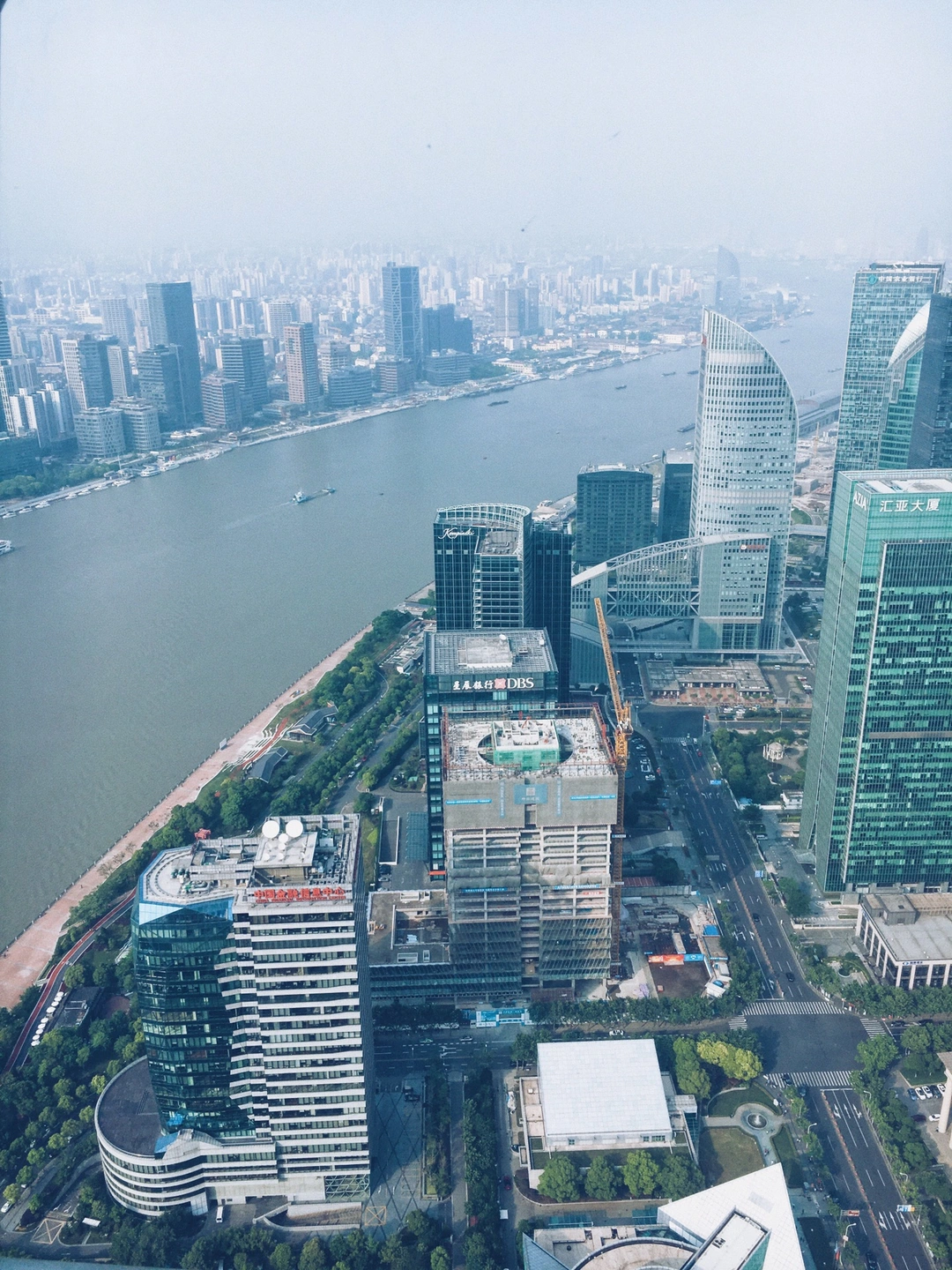
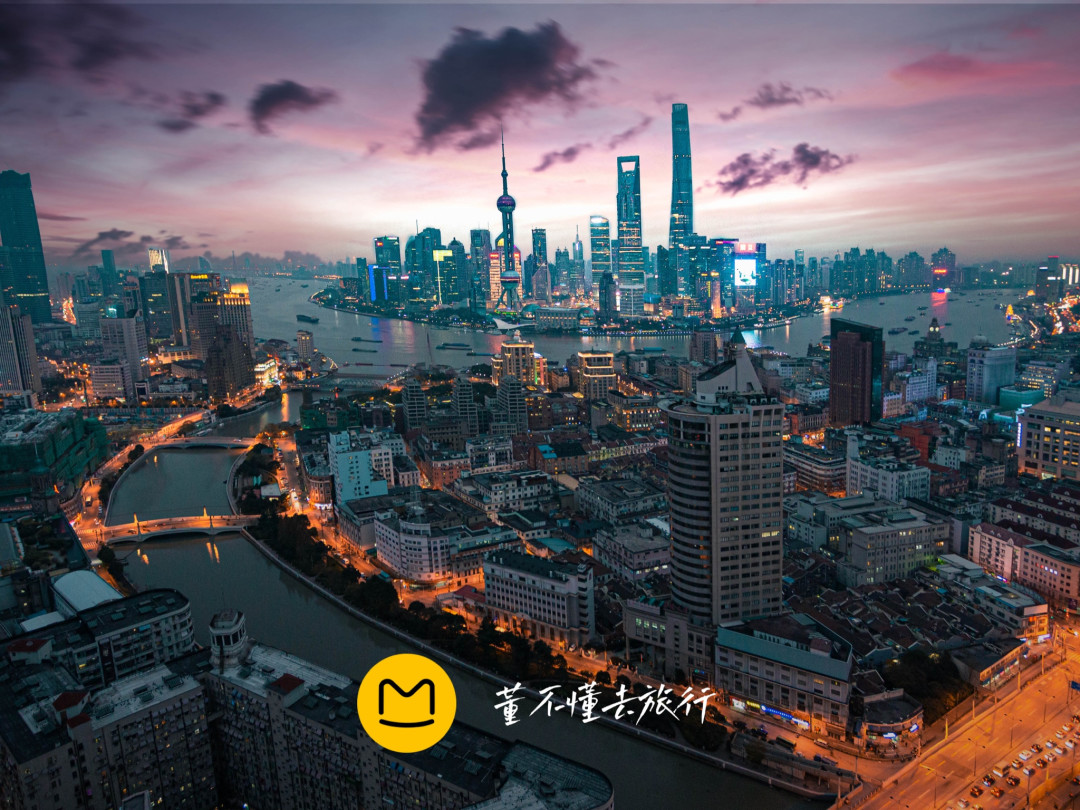
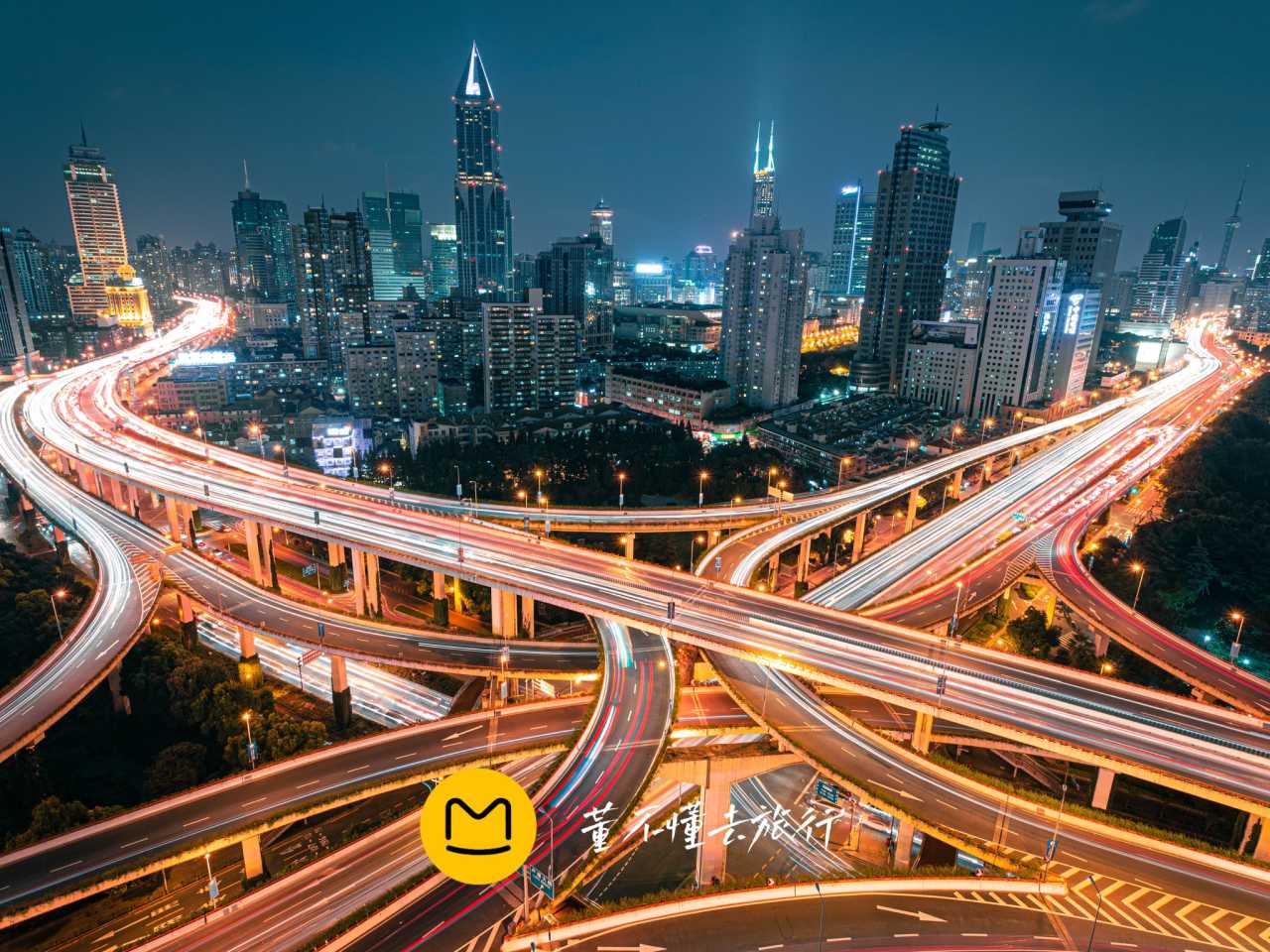
Shanghai's magic begins with its skyline. The Huangpu River bends gracefully here, cradling the cluster of skyscrapers in Lujiazui. Crisscrossing elevated highways flow like the city's veins, glowing with golden light at night. For photography enthusiasts, Shanghai is the best city in China for rooftop shooting—only from above can you truly grasp the city's ambition and romance.
Yan'an East Road Overpass: The Urban Legend of the Nine-Dragon Pillar
Every city has its mysterious tales, and Shanghai's most famous is the "Nine-Dragon Pillar" at the intersection of Yan'an East Road and the North-South Elevated Road. Legend has it that when workers tried to drive the foundation piles, they encountered repeated obstacles. A revered monk was summoned, who advised carving nine dragons onto the pillar—and only then was the project completed. Today, if you drive past, you can still see that massive column etched with dragon motifs.
From above, the two elevated roads intersect in a perfect "X" shape—a beginner-friendly rooftop photography spot. The Golden Deer Building on the south side is the classic location for capturing this scene. Take the elevator to the top floor, and through the window, you can catch the traffic flow on the overpass. Pro tip: Bring a tripod and use long exposure to turn car lights into flowing streams of light. The effect is breathtaking.
Tianmu Middle Road Overpass: The "中" Character in Circular Light
At the intersection of Tianmu Middle Road and the North-South Elevated Road, a circular overpass looks especially enchanting at night. From the high-rise Yongshengyuan residential building nearby, the traffic weaves through the circle, with light trails extending into the distance, perfectly forming the shape of the Chinese character "中" (meaning "middle" or "China"). The shooting spot is in the building closest to the overpass—you'll need to follow a resident through the access gate and shoot from the corridor window. Be sure to stay quiet and avoid disturbing the residents.
Lushun Road & East Changzhi Road: A Cyberpunk Perspective
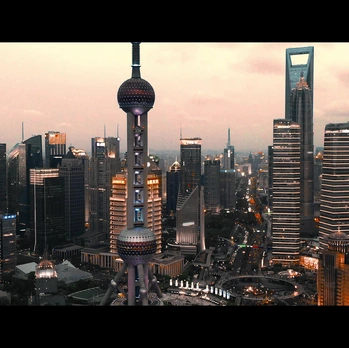
If you want a unique shot of Lujiazui, head to the intersection of Lushun Road and East Changzhi Road. The foreground features a five-story red-brick heritage building, while the background showcases the modern skyline of Jin Mao Tower, Shanghai Tower, and the Oriental Pearl Tower lined up in a row. The contrast between warm and cool tones, the juxtaposition of architectural styles from different eras—it all creates a visually striking composition.
Best shooting time: Around sunset. If you're lucky, the sky will be painted in shades of purple or pink. Take Metro Line 12 to International Cruise Terminal Station, and it's a short walk from there.
Harbin Road Bridge No. 2: Modernity Reflected in Water
If you're visiting 1933 Old Millfun, make a detour to Harbin Road Bridge No. 2. The Lujiazui buildings appear slightly smaller here, but the scene is infused with more everyday life—residents walking their dogs, young people cycling, small bars and cafés along the street—giving the image a warmer feel.
The river's surface is as still as a mirror, reflecting the red heritage buildings and creating a natural symmetrical composition. Take Metro Lines 4 or 10 to Hailun Road Station, and it's within walking distance.
Jiujiang Road: A Night Photography Haven Away from the Crowds
Just one street away from Nanjing Road Pedestrian Street, Jiujiang Road feels like a completely different world. No neon lights, no noisy crowds—just European-style heritage buildings, tangled power lines, laundry hanging out to dry, and the occasional passing car. At the end of the road stands the Oriental Pearl Tower, while the other end leads to Shimao Tower. This "old meets new" composition is perfect for night photography.
Post-processing tip: Use a teal-and-orange color palette to create a cool, moody urban night atmosphere.
The Bund: The Everlasting Star
The Bund is where Shanghai begins, and it's a must-visit for every traveler. But its most beautiful moment is always at night—when the lights on both sides of the Huangpu River come on, the river breeze brushes your face, and the historic buildings on one side face the modern skyline of Lujiazui on the other. That sense of grandeur and romance is something no photograph can fully replicate.
Walk north along the Bund to Waibaidu Bridge, where you'll see many couples taking wedding photos. A little further, Zhapu Road Bridge offers the best spot for shooting both Waibaidu Bridge and Lujiazui. It's also known as the "old master's bridge" for drone takeoffs, and security guards usually don't interfere.
[Link: Best photography gear for Shanghai night shots]
Artistic Shanghai: Tenderness Hidden in Corners

Spend enough time in Shanghai, and you'll discover that the city is inherently artistic. Those meticulously decorated boutiques, quiet and stylish streets, and bookstores tucked away in alleyways all quietly tell the story of the city's aesthetic sensibilities and emotional depth.
Changle Village: Poetic Life Under Ginkgo Trees
Near South Shaanxi Road, Changle Village is a rare pocket of tranquility in the midst of bustling commercial areas. In late autumn, the ginkgo trees in the compound turn golden, their fallen leaves carpeting the front yards of every home. Elderly residents quietly read newspapers, cats stroll leisurely, and gardens are set up with tables and chairs, filled with flowers and plants—the people here have turned life into poetry.
Address: Lane 39-45, South Shaanxi Road. Remember to keep quiet and not disturb the residents.
Zizhong Road: A Street of Charming Boutiques
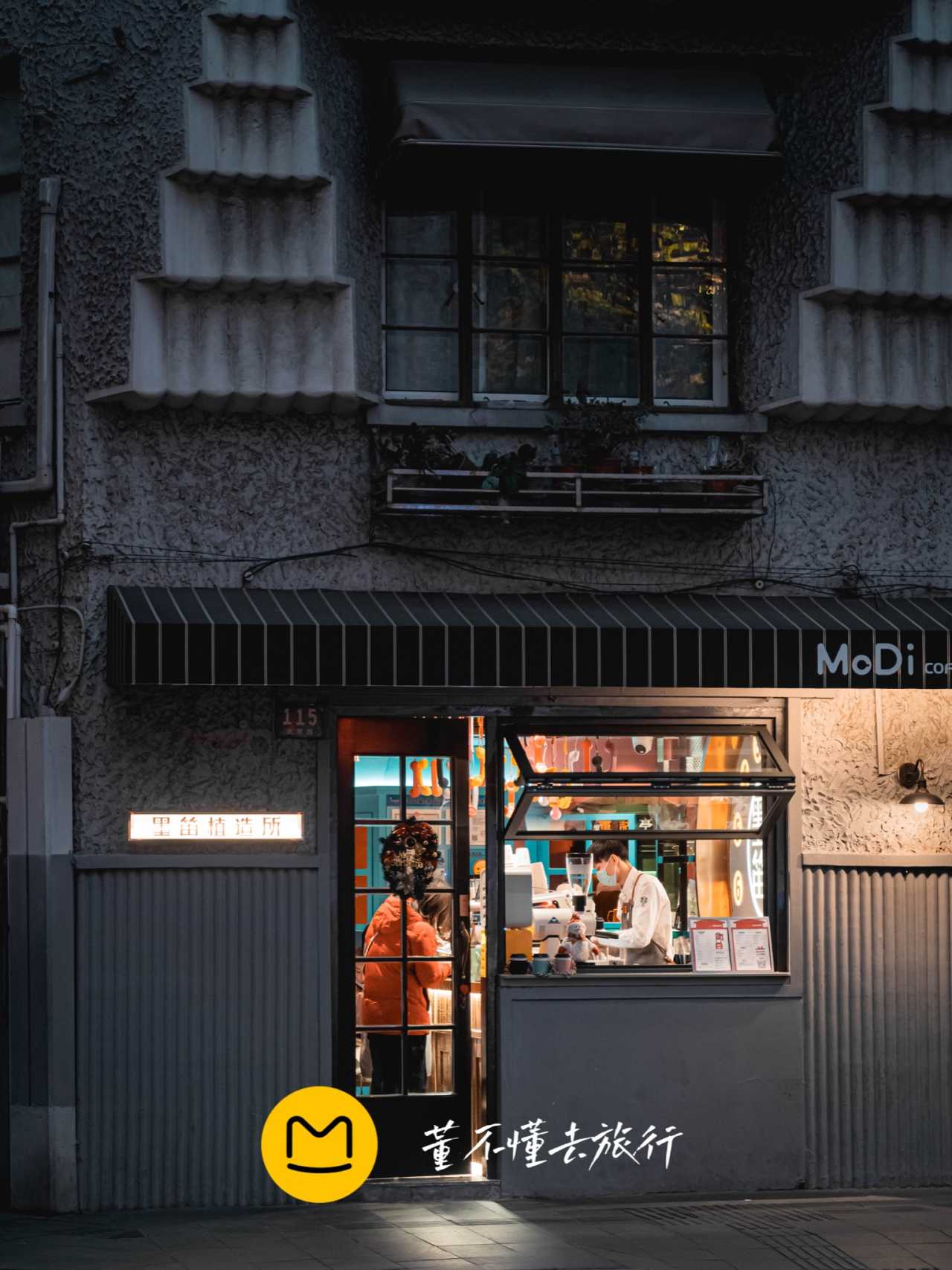
Between Madang Road and Danshui Road, Zizhong Road is lined with a variety of charming boutiques—clothing stores, accessory shops, pet stores, and flower shops. The old two-story townhouses, after some sprucing up, have taken on new life. In the evening, when the shops light up, the entire street is filled with an artistic atmosphere. Even if you're not shopping, it's a great place for photos.
Photography tip: Use a large-aperture lens and shoot in RAW format for more flexibility in post-processing.
Xinhua Cultural & Creative Center: Light Space: Tadao Ando's Poem of Light
"People's relationship with books has become increasingly distant. I hope this space can increase the encounters between people and people, and between people and books." As designer Tadao Ando said, the Light Space bookstore makes "light" the core of its design. The raw-wood-colored bookshelves emit a warm tone, and the circular bookshelf in the center softens the hard lines. This is a must-visit for architecture lovers and book enthusiasts alike.
[Link: Shanghai's best hidden bookstores]
FAQ: Shanghai Weekend Wanderings

1. What is the best time to photograph Shanghai's skyline?
 The golden hour (just before sunset) and the blue hour (just after sunset) offer the best lighting. For night photography, aim for 7:00 PM to 9:00 PM when the city lights are fully illuminated.
2. Are these photography spots easy to reach by public transport?
 Yes! Most spots are accessible via Shanghai's Metro system. For example, Lushun Road is near International Cruise Terminal Station (Line 12), and Jiujiang Road is a short walk from Nanjing Road East Station (Lines 2 and 10).
3. Do I need special permission to shoot from rooftops?
Some spots, like the Golden Deer Building, are publicly accessible. Others, like Yongshengyuan residential building, require following a resident through the gate. Always be respectful and avoid disturbing residents.
4. What camera gear do you recommend for Shanghai night photography?
 A tripod is essential for long exposures. A wide-angle lens (16-35mm) is ideal for skyline shots, while a fast prime lens (50mm f/1.8 or 35mm f/1.4) works well for street photography and low-light scenes.
5. Are there any free photography spots in Shanghai?
Absolutely! The Bund, Jiujiang Road, and Changle Village are all free to visit. Many of the best shots come from public spaces and streets.
Conclusion: Rediscover Shanghai's Warmth, One Frame at a Time
Shanghai is a city of contrasts—old and new, fast and slow, grand and intimate. Whether you're a seasoned photographer or a curious traveler, these spots offer a glimpse into the Magic City's soul. From the cyberpunk perspectives of Lushun Road to the poetic tranquility of Changle Village, every corner tells a story.
Your turn: Which of these Shanghai photography spots will you visit first? Share your favorite shot with us on social media using #ShanghaiWeekendWanderings. And if you have a hidden gem of your own, drop it in the comments below—we'd love to see your perspective on this incredible city.
[Link: Plan your Shanghai itinerary with our travel guide]
Note: This article was originally inspired by a personal travelogue on Mafengwo. All factual details about locations and shooting tips have been preserved and enhanced for SEO optimization.
You may also like