Shanghai Under the Plane Trees: An Unexpected Encounter with the City's Timeless Charm
Meta Description: Discover Shanghai's hidden soul beneath the plane trees. From Tianzifang to Sinan Road, this SEO-optimized travel guide reveals the city's timeless charm beyond the neon lights. Perfect for first-time visitors and seasoned travelers alike.
Introduction: When Sunlight Dapples the Leaves
"Wherever there are French plane trees, that's where you should walk and pause." This sentence unlocks countless imaginations about Shanghai. In spring and summer, the branches spread like green umbrellas, casting cool shade over your thoughts. In autumn and winter, fallen leaves carpet the ground in rhythmic patterns, and stepping on them feels like hearing the footsteps of time itself. There are two kinds of cities in the world—those with French plane trees, and those without. Shanghai is precisely the kind of city that derives its unique character from these trees.
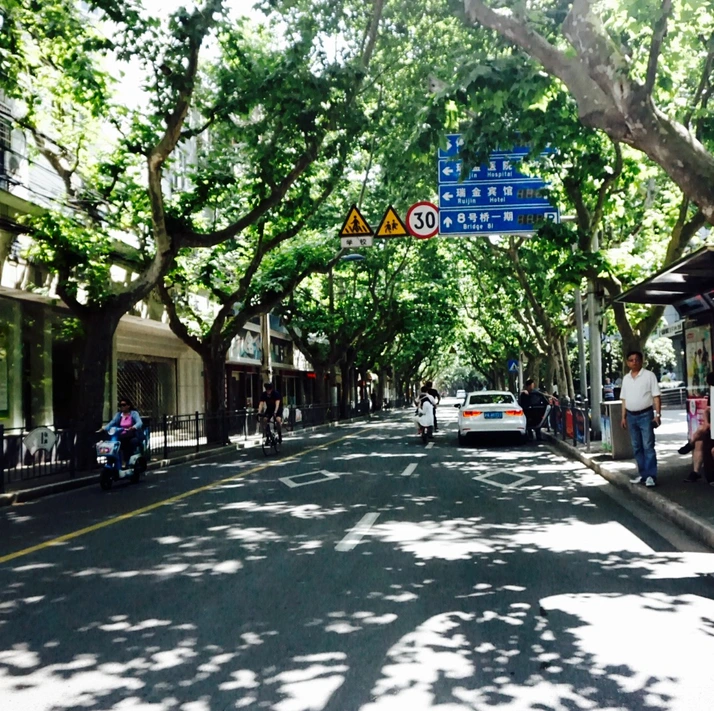
When you think of Shanghai, what comes to mind? Is it the neon glow of the "Magic City"? The exotic flair of the "Paris of the East"? The glorious bygone dreams of the Bund's ten-mile foreign concession? Or the seductive melodies of "Night Shanghai"? This city has too many labels, but behind each lies a special piece of history and culture. It is both an infinitely prosperous modern metropolis and the "Paris of the East" that carries the weight of a century of modern Chinese history.
My trip to Shanghai came about in a peculiar way. At some point early this year, I suddenly felt the urge to visit, but various trivial matters kept delaying the plan. It wasn't until the Dragon Boat Festival that I finally made it. And this season turned out to be exactly the Shanghai I most wanted to see—the plane trees were lush and green, and the sunlight was just right.
I had originally planned a three-day itinerary, but to my surprise, I finished visiting all the "must-see" attractions in just a day and a half. The remaining time became the most spontaneous part of the trip. By the third day, I even had to open Baidu and search for "Shanghai must-see attractions" to fill the schedule. But it was precisely this spontaneity that allowed me to unexpectedly touch the city's most authentic pulse.
Day One: Measuring Huangpu District on Foot
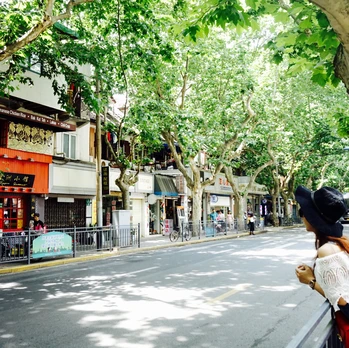
An Accidental Start at Tianzifang
My first stop was supposed to be Sinan Road, but I followed the map and took the bus—only to end up directly at Tianzifang. This "accident" became the first pleasant surprise of the journey.
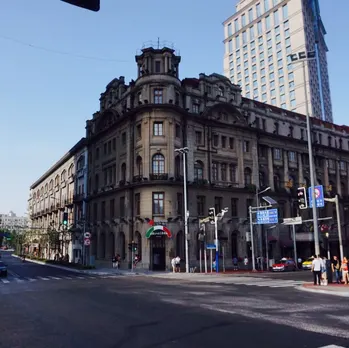
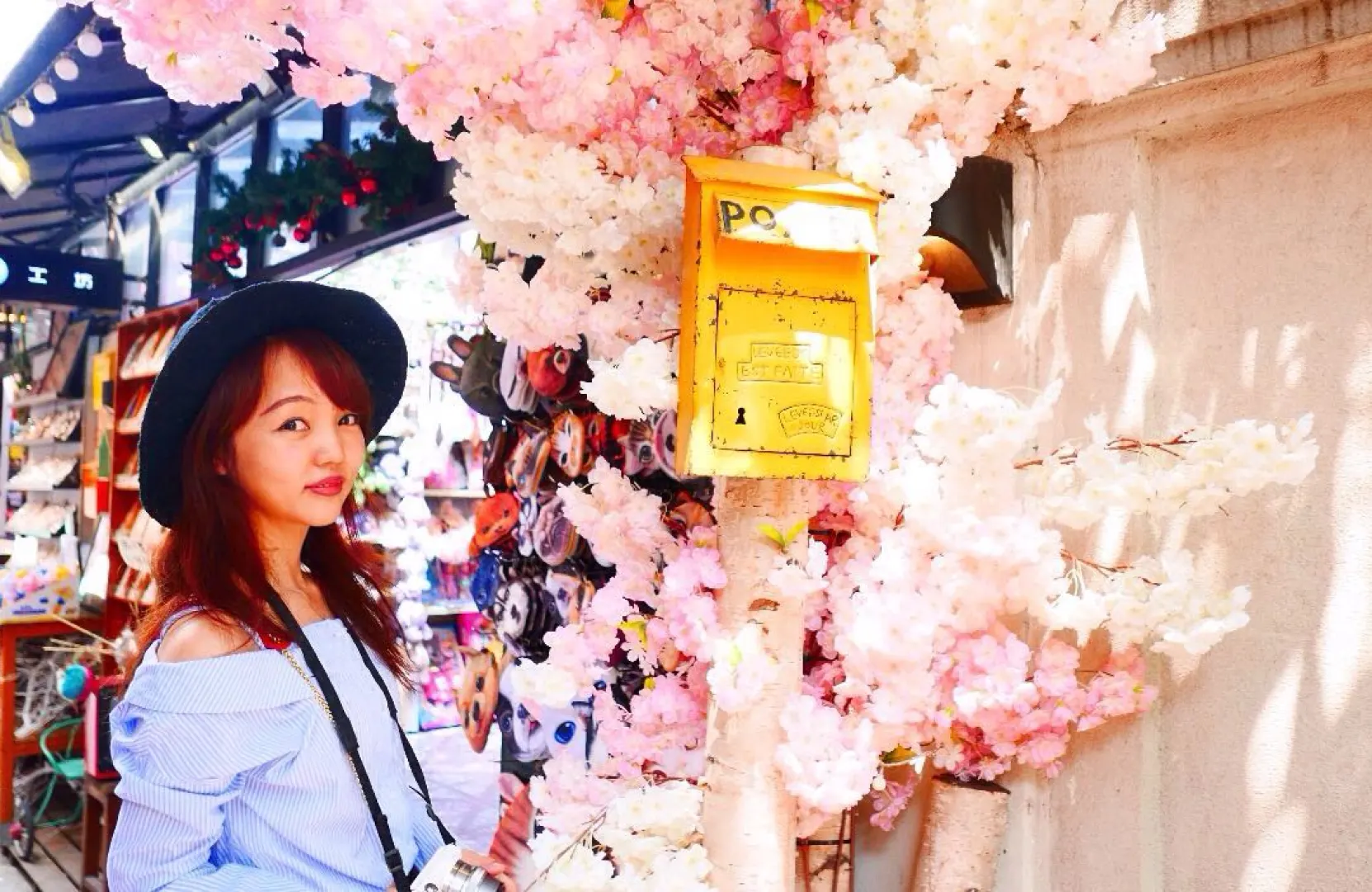
Tianzifang is a trendy creative industry cluster transformed from Shanghai's unique shikumen (stone-gate) architecture. Unlike the cookie-cutter "ancient towns" found in other cities, its greatest charm lies in the fact that people still live here. Those old green mailboxes with 1980s-era markings, standing amidst mottled walls and artsy shops, unexpectedly exude an artistic beauty. Tea houses, open-air restaurants, cafes, galleries, home decor stores, handicraft shops... and numerous well-known creative studios in Shanghai—everything you could want is here.
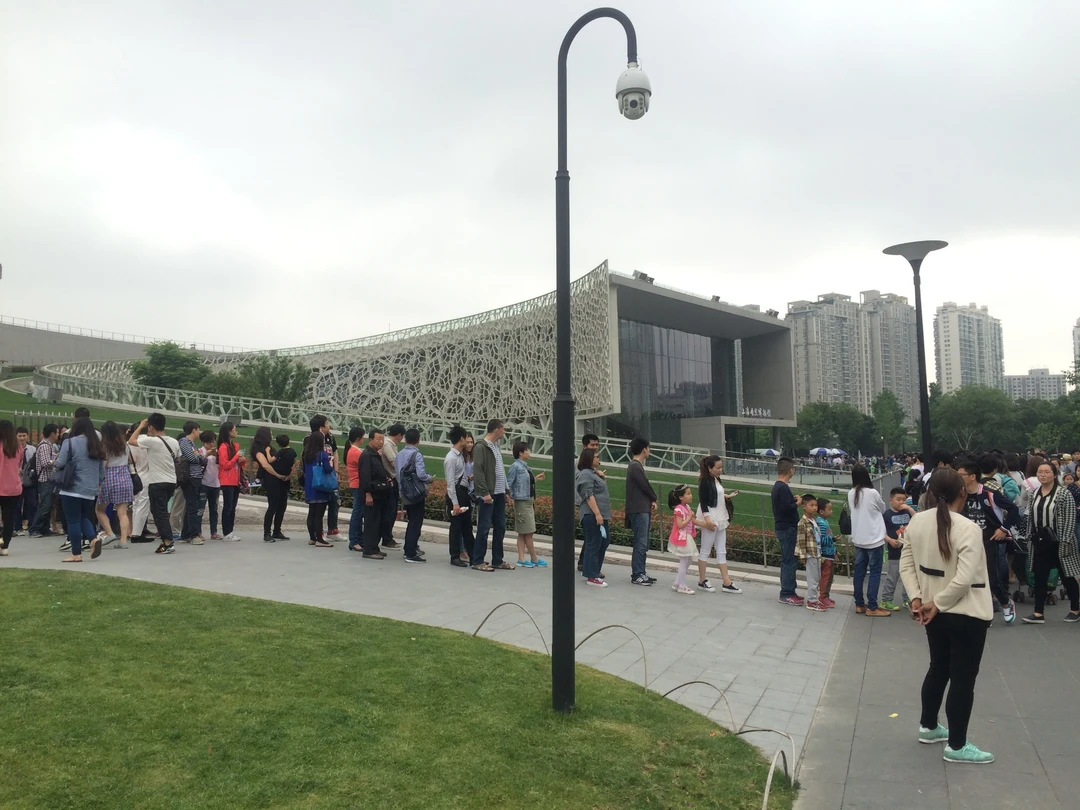
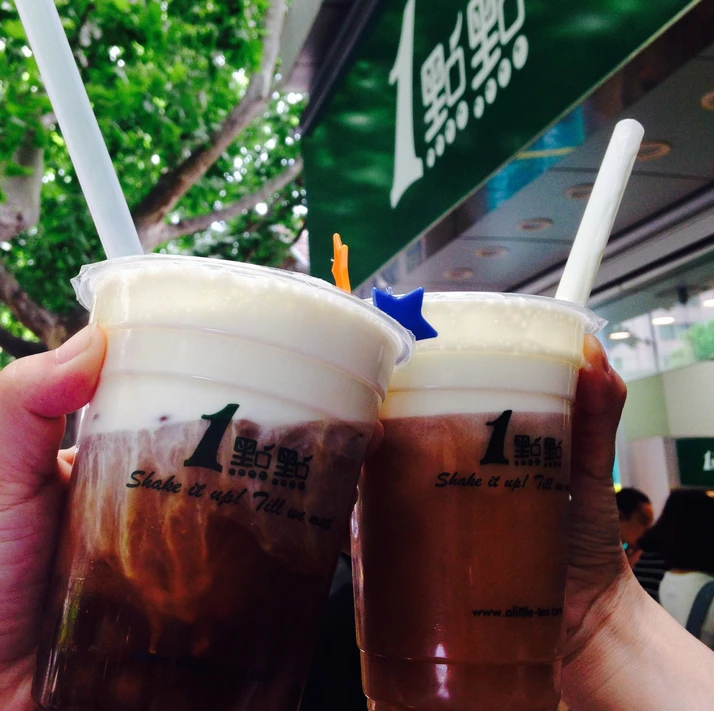
Just a short walk from Tianzifang is Xintiandi. Shanghai's trendy "Heytea" is also here, but the queue was simply ridiculous—over 30 meters long under the scorching sun, with security guards maintaining order and setting up barriers. We decisively gave up, only to unexpectedly discover a "Yidiandian" (a popular bubble tea chain) just a few steps away. That black tea macchiato still lingers in my memory to this day.
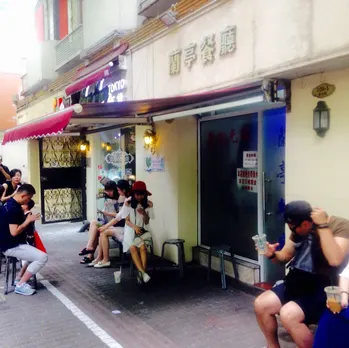
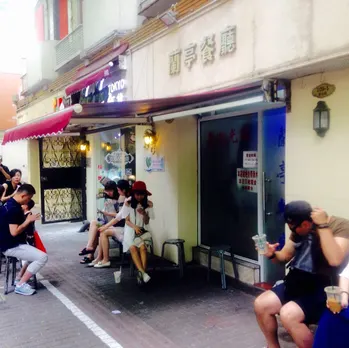
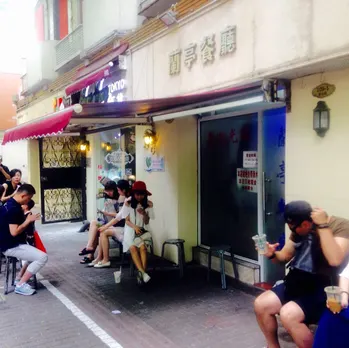
Along this road, we found the legendary "Lanting Restaurant" —a tiny eatery that always has only six tables, never changes its decor, and always has a queue. The most authentic Shanghainese home-style cuisine is said to be found here. We arrived at 1:30 PM, waited for a while, and by 2:00 PM, the restaurant was only accepting takeout orders, not dine-in customers. Later, I learned that many restaurants in Shanghai operate on this schedule—reopening at 4:00 PM with a two-hour break in between.
For someone from Chongqing, accustomed to the spicy flavors of Sichuan cuisine, my first meal in Shanghai made me understand what "sickeningly sweet" really means. That cloying sweetness made me feel that the forty-minute wait wasn't worth it. However, as the following days proved, I was being too naive at that moment—the sweetness I encountered later was truly "sweet to the extreme."
Sinan Road: Stories in the Shade of Plane Trees
In my opinion, small streets like Sinan Road are the most enchanting parts of Shanghai.
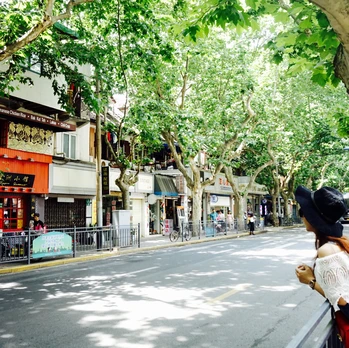
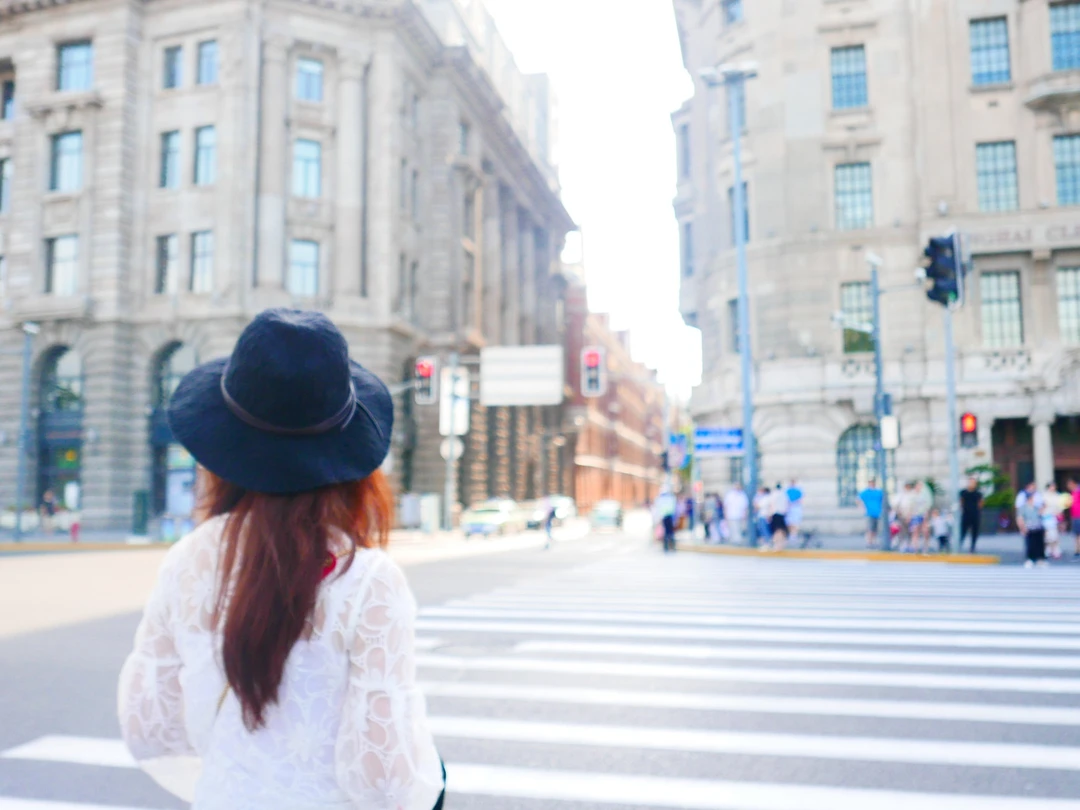
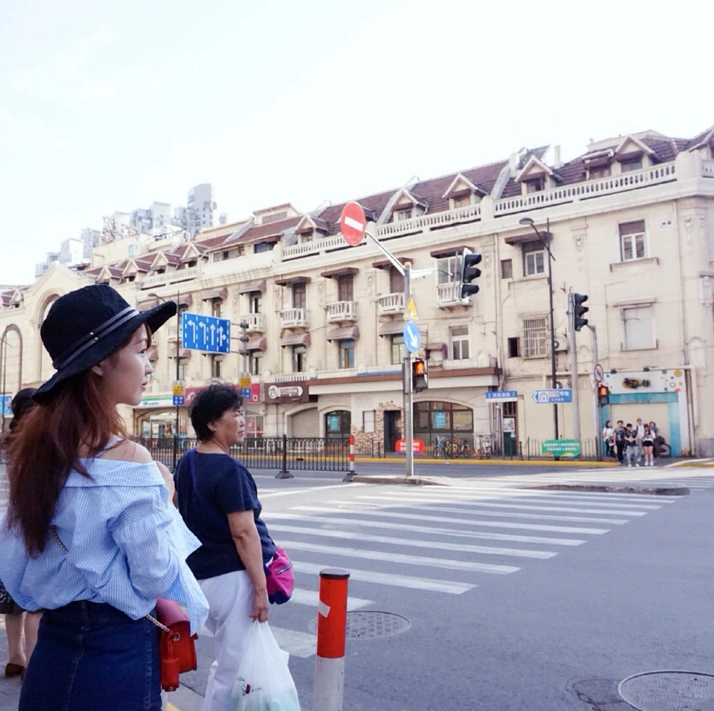
Some say Sinan Road is the "back palace" of Huaihai Road—hidden behind the bustle, like a secluded lotus blooming in solitude, quiet and serene, narrating the history and long years of old Shanghai at a slow pace. This road was named after the early 20th-century French composer Jules Massenet and is a typical French-style street—clean, romantic, one-way, lined with towering French plane trees, connecting Huaihai Road and Xujiahui. The garden villas on both sides of the road are of various styles—British, French, Spanish—each one telling a story from its days in the French Concession.
It is said that Sinan Road has over twenty garden-style villas, concentrating almost all the residential styles of old Shanghai—it is a living textbook of the city's history. Walking along it feels like stepping back into that hurried, chaotic yet still prosperous era.
The best mode of transportation here would be a shared bicycle. But if, like me, you can't ride a bike, measuring the road on foot has its own unique charm. As that saying goes: "Wherever there are French plane trees, that's where you should walk and pause."
Nanjing Road and City God Temple: Historical Depth Amid the Crowds
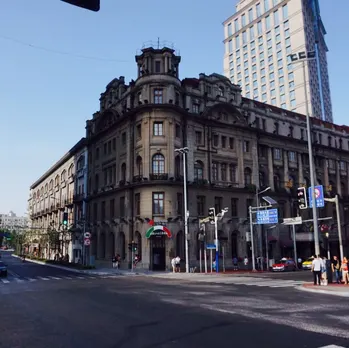
Nanjing Road Pedestrian Street, also known as East Nanjing Road, is Shanghai's most famous commercial street. Before liberation, it was called the "Far East's Premier Commercial Street." Walking along the 1,200-meter pedestrian street, you'll see colored paving bricks, uniform roadside kiosks, fashionable shops on both sides, bustling crowds, adorable sightseeing trains, and uniquely designed urban sculptures... All of these make up Shanghai's modern urban landscape.
Nanjing Road Pedestrian Street is the epitome of "crowds upon crowds," but it's different from ordinary shopping streets that are all about buying and buying. There's more historical sediment here. Especially at night, when the neon signs and buildings light up, it has a unique charm.
"If you go to Shanghai without visiting the City God Temple, you haven't really been to Shanghai." This saying is enough to illustrate the temple's status in the city. It was first built during the Yongle reign of the Ming Dynasty (1403-1424), with a history of nearly 600 years. If Nanjing Road is "crowds upon crowds," then the City God Temple is the epitome of "masses upon masses." Despite its long history and unique architectural features, amidst the sea of people, there's no time to appreciate any of it. Yuyuan Garden is located within the City God Temple, but because of the overwhelming crowds, we had to give up on this classic attraction.
The Bund: Awe Before the World Architecture Complex
Finally, we arrived at the place that is "crowds upon crowds + masses upon masses"—the Bund.
When it comes to Shanghai, the Bund is unavoidable. After Shanghai was opened as a commercial port, foreign banks, trading houses, clubs, and newspapers began to gather here, and the Bund quickly became the financial center of the country and even the Far East. In 1943, the Bund ended its century-long concession period when it was returned to the Wang Jingwei regime along with the Shanghai International Settlement.
The Bund is home to 52 classical revival buildings of various styles, known as the "World Architecture Expo." How crowded is the Bund on holiday evenings? Riot police vehicles are parked one after another, and broadcasts constantly remind you that "the number of people has now reached near capacity." The road from East Nanjing Road to the Bund was so packed that we had to move with the flow—there was no turning back. It was like being caught in a current, swept along by the crowd. For a moment, I felt as though I was a small boat on the Huangpu River, rising and falling with the waves, unable to control my own direction.
Day Two: The Unexpected Romance of Shanghai
French Concession: A Walk Through Time
On the second day, I decided to abandon the "must-see" checklist and simply wander. This led me to the French Concession, the heart of Shanghai's plane tree culture.
The French Concession is not just a historical district—it's a living museum. The streets here are wide, quiet, and lined with those iconic plane trees. Wukang Road, Fuxing Road, and Hengshan Road are among the most beautiful. Each street has its own personality: Wukang Road is artsy and trendy, Fuxing Road is residential and peaceful, and Hengshan Road is elegant and sophisticated.
I spent the entire morning walking from Wukang Road to Fuxing Park. The park itself is a gem—a quiet oasis in the middle of the city where locals practice tai chi, play chess, and dance. It's a slice of authentic Shanghai life that no guidebook can fully capture.
The Charm of Spontaneity
By the third day, I had run out of planned attractions. I opened Baidu and searched "Shanghai must-see attractions," but nothing appealed to me. Instead, I decided to revisit my favorite spots from the first two days—this time without the crowds.
I returned to Sinan Road early in the morning, when the plane trees were still dripping with dew. The street was empty, and I could hear birds singing. It was a completely different experience from the crowded daytime. I sat on a bench for an hour, just watching the sunlight filter through the leaves. That moment, more than any attraction, is what I remember most about Shanghai.
FAQ: Your Shanghai Travel Questions Answered
Q1: What is the best time to visit Shanghai for plane tree scenery?
 A: The best time is late spring to early summer (May-June) when the plane trees are fully green but the weather is still pleasant. Autumn (October-November) is also beautiful when the leaves turn golden.
Q2: How many days do you need to see Shanghai's top attractions?
 A: Three days is ideal. Day 1: The Bund, Nanjing Road, and City God Temple. Day 2: French Concession and Tianzifang. Day 3: Free time for spontaneous exploration.
Q3: Is Shanghai expensive for tourists?
 A: It can be, but budget options exist. Street food and local eateries are affordable. Accommodation ranges from hostels (¥100-200/night) to luxury hotels (¥1,000+).
Q4: What's the best way to get around Shanghai?
 A: The metro is efficient and cheap. For short distances, shared bikes are perfect. Walking is best for the French Concession and Bund areas.
Q5: Are the crowds really that bad during holidays?
A: Yes, especially during Chinese New Year, National Day (Oct 1-7), and Dragon Boat Festival. If possible, visit on weekdays or off-peak seasons.
Internal Linking Suggestions
[Link: Best time to visit Shanghai for plane tree scenery]
[Link: Top 10 things to do in Shanghai's French Concession]
[Link: Shanghai budget travel guide for first-timers]
[Link: How to avoid crowds at Shanghai's top attractions]
[Link: Authentic Shanghainese cuisine: where to eat like a local]
Conclusion: Your Shanghai Adventure Awaits
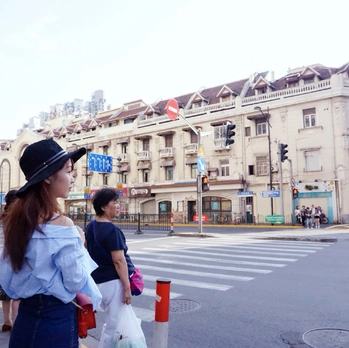
Shanghai is a city of layers. Beneath the neon lights and skyscrapers lies a quieter, more soulful world—one shaded by plane trees, filled with the aroma of tea and the sound of birds. It's a city that rewards spontaneity and punishes rigid planning. The best moments come when you least expect them: an accidental detour to Tianzifang, a quiet bench on Sinan Road, a forgotten bubble tea shop.
Ready to discover your own Shanghai story? Start planning your trip today. Book your flights, pack comfortable walking shoes, and leave room in your itinerary for the unexpected. The plane trees are waiting.
[Link: Compare flight deals to Shanghai] | [Link: Find hotels near the French Concession] | [Link: Download our free Shanghai walking tour map]
Have you visited Shanghai? Share your favorite plane tree memory in the comments below!
You may also like