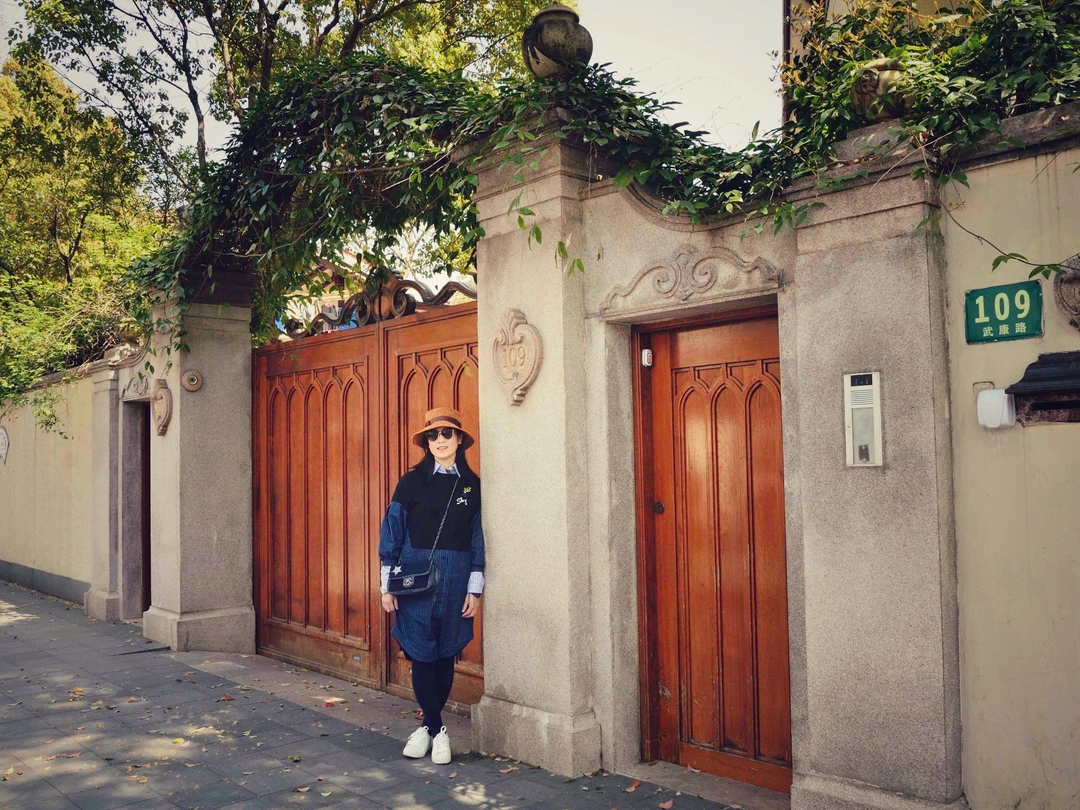
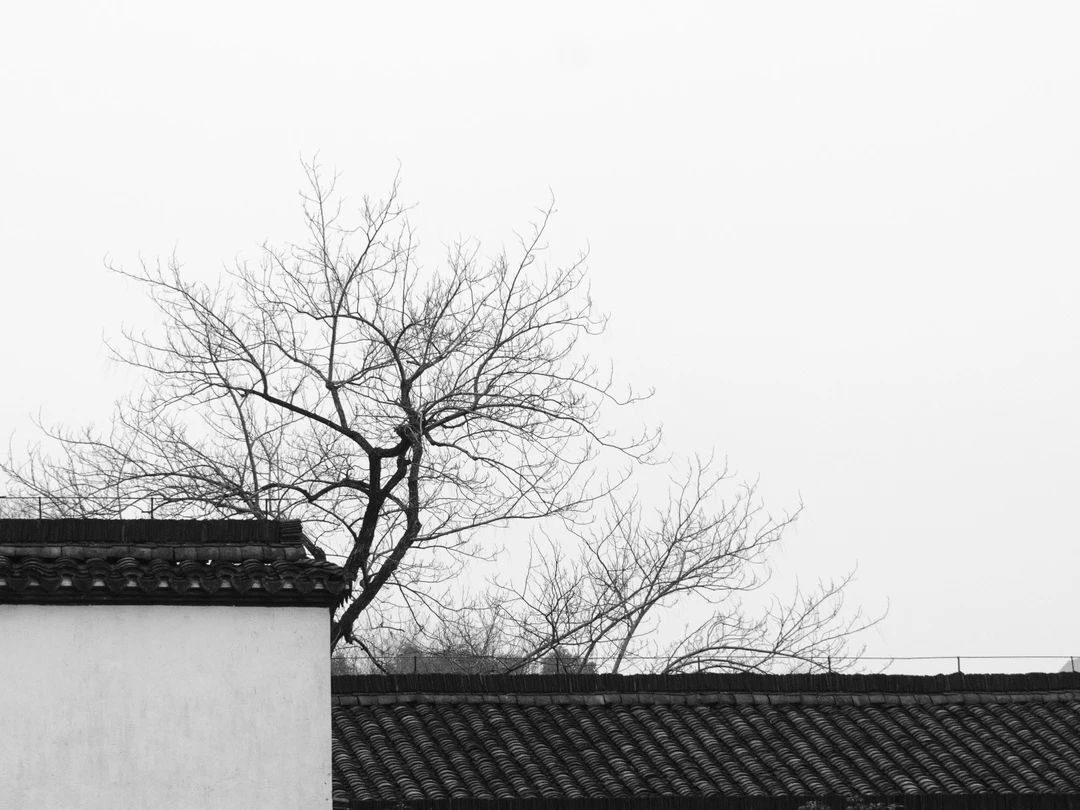
【HELLO · Yangtze Delta】A Solo Budget Trip for 1,000 Yuan: Measuring Youth with Steps, Freezing Loneliness with a Lens
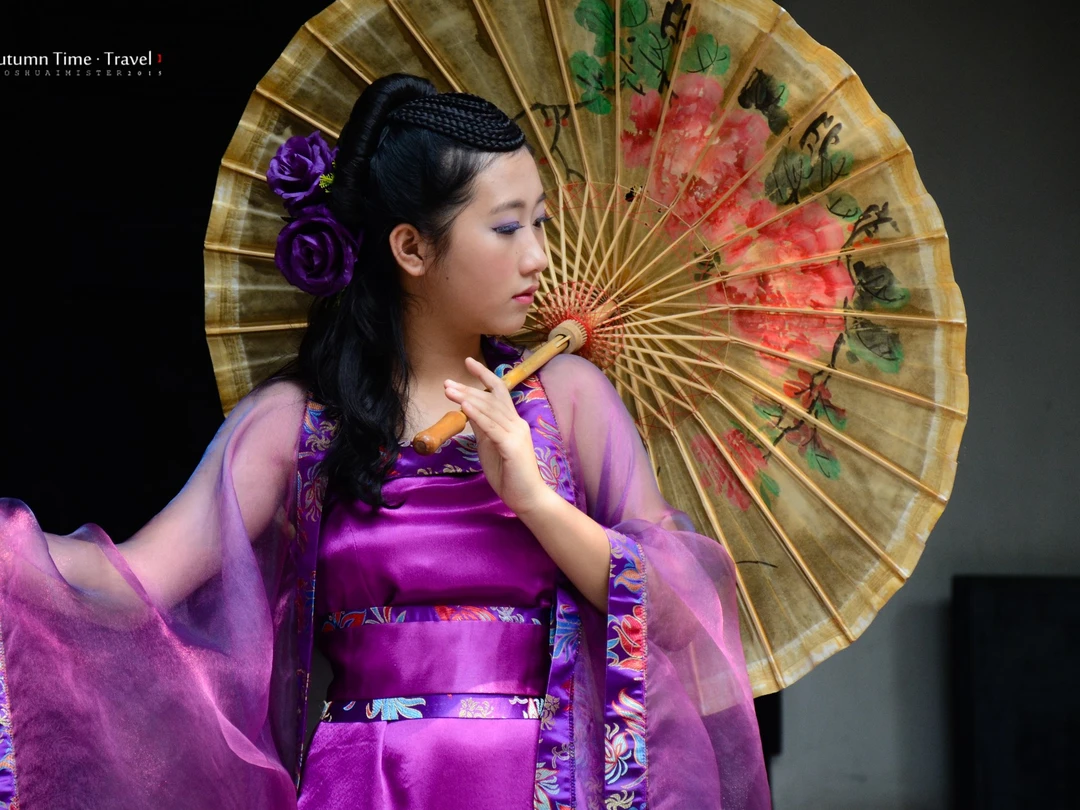
Meta Description: Discover how to travel Hangzhou, Xitang, Suzhou, and Shanghai on a 1,300 yuan budget. Solo travel tips, youth hostel hacks, and money-saving transport strategies for the Yangtze Delta region.
Introduction: A Spontaneous Journey, A Conversation with Myself
Travel is the most vivid color of youth. Once upon a time, we made a promise: at least once a year, go see the world. Last year, I set foot on the land of Yunnan, feeling the tenderness of Cangshan Mountain and Erhai Lake. This year, I originally planned to go to Tibet, but it was shelved for various reasons. In order not to let myself down, I chose the Jiangsu-Zhejiang-Shanghai region, which is relatively close to Beijing — Hangzhou, Xitang, Suzhou, and Shanghai. Four places, six days, a budget of 1,300 yuan, alone, with one backpack and one camera, I set off again.
Coincidentally, the day of departure was August 25th, my lunar calendar birthday. Although it wasn't the solar calendar, this coincidence added a sense of ritual to the trip. A year later, I am writing this travelogue, not to attract attention, but to leave myself a beautiful memory. If you have ever felt lonely on a journey or are planning a budget trip, I hope my experience can give you some inspiration.
I. Pre-Trip Preparation: The Wisdom and Trade-offs of Budget Travel

1. Itinerary Overview
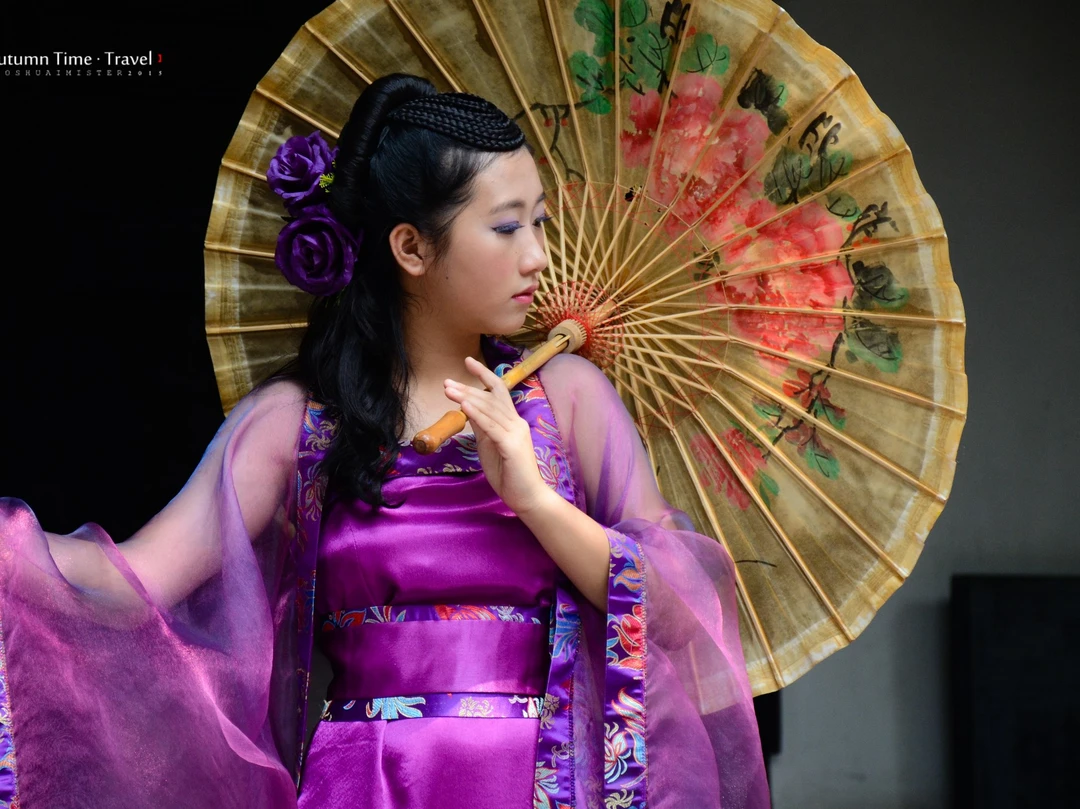
- Time: August 25 – September 1, 2014 (6 days total)
- Route: Beijing → Hangzhou → Xitang → Suzhou → Shanghai → Tianjin → Beijing
- Number of People: 1
- Total Cost: Approximately 1,300 yuan (300 yuan for accommodation + 700 yuan for transportation + 300 yuan for meals)
- Transportation: Plane, train, coach, bus, bicycle
2. Essential Items Checklist
- Clothes, shoes, hat
- Phone, camera, tripod
- Power bank, ID card, small amount of cash
3. Accommodation Choice: Cost-Effectiveness of Youth Hostels
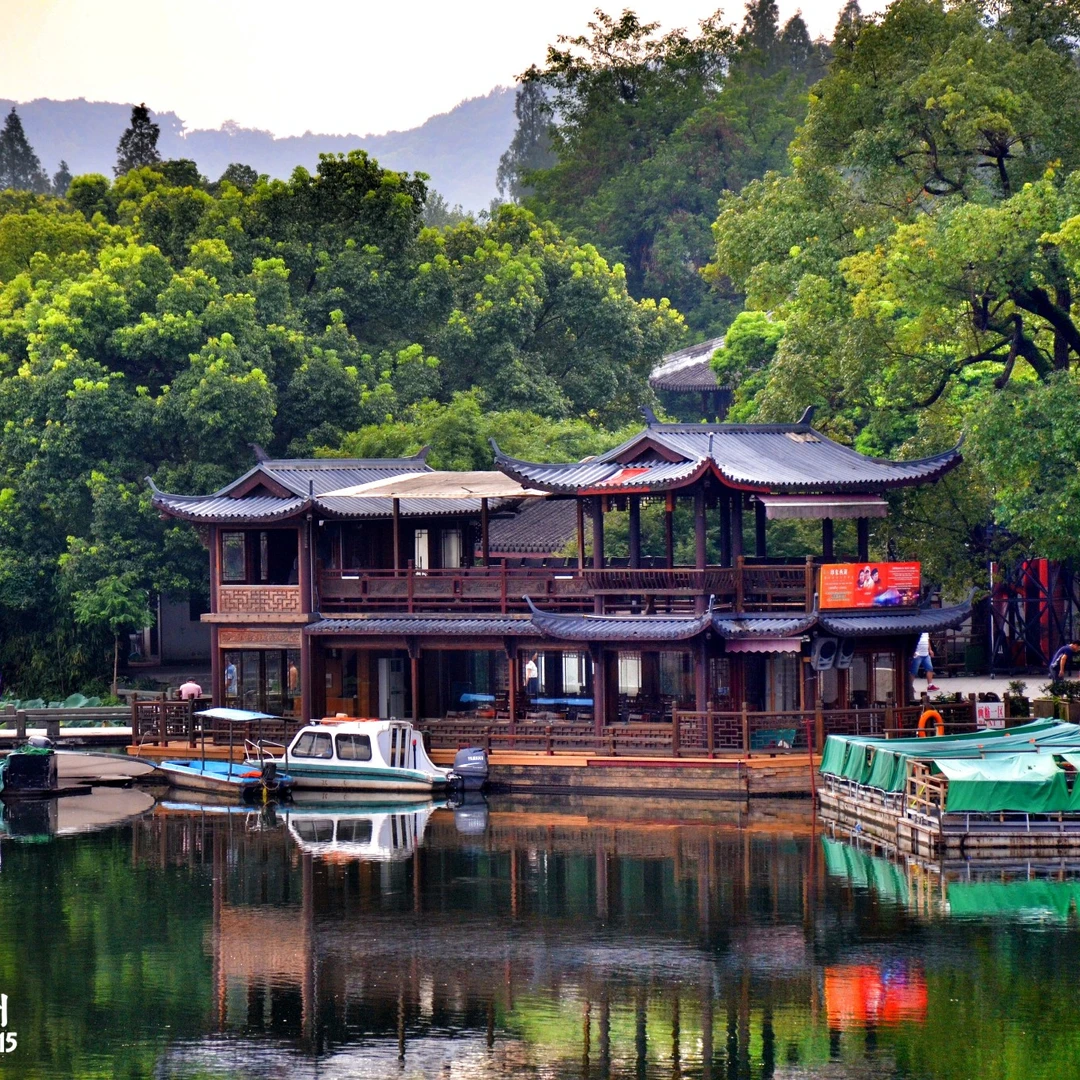
The core of budget travel is not being "stingy," but spending money where it counts. For accommodation, I chose youth hostels for all stays, priced between 40-70 yuan per night. Here are my personal experiences:
- Hangzhou · Heitian Youth Hostel (40-50 yuan/night): Average review. Location was mediocre, facilities were standard.
- Xitang · Tangjialong Youth Hostel (40-50 yuan/night): Average review. The environment was acceptable, but not as standardized as international youth hostels.
- Suzhou · Xiaoya International Youth Hostel (40-50 yuan/night): Poor review. No private bathroom, basic facilities.
- Shanghai · Nanjing Road Mingtang International Youth Hostel (60-70 yuan/night): Excellent review! Perfect location, walking distance to the Bund, well-equipped, and even has a self-service kitchen, great for budget travelers to cook their own meals.
Tip: If you're traveling alone, dormitory beds in youth hostels are a good option. But make sure to book in advance through reputable platforms like YHA to avoid pitfalls.
4. Transportation Strategy: How to Travel Four Places with 700 Yuan
- Beijing → Hangzhou: Train
- Hangzhou → Xitang: Coach
- Xitang → Suzhou: Train
- Suzhou → Shanghai: Train
- Shanghai → Tianjin: Plane (discounted ticket)
- Tianjin → Beijing: Train
Money-Saving Tips: Keep an eye out for discounted airfares in advance. For train tickets, try to buy hard seats or second-class seats. For short distances, you can rent a shared bike or walk.
II. DAY 1: Hangzhou — The Gray and Green of Paradise
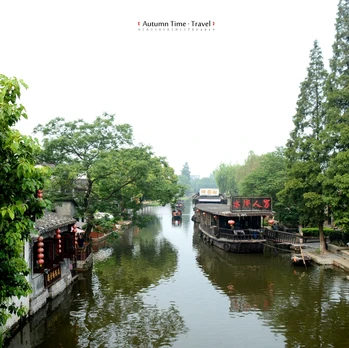
1. First Sight of West Lake: Disappointment with a Silver Lining
"Above there is heaven, below there are Suzhou and Hangzhou." I had heard this saying since childhood, so I had high expectations for Hangzhou. However, when I walked out of the train station and saw the gray sky, my heart sank. Locals said it had just rained a few days ago, but the air quality was still worrying, even worse than Beijing's smog.
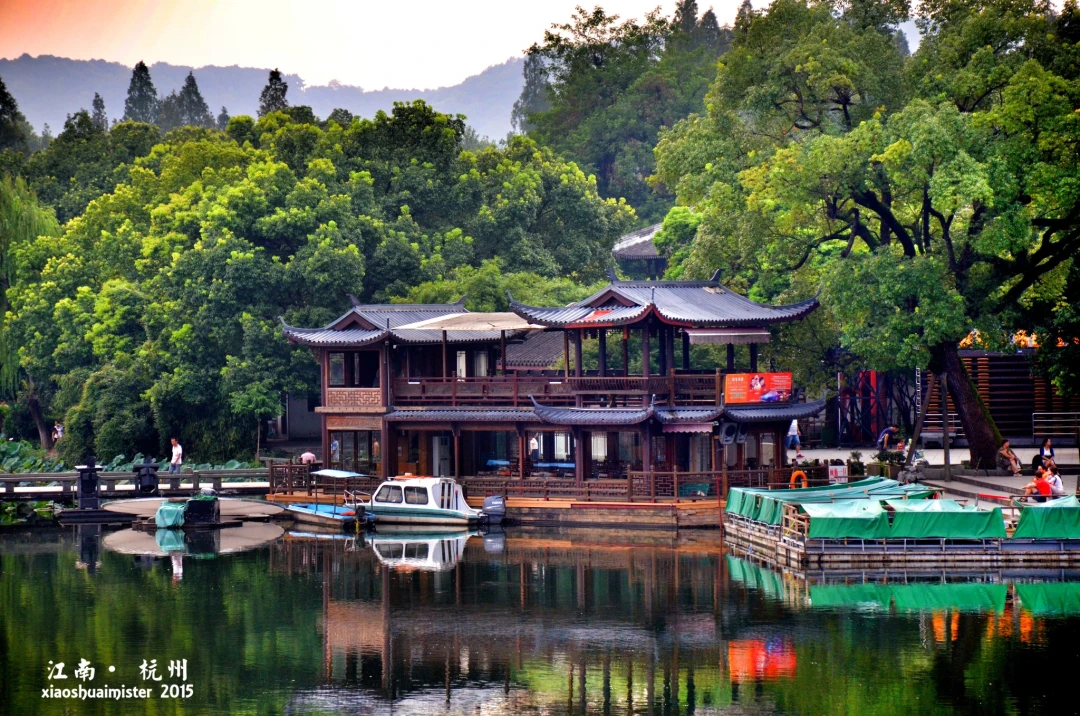
I rented a bike from the youth hostel for 20 yuan and started my tour around the lake. West Lake, Broken Bridge, Su Causeway, Leifeng Pagoda, Quyuan Fenghe (Breeze-ruffled Lotus at Crooked Courtyard), the Music Fountain... In one afternoon, I visited almost all the attractions around West Lake. Unfortunately, the sky never cleared up, so I couldn't see the beauty of West Lake under a blue sky. To make the photos look a bit better, I had to resort to my clumsy photo-editing skills.
A Little Reminder for Northerners: If you're from the north, you might find it hard to adjust when first arriving in the Jiangsu-Zhejiang-Shanghai area. The air is very humid, and you'll feel sticky all over. Remember to bring several changes of clothes.
2. Hefang Street: The Monotony of Commercial Streets
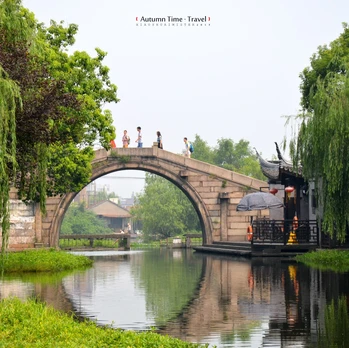
Hefang Street is a typical commercial street, no different from pedestrian streets all over the country. There is an international youth hostel there with a good location, but because it was a bit more expensive, I chose to stay farther away. Looking back, I think travel time is the most precious; if I could do it again, I would have stayed there without hesitation.
3. Leifeng Pagoda and the Music Fountain at Night
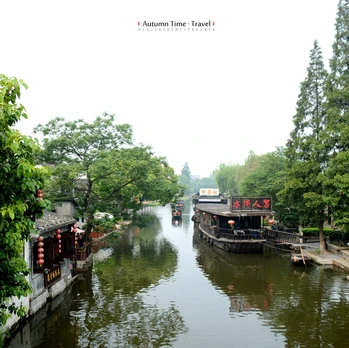
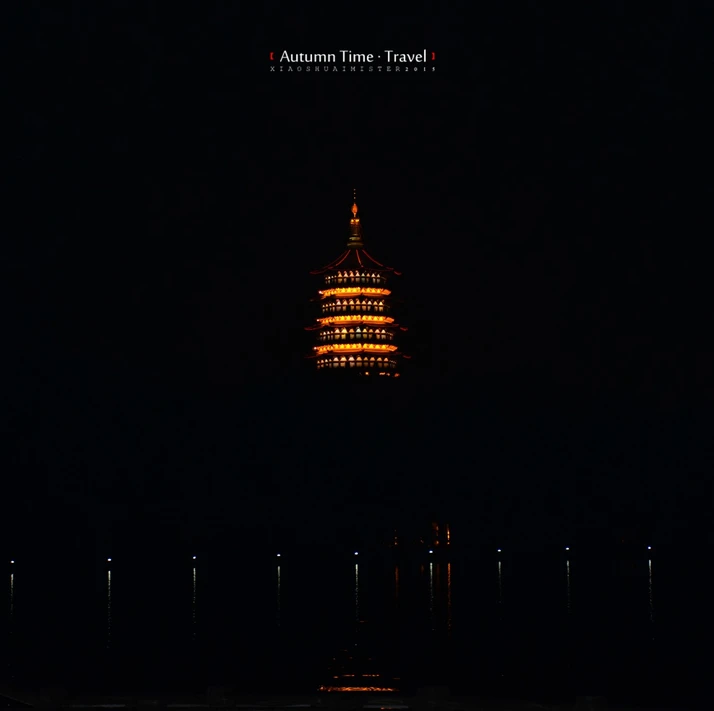
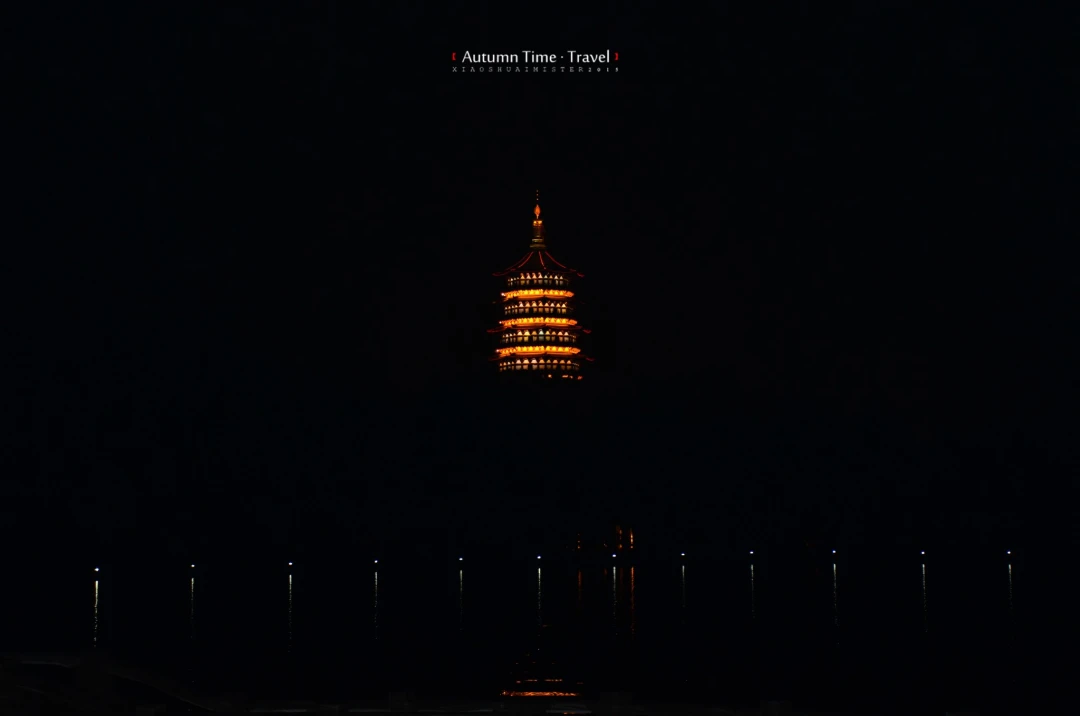
In the evening, I went to the Music Fountain Square in the city center. There were a lot of people. Each fountain show lasted about ten minutes, with a ten-minute break in between, for a total of three or four shows. Leifeng Pagoda at night, illuminated by lights, was especially beautiful, which made up for the disappointment during the day.
Summary: My trip to Hangzhou only lasted half a day. Because of the weather, I gave up on the plan to stay another day. If you come to Hangzhou, I suggest you arrange at least two days and avoid the rainy season to see the true "paradise."
III. DAY 2-3: Xitang — The Hustle and Bustle, and the Quiet, of an Ancient Town
1. Why Choose Xitang Instead of Wuzhen?
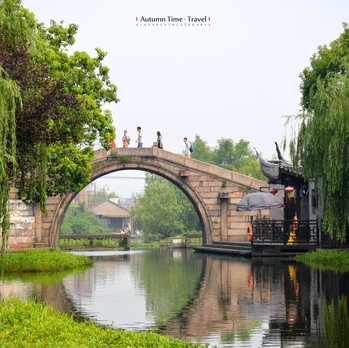
Before setting off, I was torn between Xitang and Wuzhen. In the end, Xitang won, because I heard that if you enter late and stay inside, you can avoid the entrance fee. And that was indeed the case: if you don't stay inside the ancient town, you can enter for free before 7 a.m.; otherwise, you have to pay 50-100 yuan.
2. Hostel Encounter: A Late-Night Chat with a Scholarly Roommate

I chose a youth hostel inside the ancient town. When I first saw the room, I was shocked — the environment was really average. But fate works in mysterious ways. Only two of us were in the four-bed room: me and a young man studying at Beijing Jiaotong University. We talked until three in the morning. He was very knowledgeable, and his route was similar to mine. Later, we even went to Suzhou together. Interestingly, he didn't even bring enough money for the trip — what a "ballsy" guy.
3. Impressions of Xitang: Commercialization and the Flavor of Daily Life
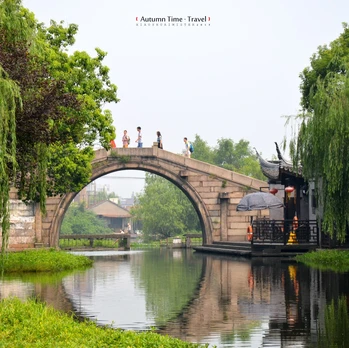
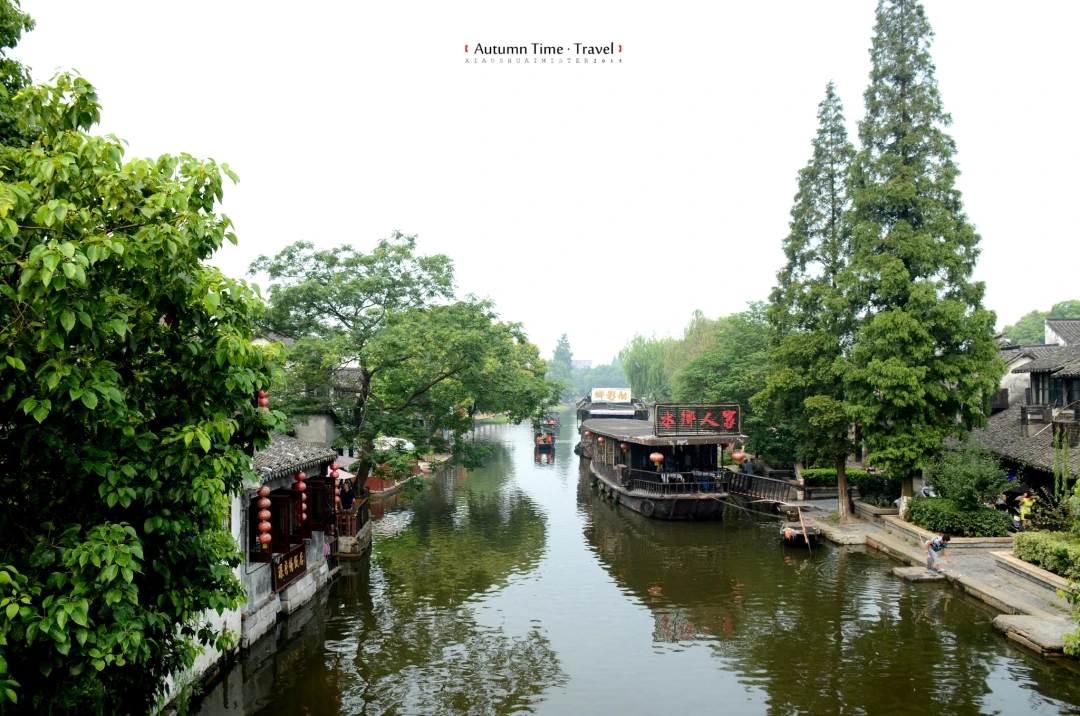
Xitang Ancient Town is actually very small. Like Dali Old Town and Lijiang Old Town, it's heavily commercialized. But it has its own unique features: a street lined with bars and clubs, each one wide open, with deafening music and packed customers. In contrast, a quiet postcard shop seemed particularly artistic. I couldn't resist and sent two postcards myself, even though the ones I sent from Yunnan had long since been lost in the mail.
Price Rant: A cup cost 180 yuan. The "chicken-wing rice" (chicken wing stuffed with rice) smelled delicious, but I couldn't bring myself to buy it. If you want to save money, I suggest bringing your own snacks.
4. The Bar Street at Night: A Collision of Ancient and Modern
The bar street at night is the soul of Xitang. Every shop had staff desperately trying to pull in customers, and there were even a few城管 (urban management officers) holding sound level meters — do you really need to measure the deafening decibels? If you like the lively atmosphere, this is paradise; if you prefer peace and quiet, I suggest you take a detour.
Summary: Xitang is suitable for a short stay. One night and one morning is enough. If you have time, you can come and take a look, but don't expect too much.
IV. DAY 4: Suzhou — Classical Gardens and a Failed Encounter

1. The Charm of Suzhou: Gardens and History
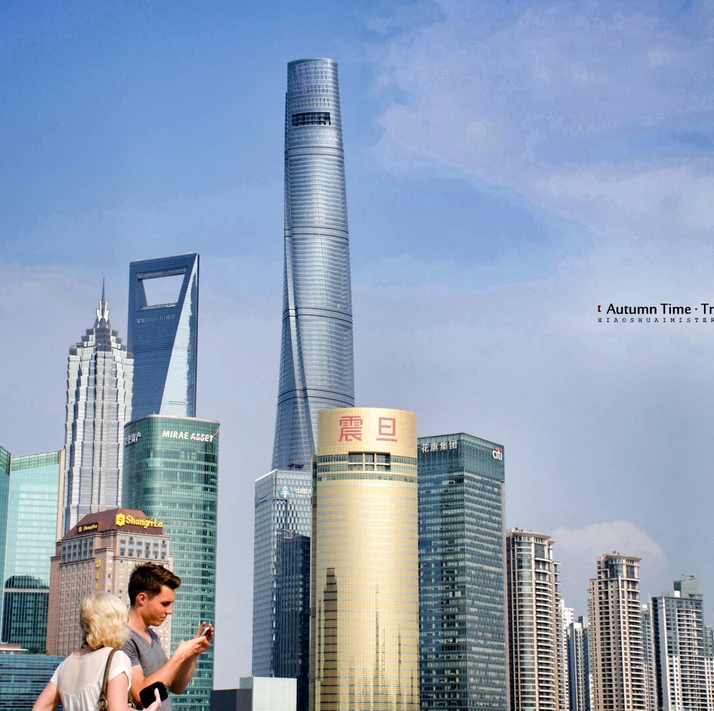
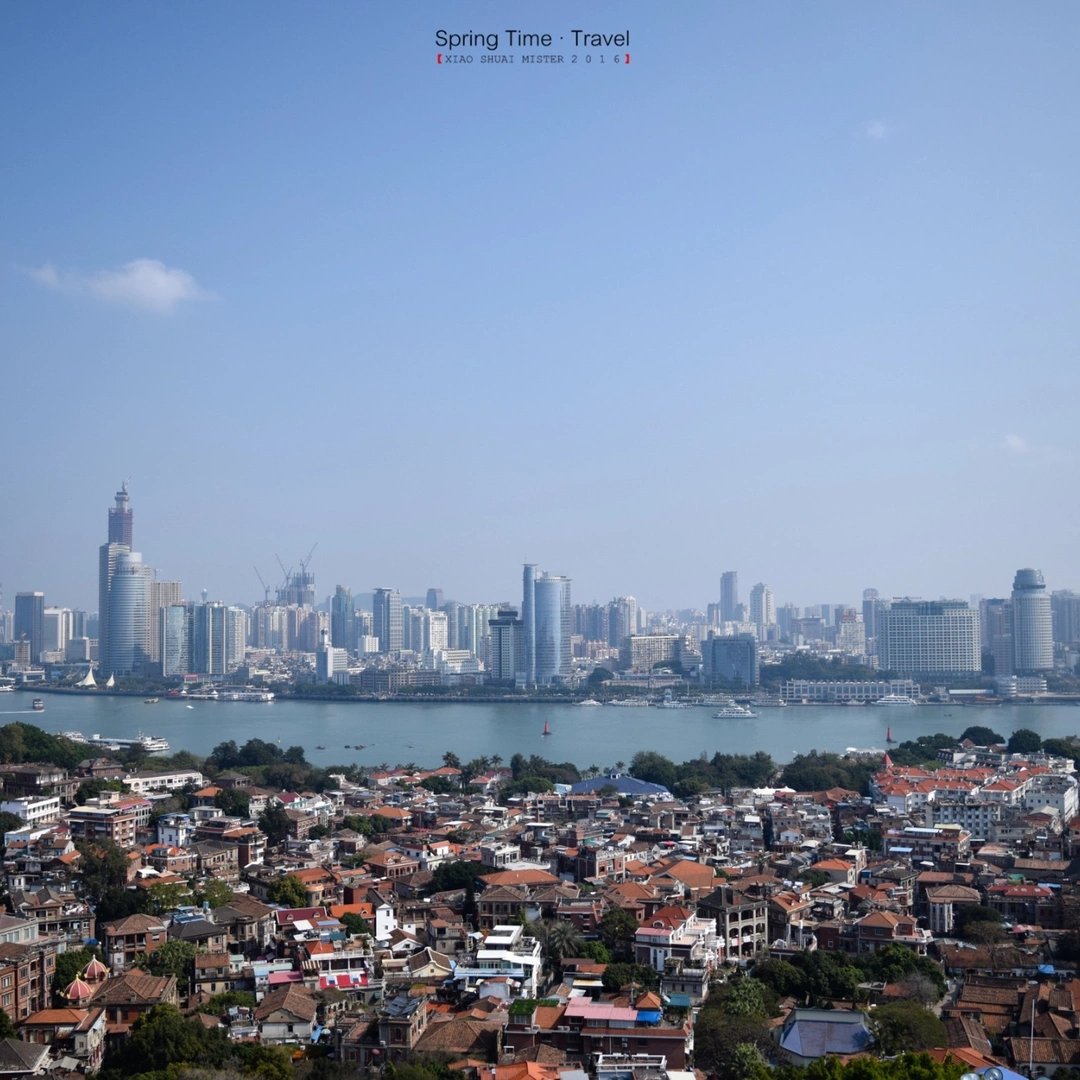
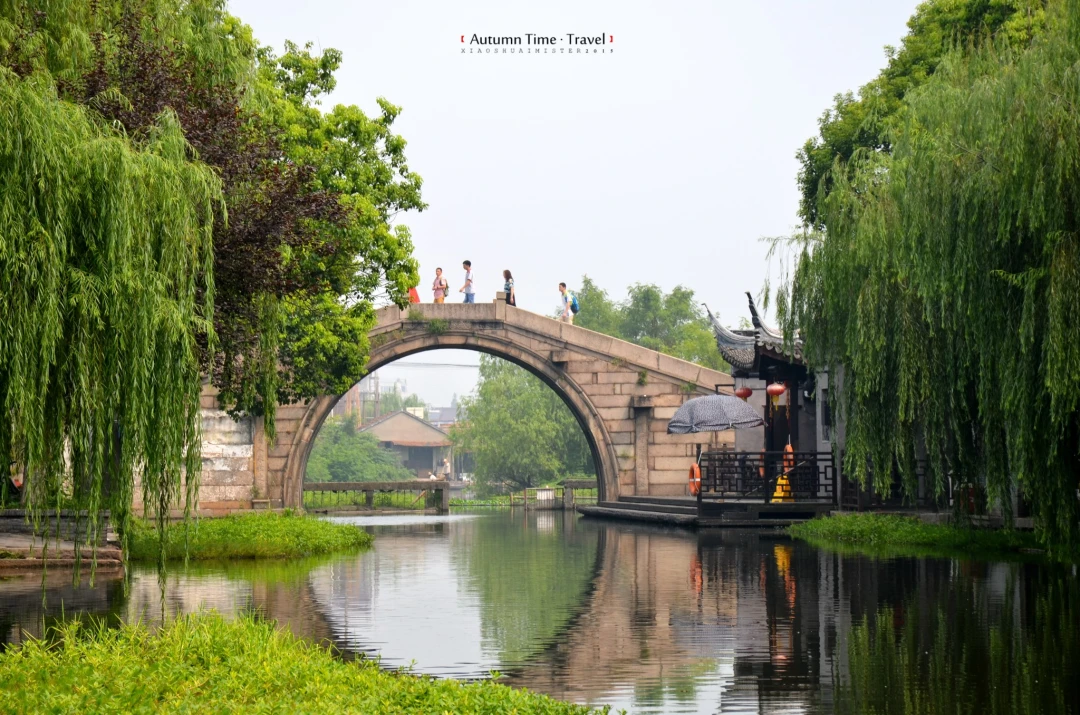
Suzhou is famous for its classical gardens, and I had high hopes. However, my budget meant I couldn't afford to visit the most famous ones like the Humble Administrator's Garden or the Lingering Garden. Instead, I wandered through the free areas around the city, soaking up the atmosphere. The canals, the old bridges, and the whitewashed houses were still charming.
2. A Failed Encounter: The Loneliness of Solo Travel
One of the downsides of solo travel is the lack of someone to share the moment with. I met a few other travelers at the hostel, but our schedules didn't align. I spent most of the day walking alone, taking photos, and eating street food. It was a reminder that while solo travel is liberating, it can also be lonely.
Tip: If you're traveling alone, try to join a free walking tour or a group activity to meet people. It can make the experience more enjoyable.
[Link: Solo travel tips for introverts]
V. DAY 5-6: Shanghai — The City That Never Sleeps
1. Arrival in Shanghai: A City of Contrasts
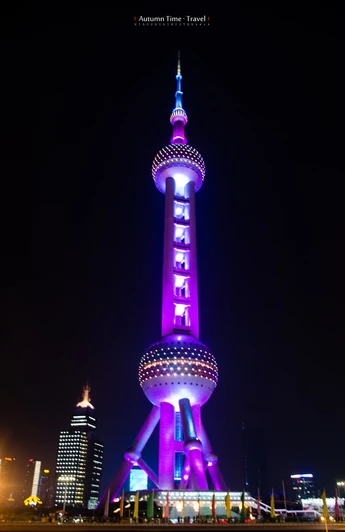
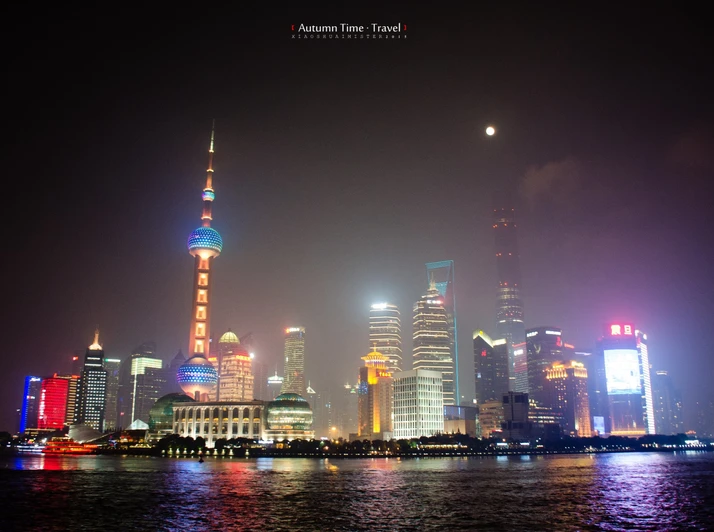
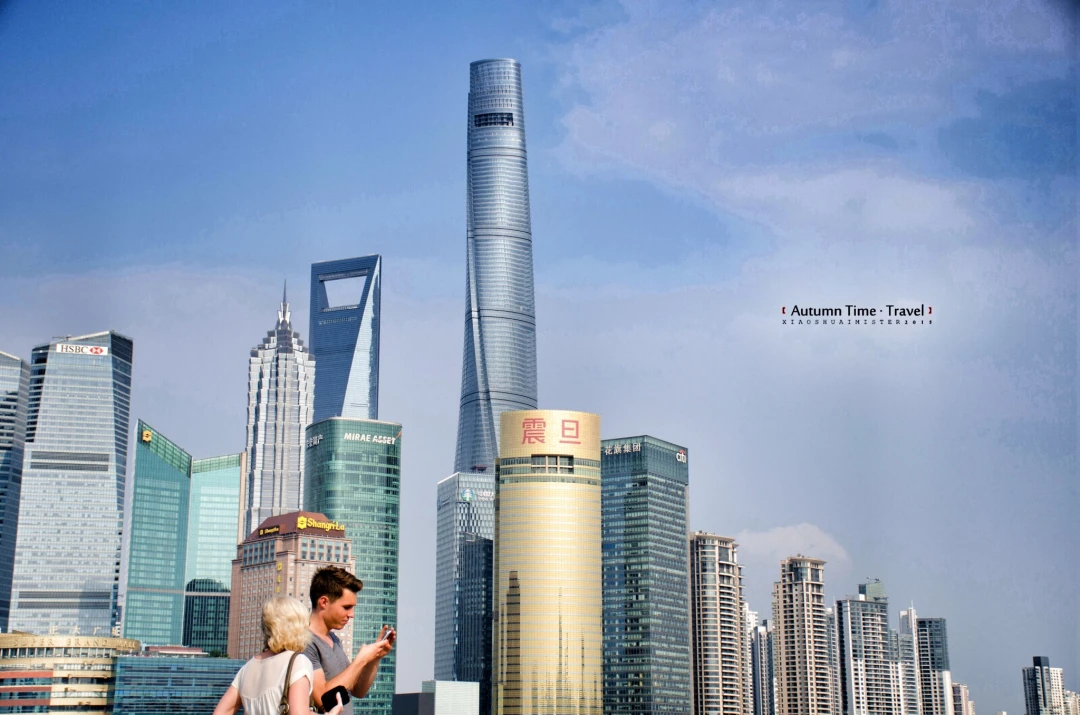
Taking a discounted flight from Suzhou to Shanghai was a smart move. I arrived in the evening, and the city was already lit up. The Bund was spectacular, with the colonial buildings on one side and the futuristic skyscrapers on the other. It was a photographer's dream.
2. Nanjing Road: Shopping and Street Food
Nanjing Road is a shopper's paradise, but for a budget traveler, it's more about the atmosphere. I walked the entire length, stopping occasionally to try some street food. The prices were higher than in other cities, but the energy was infectious.
3. The Bund at Night: A Must-See
The Bund at night is a must-see for any visitor to Shanghai. The lights reflecting on the Huangpu River create a magical scene. I spent hours just walking along the promenade, taking photos and enjoying the view.
Summary: Shanghai is expensive, but you can still enjoy it on a budget. Stick to free attractions like the Bund, Nanjing Road, and the French Concession. Save money on food by eating at local noodle shops or street stalls.
VI. Budget Breakdown: How I Spent 1,300 Yuan
| Category | Cost (yuan) |
|---|---|
| Accommodation | 300 |
| Transportation | 700 |
| Meals | 300 |
| Total | 1,300 |
1. Accommodation: 300 Yuan
- 4 nights in youth hostels (40-70 yuan per night)
2. Transportation: 700 Yuan
- Train from Beijing to Hangzhou
- Coach from Hangzhou to Xitang
- Train from Xitang to Suzhou
- Train from Suzhou to Shanghai
- Discounted flight from Shanghai to Tianjin
- Train from Tianjin to Beijing
3. Meals: 300 Yuan
- Local street food, noodles, and snacks
- Occasional supermarket purchases for snacks and water
VII. FAQ: Common Questions About Solo Budget Travel in the Yangtze Delta
Q1: Is 1,300 yuan enough for a 6-day trip to the Yangtze Delta?
Yes, it's possible if you stick to a strict budget. Choose youth hostels for accommodation, use public transportation, and eat local street food. Avoid expensive attractions and focus on free or low-cost activities.
Q2: What is the best time to visit Hangzhou and Xitang?
The best time is spring (March to May) or autumn (September to November) when the weather is mild and the scenery is beautiful. Avoid the rainy season in June and July.
Q3: How can I save money on transportation in the Yangtze Delta?
Book train tickets in advance for discounts. Use high-speed trains for longer distances and local buses or shared bikes for short trips. Look for discounted flights between cities.
Q4: Is it safe to travel alone as a woman in the Yangtze Delta?
Yes, the Yangtze Delta is generally safe for solo female travelers. Choose reputable youth hostels, stay in well-lit areas at night, and keep your belongings secure.
Q5: What should I pack for a budget trip to the Yangtze Delta?

Pack light: a few changes of clothes, comfortable walking shoes, a camera, a power bank, and a small first-aid kit. Bring a reusable water bottle to save money on drinks.
VIII. Conclusion: Measuring Youth with Steps, Freezing Loneliness with a Lens
This solo budget trip to the Yangtze Delta was more than just a vacation. It was a conversation with myself, a test of my limits, and a reminder that you don't need a lot of money to see the world. The gray skies of Hangzhou, the bustling bars of Xitang, the quiet canals of Suzhou, and the dazzling lights of Shanghai — each place left a mark on my soul.
If you're planning a solo trip on a budget, remember: the best experiences are often the ones that cost nothing. Walk the streets, talk to strangers, and take photos that will remind you of the journey. And if you ever feel lonely, just look through your lens — you'll find that the world is full of beauty waiting to be captured.
Ready to plan your own budget trip? [Link: How to plan a solo trip on a budget]
Share your experiences in the comments below! What's the best budget trip you've ever taken?
Internal Linking Suggestions:
- [Link: Solo travel tips for introverts]
- [Link: How to plan a solo trip on a budget]
- [Link: Best youth hostels in China]
- [Link: Budget travel in Shanghai]
- [Link: Xitang vs Wuzhen: Which ancient town to visit]
You may also like