Shanghai Travel Guide: How to Explore Shanghai Without the National Day Crowds
Meta Description: Discover Shanghai's hidden gems during National Day! This off-the-beaten-path guide reveals secret spots, vintage camera museums, and historic sites—avoid the "sea of people" and experience the real Magic City.
Introduction: Why Shanghai Doesn't Have to Be Crowded
When most travelers think of Shanghai during National Day (October 1-7), they imagine endless queues at the Bund, shoulder-to-shoulder crowds at the Oriental Pearl Tower, and a "sea of people" that makes sightseeing feel like a battle. But what if I told you there's a way to experience Shanghai's magic without the madness?
This Shanghai travel guide is for the adventurous soul who wants to dodge the crowds and uncover a different side of the city. From vintage camera museums to jazz bars with octogenarian musicians, we'll show you how to navigate Shanghai like a local—even during peak season.
Before You Go: Smart Planning for National Day in Shanghai
The key to a stress-free National Day trip to Shanghai is preparation. Here's what worked for us:

- Book accommodations early – Hotels near Jing'an Temple or French Concession fill up fast
- Pack light – Many historic buildings lack elevators (we learned this the hard way)
- Bring a camera – You'll want to capture the empty observation decks and hidden alleyways
- Download offline maps – Cellular data can be spotty in older buildings
[Link: Best time to visit Shanghai for fewer crowds]
Day 1: Sunset and Stars Over Lujiazui
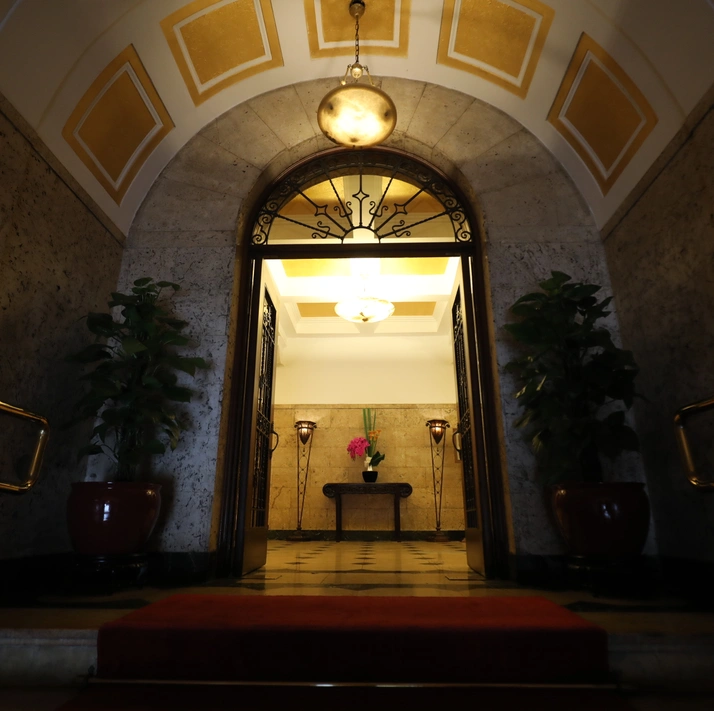
Jing'an Hotel: A Step Back in Time
We arrived at Hongqiao Airport just after 10 a.m. and took Metro Line 2 to Jing'an Temple Station. Our first stop? The Jing'an Hotel on Huashan Road—a Spanish-style building originally known as "Haige Apartment," built in the 1920s.
This historic Shanghai hotel served as the office of the Shanghai Municipal Committee after liberation before becoming a hotel in 1977. Pushing open the heavy wooden door and climbing the creaking stairs felt like traveling back to old Shanghai.
Pro tip: There's no elevator, only vintage steps. If your luggage is heavy, knock on the door to the right of the stairs—a porter will come to help. (Though during our stay, that porter's face seemed darker than Judge Bao's.)
Shanghai World Financial Center: Above the Clouds
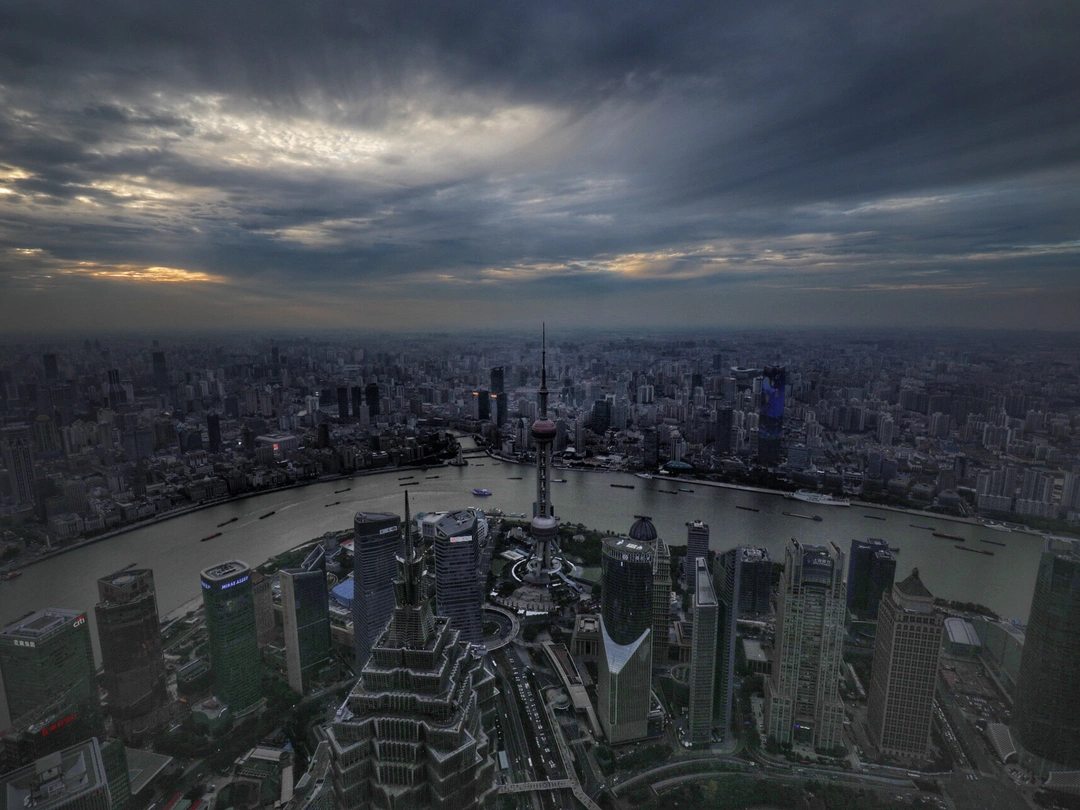
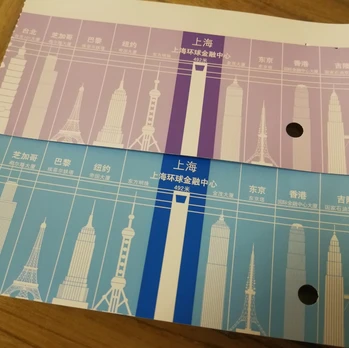
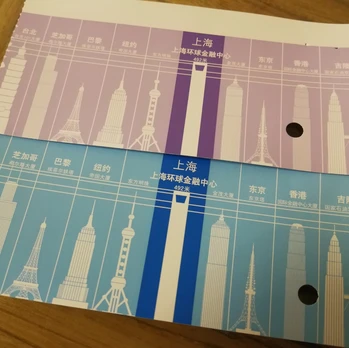
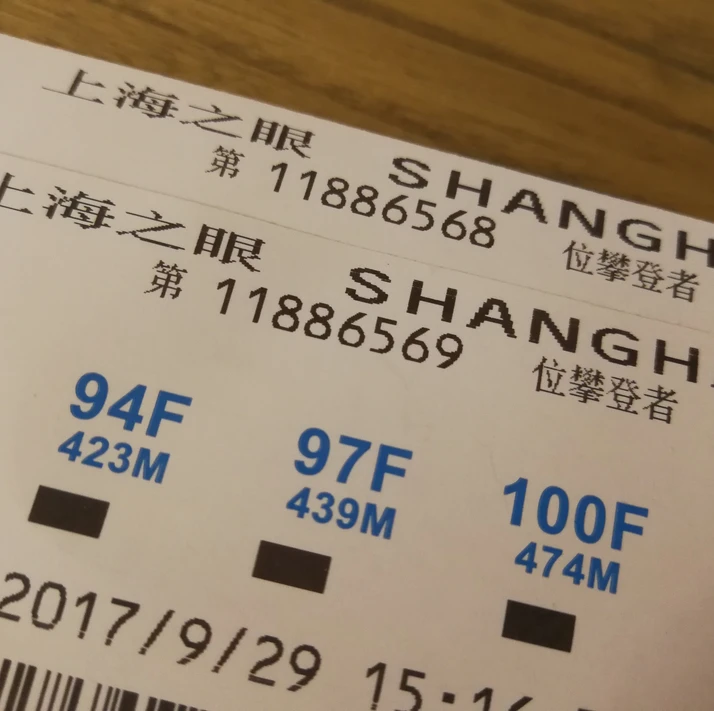
In the afternoon, we grabbed our camera and tripod and headed straight for the Shanghai World Financial Center observation deck. Take Metro Line 2 to Dongchang Road Station. Tickets cost 180 yuan per person, and you'll go straight up to the 100th floor.
The elevator hall is incredibly cool—the numbers above your head drop from over 400 meters down to zero. There's an electronic display above the elevator door with numbers spinning around like something out of a sci-fi movie.
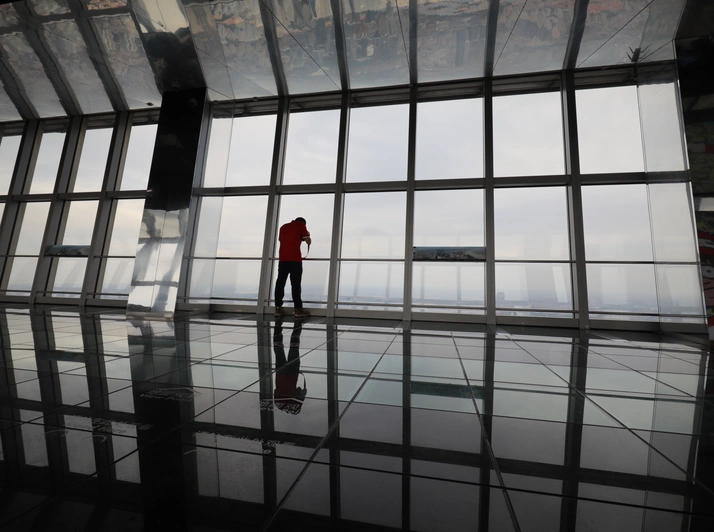
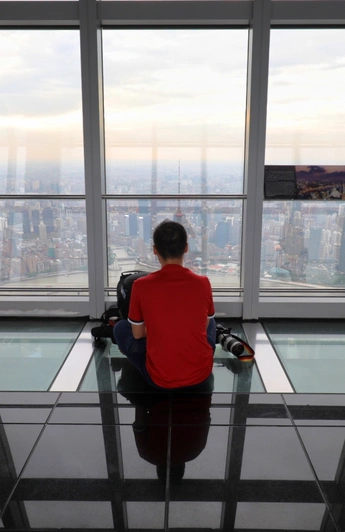
We spent a full four hours on the observation deck—from 3 p.m. to 7 p.m.—not because it was crowded, but because it was nearly empty! As dusk fell and the city lights began to come on, Shanghai woke from its daytime bustle and showed a different kind of beauty.
Photography tip: Find your spot early. Once the lights come on at 7 p.m., the crowds start to pour in.
[Link: Best photography spots in Shanghai]
Day 2: From a Camera Museum to a Jazz Bar
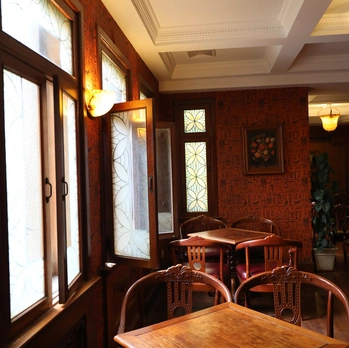
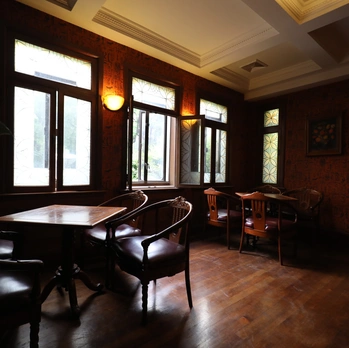
Shanghai Old Camera Museum: A Slice of Time on Film
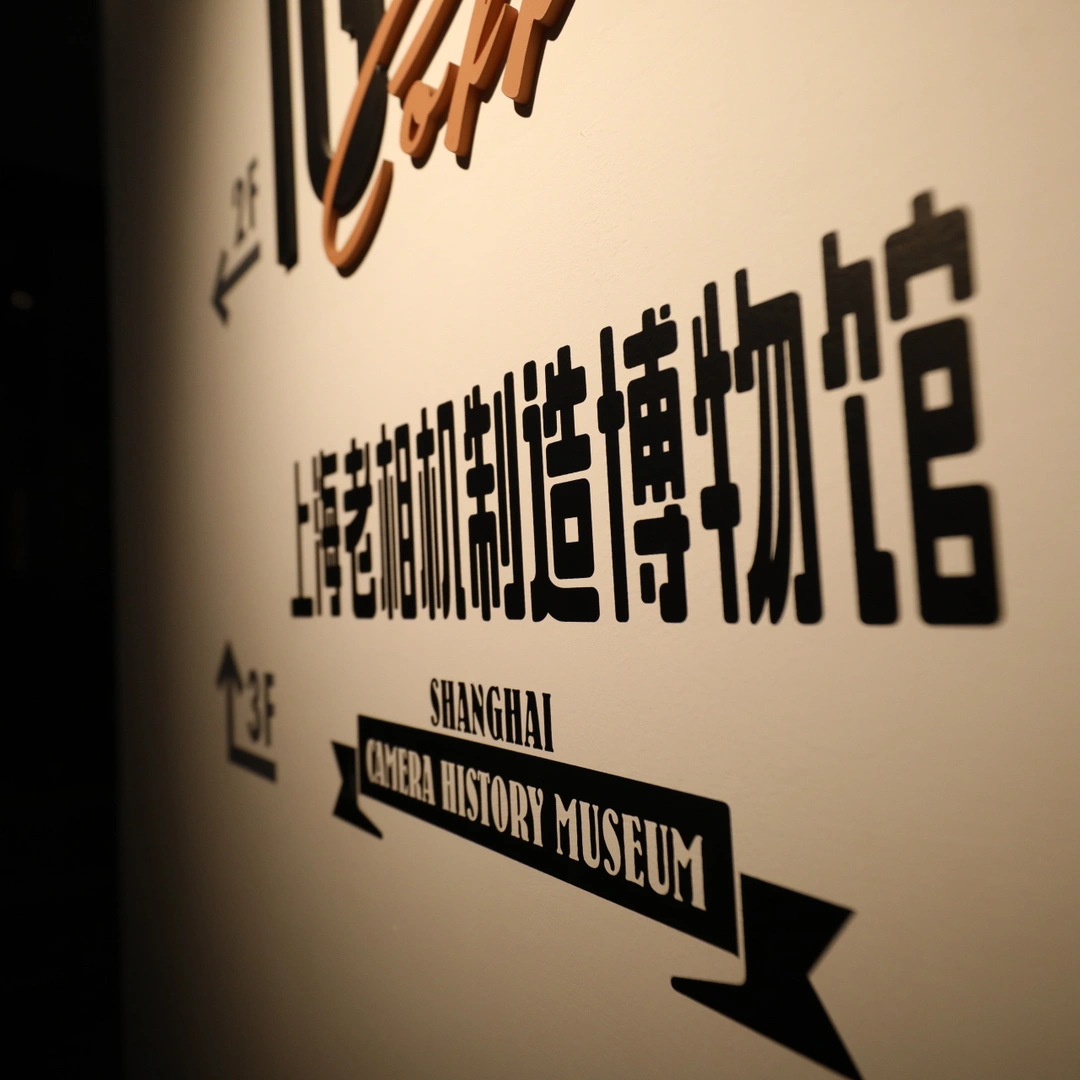
The next morning, we headed to the third floor of 300 Anfu Road to visit the Shanghai Old Camera Museum. Admission is free—just sign in at the door.
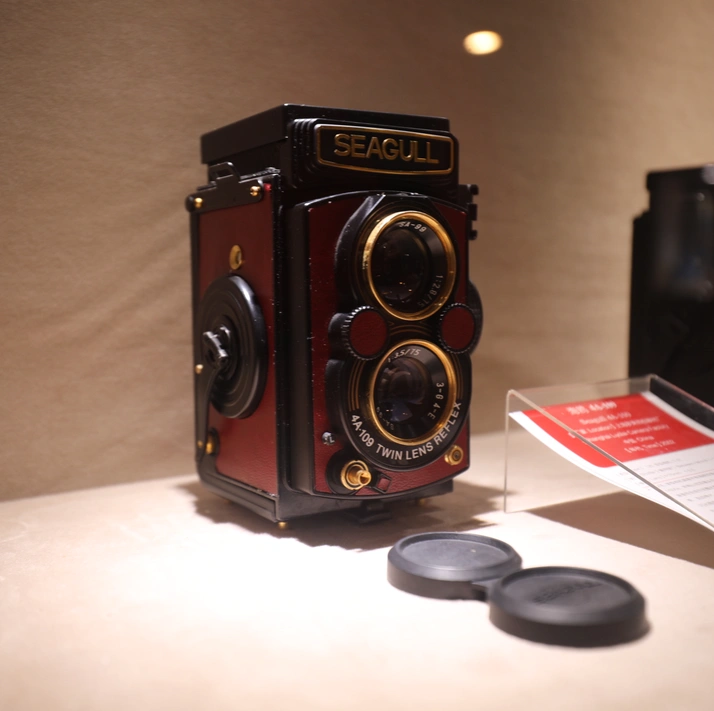
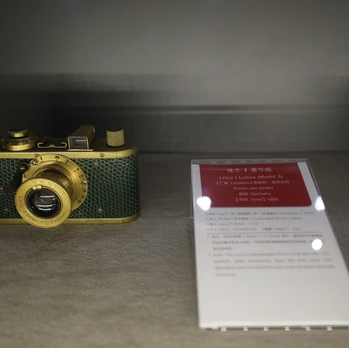
Shanghai is the birthplace of modern Chinese optics, and this museum houses a collection of vintage cameras from all over the world. The most eye-catching was the classic Seagull 4A-109, along with the only remaining traditional assembly line in China. There was also a Leica I luxury edition (crocodile leather) and a Hasselblad moon landing commemorative edition—every camera had a story behind it.
We spent nearly an hour slowly browsing, as if flipping through a chronicle of China's camera industry. On the second floor, there's a café filled with camera-themed decor—a perfect spot for a quick break.
Sihang Warehouse: A Wall Scarred by History
September 30th was Martyrs' Day, so we made a stop at Sihang Warehouse at 21 Guangfu Road. That bullet-riddled wall is a testament to the 1937 Battle of Shanghai. Xie Jinyuan led the "Eight Hundred Heroes" (actually 452 men) in a four-day, four-night stand, repelling more than ten Japanese assaults.
Today, amidst the bustle of modern Shanghai, this place stands as a reminder of the smoke of war and a heavy past. It's one of the most meaningful historical sites in Shanghai and well worth a visit.
Shanghai Museum: Four Hours of Waiting in Vain
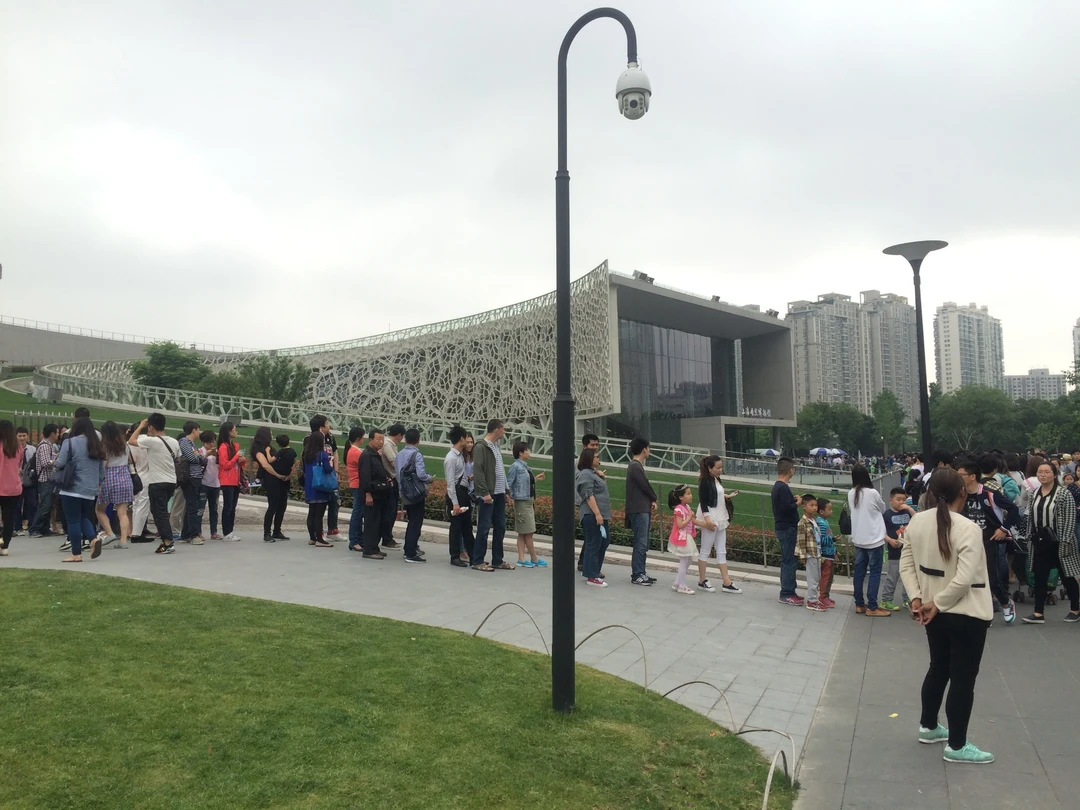
I had originally wanted to see the British Museum's "100 Objects" exhibition, but the staff said the wait would be at least four hours—some people had even lined up at 5 a.m. In the end, the long line in the rain made me give up completely.
Still, the permanent exhibition is worth a visit. It covers artifacts from all over China, but it felt like it was missing some local Shanghai flavor. I'd recommend renting an audio guide, or else you might find yourself a bit lost.
Alternative suggestion: Visit the Shanghai Museum on a weekday or early morning to avoid the worst queues.
The Bund and the Peace Hotel Jazz Bar: A Trip Back to Old Shanghai
In the evening, we headed to the Bund. It's free to visit, but the Peace Hotel's Jazz Bar is anything but. Non-guests who don't book a table have a minimum charge of 200 yuan per person, while those who do book have to spend at least 400 yuan per person.
Why go to such an expensive place? Well, for the bragging rights, of course! But honestly, we'd heard that this band, made up of musicians all over 70, was once named "Best Bar in the World" by Newsweek. My wife was really interested, so we decided to take a trip back in time to old Shanghai.
The bar had a wonderfully exotic atmosphere. A piano, cello, saxophone, trumpet, drums—the instruments filled the space opposite the bar. The band started playing at 6:30 p.m. The old gentlemen's performance was occasionally a little off-key, but the emotion was spot-on, and the old Shanghai nostalgia was palpable.
[Link: Best jazz bars in Shanghai]
Day 3: The Jewish Refugees Museum and Zhang Ailing's Former Residence
Shanghai Jewish Refugees Museum: A Forgotten Chapter of History
At 62 Changyang Road, near Tilanqiao Station on Metro Line 12, the Shanghai Jewish Refugees Museum charges 20 yuan per person. It tells a little-known story: between 1933 and 1941, Shanghai took in nearly 30,000 Jewish refugees fleeing Nazi persecution.
The museum was originally the Ohel Moishe Synagogue, built by Russian Jews in 1928. The floor tiles are still the originals, and you have to wear shoe covers to protect them. The Wall of Names at the entrance lists the names of Jews who fled to Shanghai, including M. Blumenthal, who later became U.S. Treasury Secretary under President Carter.
Three exhibition halls show the lives of the Jewish refugees before and after they arrived in Shanghai. On the third floor of the main building, there's a video room showing the documentary Memories of Life: Jews in Shanghai. The 95-minute film, told through the accounts of survivors, recreates the life-and-death moments of that time.
While we were watching, many foreign visitors were in tears. To be honest, there were far fewer Chinese tourists than foreign ones—I hope more people will come to learn about this history.
The nearby buildings on Huoshan Road and Zhoushan Road were once called "Little Vienna" because of the concentration of Jewish refugees living there during the war. M. Blumenthal himself once lived in this area.
Tilanqiao Prison: The "Far East's First Prison"
Nearby is Tilanqiao Prison, built in 1901 and one of the oldest prisons still in use in China. It once held many famous figures and was also the first place in China to try Japanese war criminals. One of the buildings has been converted into the Shanghai Prison Museum, which features a well-preserved indoor gallows—the floor below it can open, allowing a body to fall directly into the morgue on the first floor.
Note: Visits are only open to groups, so plan ahead if you're interested.
Zhang Ailing's Former Residence: A Pilgrimage at the Doorstep
In the afternoon, we wandered over to Changde Apartment at 195 Changde Road. This was the former home of Zhang Ailing (Eileen Chang), one of modern China's most celebrated writers. While you can't enter the apartment itself, standing outside and imagining her writing her famous novels there is a moving experience for any literature lover.
[Link: Literary landmarks in Shanghai]
FAQ: Your Shanghai National Day Questions Answered
1. Is Shanghai too crowded during National Day?
 It depends where you go. Popular spots like the Bund and Shanghai Museum can be extremely crowded, but many hidden gems like the Old Camera Museum and Jewish Refugees Museum remain relatively quiet. This guide focuses on those off-the-beaten-path locations.
2. What's the best way to get around Shanghai during National Day?
The Metro is your best bet. It's efficient, affordable, and connects most major attractions. Avoid taxis during peak hours (5-7 p.m.) as traffic can be brutal. Consider walking or renting a bike for shorter distances.
3. Are there any free attractions in Shanghai worth visiting?
 Absolutely! The Shanghai Old Camera Museum is free, as is walking along the Bund. Many parks and temples also offer free or low-cost entry. The Shanghai Museum is free but requires patience for queues.
4. What should I pack for a National Day trip to Shanghai?
 Pack light layers—Shanghai weather in October can be unpredictable. Bring comfortable walking shoes, a reusable water bottle, and a camera. If you're visiting historic buildings like the Jing'an Hotel, prepare for stairs (no elevators).
5. How can I avoid the worst crowds at popular attractions?
Visit early (before 9 a.m.) or late (after 5 p.m.). Book tickets in advance where possible. Consider weekday visits if your schedule allows. And always have a backup plan—like the hidden gems in this guide.
Your Shanghai Adventure Awaits
Shanghai during National Day doesn't have to mean fighting through a "sea of people." By choosing off-the-beaten-path destinations like the Old Camera Museum, Sihang Warehouse, and Jewish Refugees Museum, you can experience the city's rich history and vibrant culture without the stress.
Whether you're a photography enthusiast, history buff, or jazz lover, Shanghai has something special waiting for you. So pack your bags, grab your camera, and discover the Magic City like never before.
Ready to plan your Shanghai escape? Book your accommodations early, download this guide, and prepare for an unforgettable National Day adventure. The real Shanghai is waiting—are you ready to find it?
[Link: Complete Shanghai travel itinerary] [Link: Best time to visit Shanghai for photography] [Link: Shanghai off-the-beaten-path guide]
You may also like