Shanghai Short Trip Checklist: Ancient Towns, Landmarks, Museums & Parks All in One
Meta Description: Plan your perfect Shanghai short trip with this curated checklist. Explore Qibao Ancient Town, the Bund, China Art Museum & more. Free attractions, metro access & insider tips included.
If you have just one or two days in Shanghai but want to experience its multifaceted charm—from the lively 烟火气 (bustling everyday atmosphere) of a thousand-year-old water town, to the century-old elegance of the Bund, and the modern collision of art and nature—this Shanghai short trip checklist is tailor-made for you. I’ve handpicked eight diverse destinations covering ancient towns, landmarks, museums, and parks, each with practical tips to help you effortlessly explore the Magic City.
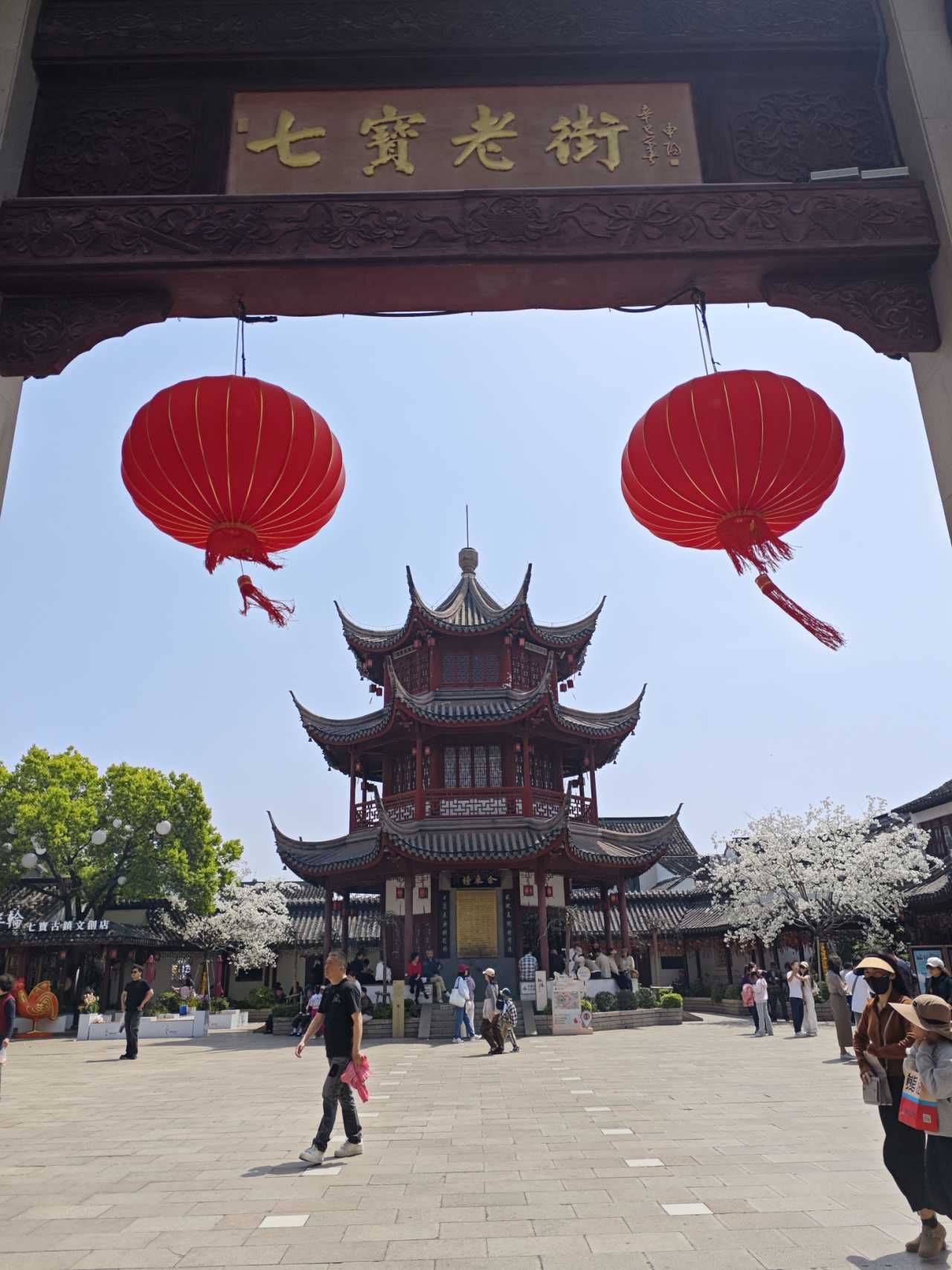
Qibao Ancient Town: The Lively Essence of a Millennium Water Town
One-Liner: The most intact Jiangnan water town on Shanghai’s outskirts, accessible by metro and free to enter. “Ten years of Shanghai look to Pudong, a hundred years to the Bund, a thousand years to Qibao”—this saying isn’t just talk.
Qibao Ancient Town Basic Info
 - Address: Qibao Town, Minhang District; North-South Street is about 360 meters long, with the Puhuitang River running through the town - Ticket: Old Street is free; a combo ticket for minor attractions is about 30 RMB (optional) - Layout: The Puhuitang River runs perpendicular to North-South Street, forming a unique “非”-shaped (checkerboard) layout
Historical Background of Qibao Ancient Town
In the Northern Song Dynasty (1008), a market emerged due to the Qibao Temple, and the town took shape during the Ming Dynasty. The name comes from the legend of “seven treasures”—a flying Buddha, a floating bell, a gold-lettered lotus sutra, a divine tree, a golden rooster, a jade axe, and jade chopsticks. During the Ming and Qing dynasties, it was a major commercial hub. Restored and reopened in 2000, it retains the white-walled, black-tiled, upturned-eave architecture of Jiangnan residential style.
South Street: A Food Paradise
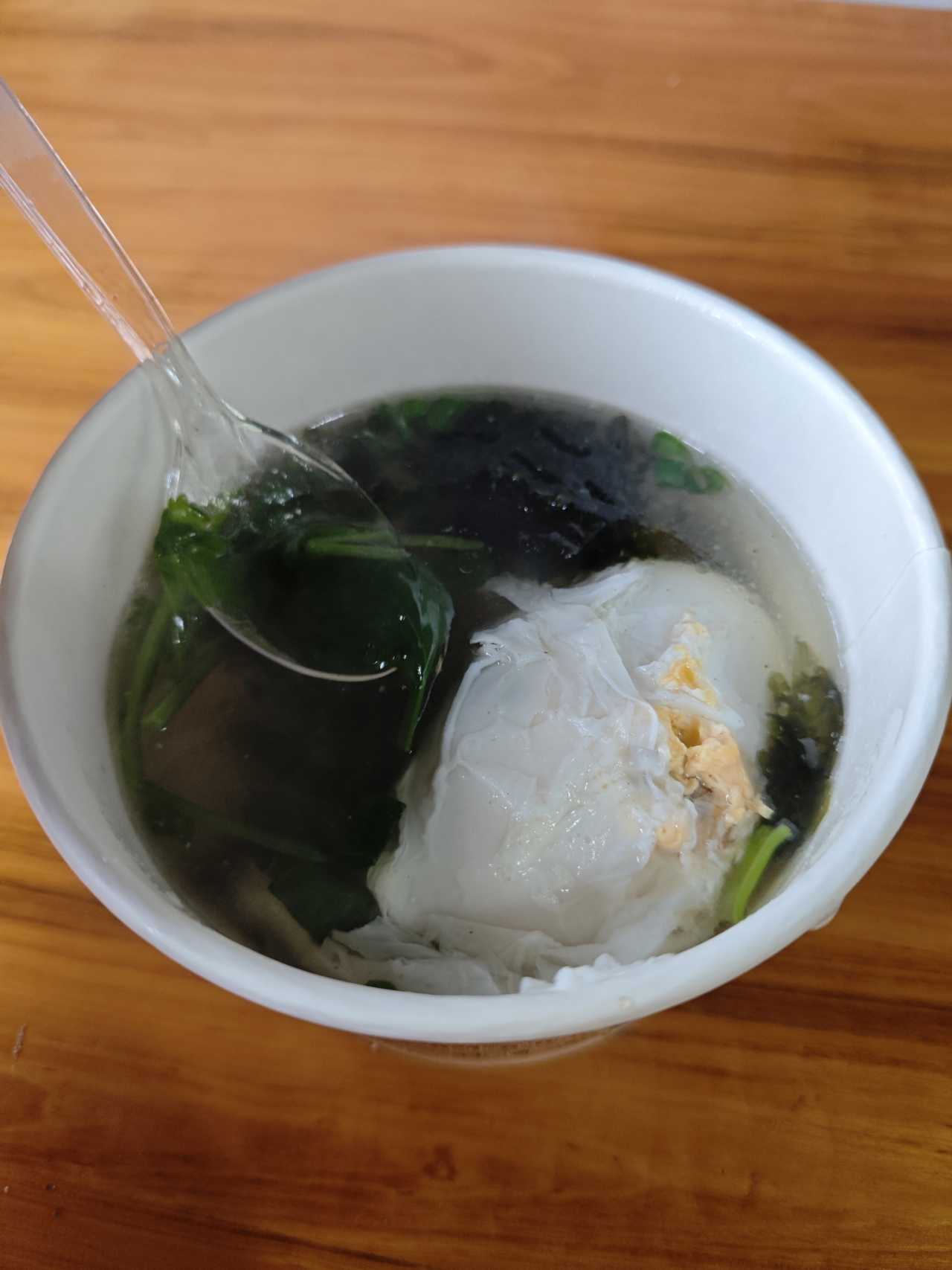
 This area focuses on street food with local appeal: - Qibao Tangyuan (sweet rice balls): Filled with fresh pork or sesame, 4–5 RMB each, bursting with juicy filling when bitten - Boiled Sliced Lamb: Fatty and lean layers, tender without being gamey, dipped in a secret sauce - Crabapple Cake (海棠糕): Caramelized crispy shell wrapped around red bean paste, 5 RMB each - Egg-Stuffed Pancake (灌蛋), Braised Pork (扎肉), Square Cake (方糕), Stinky Tofu: Eating your way through costs about 50 RMB per person and will leave you stuffed
North Street: Culture & Creativity
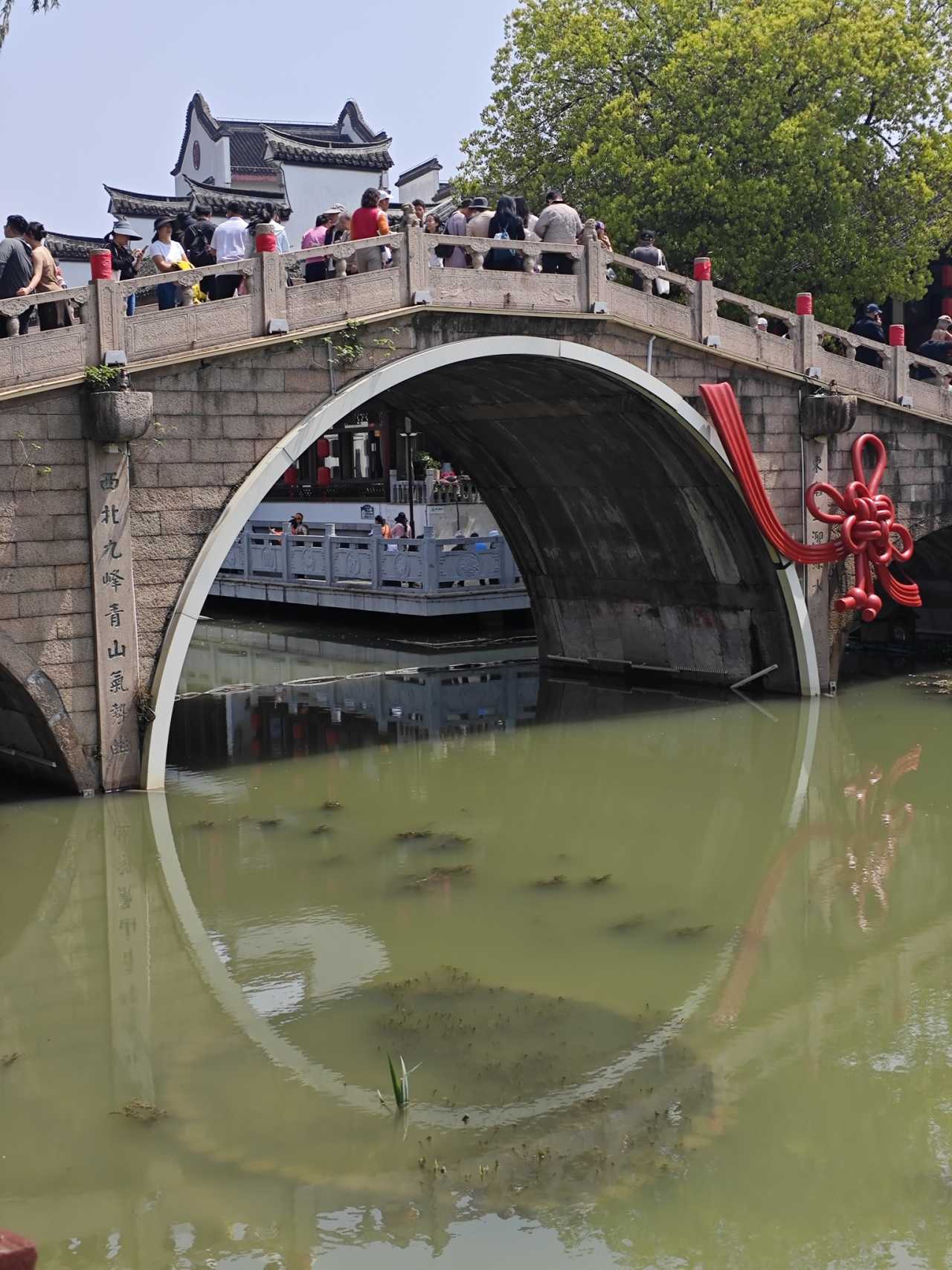
A hub for antiques, calligraphy, intangible cultural heritage crafts, and cultural venues: - Puhuitang Bridge: The town’s landmark, the best spot for photos of water town reflections - Qibao Shadow Puppet Art Museum: Free entry; two shadow puppet shows on weekend afternoons for just 5 RMB per person - Cotton Weaving Museum, Cricket Hall, Qibao Winery: Experience old Shanghai folk culture - Zhang Chongren Memorial Hall: Works by the modern sculpture master, free to visit
Qibao Ancient Town Travel Tips
- Best Time: Daytime for eating (before 10 AM for fewer crowds), evening for night views (red lanterns look stunning)
- Duration: 2–3 hours for eating only; half a day for deep exploration plus photos
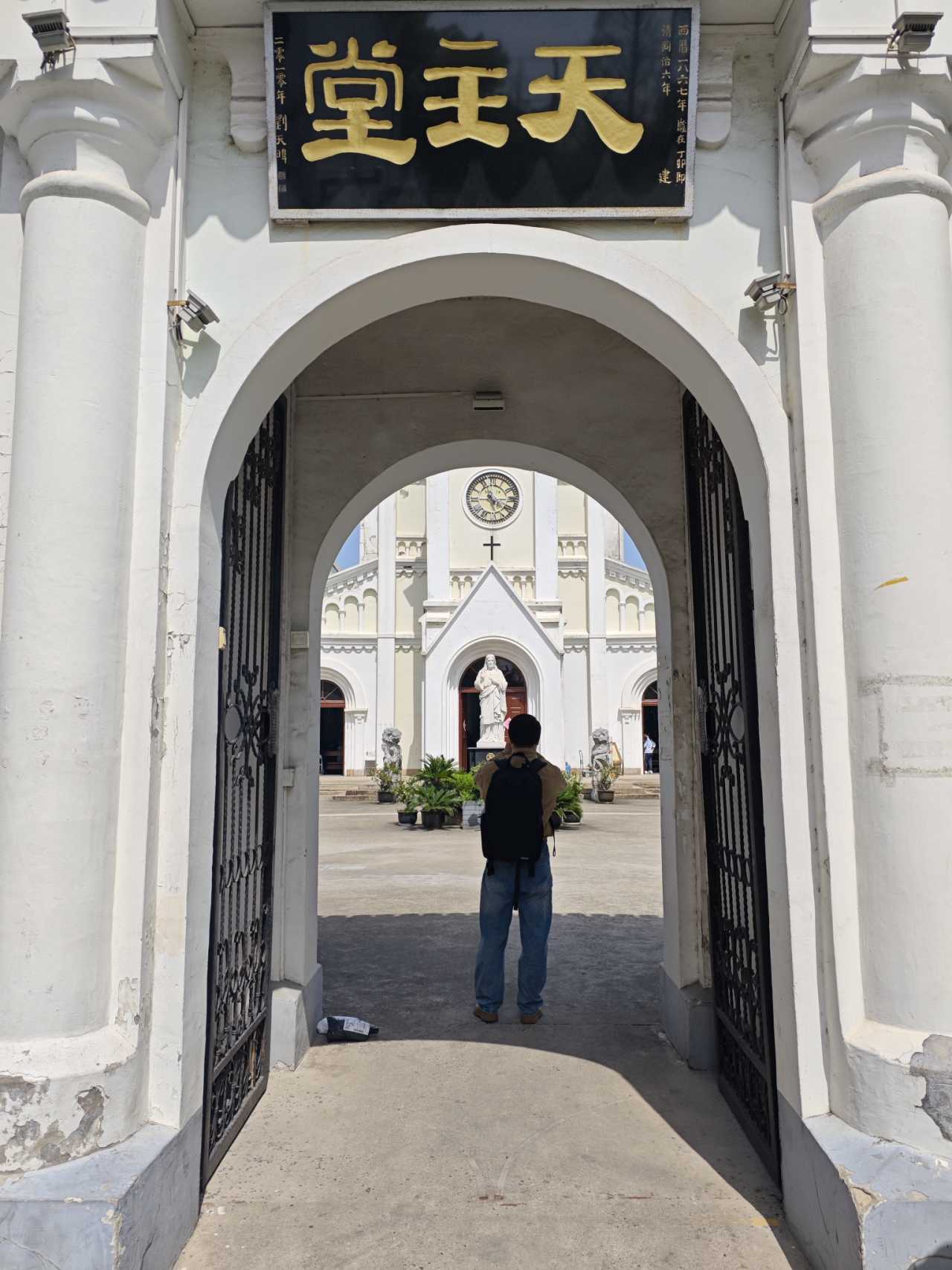
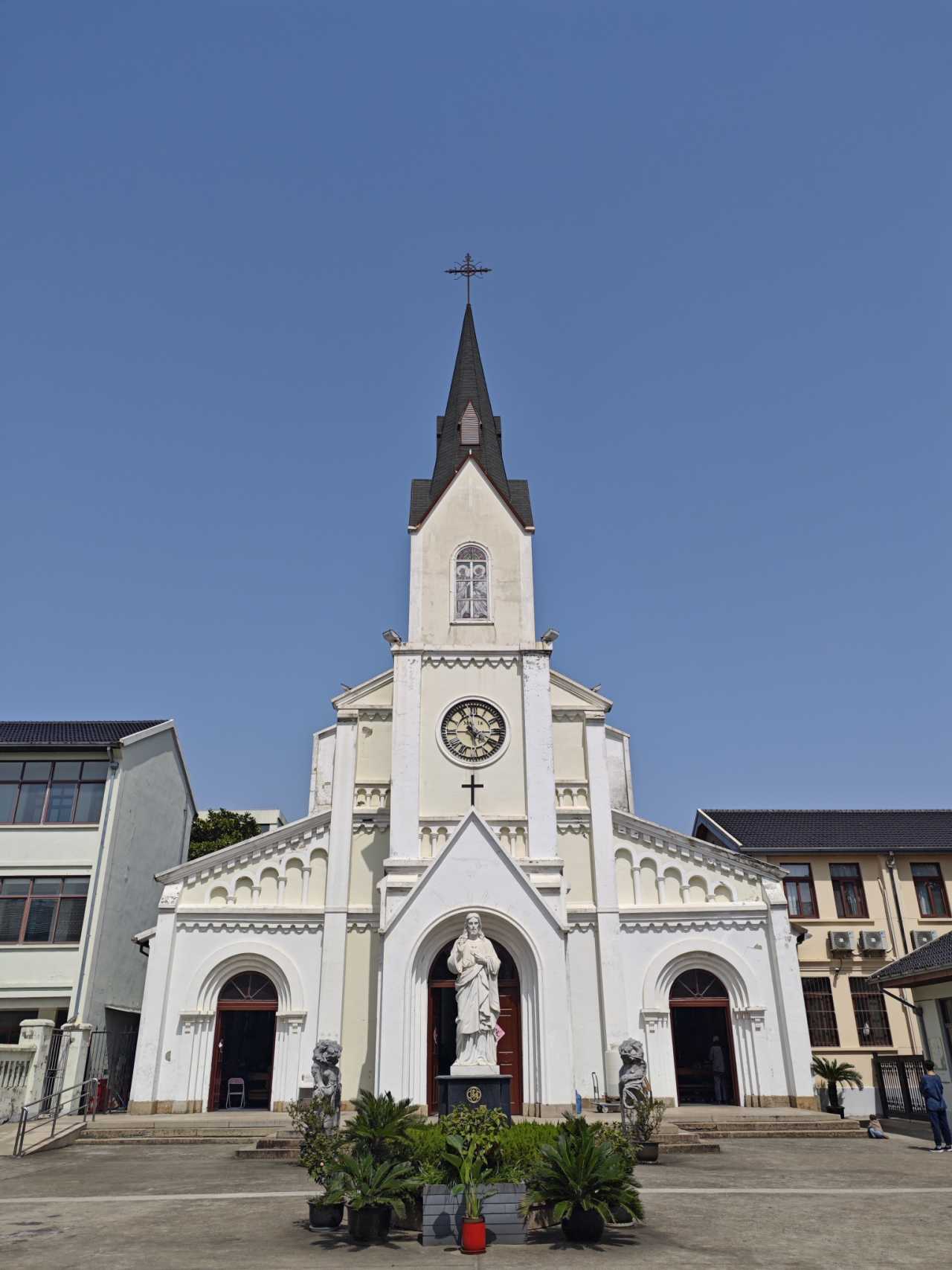
- Nearby Attractions: Qibao Temple (Tang-style ancient temple with photogenic red walls and vegetarian meals), Qibao Catholic Church (150-year-old Gothic church, less crowded and great for photos)

The Bund: City Icon, Century of Elegance
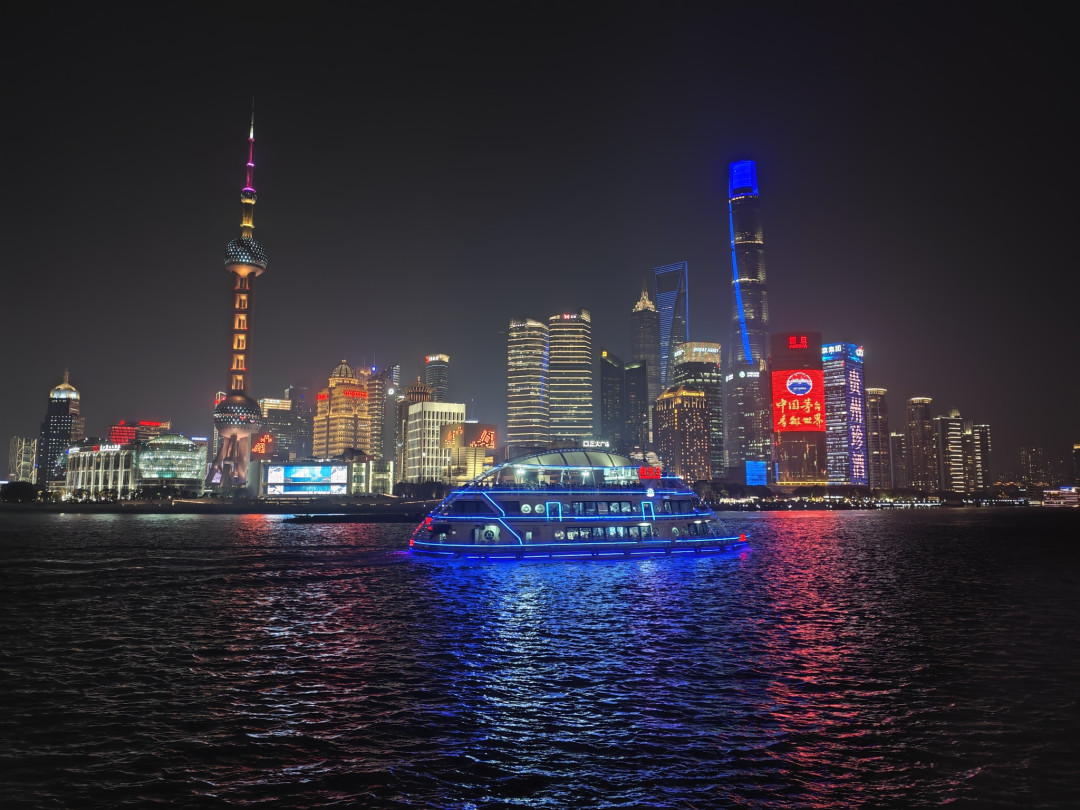
One-Liner: Shanghai’s city card, a gallery of international architecture along a 1.5-kilometer Huangpu River waterfront, free to access. See century-old buildings by day, dazzling nightscapes by night.
The Bund Basic Info
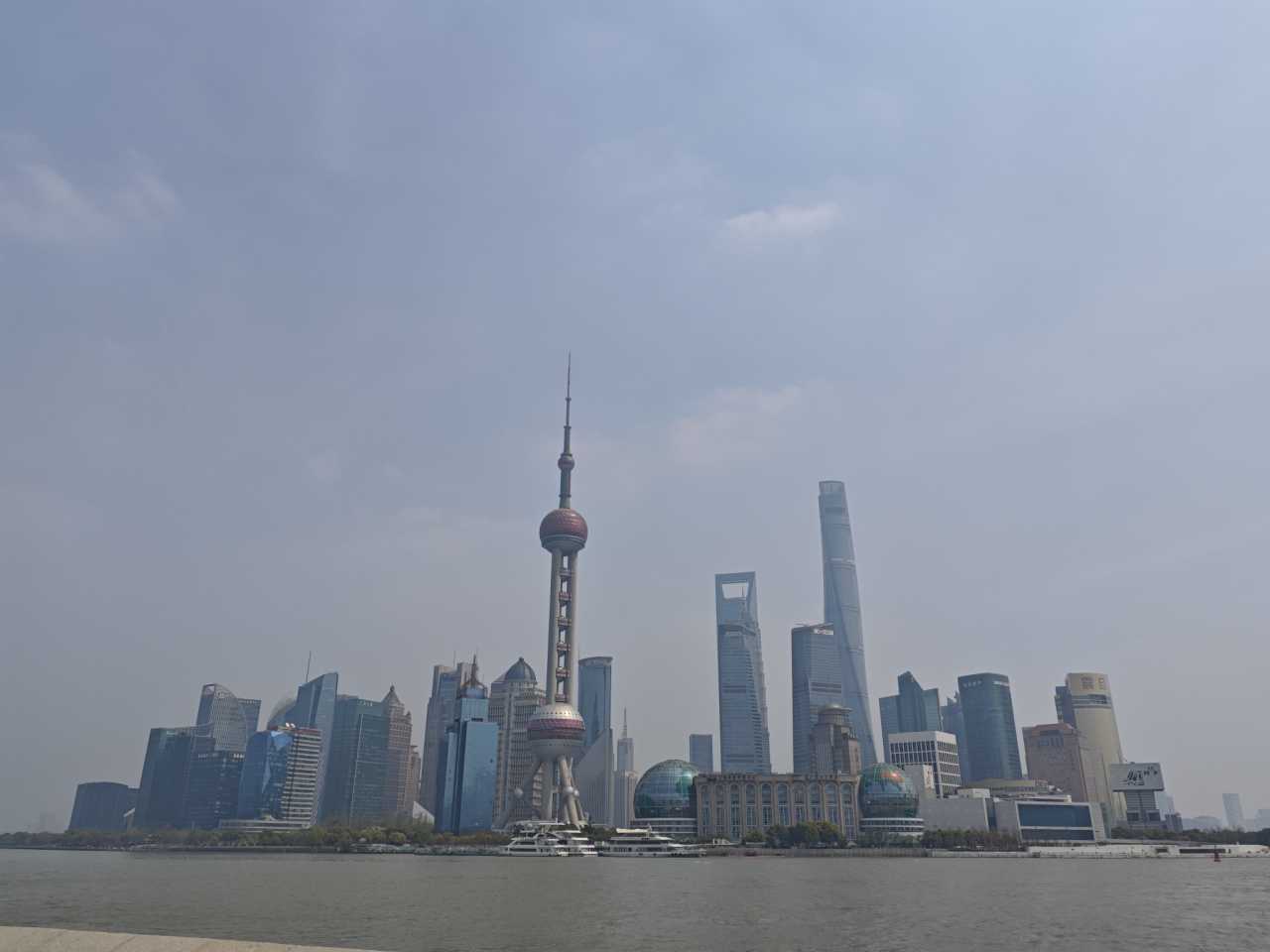
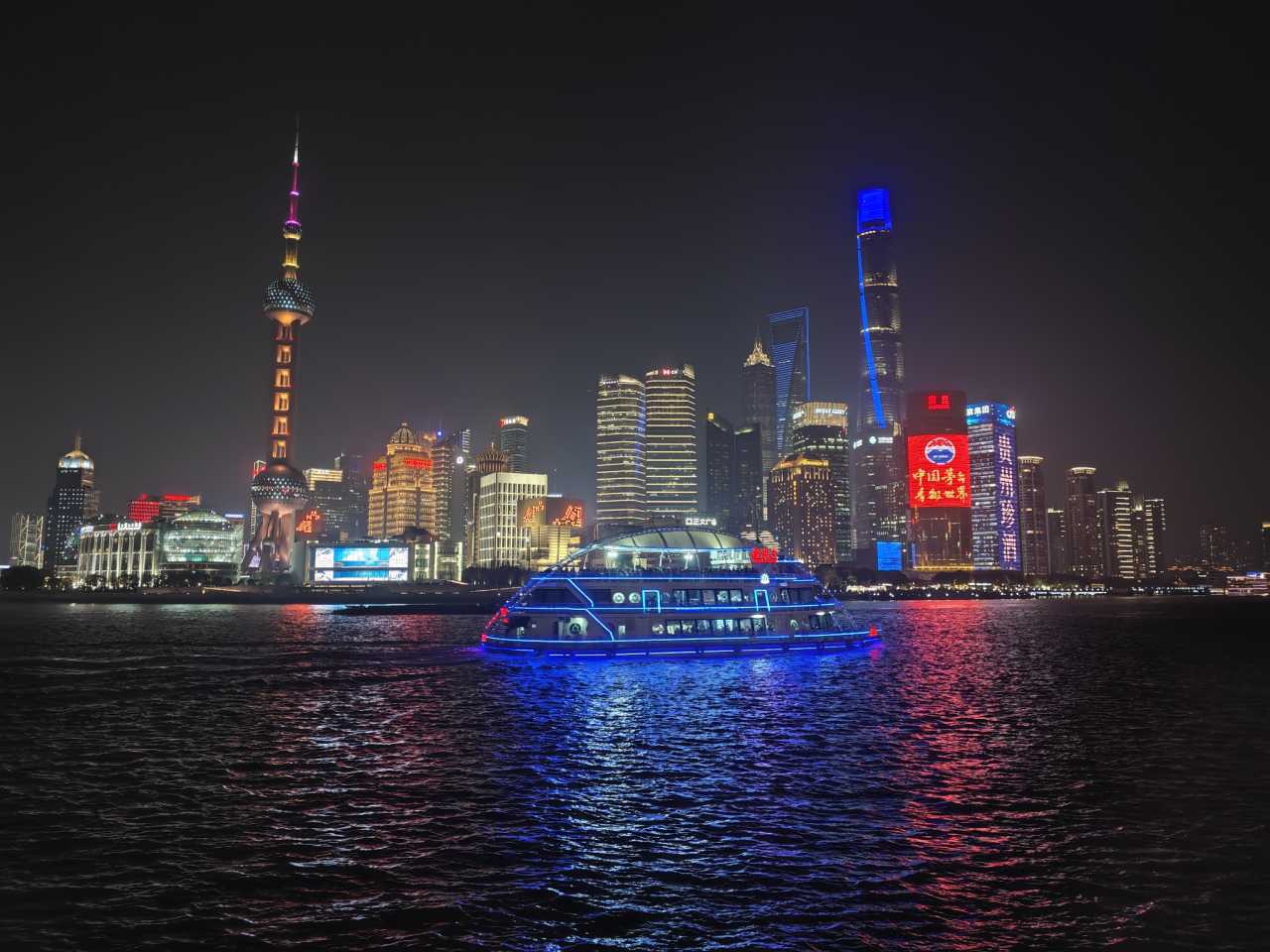
 - Address: Zhongshan East First Road, Huangpu District (from Waibaidu Bridge in the north to Yan’an East Road in the south) - Hours: Open 24/7 free; night lights from 18:00–22:00 (17:30 in winter) - Opposite Side: Facing Lujiazui (Oriental Pearl Tower, Shanghai Tower, etc.) across the river
Historical Timeline of the Bund
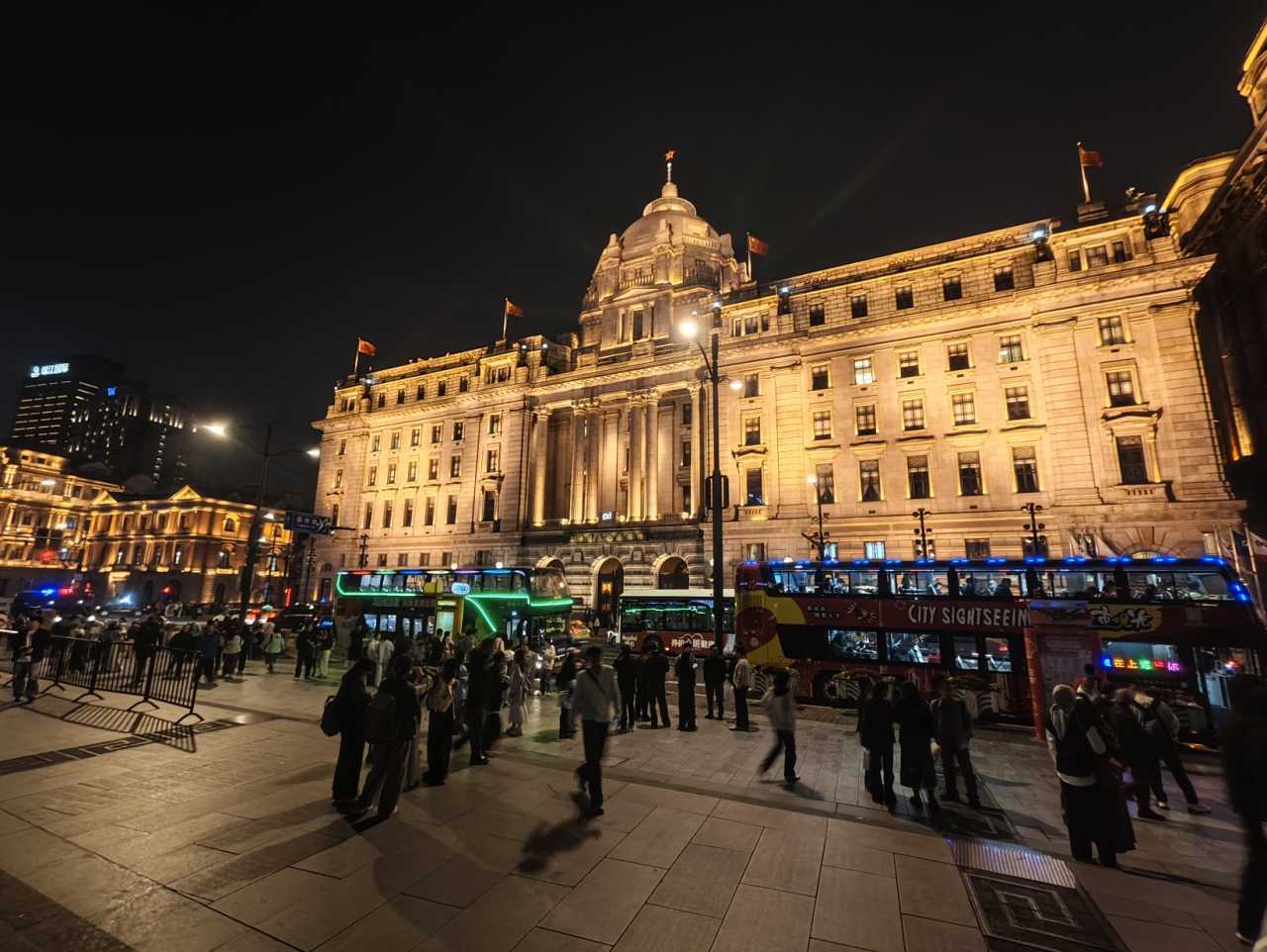
In 1843, Shanghai opened as a treaty port, and the Bund was designated as the British Concession, marking the start of the “十里洋场” (ten-mile foreign settlement). The golden age came in the 1920s–30s, when 52 classical buildings were constructed, earning it the nickname “Wall Street of the Far East.” The concession was returned to China in 1943, and the road was named Zhongshan East First Road in 1945. Today, it’s a national cultural heritage site and Shanghai’s landmark and “living room.”
Must-See Buildings on the Bund
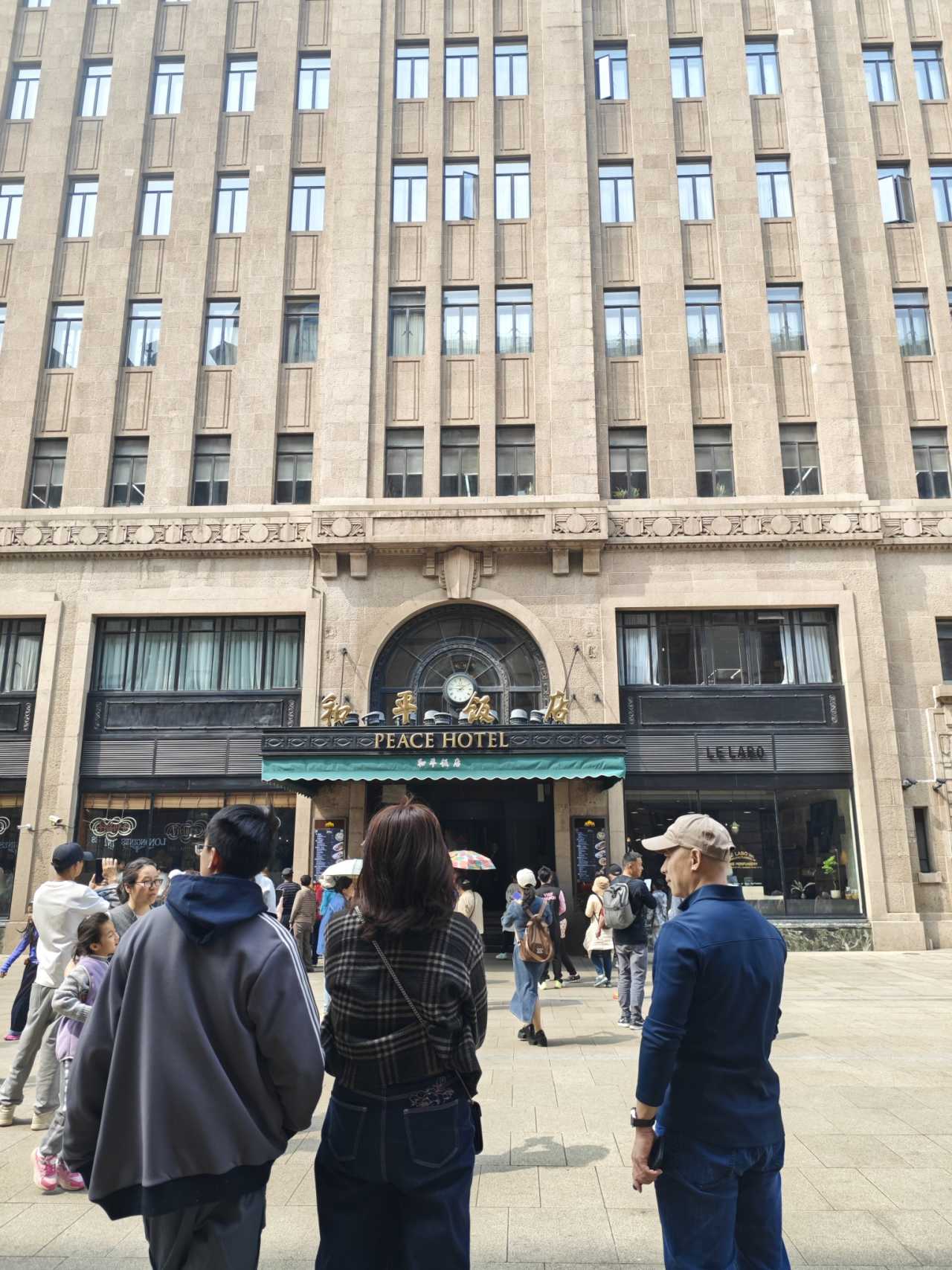
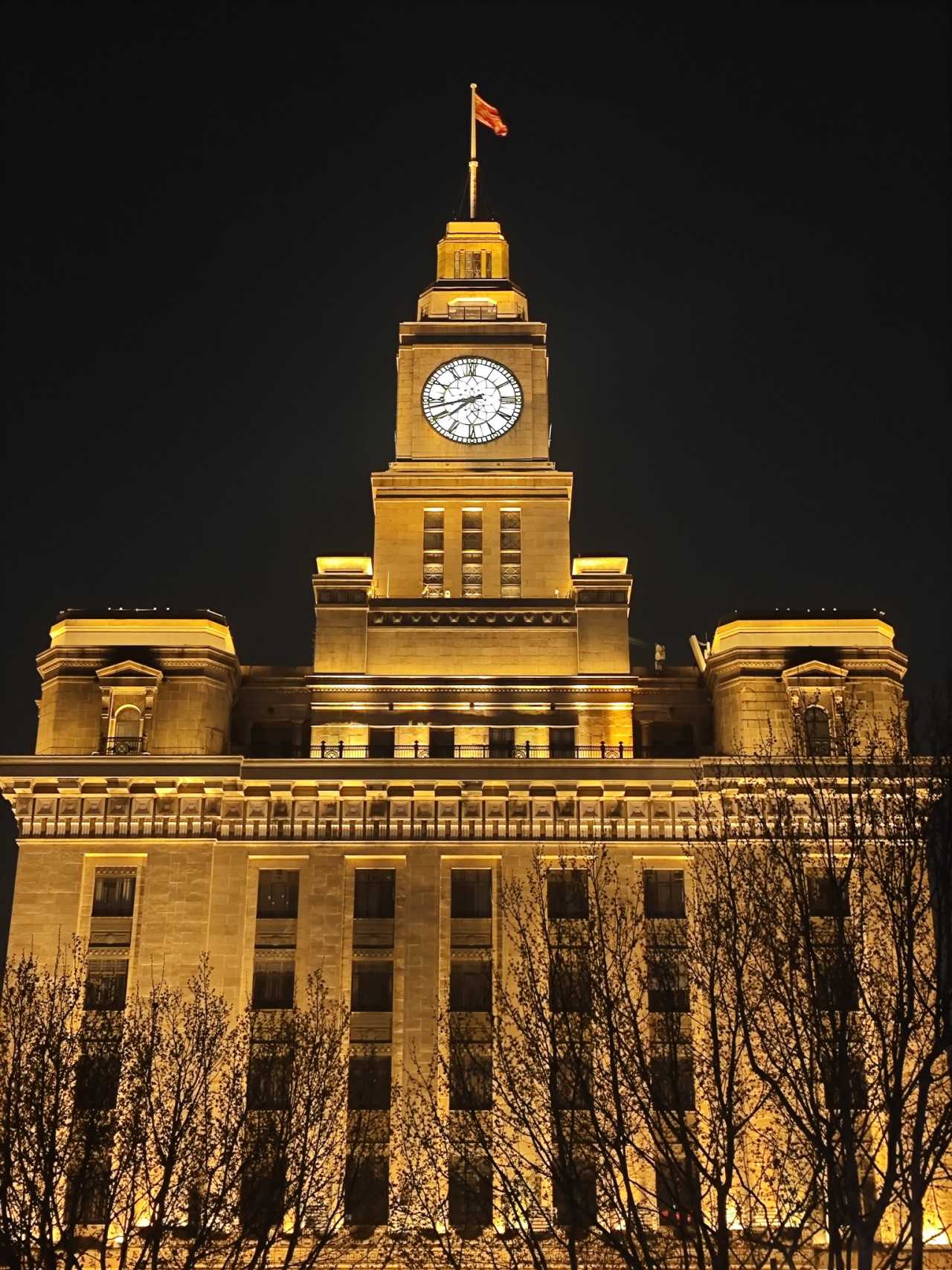
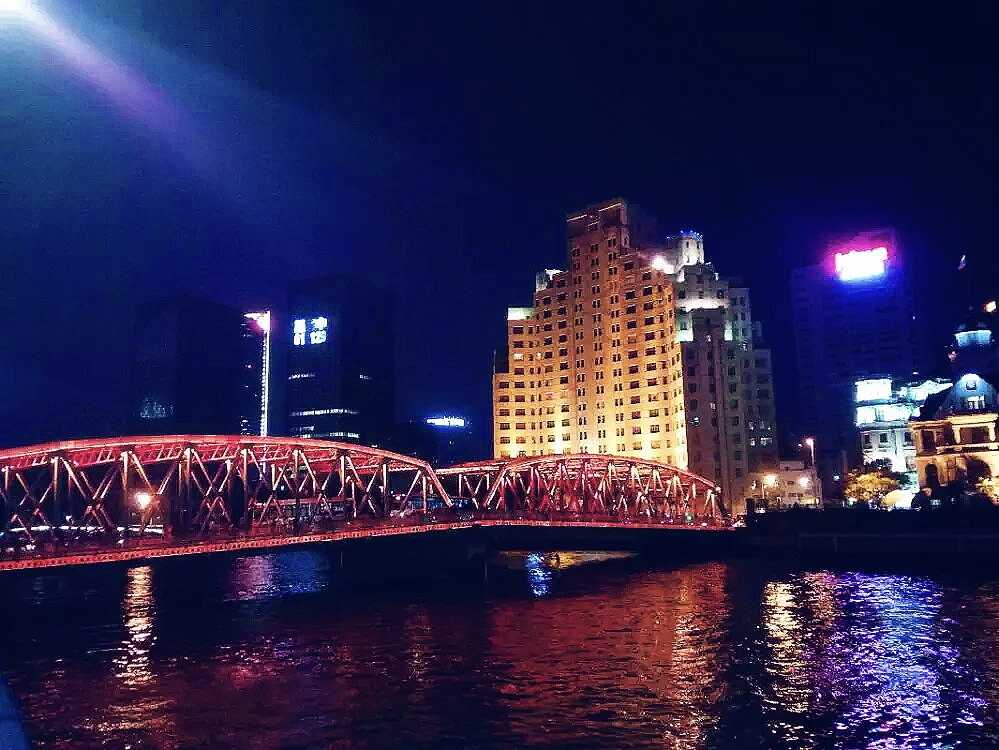
 - Peace Hotel (originally Sassoon House): Green copper roof, Art Deco style, a symbol of old Shanghai luxury - Customs House: Built in 1927, its clock tower modeled after Big Ben, chiming on the hour - Shanghai Pudong Development Bank (originally HSBC Building): Built in 1923, hailed as “the most magnificent building from the Suez Canal to the Bering Strait,” with stunning dome murals - Bank of China Building: The only Bund building with a Chinese-style roof atop a Western-style structure, completed in 1937 - Waibaidu Bridge: A 1908 steel bridge at the mouth of Suzhou Creek, a must-visit for vintage photo ops
Visitor Guide for the Bund
- Route: Walk from south (Yan’an East Road) to north (Waibaidu Bridge), admiring buildings along the way—about 2 hours
- Best Time:
- Daytime (10 AM–4 PM): Capture building details and the Lujiazui skyline
- Evening (5–7 PM): Sunset plus the moment lights come on; the blue hour is most beautiful
- Night (7–9 PM): Both sides lit up, the “city that never sleeps” vibe
- Photo Spots: Chen Yi Square’s “Lovers’ Wall,” the Bund Origin area, Shiliupu Pier (for Huangpu River cruises), Jinling East Road Ferry (for a 2 RMB ferry ride across the river)
- Nearby Attractions: Yu Garden, City God Temple, Nanjing Road Pedestrian Street, Lujiazui, Bund Origin, Shanghai Postal Museum, China Securities Museum [Link: Shanghai Postal Museum]
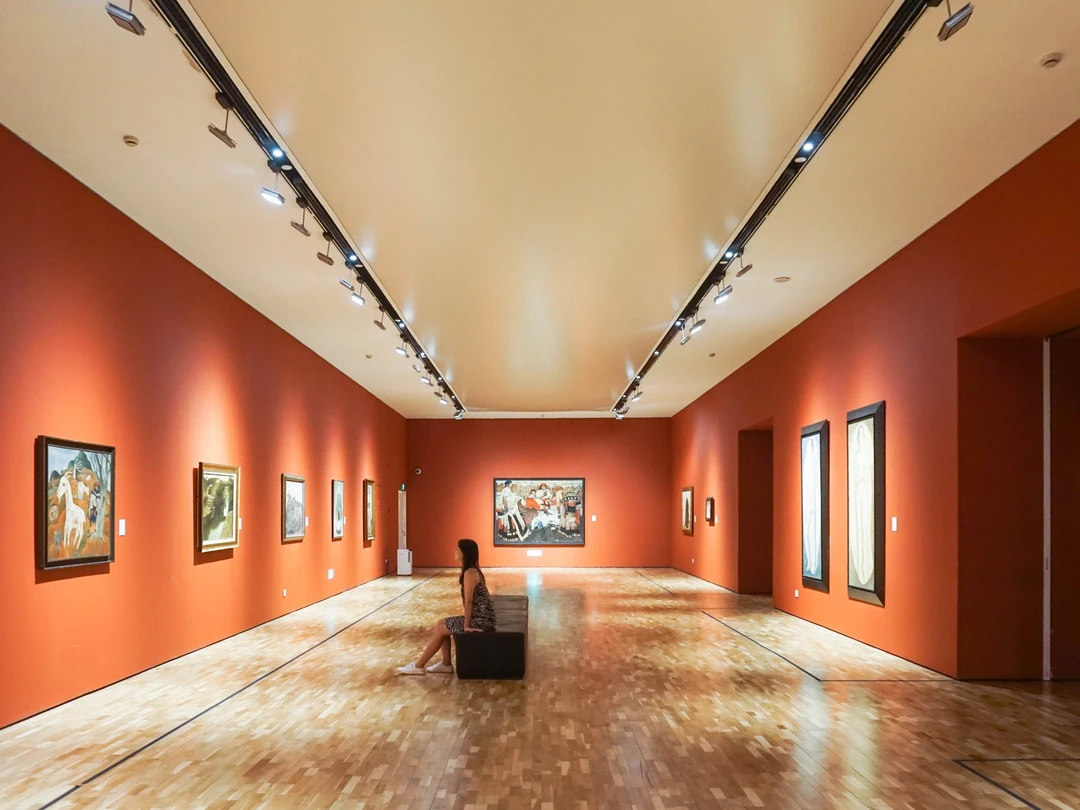
China Art Museum: An Art Palace from World Expo Memories
One-Liner: Originally the China Pavilion from World Expo 2010, the “Crown of the East,” free entry, with the dynamic “Along the River During the Qingming Festival” as its crown jewel—a must-visit art landmark in Pudong.
China Art Museum Basic Info
- Address: 205 Shangnan Road, Pudong New Area (core area of the Expo site)
- Hours: Tuesday–Sunday 10:00–18:00 (last entry 17:00), closed Mondays (except public holidays)
- Tickets: Free (reservation via official WeChat account required); dynamic “Qingming Scroll” 20 RMB, special exhibitions extra
- Reservation: Official WeChat account “中华艺术宫” (China Art Museum), up to 7 days in advance
Architecture & History of China Art Museum
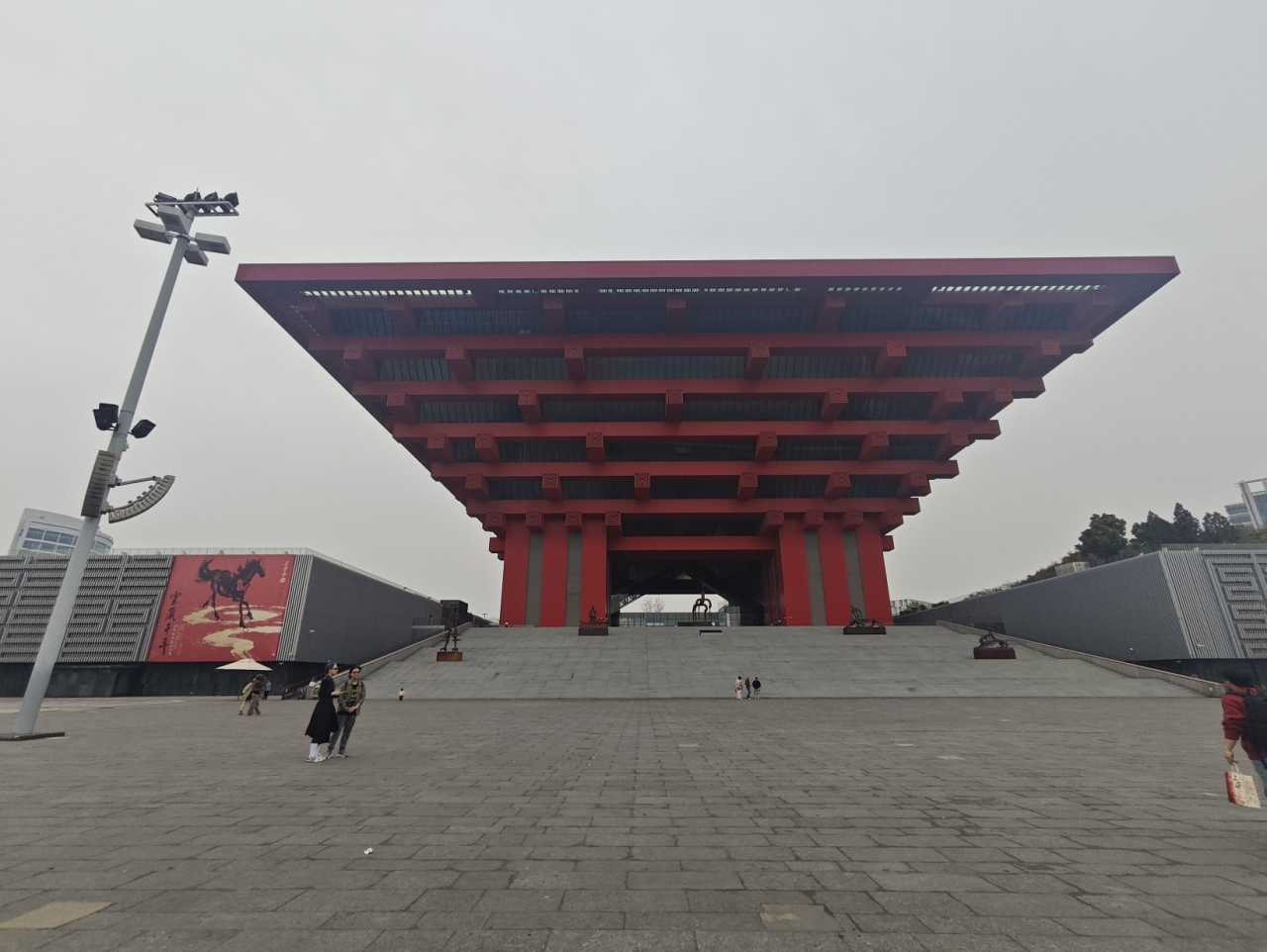
 The predecessor was the China National Pavilion at Expo 2010 Shanghai, designed as “the Crown of the East, the Prosperity of China,” standing 63 meters tall with a distinctive Chinese red dougong (interlocking bracket) shape. The Shanghai Art Museum was founded in 1956 and relocated to the China Pavilion on October 1, 2012, renamed the China Art Museum. The building covers 167,000 square meters with 64,000 square meters of exhibition space across 35 halls.
Must-See Highlights at China Art Museum
 - 49th Floor | Multimedia “Along the River During the Qingming Festival”: The museum’s crown jewel, 128 meters long and 6.5 meters high, with animated figures and a day-night cycle bringing the Northern Song Dynasty market to life - Permanent Exhibition | “The Moon Rises Over the Sea”: Masterpieces of modern Chinese art, including works by Hai派 (Shanghai School) masters like Wu Changshuo, Xu Beihong, and Lin Fengmian - Architecture Highlights: South Plaza panorama, dougong details, nighttime lighting (18:00–22:00)
China Art Museum Travel Tips
- Route: Start at the 49th floor for the “Qingming Scroll,” then work your way down (41 → 33 → 5 → 0 meters), about 2–3 hours
- Nearby Attractions: Adjacent Expo Source (shopping and dining), Mercedes-Benz Arena (performances), Expo Park (riverside walks) [Link: Expo Park]
Shanghai Children’s Museum: A Science Treasure Trove for Kids
One-Liner: An interactive science museum in Changning District, perfect for families. Hands-on exhibits, planetarium shows, and affordable entry make it a top Shanghai attraction for children.
Shanghai Children’s Museum Basic Info
- Address: 61 Songyuan Road, Changning District
- Hours: Tuesday–Sunday 9:00–17:00 (last entry 16:00), closed Mondays
- Tickets: 20 RMB for adults, 10 RMB for children (ages 3–12); planetarium shows extra 10 RMB
- Reservation: Walk-in tickets available, but advance booking recommended on weekends
Exhibits & Activities at Shanghai Children’s Museum
 The museum focuses on science, technology, and nature with interactive zones: - Space Exploration Hall: Simulated rocket launch, zero-gravity experience, and planetarium shows - Human Body Discovery: Giant walk-through models of organs, interactive games about health and nutrition - Nature & Environment: Live insect displays, dinosaur fossils, and a mini rainforest - Maker Space: Hands-on workshops for building simple robots or creating art with recycled materials
Family-Friendly Tips for Shanghai Children’s Museum
- Best for Ages: 3–12 years old; toddlers may enjoy the sensory play area
- Duration: 2–3 hours (plan for a half-day if including planetarium shows)
- Nearby Attractions: Zhongshan Park (10-minute walk), Shanghai Zoo (15-minute drive) [Link: Shanghai Zoo]
- Dining: Small café inside; nearby Songyuan Road has family-friendly restaurants
FAQ: Shanghai Short Trip Checklist
1. How many days do I need to cover these Shanghai attractions?
You can cover 3–4 destinations in one day if you start early (e.g., Qibao Ancient Town in the morning, Bund at sunset, China Art Museum midday). For a relaxed pace, two days are ideal—focus on ancient towns and museums on day one, landmarks and parks on day two.
2. Which attractions are free to visit?
 Qibao Ancient Town (Old Street), the Bund, and China Art Museum (with advance reservation) are all free. Shanghai Children’s Museum has a small entry fee (20 RMB adults, 10 RMB children). Some minor attractions inside Qibao require a combo ticket (30 RMB).
3. What’s the best way to get between these attractions?
Metro is the most efficient. Qibao Ancient Town (Metro Line 9, Qibao Station), the Bund (Metro Line 2, East Nanjing Road Station), China Art Museum (Metro Line 8, China Art Museum Station), and Shanghai Children’s Museum (Metro Line 3/4, Zhongshan Park Station) are all metro-accessible. Taxis or ride-hailing apps (Didi) are affordable for short distances.
4. Are these attractions suitable for families with young children?
 Yes, but plan accordingly. Shanghai Children’s Museum is designed for kids. Qibao Ancient Town has narrow streets and crowds, so strollers may be tricky. The Bund has wide sidewalks but no shade. China Art Museum is spacious and stroller-friendly. Bring snacks and water, as food options vary.
5. What’s the best time of year to visit Shanghai for this itinerary?
Spring (March–May) and autumn (September–November) offer mild weather and clear skies. Summer (June–August) can be hot and humid, with occasional typhoons; visit indoor attractions like China Art Museum or Shanghai Children’s Museum in the afternoon. Winter (December–February) is cold but less crowded; the Bund night lights are still spectacular.
Bonus: Shanghai Parks & Green Spaces
If you have extra time, add these Shanghai parks to your checklist:
- Expo Park (Pudong): Riverside walk, cycling paths, and views of the China Art Museum. Free entry. [Link: Expo Park]
- Zhongshan Park (Changning): Historic English-style garden, with a small lake and pavilions. Free entry. Adjacent to Shanghai Children’s Museum.
- Fuxing Park (Huangpu): French-style garden near the Bund, popular for morning tai chi and local culture. Free entry.
Your Shanghai Short Trip Action Plan
Now you have a complete Shanghai short trip checklist covering ancient towns, landmarks, museums, and parks—all with practical tips for a stress-free visit. Here’s your quick action plan:
- Book your China Art Museum reservation at least 3 days in advance via their official WeChat account.
- Download a metro map (Metro Shanghai app) and get a Shanghai Public Transportation Card (can be added to Apple Wallet or WeChat).
- Pack comfortable walking shoes—you’ll cover 10,000+ steps per day.
- Start early (before 9 AM) to avoid crowds at Qibao Ancient Town and the Bund.
- Bring cash for small purchases at Qibao (some vendors don’t accept digital payments).
Ready to explore Shanghai? Start with Qibao Ancient Town for breakfast, then head to the China Art Museum for an afternoon of art, end your day at the Bund for sunset and night lights. If traveling with kids, swap the museum for Shanghai Children’s Museum. Your Shanghai short trip starts now—book your metro card and go!
You may also like