Shanghai Marathon: Every Step is a Practice, and I Too Am a Traveler
Here is the SEO-optimized and rewritten article based on your source material. It has been restructured for search intent, keyword density, and readability while preserving the original narrative voice and factual accuracy.
Title: Shanghai Marathon Training & Race Report: Why Every Step is a Practice for the Traveler
Meta Description: Discover the philosophy of the "ordinary runner" in this Shanghai Marathon race report. From training setbacks to finishing strong, learn why every step is a practice and how to embrace the journey of a marathon traveler.
Shanghai Marathon: Every Step is a Practice, and I Too Am a Traveler
Life is a journey, and I too am a traveler. This line from Su Dongpo’s ancient verse struck me like a drumbeat at the starting line of my third full marathon—the 2025 Shanghai Marathon. It perfectly describes the paradox of running 42.195 kilometers: you are moving forward, but you are also arriving at yourself.
For the uninitiated, the word “traveler” might seem romantic. But for those of us who have hit the wall at 30 kilometers, it means gritting your teeth, managing pain, and continuing to move forward even when your body protests. This Shanghai Marathon race report is not about elite times or podium finishes. It is about the Shanghai Marathon experience for an ordinary amateur runner who simply wanted to finish.
My Marathon Life: The Philosophy of an Ordinary Runner
I am an ordinary amateur runner. This is not modesty; it is a fact. My half-marathon time hovers around 2 hours, and my full marathons usually finish around 4 hours 45 minutes. I have dealt with a lumbar disc issue that sidelined me for half a year. My training is never systematic—I mix soccer with running to maintain fitness.
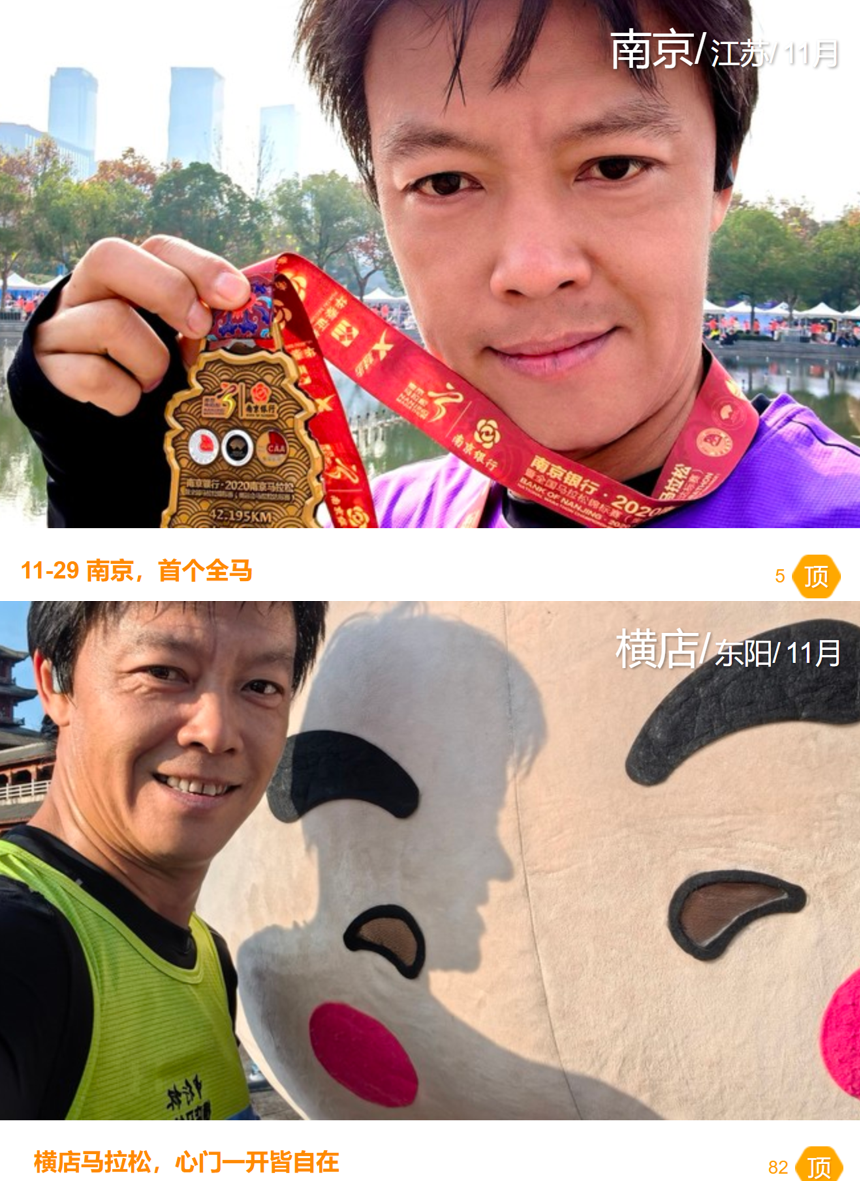
Yet, the appeal of the marathon has never faded. Self-discipline, solitude, and maintaining condition have become a lifestyle. For target events, I choose platinum or gold races like Nanjing, Xiamen, and Xi’an. These events are well-organized, with enthusiastic crowds that feel like a carnival and a deep dive into a city’s character.
When the 2025 Shanghai Marathon acceptance notice arrived unexpectedly, I felt both surprise and anxiety. It had been nearly three years since my last full marathon, and my preparation was far from ideal.
Goal Setting: From "PB" to "Just Finish"
A full marathon and a half marathon are fundamentally different events. The difficulty is exponential. So for this Shanghai Marathon preparation, I knew I had to be realistic.
After several rounds of deliberation, I settled on two goals: 1. Complete the half-marathon distance without stopping to walk. 2. Finish the full marathon safely, with health as the priority.
Achieving the first would give me the confidence for the second. Most importantly, I told myself: Missing one marathon is fine, but rushing recklessly and pushing yourself to the limit isn’t courage—it’s stupidity.
Picking up takes courage; letting go takes wisdom.
Shanghai Marathon Preparation: When Mileage Falls Short
Training: Filling the Gap with Confidence
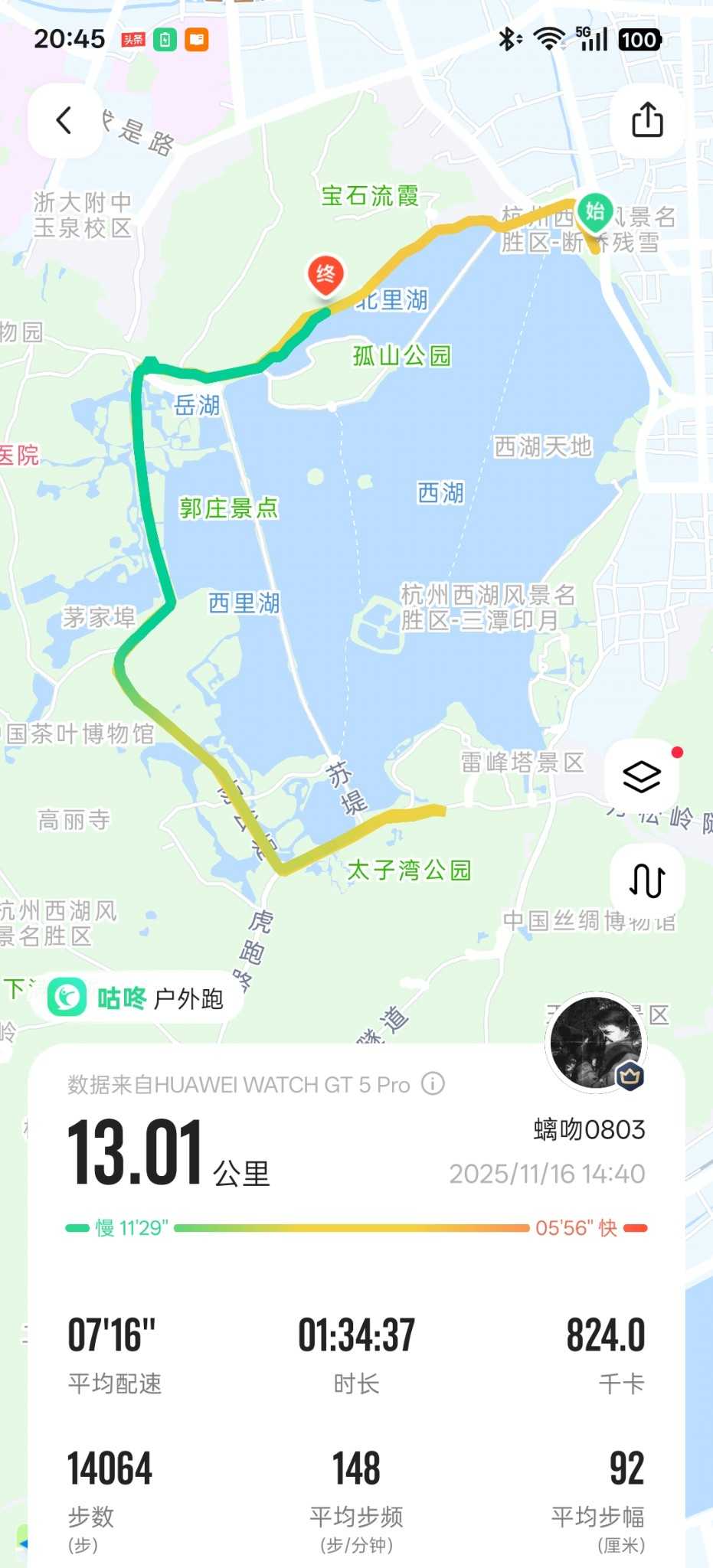
From early July to late November—a five-month preparation period. Summer brought scorching heat, autumn had long holidays, and in between were soccer games and business trips. My running mileage was woefully insufficient. In mid-November, I ran around West Lake to test my condition. My feet started cramping at just 10 kilometers. Add to that my weight going up instead of down, and my Shanghai Marathon training was seriously lacking.
Gear: Old Shoes Are True Friends
Never wear new gear to a race. That is a hard-earned lesson. My pre-race shopping list included earphones, running shoes, gloves, and arm sleeves. But shoes, socks, underwear, and base layers? All old. This is a key marathon gear tip for anyone preparing for a race.
Hotel Strategy: Pick the Start, Not the Finish
As soon as the marathon starting point was announced, surrounding hotels jacked up their prices. My strategy: Book the hotel first; worry about the lottery later. I chose the start line over the finish line. Guaranteeing I wouldn’t be late kept my mindset steady. My wife booked a hotel near the D-section entrance, with a window directly facing the Oriental Pearl Tower. That detail became my greatest source of calm before the start.
Race Day: The Shanghai Marathon Experience
The Night Before: A Traveler’s Mindset
Saturday, November 29. Two people, one train, from Hangzhou to Shanghai. Having a partner who understands the marathon life is a blessing. My wife booked the hotel, monitored my training, and accompanied me to the event. She worked hard; I was fortunate.

Dinner was at a restaurant on Nanjing East Road, facing the Oriental Pearl Tower. I ordered braised pork belly—proper protein before a marathon is necessary. As we ate, we came up with a little impromptu poem:
I didn’t really want to come, then I thought about it and came, now I want to leave, and next time I won’t come again.
A joke, but it revealed my lack of confidence. Luckily, I was already prepared to fail. If something went wrong, I’d quit without hesitation. Worst case, I’d take the “big bus”—the vehicle for injured runners and dropouts.
Seven O’Clock, Before the Start
Sunday, November 30. 5:20 AM, the alarm went off. I pulled open the curtains. The Oriental Pearl Tower stood against the morning glow—a good omen. Instant noodles, an egg, half a cup of coffee. Dressed and ready, I left the hotel at 6:18.
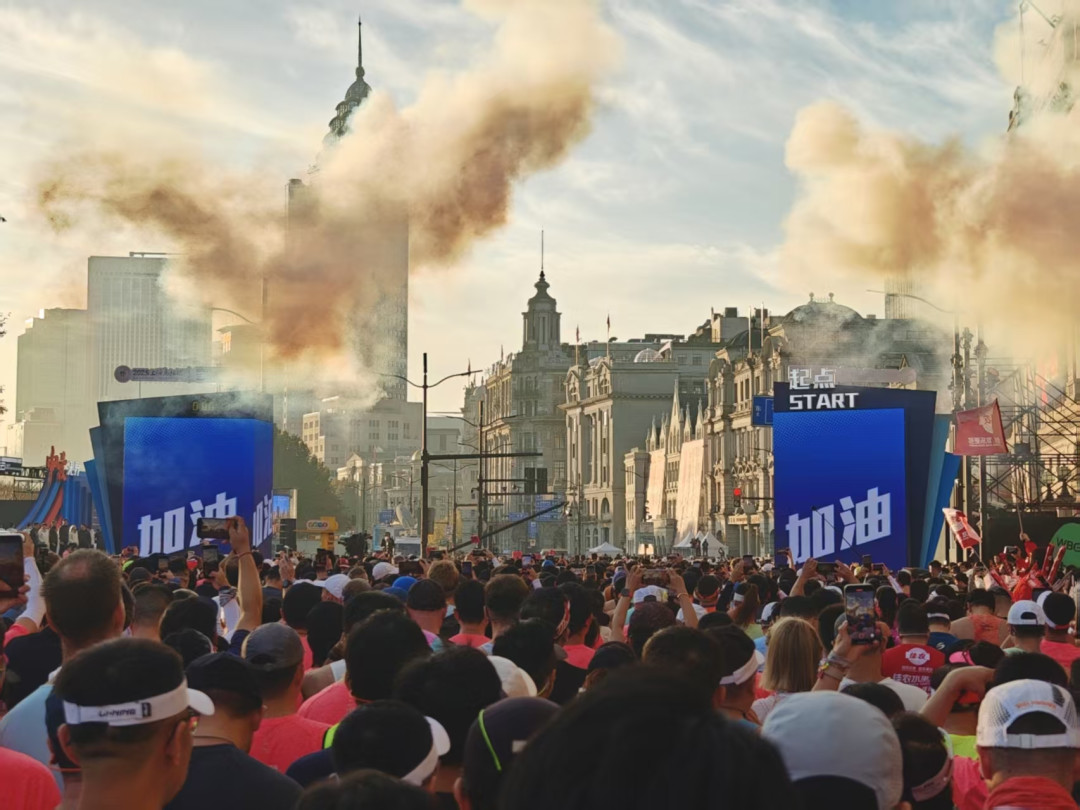
The hotel was close to the check-in area. My wife saw me to the entrance, then cycled ahead to find a good spot to watch. I entered the starting corral. The energy was electric. Thousands of runners, all travelers on their own journeys.
The gun went off. I started slow. My goal was not to PB. My goal was to finish. At 10 kilometers, I felt good. At 21 kilometers, I had achieved my first goal—I had run a half marathon without walking. Now, the real test began.
The Wall: The True Practice
At 30 kilometers, my body started to protest. My lower back ached. My feet felt heavy. This is where the marathon mindset kicks in. I reminded myself of Su Dongpo’s verse. I am a traveler. This is just another landscape.
I slowed down. I took water at every station. I focused on my breathing. At 35 kilometers, I saw my wife on her bike, waving. That gave me a burst of energy. The last 7 kilometers were a blur of pain and determination.
I crossed the finish line at 4 hours 52 minutes. Not a PB. But a finish. A safe finish. A finish that proved that even with imperfect preparation, you can achieve your goal if you set the right expectations.
Key Takeaways from the Shanghai Marathon
- Set realistic goals. If you are an ordinary runner, don’t chase a PB every time. Sometimes, just finishing is the victory.
- Listen to your body. Pushing through pain is not courage; it is stupidity. Know when to stop.
- Gear matters, but familiarity matters more. Never wear new gear to a race.
- The journey is the destination. The Shanghai Marathon is not just about the 42.195 kilometers. It is about the hotel, the dinner, the support crew, and the memories.
Frequently Asked Questions (FAQ)
1. Is the Shanghai Marathon suitable for first-time marathon runners?
Yes, but it is a large, competitive race. If you are a first-timer, ensure you have completed at least one half marathon and have a solid training plan. The course is flat and well-organized, making it a good choice for a debut marathon.
2. What is the best time of year to run the Shanghai Marathon?
The Shanghai Marathon is typically held in late November or early December. The weather is cool and dry, which is ideal for long-distance running. Average temperatures range from 8°C to 15°C (46°F to 59°F).
3. How do I qualify for the Shanghai Marathon?
The Shanghai Marathon uses a lottery system for general entry. However, there are also charity spots and qualifying times for elite runners. It is highly recommended to enter the lottery early.
4. What should I eat the night before a marathon in Shanghai?
 Stick to familiar, carb-heavy meals. Rice, noodles, or bread are safe choices. Avoid heavy, oily, or spicy foods. As mentioned in this report, braised pork belly (protein) is acceptable in moderation, but focus on carbohydrates.
5. How do I handle "hitting the wall" during a marathon?
"Hitting the wall" is caused by glycogen depletion. To manage it, pace yourself conservatively in the first half, take in electrolytes and energy gels regularly, and be prepared to walk if necessary. Mental preparation is key—remind yourself that this is part of the journey.
Internal Linking Suggestions
- [Link: How to Train for Your First Marathon]
- [Link: Best Running Shoes for Long Distance]
- [Link: Marathon Nutrition Guide: What to Eat Before, During, and After]
- [Link: Dealing with Runner's Knee and Back Pain]
Final Thoughts: Every Step is a Practice
The Shanghai Marathon was my third full marathon. It was the hardest, but also the most meaningful. It taught me that every step is a practice in patience, humility, and resilience.
To the ordinary runners out there: You don’t need to be fast to be a marathoner. You just need to keep moving. Whether you are a traveler on the road or a traveler on the course, the journey is what matters.
Are you ready to take your first step? Whether you are aiming for a PB or just trying to finish, start planning your next marathon today. Sign up for a local 5K, join a running club, or book your hotel for next year’s Shanghai Marathon. The road is waiting.
See you at the finish line.