Shanghai Landmark Pilgrimage: Discovering Extraordinary Scenery in Familiar Places
Here is the SEO-optimized, rewritten article based on your source material. It has been structured for search visibility, user engagement, and readability, while strictly maintaining the factual details from the original.
Shanghai Landmark Pilgrimage: A Local’s Guide to Extraordinary Scenery in Familiar Places
Meta Description: Rediscover Shanghai’s iconic landmarks on a pilgrimage. From the Oriental Pearl’s revolving restaurant to the Yuyuan Lantern Festival, find extraordinary views in familiar places. Plan your trip today.
Introduction: A Different Way to Travel
The idea of a "spur-of-the-moment trip" sounds romantic, but in today’s world of information overload, it often feels like an adventure without a map. True travelers know that the best journeys aren’t about going with the flow—they are about discovering new surprises in familiar places. This Chinese New Year, we chose to stay in Shanghai. Not to avoid the crowds, but to re-examine a city we thought we knew so well, armed with a clear "mission list."
Shanghai’s landmarks are like old friends. We have seen them countless times, but every reunion should bring a new story. This time, we set out with purpose and anticipation. We wanted to uncover the details that daily life had blurred. From the revolving restaurant of the Oriental Pearl Tower to the zodiac-themed lantern festival at Yuyuan Garden, from the Shikumen lanes of Zhangyuan to the vibrant street life of the Old City, we measured the city’s warmth with our steps and captured the marks of time with our cameras.
The Oriental Pearl Tower: More Than Height—A "Soar Above Shanghai" Experience
The Battle for New Year’s Eve Tickets
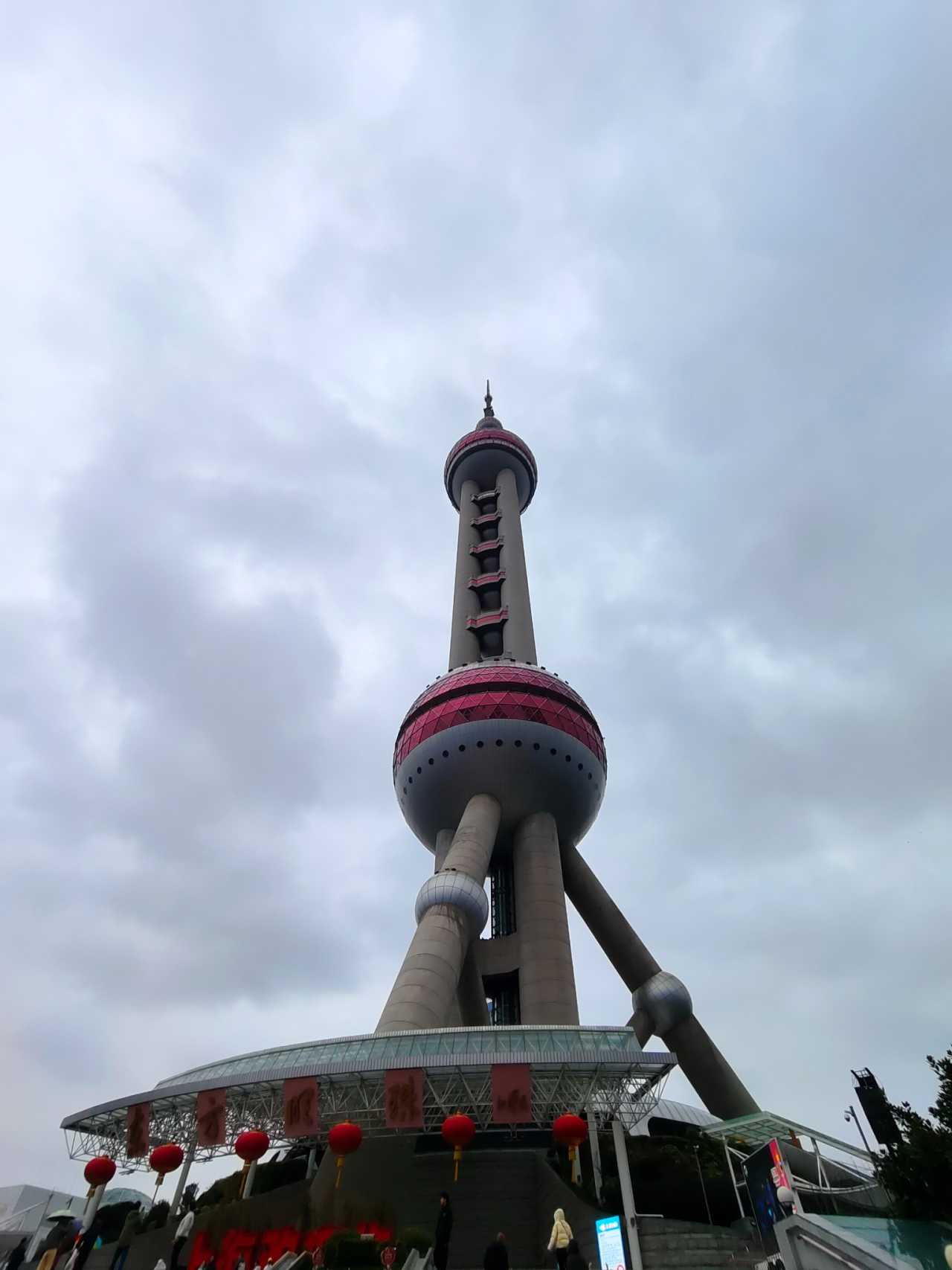
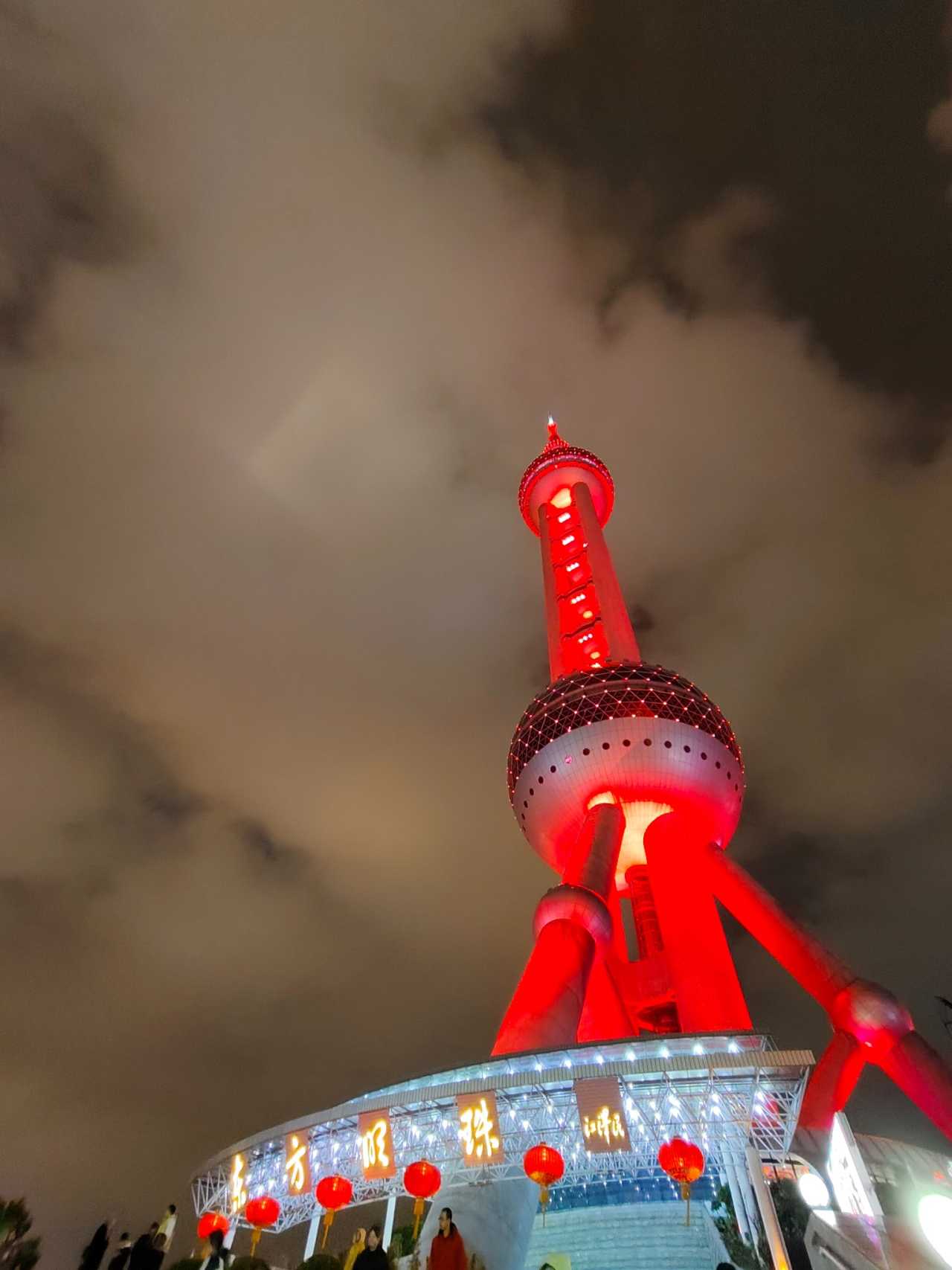
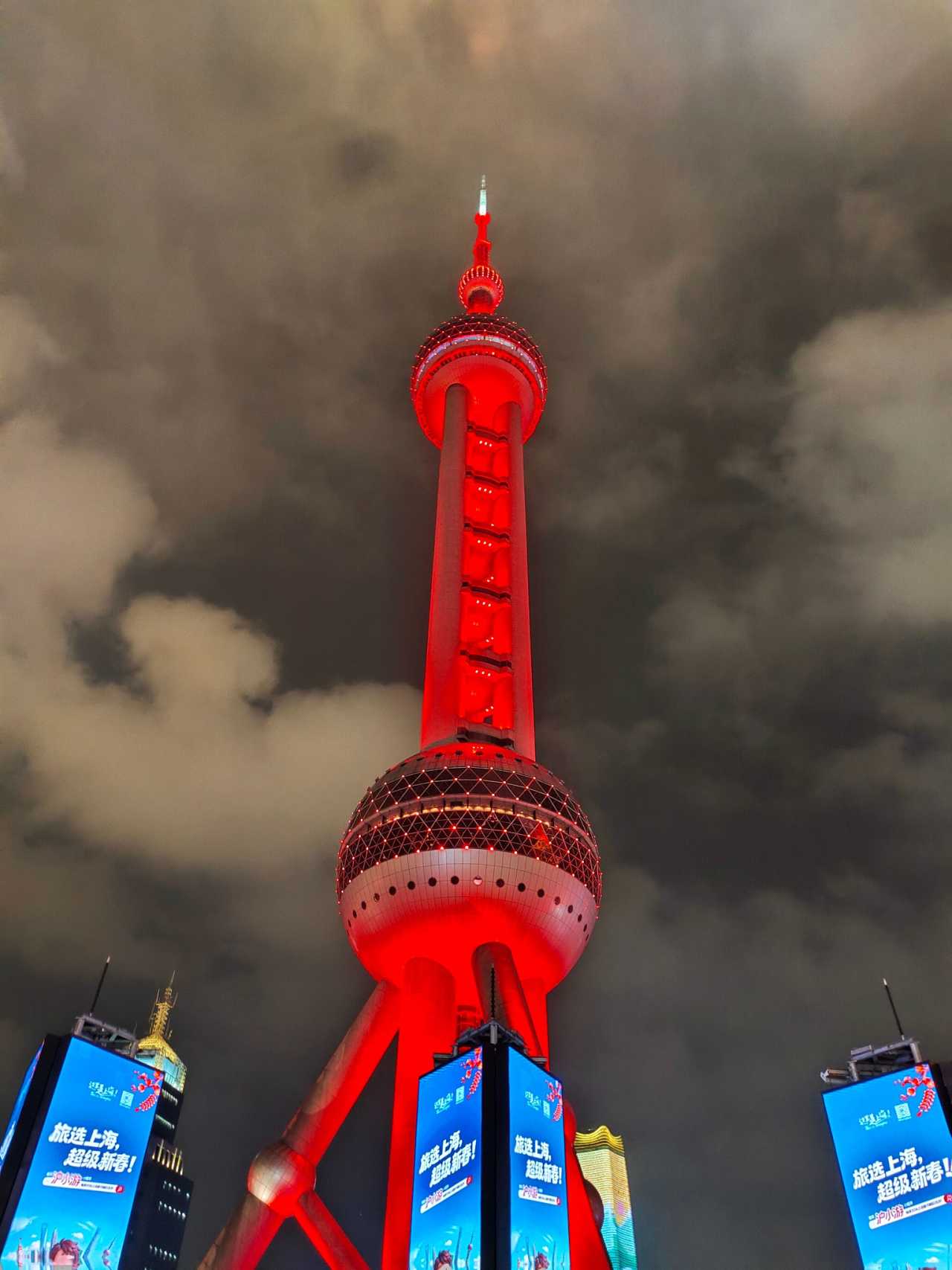
Standing 468 meters tall, the Oriental Pearl Tower is an icon of the Shanghai skyline. We had visited before, but always in a rush. This time, securing a reservation at its revolving restaurant for New Year’s Eve was a true test of reflexes. During the Spring Festival, tickets are incredibly hard to come by. We started monitoring a month in advance, refreshing the page daily. Finally, late one night, a slot appeared—the thrill was no less than scoring a pair of limited-edition sneakers.
The Revolving Restaurant: A Feast for the Senses
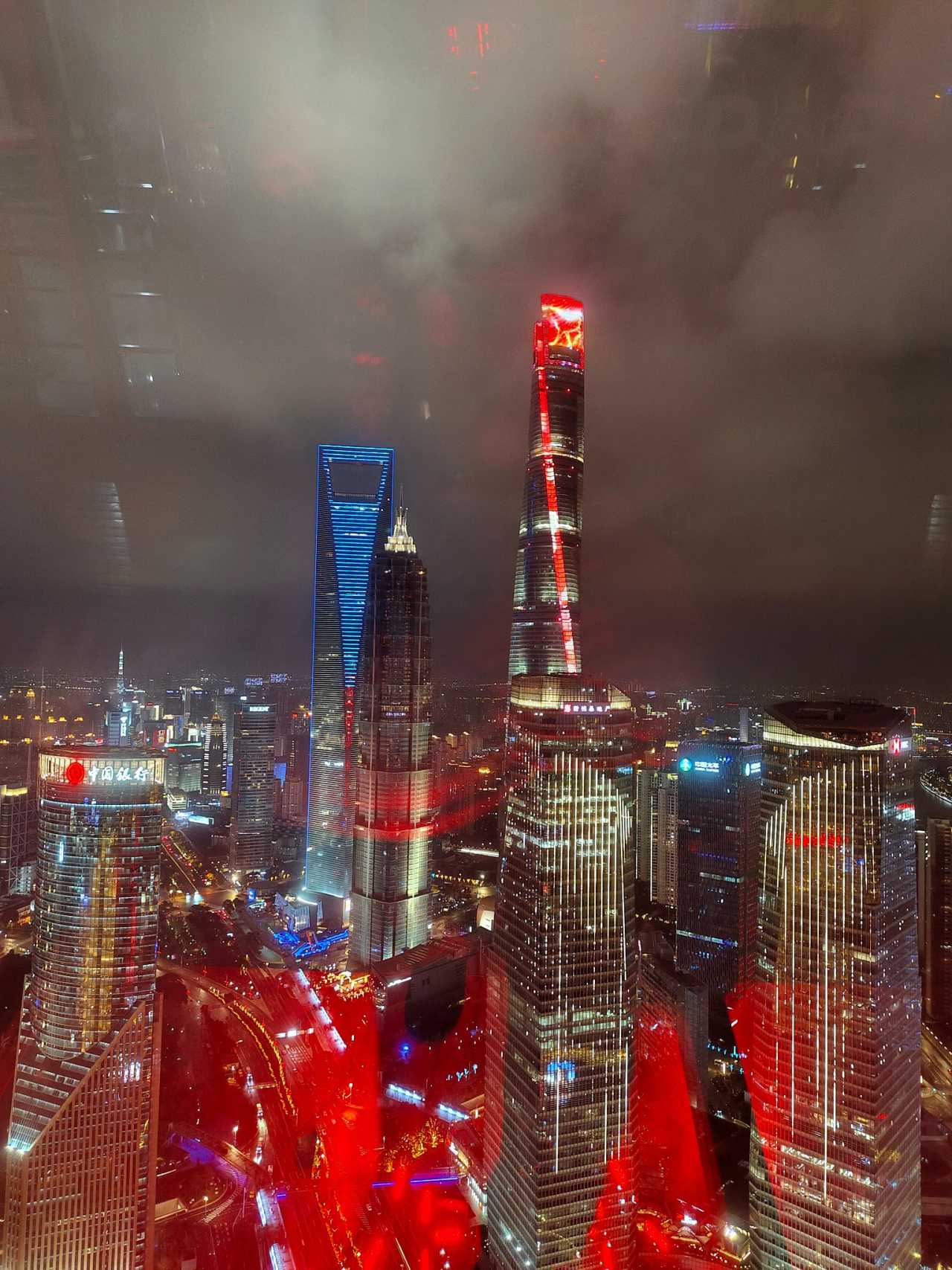
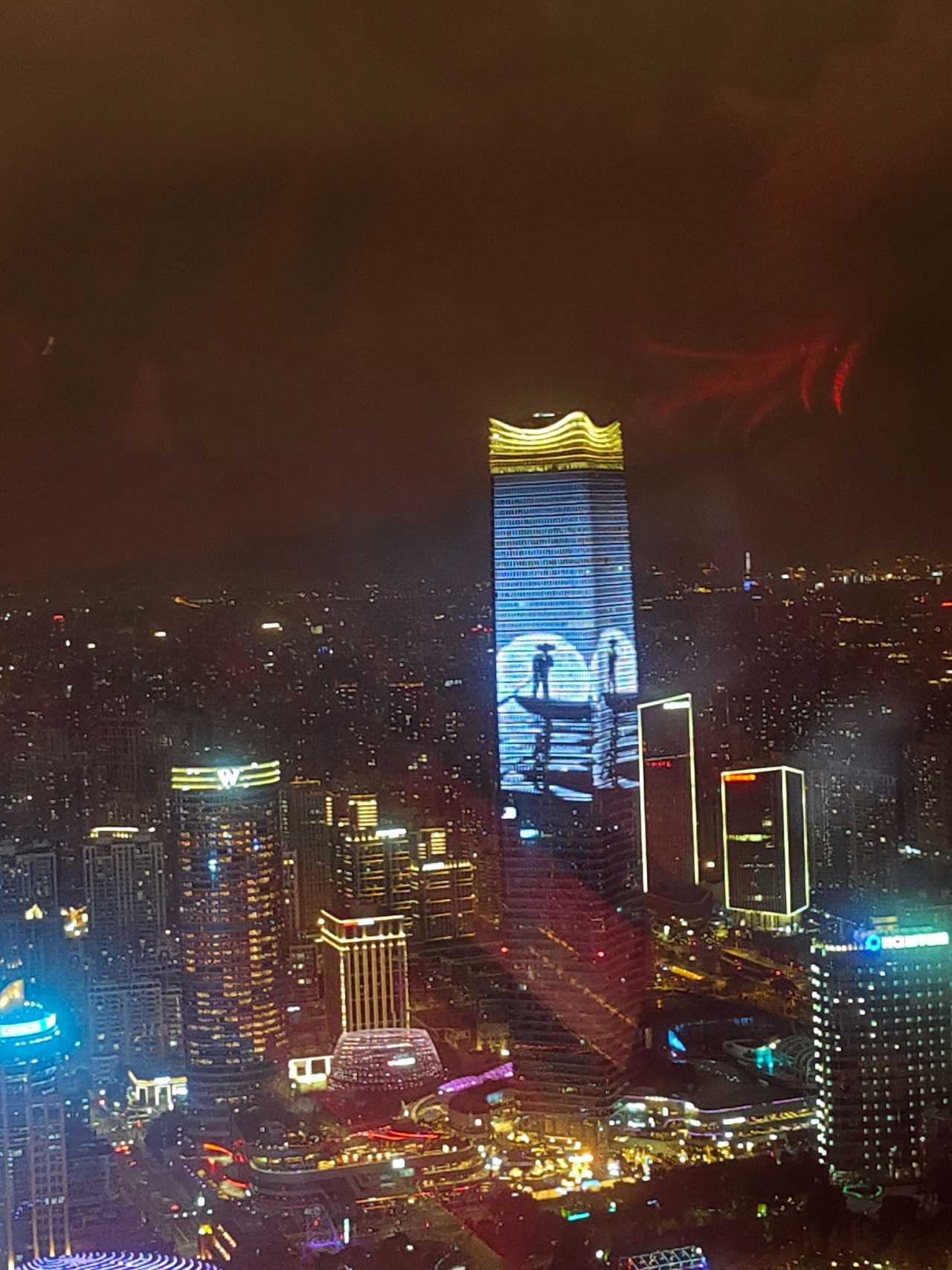
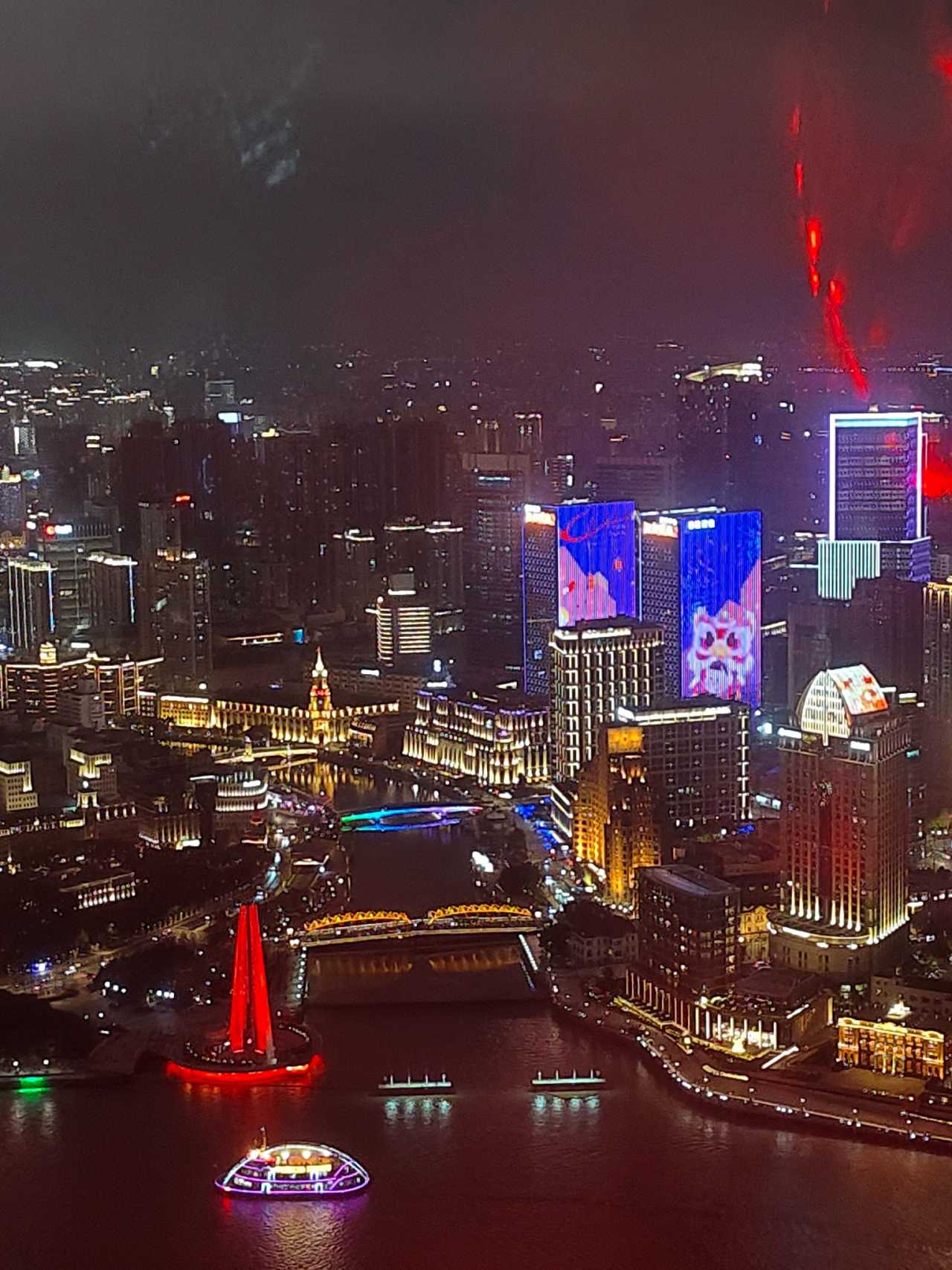
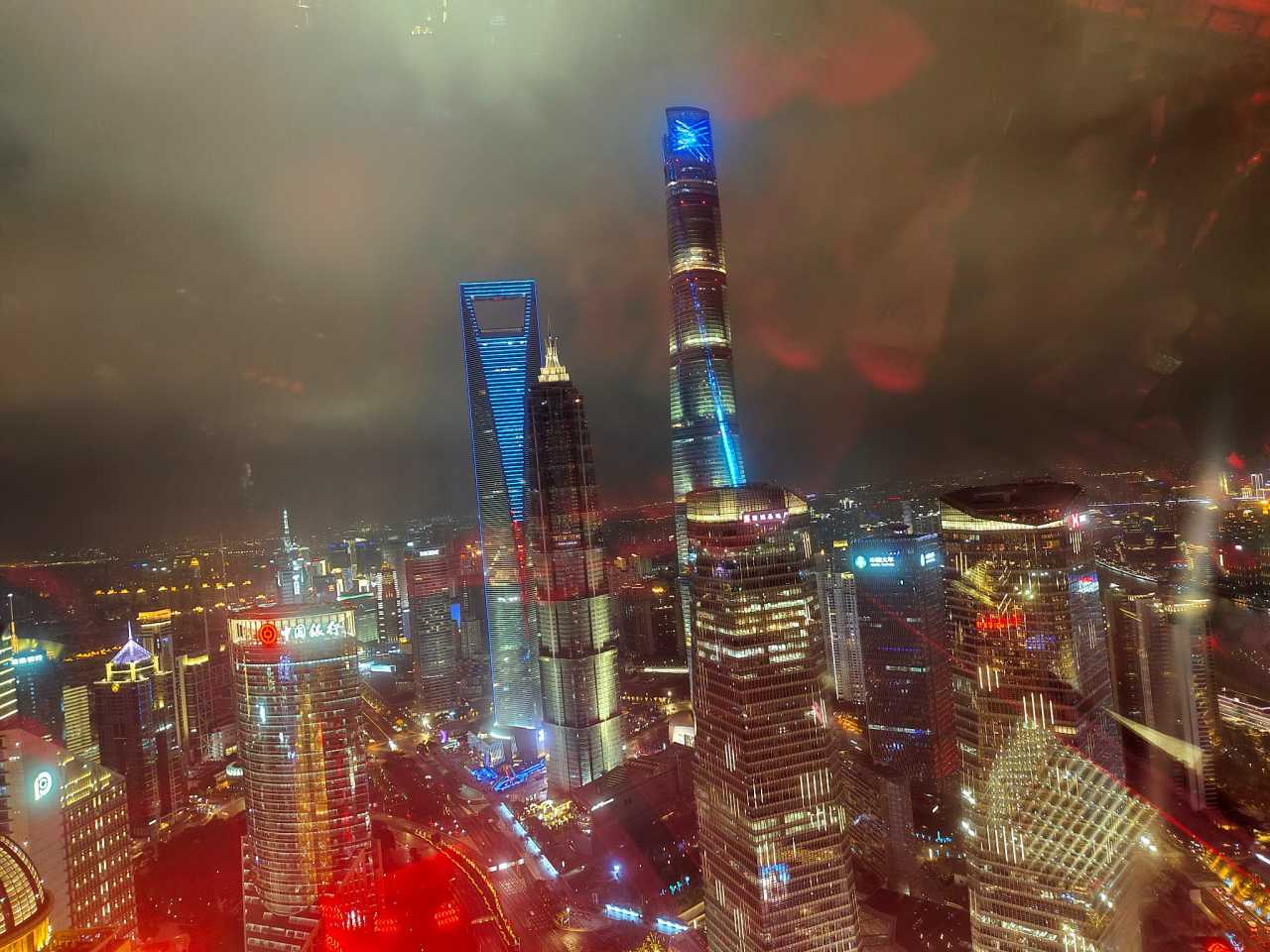
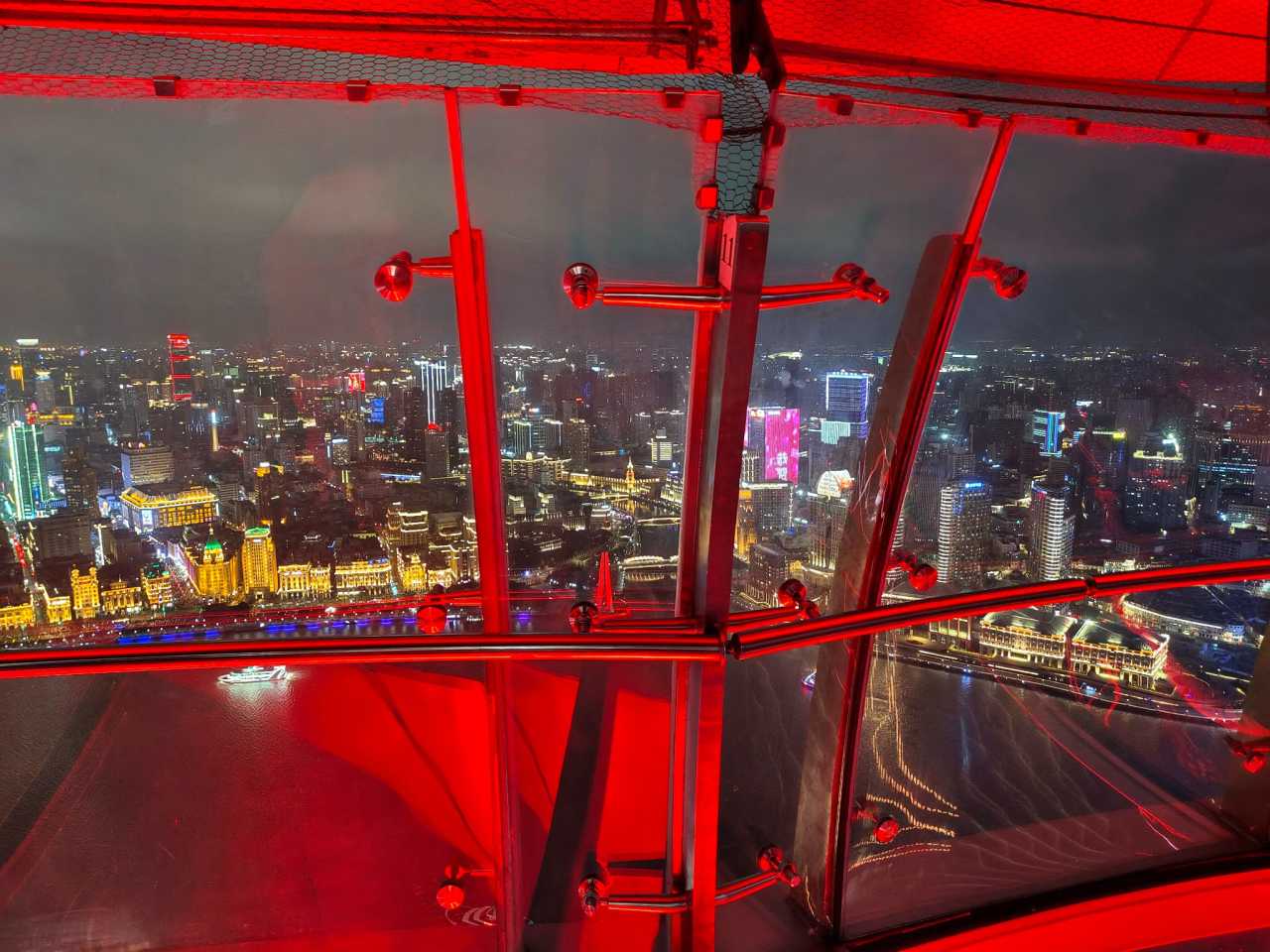
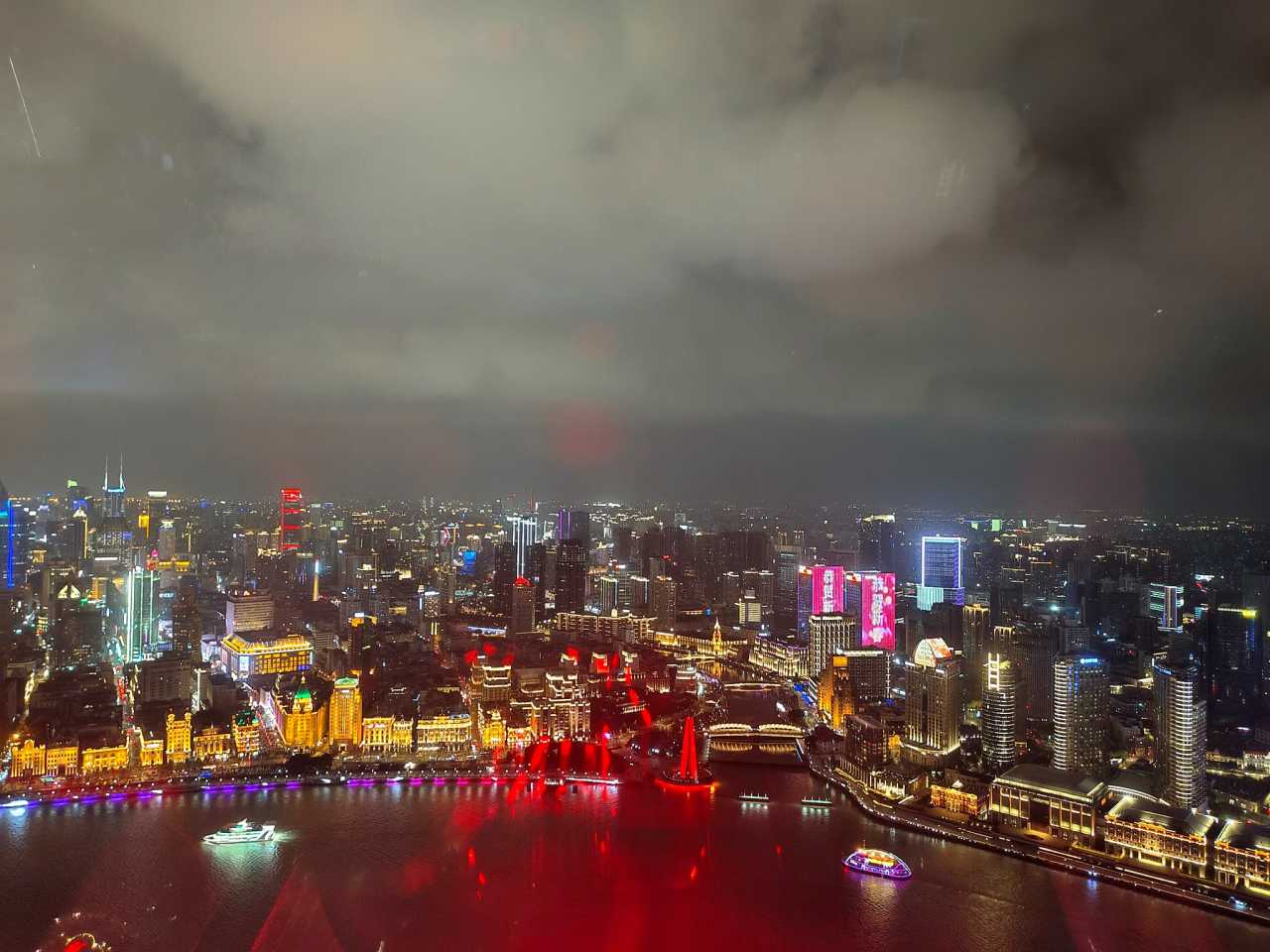
Perched 267 meters above ground, the revolving restaurant is the highest of its kind in Asia. Spanning 1,500 square meters, it seats up to 350 guests. Its design, making a full rotation every two hours, offers a 360-degree panoramic view of the entire city. By day, you see the skyscrapers of Lujiazui arranged like building blocks. By night, the lights on both sides of the Huangpu River sparkle like a galaxy, and the historic Bund buildings appear especially gentle under the glow.
Dining here on New Year’s Eve was a uniquely moving experience. Outside the window lay the warm glow of countless family reunions. Inside, the clinking of glasses and shared laughter created an intimate atmosphere. The menu blended Chinese and Western flavors, but what left the deepest impression was the romance of being “lonely at the top”—welcoming the New Year’s bells with family at the pinnacle of Asia.
"Soar Above Shanghai": An Immersive Glimpse into the Future
Taking the elevator down from the revolving restaurant, you pass through the “Soar Above Shanghai” (Geng Shang Hai) multimedia show at the 78-meter level. This attraction is divided into three parts: the prelude "Life," the main show "A New Shanghai," and the epilogue "Connection."
The main show employs a 48-channel immersive sound system, one of the most advanced audio technologies currently available. Unlike traditional 5.1 or 7.1 surround sound, this system is based on an "object-based" concept. It calculates the movement trajectory of each sound object in real-time, allowing different audio objects to move freely through the space. Standing before a 240° curved screen, complemented by floor projections, you feel as if you are truly transported to Shanghai of the future—urban life 70 years from now, digitized streets, and intelligent architecture.
This project is not just a vision of Shanghai’s future development. It is a platform showcasing the city’s spirit of innovation. It reminds us that Shanghai is not only a city with a long history but also one that constantly moves forward.
Yuyuan Old Street: A "Mythical Wonders" Journey for a Zodiac Year

A Special Ritual for a Milestone Year
This year marks the first zodiac year (Ben Ming Nian) for our youngest child. We decided to visit the Yuyuan Garden lantern festival. Yuyuan Garden, a classical Jiangnan garden from the Ming Dynasty, is renowned as “the most exquisite and beautiful garden in the Southeast.” Yet, we had never actually entered the garden itself. The lively atmosphere of the old street always drew us in. From Ming and Qing dynasty shops to the neon lights of the Republic of China era, every step is a dialogue between the present and the past.
"Shan Hai Qi Yu Ji": A Fantastical Journey
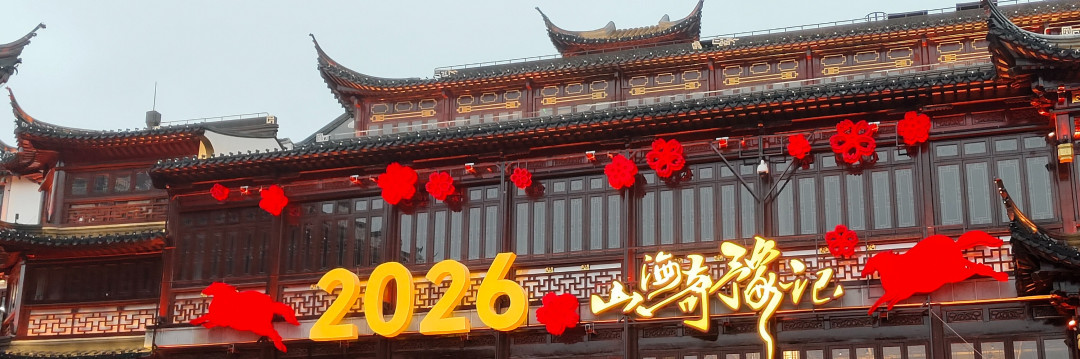
"Shan Hai Qi Yu Ji" (Mythical Wonders of the Mountains and Seas) is the annual thematic IP for the Yuyuan Folk Art Lantern Festival. Based on the ancient classic "Classic of Mountains and Seas" (Shan Hai Jing), it combines intangible cultural heritage lantern-making techniques with multimedia and AR technology. This creates a magical realm of Eastern aesthetics filled with divine beasts and auspicious creatures.
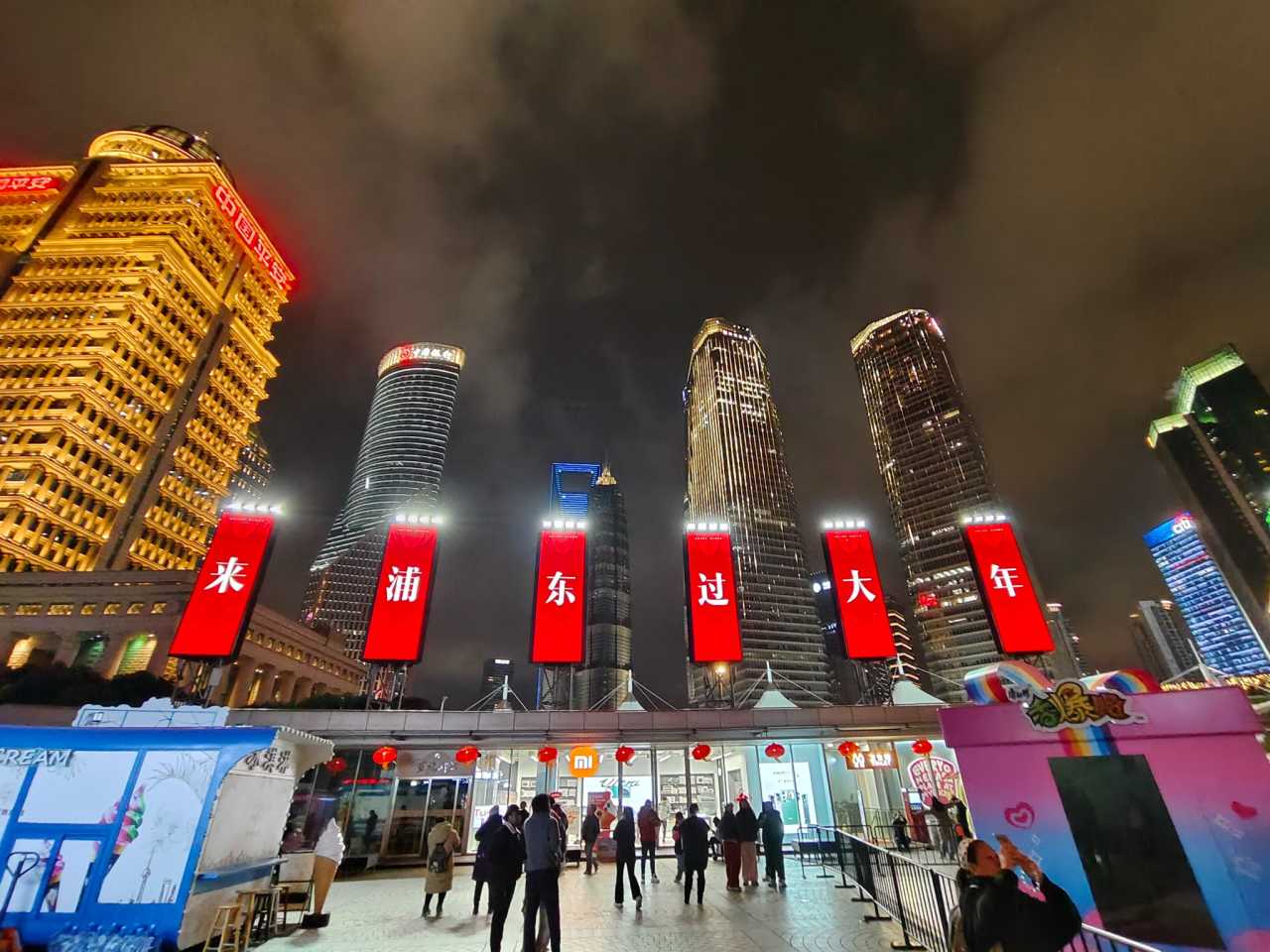
The 2026 festival, themed "Come to the Greater Yuyuan Area for a Shanghai New Year," adopts a six-zone layout. It connects Yuyuan Garden, the Ancient City Park, Fangbang Middle Road, Fuyou Road, the BFC Bund Finance Center, and the Bund itself. This year’s central lantern display is the fourth season, titled "Wilderness Chapter." It blends intangible cultural heritage lanterns with digital and intelligent light technology. The BFC fashion zone also partnered with Pop Mart to launch a Spring Festival garden party, attracting many young visitors. However, honestly speaking, this year’s experience was the least enjoyable—there were too many people. The throngs of tourists turned the once tranquil ancient street into a noisy thoroughfare.
The Soul of the Old City: A Century-Old Street’s Market Life
Despite the crowds, the charm of Yuyuan Old Street remained undiminished. The Old City (Lao Cheng Xiang) is the soul of Shanghai. We took our child through the traditional snack street, tasting Nanxiang soup dumplings (xiaolongbao) and crab roe soup dumplings. We bought a stick of sugar-coated hawthorn (tanghulu)—that sweet and sour taste instantly brought back memories of childhood.
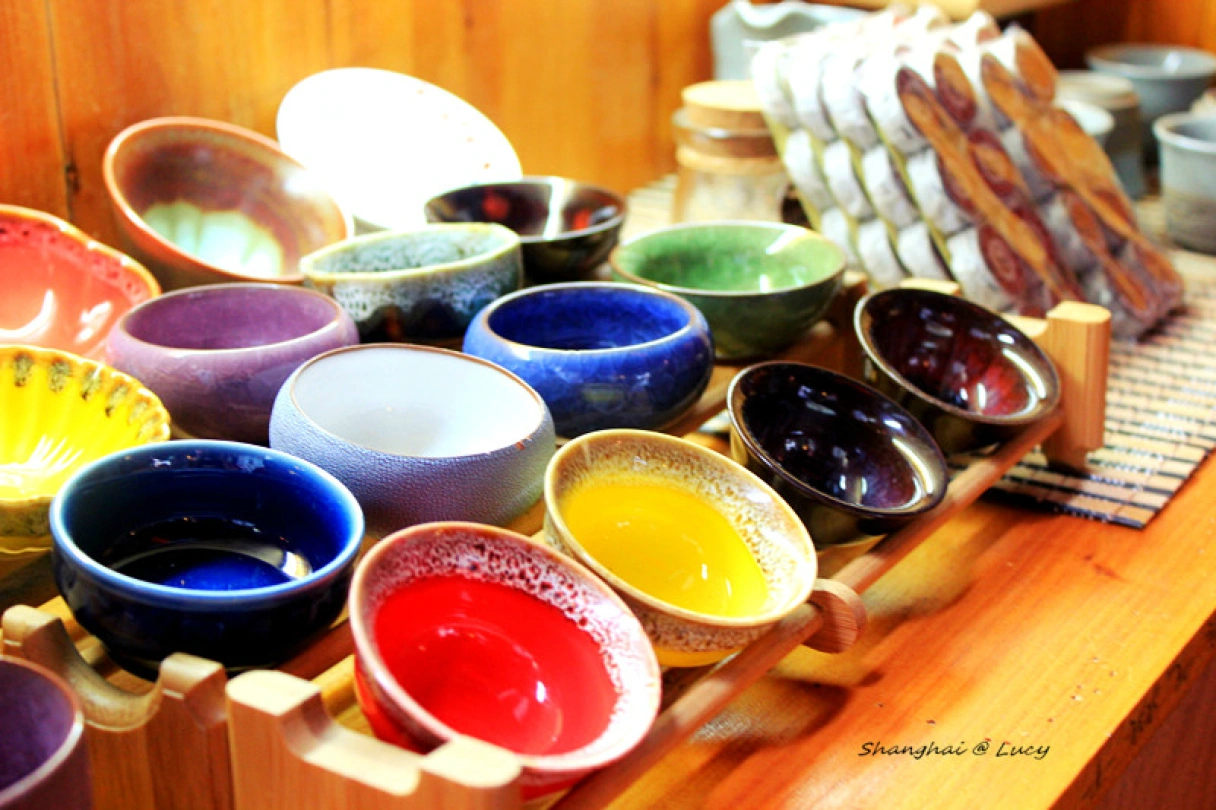
The creative product shops on the old street were fascinating. There were stores selling handmade lanterns, traditional paper cuttings, and "Classic of Mountains and Seas"-themed merchandise. Our child fell in love with a glowing mythical beast lantern. We bought it as a souvenir for this zodiac year. Despite the crowds, seeing the smile on our child’s face made it all worthwhile.
Zhangyuan: The "Number One Garden" Hidden in Shikumen Lanes
From "Weichun Garden" to a Fashion Landmark
Zhangyuan—the name might sound unfamiliar, but it holds a pivotal place in Shanghai’s history. Located in the Nanjing West Road heritage protection zone in Jing'an District, this garden was first built in 1882 by Zhang Shuhe, a wealthy merchant from Wuxi. It was originally named "Zhang's Weichun Garden."
Today, Zhangyuan has been meticulously restored. It is a living museum of Shikumen architecture. Walking through these lanes feels like stepping into a time capsule. The contrast between the old stone gates and the modern boutiques inside is a perfect metaphor for Shanghai itself. It is a place where you can find quiet corners away from the main tourist trails.
[Link: Shikumen Architecture Guide]
FAQ: Shanghai Landmark Pilgrimage
Q: What is the best time to visit the Oriental Pearl Tower to avoid crowds? A: The best time is early morning (right at opening time) or late evening (after 8 PM) on weekdays. For the revolving restaurant, book a slot for a late lunch (1:30 PM) to avoid the noon rush.
Q: Is the Yuyuan Lantern Festival worth the crowds? A: Yes, if you plan strategically. Visit on a weekday evening rather than a weekend or holiday. The lanterns are most beautiful after dark, and the crowds thin out significantly after 9 PM.
Q: How long should I spend at Zhangyuan? A: Plan for 1.5 to 2 hours. This allows enough time to walk through the Shikumen lanes, take photos, and enjoy a coffee or snack at one of the boutique cafes.
Q: Can I buy tickets for the "Soar Above Shanghai" show separately? A: Yes. While it is included in some combo tickets for the Oriental Pearl Tower, you can purchase a separate ticket for the multimedia show at the 78-meter level.
Q: What is the best way to get around these landmarks in one day? A: The Shanghai Metro is the best option. Take Line 2 to Lujiazui for the Oriental Pearl, then transfer to Line 10 or 14 to Yuyuan Garden. From there, you can walk or take a short taxi ride to Zhangyuan.
Conclusion: Your Shanghai Pilgrimage Awaits
Shanghai is a city of layers. Every landmark holds a story, and every familiar street hides a secret. This pilgrimage taught us that the best travel doesn’t require a plane ticket—it requires a shift in perspective. Whether you are dining in the clouds, walking through mythical lanterns, or getting lost in Shikumen lanes, Shanghai offers extraordinary scenery in the most familiar places.
Ready to rediscover Shanghai? Start planning your own landmark pilgrimage today. Book your tickets in advance, pack your curiosity, and prepare to see the city you thought you knew in a whole new light.
[Link: Shanghai Travel Guide] [Link: Best Time to Visit Shanghai]
Have you ever done a "staycation" pilgrimage in your own city? Share your favorite hidden spot in the comments below!