Shanghai ING: In This City That Never Stops, We Are All Power Walkers
Meta Description: Discover Shanghai's hidden gems—from Nanhuizui's starry skies to Duolun Road's literary past. This SEO-optimized guide reveals the Magic City's pulse for every "power walker" seeking authentic urban adventures.
Prologue: The Pulse of the Magic City, Always Beating
Have you ever stood on a Shanghai street, watching neon lights flicker on one by one, the subway roaring past, pedestrians hurrying with brisk steps—and suddenly realized: this city is like a giant heart, and every person is a rushing stream of blood flowing through it? We run here, we pause, we fall, we get back up—but we never truly stop.

It's not that we don't want to stop. It's that Shanghai is too captivating. From the shores of the East China Sea to the banks of the Huangpu River, from old alleyways shaded by plane trees to skyscrapers that pierce the clouds, this city uses its thousand faces to make every "power walker" willingly lose themselves in its charm. Today, let me take you into the Shanghai I see—the Shanghai ING—those moments that made me press the shutter again and again, that made me pick up my backpack time after time.
Why Shanghai Is Called the "City That Never Stops"
Shanghai's energy is legendary. It's a metropolis where 24-hour convenience stores, late-night noodle shops, and dawn-lit joggers coexist seamlessly. For travelers seeking Shanghai hidden gems and off-the-beaten-path activities in Shanghai, this guide unveils the city's quieter corners—places where you can pause without feeling left behind.
Nanhuizui Seaview Park: Bonfires, Starry Skies, and Songs by Mayday
A Secret at the Southeast Corner of the Magic City
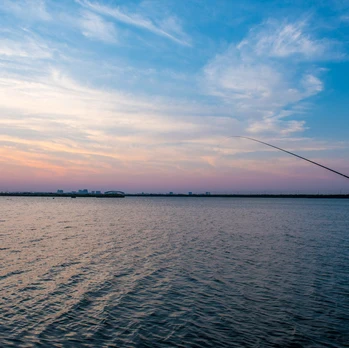
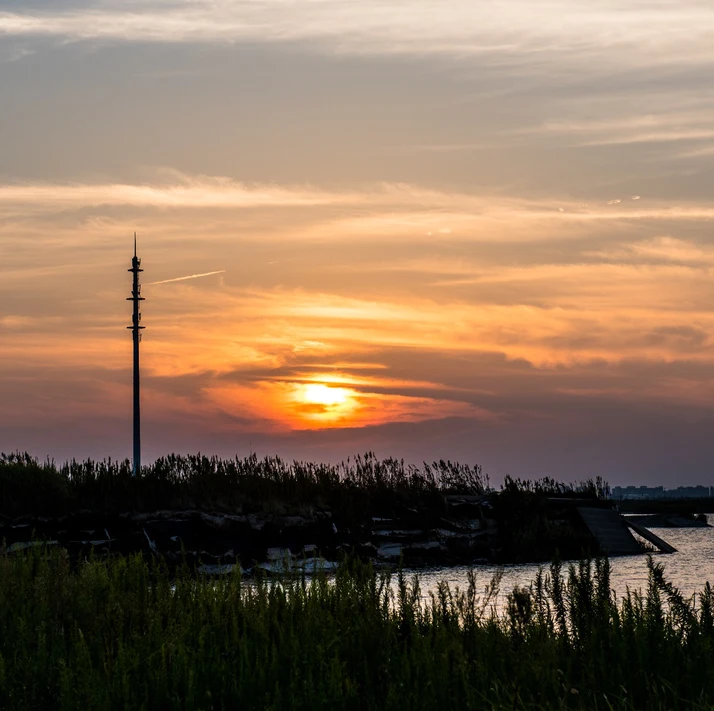
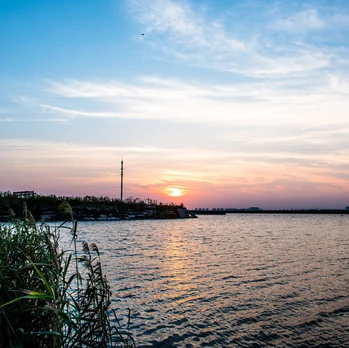
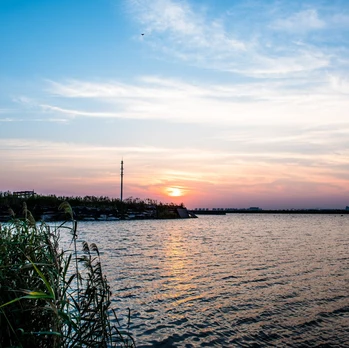
If you think Shanghai is nothing but a concrete jungle, you're wrong. At the city's southeastern edge, Nanhuizui Seaview Park lies like a forgotten pearl, quietly resting on the coast of the East China Sea. This is one of the few places in Shanghai where you can truly "listen to the sea"—not the gentle whisper of the Huangpu River, but the salty, rugged breath of the open ocean.
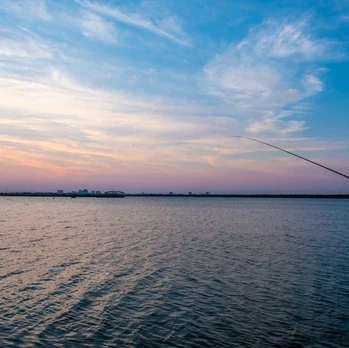
I first went there with a group of camping enthusiasts. At dusk, we set up our tents on the grass, the bonfire crackling, its light illuminating a circle of young faces. Someone strummed a guitar, someone hummed a tune, and in the corner, a girl sang particularly beautifully—I later found out she was a music school student who had taken three hours on the subway from downtown just to get there.
Poetry Between Sunrise and Sunset
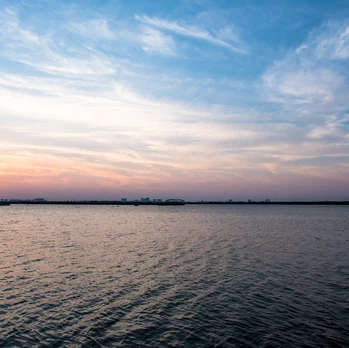
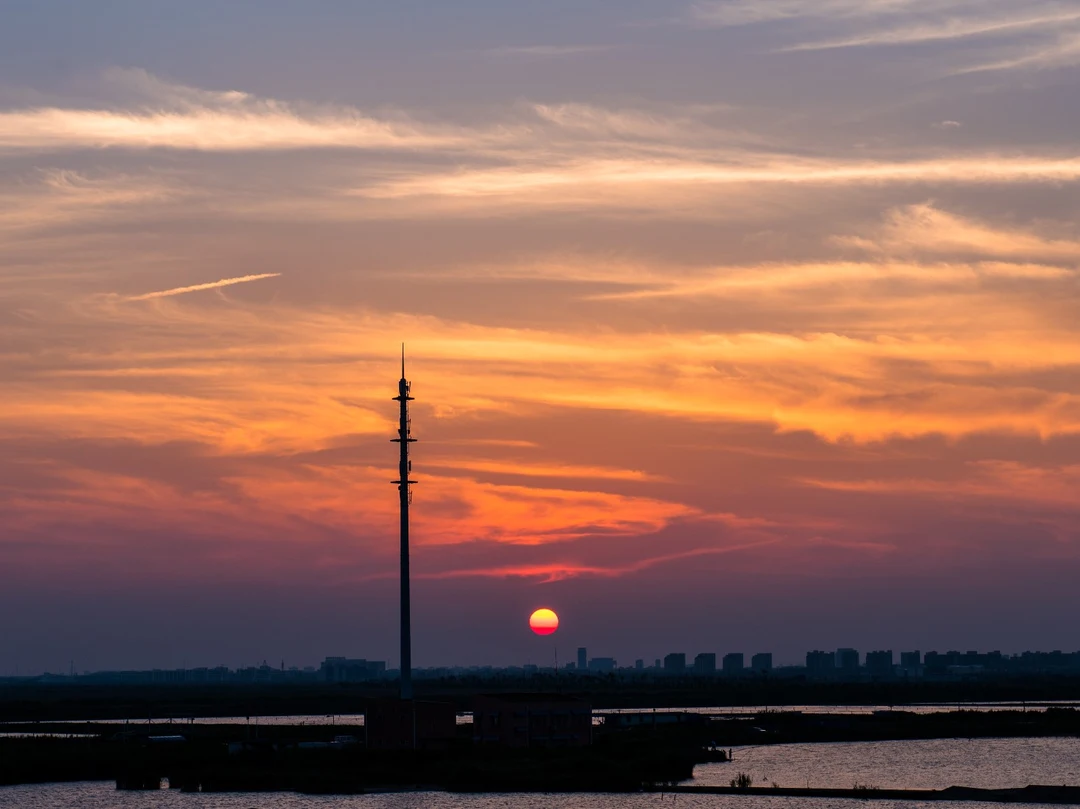
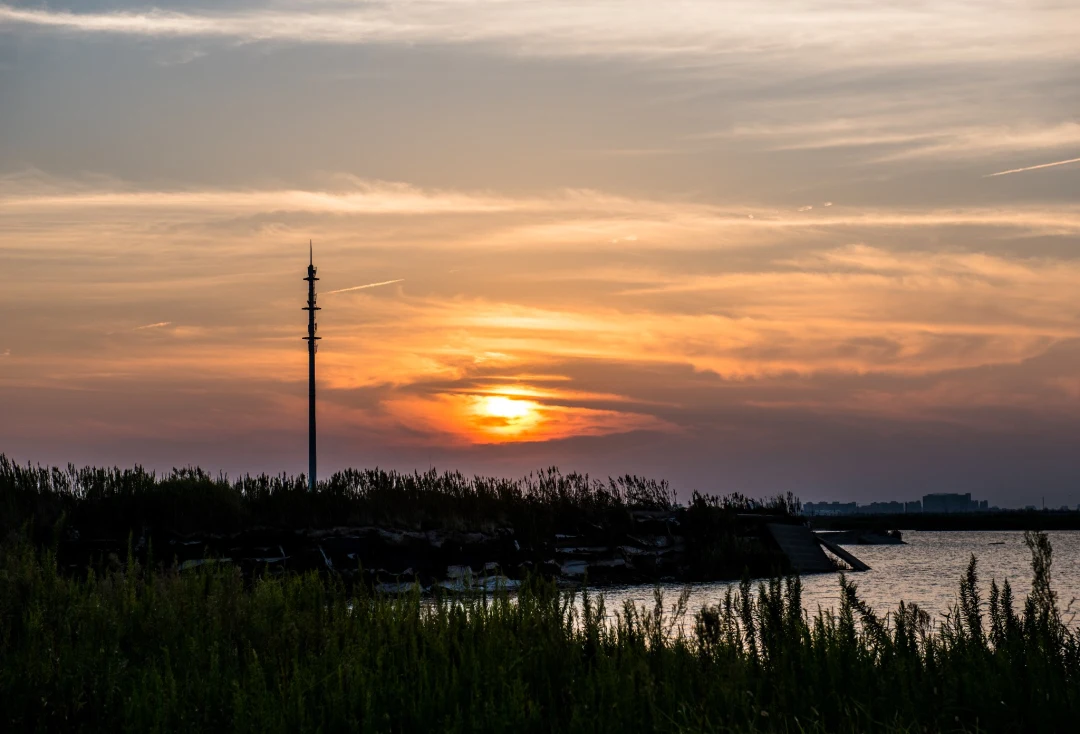
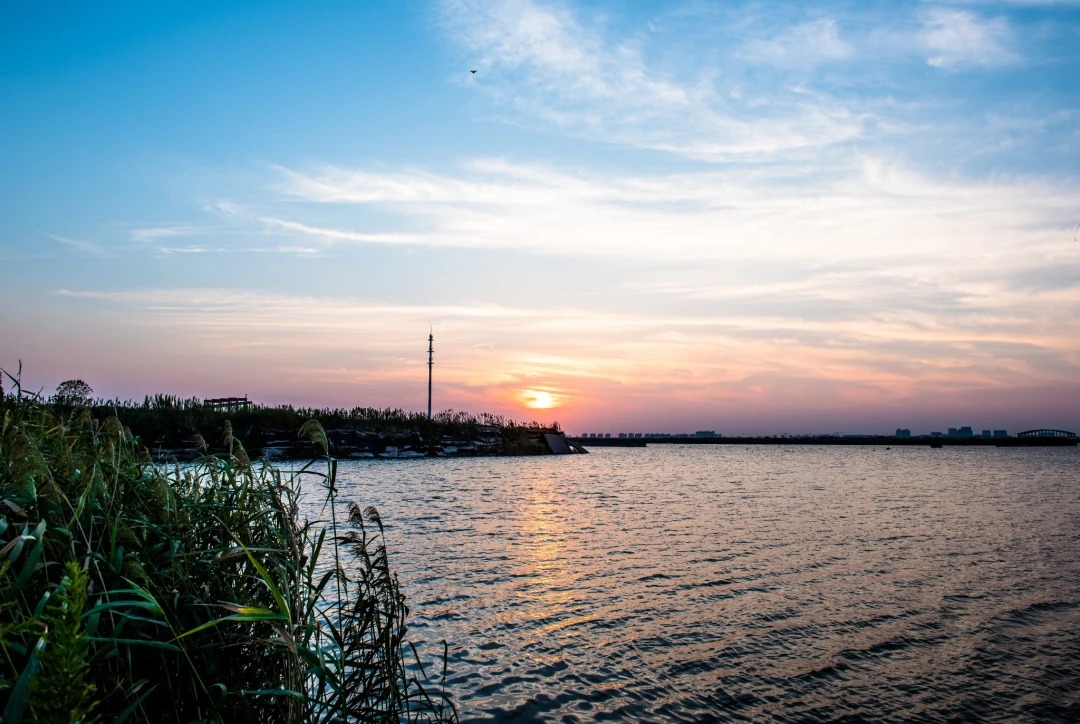
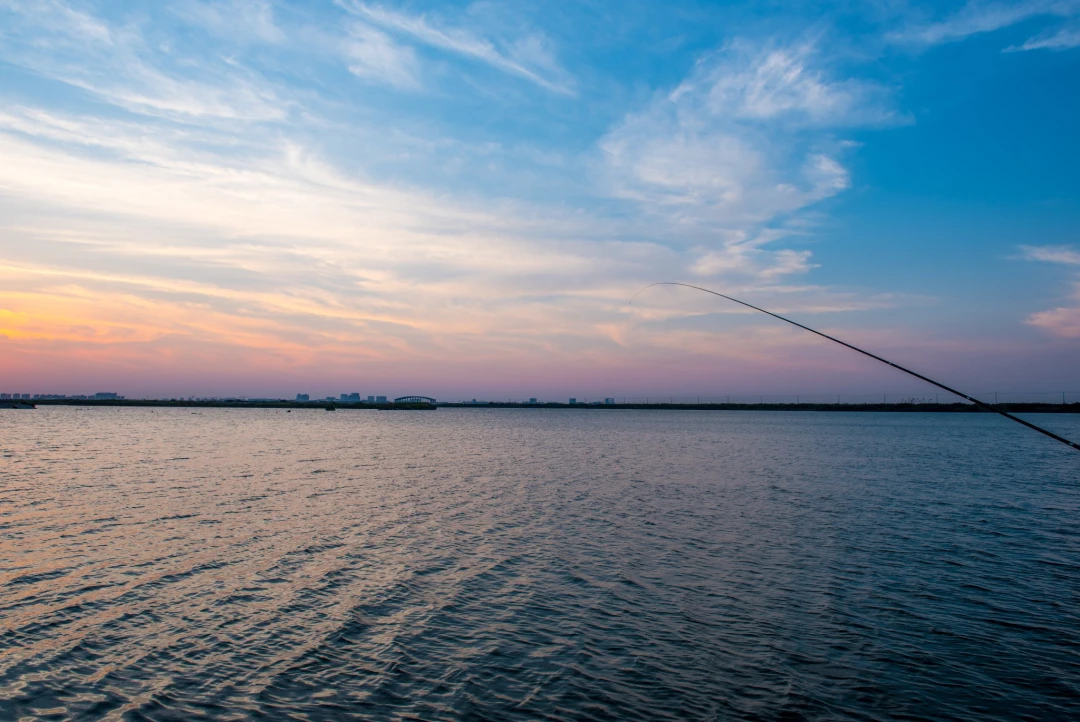
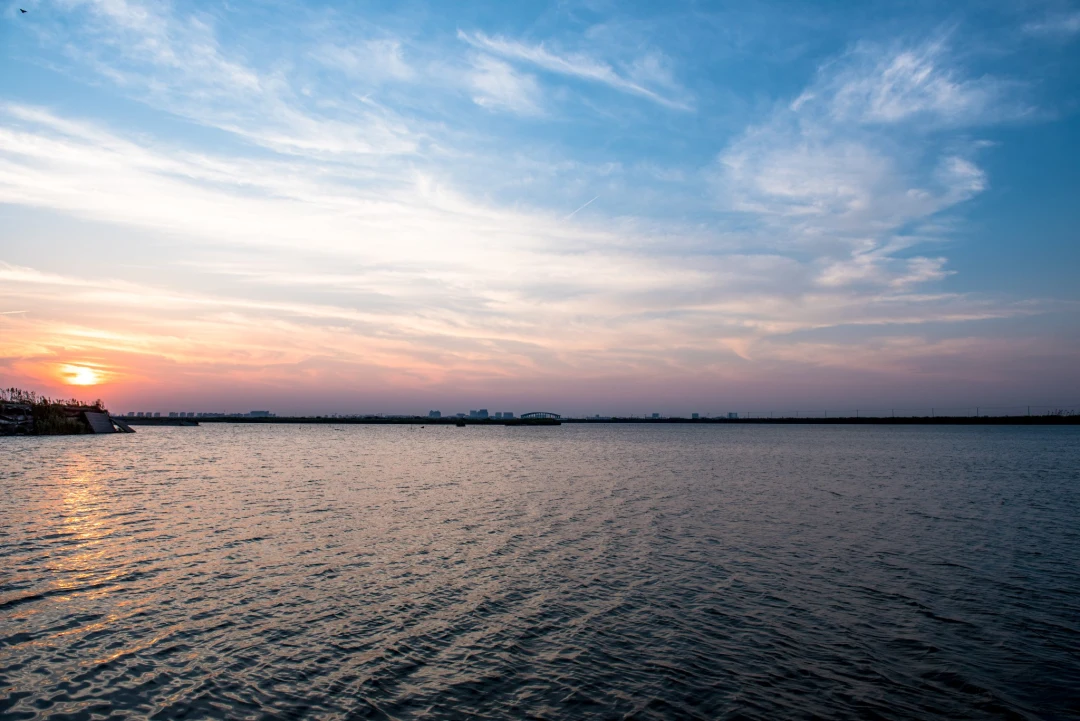
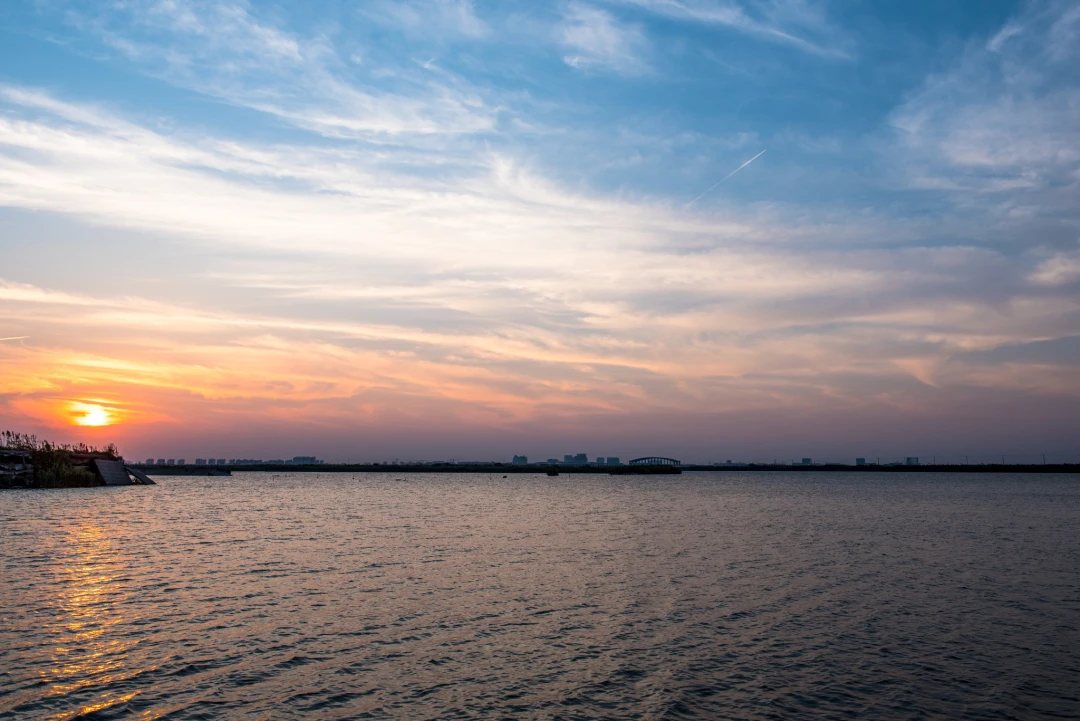
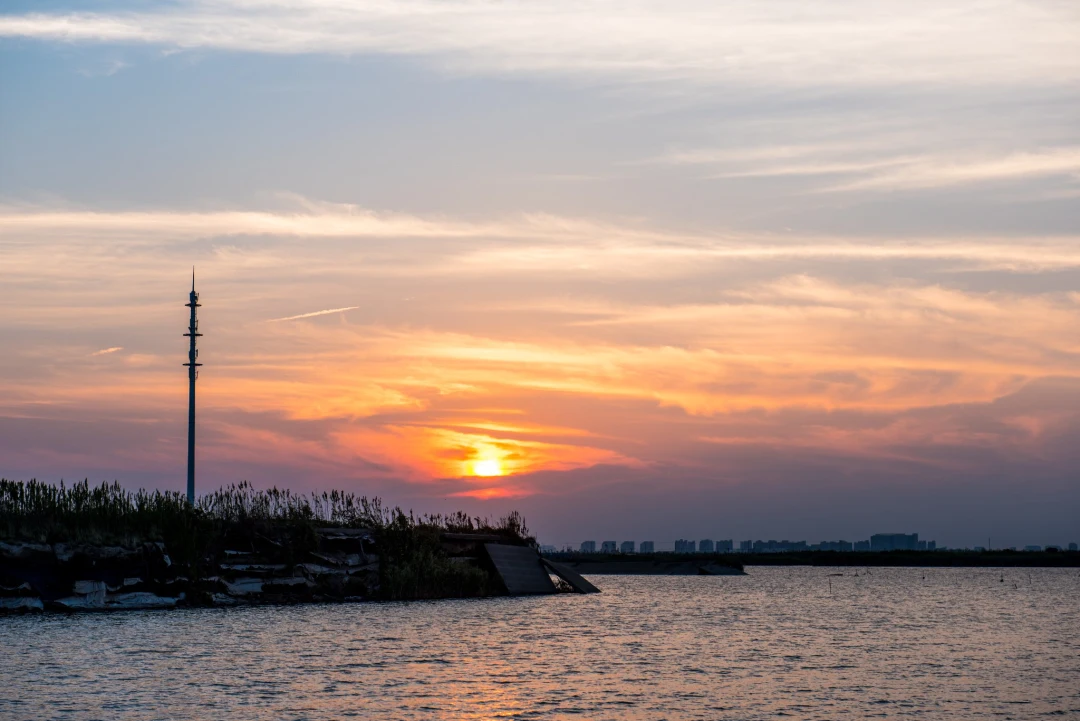
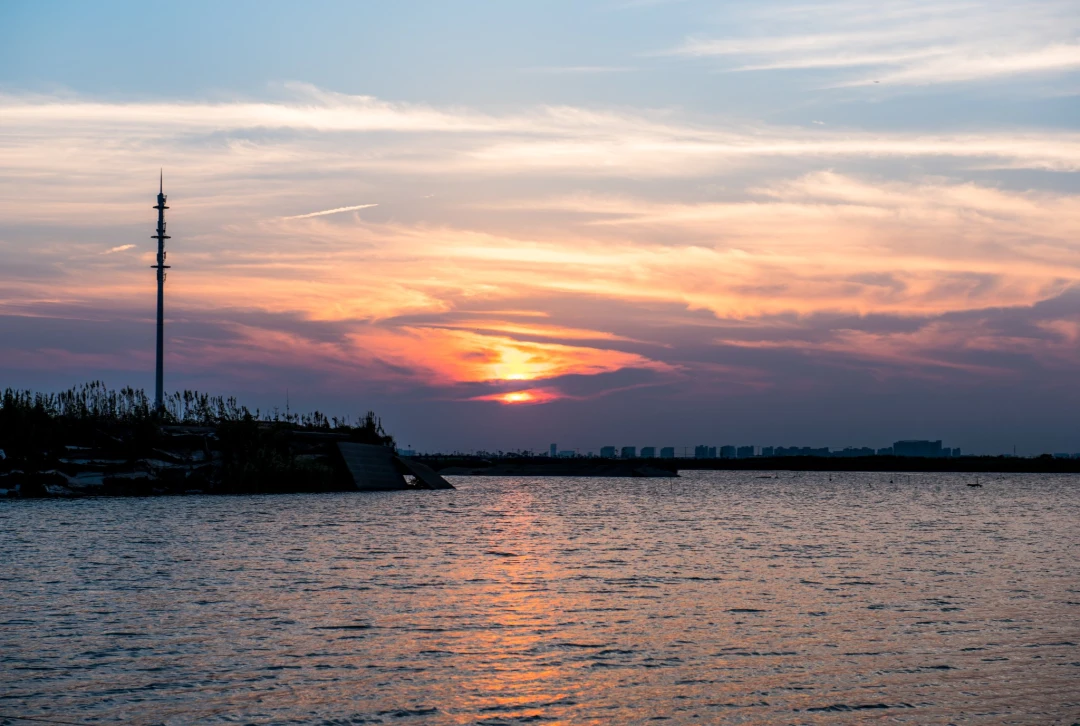
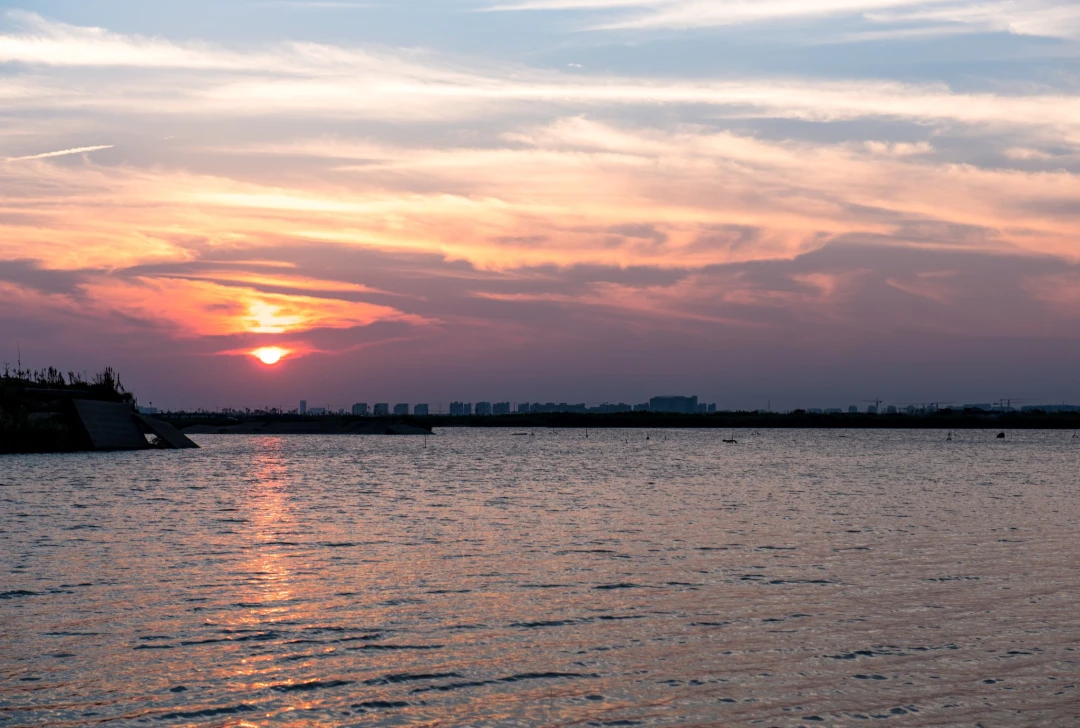
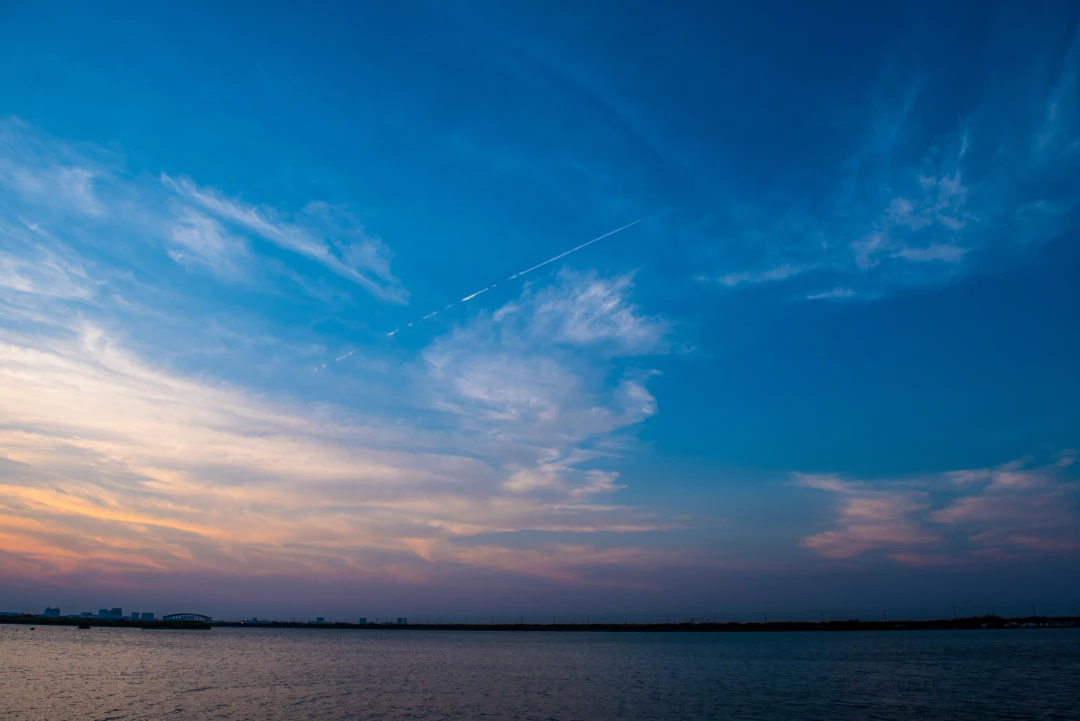
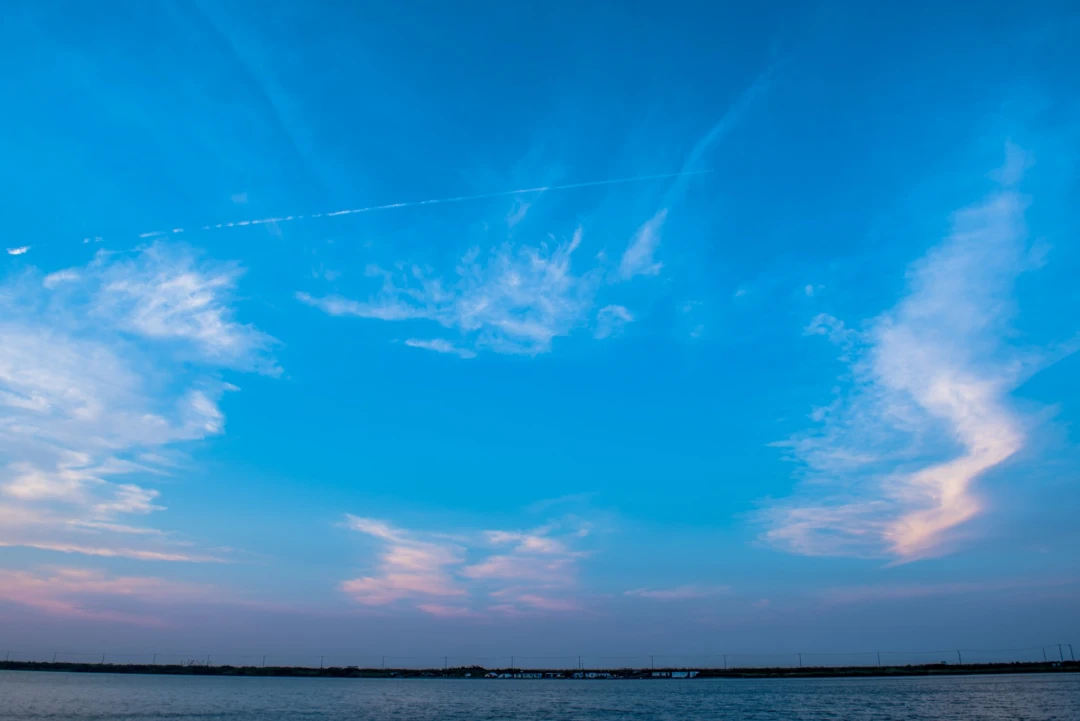
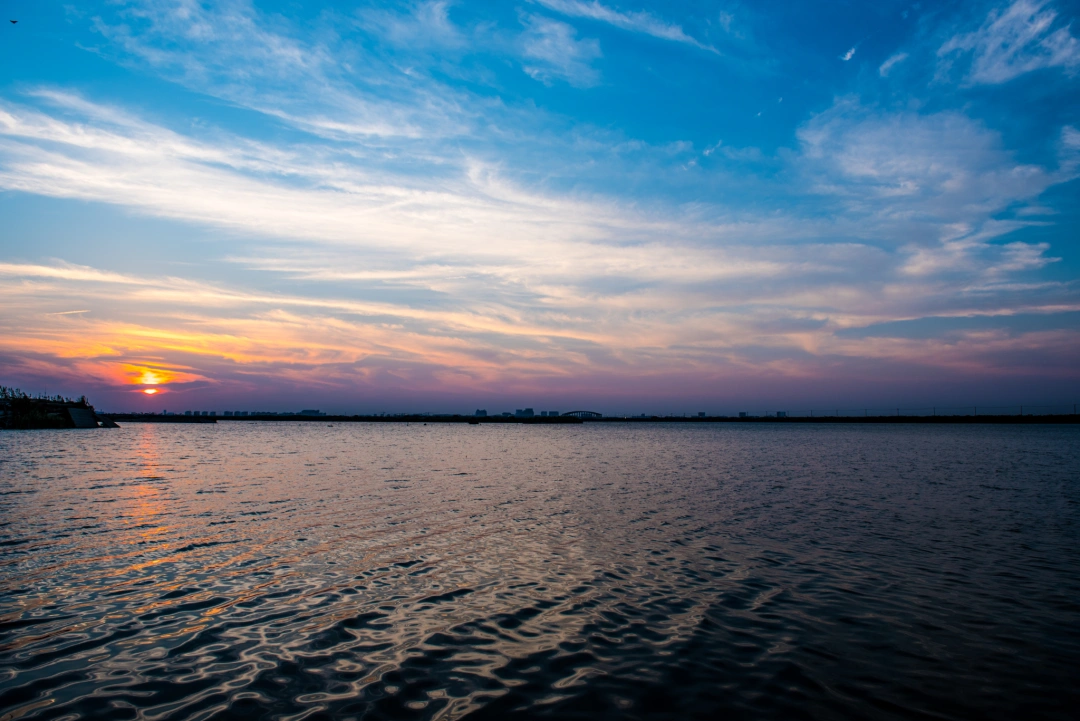
At four in the morning, I was woken by noises outside the tent. Peeking out, I saw a group of people already setting up their cameras, waiting for the eastern sky to turn pale. When the first ray of sunlight broke through the clouds, turning the sea into gold, everyone held their breath. In that moment, you felt that all the sleepless nights and all the travel were worth it.
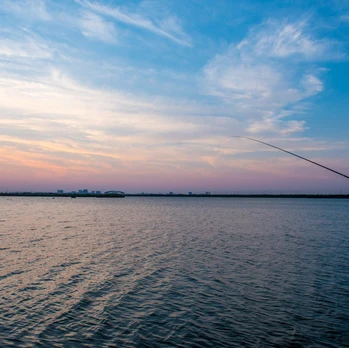
During the day, watch birds glide across the sky; at night, wait for shooting stars to streak across the heavens. Late into the night, someone started it, and everyone gathered around the bonfire, singing Mayday's "Stubborn" — "When I'm different from the world, then let me be different." The song drifted toward the sea, scattered by the wind, but echoed in everyone's heart.
Practical Tips: - Best season: Spring and autumn; summer has too many mosquitoes, winter winds are biting - Getting there: Metro Line 16 to Dishui Lake Station, then transfer by bus or taxi (about 20 minutes) - Gear: Tent, sleeping bag, ground pad, headlamp, insect repellent, thick jacket (large temperature difference near the sea) - Highlights: Light painting photography, stargazing, bonfire parties (check in advance if allowed)
[Link: Best camping spots in Shanghai]
Expo Avenue and Pudong: A Decade, A City's Transformation
From Wild Grassland to Skyline
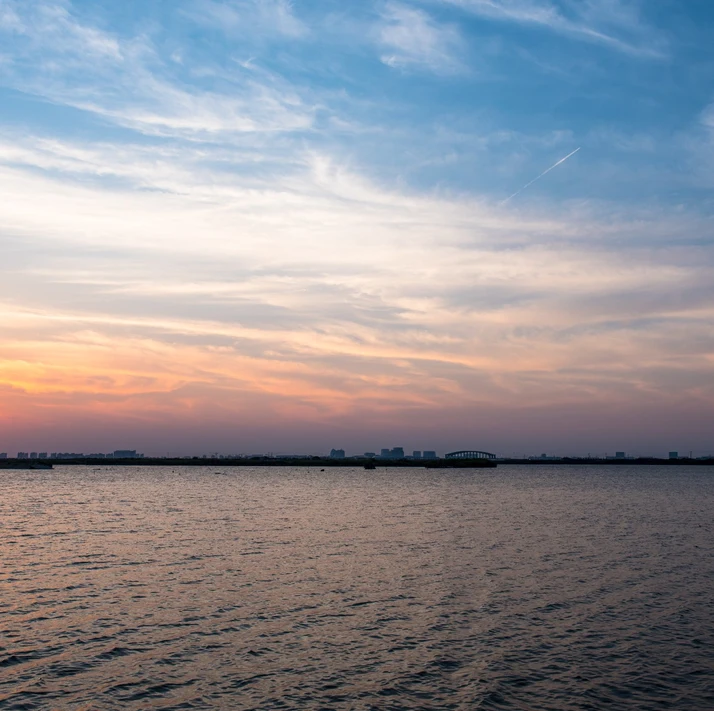
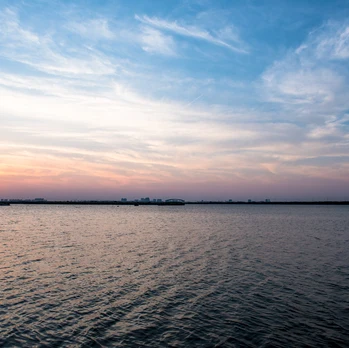
For out-of-town visitors, Lujiazui is the symbol of Shanghai; for locals, Pudong is a miracle of an era. In the early 2000s, this area was still a stretch of wild grassland and tidal flats. Who would have thought that within just over a decade, skyscrapers would spring up like bamboo shoots after rain?
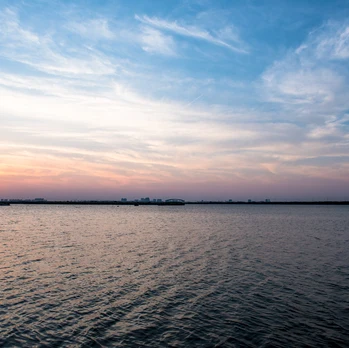
I've lived in Pudong for nearly ten years and have witnessed firsthand the transformation of Expo Avenue. From the hustle and bustle of the 2010 World Expo to becoming a paradise for runners—in the early morning, people jog along the riverbank; in the evening, couples walk hand in hand; late at night, office workers returning from overtime ride shared bikes through the neon lights.
Everyday Life by the River Breeze
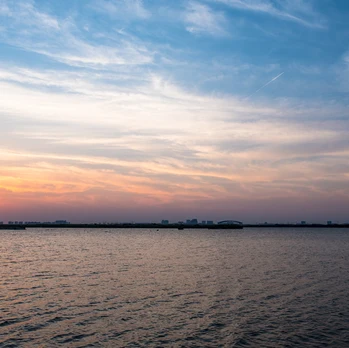
Cycling along Expo Avenue from Lupu Bridge to Nanpu Bridge takes about forty minutes. This stretch encapsulates Pudong's past and present: on the left, the reed marshes of Houtan Wetland Park; on the right, modern structures like the China Pavilion and the Mercedes-Benz Arena. Occasionally, a cruise ship passes by, its horn echoing long and deep, as if reminding you: this river has witnessed countless stories of Shanghai.
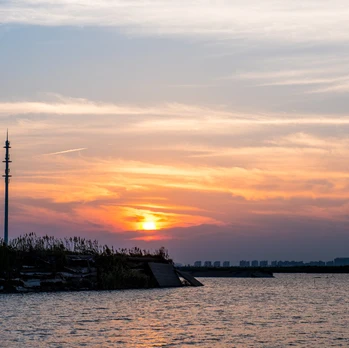
Recommended Route: - Cycling: Expo Park → Houtan Park → Qiantan Leisure Park (about 8 km total) - Night views: From Lujiazui Riverside Avenue, watch the Bund's light show starting at 7 PM daily - Food: The Expo Source shopping complex has various restaurants; recommend the rooftop terrace restaurants where you can eat while enjoying the river view
[Link: Best cycling routes in Shanghai]
Jing'an Park: A Splash of Green in the Heart of Bustle
A "Secret Garden" Amid the Noise
The clamor of Nanjing West Road, the glamour of Huaihai Road, the incense of Jing'an Temple—these are the Shanghai that tourists know. But few people know that right across from Jiuguang Department Store lies a small but beautiful Jing'an Park.
I first discovered it by accident while waiting for a friend. From then on, it became my "urban sanctuary." When I'm tired from shopping on weekends, instead of standing around at the mall entrance, I walk into the park, find a bench, sit down, and watch old men play chess, listen to aunties sing Shanghai opera, or simply zone out.
Little Joys for City Dwellers
In spring, cherry blossom petals fall in colorful drifts; in summer, the plane trees cast a canopy of shade that blocks out the sun; in autumn, ginkgo leaves carpet the ground in gold; in winter, wintersweet flowers release their subtle fragrance. The best time is at dusk, when the setting sun filters through the leaves, casting dappled shadows. Children run across the lawn, couples lean into each other on benches—these scenes are more healing than any filter.

Hidden Gems: - The "Eight Scenic Gardens" inside the park require a separate ticket (3 RMB), but the Suzhou-style garden design is worth seeing - Every Sunday morning, there's an English corner where retired professors and expats chat - The café at the park's west gate has the quietest terrace seating in all of Shanghai
[Link: Best parks in Shanghai for relaxation]
Sweet Love Road and Duolun Road: A Tale of Two Cities—Romance and History

Sweet Love Road: 520 Meters of Romance

"Sweet Love Road" — just the name alone is enough to make your heart flutter. This little street, only 520 meters long, is widely recognized as Shanghai's most romantic lane. At the entrance, the Love Post Office sees couples every day mailing letters, stamped with the exclusive "Sweet Love Road" postmark. The walls are covered with confessions: "I love you," "Forever together," "Thank you for appearing in my life"…
Walking down this road, you can't help but slow your pace. Not because it's long, but because the words written on those walls act like a mirror, reflecting love at its most beautiful. A friend and I once took a series of photos here. Every time I look back at them, I can still remember the sunlight and laughter of that afternoon.
Duolun Road: A 1924 Time Capsule
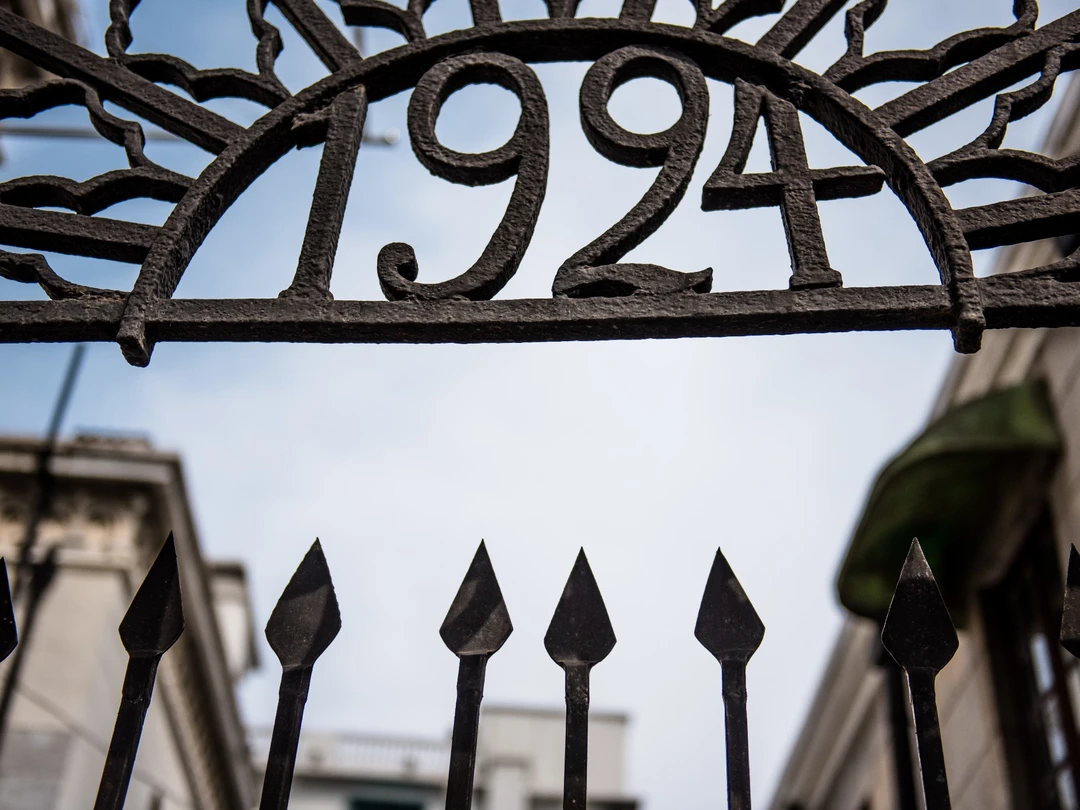
Not far from Sweet Love Road, Duolun Road is a completely different world. This little street, only 550 meters long, carries nearly a century of Shanghai's cultural memory. In 1924, it was home to literary giants like Lu Xun, Mao Dun, and Guo Moruo. Today, those old buildings remain—shikumen (stone-gate houses), red brick walls, cast-iron balconies—every detail exuding the elegance of the Republican era.
Walking on Duolun Road, you feel time flowing backward. Those historical figures have long turned to dust, but their stories continue in the crevices of old walls, in the corner cafés, in the casual chatter of passersby. Occasionally, a girl in a qipao (traditional Chinese dress) walks by, and for a moment, you feel transported back to that turbulent, romantic era.
[Link: Historical walking tours in Shanghai]
FAQ: Your Shanghai Travel Questions Answered
Q1: What is the best time of year to visit Shanghai for outdoor activities?
 A: Spring (March–May) and autumn (September–November) offer the most comfortable temperatures for exploring Shanghai's parks, waterfronts, and historical streets. Summer can be humid with frequent rain, while winter is cold and windy near the coast.
Q2: How do I get to Nanhuizui Seaview Park from downtown Shanghai?
 A: Take Metro Line 16 to Dishui Lake Station (about 1.5 hours from People's Square), then transfer by bus or taxi for approximately 20 minutes. The journey is well worth it for the stunning sunrise and stargazing opportunities.
Q3: Are there any free activities in Shanghai that offer great views?
 A: Absolutely! Cycling along Expo Avenue, walking the Bund promenade, and exploring Jing'an Park are all free. For panoramic city views, visit the observation deck at the Shanghai World Financial Center (ticket required) or the rooftop terrace at Expo Source shopping complex (free).
Q4: What should I pack for a camping trip to Nanhuizui?
 A: Essential gear includes a tent, sleeping bag, ground pad, headlamp, insect repellent, and a thick jacket (temperatures drop significantly near the sea). Check local regulations for bonfire permits before your trip.
Q5: Which is more romantic—Sweet Love Road or Duolun Road?
A: Sweet Love Road is ideal for couples seeking Instagram-worthy photo spots and heartfelt confessions. Duolun Road, with its literary history and vintage architecture, appeals to those who appreciate quieter, more reflective romance.
Conclusion: Keep Walking, Keep Discovering
Shanghai is a city that rewards the curious. Whether you're chasing sunrises at Nanhuizui, cycling through Pudong's futuristic skyline, finding peace in Jing'an Park, or tracing love stories on Sweet Love Road, every step reveals a new layer of this endlessly fascinating metropolis.
Your next adventure awaits. Pack your bags, lace up your walking shoes, and dive into the Shanghai ING experience. The city never stops—and neither should you.
[Link: Complete Shanghai travel guide]
[Link: Shanghai off-the-beaten-path itinerary]
[Link: Best photography spots in Shanghai]
Ready to explore Shanghai like a local? Share your favorite hidden gem in the comments below, or tag us in your Shanghai ING photos. Let's keep this city moving—together.