Seven Days, Six Nights: The Ultimate Student Budget Trip from Hangzhou to Shanghai & Suzhou
Meta Description: Discover how two students explored Hangzhou, Shanghai, and Suzhou on a budget—misty temples, bamboo forests, neon lights, and savings tips. Your complete 7-day Jiangnan itinerary.
Some journeys begin with a train ticket and end with a memory. During the 2019 National Day holiday, my brother and I spontaneously agreed to pack our bags and embark on a seven-day, six-night adventure across Jiangnan's misty landscapes and Shanghai's dazzling skyline. There was no elaborate itinerary, no luxury budget—just a restless heart craving freedom, boldness, and a touch of elegance. This is a student's guide to experiencing the best of Hangzhou, Shanghai, and Suzhou without breaking the bank.
Why This Hangzhou Shanghai Suzhou Budget Itinerary Works for Students
This trip proves that you don't need a fat wallet to experience China's most iconic destinations. From the poetic rain of Hangzhou's West Lake to the neon glow of Shanghai's Bund, every stop was chosen for maximum experience at minimum cost. We averaged just 180–280 RMB per night on accommodation and kept daily food costs under 100 RMB per person.
Day 1–2: Hangzhou – Misty Rains, Cool Breezes, and Poetic Dwelling

Arrival and Settling In: First Glimpse of Hangzhou
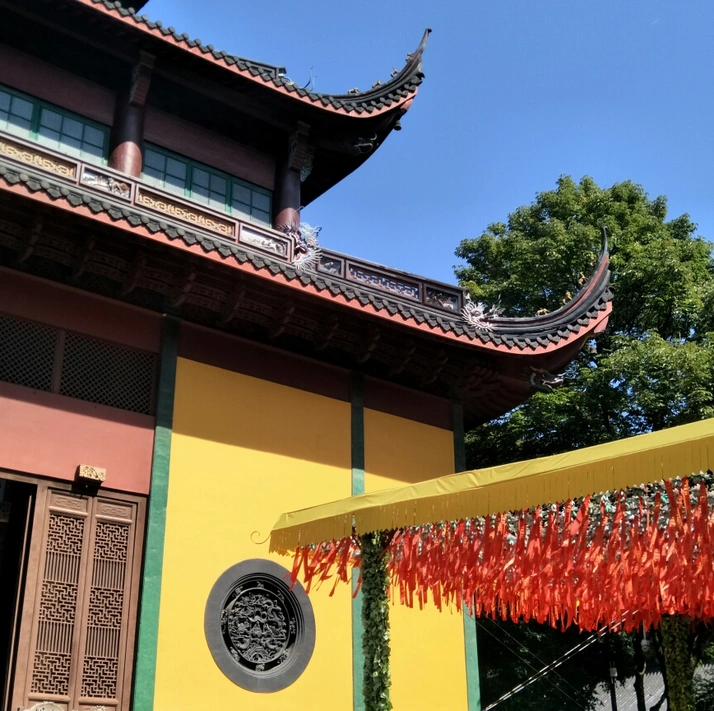
At 5:54 AM on October 1st, the train slowly pulled into Hangzhou Station. The bumpy night in the hard-sleeper carriage vanished the moment we set foot on this land. The station exit was right next to the subway entrance, but it didn't open until 6 AM. Facing the surging crowds, we decisively headed for the bus stop—our first little travel hack: don't follow the herd, stay flexible.
We stayed at a small inn near Zhejiang University's Zijingang Campus, averaging 180 RMB per night. My principle was simple: distance from attractions didn't matter as long as transportation was convenient. This choice proved to make our itinerary much more flexible.
Lingyin Temple: Spiritual Calm Amidst Incense Smoke
Ticket Costs: Feilai Peak (Flying Peak) – 45 RMB (student discount available). Lingyin Temple requires an additional 30 RMB incense ticket. Both offer student discounts.
First stop: Lingyin Temple. We took the subway there—Hangzhou's metro system is quite developed. As the hometown of Jack Ma, Alipay QR code payments worked seamlessly here, saving us the hassle of queuing for tickets.
Just as we entered, we caught a tour guide explaining the Buddhist statues, so we joined in. My honest advice: if you get the chance to listen to a guide, don't miss it. Without context, just looking at statues can feel dull; but with explanation, each statue seems to come alive.
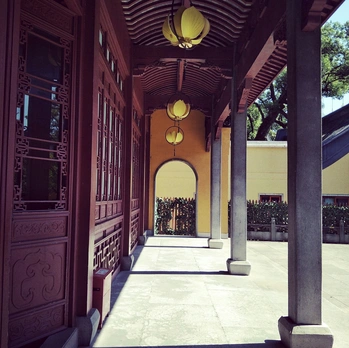
Inside the temple, each visitor receives three sticks of incense. In front of the main hall, devout worshippers came and went endlessly. Amidst the swirling incense smoke, even restless hearts gradually found peace. The architecture—a warm blend of bright yellow and vermillion red—felt both cozy and vibrant. Deep in the ancient corridors, silence reigned.
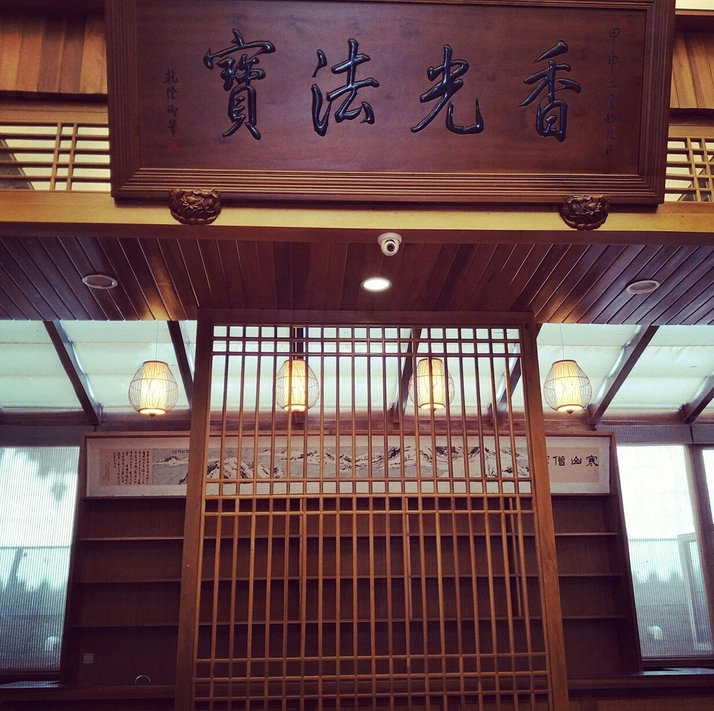
Pro tip: Beyond Lingyin Temple lies Yongfu Temple. We weren't particularly attached to temples, so we only glanced from the corridor before turning back. But we stumbled upon a small, ancient-style library that was too charming to pass by.
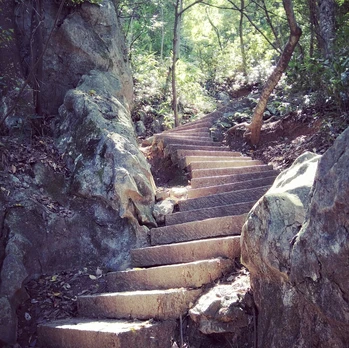
On the way back, we enthusiastically climbed Feilai Peak—only to be thoroughly disappointed. A few jagged rocks, surrounded by noisy crowds, offered no sense of atmosphere at all. Instead, we accidentally climbed Lianhua Mountain (Lotus Mountain). The view from the top was expansive, and the gentle stream at the foot brought unexpected joy.
Cloud栖 Bamboo Path: Quiet Moments in a Bamboo Sea
Ticket: 8 RMB, student ticket only 4 RMB.
From Lingyin Temple, we took bus routes 103/324/121 directly to Cloud栖 Bamboo Path. We arrived around 1 PM, when there weren't many people. The entire bamboo forest was peaceful, the air refreshing. Wooden bridges creaked underfoot with a rhythmic sound that made you instinctively slow down. By the time we left around 3 PM, crowds were flooding in, and the tranquility vanished instantly—indeed, fewer people make all the difference.
Meiwu Spring Dawn: Slow Life in a Tea Garden
We continued by bus to Meiwu Spring Dawn. Before we even got close, the faint scent of tea drifted through the air. Tea houses and shops lined the road, and the endless green of the mountains seemed to fill you up. We wandered through the tea gardens, inhaling the fragrance, savoring the leisurely pace.
Liangzhu Cultural Village: An Artistic Corner Far from the Crowds
On October 2nd, we took Metro Line 2 to the terminal station Liangzhu, then transferred by bus to Liangzhu Cultural Village.
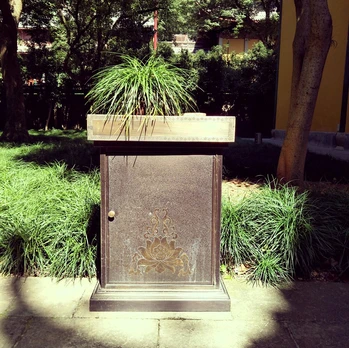
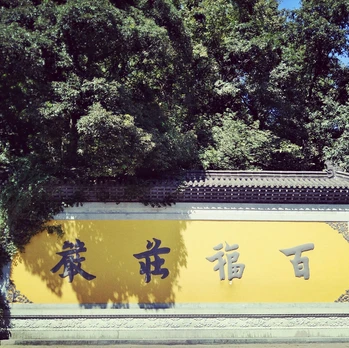
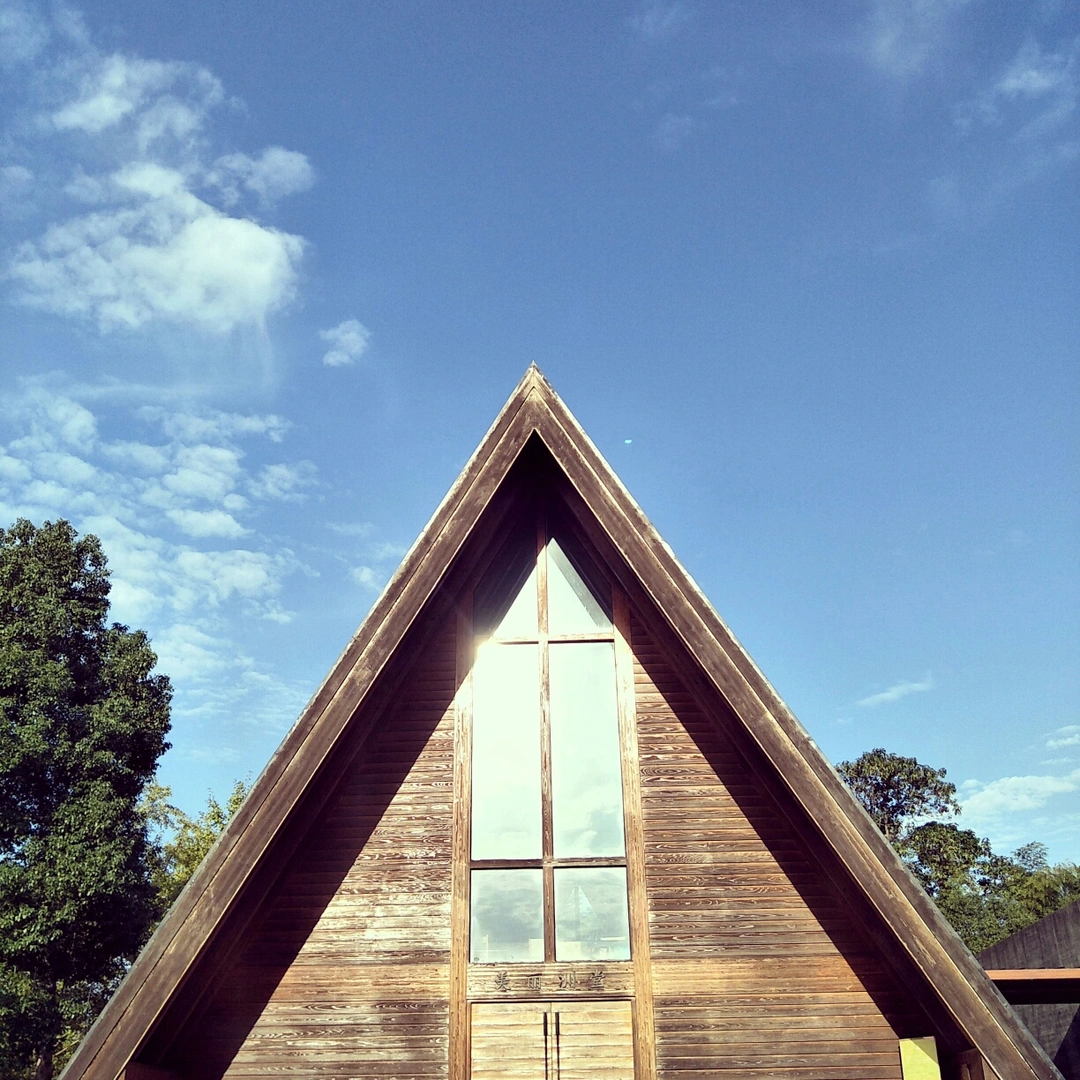
Meilizhou Church (Beautiful Isle Church) was a place I'd been longing to visit since planning the trip. Under the clear blue sky, with the soft, warm air, I unconsciously slowed my breathing. The church wasn't large, but it was a perfect haven for the soul.
Liangzhu Museum is worth a visit to learn about the history and formation of Liangzhu culture. It was quiet in the morning, and when we went for lunch around 11 AM, there was no queue at all.
Zhongshuge Bookstore is a "big boss" among Instagram-famous spots. The ceiling is entirely mirrored, using symmetrical visuals to expand the space. The plain white decor is soothing. Though not large, there are plenty of seats for reading—perfect for a leisurely afternoon after a long walk.
Where to Eat in Hangzhou on a Budget
| Restaurant | Cost per Person | Must-Try Dish |
|---|---|---|
| Dayin Qingxin Vegetarian Buffet | 30 RMB | All-you-can-eat vegetarian |
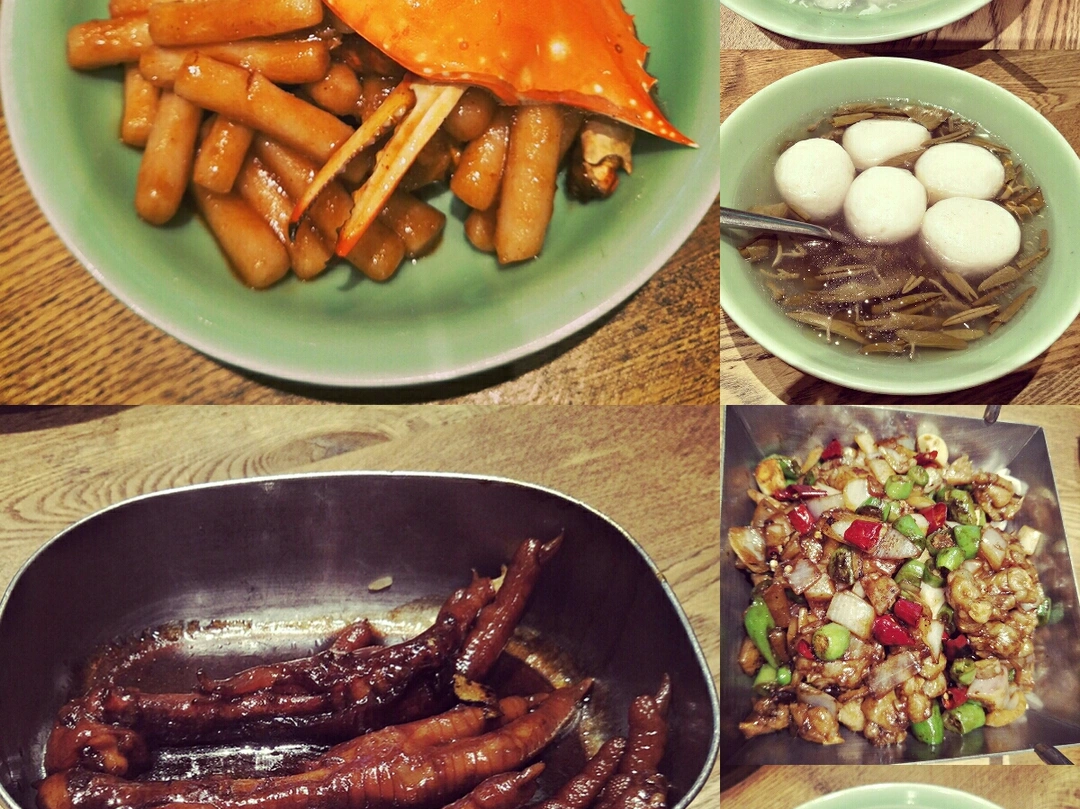
| Nongtangli (Alleyway) | 81 RMB | Stir-fried crab with rice cakes |
| Xinbailu (New White Deer) | 60 RMB | Grilled sea bass |
| Grandma's Home (外婆家) | 72 RMB | Longjing shrimp |
Lunch Recommendation: Dayin Qingxin Vegetarian Buffet – 30 RMB per person. All vegetarian, but with a wide variety: porridge, hot dishes, cold dishes, soup, rice, and fruit—all fresh, with timely refills. For a restaurant right at the scenic area entrance, this price is an absolute steal.
Dinner Recommendation: Nongtangli (Alleyway) – 81 RMB per person. The stir-fried crab with rice cakes (梭子蟹炒年糕) is a must-order—the crab is sweet and tender, the rice cakes soft and chewy. Five-star recommendation. [Link: Best budget restaurants in Hangzhou]
After dinner, we strolled by West Lake to digest, enjoying the evening breeze, and returned to our hotel completely satisfied.
Day 3–4: Shanghai – Neon Metropolis, Where Glamour Meets Fantasy
On October 3rd, we took a high-speed train (92.5 RMB) from Hangzhou to Shanghai. We checked into the Home Inn Pai Bai Yun Hotel (Nanjing Road Pedestrian Street, Jiangyin Road branch), averaging 280 RMB per night.
Transportation hack: Shanghai's metro offers single-day tickets (15 RMB) and three-day tickets (45 RMB)—incredibly convenient for tourists. But note: ticket machines only accept cash, so make sure to bring some!
Xiaohongshu (Little Red Book): A Paradise for Artistic Photos
First stop: a Xiaohongshu famous café. It's perfect for artsy, Instagram-style photos. I couldn't resist the urge to snap pictures and went into full photo mode. The angles were amazing—every shot looked like a professional photo.
Food Break: Lele's Handmade Brown Sugar Dirty Tea – 19 RMB. Beautiful and delicious—absolutely fantastic.
The Oriental Pearl Tower: Panoramic Views of Shanghai at Sunset
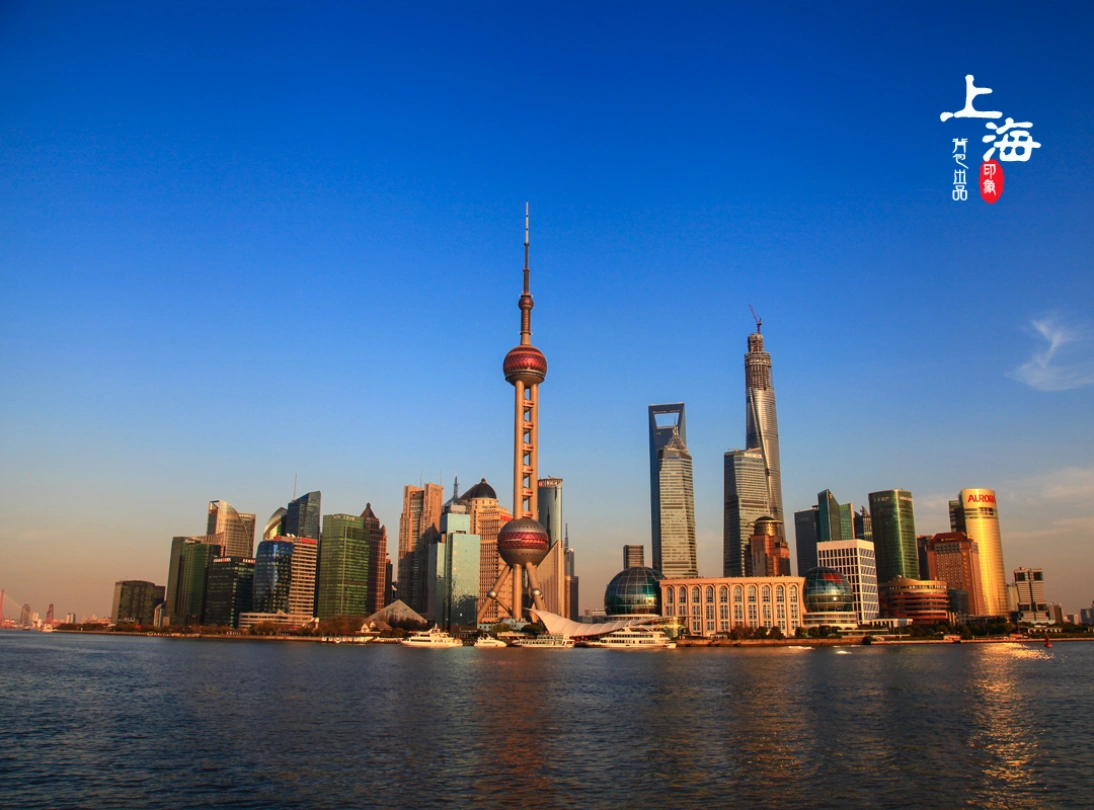
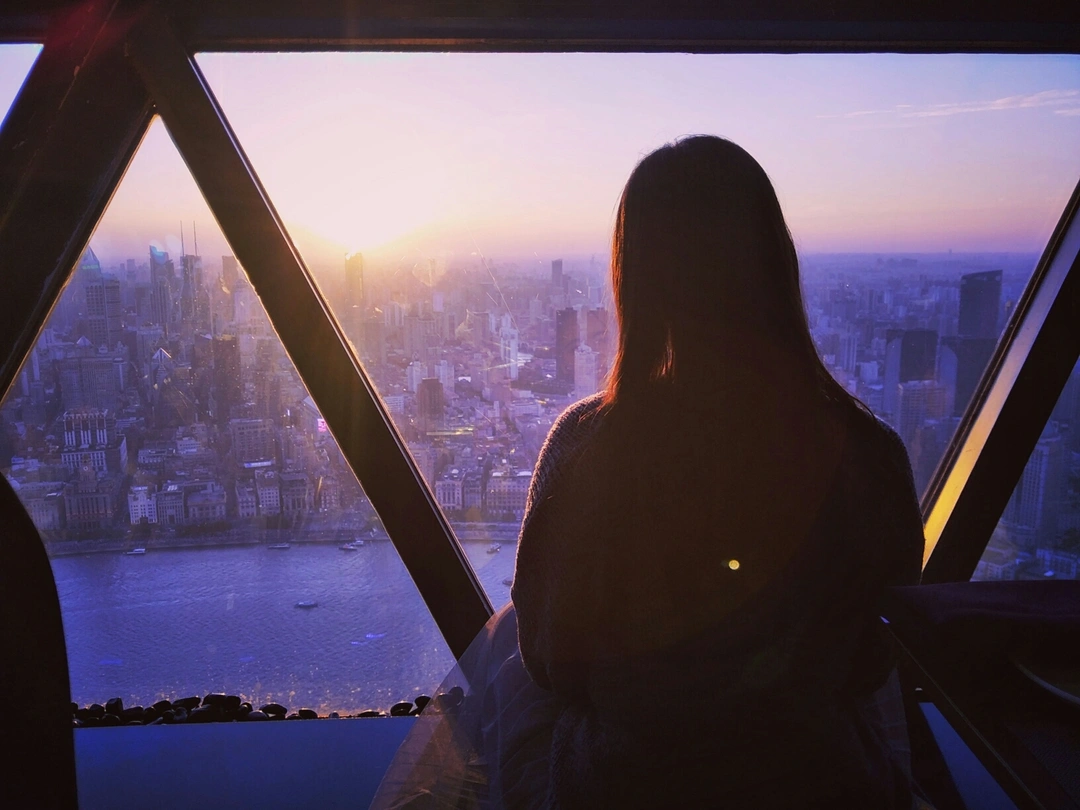
I'd heard about the crowds, but nothing prepared me for the scale. The Oriental Pearl Tower offers panoramic views of Shanghai at sunset—a magical transition from day to neon night. Pro tip: Book tickets online in advance to skip the queue. [Link: Shanghai skyline photo spots]
Nanjing Road & The Bund: Walking Through History
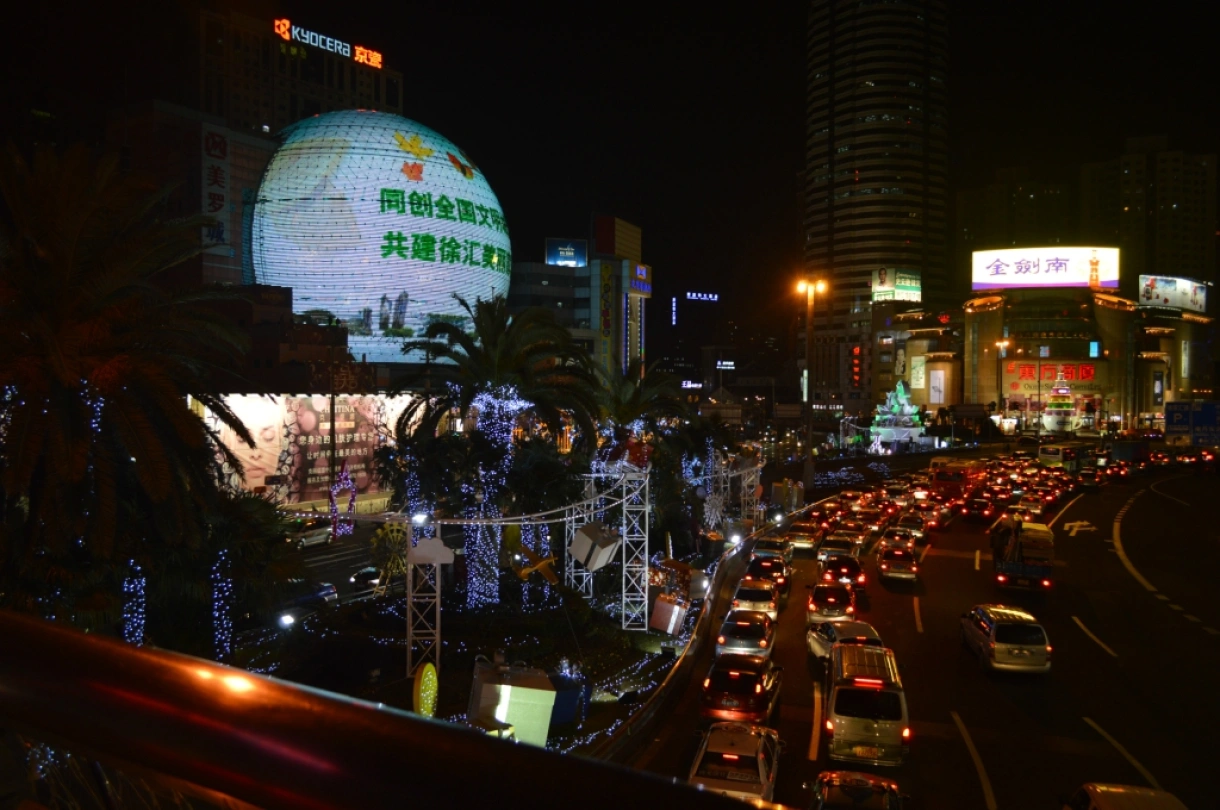
Nanjing Road Pedestrian Street is a sensory overload in the best way. Neon signs, street performers, and endless shops. Walk east toward The Bund for the iconic view of Pudong's skyscrapers across the Huangpu River. The contrast between colonial-era buildings and futuristic towers is breathtaking.
Day 5–6: Suzhou – Classical Gardens and Canals
(Note: The original article focused mainly on Hangzhou and Shanghai. For a complete 7-day itinerary, include Suzhou highlights.)
From Shanghai, take a 30-minute high-speed train to Suzhou (39.5 RMB). Suzhou's classical gardens are UNESCO World Heritage sites. Budget-friendly options include:
- Humble Administrator's Garden – 70 RMB (student discount available)
- Lion Grove Garden – 30 RMB
- Pingjiang Road – free to walk, perfect for canal-side photos
Where to stay: Hostels near Guanqian Street average 150–200 RMB per night.
Student Budget Breakdown
| Expense Item | Cost (per person) |
|---|---|
| Accommodation (6 nights) | 1,080–1,680 RMB |
| High-speed trains (Hangzhou→Shanghai→Suzhou) | 132 RMB |
| Attraction tickets | 150–200 RMB |
| Food (7 days) | 420–560 RMB |
| Local transport | 100–150 RMB |
| Total | ~1,882–2,722 RMB |
FAQ: Student Budget Travel in Jiangnan
1. Is it easy to use Alipay/WeChat Pay in Hangzhou and Shanghai?
Yes. Hangzhou (Alibaba's hometown) and Shanghai are fully digital. However, always carry some cash for metro ticket machines in Shanghai.
2. What's the best time to visit Jiangnan?
 Spring (March–May) and autumn (September–November) offer mild weather and fewer crowds. Avoid National Day holiday (Oct 1–7) if possible—prices triple.
3. Can I visit all three cities in 7 days?
 Absolutely. The high-speed rail network connects Hangzhou, Shanghai, and Suzhou in under 1 hour between each city. Our itinerary proved it's doable without rushing.
4. Are student discounts available at attractions?
 Yes. Most major attractions offer 50% student discounts. Always carry your student ID card.
5. What should I pack for a Jiangnan trip?
Comfortable walking shoes, an umbrella (misty rains are common), a reusable water bottle, and a power bank for your phone.
Ready to Plan Your Own Spontaneous Student Adventure?
This seven-day, six-night journey from the misty rains of Suzhou and Hangzhou to the neon glow of Shanghai proved that the best trips are often the unplanned ones. With smart budgeting, flexible transportation, and a willingness to wander, you can experience the poetry of Jiangnan and the pulse of Shanghai without emptying your wallet.
Start planning today: Book your high-speed train tickets early, download Alipay, and pack your sense of adventure. The misty rains and neon lights are waiting.
Have questions about this itinerary? Drop a comment below or share your own budget travel tips!
[Link: How to save money on Chinese high-speed trains]
[Link: Best hostels in Hangzhou for backpackers]
[Link: Shanghai free attractions guide]
You may also like