Seven Days in Tokyo: The Pits I Fell Into Are Now the Path Beneath Your Feet
Meta Description: Planning a Tokyo trip? Discover essential Tokyo travel tips, hidden pitfalls, and a detailed 7-day itinerary from a first-timer who turned every wrong turn into a guide for your perfect Japan vacation.
Tokyo is a city of exquisite contradictions. You'll fall in love with its serene temples, impeccable order, and world-class cuisine—then curse its labyrinthine subway system and baffling signage. As someone who battles severe pre-trip anxiety, I thought I'd done all my homework. But I still ended up spinning in circles on Tokyo's streets. Yet those "lost and clueless" moments became the very lessons I now share with you. Every wrong turn, every pitfall I stumbled into—I've mapped them all so you can sidestep them.
This isn't just another Tokyo travel guide. It's a confession, a survival manual, and a love letter to a city that humbles you before it rewards you. Let's turn my missteps into your shortcut.
Pre-Trip Anxiety: From "Perfectionism" to "Going with the Flow"
I'm the type of traveler who researches every single detail, determined to avoid mistakes. But Tokyo was different. Thanks to a three-year multiple-entry visa, I gave myself permission to accept small disappointments. Skimming through travelogues became my daily escape from the workweek grind.
What I love most about Japan is classic mystery fiction—Keigo Higashino, Kotaro Isaka, Soji Shimada, Hideo Okuda. Though my itinerary was shopping-and-eating heavy, their works gave me a spiritual connection to the country.
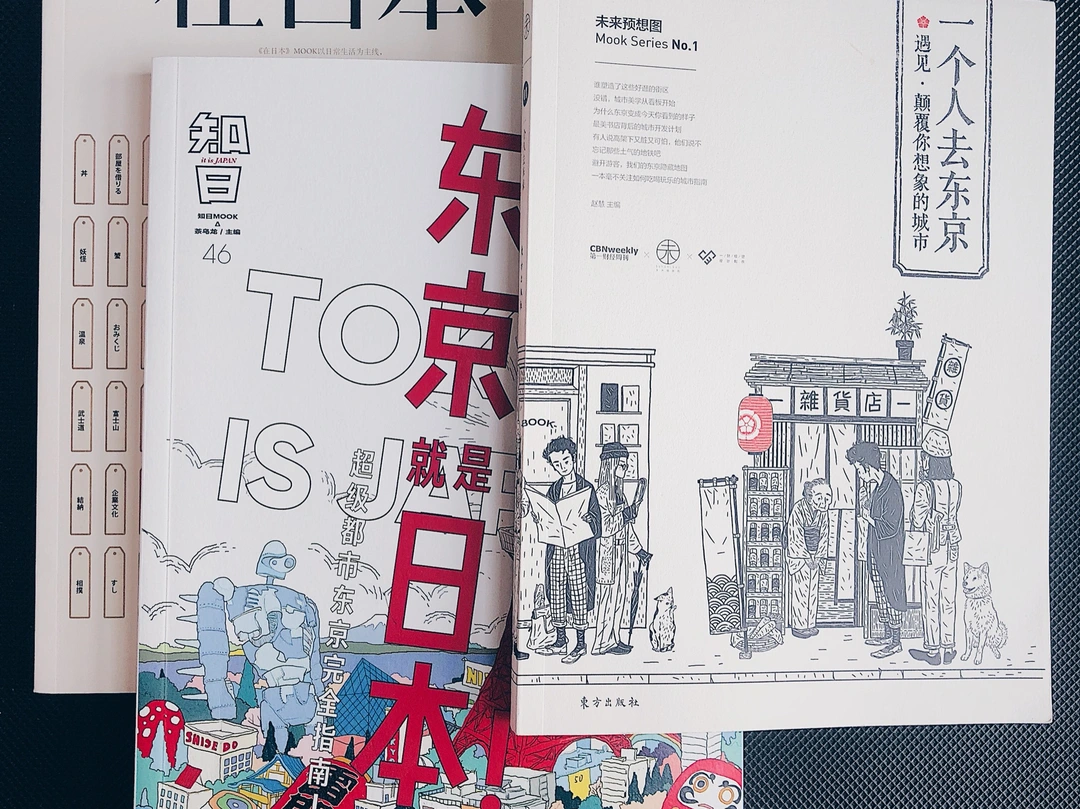
Book recommendations for pre-trip reading:
- Going to Tokyo Alone – Perfect for flipping through before your trip. It feels like an old Japanese friend introducing you to every facet of Tokyo.
- Know Japan – I had high hopes, but couldn't get through it. It overlaps with the previous book and includes dry Tokyo Olympic history lessons.
- A slow-read urban essay collection – Not a guidebook, but a poetic meditation on Tokyo's hidden corners.
Key takeaway: Don't over-plan. Leave room for serendipity—and mistakes.
Pre-Trip Preparations: Details Make the Difference
Visa: The "No-Stress" Route

To avoid hassle (a major anxiety trigger), I bought the "three-year multiple-entry, no destination restrictions, ultra-simple package" —the most expensive option, but worth every yen. Required documents:
- Passport
- Copy of ID
- Beijing residence permit (valid for one year—check expiry in advance)
- Photo
- Application form
[Link: Japan visa requirements for Chinese citizens]
Flights: Book Early for ANA Deals
I booked ANA (All Nippon Airways) three months in advance. Round-trip ticket: 2,402 RMB per person—a steal for peak season.
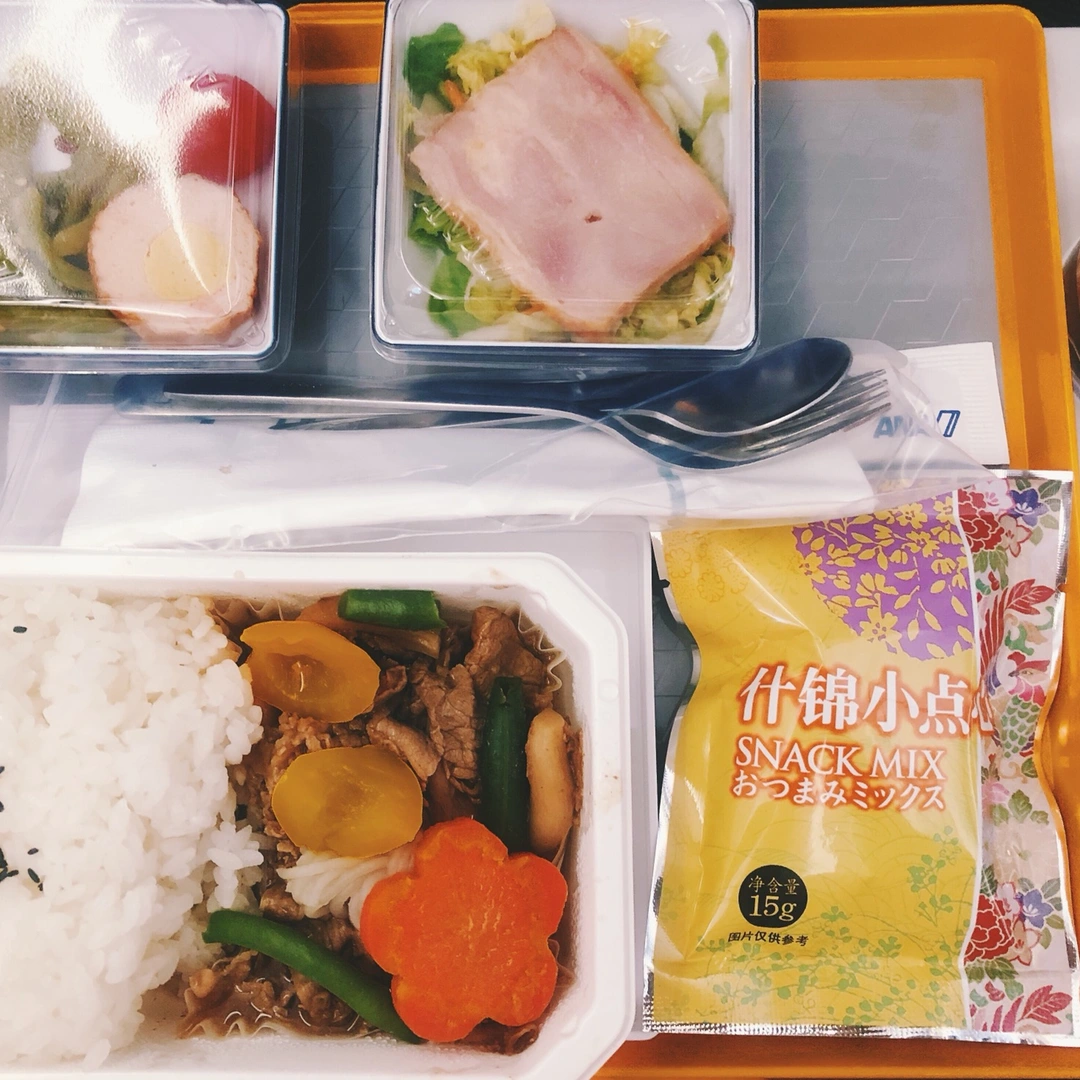
Pro tip: ANA's meal service includes the best airplane rice I've ever had, plus Häagen-Dazs vanilla ice cream and Japanese-style assorted snacks.
Accommodation: Design Over Convenience
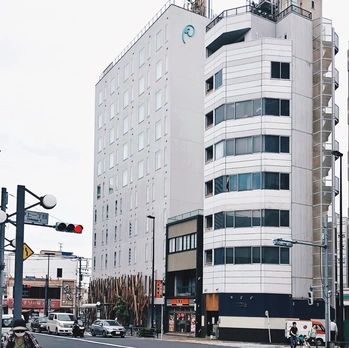
I had a soft spot for ONE@Tokyo, designed by Kengo Kuma, despite its Oshiage location (less central). Outside holidays, the price is reasonable. The rooftop terrace with welcome drink sounded dreamy—but every night I just wanted to collapse on the bed.
Verdict: Worth it if you love architecture. Skip if you need to be in Shibuya or Shinjuku.
Currency Exchange: How Much Yen Do You Need?
We exchanged 60,000 yen for two people for 7 days. Here's how it broke down:
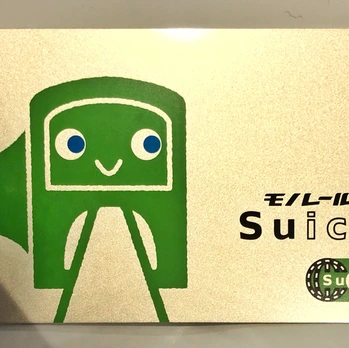
- Suica cards: 10,000 yen each (including 500 yen card fee; max load 20,000 yen)
- Cash-only spots: Many noodle shops with self-service ordering machines, Disney ticket machines, coin lockers
- Suica-accepting places: Convenience stores, supermarkets, most vending machines
The card is valid for 10 years from first use. No need to return it—save it for your next trip.
Wi-Fi: Three Options Compared
| Option | Price | Notes |
|---|---|---|
| China Mobile 7-day unlimited | 149 RMB | Still routes through Great Firewall—avoid |
| Portable Wi-Fi rental (Fliggy) | 12 RMB/day | I used "Roaming Man" – worked perfectly |
| Local Japanese SIM card | Varies | Good backup option |
Important: If you have an early morning flight, check airport pickup counter hours. I arrived at Beijing T3 at 7:07 AM—the counter was already open.
Disney Tickets: Digital vs. Physical
I wanted cute physical tickets, but it was a four-day holiday weekend in Japan. I bought online, printed the PDF, and scanned the QR code at entry.
Pro tip: Print an extra copy AND save a photo on your phone. Make sure the QR code is crisp.
Essential App Downloads
- Google Maps – Non-negotiable. Transfer suggestions may not match perfectly with Japan Transit Planner, but they're close enough.
- Japan Transit Planner – Backup for complex routes
- TokyoDin – Supposedly useful for Disney, but constantly told me everything was closed or past its time. Skip it.
- TokyoDMap – Decent for static maps only
Day 1: Haneda Airport · Odaiba — The Clueless Duo Makes Their Entrance
The Suica Card Nightmare
After landing at Haneda, our first task was buying Suica cards. I was super confident after reading guides—then hit a wall immediately.
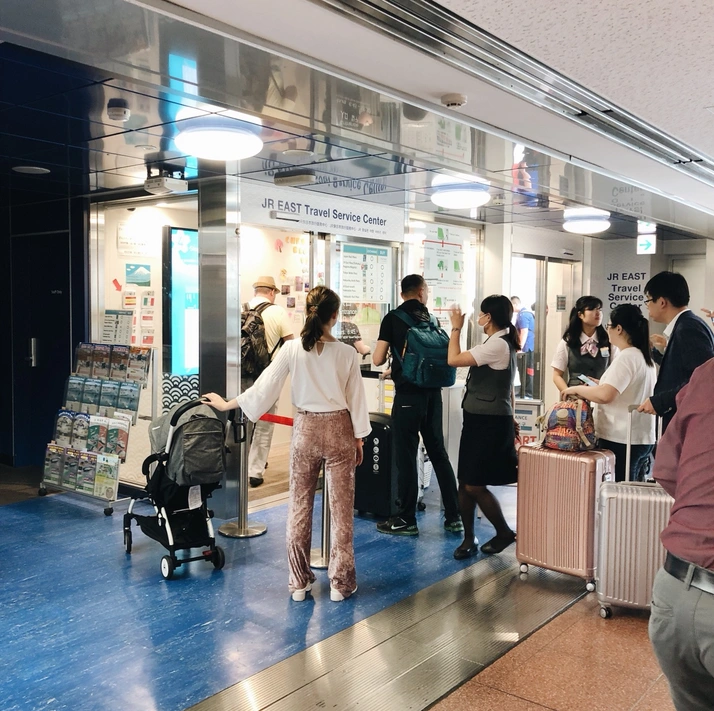
What the guides said: Find the Tourist Information Center, then the self-service machine with the Suica logo across from it.
What actually happened: I circled endlessly. A staff member told us to go to the small building next to the monorail station. We queued, filled out passport forms, and paid 2,000 yen per card.
Confusion: Wasn't the card fee 500 yen? Why did we need passports?
I went back to the Keikyu Line counter and asked for a card without the penguin design. The staff member (the only unfriendly service worker I met—and she was Chinese) said Suica cards must have the penguin, and I had to go to that other place.
Finally: Next to the ticket counter, we spotted a row of self-service machines with the Suica logo. Note: that whole row of machines works—don't hesitate! A helpful staff member helped us get cards (no penguin design, but functional). They could only be returned at Haneda, but who cares—I had a card.
The Train Fiasco
I'd checked: take the Keikyu Airport Line rapid express, 17 stops to Oshiage Station, then a few minutes' walk to ONE@Tokyo. But I overestimated my intelligence.
The detour: We ended up at Aoto Station. Then got on the wrong train going the opposite direction—arrived at Takasago. One more mistake and I'd be heading to Narita Airport!
Lesson learned: Always double-check train direction and line color on the platform display. Google Maps doesn't always show which side of the platform your train departs from.
Odaiba: The Reward
After checking into ONE@Tokyo, we rushed to catch the Yurikamome Line to Odaiba. This driverless train offers stunning views of Tokyo Bay and Rainbow Bridge. Shopping at VenusFort and DiverCity Tokyo was the perfect antidote to our travel chaos.
FAQ: Tokyo Travel Tips from a First-Timer
1. Is the Suica card worth it for a 7-day trip?
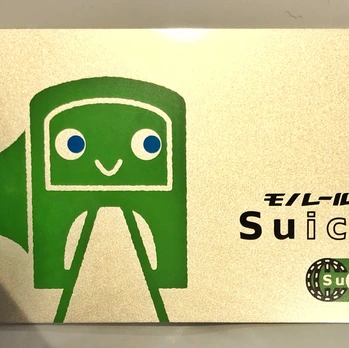
Absolutely. It works on almost all trains, buses, convenience stores, and vending machines. You can load up to 20,000 yen, and the card is valid for 10 years. If you plan to return to Japan, keep it.
2. How much cash should I bring for a week in Tokyo?
For two people, 60,000 yen (approximately $400 USD) is a safe starting point. You'll need cash for: - Noodle shop self-service machines - Some temple entrance fees - Small local shops - Coin lockers
Most major establishments accept credit cards, but smaller eateries and attractions are cash-only.
3. What's the best way to get from Haneda Airport to central Tokyo?
The Keikyu Airport Line is the fastest and cheapest option (about 15-20 minutes to Shinagawa, then transfer). The Tokyo Monorail to Hamamatsucho is also convenient. Both accept Suica cards.
Pro tip: Avoid the Limousine Bus during peak hours—traffic can double your travel time.
4. Do I need a portable Wi-Fi device or a local SIM card?
Portable Wi-Fi is ideal if you're traveling with a group (share one device). Local SIM card is better for solo travelers who need reliable, always-on connection. Avoid China Mobile's international plan—it still routes through the Great Firewall.
5. Is Tokyo safe for solo female travelers?
Extremely safe. Crime rates are low, public transportation runs late, and locals are helpful. However, be cautious on crowded trains during rush hour (pickpocketing is rare but possible). Stick to well-lit areas at night, especially in entertainment districts like Kabukicho.
Day 2–7 Highlights (Spoiler-Free)
Day 2: Asakusa & Senso-ji Temple – Arrive before 8 AM to avoid crowds. Try melon bread from a street vendor.
Day 3: Shibuya & Harajuku – The scramble crossing is chaotic but iconic. Takeshita Street for quirky fashion.
Day 4: DisneySea – Buy tickets online in advance. Arrive at least 30 minutes before opening.
Day 5: Tsukiji Outer Market & Ginza – Go hungry. Try the tamagoyaki (Japanese omelette) and fresh uni.
Day 6: Shinjuku & Golden Gai – Visit the Tokyo Metropolitan Government Building for free observation deck views.
Day 7: Last-minute shopping & departure – Don't forget to check your Suica card balance—you can refund it at the airport.
Internal Linking Suggestions
- [Link: Japan visa requirements for Chinese citizens]
- [Link: Best portable Wi-Fi devices for international travel]
- [Link: How to use Suica card in Tokyo]
- [Link: Tokyo DisneySea vs Disneyland: which to choose]
- [Link: ANA vs Japan Airlines: which is better for economy]
Final Thoughts: Your Path, Not Mine
Tokyo will humble you. You'll get lost, you'll make mistakes, and you'll feel like a clueless tourist. But that's exactly the point. Every wrong turn is a lesson, every detour a story.
The pits I fell into are now the path beneath your feet. Use them. Learn from them. But most importantly—embrace the chaos. Because Tokyo's beauty isn't in its perfection. It's in the moments when you're lost, confused, and suddenly find yourself in a tiny ramen shop that serves the best bowl of noodles you've ever had.
Ready to plan your Tokyo adventure? Start with the visa, book your flights early, and pack your sense of humor. The city will do the rest.
What's your biggest Tokyo travel fear? Drop it in the comments below—I'll tell you exactly how to avoid it.
Safe travels, and may your Suica card always be loaded.
You may also like