A Culinary Journey Through Shanghai: A Taste of the City on the Tip of Your Tongue
Meta Description: Discover Shanghai's best street food, from legendary frog noodles to scallion oil noodles and pork floss sponge cakes. Explore hidden lilong eateries and local favorites with this SEO-optimized food guide.
Introduction: Why Shanghai’s Street Food Scene Is a Must-Experience
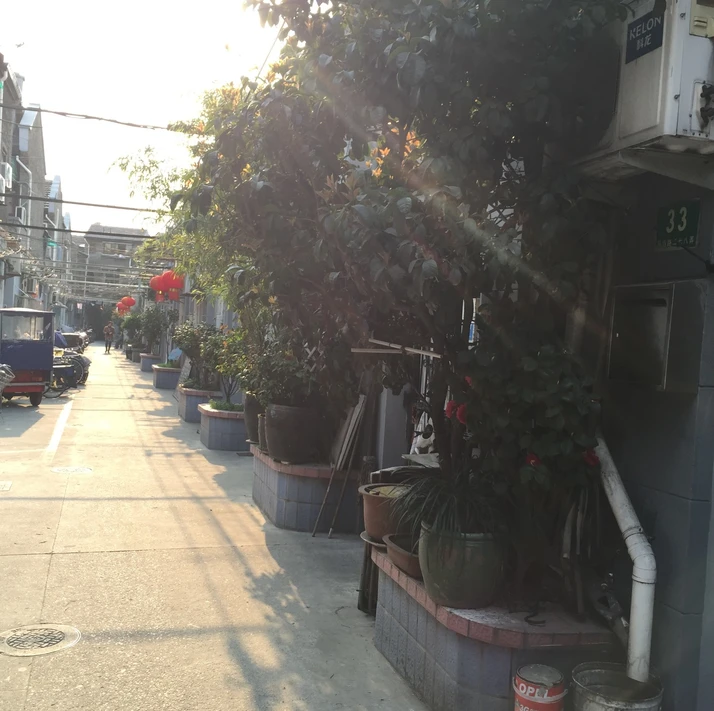
The ancients once said, "Eating is one of life's greatest joys." Nowhere is this truer than in Shanghai. During my years studying in this city, I gradually discovered that two things captivated me most: aimlessly wandering the old Shanghai streets, and slipping into those unassuming little shops to measure the city's warmth with my taste buds.
Shanghai's cuisine, much like the city itself, possesses both old-world charm and fresh, trendy vitality. It hides deep in the lilong (traditional alleyways), lurks around street corners, and waits patiently for those with a keen eye to discover it. Today, I want to share with you the stories I've "eaten" my way through over the years in Shanghai's streets and alleys.
Haling Noodle House: A Bowl of Frog Noodles and the Spirit of the Streets
Why Frog Noodles Are a Shanghai Street Food Icon

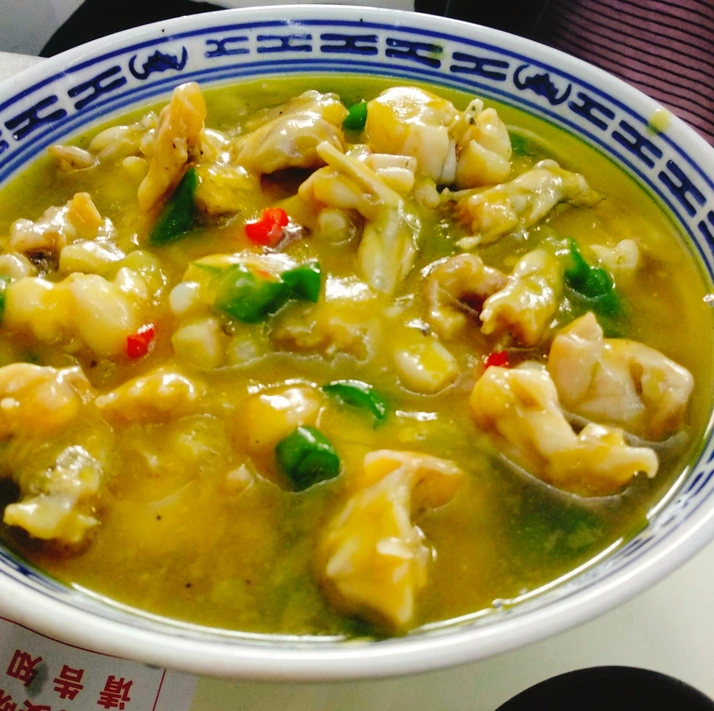
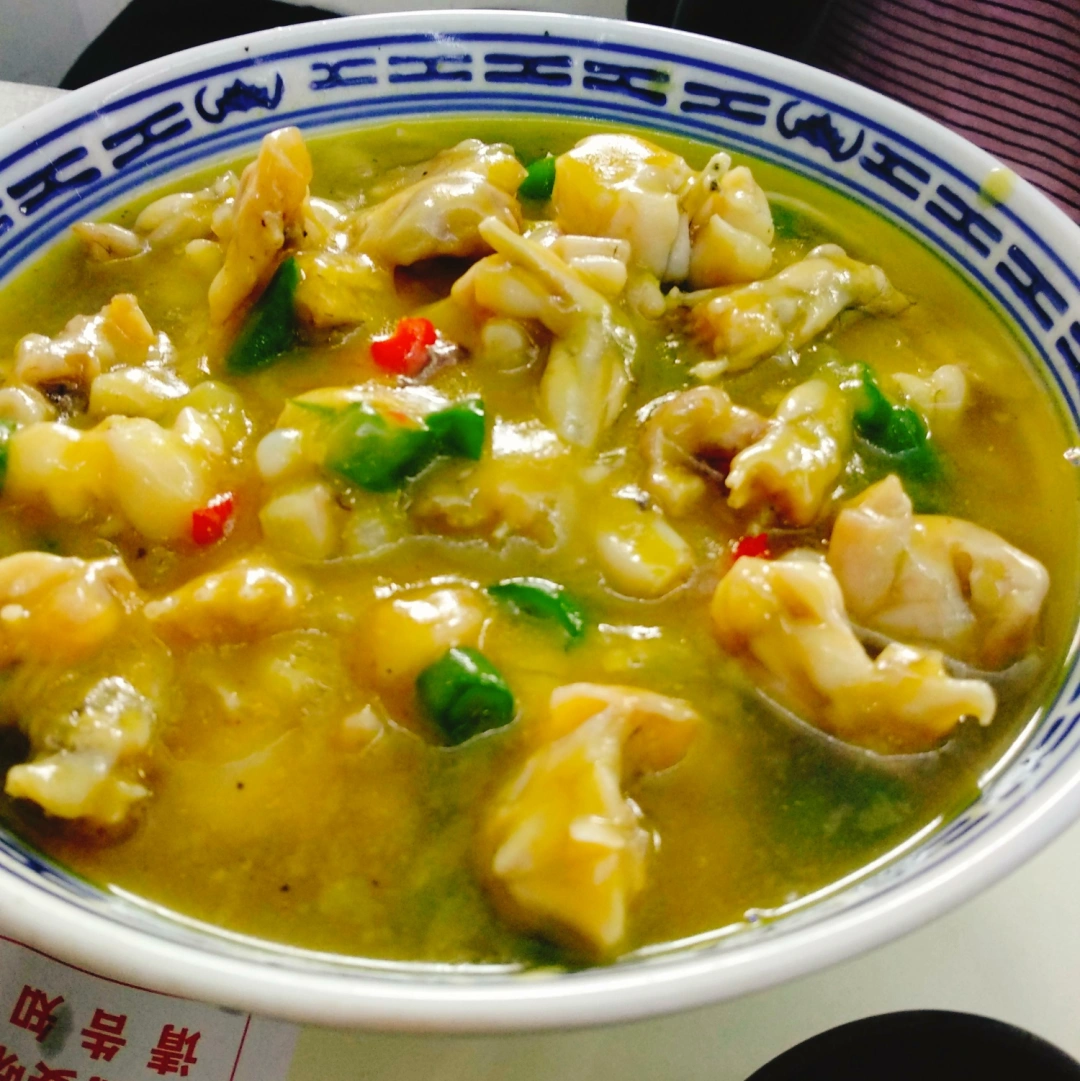
I first heard about Haling Noodle House because of its legendary frog noodle dish. Overwhelming online recommendations made my mouth water with anticipation. Finally, one day while wandering near Nanjing Road, I stumbled upon one of its branches.
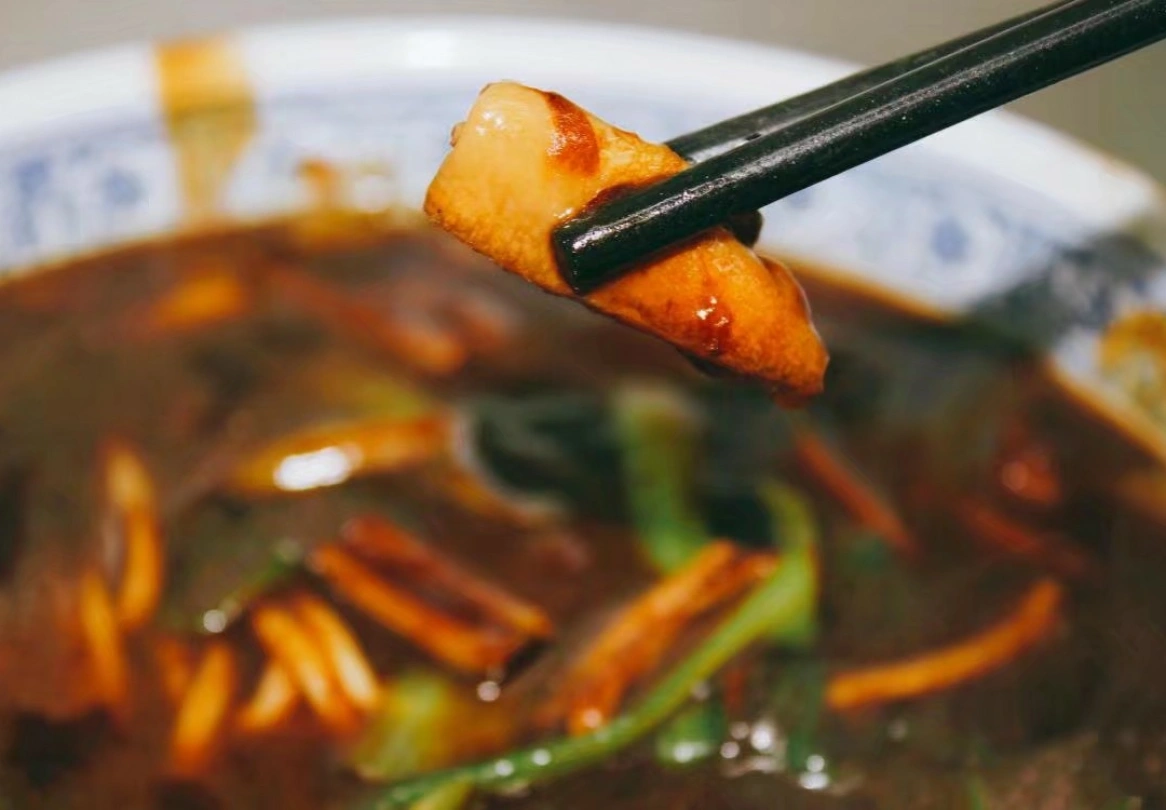
The shop is tiny—a few tables crammed together so tightly that you can't help but brush elbows with your neighbor. But when you sit down and the massive bowl of frog noodles appears before you—four liang (about 200 grams) of noodles, enough for two girls to share—paired with a bottle of iced black tea, the earthy, bustling atmosphere of the streets hits you right in the face.
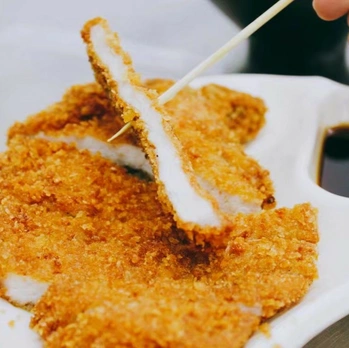
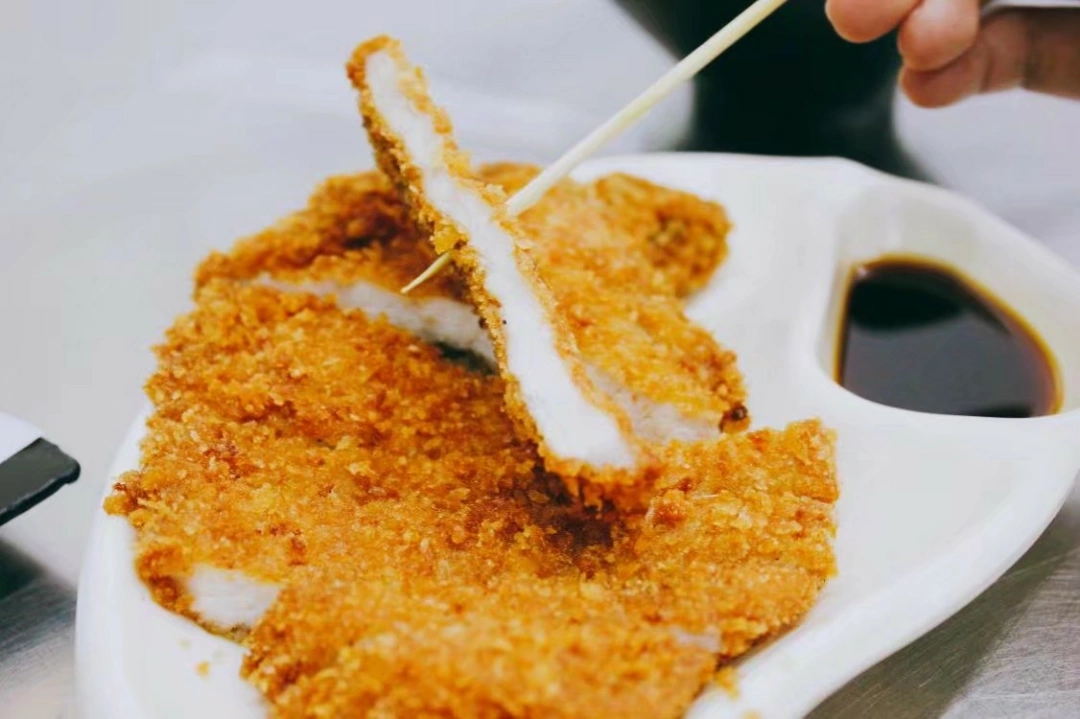
The noodles are on the salty side, but it's precisely this bold flavor that complements the tender freshness of the frog meat. I went back another time and ordered eel noodles and fried pork chop. The pork chop was fried to a golden, crispy perfection, and dipped in Worcestershire sauce, it became the perfect companion to the noodles.
Navigating the Queue: Insider Tips for Haling Noodle House
But this shop has its own "temperament." During peak hours, queuing is the norm. Once I arrived at 1 PM, and the line had already snaked out the door. From then on, I learned to visit during off-peak hours, finally able to enjoy this bowl of noodles at my leisure.
Practical Tip: Avoid peak hours (11:30 AM–1:00 PM, 6:00 PM–7:30 PM). The best time to go is around 2 PM. The frog noodle portion is generous—sharing one order between two people, plus a fried pork chop, is just right.
Wuxi Renjia: A Bowl of Scallion Oil Noodles and the Charm of the Alleyways
How Scallion Oil Noodles Capture Shanghai’s Soul
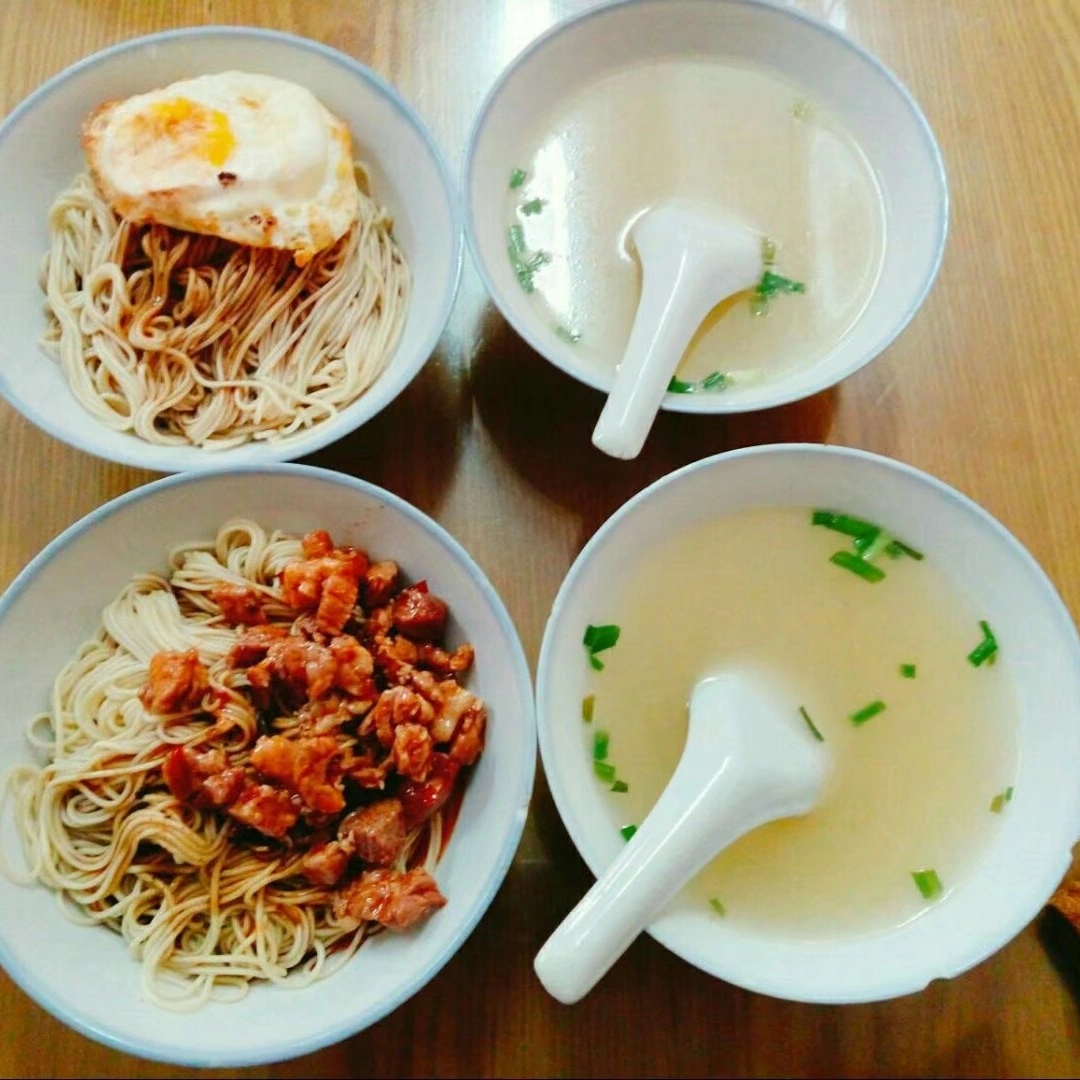
Some shops are unremarkable by name, yet their flavors are so stunning they're unforgettable. Wuxi Renjia is exactly that kind of place.
One day, I was out with my Shanghai roommate, and she casually mentioned the scallion oil noodles her family often made at home. Just talking about it made my mouth water. So she took me to this shop that had been open since her father's childhood. Tucked away at the entrance of a residential area, it was tiny—just a small sign reading "Wuxi Renjia" hanging above. A few tables were occupied by locals, chatting about neighborhood gossip while slurping their noodles.
My roommate said that if you come here during the busy hours for a bowl of scallion oil noodles, you can learn all the latest news from the entire street just by eavesdropping on the conversations. The aroma of the noodles mingled with the soft, melodic Shanghainese dialect, and the essence of alleyway life flowed effortlessly.
What to Order at Wuxi Renjia
My favorite is their scallion oil mixed noodles, topped with spicy minced pork and crowned with a fried egg. After placing the order, the owner's wife would duck into the tiny kitchen to cook it fresh, and in an instant, the fragrance of scallion oil would fill the entire shop. At that moment, you feel it—this is the taste of Shanghai.
Practical Tip: The shop is at the intersection of Dongbaoxing Road and Tiantong'an Road. It's called "Wuxi Renjia," but it tells stories of Shanghai. The scallion oil mixed noodles with spicy pork topping is a must-order. Ask for the fried egg to be sunny-side up.
Old Shanghai Pork Chop and Rice Cake: From Fuxing Middle Road to Tianzifang
The Story Behind the Viral Pork Chop and Rice Cake
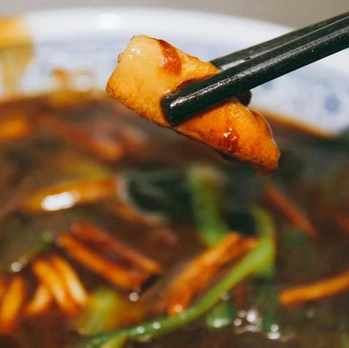
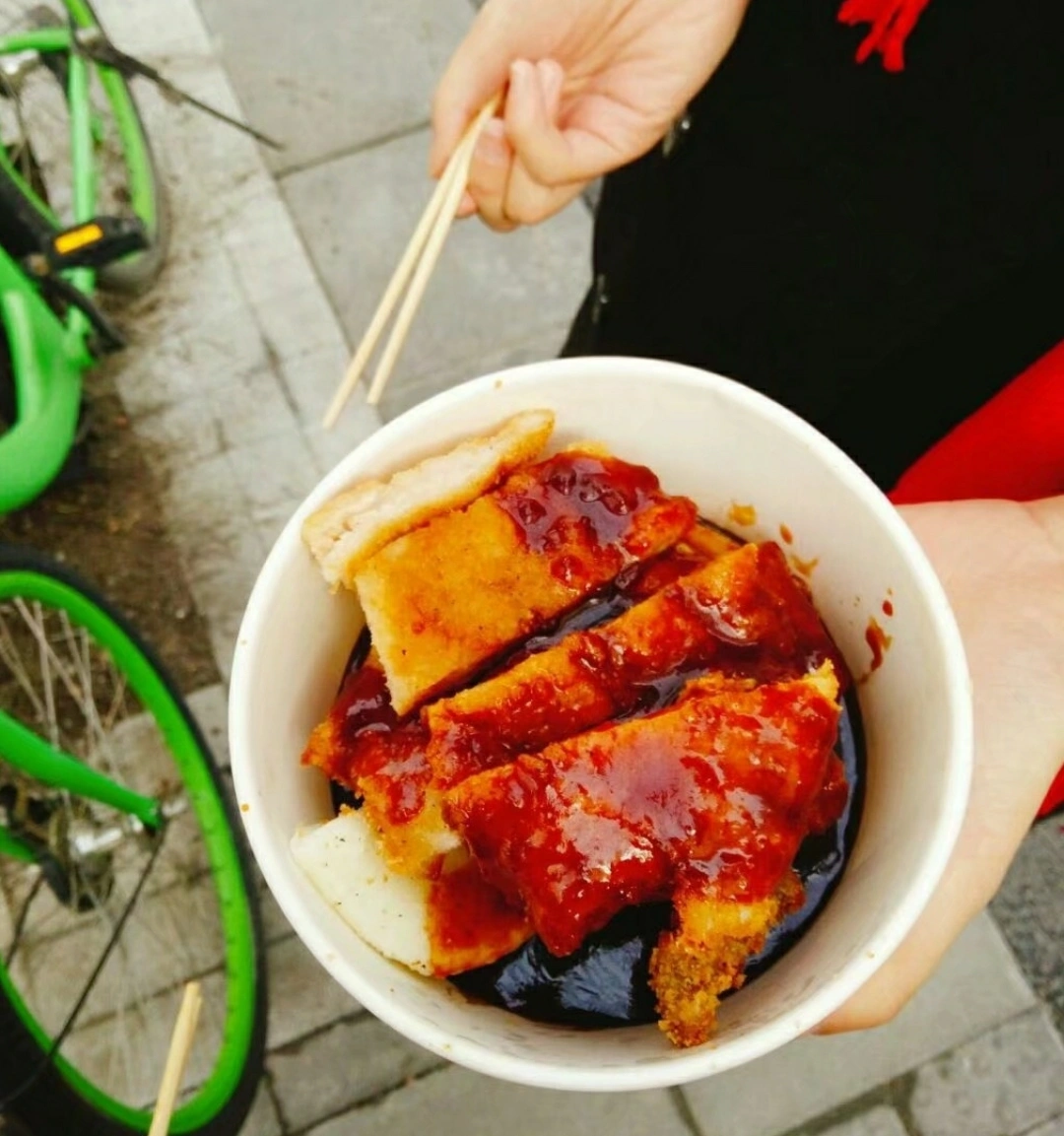
This shop is wildly popular on Dianping (China's Yelp). For just over ten yuan, you get a large piece of pork chop and two pieces of niangao (rice cakes), drenched in a secret sauce that's utterly addictive.
Originally, the shop was on Fuxing Middle Road. It was incredibly hard to find—there wasn't even a proper door, just a small sign hanging by a window facing the street. Customers would wait outside while an elderly man prepared the food inside the window. No dine-in, but it was strangely charming. Later, it moved near Tianzifang, and whenever I happened to be wandering around Riguang or Tianzifang, I'd make a detour to grab a portion.
How to Find the Best Pork Chop and Rice Cake
Still no dine-in, but the flavor remains top-notch. If you're near Tianzifang and spot a shop with a simple sign reading "Dianping Old Shanghai Pork Chop and Rice Cake," don't miss it. The pork chop and rice cake come with a rich, thick sauce; the rice cake is soft and chewy, the pork chop crispy and fragrant. One bite, and you're flooded with satisfaction.
Practical Tip: The shop is near Tianzifang. Use navigation to find the exact location. Go early—it might sell out by 4 PM. A portion costs just over ten yuan, offering incredible value for money.
Bao Master: A Different Way to Enjoy Pork Floss Sponge Cakes
Why Pork Floss Sponge Cakes Are a Shanghai Trend
"A small cake like chewing the moon, with crisp and sweet inside." Su Shi's poem perfectly describes Bao Master's pork floss sponge cakes.
People's Square has several viral queue spots, and Bao Master is one of them. But I, despite being a foodie, lean toward laziness—I'm not keen on waiting in long lines. So I'd heard of Bao Master for ages but never tried it.
Later, I asked a Shanghai friend what good food was near Xujiahui. She recommended taking a stroll on Tianyaoqiao Road. So I went and found a Bao Master with a much shorter line—just about a dozen people. I decided to give it a try.
How to Skip the Queue at Bao Master
I ordered the seaweed pork floss sponge cakes and finally understood why they're so popular. The filling inside the cake didn't feel monotonous or greasy; instead, it was soft and delightful. The salty fragrance of the outer seaweed and the crunch of the pork floss created a perfect contrast with the pillowy interior.
Practical Tip: Go to the branch on Tianyaoqiao Road—the line is shorter. The seaweed pork floss sponge cake is the signature item. Feel free to try other flavors, but don't buy too many; they can get cloying.
Zuo Shifu's Plum Flower Cake: A Collision of Softness and Sweetness
What Is Plum Flower Cake? A Traditional Chinese Pastry
I first heard about plum flower cake (a traditional Chinese pastry shaped like a plum blossom) during a trip to Nanjing. Just looking at its appearance, I resolved to try it. Later, at the Zhongshanling Scenic Area in Nanjing, I spotted a vendor selling them and quickly bought one. It was delicious. I heard Zuo Shifu's version was the best, but my schedule was too tight to find it.
Back in Shanghai, while wandering around Sweet Love Road in Hongkou District, I stumbled upon a Zuo Shifu at the intersection of Sweet Love Road and Sichuan North Road. The shop was tiny and easy to overlook, but fortunately, it was right on the street corner with heavy foot traffic.
Best Fillings to Try at Zuo Shifu
Zuo Shifu's plum flower cakes are stuffed with fillings—red bean paste, purple sweet potato, fruit, and more. I ordered a fruit-filled one, which turned out to be banana paste. It was fragrant and chewy. Best eaten fresh out of the oven, but be careful—it's piping hot. The soft, glutinous outer shell and the sweet, aromatic filling colliding in your mouth are the warmest comfort on a winter day.
Practical Tip: The shop is at the intersection of Sweet Love Road and Sichuan North Road. Eat it fresh out of the oven, but watch out for burns. The fruit filling (banana paste) is a specialty; red bean paste and purple sweet potato are also good choices.
Nanxiang Xiaolongbao: A Street Full of "Bun" Shops
Note: In Shanghainese dialect, mantou means bao. This area is famous for xiaolongbao (soup dumplings) and traditional buns.
[Link: Best xiaolongbao in Shanghai – a guide to soup dumpling hotspots]
Frequently Asked Questions (FAQ)
1. What is the best time to visit Shanghai street food spots?
 Answer: Peak hours for most shops are 11:30 AM–1:00 PM and 6:00 PM–7:30 PM. For a relaxed experience, visit around 2 PM or late afternoon. Many shops sell out by 4 PM, so plan accordingly.
2. Are these street food spots suitable for vegetarians?
Answer: Most shops focus on meat-based dishes (frog noodles, pork chop, scallion oil noodles with pork). However, Zuo Shifu's plum flower cakes offer vegetarian fillings like red bean paste and purple sweet potato. Bao Master's pork floss sponge cakes are also a good option.
3. How do I find hidden eateries in Shanghai's lilong?
Answer: Use Dianping (China's Yelp) or Baidu Maps. Search for terms like "Shanghai street food" or "local noodle shop." Many hidden gems are near residential areas or on side streets off major roads like Nanjing Road or Tianzifang.
4. What is the average cost of a meal at these spots?
 Answer: Most dishes cost between 10–30 yuan (approximately $1.50–$4.50 USD). A full meal (noodles + side dish) typically runs 20–40 yuan. This makes Shanghai street food incredibly affordable for travelers.
5. Can I visit all these spots in one day?
Answer: It's possible but challenging. The shops are spread across different districts (Nanjing Road, Hongkou, Tianzifang, Xujiahui). For a focused food tour, pick 2–3 spots in the same area. For example, combine Haling Noodle House (near Nanjing Road) with Wuxi Renjia (near Dongbaoxing Road) for a half-day adventure.
Conclusion: Your Shanghai Food Adventure Awaits
Shanghai's street food scene is a living, breathing tapestry of flavors, stories, and traditions. From the bold, salty frog noodles at Haling Noodle House to the sweet, soft plum flower cakes at Zuo Shifu, every bite tells a story of the city's past and present.
Whether you're a first-time visitor or a seasoned traveler, these hidden gems offer an authentic taste of Shanghai that you won't find in tourist guides. So grab your appetite, put on your walking shoes, and dive into the lilong—the city's best flavors are waiting for you.
Ready to explore? Download a map of these spots, plan your route, and don't forget to bring cash (many small shops don't accept cards). Share your food discoveries with us on social media using #ShanghaiStreetFood—we'd love to see what you find!
[Link: Ultimate Shanghai travel guide – top attractions and hidden gems] [Link: Best budget eats in Shanghai – under 50 yuan meals]
You may also like