River City Holiday: A Spontaneous Trip, Strolling Through the Three Towns of Wuhan, Tracing the Footsteps of the Century-Old First Uprising
Meta Description: Discover Wuhan on a spontaneous May Day trip. From Gude Temple to Hanyang's classic route, this SEO-optimized guide covers high-speed rail tips, metro hacks, and hidden gems. Perfect for solo travelers and food explorers.
Introduction: When a One-Day Holiday Became a Four-Day Adventure
The 2019 Labor Day holiday started as a joke. When friends buzzed about "Where to go for May Day," the official one-day break seemed like a cruel tease. Then, on March 22, the plot twisted: the holiday stretched to four days (thanks to compensatory workdays). The group chat exploded with ideas, but consensus was impossible. So I made a solo decision: Wuhan.
This four-day trip became three days of solo exploration and one day with a local friend—hence the "semi-solo travelogue." While most Wuhan travelogues obsess over April cherry blossoms and viral eateries, I kept it simple: stroll-and-eat. No restaurant-hopping, no打卡 (check-in) frenzy—just authentic local flavors and spontaneous discoveries. Let's dive into the practical details that made this trip seamless.
Pre-Trip Planning: Snatching Tickets, Choosing Trains, and Booking Hotels—Nothing Can Be Missed

1. Transportation: High-Speed Rail Tickets Are a "Flash Sale" Affair
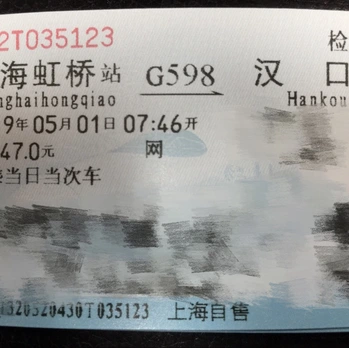
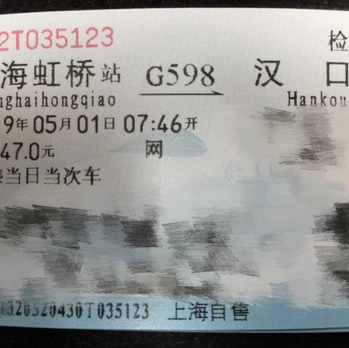
From Shanghai, high-speed rail tickets for May 1st went on sale April 2nd afternoon. Within 30 minutes, morning trains vanished. My boss scheduled a meeting during the sale, so I snagged a first-class seat—a small luxury.
Key High-Speed Trains from Shanghai to Wuhan (Under 4 Hours):
| Train | Departure | Duration | Terminates At |
|---|---|---|---|
| G1728 | 16:51 | 3h 55min | Wuhan Station |
| G1724 | 11:46 | 3h 56min | Hankou Station |
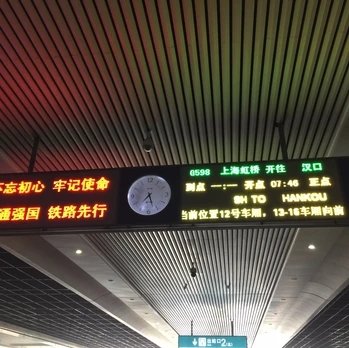
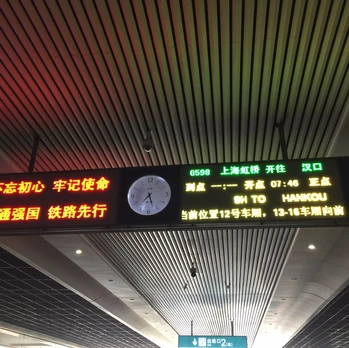
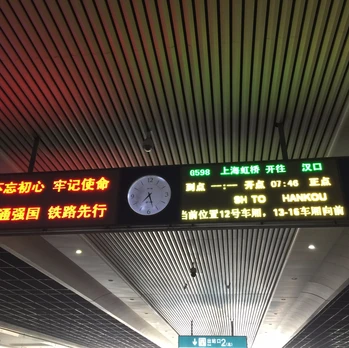
| G598 | 07:46 | 3h 58min | Hankou Station (most popular) |
| G1720 | 13:51 | 3h 59min | Wuhan Station |
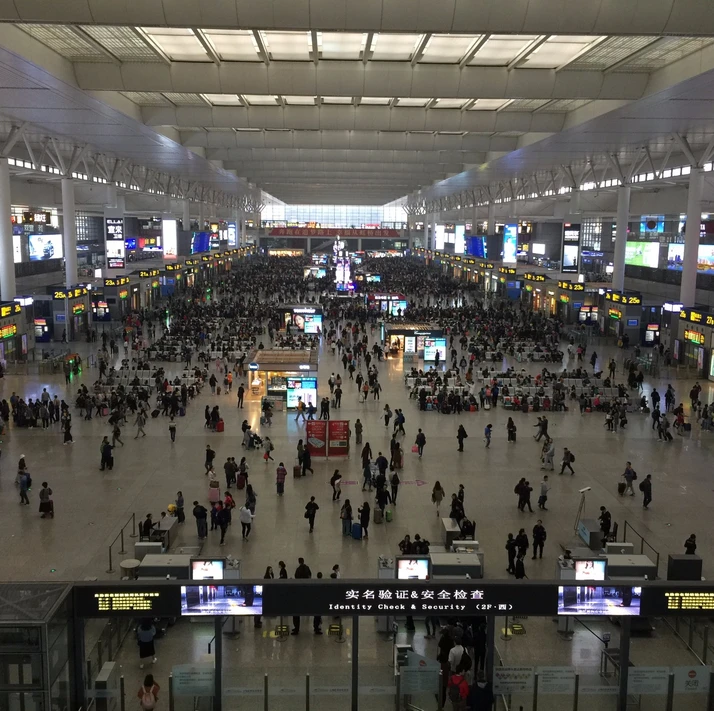
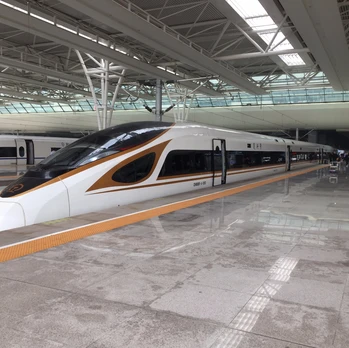
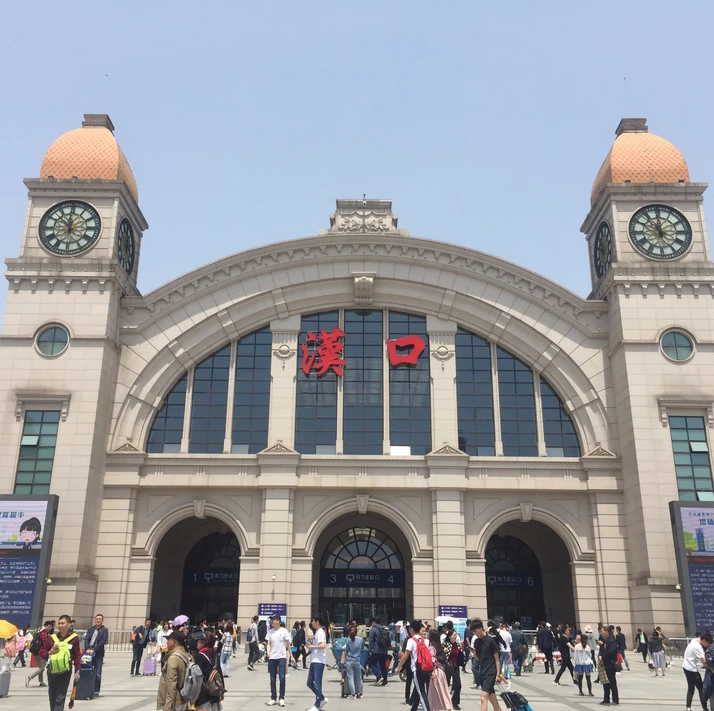
The G598—a Fuxing bullet train (复兴号)—stopped only at Nanjing South and Hefei South, the fewest stops on the route. It arrived punctually at 11:44 AM at Hankou Station, China's largest European-style railway station. Built in 1898 as Dazhimen Railway Station, it now spans 80,000 sqm with 18 platforms.
Pro Tip: Upon arrival, get a Wuhan Tong (武汉通) transit card. I topped up 115 yuan (including 15 yuan card fee)—a lifesaver during the holiday rush.
2. Accommodation: Metro Station Selection Saves Time
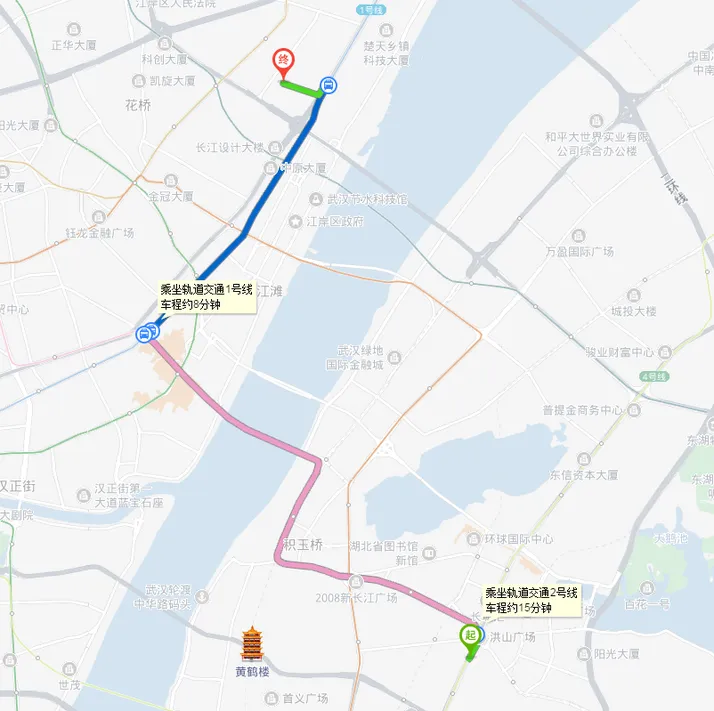
Wuhan's "four main" railway hubs—Wuhan, Hankou, Wuchang, and New Hanyang (under construction)—connect via Metro Lines 2 and 4. The interchange stations Hongshan Square and Zhongnan Road offer direct access to all three major stations and the airport. Their rare stacked side-platform design makes transfers effortless.
I chose the Hanting Hotel at Hongshan Square Metro Station (80 Zhongnan Road, Exit B3). Budget-friendly and perfectly located for a solo traveler who only needed a bed.
Note: Hongshan Square (108,000 sqm) has no pedestrian crosswalks—enter via metro exits B1, C2, or D1.
Route One: Gude Temple + Hanyang Classic Route
This half-day route covers Dazhimen Station, Gude Temple, Ancient Qingchuan Pavilion, Lotus Lake Park, Guiyuan Zen Temple, Moon Lake Park, Guqin Terrace, and Hanyang Zao (Creative Zone). Small-scale attractions that aren't overly crowded—even on holidays. Perfect for arrivals before noon.
Stop 1: Gude Temple—Hankou's Internet-Famous Spot
Gude Temple is a recent "internet-famous" attraction. But its location is isolated—almost completely detached from other sights. Here's the trap I fell into:
Wrong Route (What I Did): Metro Line 2 to Xunlimen → Line 1 to Toudao Street Station → Exit C → Walk via Gude Temple Road.
Why It Fails: Gude Temple Road is nearly impassable due to ongoing demolition. You can't reach the temple this way.
Correct Route: Metro Line 4 to Yuejiazui → Line 8 to Huangpu Road Station → Exit J → Bus Electric Line 3 to Gongnongbing Road Gude Temple Stop → Walk 170m to the West Gate (the only entrance/exit).
Gude Temple Facts: - No admission fee, but you must buy an incense offering ticket (8 yuan, 15 yuan, or 32 yuan). - Built in the third year of the Qing Dynasty's Tongzhi era (1864). - Features a unique blend of Chinese and Western architectural styles—a rare sight in Buddhist temples.
Insider Tip: The temple's "internet-famous" status is recent, so expect crowds on weekends and holidays. Go early morning or late afternoon for the best photos.
Stop 2: Dazhimen Station Heritage Site
Before reaching Gude Temple, I made an unexpected stop at Dazhimen Station—the former Hankou Station terminus of China's first long-distance standard-gauge railway (Beijing-Hankou Railway). This French-style building was designated a Major Historical and Cultural Site Protected at the National Level in 2001.
Quick Fact: The station's clock tower is a popular photo spot. It's free to enter, but limited hours—check before visiting.
Stop 3: Hanyang Classic Route Highlights
After Gude Temple, head to Ancient Qingchuan Pavilion (晴川阁) for panoramic views of the Yangtze River. Built in 1522 during the Ming Dynasty, it's one of Wuhan's "Three Great Pavilions." Free admission.
Then explore Lotus Lake Park (莲花湖公园) and Moon Lake Park (月湖公园)—both serene escapes from the city buzz. Guiyuan Zen Temple (归元禅寺) is a must for its 500 Arhat Hall and Buddhist relics. Admission: 20 yuan.
Hanyang Zao (汉阳造) is a creative zone reminiscent of Beijing's 798 Art District—perfect for street art and café hopping.
Route Two: Wuchang Heritage Walk
For history buffs, this route covers Yellow Crane Tower, the Wuchang Uprising Memorial, and the Hubei Provincial Museum.
Stop 1: Yellow Crane Tower (黄鹤楼)
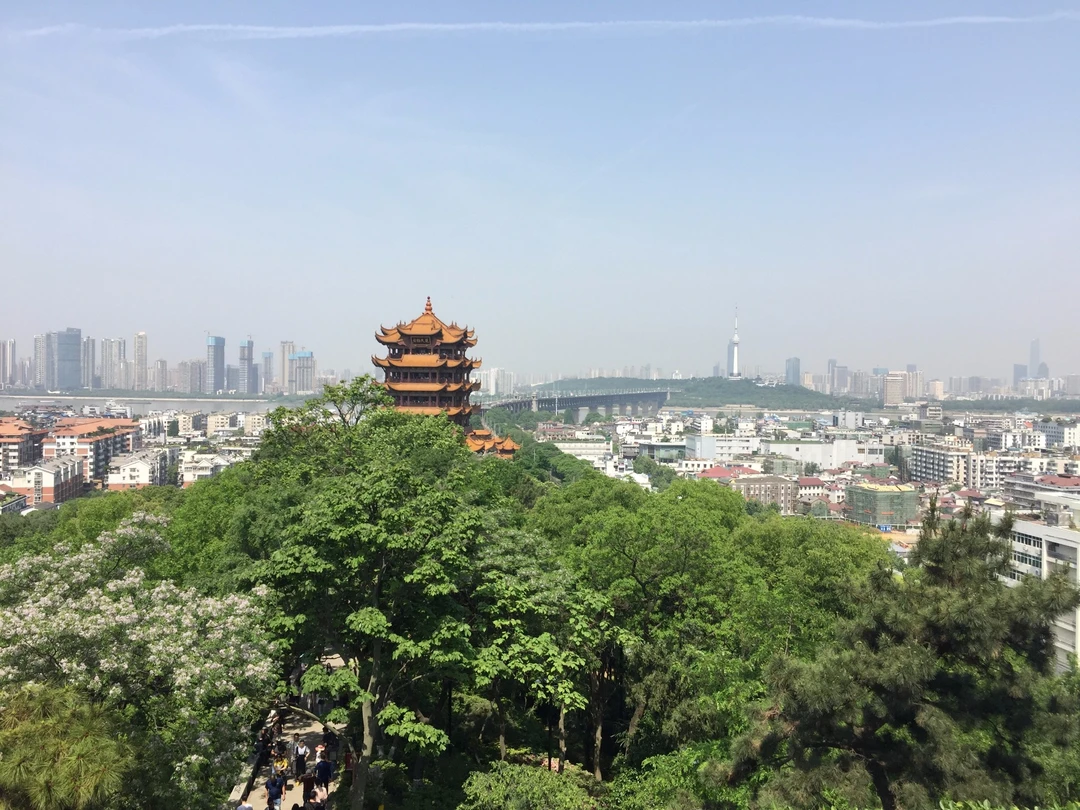
One of China's "Four Great Towers," Yellow Crane Tower has been rebuilt multiple times since its original construction in 223 AD. The current structure (1985) offers stunning views of the Yangtze River and the Wuhan Yangtze River Bridge.
Admission: 80 yuan. Pro Tip: Visit at sunset for golden hour photography.
Stop 2: Wuchang Uprising Memorial (武昌起义军政府旧址)
This is the century-old first uprising mentioned in the title. On October 10, 1911, the Wuchang Uprising sparked the Xinhai Revolution, ending 2,000 years of imperial rule. The memorial is housed in the former Hubei Provincial Assembly Hall—a striking red-brick building.
Free admission. Allow 1-2 hours to explore the exhibits.
Stop 3: Hubei Provincial Museum (湖北省博物馆)
Home to the Sword of Goujian (越王勾践剑)—a 2,500-year-old bronze sword still sharp enough to cut paper. Also houses the Chime Bells of Marquis Yi of Zeng (曾侯乙编钟), a UNESCO-recognized artifact.
Free admission (reserve online in advance). Don't miss: The daily chime bell performance (30 yuan, limited seats).
FAQ Section
1. Is Wuhan safe for solo travelers?
Yes. Wuhan is a major Chinese city with excellent public transport and well-lit tourist areas. Solo travel is common, especially during holidays. Stick to main routes and avoid isolated areas after dark.
2. What's the best time to visit Wuhan?
 Spring (March-April) for cherry blossoms and mild weather. Autumn (September-November) for cooler temperatures and fewer crowds. Avoid summer (June-August) due to extreme heat.
3. How do I avoid crowds at Gude Temple?
Visit early morning (8:00-9:00 AM) or late afternoon (4:00-5:00 PM). Weekdays are quieter. Use the correct route (West Gate via Gongnongbing Road) to avoid wasted time.
4. Can I use Alipay/WeChat Pay in Wuhan?
 Yes. Most shops, restaurants, and attractions accept mobile payments. Carry some cash for small vendors or metro card top-ups.
5. What's the must-try local food?
Hot dry noodles (热干面) is Wuhan's signature dish. Also try duck neck (鸭脖), doupi (豆皮), and mianwo (面窝). Avoid "internet-famous" restaurants—street stalls often serve the best versions.
Internal Linking Suggestions
- [Link: Shanghai to Wuhan High-Speed Rail Guide]
- [Link: Wuhan Metro Map and Tips]
- [Link: Best Solo Travel Destinations in China]
- [Link: Hubei Provincial Museum Visitor Guide]
- [Link: Wuchang Uprising History and Memorial]
Conclusion: Your Wuhan Adventure Awaits
This spontaneous May Day trip proved that Wuhan is a city of contrasts—ancient temples beside modern railways, revolutionary history next to creative zones. Whether you're tracing the century-old first uprising or strolling through Gude Temple's unique architecture, Wuhan offers a rich, layered experience.
Ready to plan your own Wuhan adventure? Start with my pre-trip checklist: 1. Book high-speed rail tickets the moment they go on sale. 2. Get a Wuhan Tong card at the station. 3. Choose accommodation near Hongshan Square or Zhongnan Road. 4. Pack comfortable shoes—you'll be walking a lot.
Share your Wuhan travel stories in the comments below! Have a hidden gem or a travel hack? Let's build a community of smart, spontaneous travelers. And if you found this guide helpful, pin it for later—your future self will thank you.
Note: All factual details (train schedules, prices, and historical dates) are accurate as of the original 2019 trip. Verify current prices and schedules before traveling.
You may also like