A Winter Fairy Tale in Aba: A Spontaneous Journey into the Hidden Paradise of Western Sichuan
Here is the SEO-optimized and rewritten article based on your source material. It has been restructured for search engines while maintaining the original narrative voice and factual accuracy.
Title: A Winter Fairy Tale in Aba: The Ultimate Spontaneous Guide to Western Sichuan’s Hidden Paradise
Meta Description: Discover the magic of Aba in winter. From Bipenggou’s ice symphony to Zhegu Mountain skiing, follow this spontaneous journey through Western Sichuan’s hidden paradise.
A Winter Fairy Tale in Aba: The Ultimate Spontaneous Guide to Western Sichuan’s Hidden Paradise
The moment my graduation thesis finally ended, I booked a flight to Chengdu. It was mid-March, and snow was still falling across Western Sichuan. But I couldn’t wait any longer. I was ready to embrace that silver-white fairy-tale world. What followed was a spontaneous journey into one of China’s most underrated winter destinations: Aba Prefecture.
This guide covers everything from the slow lanes of Chengdu to the snowy peaks of Bipenggou and the ski slopes of Zhegu Mountain. Whether you are planning a solo trip or a weekend getaway, this Aba travel guide will help you navigate the hidden paradise of Western Sichuan.
Departure: From Guangzhou to Chengdu – A Prelude to Slow Living
DAY 1: Arriving in Chengdu – First Encounter with Jinli

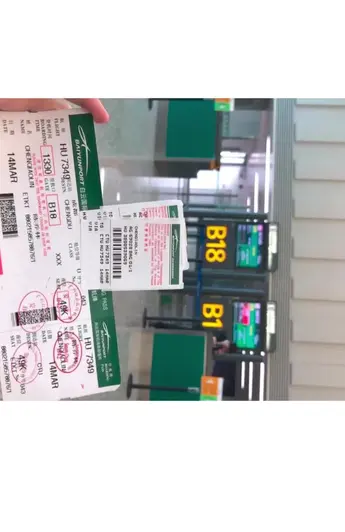
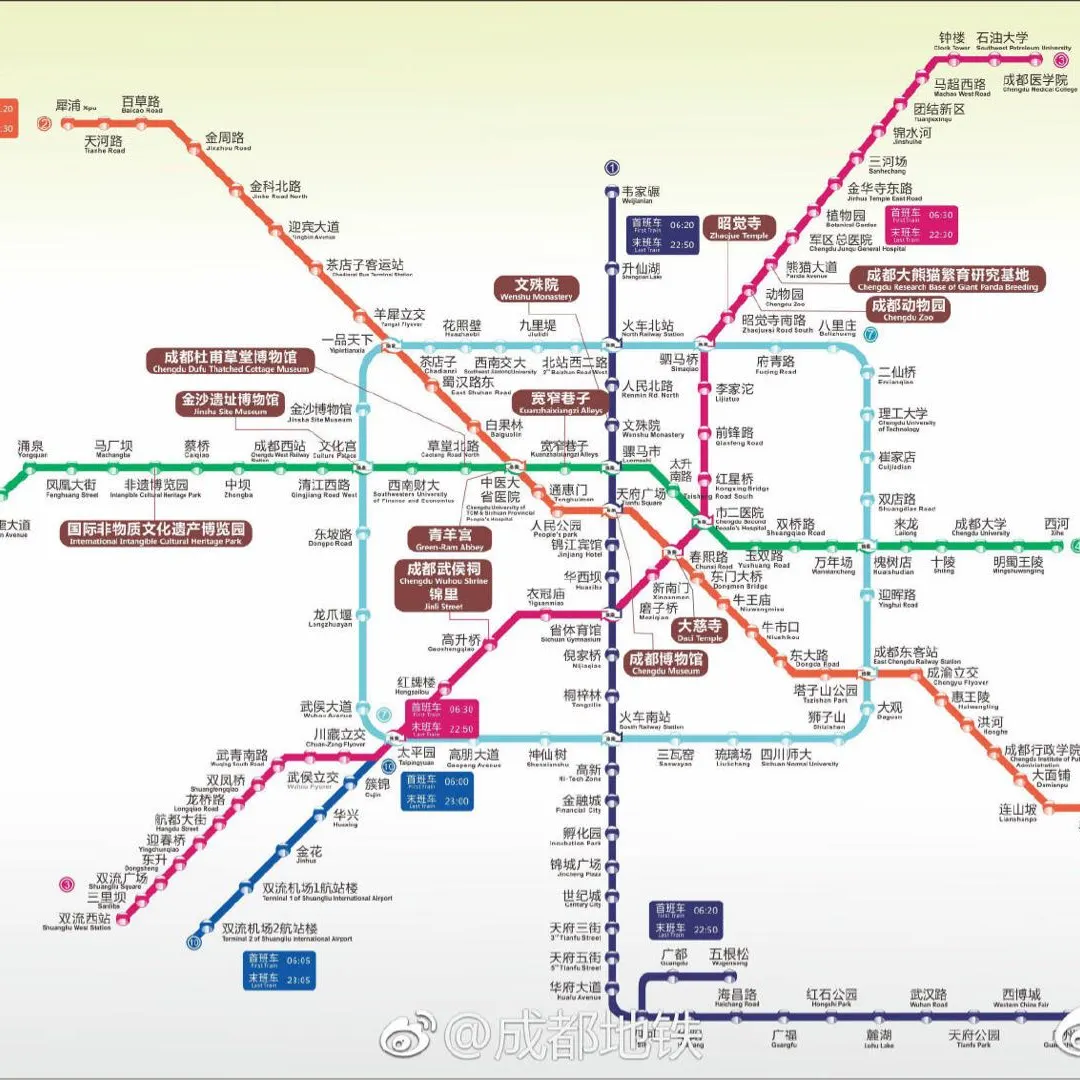
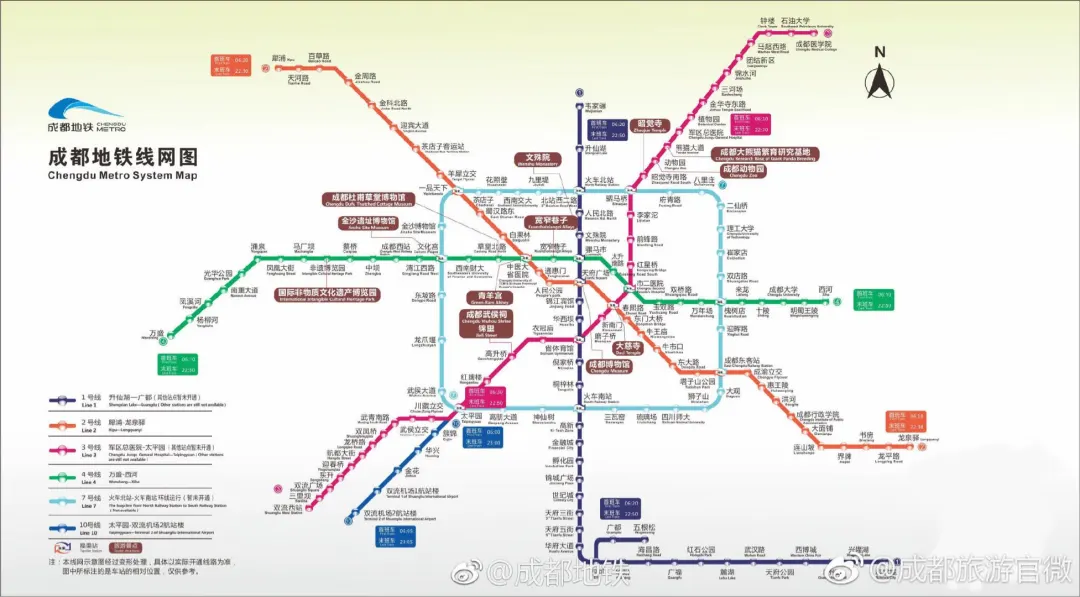
At two in the afternoon, my flight took off from Guangzhou Baiyun Airport. Two hours later, I was standing at the exit of Chengdu Shuangliu Airport. I hopped on the metro and headed toward Gaoshengqiao Station. Chengdu’s subway map clearly marks all major attractions, making it incredibly tourist-friendly.
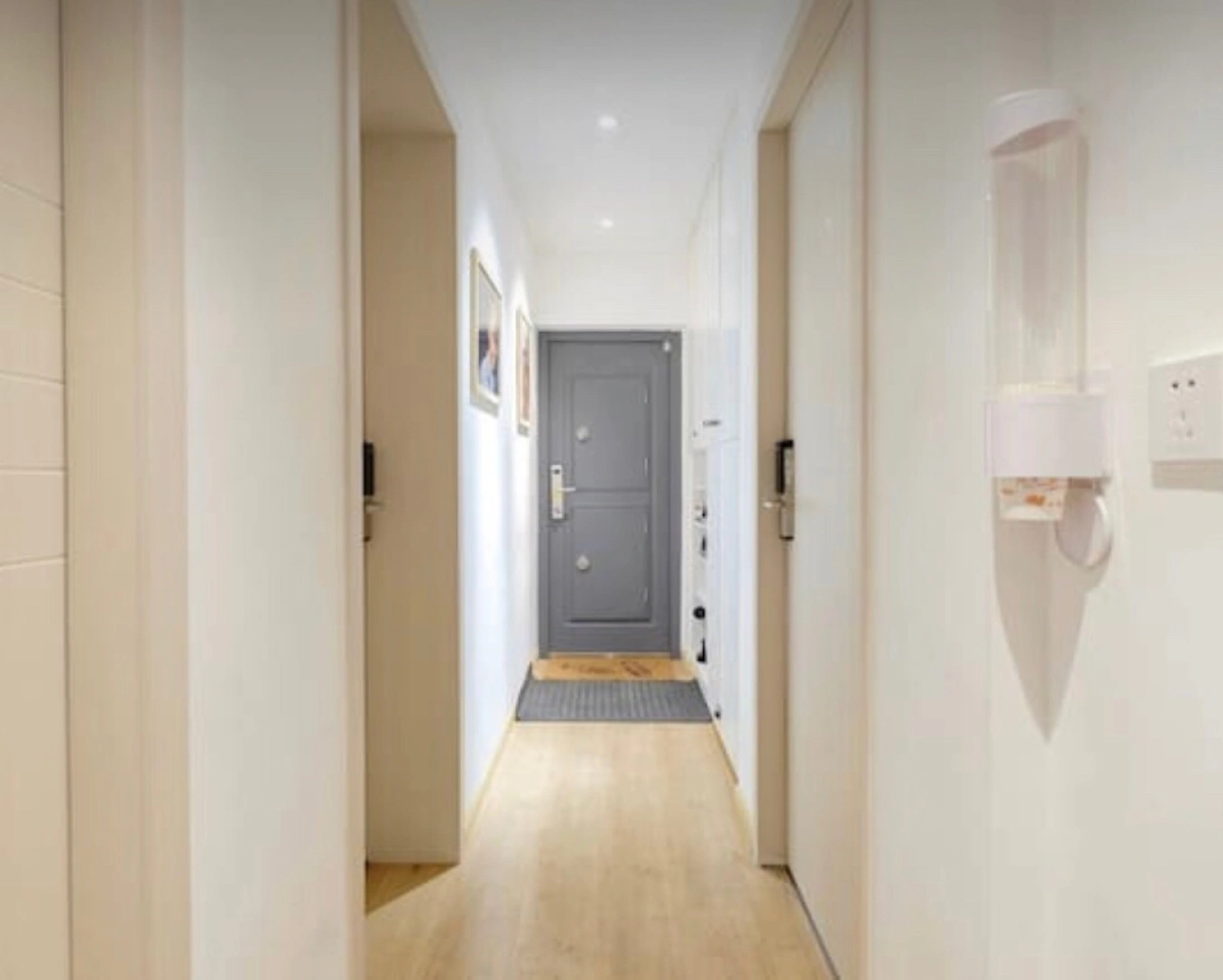
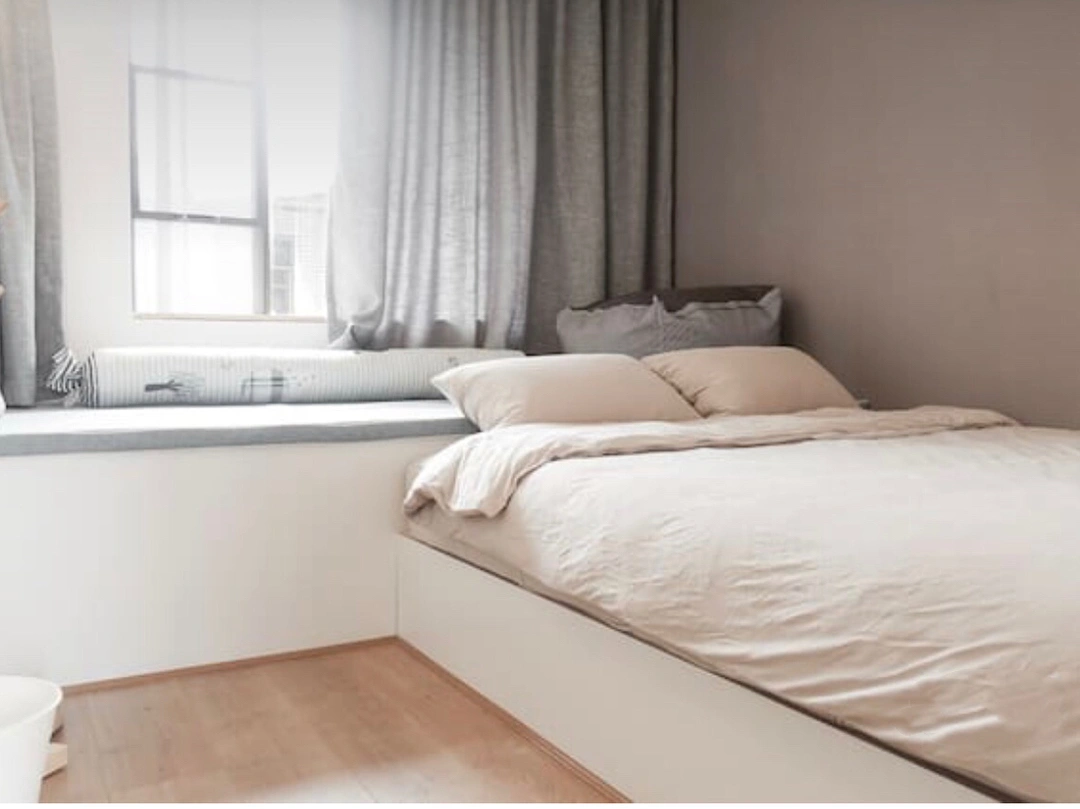
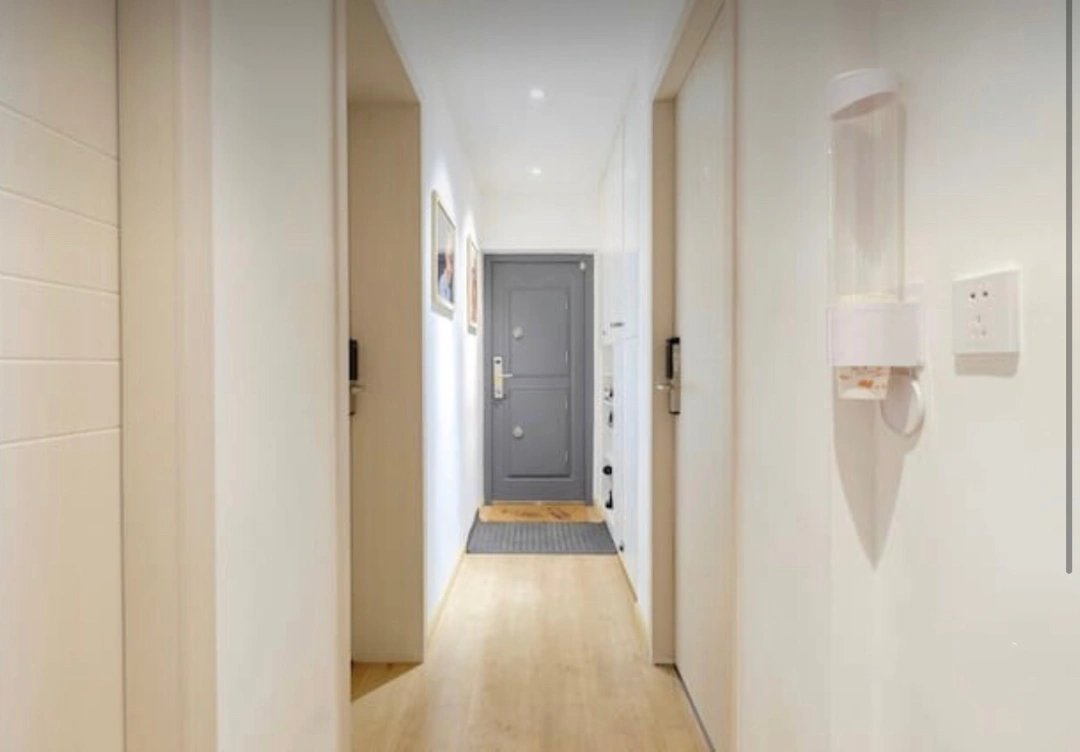
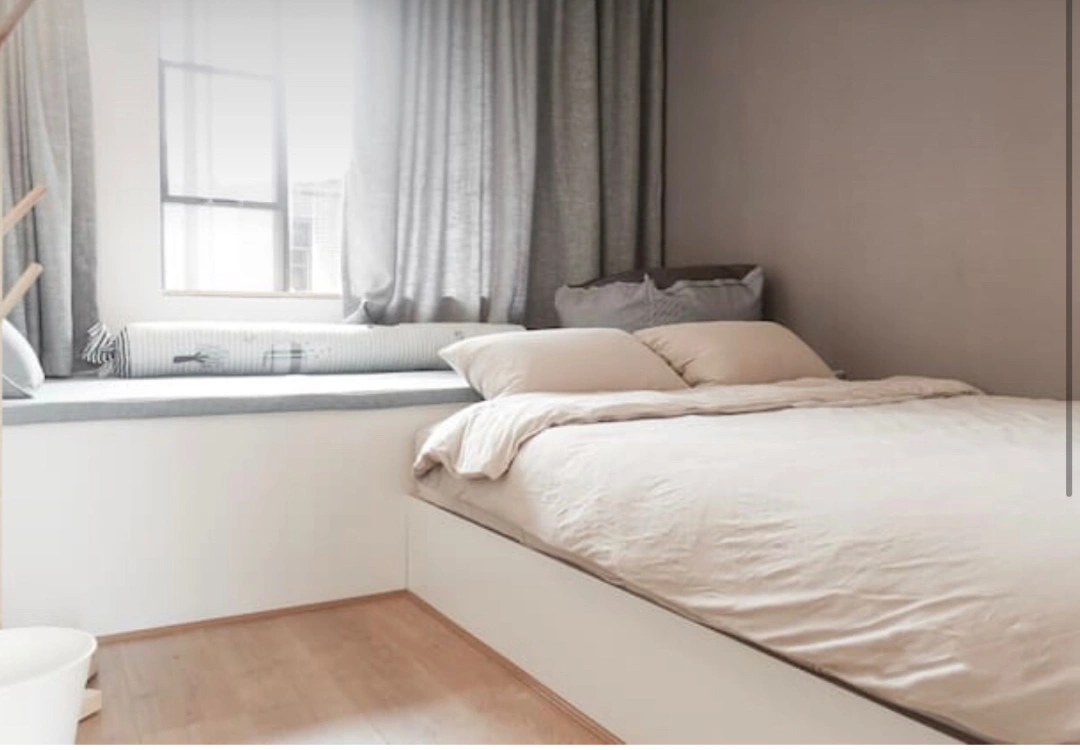
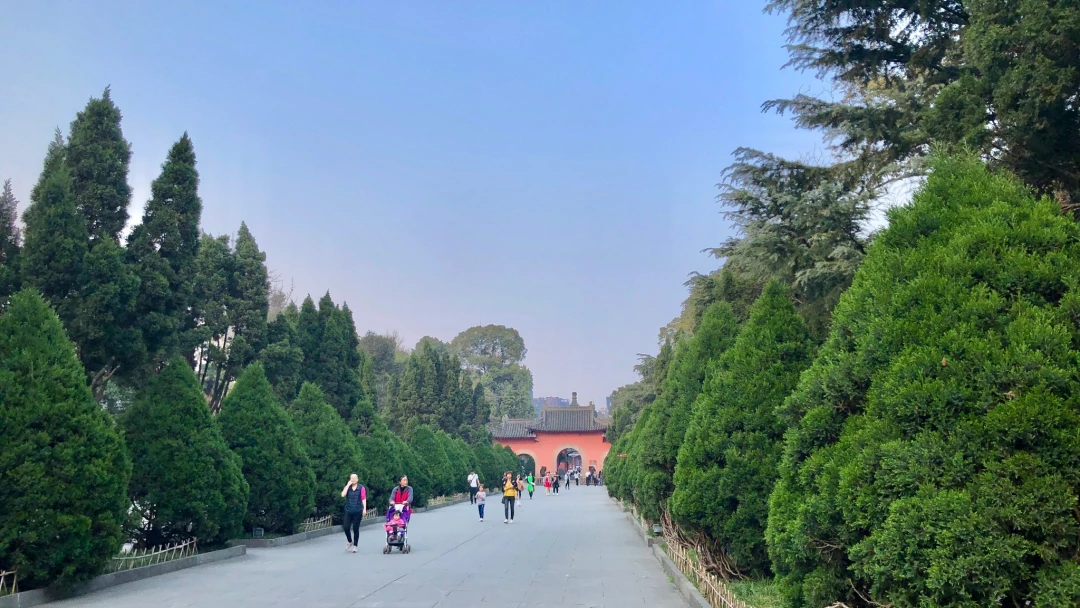
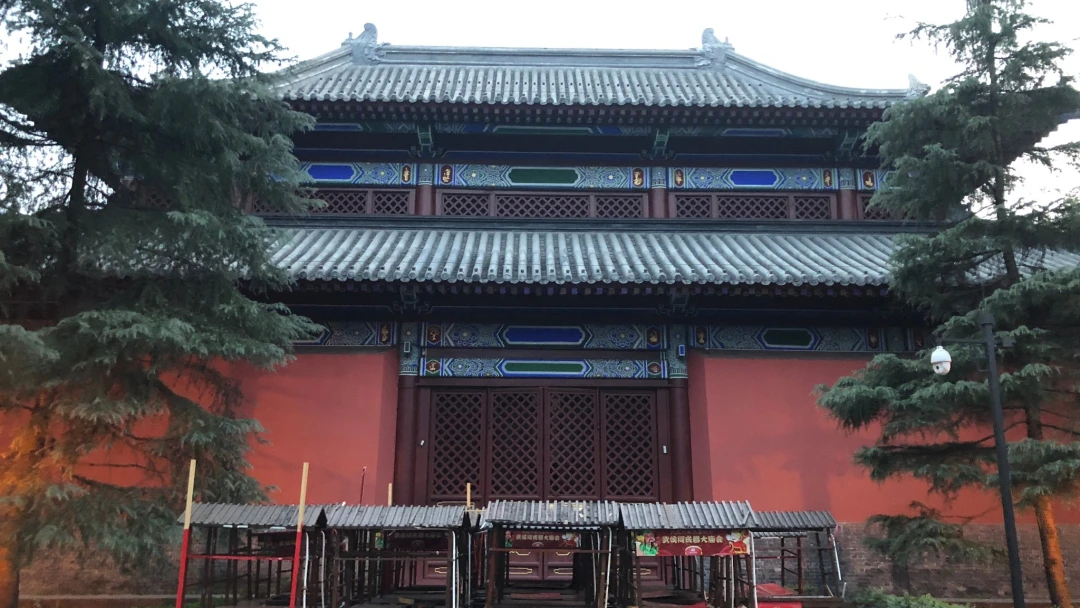
The guesthouse I booked was a renovated architect’s home—minimalist in style, with thoughtful design details everywhere. After dropping off my luggage, I discovered that Wuhou Shrine and Jinli Ancient Street were just a few hundred meters away. An unexpected delight.
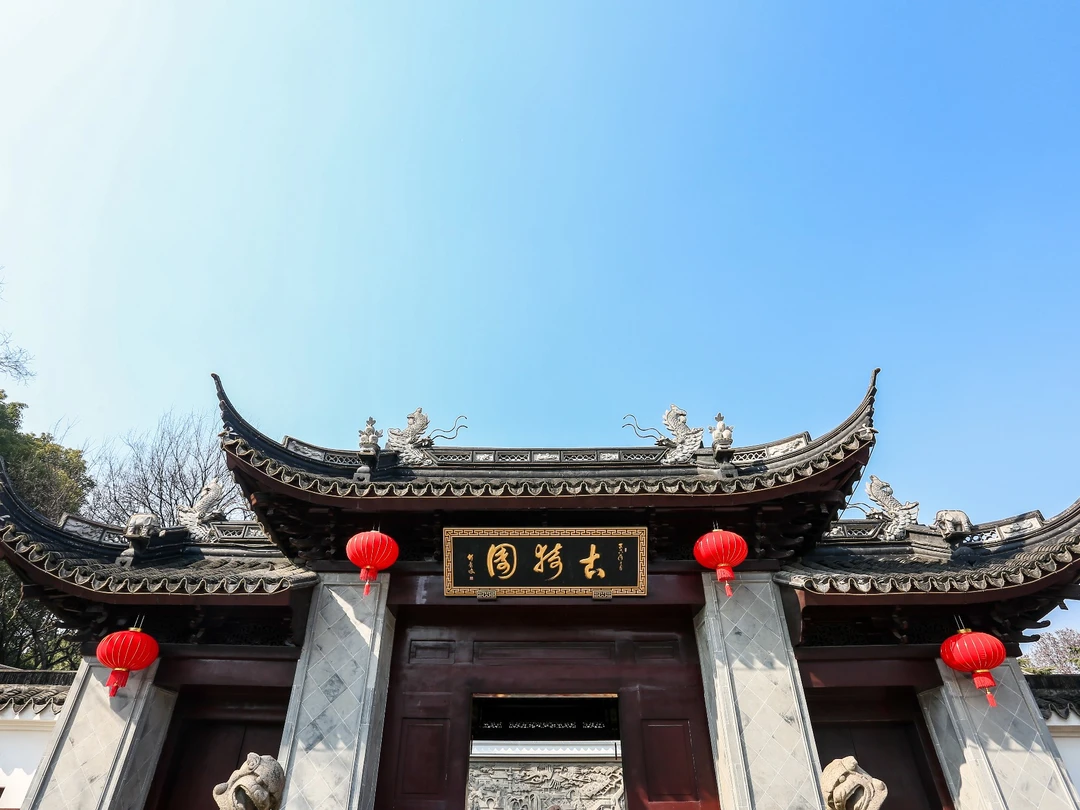
I wandered through the alleyways, where Chengdu’s slow-paced lifestyle blended beautifully with the commercialized charm of an ancient town. Jinli at night was a dreamscape of softly lit lanterns, small bridges over flowing water, and ancient architecture glowing under the lights. By around nine o’clock, feeling satisfied, I walked back to my guesthouse to rest and recharge for the adventure ahead.
[Link: Best things to do in Chengdu at night]
Aba: A Fairy-Tale World Beneath Snowy Peaks
DAY 2: Bipenggou – A Symphony of Ice and Sunshine
Bipenggou is remote and sits at a high altitude, making solo travel inconvenient. I booked a two-day guided tour of Li County. A bus guide accompanied us, but once we reached the scenic area, we were free to explore on our own. The third day included skiing at Zhegu Mountain, which made it excellent value for money.
Early in the morning, I gathered with the group at Wuhou Shrine Square and boarded the bus. Since it was the off-season, only a handful of passengers were on board, which added to the tranquility.
The scenery along the way was breathtaking—vast fields of golden rapeseed flowers stretched out under the sun. As the bus climbed over mountain after mountain, peach blossoms lined both sides of the road, dotting the barren foothills. Occasionally, we spotted adorable lambs and yaks passing by, and an elderly woman carrying a basket, climbing over a pile of rubble to reach the other side of a bridge to plant vegetables.
We made brief stops at Wenchuan and Taoping Qiang Village, one of China’s top ten ancient towns. The old fortress architecture blended seamlessly with the western mountains. There was no heavy commercial atmosphere—only rich ethnic culture and the scent of spring. The village was filled with willow, peach, and pear trees, their green leaves and pink blossoms creating the most beautiful early-spring scene in a western mountain village.
After more than three hours on the road, we finally arrived at the visitor center at the foot of Bipenggou Scenic Area around eleven o’clock. After a quick lunch, I boarded a sightseeing vehicle heading toward Longwang Lake (Dragon King Lake).
Inside the vehicle, snow piled up on both sides, and the world outside gradually turned white. When I got off, I expected it to be freezing, but the sun was blazing, and the temperature felt like it was over ten degrees Celsius. The guide warned it might be colder higher up, but when he saw my down jacket, thermal pants, and gloves, he couldn’t help but laugh, saying, “It’s not that dramatic.” So I decided to go up wearing just a sweater and mesh sneakers.
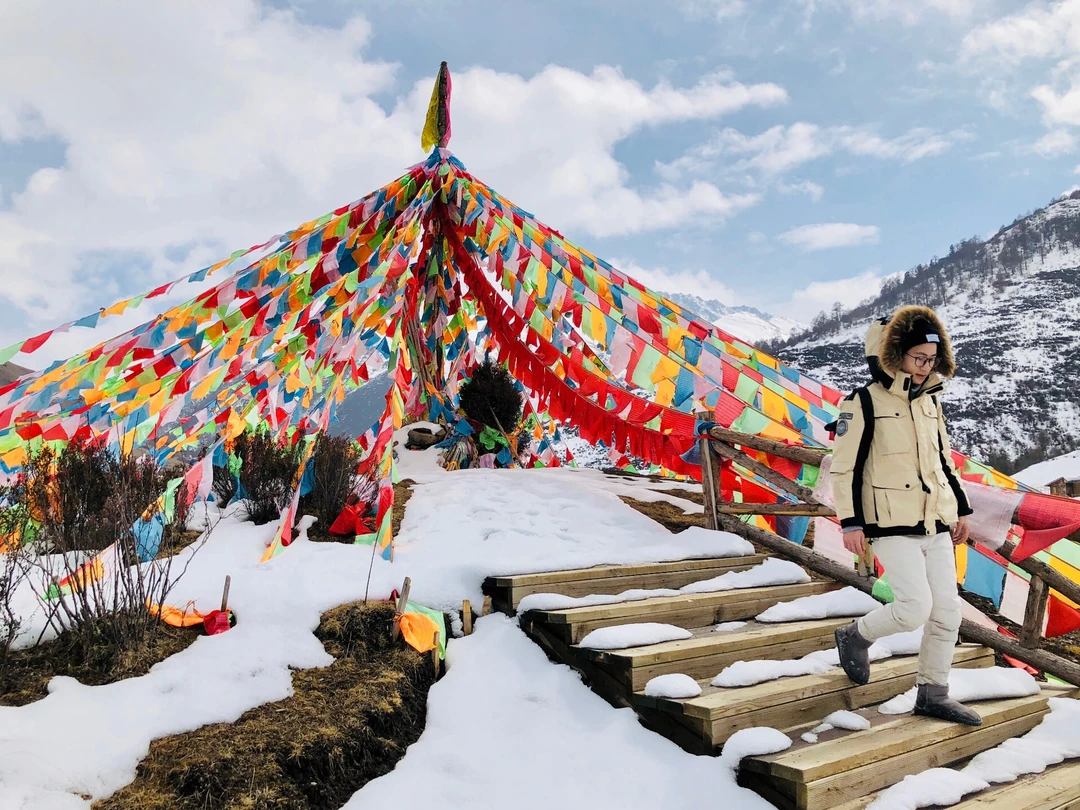
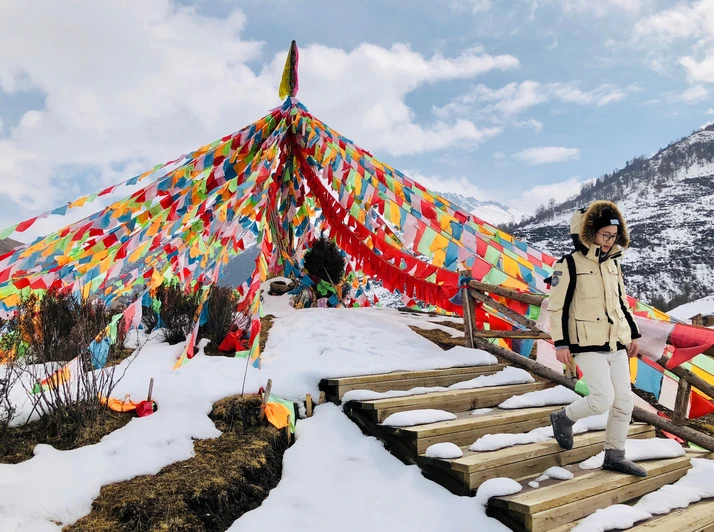
At the first viewpoint, I was confronted by towering, majestic snow-capped mountains and glaciers—an awe-inspiring sight that words cannot capture. The scenic area has different viewpoints from low to high, and the scenery along the way was stunning. My sneakers filled with snow, leaving my feet icy cold. But after shaking them out a few times, the sun and the strong wind from the open-air sightseeing vehicle dried them quickly.
The first sightseeing vehicle was an enclosed bus, but the next two were open-air buggies, allowing us to fully experience the magnificent landscape and breathe in the fresh high-altitude air. The wind was so strong it dried my snow-soaked shoes—perhaps the most unique “shoe dryer” I’ve ever used.
I bought another ticket to continue to Panyang Lake (Sheep Lake). The entire lake was covered in ice and snow, with a long trail of footprints someone had left across the surface. The ice was close to melting, and I admired that person’s courage. Beside the lake was a long boardwalk leading to the other side—unfortunately, the photos from this part of my trip were accidentally deleted, leaving only a corner of the lake in my gallery.
The final stop was Yanziyanwo (Swallow’s Nest), at over 3,000 meters above sea level. This was the most expansive and beautiful part of the entire journey, near the highest point of the glacier above. I was grateful not to experience altitude sickness. Some tourists hiked the entire way up, but I chose the sightseeing vehicle, which included a round trip. I reluctantly left around four in the afternoon.
On the way down, I came across a partially melted snowman. I gathered ice, found some decorations, and rebuilt it—the snowman seemed to smile back at me.
[Link: Bipenggou travel tips and altitude advice]
DAY 3: Zhegu Mountain – A Ski Resort All to Myself
The night before, I stayed in Gulgou (Gul Village), where peach blossoms bloomed on the hillside. Early the next morning, we headed to Zhegu Mountain, about an hour’s drive away. While having breakfast at a shop in the scenic area, I learned that it had snowed the night before, but the daytime temperature was too high—even though it was below freezing, no snow was falling.
The moment I entered the scenic area, I felt like I had stepped into a fairy tale. Because there were so few visitors, the carousel amusement park had stopped operating. The whole area had a slight “snow village” feel to it, but since it was nearly off-season, most facilities were closed.
The only thing operating was the ski slope. At the entrance stood a unique Tibetan yak sculpture. I walked all the way up to a high point, taking in the panoramic beauty of the entire area—every angle was a photo opportunity.
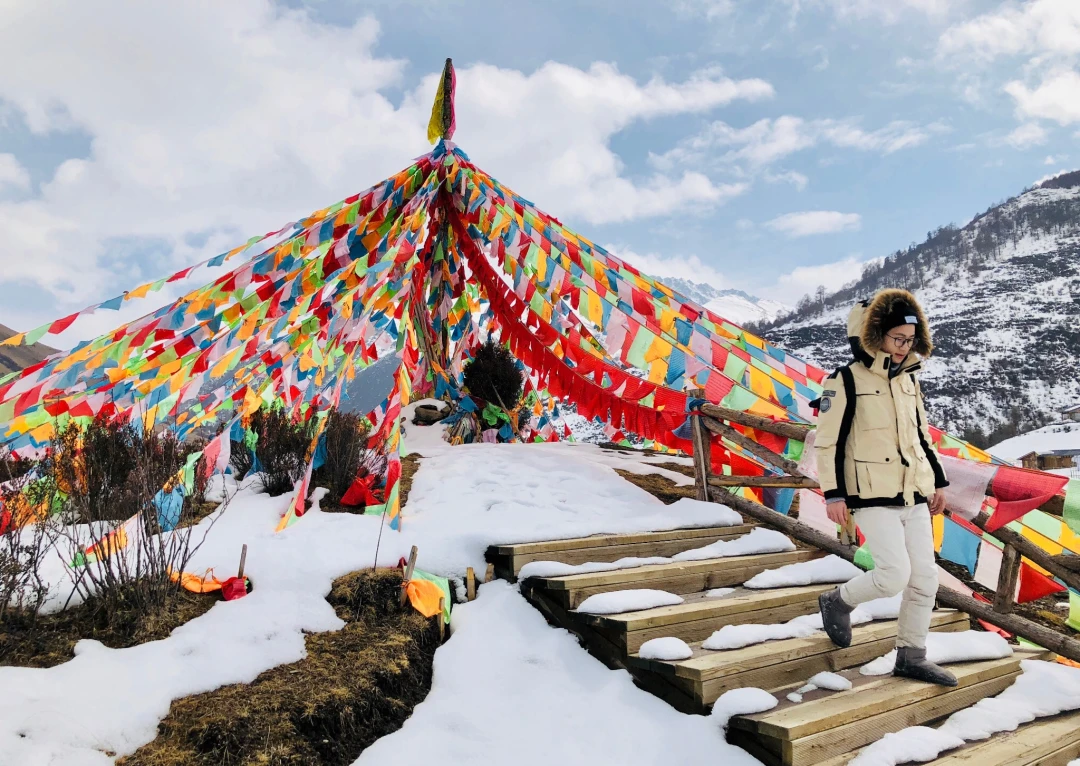
Since I was wearing clothes I’d bought for a trip to Mohe (China’s northernmost city, where temperatures drop to -30°C), I was actually a bit warm. After making a full loop, I saw a few other tourists had arrived, some with their dogs.
It was my first time skiing! The feeling of having the entire slope to myself was incredible—I fell countless times from top to bottom, but it was thrilling. I later learned there was a cable car, but it was closed for the off-season, which was a shame. At high altitudes, physical activity can cause mild dizziness. The ski slope had three runs: beginners used the gentlest middle slope, there was a steeper one on the side, and a very steep one reserved for professionals. Next time it snows, I want to come back and ride that cable car.
[Link: Skiing in Sichuan – Best slopes for beginners]
Chengdu: Artistic Moments Amidst the Hustle and Bustle
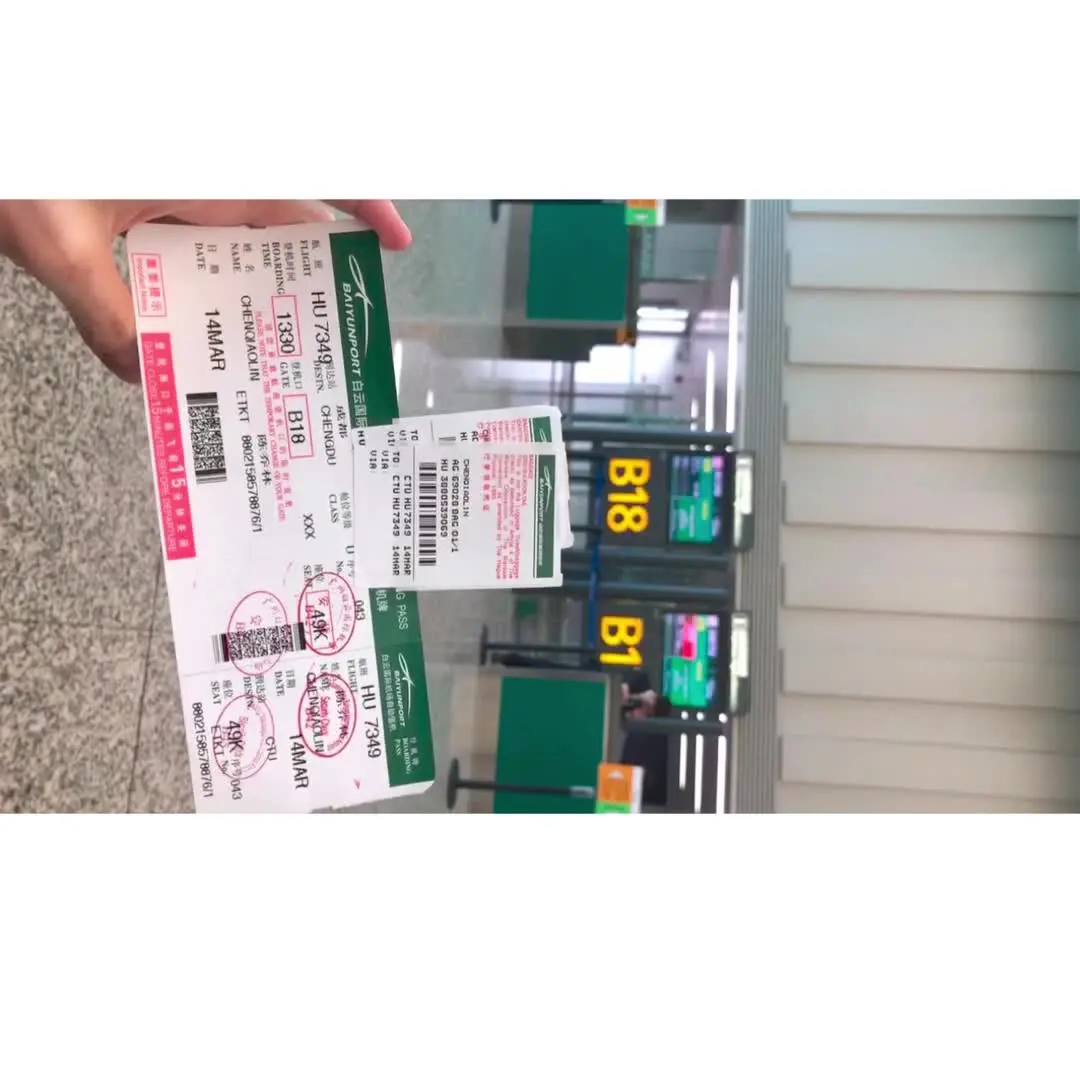
DAY 4: Panda Base and Sichuan Opera Face-Changing
The Panda Base is divided into several zones, with a park-like environment. It features various panda exhibits and electronic videos showcasing fun facts about pandas from birth to adulthood. Watching the national treasures munch on bamboo was utterly captivating.
After exploring the base, I took a direct shuttle to Taikoo Li. After eating hotpot, I checked out Fangsuo Bookstore—a haven for the artsy crowd, with stunning design throughout.
In the evening, I went to Jinjiang Theater to watch Sichuan opera. There are only two theaters in Chengdu that offer authentic Sichuan opera performances, and both only have evening shows. I bought the best seats to fully enjoy the face-changing performance—a must-see cultural experience.
[Link: Chengdu cultural experiences and Sichuan opera guide]
FAQ: Planning Your Winter Trip to Aba and Western Sichuan
1. What is the best time to visit Bipenggou for snow? The best time to see heavy snow in Bipenggou is from late December to early March. Mid-March offers a mix of snow and early spring blossoms, as seen in this journey.
2. Is it safe to travel solo in Aba Prefecture? Yes, but it is recommended to join a guided tour for remote areas like Bipenggou due to high altitudes and limited public transport. Solo travelers should also prepare for altitude sickness.
3. Do I need special gear for Zhegu Mountain skiing? If you visit during the off-season, bring your own warm layers and ski gloves. Rental equipment is available, but availability may be limited. Thermal clothing is essential for high-altitude skiing.
4. How do I get from Chengdu to Aba? Most travelers take a bus or join a tour from Chengdu. The drive to Bipenggou takes about 3–4 hours. Public buses are available to Li County, but tours offer more convenience.
5. Can I visit Bipenggou and Zhegu Mountain in one trip? Yes. Many two- or three-day tours from Chengdu combine both destinations. This is a popular itinerary for winter travel in Western Sichuan.
Plan Your Own Winter Fairy Tale in Aba
This spontaneous journey into Western Sichuan’s hidden paradise proved that the best adventures are often unplanned. From the icy beauty of Bipenggou to the solo ski slopes of Zhegu Mountain and the cultural heartbeat of Chengdu, Aba Prefecture offers a winter fairy tale unlike any other.
Whether you are a solo traveler, a nature lover, or a first-time skier, Aba in winter is calling your name.
Ready to embark on your own Sichuan winter adventure? Book your tour today and experience the magic of Western Sichuan’s snowy peaks, ancient villages, and vibrant culture.
[Link: Book your Aba winter tour now]
You may also like