Rediscovering Shanghai: A Two-Day City Walk Through Old and New
Meta Description: Explore Shanghai in 48 hours with this SEO-optimized city walk guide. From Wukang Building to Yu Garden, discover iconic landmarks, local eats, and hidden gems. Perfect for first-time and returning visitors.
Introduction: Why Shanghai Deserves a Second Look
There's something magical about returning to a city you thought you already knew. The first time I visited Shanghai, I was a wide-eyed undergraduate, rushing from one famous landmark to another with friends, capturing the obligatory photos before moving on. We saw the city, yes—but we never felt it.
Years later, with the chill of winter finally melting into spring, I found myself boarding a plane bound for Shanghai once again. This time, I was determined to slow down, to wander without purpose, and to let the city reveal itself at its own pace. What followed were two days of accidental discoveries, culinary adventures, and the kind of urban exploration that reminds you why travel matters.
Here's my story—complete with practical tips for navigating Shanghai, hunting down legendary burgers, and capturing that perfect shot of the "Luojiazui Three-Piece Set."
Getting to Shanghai: Travel Tips for a Smooth Start
Flight Options and Seat Selection
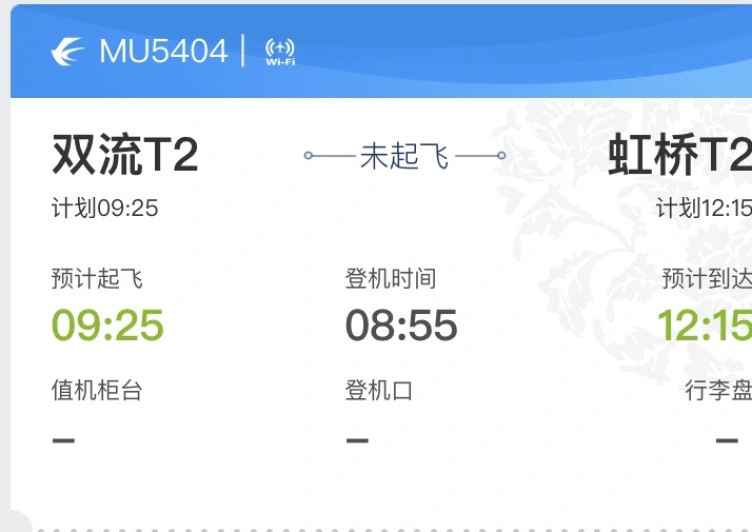
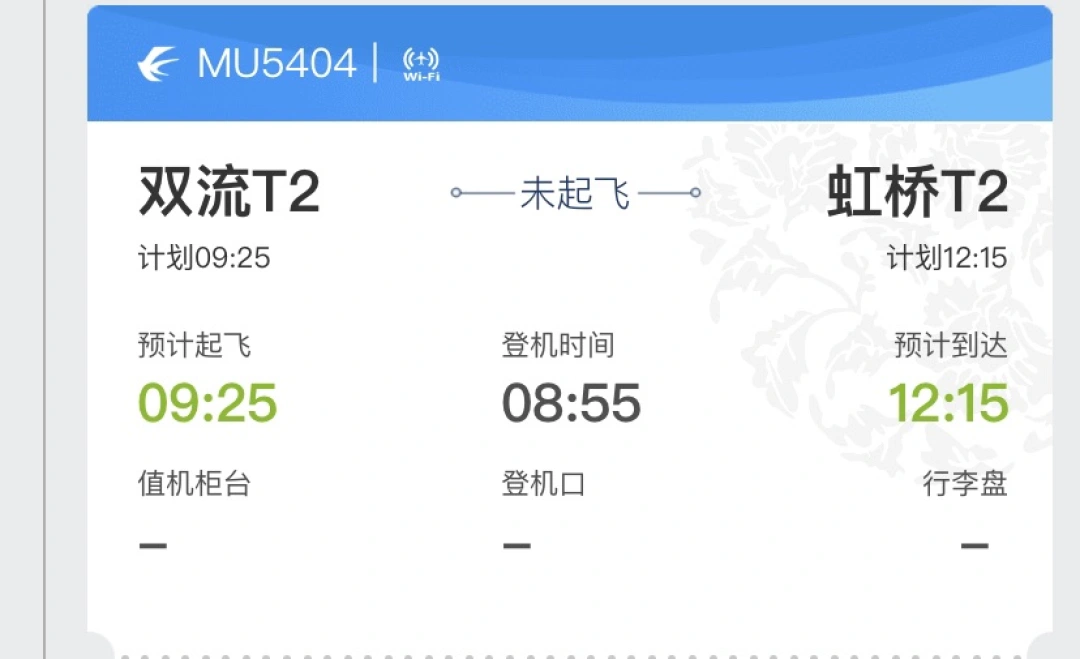
My journey began with China Eastern Airlines' "Fly As You Wish" pass—a blessing for spontaneous travelers. The aircraft was an Airbus 332, and I'd snagged the first row in economy class. If you ever have the chance, take that seat. It sits right behind business class with no seat in front of you, giving your legs the freedom they deserve on a short flight.
Before I knew it, we were touching down at Hongqiao Airport. A quick transfer to Metro Line 2, and I was heading straight into the heart of the city.
Navigating Shanghai Like a Local
Let me save you some frustration: download the Shanghai Public Transportation Card app before you arrive. Once you've set it up and linked it to your digital wallet, you can tap your phone against the metro gate sensor—no need to even unlock the screen. It's seamless, efficient, and makes you feel like a true local.
Apple Wallet users, your card will look clean and professional. Android users, you're covered too. Just get it done before you start exploring.
[Link: Shanghai Metro Guide for Tourists]
Day One: Icons and Indulgence in Shanghai's Old City
The Iconic Wukang Building: A Photographer's Dream
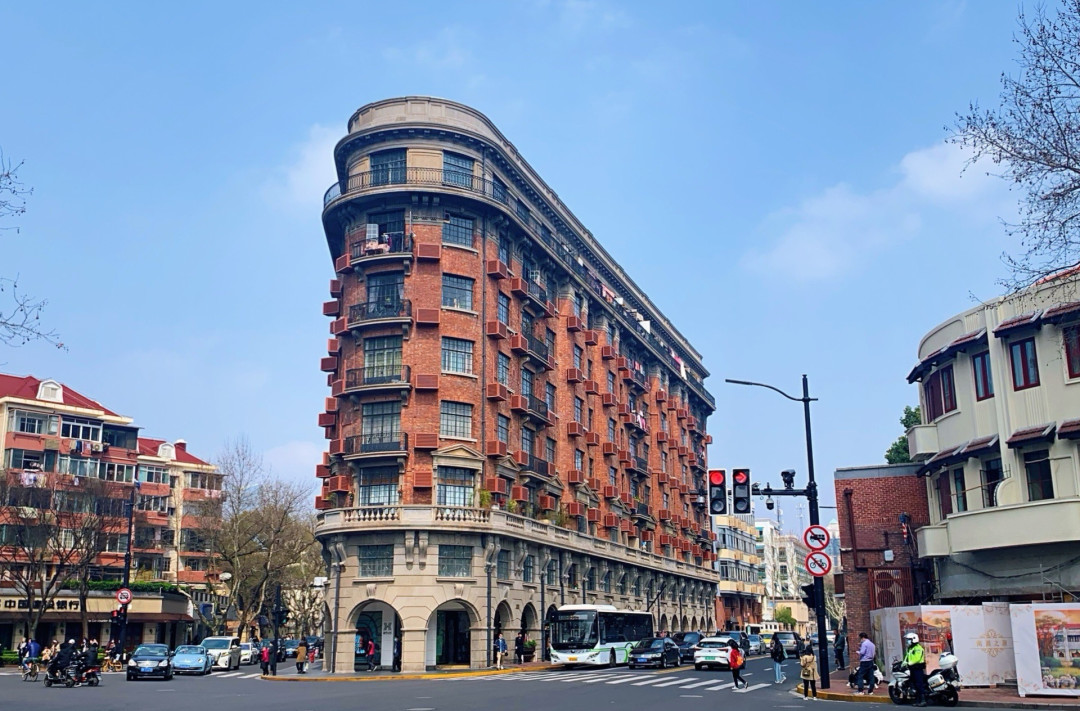
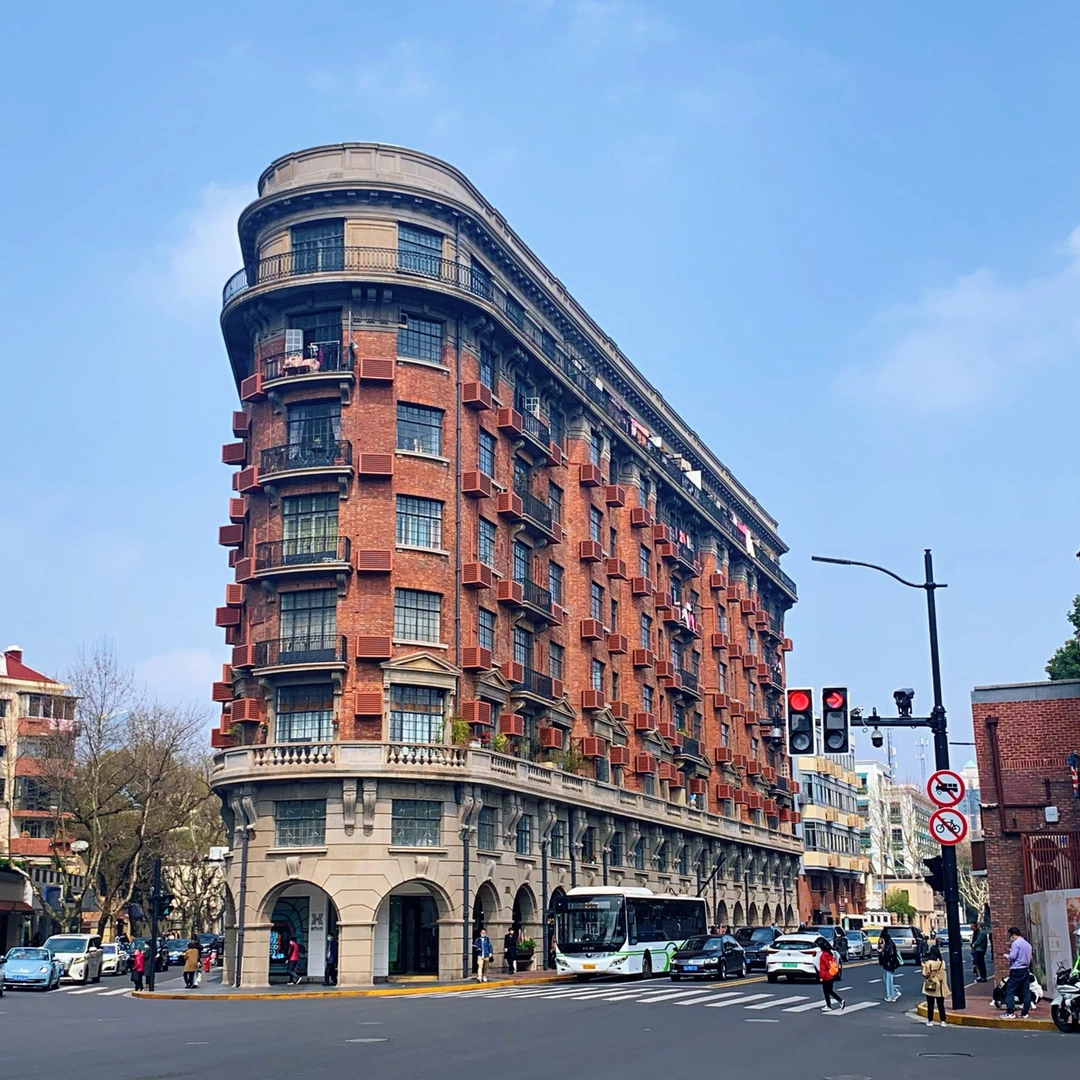
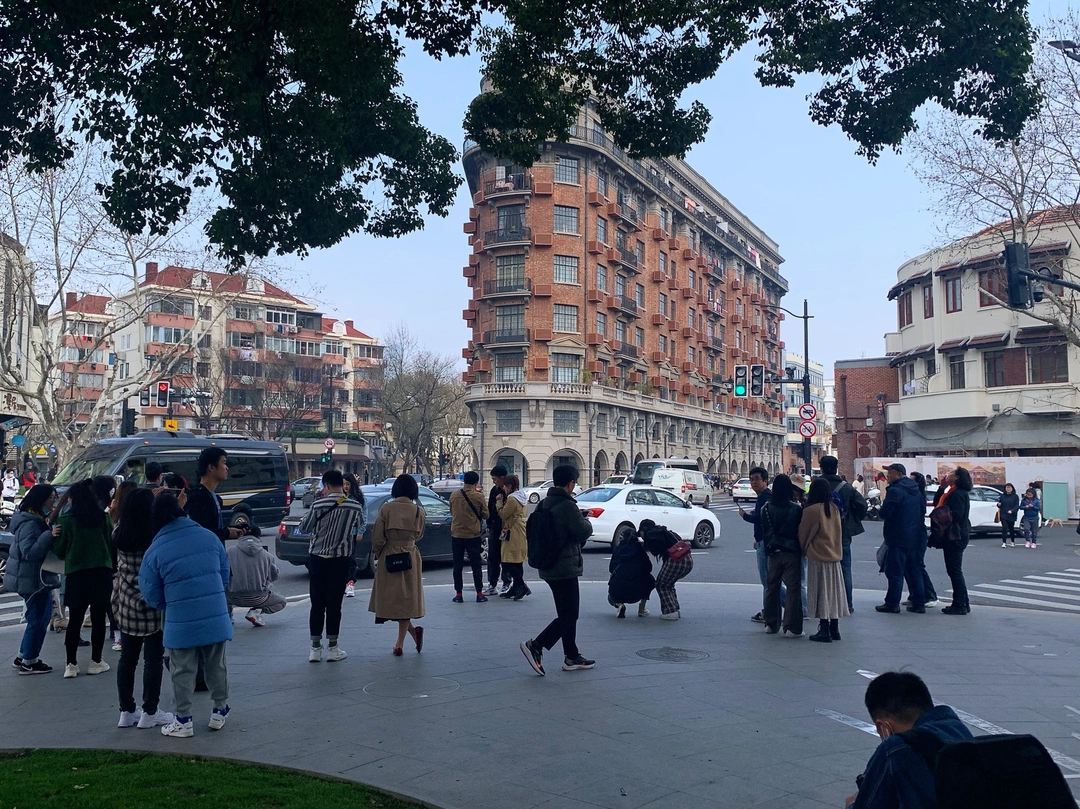
My first stop was the Wukang Building (formerly Normandie Apartments), located at 1850 Huaihai Middle Road in Xuhui District. This architectural marvel sits at the intersection of five roads—Wukang Road, Xingguo Road, Huaihai Road, Tianping Road, and Yuqing Road—making it look like a massive ship navigating a sea of urban life.

Built in 1924, it was Shanghai's first exterior-corridor apartment building. If it looks familiar, you might recognize it from the hit TV drama Nothing But Thirty, where it served as the protagonist's home. Standing there, I couldn't help but wonder about the stories these walls have witnessed over the past century.
The surrounding Wukang Road (formerly Route Ferguson, named after American missionary John Ferguson) is often called the "Road of Famous Figures" for its concentration of historical residences. No wonder tourists and photographers flock here—it's a living museum of Shanghai's modern history.
Pro tip: Be prepared for crowds. Everyone wants their photo with this building, so patience is key. Find your angle, wait for your moment, and snap away.
A Feast for the Senses: Shanghai's Best Local Eats
After checking into my hotel, hunger struck. Shanghai is famous for its crab roe noodles, shengjian buns (pan-fried pork buns), and crab roe soup dumplings. I was too ravenous to photograph my meal, but I'll share the names of the places I visited so you can try them yourself.
Crab roe soup dumplings: Honestly, I found them a bit too watery. The flavor was subtle to the point of being lost. But the crab roe noodles? A different story entirely. Rich, oily, and decadent—though they can get heavy after a few bites. Expect to pay a premium for anything crab-related in Shanghai, but as the old saying goes, "Since you're already here..."
Xiao Yang Shengjian came highly recommended by a friend, and I can see why. The classic pork version was a revelation—tender meat, rich broth, and a crispy bottom that left me craving more. The shrimp variant, however, felt underwhelming. Perhaps the Sichuan peppercorn seasoning overwhelmed the delicate shrimp flavor.
[Link: Best Street Food in Shanghai]
A Brick-by-Brick Journey at LEGO Flagship Store

With a full stomach, I wandered toward Nanjing Road East and stumbled upon the LEGO Brand Flagship Store. My plan was to customize a minifigure and create a pixel art portrait, but the crowds had other ideas.
Even without the customization, the store is worth a visit. The centerpiece is a massive LEGO replica of the Oriental Pearl Tower, built entirely from bricks glued together (so yes, you can touch them). There's also a wall depicting old Shanghai alleyways, painstakingly recreated in LEGO form. It's a delightful intersection of childhood nostalgia and cultural appreciation.
The Bund: Quiet Majesty at Sunset
From Nanjing Road, I walked toward The Bund. Despite it being a weekend, the crowds were manageable—nothing like the chaos of a national holiday.
The Wanguo Architecture Cluster (Exotic Building Cluster) stretches along the western bank of the Huangpu River, from Waibaidu Bridge in the north to Jinling Road East in the south. These buildings, constructed during the concession era, now form a protected cultural heritage site.
The weather was overcast, which gave the skyline a soft, melancholic beauty. The skyscrapers of Lujiazui across the river looked less like symbols of ambition and more like silent giants resting in the mist. I spotted the China Interbank Funding Center, a building that perfectly embodies the collision of old and new Shanghai.
One tree caught my eye—its bare, twisted branches reminded me of the Whomping Willow from Harry Potter. Sometimes, the most memorable sights aren't the landmarks, but the unexpected details.
After a long day, I considered stopping at a riverside bar. But fatigue won, and I headed back to my hotel, saving my energy for tomorrow.
Day Two: Gardens, Skyscrapers, and Burgers in Modern Shanghai
Breakfast at Lao Sheng Xing: A Local's Choice

My hotel was new, and its restaurant wasn't open yet. Instead, they gave me a 20-yuan voucher for Lao Sheng Xing Tang Bao Guan across the street. The place was packed with locals—always a good sign.
Not knowing what to order, I asked the owner for a recommendation. He suggested the braised pork and eel noodle soup (braised pork and eel noodle soup). At 27 yuan (even cheaper with the voucher), it came with two large slabs of braised pork and three pieces of eel.
The flavor was distinctly Shanghainese—sweet and slow-cooked until tender. The pork reminded me of Northeastern braised pork belly, but sweeter. The eel was dry and slightly sweet, pairing perfectly with the savory broth. If you're in the area, this is a must-try.
Yu Garden: A Step Back in Time
After breakfast, I took Metro Line 10 to Yu Garden. Tickets are 30 yuan for adults (half price for students and seniors), and you can buy them at the automated machines outside.
Built during the Ming Dynasty (starting in 1559), Yu Garden was originally a private garden for Pan Yunduan, a Sichuan provincial official. The character "Yu" means "peace" and "safety," reflecting the garden's purpose as a retreat for joy and tranquility.
The garden lives up to its reputation as "the most beautiful garden in the Southeast." I wandered through winding paths, crossed small bridges, and admired the harmony of rocks, water, and ancient trees. Spring was just beginning to show—a single branch of flowers reaching over a wall felt like a promise of warmer days ahead.
The garden's crown jewel is the Jade Rock (Jade Rock), one of the three famous ornamental stones in Jiangnan. It's said that if you burn incense at its base, smoke will drift through every hole in the stone. Whether that's true or not, it's a masterpiece of natural sculpture.
A nearby screen wall bears four characters: Huan Zhong Da Kuai (Huan Zhong Da Kuai), which translates to "Great Happiness in the Midst of Change." It's a fitting motto for a city that constantly reinvents itself while honoring its past.
[Link: Top Historical Sites in Shanghai]
The Luojiazui Skyline: Capturing the "Three-Piece Set"
No trip to Shanghai is complete without seeing the Luojiazui skyline—affectionately known as the "Three-Piece Set" (the Oriental Pearl Tower, Shanghai Tower, and Shanghai World Financial Center). For the best photo, head to the Bund Observation Deck or cross the river to Lujiazui Green Area.
The contrast between Yu Garden's ancient tranquility and Lujiazui's futuristic ambition is what makes Shanghai so unique. In one day, you can walk from Ming Dynasty gardens to 21st-century skyscrapers—a journey through 600 years of Chinese history.
Where to Find Shanghai's Best Burgers
After a day of exploring, I was craving something familiar. Shanghai has a thriving burger scene, from high-end gastropubs to hidden hole-in-the-wall joints. For a legendary burger, try The Butcher's Shop on Wukang Road or Charlie's Burger on Xiangyang Road. Both offer juicy, hand-pressed patties that rival anything in New York or London.
FAQ: Your Shanghai City Walk Questions Answered
1. What's the best time to visit Shanghai for a city walk?
 Spring (March-May) and autumn (September-November) offer the most pleasant weather—mild temperatures, lower humidity, and fewer crowds than summer. Avoid Chinese national holidays (especially Golden Week in October) when attractions are packed.
2. How do I get around Shanghai efficiently?
The Shanghai Metro is your best bet—it's clean, affordable, and covers all major attractions. Download the Shanghai Public Transportation Card app for tap-and-go access. For shorter distances, use ride-hailing apps like Didi or hail a taxi (make sure the meter is running).
3. What should I eat in Shanghai besides the famous soup dumplings?
Don't miss shengjian buns (pan-fried pork buns), crab roe noodles, braised pork and eel noodle soup, and xiaolongbao (soup dumplings). For dessert, try eight-treasure rice pudding or osmanthus cake.
4. Is Yu Garden worth the entrance fee?
 Absolutely. At 30 yuan, it's one of the best-value attractions in Shanghai. You'll spend 1-2 hours exploring the traditional Chinese garden, rockeries, and pavilions. Combine it with a visit to the nearby City God Temple for a full cultural experience.
5. How can I avoid crowds at popular spots like Wukang Building?
Visit early morning (before 9 AM) or late afternoon (after 4 PM) on weekdays. Weekends are always busy. If you're a photographer, bring a wide-angle lens to capture the building's unique shape without including too many people.
Conclusion: Why You Should Rediscover Shanghai
Shanghai is not a city to be conquered—it's a city to be savored. Whether you're standing beneath the Wukang Building's ship-like prow, slurping crab roe noodles in a hidden eatery, or watching the sun set over the Bund, every moment offers a chance to connect with this extraordinary place.
Your next step: Book that flight, download the transportation app, and prepare to fall in love with Shanghai all over again. And when you're there, don't just see the sights—feel them. Wander without purpose. Let the city reveal itself.
Ready to explore? Start planning your Shanghai city walk today. Pack comfortable shoes, bring your appetite, and leave your expectations at home. The real Shanghai is waiting.
[Link: Shanghai 3-Day Itinerary for Culture Lovers]
Have you visited Shanghai recently? Share your favorite hidden gem in the comments below!
You may also like