My Wonderful Weekend: Exploring the Shanghai Museum (East Pavilion) — A Cultural Journey Through Thousands of Years
Here is the SEO-optimized rewrite of your article, structured for search engine visibility while maintaining the engaging narrative of your original piece.
Shanghai Museum East Pavilion Guide: A Complete Cultural Journey Through Ancient Chinese Art
Meta Description: Explore the Shanghai Museum East Pavilion in this comprehensive guide. Discover ancient bronze artifacts, jade treasures, and plan your visit with our expert tips. A must-read for culture lovers visiting Shanghai.
Introduction: Why the Shanghai Museum East Pavilion is a Must-Visit
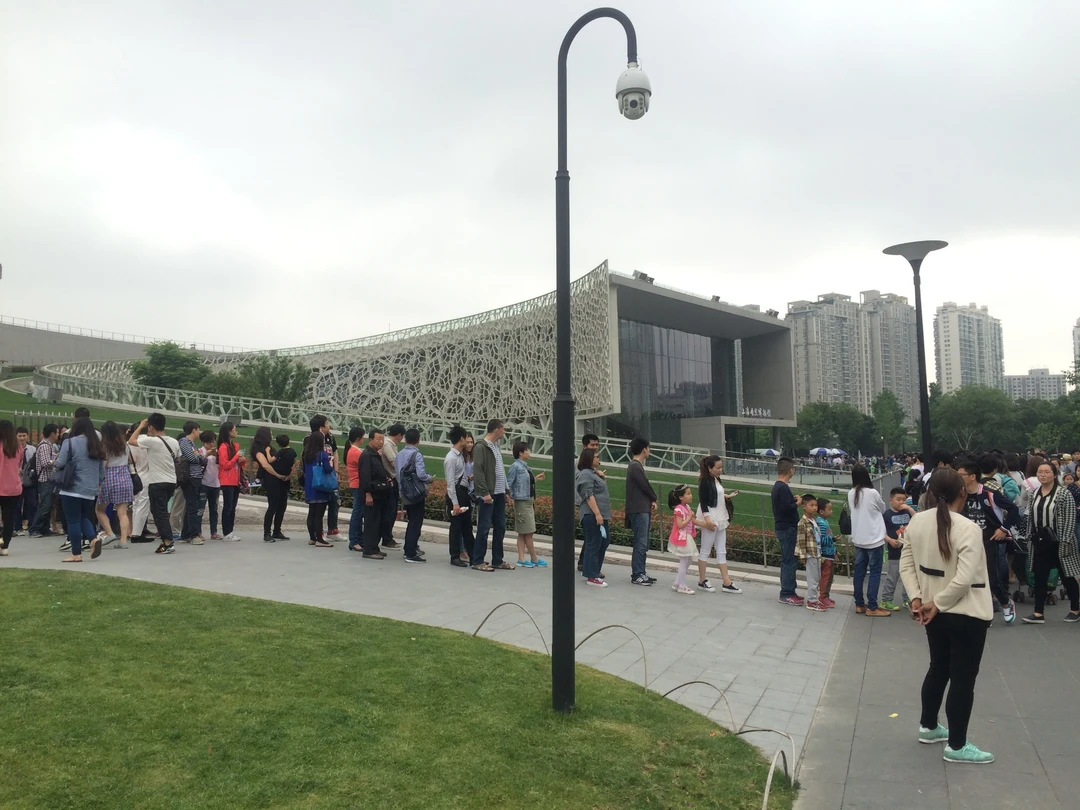
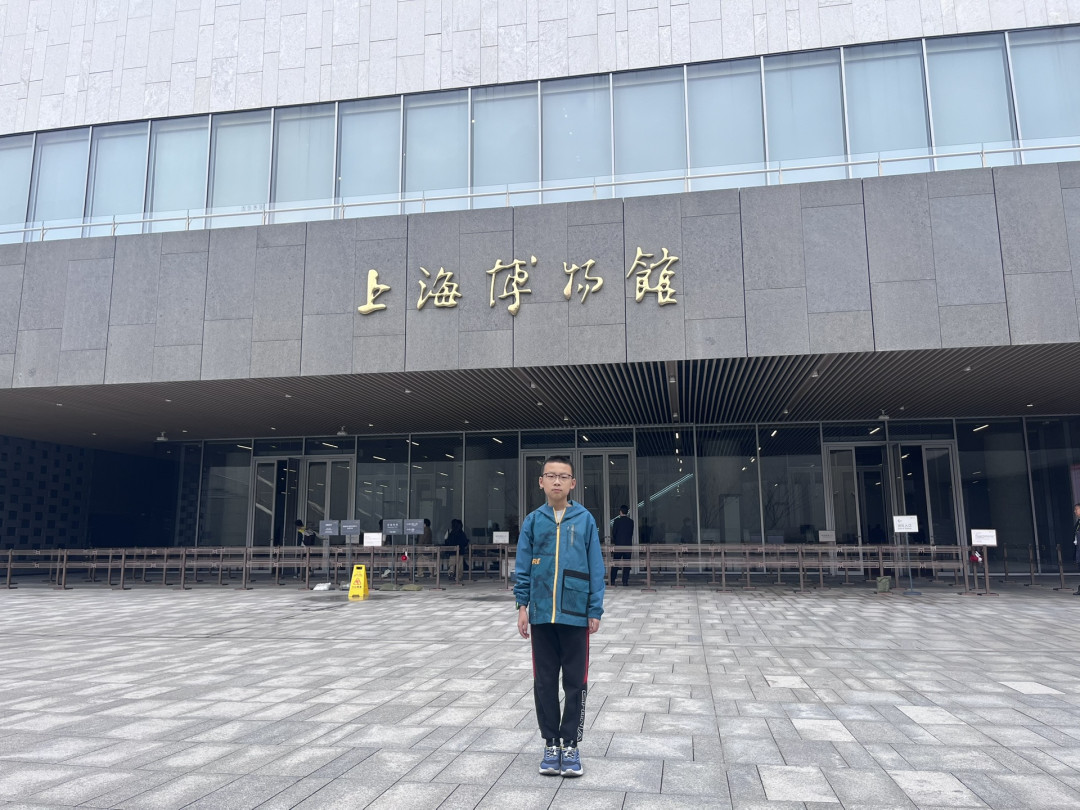
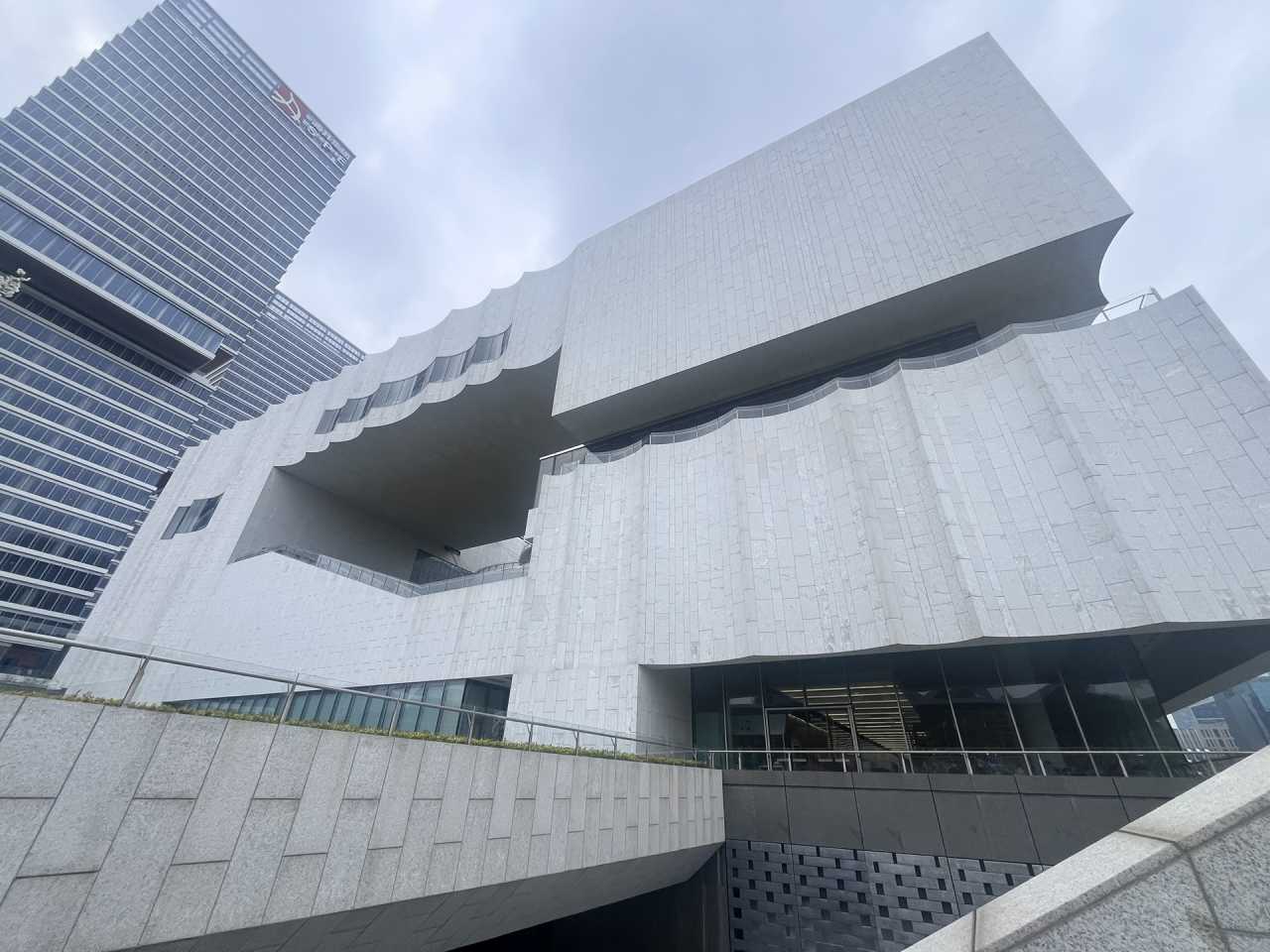
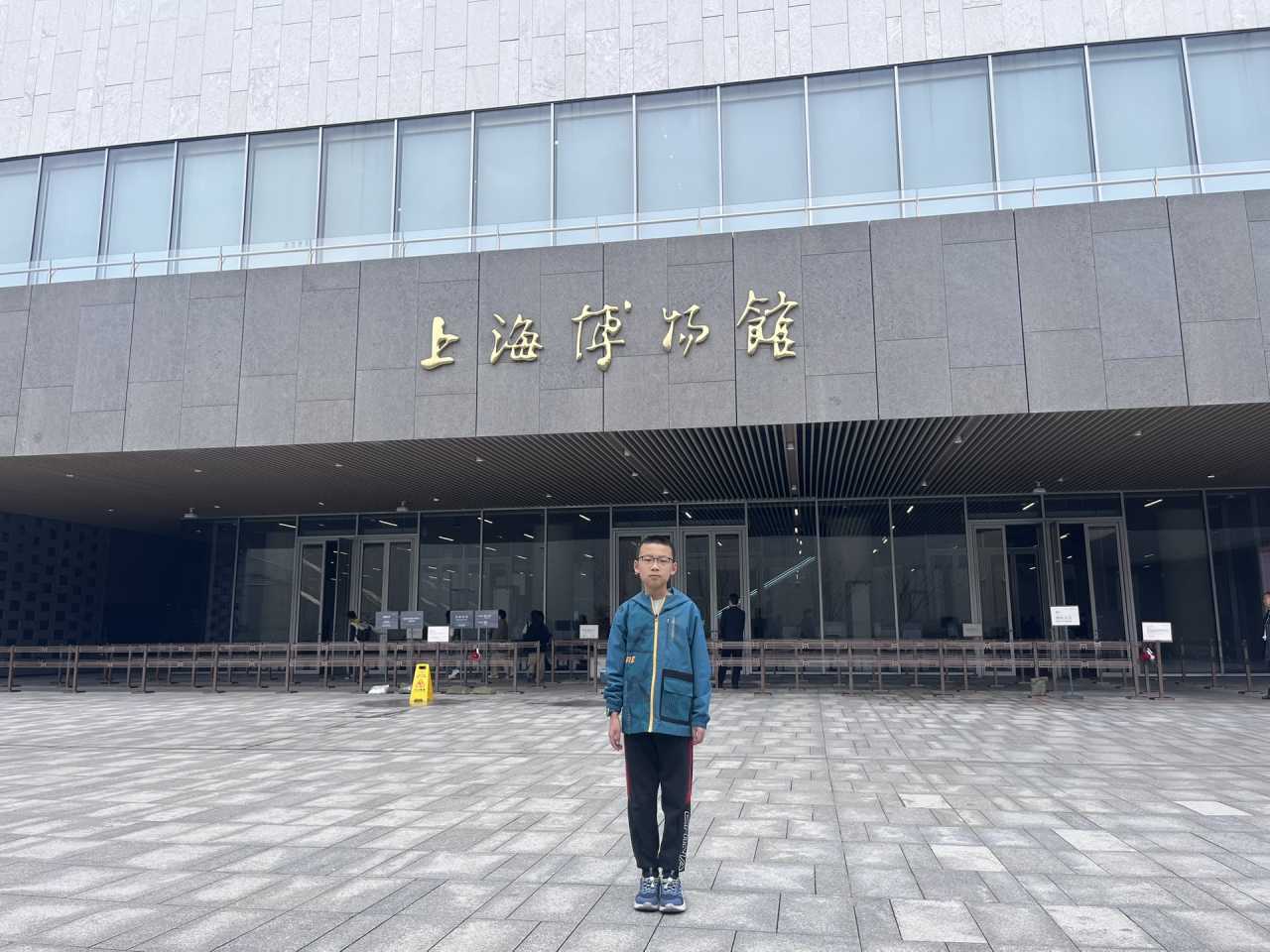
If you have ever experienced the long queues at the Shanghai Museum's People's Square location, you know the struggle. During last year's Dragon Boat Festival, my child and I waited two hours just to see the Egyptian mummies. Fast forward ten months, and our visit to the newly opened Shanghai Museum East Pavilion was a completely different story: no reservations, no queues, just a quick ID scan and we were inside.
This new branch of the Shanghai Museum offers a refreshing, accessible experience that puts the focus back where it belongs—on the art. For anyone planning a weekend in Shanghai, this is an unmissable destination. As we stood before the wide-open doors, I thought: This is what a museum should be.
What Makes the Shanghai Museum East Pavilion Special?
The Shanghai Museum is a world-renowned institution, tracing its roots back to the Royal Asiatic Society in 1874. Officially founded in 1952, it is one of China's first national-level key museums. Its collection boasts over 1.02 million artifacts, including more than 145,000 precious items spanning 33 categories—from bronze vessels and ceramics to calligraphy, jade, coins, and furniture.
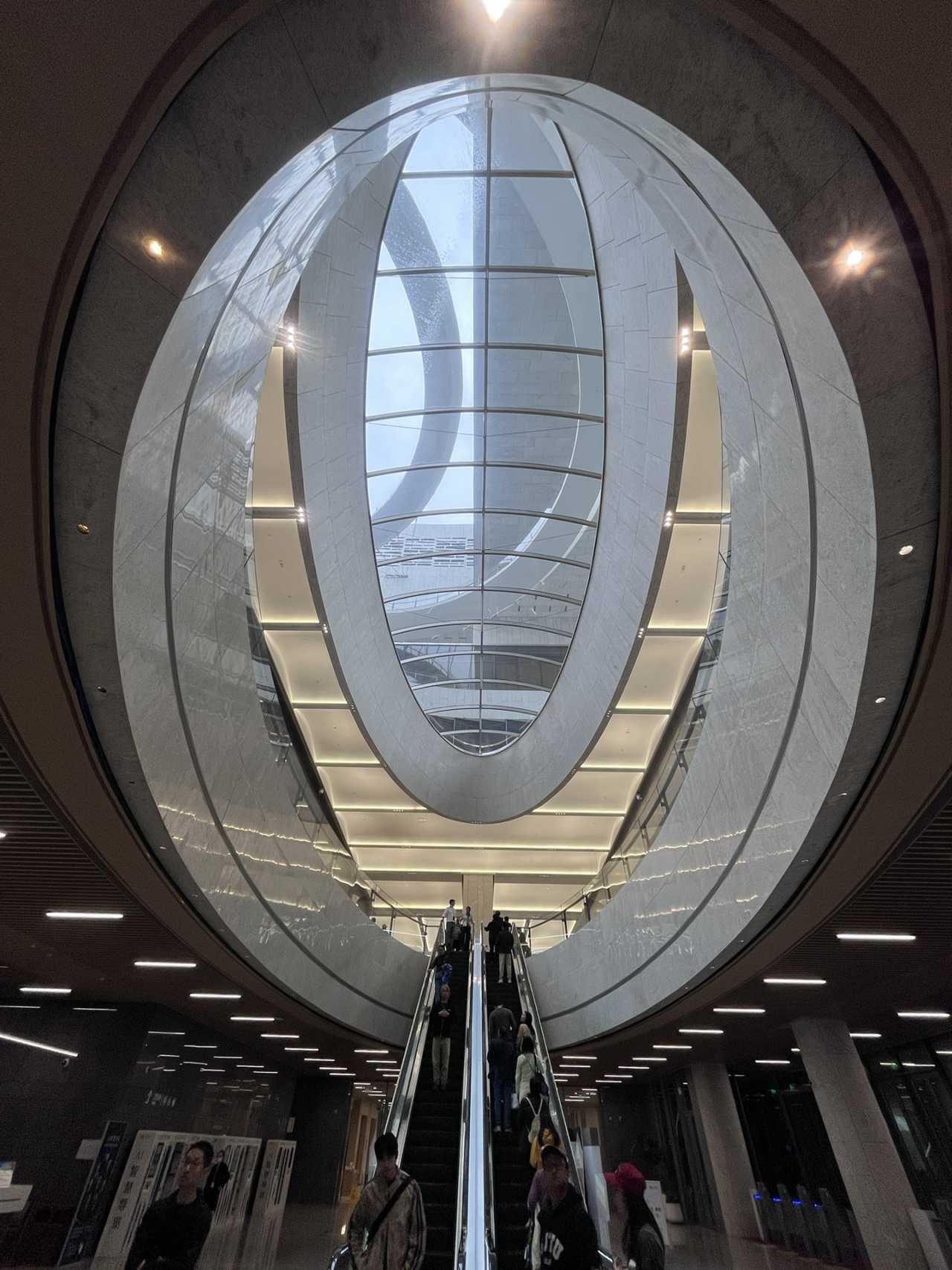
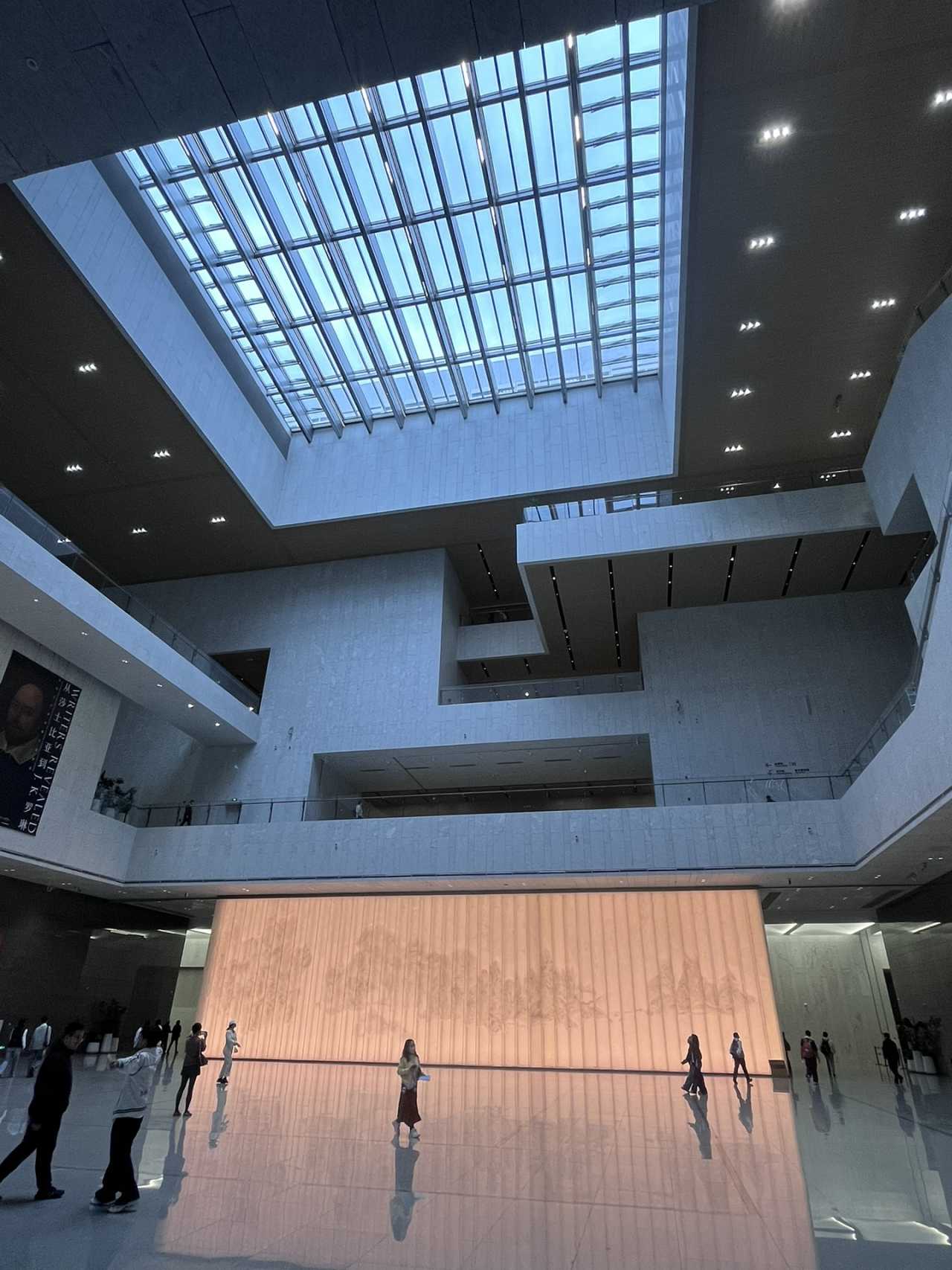
The East Pavilion elevates this legacy with a massive 12,000 square meters of exhibition space across four floors. Here is a quick floor-by-floor overview:
- First Floor: Bronze ware & Sculpture
- Second Floor: Ceramics
- Third Floor: Calligraphy, Painting & Seals
- Fourth Floor: Jade, Coins, Furniture & Ethnic Minority Crafts
We made a beeline for the first floor, home to the Bronze Gallery—and it did not disappoint.
The Bronze Gallery: A Journey Through Ancient Chinese Civilization
In the 1,200-square-meter Bronze Gallery, over 400 bronze vessels stand in silent majesty. These were not mere tools; they were ritual vessels for worshipping gods, honoring ancestors, and symbolizing noble power. The gallery is organized chronologically, tracing bronze art from the 21st century BCE to the 3rd century BCE.
Cross-Inlaid Square Yue Axe: A Xia Dynasty Power Symbol
The first exhibit stopped us in our tracks. This Xia dynasty bronze axe (35.6 cm long, 33.2 cm wide) was surprisingly heavy. Though it looks like a weapon, its blunt blade reveals it was a ceremonial object—a symbol of supreme royal authority.
What amazed us was the decoration: two rings of turquoise-inlaid cross patterns around a central hole. My child pointed at the turquoise and said, "Mom, they look like stars." I smiled, thinking the ancient craftsman probably felt the same way.
Beast-Mask Pattern Jia: A Unique Wine Vessel
This Shang dynasty jia (wine vessel) stands 31.1 cm tall, featuring two tall square pillars with flame motifs. Its bulging belly is rare among mid-Shang bronze jia, which were typically flat-bottomed. The beast-mask patterns are dense and exaggerated, creating an air of mystery.
Traces of soot on the bottom suggest this vessel was used to warm wine for sacrificial ceremonies. Imagine a shaman, three thousand years ago, using this to heat wine for the gods—firelight dancing across the beast-mask patterns.
Ya Fang Lei: A Masterpiece of Three-Section Decoration
Standing 53 cm tall, this late Shang lei (wine container) is a masterpiece of "three-section full decoration." Six layers of relief patterns cover the body, featuring phoenixes, dragons, and beast-masks. The horns of beasts and tails of dragons protrude from the surface.
My child asked, "Why so many animals?" I explained, "Ancient people believed these animals helped them communicate with spirits." He nodded, half-understanding, but his eyes never left the carvings.
Da Ke Ding: One of China's Bronze Treasures
This is the crown jewel of the gallery. Cast in the Western Zhou dynasty (late 10th century BCE), the Da Ke Ding measures 93.1 cm tall and 75.6 cm in diameter. It is considered one of the "Three Treasures of Chinese Bronzes" and is banned from overseas exhibition.
The inner wall bears a 290-character inscription recording the story of its maker, "Ke"—an official who managed the Zhou king's meals and was granted authority to transmit royal decrees. These characters are vital for studying Western Zhou society and represent a monumental work of calligraphy.
My child pressed his face against the display case, trying to decipher the characters. Though he couldn't read most, his focus told me this trip was already worth it.
Xi Zun: A Spring and Autumn Wine Warmer
This Spring and Autumn period wine vessel is shaped like a water buffalo (33.7 cm tall, 58.7 cm long). The buffalo's body is hollow, with three openings on its back—the middle one holds a pot for wine. This was a wine warmer: water was poured into the buffalo's body to heat the wine.
The most amusing detail? A ring through the buffalo's nose. This shows that by this period, people were already using nose rings to tame cattle. My child laughed, "So ancient people put nose rings on cows too!"
Openwork Coiled Dragon Drum Base: A Late Spring and Autumn Sculpture
This drum base, shaped like a hemisphere (30 cm tall), features twelve intertwined coiled dragons climbing across its surface. Their heads are sculpted in the round, each holding a different pose. It is a stunning example of ancient bronze sculpture and a testament to the skill of Spring and Autumn craftsmen.
Practical Tips for Visiting the Shanghai Museum East Pavilion
- Location: The East Pavilion is located in Pudong, easily accessible via metro.
- Admission: Free, but you need to scan your ID card at the entrance. No advance reservation is required for most exhibits.
- Best Time to Visit: Weekdays are less crowded. Weekends can be busy, but the experience is still better than the old People's Square location.
- Time Required: Plan for at least 3-4 hours to see the main galleries.
- Facilities: There is a café, restrooms, and a gift shop on site.
- Nearby Attractions: The museum is close to the Shanghai Science & Technology Museum and Century Park. [Link: Shanghai Science & Technology Museum Guide]
Frequently Asked Questions (FAQ)
1. Do I need to book tickets in advance for the Shanghai Museum East Pavilion?
 Generally, no. Most visitors can enter by scanning their ID card at the entrance. However, special exhibitions may require advance booking, so check the official website before your visit.
2. What are the opening hours?
The East Pavilion is typically open from 9:00 AM to 5:00 PM, with last entry at 4:00 PM. It is closed on Mondays (except for public holidays).
3. Is the Shanghai Museum East Pavilion suitable for children?
Absolutely. The museum is very family-friendly. My child (age 7) was engaged throughout, especially by the bronze animal shapes and the interactive elements. The wide, open spaces are also stroller-friendly.
4. How does the East Pavilion compare to the People's Square location?
 The East Pavilion is newer, larger, and less crowded. It focuses on ancient Chinese art, while the People's Square location has a broader collection. If you are interested in bronzes, ceramics, and jade, the East Pavilion is the better choice.
5. Can I take photos inside the museum?
Yes, photography is allowed in most galleries. However, flash photography is strictly prohibited to protect the artifacts.
Conclusion: Why You Should Visit the Shanghai Museum East Pavilion
The Shanghai Museum East Pavilion is more than just a museum—it is a cultural journey through thousands of years of Chinese civilization. From the awe-inspiring Da Ke Ding to the playful Xi Zun wine warmer, every artifact tells a story. And the best part? You can experience it all without the long queues.
Whether you are a history buff, a parent looking for a meaningful family outing, or a traveler seeking the best things to do in Shanghai, this museum deserves a top spot on your itinerary.
Plan your visit today. Scan your ID, walk through those wide-open doors, and let the treasures of ancient China speak to you. Your weekend in Shanghai will never be the same.
Have you visited the Shanghai Museum East Pavilion? Share your experience in the comments below!
[Link: Top 10 Museums in Shanghai] [Link: Weekend Getaway Ideas from Shanghai] [Link: Guide to Ancient Chinese Bronze Art]
You may also like