#My 2021# Traveling Through Shanxi, Shanghai, Jiangsu, Zhejiang, and Anhui — A Pandemic Travel Memoir
Meta Description: Rediscover the beauty of pandemic-era travel through Shanxi, Shanghai, Jiangsu, Zhejiang, and Anhui. From Anji skiing to Shanghai's Deep Pit Hotel, this memoir captures the courage and luck of traveling in 2021.
Introduction: The Year Travel Became a Gamble
2021 was the second year of the pandemic. Delta and Omicron took turns attacking, like an endless tug-of-war. Every time I opened my phone map and saw a province suddenly turn red, my heart would skip a beat. That year, traveling became a matter of courage and luck — you never knew if tomorrow's itinerary would be canceled by a single notification.
But even so, I didn't stop moving. I just shifted my gaze from faraway places and began rediscovering the scenery close at hand. From every corner of Shanghai's 16 districts to the bamboo forest ski slopes of Anji in Zhejiang, and the garden alleyways of Suzhou in Jiangsu — I realized there was so much beauty nearby that I had overlooked. That year, I learned to "cherish every moment" — cherish every chance to go out, and cherish every journey that brought me home safely.
This pandemic travel memoir covers my 2021 adventures through Shanxi, Shanghai, Jiangsu, Zhejiang, and Anhui — a testament to finding joy in uncertainty.
January: Anji, Huzhou, Zhejiang — A Company Trip That Felt Like a Gamble

The first trip of 2021 was organized by my company. We had already bought high-speed rail tickets, but then Shijiazhuang suddenly saw a COVID outbreak, and the situation grew tense by the day. Our management discussed it — train stations and high-speed trains were too risky with all the crowds, so they decided we'd rent cars and drive instead. So on January 15th, our group set off with a mix of anxiety and anticipation.
Day 1: Shanghai to Anji — Life in a Makeshift Shelter at the Service Area
We left after lunch, and the first half of the drive was smooth. But as soon as we left Shanghai, the highway started acting up — multiple lanes were closed for repairs, and we were stuck in the slow lane, crawling along. We stopped at the Pingwang service area for a break, only to find it under renovation. The main building was demolished, replaced by a temporary iron shed. The restrooms, shops, and food stalls were all crammed into this makeshift structure. Despite that, the staff still strictly checked masks for anyone entering the shed — pandemic life in a "tin shed," with a strange sense of order amid the chaos.
We arrived in Anji city center around 5:30 PM. The streets were lined with swivel chair factories, some of which were publicly listed companies, their stock codes displayed right next to the factory names. I looked it up and learned that Anji is known as the "hometown of swivel chairs" — a random fact you'd only notice while stuck in traffic.
For dinner, we chose a local restaurant serving home-style dishes. After eating our fill, we headed straight to the hotel. We checked into Anji Hentique Resort at 7:40 PM and went to the hot springs in the evening. There were only seven pools. I asked a staff member if they were natural hot springs, and she was honest: "Of course not. None of the hot springs open to the public in Zhejiang are natural." I asked about Tangshan in Nanjing. She said, "Half artificial, half natural." I took it with a grain of salt — as long as it was relaxing, it was fine.
Day 2: Cloud Grassland — My First Time Skiing
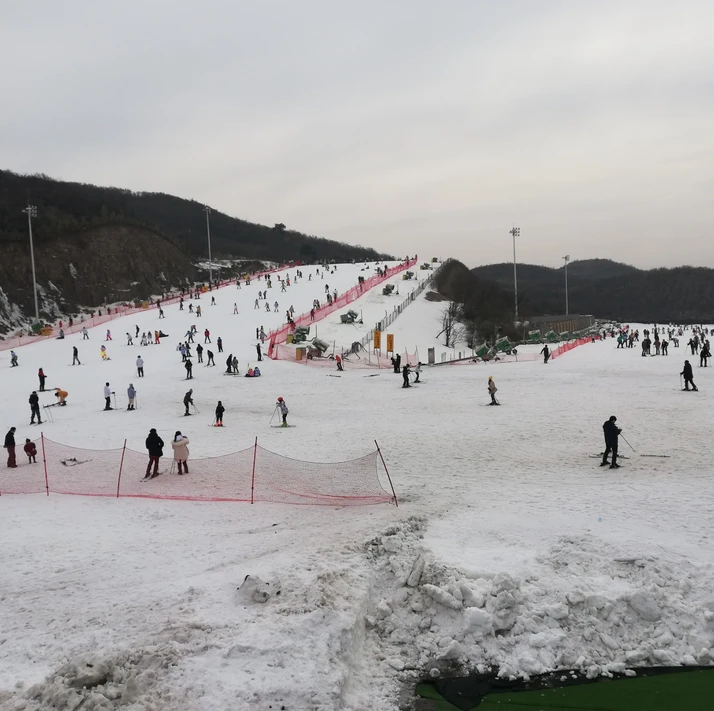
The next day was spent entirely at "Cloud Grassland," a place similar to Wansheng Ordovician in Chongqing, full of thrilling rides and attractions. It also had a Starry Sky Ski Resort, open in winter for skiing — with artificial snow, of course.
It was my first time putting on ski boots. Just getting one boot on took forever. Once I finally managed to get one on, I discovered the buckle on the second boot was broken, so I had to go back to the rental counter to exchange them. By the time I was done, I'd already used up half my energy before even starting to ski. Being naturally cautious, and hearing about a fatal accident at a ski resort in northern China, I decisively gave up on the advanced slopes and stuck to the beginner slope, where I fell countless times — but at least I didn't break anything.
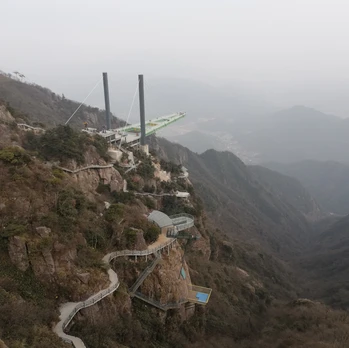
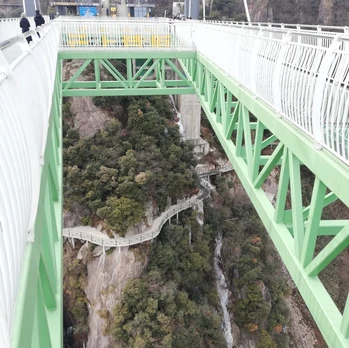
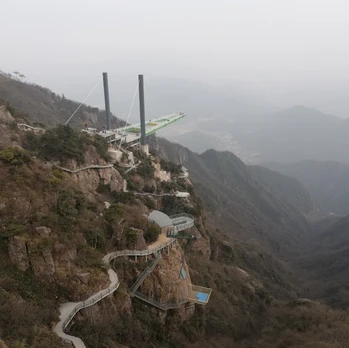
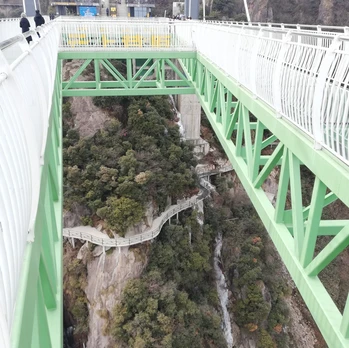
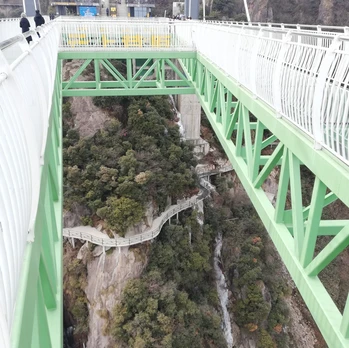
After skiing, my colleagues went to try grass sliding, while a coworker named Y and I went off on our own. We grabbed some snacks first, then walked the "Sky Staircase" — an A-shaped glass bridge suspended in mid-air. It was far more thrilling than the usual glass walkways. Beneath our feet was a bottomless abyss, and the bridge swayed slightly with the wind. The mountain was cold, and frozen waterfalls clung to the rocks like white dragons, creating a fairy-tale scene.
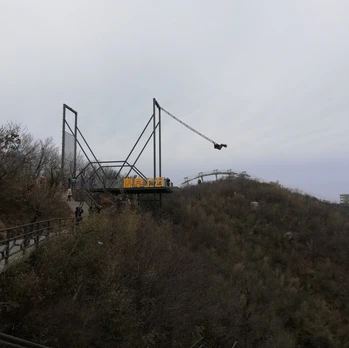
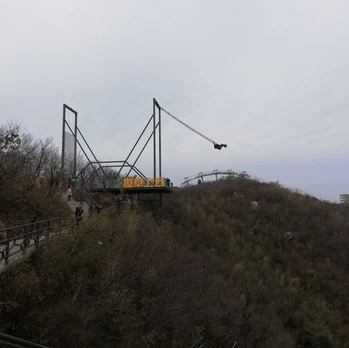
After the Sky Staircase, we regrouped. Some colleagues wanted to try the cliff swing, but although the queue wasn't long, each group took about 8 minutes, and there were over 20 people ahead of us — that meant a two-hour wait, so we gave up. We took the cable car down and went back to Anji for dinner. While waiting for the food, some people went to buy the local trendy milk tea. After the meal, the company gave everyone a bag of bamboo shoots as a local specialty — probably the most practical "year-end bonus" ever.
Day 3: Zhongnan Baicao Park — A Mix of Zoo and Amusement Park
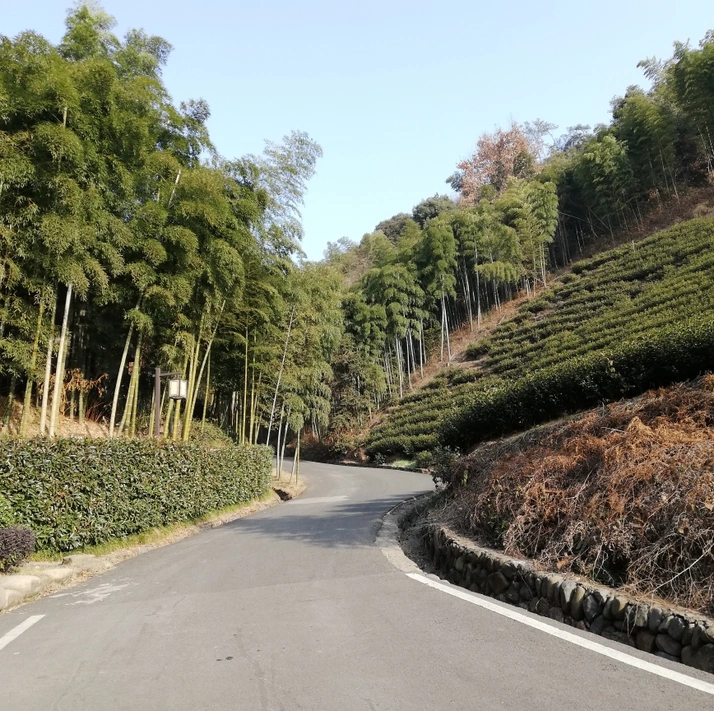
After breakfast, we wandered around the resort. The roadsides were lined with Anji's two most famous plants: bamboo and tea trees. We found a children's playground with slides and small animals like rabbits — a very family-friendly resort.
We checked out at 9:30 AM and asked the driver where to go next. He listed a few attractions, and our boss decided on "Zhongnan Baicao Park." When I heard the name, I thought it was a medicinal herb garden — like Shennong tasting a hundred herbs. But it turned out to be a combination of a zoo and an amusement park, sprawling over such a vast area that a leisurely walk would take a whole day.
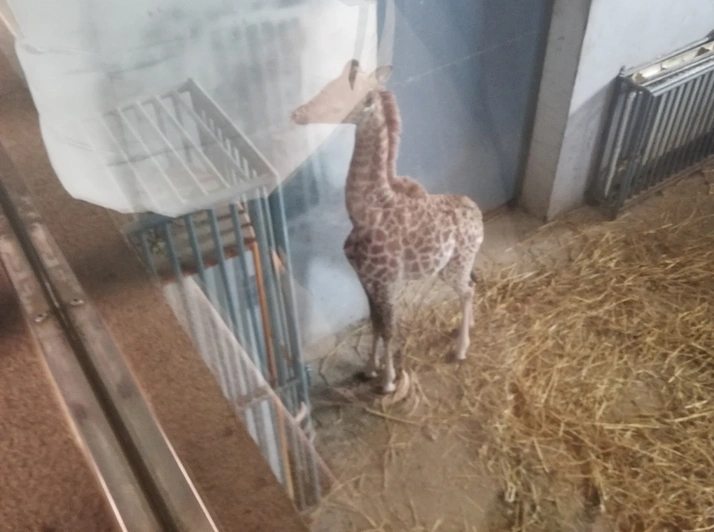
We mainly explored the zoo. The first animals we saw were bears, which had a serious begging problem — probably from too many visitors feeding them. Later, we split into smaller groups. I saw a marmot staring blankly into space and a baby giraffe enjoying the warm air conditioning. We left the animal area for the amusement park, where our tickets included a ride on a small Ferris wheel — most of the women in our group went for it.
On the way back, I chatted with the driver of the park's shuttle. He said that since the pandemic started last year, the park's owner had been struggling — he had to support both the staff and over 150 animals. Animals like tigers couldn't be sold casually, and if one died, it had to be reported, with the owner paying the authorities to handle the remains. In the past, visitors could bring pets into the park, but after the African swine fever outbreak a few years ago, that was no longer allowed. Listening to him, I felt that our tickets were well worth it.
We left Zhongnan Baicao Park and had lunch at a small farmhouse nearby. The drive back was smooth, and we arrived in Shanghai at 5:30 PM. On January 21st, a COVID outbreak hit Shanghai's central urban area — we were so lucky. If the trip had been scheduled for the following weekend, it would definitely have been canceled. This gamble had paid off.
[Link: Best time to visit Anji, Zhejiang]
February: Shanghai's Deep Pit Hotel — A Glimpse into the World of the Rich
On the afternoon of Lunar New Year's Day, 18 people from our extended family gathered for a reunion dinner in Songjiang. With many people encouraged to stay put for the holiday, Shanghai's suburban roads were jam-packed. Our family left early and got onto the G50 Shanghai-Chongqing Expressway with relative ease, but later there was a rear-end collision on that road, and our relatives endured a long crawl when they tried to get on.
After the meal, our relatives arranged a visit to the "Deep Pit Hotel" — officially named the "Shanghai Sheshan InterContinental Shimao Wonderland Hotel." The hotel was packed with guests checking in and dining, and the lobby was crowded. All I could do was marvel at the sheer number of wealthy people — a standard room here costs four figures a night, and a room with a view goes for five figures.
A staff member took us to see the French restaurant on the 15th floor below ground. When we entered, I thought we were walking into a luxury shopping mall — marble floors, crystal chandeliers, and a waterfall cascading down the interior. The restaurant overlooked an underwater aquarium, where guests could dine while watching sharks and rays glide by. It was surreal — a glimpse into a world most of us will never inhabit.
[Link: Shanghai luxury hotels with unique architecture]
March to May: Rediscovering Shanghai's 16 Districts
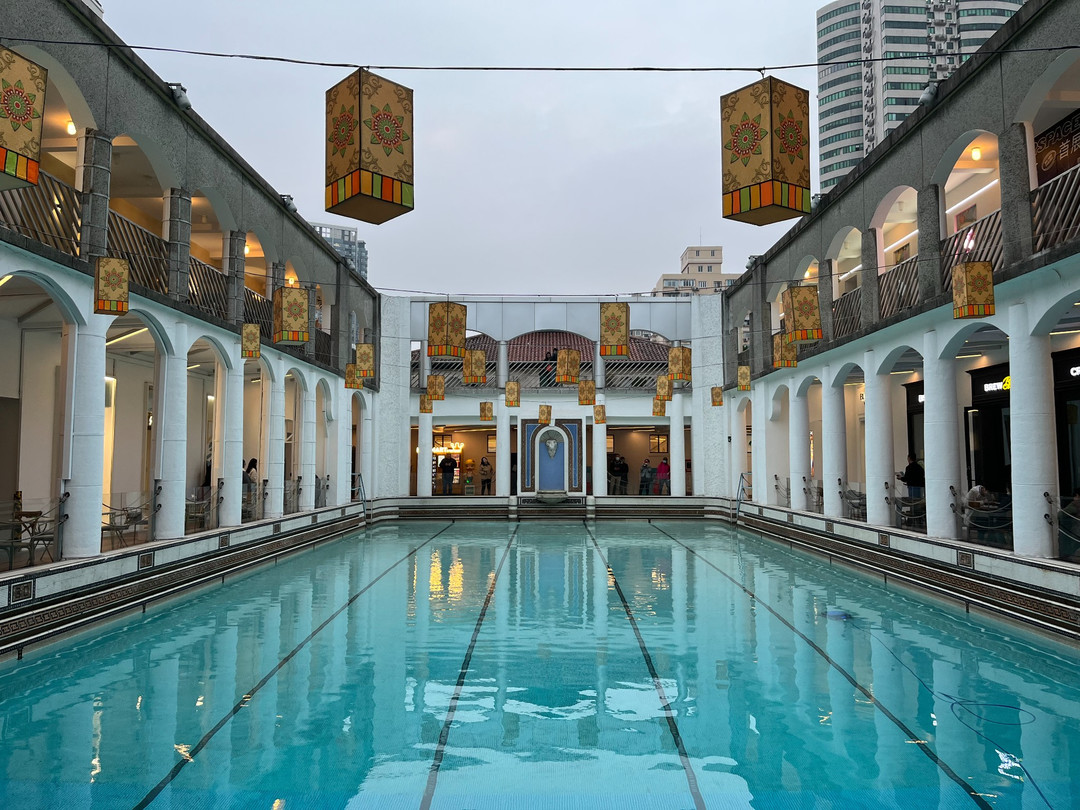
With international travel off the table, I became a tourist in my own city. I spent weekends exploring Shanghai's 16 districts, from the French Concession's tree-lined streets to the industrial chic of Yangpu's creative parks. I visited the Shanghai Museum, the Bund, and the Yu Garden — places I'd taken for granted for years.
One highlight was a bike ride along the Huangpu River, where I discovered hidden parks and art installations. I also finally visited the Shanghai Tower, the second-tallest building in the world. Standing on the 118th floor, looking down at the city I call home, I felt a renewed sense of wonder.
[Link: Hidden gems in Shanghai's 16 districts]
Summer: Jiangsu and Zhejiang — Garden Alleys and Bamboo Forests
In summer, I ventured to Suzhou, Jiangsu, to explore its famous classical gardens. The Humble Administrator's Garden was a maze of pavilions, ponds, and rockeries. I spent hours there, losing myself in the tranquility — a welcome escape from pandemic anxiety.
I also visited Hangzhou, Zhejiang, where I walked along West Lake and hiked through the bamboo forests of Anji. The bamboo groves were a sensory experience — the rustling leaves, the dappled sunlight, the earthy scent of moss. It reminded me that nature doesn't care about viruses; it just keeps growing.
[Link: Best classical gardens in Suzhou]
Autumn: Anhui's Ancient Villages
In autumn, I took a trip to Anhui to visit Hongcun and Xidi, two UNESCO World Heritage sites. These ancient villages are known for their well-preserved Ming and Qing dynasty architecture, with whitewashed walls and black-tiled roofs reflected in calm ponds.
Walking through Hongcun felt like stepping into a painting. The village is famous for its "ox-shaped" layout, with a central pond representing the stomach and winding streams representing the intestines. I stayed in a local guesthouse and ate farm-to-table meals — fresh fish from the pond, vegetables from the garden, and tea from the surrounding hills.
[Link: How to visit Hongcun and Xidi]
Winter Reflection: What 2021 Taught Me About Travel
Looking back, 2021 was the year I learned to travel differently. Instead of chasing bucket-list destinations, I embraced the joy of slow travel — savoring each moment, appreciating the details, and finding beauty in the familiar.
I also learned the importance of flexibility. When plans change, adapt. When borders close, explore your backyard. When the world feels uncertain, find certainty in the present moment.
FAQ: Pandemic Travel in China
Q: Was it safe to travel during the pandemic in 2021? A: Yes, with precautions. We wore masks, avoided crowds, and chose outdoor activities. Many attractions had strict health protocols, including temperature checks and健康码 verification.
Q: What were the best pandemic-safe destinations in China? A: Outdoor destinations like Anji's Cloud Grassland, Suzhou's classical gardens, and Anhui's ancient villages were ideal. They offered fresh air and social distancing.
Q: How did you handle sudden travel restrictions? A: We stayed flexible, booked refundable accommodations, and had backup plans. Our company trip to Anji was almost canceled, but switching to a car instead of trains saved it.
Q: What should I pack for a pandemic trip in China? A: Masks, hand sanitizer, a portable thermometer, and a fully charged phone for健康码 checks. Also, bring snacks and water in case service areas are limited.
Q: Are there any hidden gems in Shanghai for a weekend trip? A: Absolutely! Try the Shanghai Sheshan InterContinental Shimao Wonderland Hotel (the "Deep Pit Hotel"), the Huangpu River bike path, or the creative parks in Yangpu.
Conclusion: Your Next Adventure Awaits
2021 taught me that travel isn't about the destination — it's about the journey, the people you meet, and the stories you collect along the way. Whether you're skiing on artificial snow in Anji, dining in an underwater restaurant in Shanghai, or wandering through ancient villages in Anhui, every trip is a gift.
So, what's your next adventure? Start planning today. Check local travel advisories, book flexible tickets, and pack your sense of wonder. The world is waiting — even if it's just around the corner.
Ready to explore? Share your pandemic travel stories in the comments below, or subscribe to our newsletter for more travel inspiration and tips. [Link: Subscribe to our travel newsletter]
Note: This article is based on a true travel memoir from 2021. All factual details have been preserved from the original source.
You may also like