Majestic Splendor – China's Oil Painting 30-Year Art Exhibition: The Spirit of the People, the Soul of the Era
Meta Description: Explore the "Majestic Splendor – China's Oil Painting 30-Year Art Exhibition" at the China Art Palace. Discover how "The Spirit of the People" section captures 30 years of Chinese oil painting, featuring masters like He Hongzhou, Luo Genxing, and more. Plan your Shanghai art journey today.
Introduction: A Journey into China's Oil Painting Legacy
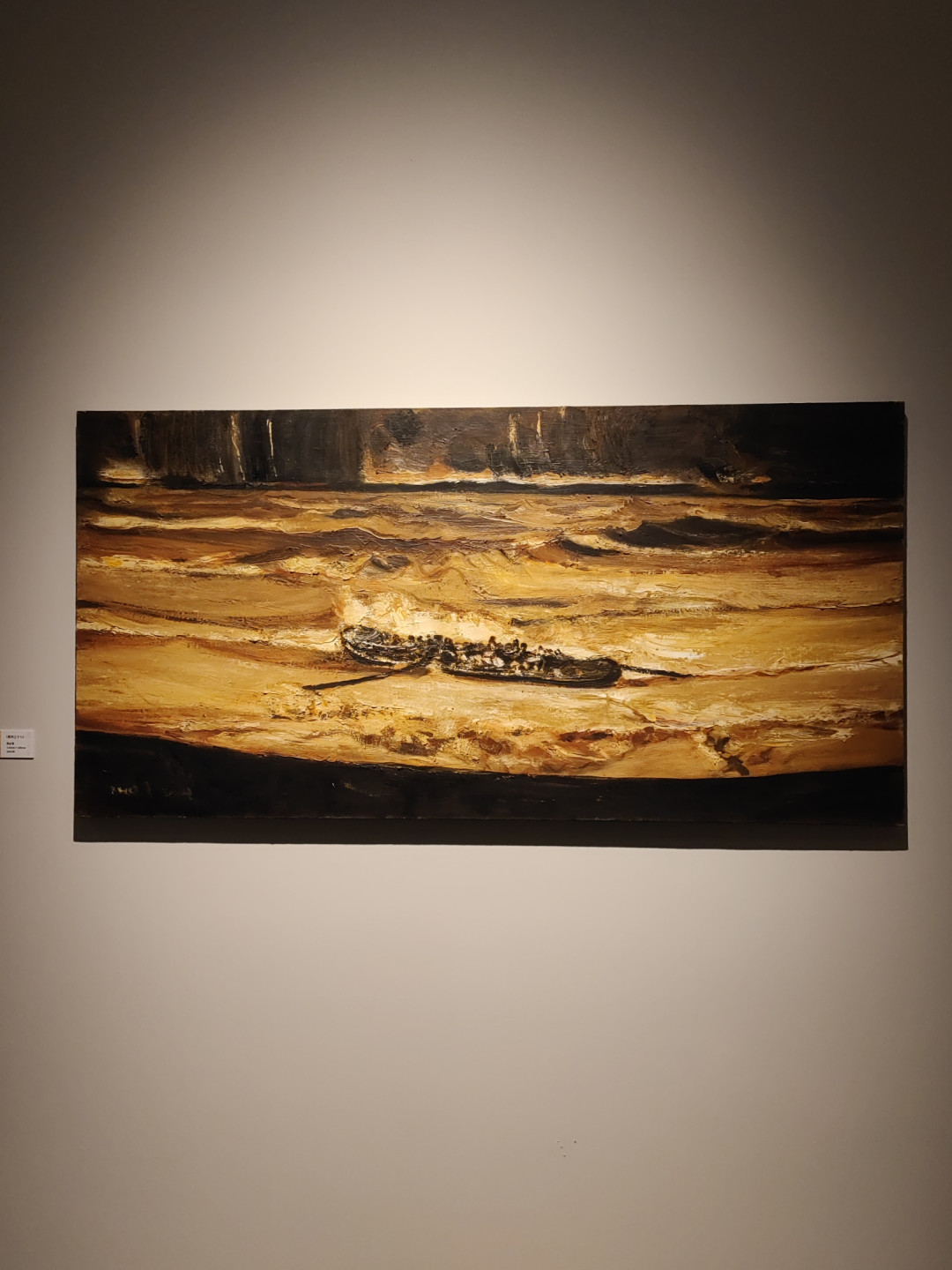
Life is poetry; travel is song. We are always searching for traces of beauty in our ordinary days and feeling the warmth of happiness on our journeys. This time, my destination was Shanghai, where a cultural feast called "Majestic Splendor – China's Oil Painting 30-Year Art Exhibition" allowed me to spend a period of deep dialogue with art at the China Art Palace. On September 25, 2025, I embarked on this journey alone, without a complicated itinerary—just a heart eager to be touched by art.
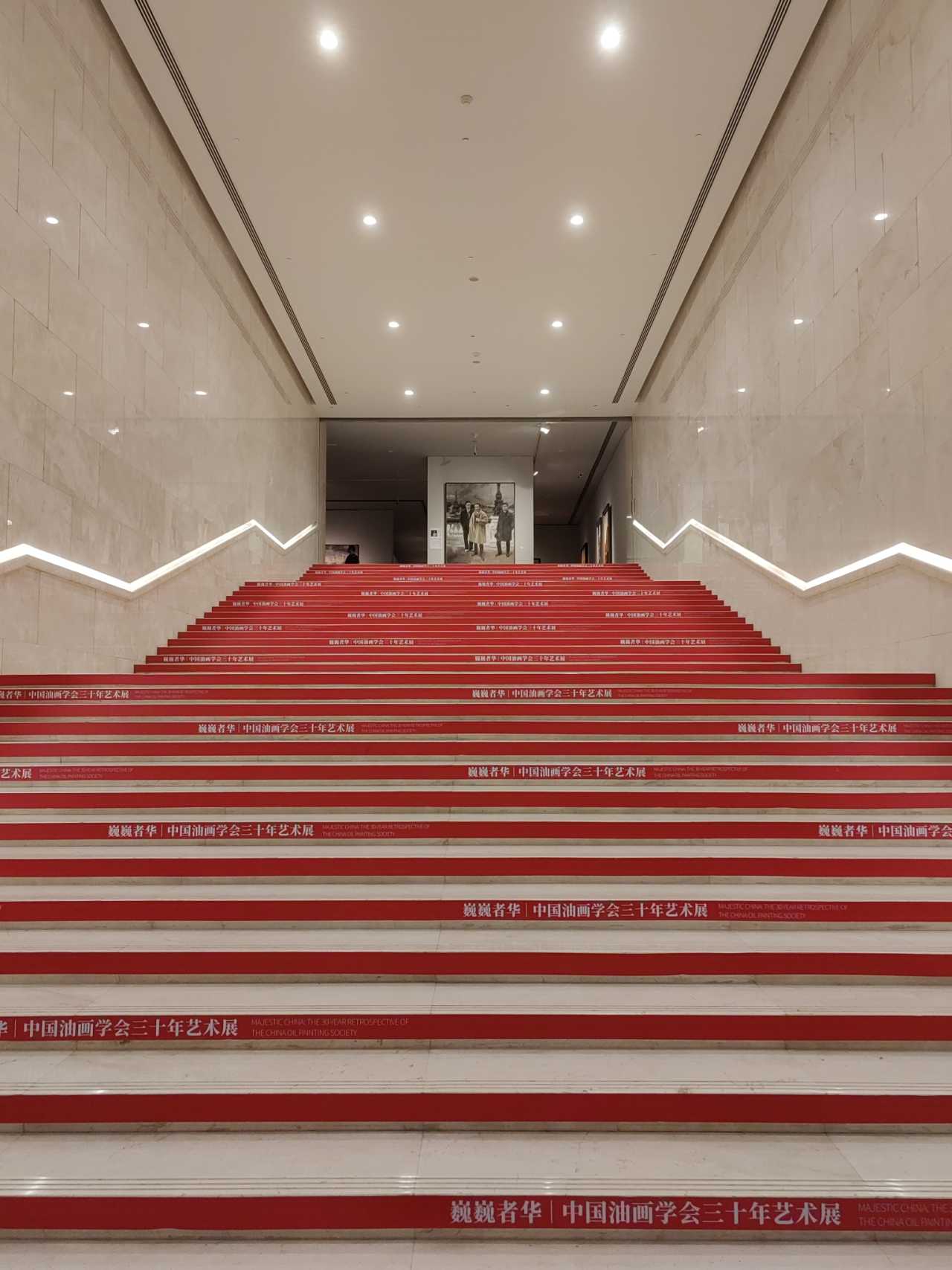
Stepping into the exhibition hall felt like entering a time tunnel. Thirty years of Chinese oil painting history were condensed here into vivid images. What stirred me most was the second section: "The Spirit of the People." This is not just an exhibition theme; it is a profound narrative about "people" and "era."
What is "The Spirit of the People"? – Painting the Character of an Era
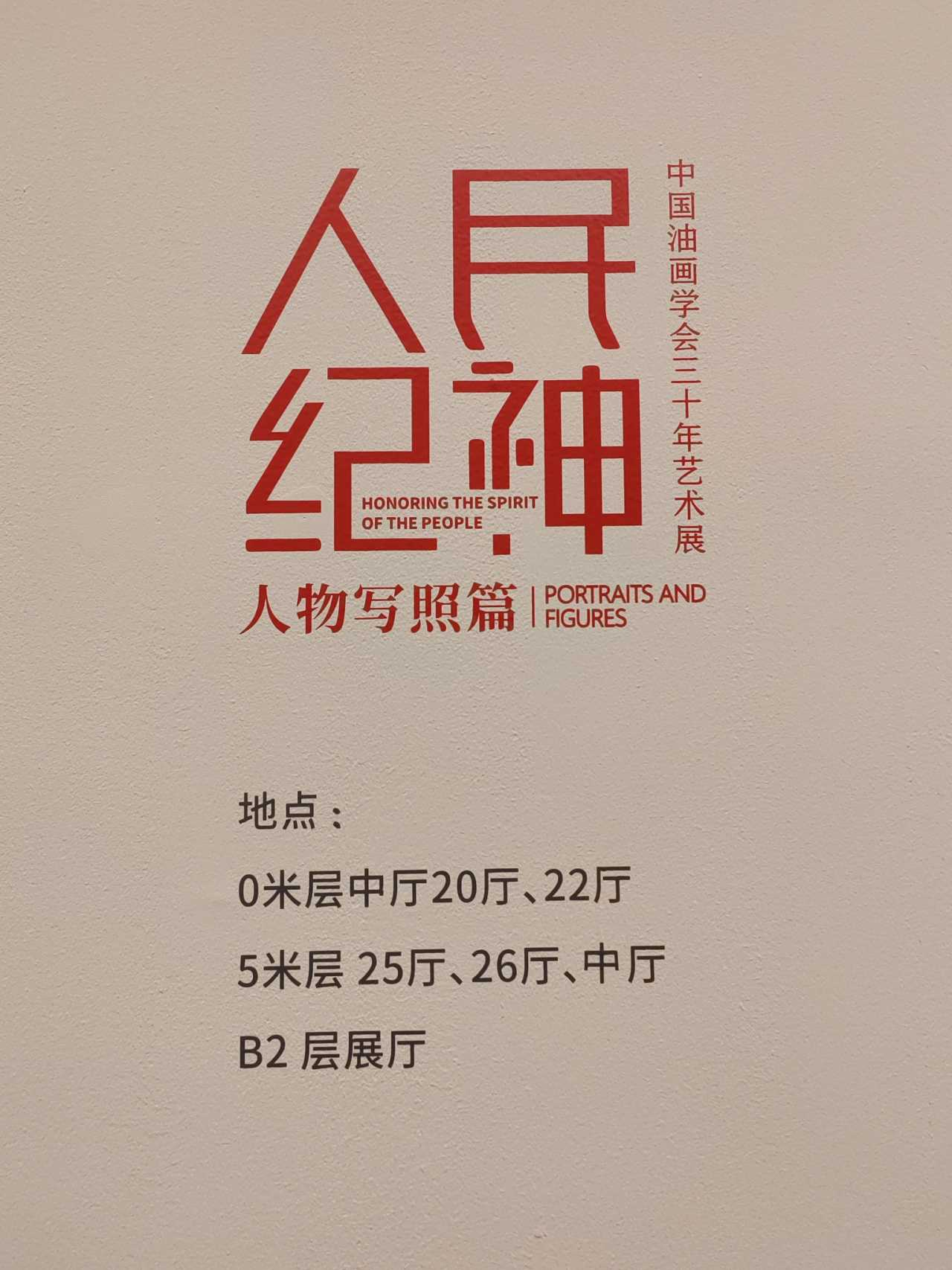
"To write the spirit of the times with the heart of the people, to shape the image of the people through artistic form"—this is the core宣言 of the "Spirit of the People" section. It attempts to answer a fundamental question: In the long river of art, what does "the people" truly mean?
The word "people" is familiar to us, but its modern meaning is not that old. From the initial introductions by Wei Yuan and Liang Qichao, to the deeper explorations by Sun Yat-sen and Li Dazhao, and then through the baptism of the May Fourth New Culture Movement, it was ultimately under the promotion of Mao Zedong and other Chinese Communists that "the people" became a political and cultural concept with profound connotations. It can be said that "people's character" is the soul of Chinese art's modernity.
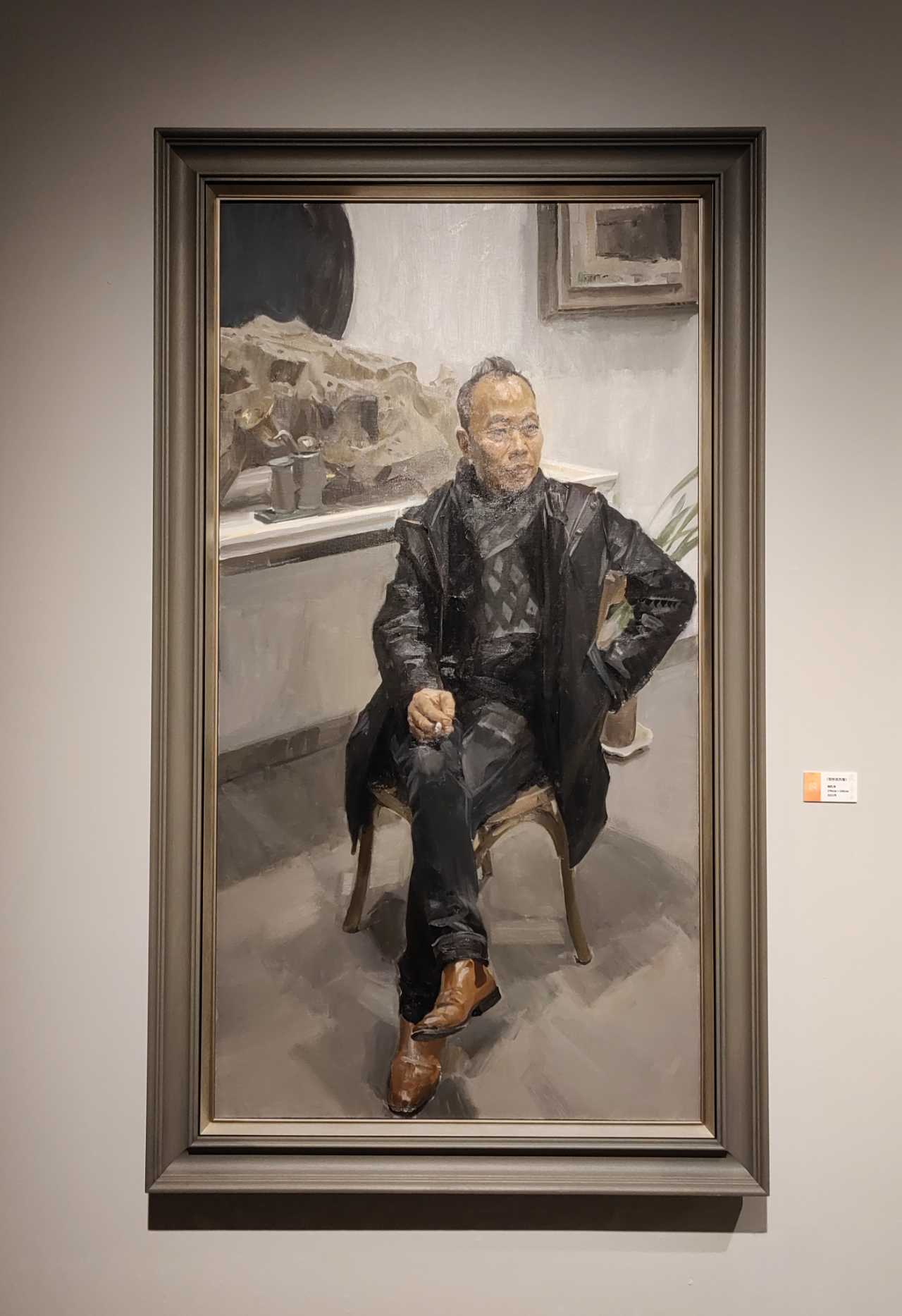
In a sense, the history of Chinese art since the 20th century is a history of the evolution of "the image of the people." As the classic saying goes: "The people are both the creators of history and the witnesses of history; they are both the 'characters in the drama' and the 'playwrights' of history." For every Chinese oil painter, how to capture the spiritual outlook of the people with a brush, and how to shape flesh-and-blood images of the people on canvas, is an eternal proposition.
For thirty years, figure painting has remained the most active academic field in Chinese oil painting. Masters like Zhan Jianjun, Zhu Naizheng, Zhong Han, Jin Shangyi, and Quan Shanshi set benchmarks for later generations with their classic works. After the reform and opening-up, Chinese oil painters, on one hand, looked back to European traditions to deeply study the essence of plastic arts; on the other hand, facing the impact of modern and contemporary art, they began to draw nourishment from the treasure trove of national culture. Figure painting moved from the relatively singular Soviet-style realism toward a path of diverse exploration.
From an art history perspective, figure creation best embodies the spirit and elegance of an era. The image of "people," with its unparalleled richness, attracts generation after generation of artists. An astonishing fact: In the past thirty years, the images of the people created by Chinese figure painting have surpassed the total of all previous historical periods. This is both a testament to artistic prosperity and a microcosm of the era's progress.
[Link: Explore the evolution of Chinese oil painting realism]
A Galaxy of Stars: The "People" Narratives of Several Generations of Oil Painters

The "Spirit of the People" section showcases the fruitful achievements of oil painters from the older generation to the new. There are both familiar classic masterpieces and the latest attempts by young artists. Realism, as the mainstream of figure painting, has not only maintained its vitality over thirty years but has also shown diverse stylistic orientations in linguistic exploration. From the classical style that emerged in the 1980s and 1990s to the more diverse linguistic experiments of the new century, the face of figure painting is inspiring. Moreover, the boom in historical and thematic painting since the new century has not only provided richer material for figure painting but also fostered the formation of a younger creative echelon.
Of course, we cannot avoid challenges. In the age of images, and even with the rapid development of artificial intelligence, the issues of superficiality and imagery in painting are becoming increasingly prominent. Whether it is realistic style or traditional realism, both are undergoing tremendous shocks from technological change, with figure painting bearing the brunt. While acknowledging achievements, we also need to calmly consider these serious issues of universal significance.
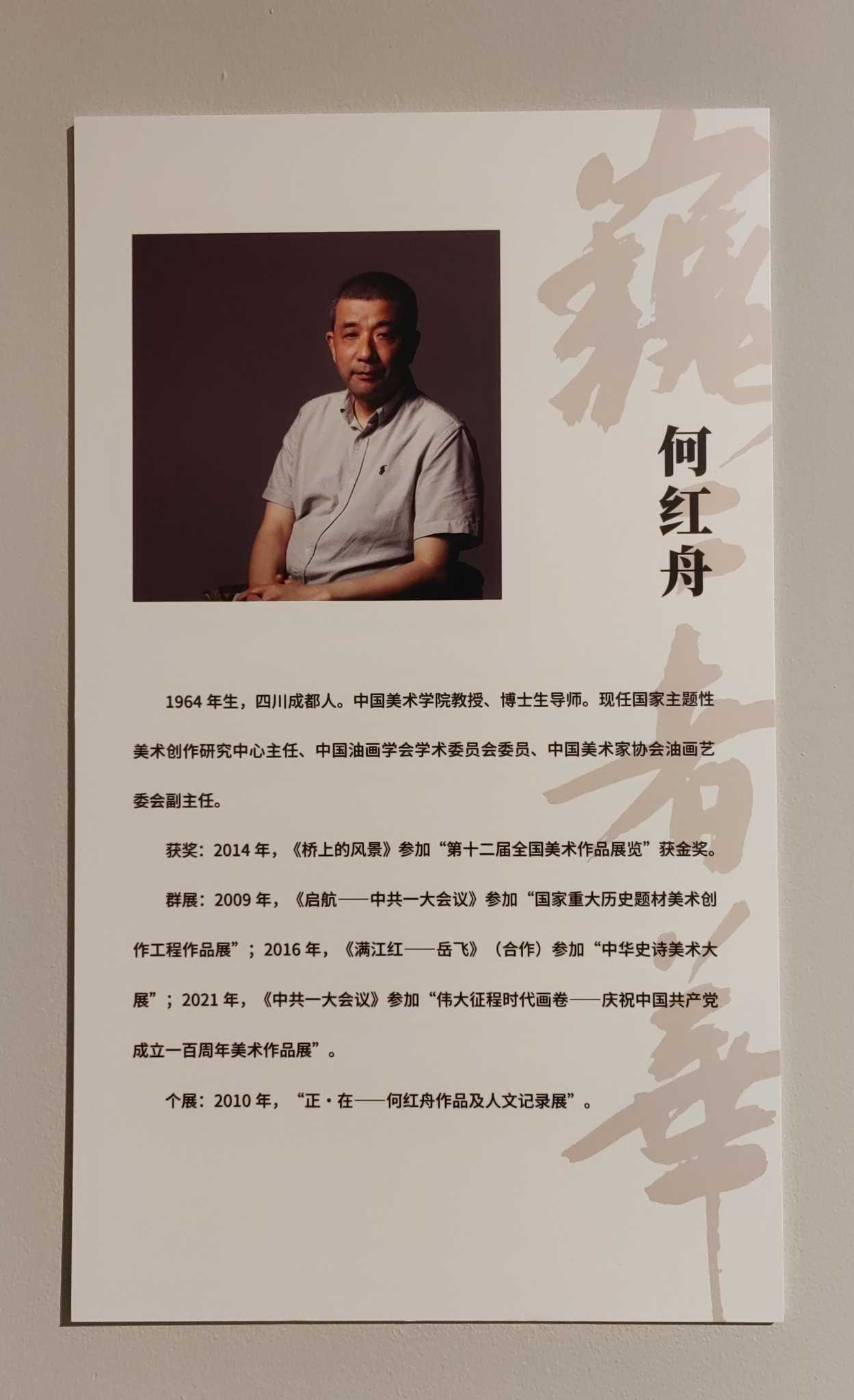
He Hongzhou: Era Imprints in Portraits
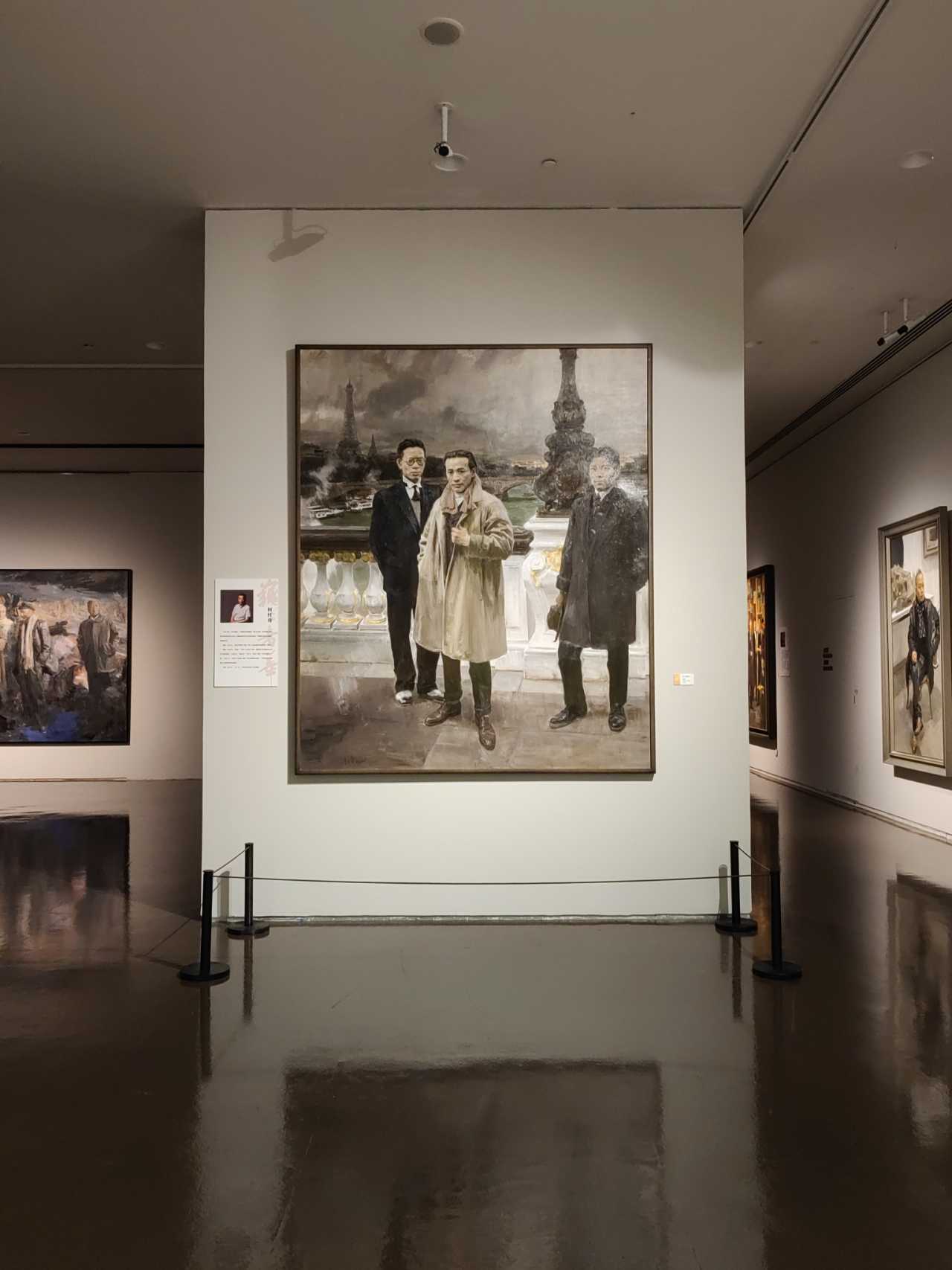
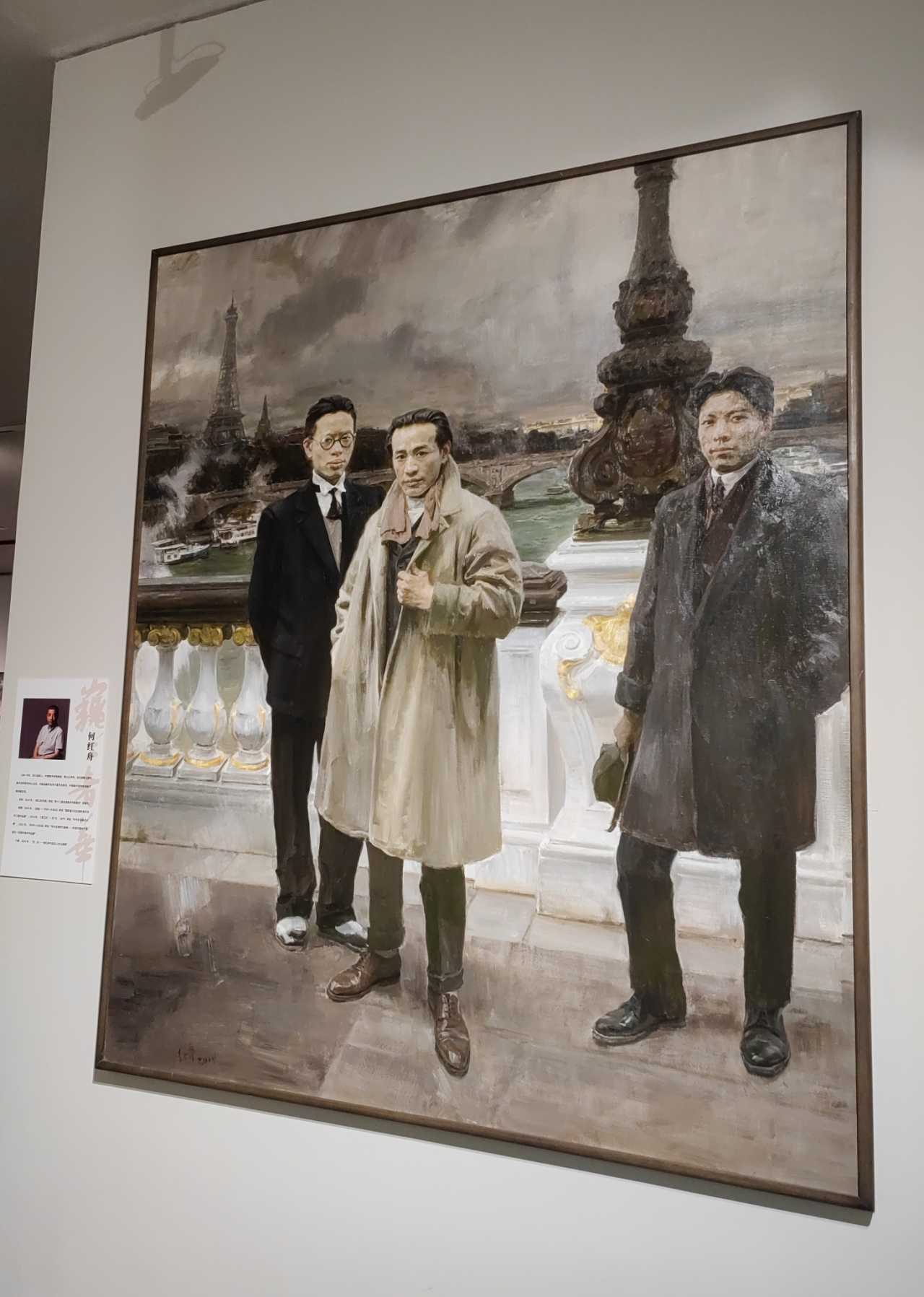
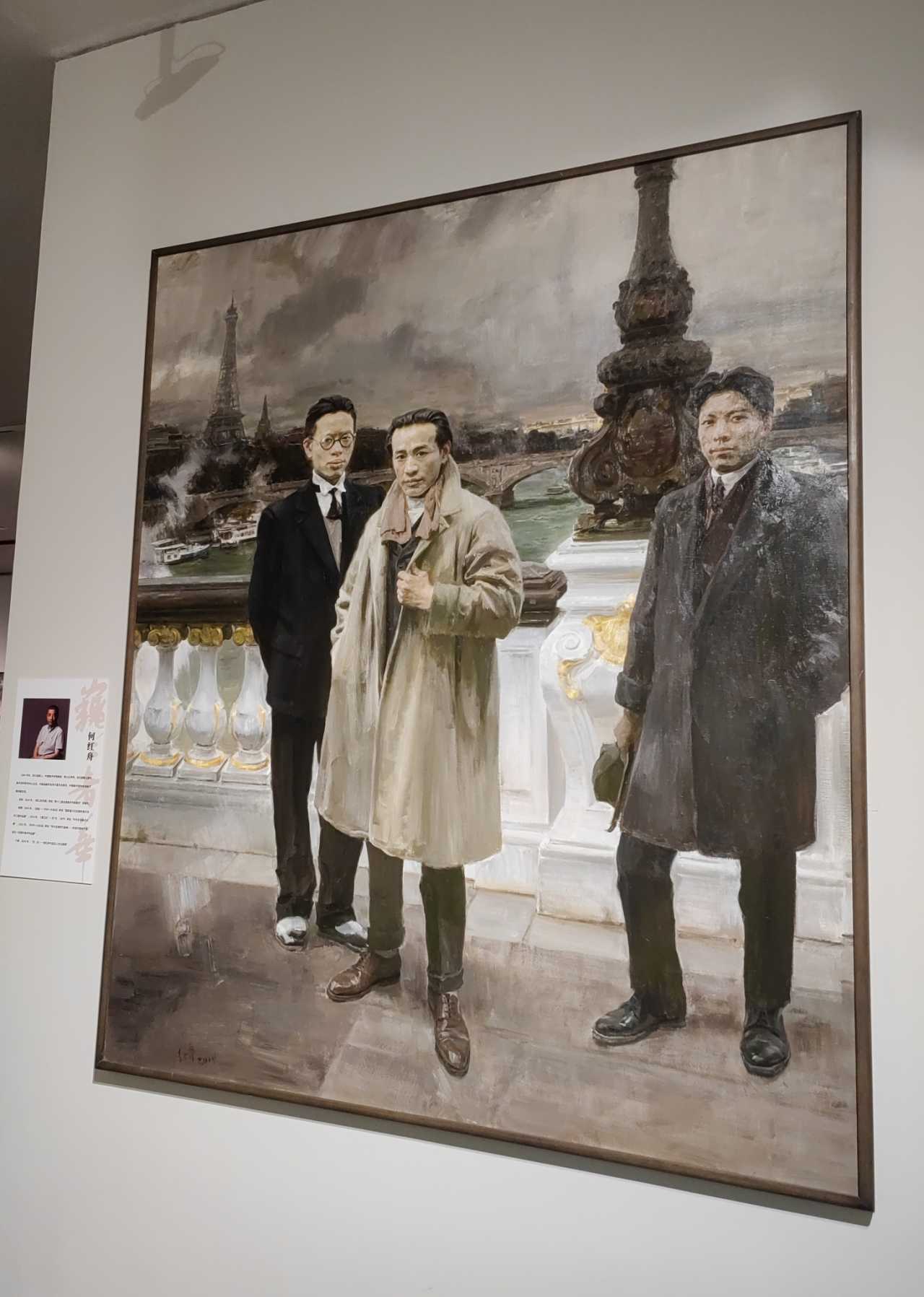
He Hongzhou, born in 1964 in Chengdu, Sichuan, is a professor and doctoral supervisor at the China Academy of Art. His representative work Scenery on the Bridge (235x195cm, 2014) won the gold medal at the 12th National Art Exhibition. With delicate brushwork and profound artistic conception, this work blends figures and landscapes, as if telling a story about youth and distant horizons.
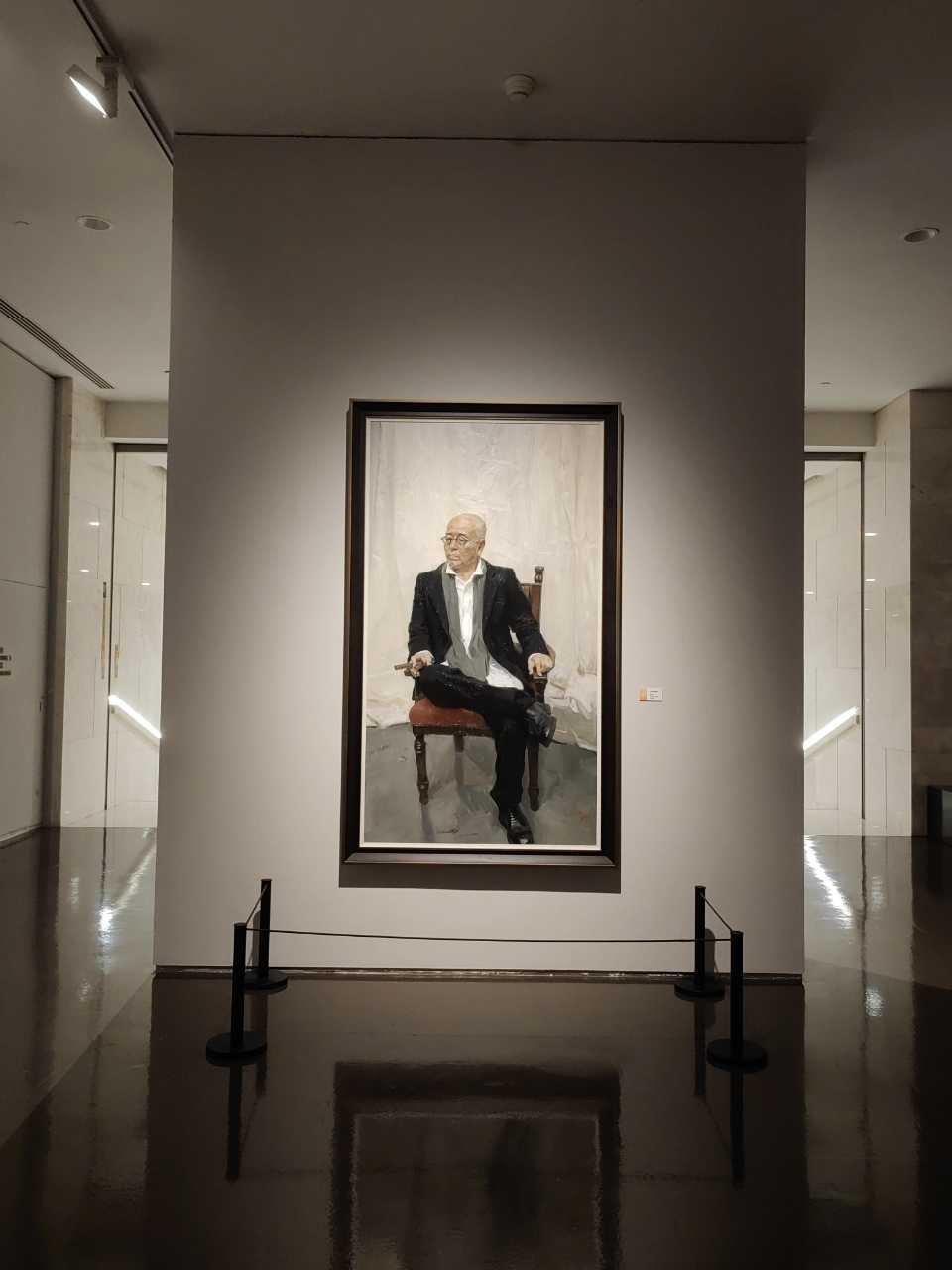
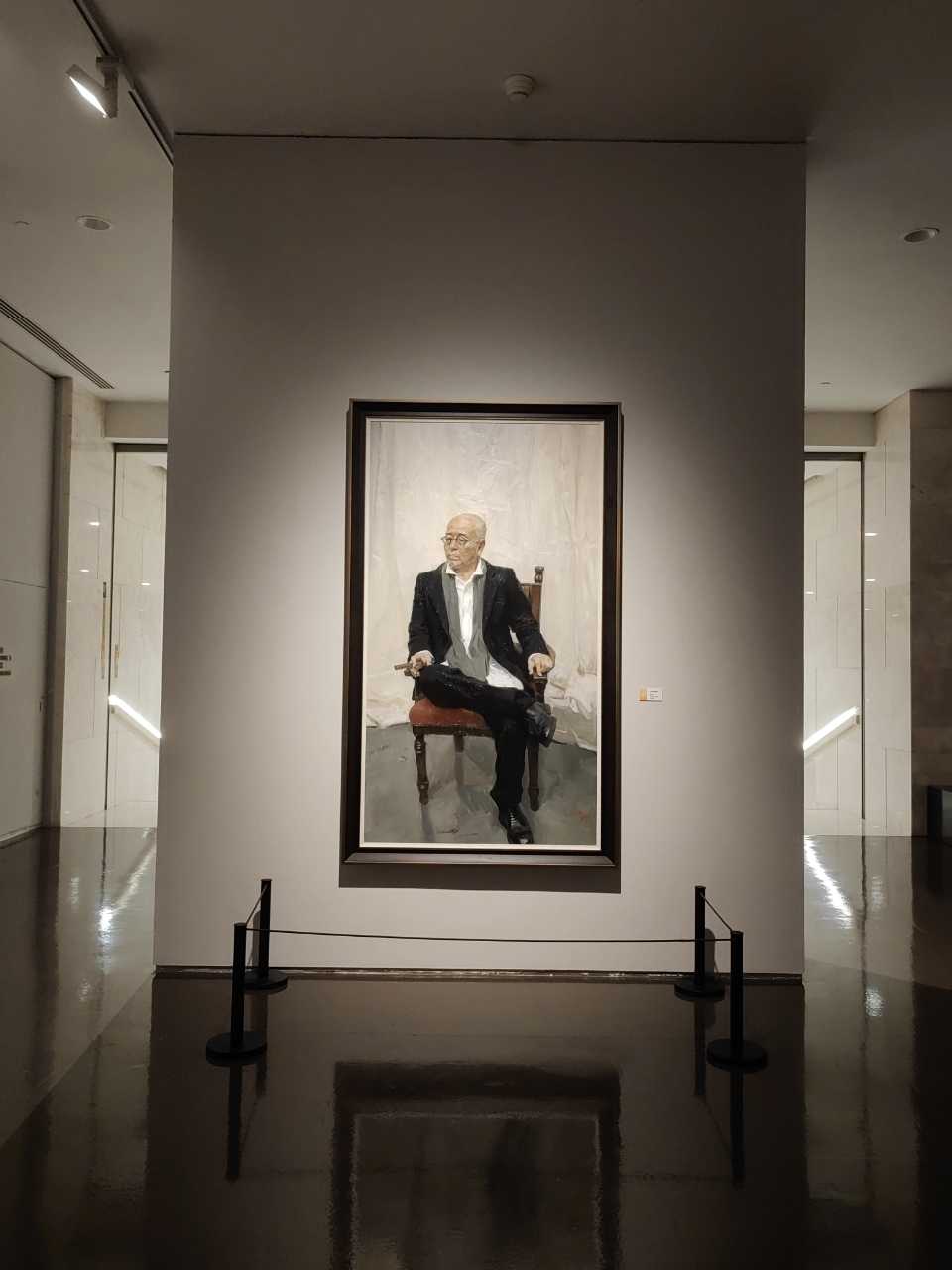
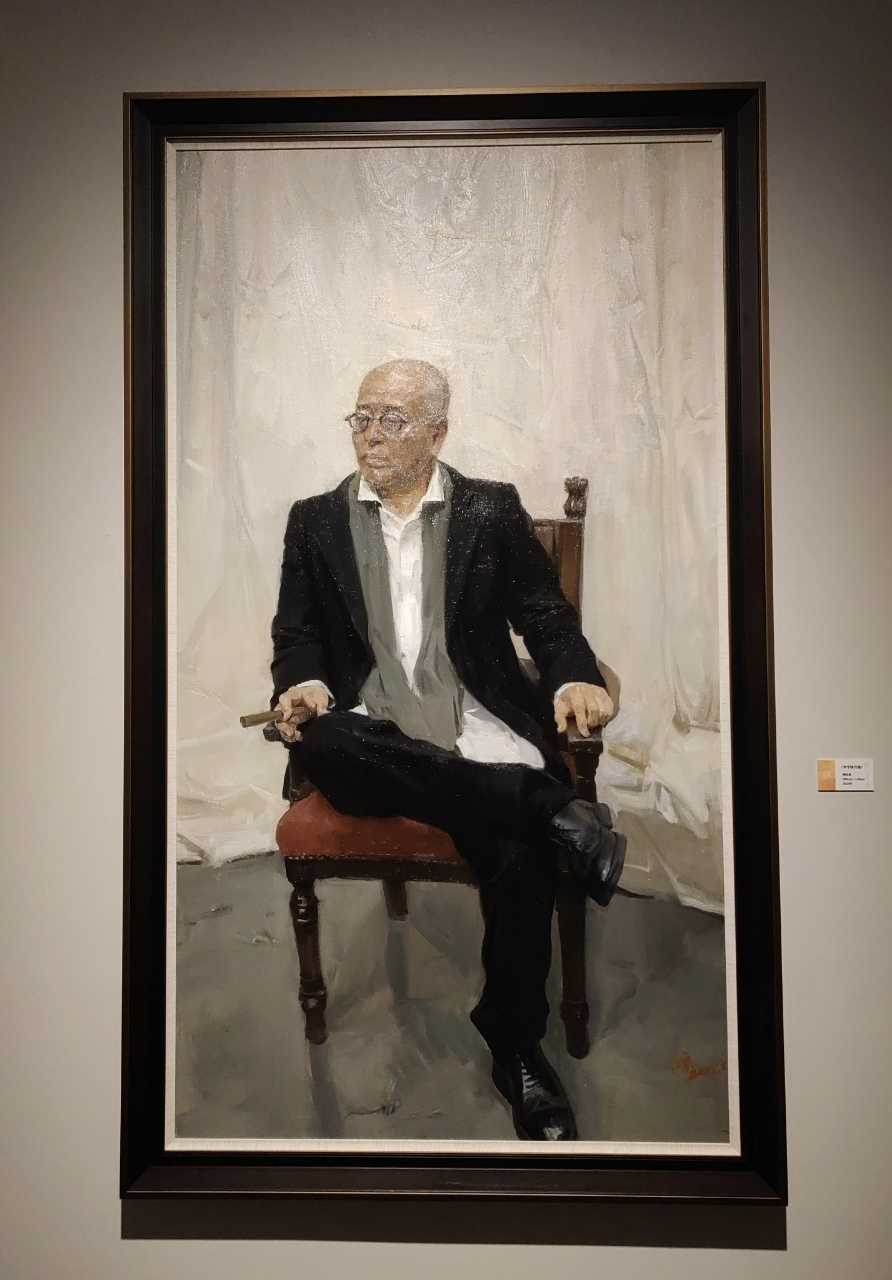
He Hongzhou's portrait series is equally impressive. Portrait of Bi Xuefeng (200x110cm, 2025), The Mountain Gazer – Portrait of Zhang Jie (200x120cm, 2023), and Portrait of Guan Huaibin (190x100cm, 2023)—each one is like a window, allowing us to glimpse the inner world of the subjects. What He Hongzhou captures with his brush is not just appearance, but the unique temperament that the era bestows upon individuals.
[Link: Discover more about He Hongzhou's portrait techniques]
Luo Genxing: The Sky of History and Heroic Group Portraits
Luo Genxing, born in 1955 in Shen County, Hebei, is a council member of the Chinese Oil Painting Society. His representative work The Sky of History – Scientists of the Two Bombs, One Satellite Project (200x800cm, 2012) is a magnificent masterpiece. With a panoramic composition, this painting gathers the scientists who silently dedicated themselves to China's scientific and technological endeavors, as if proclaiming to the world: Heroes have never gone away; they shine brightly in the sky of history.
Luo Genxing's works have won multiple awards at national art exhibitions. His artistic language possesses both a heavy sense of history and delicate humanistic care. From The Decisive Battle of Huaihai to Existence·Beichuan, he has always been exploring how to use his brush to record the major moments of the era.
[Link: Learn about Luo Genxing's historical painting techniques]
Wu Dayong: Youth Narratives in Iconography
Wu Dayong, born in 1977 in Nanjing, Jiangsu, is a professor at the China Academy of Art and Dean of the School of Painting and Art. His works Iconography – My University (200x180cm, 2021) and Iconography – My University No. 2 (200x150cm, 2022) depict the bits and pieces of university life from a unique perspective and with contemporary language. These pieces have both the vitality of youth and deep reflections on growth and identity.
Wu Dayong's works have repeatedly won the highest awards at the National Youth Art Exhibition. His artistic style blends realism and expression, combining traditional skills with modern aesthetics.
[Link: Explore Wu Dayong's contemporary oil painting style]
Zhu Chunlin: Strength in Stillness
Zhu Chunlin, born in 1968 in Tongcheng, Anhui, is the president of the Oil Painting Institute of the Chinese National Academy of Arts. His work Lock (180x90cm, 2022) conveys a quiet yet powerful emotion through its simple composition and steady tones. The Angel of Good News (180x120cm, 2017) is filled with warmth and hope, as if telling us that even in the most ordinary life, there are moments worth celebrating.
Zhu Chunlin's artistic pursuit is "investigating things to acquire knowledge." He excels at extracting profound philosophical thoughts from everyday objects, allowing viewers to feel the warmth of art in silence.
[Link: Understand Zhu Chunlin's philosophy of stillness in art]
Duan Zhengqu: The Singer by the Yellow River
Duan Zhengqu, born in 1958 in Yanshi, Henan, is a professor at the School of Fine Arts and a renowned figure in Chinese oil painting. His works often draw inspiration from the Yellow River region, capturing the resilience and spirit of the people living along its banks. His brushwork is both earthy and lyrical, telling stories of labor, tradition, and transformation.
Why This Exhibition Matters for Art Lovers and Travelers
The "Majestic Splendor – China's Oil Painting 30-Year Art Exhibition" is more than a display of paintings; it is a cultural time capsule. For travelers visiting Shanghai, the China Art Palace (formerly the China Pavilion of Expo 2010) itself is a landmark worth exploring. This exhibition offers a unique opportunity to:
- Witness 30 years of artistic evolution in Chinese oil painting
- See masterpieces from both established and emerging artists
- Understand the social and historical context behind the art
- Experience the "Spirit of the People" as a living, breathing concept
Whether you are an art enthusiast, a history buff, or a curious traveler, this exhibition provides a profound lens through which to view modern China.
[Link: Plan your visit to the China Art Palace Shanghai]
Frequently Asked Questions (FAQ)
1. What is the "Majestic Splendor – China's Oil Painting 30-Year Art Exhibition"?
 This is a major retrospective exhibition held at the China Art Palace in Shanghai, showcasing the development of Chinese oil painting over the past 30 years. It features over 300 works from multiple generations of artists, with a special focus on the "Spirit of the People" section.
2. When and where is the exhibition taking place?
The exhibition opened on September 25, 2025, at the China Art Palace (No. 205 Shangnan Road, Pudong New Area, Shanghai). Check the official website for current dates and ticket information.
3. Who are the key artists featured in the "Spirit of the People" section?
 Notable artists include He Hongzhou (portraits), Luo Genxing (historical group portraits), Wu Dayong (youth iconography), Zhu Chunlin (still life and emotion), and Duan Zhengqu (Yellow River narratives). The exhibition also includes works by older masters like Zhan Jianjun and Jin Shangyi.
4. Is the exhibition suitable for international visitors?
 Yes. While most descriptions are in Chinese, the visual power of the paintings transcends language. Audio guides and bilingual brochures may be available. The China Art Palace is a popular tourist destination with English signage.
5. How long should I plan to spend at the exhibition?
Allow at least 2–3 hours to fully appreciate the exhibition. The "Spirit of the People" section alone contains dozens of large-scale works that deserve careful viewing. Combine your visit with a walk through the surrounding Century Park for a full day experience.
Conclusion: Your Invitation to a Timeless Dialogue
The "Majestic Splendor – China's Oil Painting 30-Year Art Exhibition" is not just an event—it is an invitation to step into the soul of an era. Through the brushstrokes of China's finest oil painters, you will see the faces of the people who built this nation, the dreams that shaped its modern identity, and the art that continues to evolve.
Whether you are planning a trip to Shanghai or simply seeking to deepen your understanding of Chinese contemporary art, this exhibition offers a rare and moving experience. Don't miss the chance to stand before a painting that captures the spirit of a generation—and perhaps, find a piece of yourself reflected in the canvas.
Plan your visit today. Let art move you.
[Link: Book tickets for the China Art Palace exhibition] [Link: Explore more Shanghai art exhibitions] [Link: Read about the history of Chinese oil painting]