Magic City Shanghai: Exploring the Steel-and-Time Dream of China's Ultimate Metropolis
Meta Description: Discover Shanghai's soul through its ancient alleys, modern skyscrapers, and hidden stories. From Yu Garden to Nanjing Road, explore the magic city where tradition meets tomorrow.
Introduction: Why Shanghai Is Called the "Magic City"
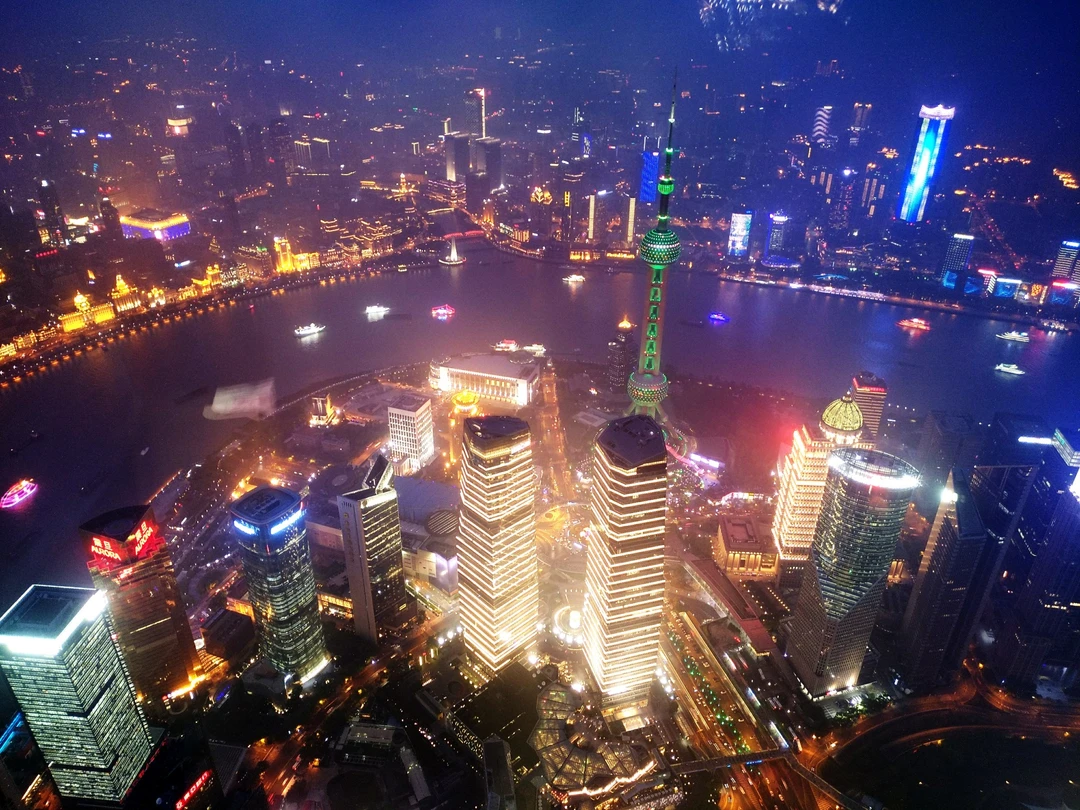
Shanghai—the name alone conjures images of neon-lit skylines, colonial-era buildings, and a relentless forward march into the future. But why do locals call it the "Magic City"? Because Shanghai is a place where steel and time coexist in a constant, beautiful tension. It's a city that holds secrets in its yellowed letters, whispers in its Wu dialect, and roars through its towering glass towers.
For many, Shanghai is the white scarf of Xu Wenqiang in Shanghai Bund, the decadent reflections of Tiny Times, or the selfie sticks crowding the Bund's waterfront. But for those who dig deeper, Shanghai is a mystery—a city that makes people leave their hometowns forever yet never lose their accents. This article takes you on a journey through Shanghai's most iconic streets, hidden alleys, and timeless traditions.
City God Temple (Chenghuang Miao): The Stock of Shanghai's Rich Broth
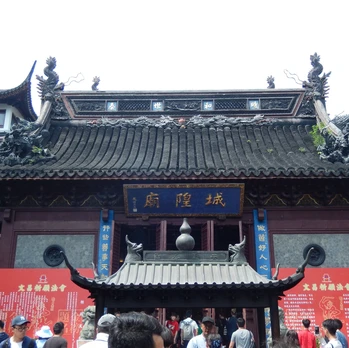
Every city needs roots. In Shanghai's old town, the City God Temple (Chenghuang Miao) and Yu Garden are those roots—a patch of land less than a square kilometer that has bustled for centuries.
The Shrewd Origins of Shanghai's Guardian

The temple enshrines Qin Yubo, a Shanghai native from the late Yuan and early Ming dynasties. He was the embodiment of "shrewdness." When chaos erupted, he resigned from office and returned home. When the Hongwu Emperor summoned him repeatedly, he made excuses until he could no longer refuse. After his death, the emperor appointed him "City God of Shanghai"—a posthumous job he chose himself.
A Temple of Three Archetypes
The temple's layout hides a subtle design:
- Front Hall: Huo Guang, a general who guarded the empire (military)
- Back Hall: City God Qin Yubo (civil affairs)
- Neighboring Yu Garden: Built by Pan Yunrui, a merchant-turned-official (commerce)
This trio—military, civil, and commercial—is Shanghai's genetic code: shrewd, pragmatic, and skilled at enjoying life.
The Zigzag Bridge (Jiuqu Qiao): A Timeless Crowd
On the Zigzag Bridge, crowds have shuffled along for centuries—men with long braids, men in long robes, men in ties. They file through, only to vanish into another time. The liveliness never changes. Only the people passing through do.
[Link: Shanghai history tours]
Yu Garden: Finding Peace Amid Splendor
Built by Pan Yunrui to "bring joy to his aging parents," Yu Garden was sold to the City God Temple during the Qianlong era and renamed the "West Garden." In 1855, the lake-center pavilion was converted into a teahouse, and the area became a chaotic marketplace.
A Feast for the Senses
Don't underestimate a marketplace. A single wonton stall carries dough, fillings, pots, bowls, spoons, oil, salt, soy sauce, vinegar, and a small stove with firewood. The niangao (rice cakes), xiekehuang (crab-shell pastries), jiuniang yuanzi (fermented rice dumplings), and choudoufu (stinky tofu) aren't just flavors—they're generations of memory.
The Lost Trades of Old Shanghai
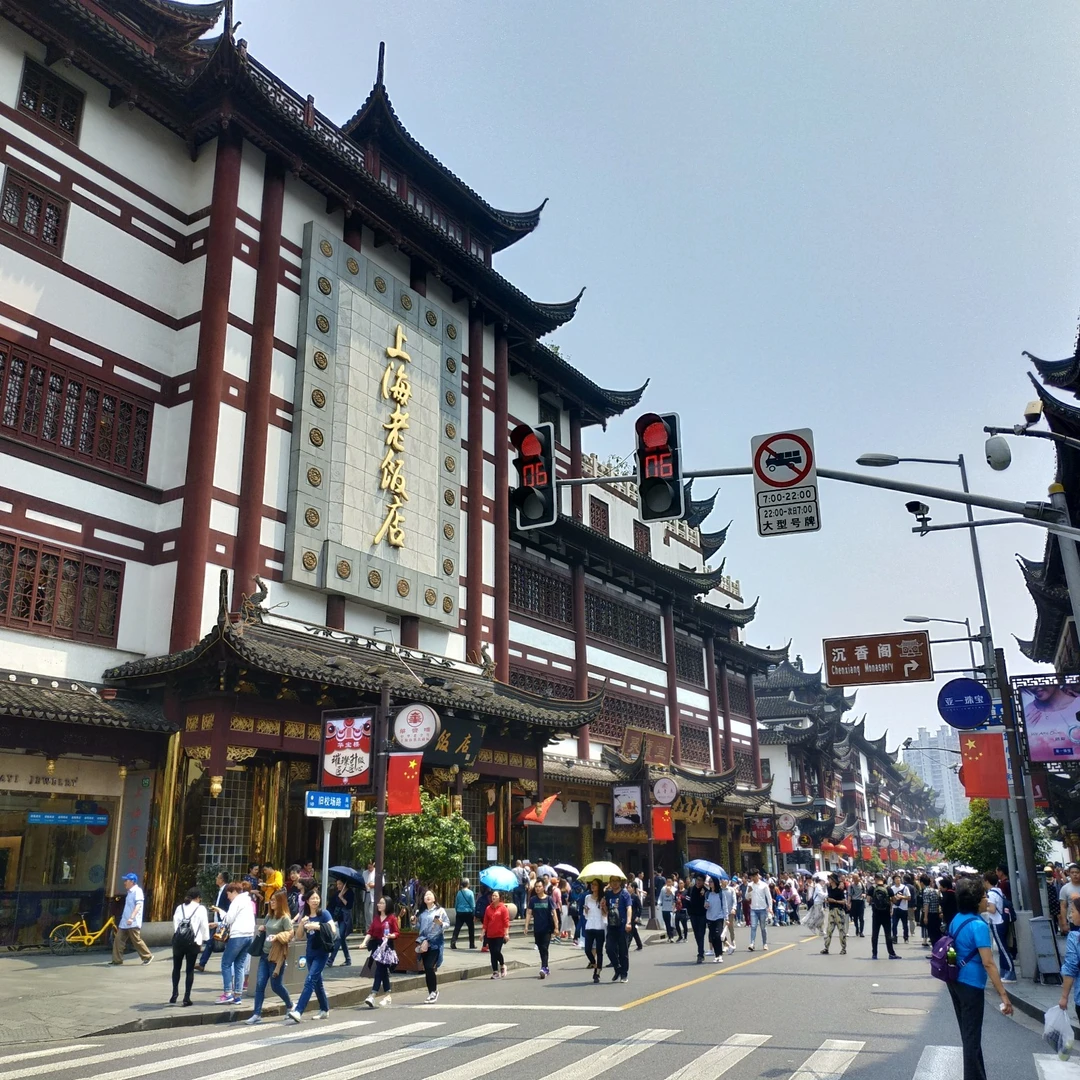
At the street corners of the City God Temple, you once found bowl-menders, bucket-repairers, dough-figure makers, letter-writers, street magicians, peep-show operators, tooth-pullers, and fortune-tellers. These people are rare now, along with snuff bottles, tooth powder, and thermos stoppers. But the liveliness remains.
Blue-and-White Porcelain Meets Pop Culture
Inside Yu Garden, I saw something delightful: a Jingdezhen blue-and-white porcelain ensemble performing Zhou Jie's song Blue and White Porcelain. Playing Blue and White Porcelain on blue-and-white porcelain—that's Shanghai-style humor. Tradition and modernity, East and West, always find a strange harmony here.
[Link: Best street food in Shanghai]
Fuyou Road: Old Neighbors, Old Alleys
Just a wall away from Yu Garden lies Fuyou Road—a different world entirely.
A Slower Rhythm in a Fast City
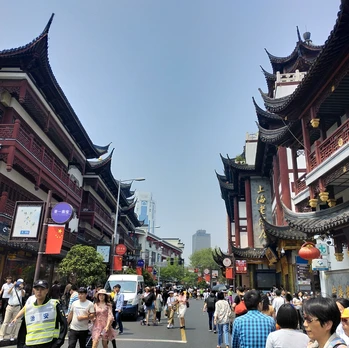
In bustling, fast-paced Shanghai, a slow rhythm seems out of place. But the old houses and alleys of Fuyou Road pull you into another era without warning. The sense of life here is so thick you can almost smell it:
- Children chasing their fathers
- Elderly people stepping out their doors
- Delivery drivers whizzing past on scooters
- Laundry hanging from windows
- People lounging in the sun while keeping an eye on their shops
A Small Universe Under Pressure
Everyone here has their own timeline, their own pace. Each person is a galaxy with its own rhythm and orbit. This is a small universe—in contrast to the city's expansion, everything in these alleys is slowly compressing. Tomorrow will probably look the same, but sometime soon, it might all be demolished.
[Link: Shanghai alleyway photography]
Fangbang Middle Road: The Waiting of Shanghai's Old Street
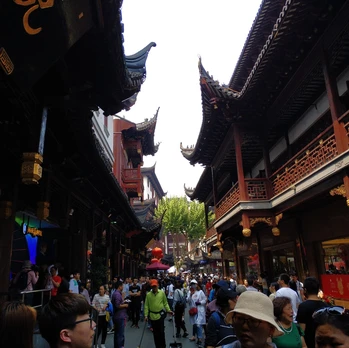
Shanghai Old Street (Fangbang Middle Road) was once known as "Temple Front Street." Over a hundred years ago, this was the first place in Shanghai to blaze with lights and swarm with merchants after the port opened.
Architecture That Tells a Story
The eastern section of the old street features buildings from the Ming and Qing dynasties to the Republican era:
- Ming/Qing style: Horse-head walls, lattice windows, carved doors
- European style: Scattered remnants of Western culture flooding into Shanghai
On this street, you don't feel these buildings are out of place. Instead, you taste the open-mindedness that defined Shanghai's cosmopolitan culture from its very beginning.
The Film That Captures a Fading World
While researching, I discovered a little-known film called Waiting on Fangbang Middle Road. It tells the story of a French female journalist who uses her camera to document a three-generation family in Shanghai's old quarter facing demolition. A small world, even if squeezed into a corner room of just a few square meters, is being forced to disappear by modernization and unstoppable globalization.
This is Shanghai's other face: behind the gleaming skyscrapers, something is always quietly fading away.
[Link: Shanghai cultural heritage sites]
Nanjing Road: Night Shanghai, Still Elegant
Guangzhou has Shangxiajiu and Beijing Road. Shanghai has Nanjing Road.
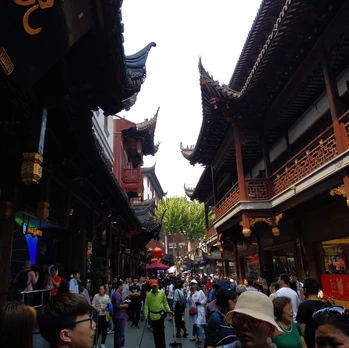
When night falls, Nanjing Road Pedestrian Street transforms into a charming Shanghai woman—heavily made-up, blending Chinese and Western styles. Emerging from the subway, the brightly lit, crowded street makes you feel like you've stumbled into another day in a different dimension.
The Neon Heart of Modern Shanghai
Nanjing Road is where Shanghai's "magic" is most visible. Here, century-old department stores stand alongside futuristic malls. Street performers compete with luxury boutiques. The energy is electric, and the crowd is a living tapestry of locals, tourists, and expats.
What to Do on Nanjing Road at Night
- Shop: From luxury brands to quirky souvenirs
- Eat: Try shengjianbao (pan-fried pork buns) from street vendors
- Photograph: Capture the neon glow against historic architecture
- Walk: Stroll from People's Square to the Bund for skyline views
[Link: Shanghai nightlife guide]
FAQ: Everything You Need to Know About Visiting Shanghai
1. What is the best time to visit Shanghai?
Spring (March-May) and autumn (September-November) offer mild temperatures and clear skies. Avoid Chinese New Year and National Day holidays when crowds peak.
2. How many days should I spend in Shanghai?
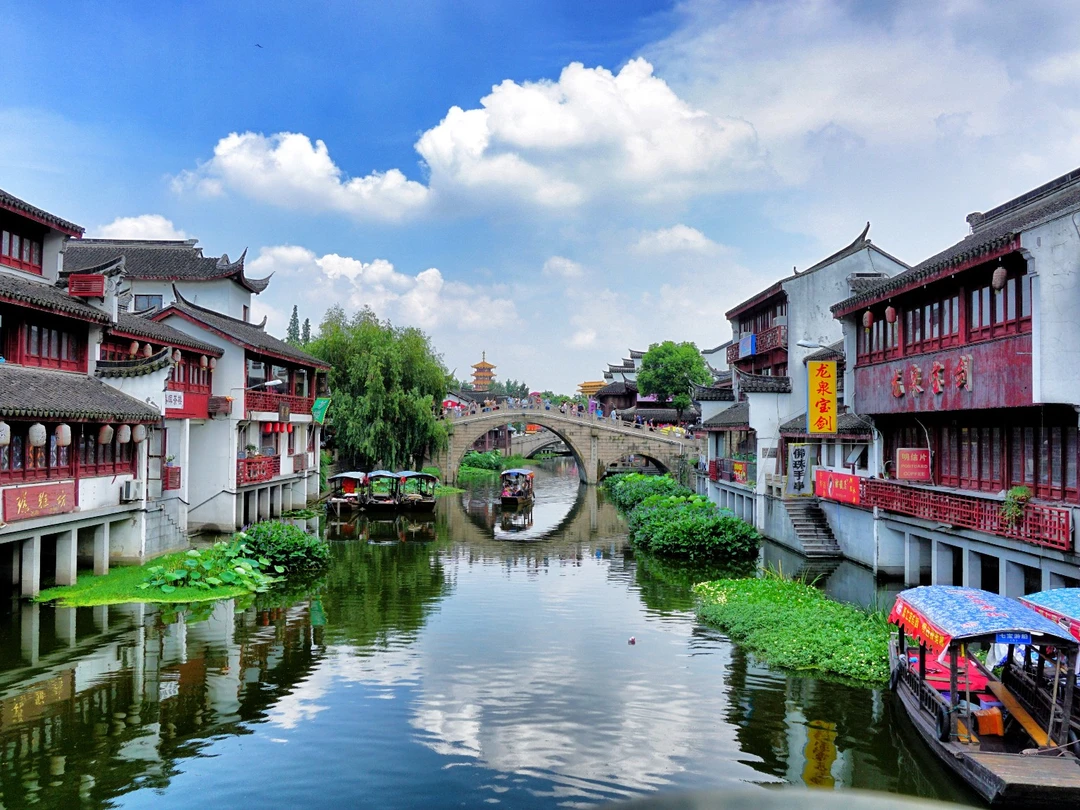
 A minimum of 3-4 days to cover major attractions: the Bund, Yu Garden, Nanjing Road, and the Huangpu River cruise. Add 2 more days for day trips to Zhujiajiao Water Town or Suzhou.
3. Is Shanghai expensive for tourists?
Shanghai can be budget-friendly or luxurious. Street food costs as little as ¥10-20, while fine dining can exceed ¥500 per person. Public transport is cheap and efficient.
4. What are the must-try foods in Shanghai?
 - Xiaolongbao (soup dumplings) - Shengjianbao (pan-fried pork buns) - Shanghai hairy crab (seasonal, autumn) - Nian gao (stir-fried rice cakes) - Choudoufu (stinky tofu) from street stalls
5. How do I get around Shanghai?
The Shanghai Metro is extensive, affordable, and English-friendly. Taxis and ride-hailing apps like Didi are also widely available. For a scenic route, take the Bund Sightseeing Tunnel or a Huangpu River ferry.
Conclusion: Your Shanghai Dream Awaits
Shanghai is not just a city—it's a dream between steel and time. From the yellowed letters of a grandfather's cabinet to the neon glow of Nanjing Road, every corner holds a story. Whether you're savoring xiaolongbao at Yu Garden, photographing the fading alleys of Fuyou Road, or gazing at the skyline from the Bund, Shanghai will leave its mark on your soul.
Ready to experience the magic? Start planning your Shanghai adventure today. Book your flight, pack your camera, and prepare to fall in love with a city that never stops surprising you.
Your journey begins now. What will you discover?
[Link: Shanghai travel itinerary] [Link: Shanghai hotel deals] [Link: Shanghai tour packages]