Kansai Autumn Foliage Exploration: A Complete Record of a Six-Day Deep Dive into Kyoto and Osaka
Meta Description: Discover the ultimate Kansai autumn foliage itinerary with our six-day Kyoto and Osaka guide. From Arashiyama's red maples to Osaka Castle, get insider tips on timing, budget travel, and hidden gems. Perfect for first-timers and leaf-peepers.
Introduction: Why Kansai in Autumn Is Worth Every Yen
If you've been dreaming of Japan's iconic autumn foliage but worry about crowds, costs, or missing the peak season, you're not alone. The Kansai region—home to Kyoto's ancient temples and Osaka's vibrant energy—offers one of the world's most spectacular autumn displays. But timing is everything, and so is planning.
Our six-day journey through Kyoto and Osaka was born from persistence: six months of convincing a reluctant family, battling inaccurate foliage forecasts, and navigating budget airline quirks. The result? A deeply rewarding—if sometimes chaotic—deep dive into Kansai's autumn colors. Whether you're a solo traveler, a couple, or a family with older kids, this guide will help you avoid our mistakes and maximize your leaf-peeping experience.
[Link: Best time to visit Kansai for autumn foliage]
Pre-Trip Preparation: Timing, Tickets, and Budget Hacks
Autumn Foliage Forecasts: The Battle Between Prediction and Reality
Before booking, I consulted multiple Japanese autumn foliage prediction websites. Mid-October forecasts indicated an early season, with Kansai's peak around late November. I booked flights from November 14th to 19th—cautiously early. As it turned out, the forecast was eerily accurate: the leaves didn't truly peak until after we left. Lesson learned? Always check updated forecasts 2–3 weeks before departure, and consider booking refundable flights if possible.
Airline Tickets: The Cheap Flight Trap

I snagged a six-day round-trip Osaka package from Spring Airlines for just 1,499 yuan (~$210). The catch? Both flights departed at 12:50 PM local time, rendering the first and last days practically useless. If you're on a tight schedule, avoid budget airlines with midday departures—they eat into your exploration time. Instead, look for early-morning arrivals or red-eye flights that maximize daylight hours.
Packing Essentials for Autumn in Kansai
- Layers: November temperatures range from 8°C to 18°C (46°F–64°F). Pack a light jacket, sweater, and scarf.
- Comfortable walking shoes: You'll average 15,000+ steps daily.
- Portable Wi-Fi or SIM card: Essential for navigation and real-time foliage updates.
- Cash: Many smaller shops and restaurants in Kyoto still prefer cash.
[Link: Essential packing list for Japan in autumn]
Itinerary Overview: Six Days in Kyoto and Osaka
| Day | Activities | Accommodation |
|---|---|---|
| 1 | Pudong → Kansai Airport → Umeda → Hotel | Hotel Hokke Club, Umeda |
| 2 | Umeda → Arashiyama → Umeda | Hotel Hokke Club, Umeda |
| 3 | Umeda → Fushimi Inari Shrine → Kiyomizu-dera → JR Kyoto Station → Umeda | Hotel Hokke Club, Umeda |
| 4 | Umeda → Kitahama → Osaka Castle → Tempozan Ferris Wheel → Sakishima Cosmo Tower → Kitahama | Dormy Inn, Kitahama |
| 5 | Kitahama → Shinsaibashi · Dotonbori → Umeda Sky Building → Kitahama | Dormy Inn, Kitahama |
| 6 | Kitahama → Kansai Airport | — |
Pro tip: Split your stay between Umeda (for Kyoto access) and Kitahama (for Osaka exploration) to minimize daily commute time.
Day 1: A Day Wasted by a Cheap Ticket—and How to Avoid It
The Arrival Experience
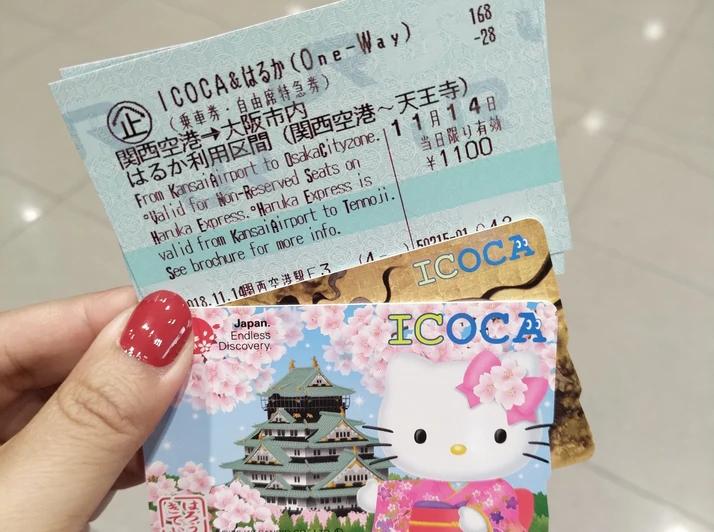
Our 12:50 PM flight arrived at Kansai Airport just past 4:00 PM. After disembarking, we took the free shuttle to Terminal 2, then walked to the JR station between T2 and T1 to purchase IC cards and express train tickets. By the time everything was sorted, it was past 5:00 PM. By 6:00 PM, when JR Osaka Station came into view, the sky had completely darkened.
What I'd do differently: Book an early-morning flight or arrive the night before. If you must take a midday flight, plan a low-key evening activity like exploring Umeda's underground shopping arcades.
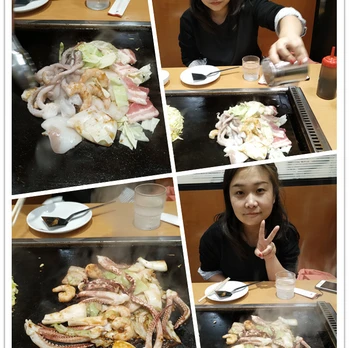
Dinner at Tsuruhashi Fūgetsu: A Budget-Friendly Introduction to Osaka Food
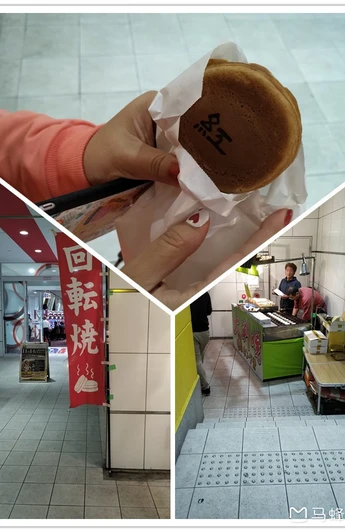
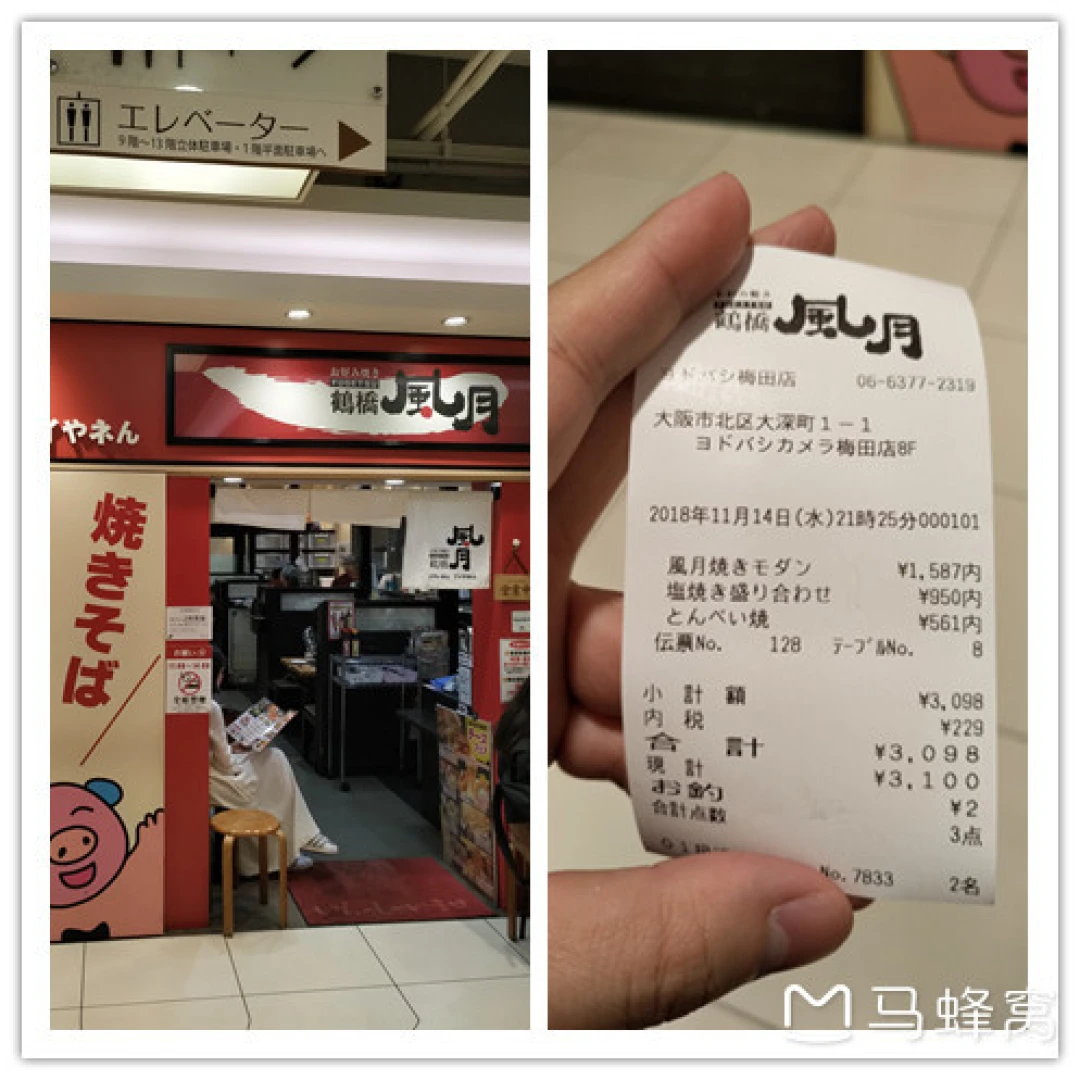
Most Japanese shops close around 10:00 PM, so we headed to Tsuruhashi Fūgetsu on the eighth floor of Yodobashi Camera in Umeda. On the way, we grabbed an anko taiyaki (red bean-filled fish-shaped cake) from a small stall—average, but a fun street-food experience.
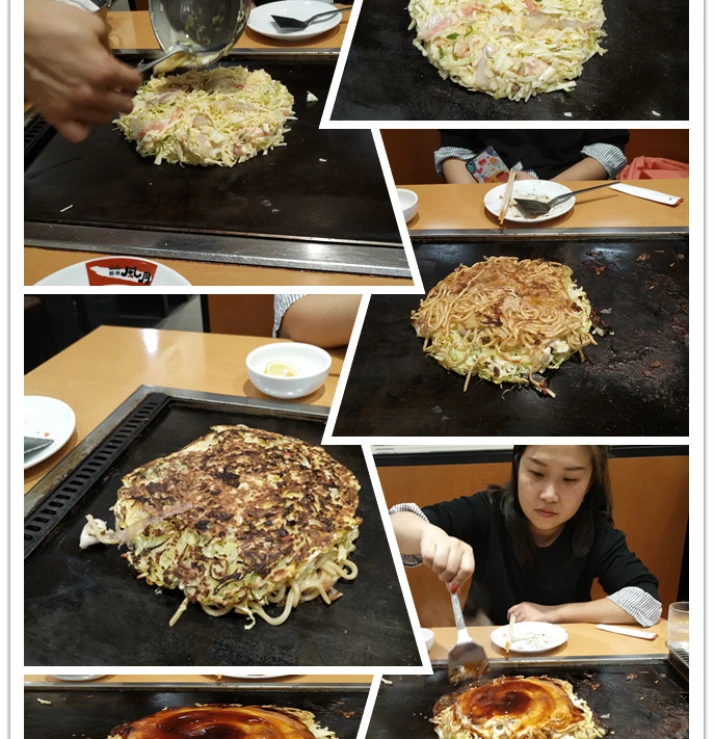
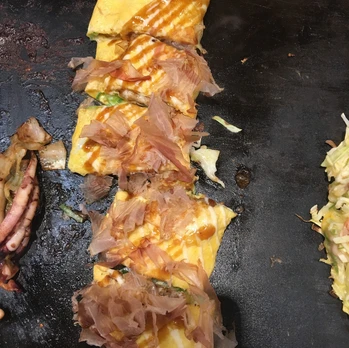
What we ordered: - Traditional okonomiyaki (staff-prepared at the table, with fried noodles) - Salt-grilled seafood mix (self-cooked—surprisingly delicious) - Thick egg and pork omelet (pre-cooked, decent)
Cost: Less than 100 yuan (~$14) per person—the cheapest proper dinner we had in Japan.
[Link: Best budget restaurants in Osaka]
Day 2: Arashiyama—The Frustrations and Surprises of a Laid-Back Traveler
The Sightseeing Train Ticket Fiasco
I knew tickets for the Arashiyama sightseeing train during foliage season were extremely hard to come by. But I didn't want to pay Taobao middlemen inflated service fees, so I planned to buy tickets at the JR station at Kansai Airport. Naturally, they were sold out. My backup plan: wake up early and buy tickets for Car 5 (which can't be reserved in advance). What happened? I overslept.
Lesson learned: If you want guaranteed sightseeing train tickets, book through official channels at least 2–3 weeks in advance, or accept the middleman markup as a necessary evil.
Navigating Arashiyama's Four Train Stations
Arashiyama has four train stations—a common source of confusion for first-timers:
| Station | Location | Best For |
|---|---|---|
| Hankyu Arashiyama Station | South | Access from Osaka/Kyoto |
| Keifuku Railway Arashiyama Station | Middle of shopping street | Scenic tram ride |
| JR Saga-Arashiyama Station | Northeast | Near sightseeing train's Saga Station |
| Sightseeing Train Arashiyama Station | Northwest | End of scenic train route |
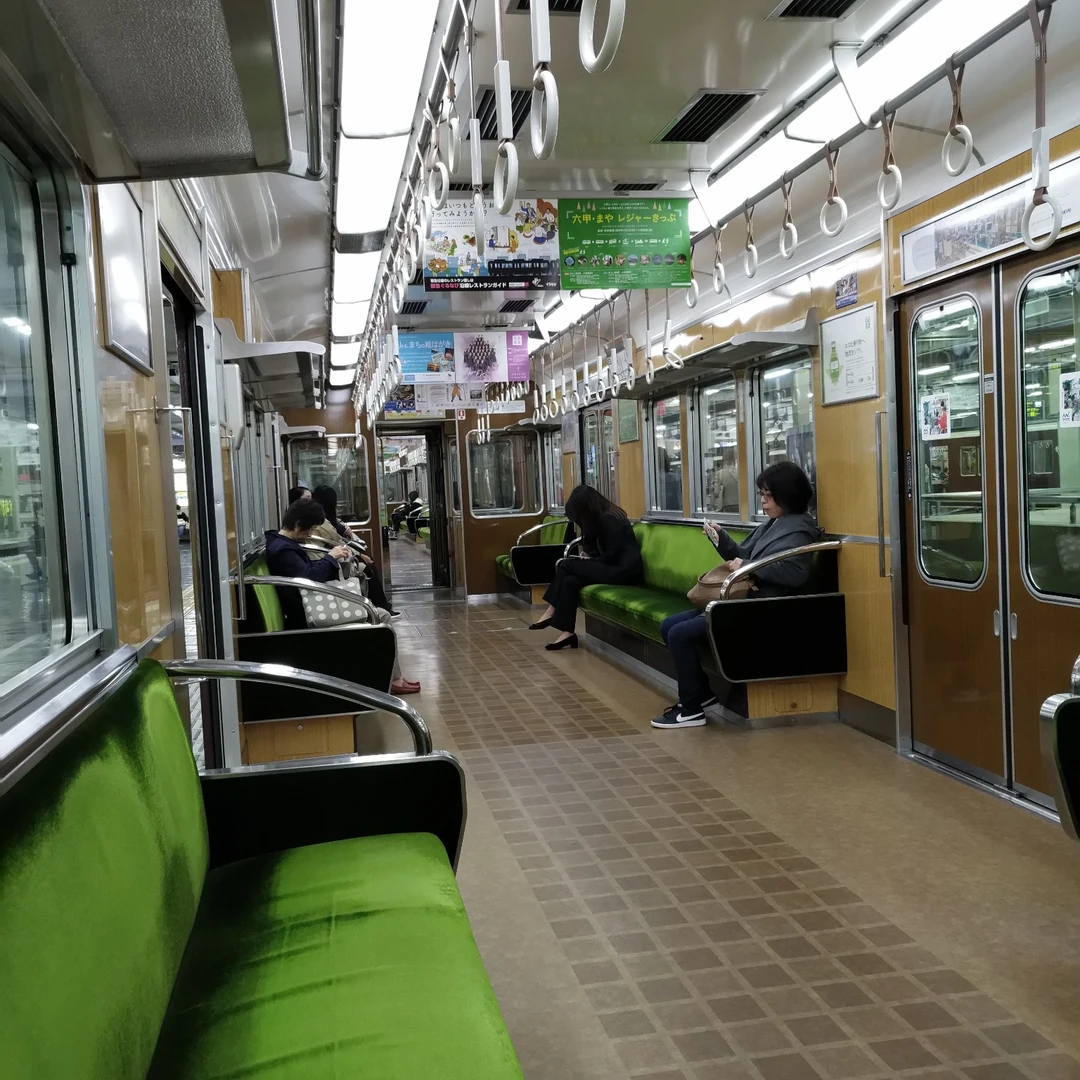
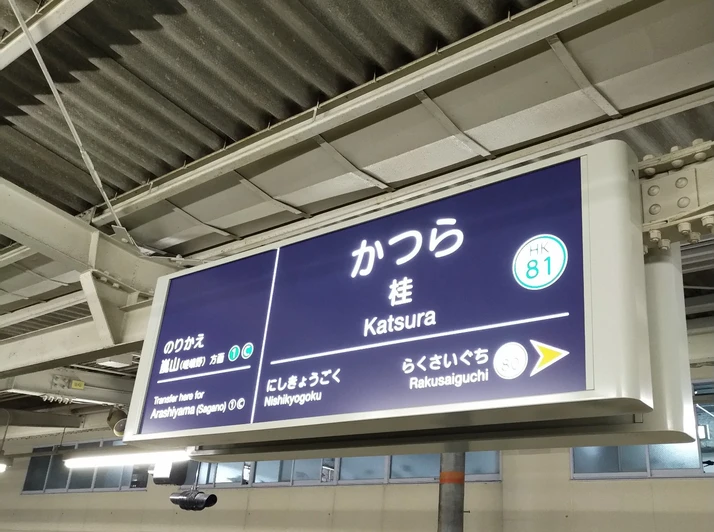
We took the Hankyu train to "Katsura" Station, then transferred to the Arashiyama line—the most economical route.
Togetsukyo Bridge and Nakajima Island: The Perfect Photo Spot
Leaving Hankyu Arashiyama Station, we crossed a small bridge to Nakajima Island. Despite looking big on the map, it's tiny—but it offers the best photo angle of Togetsukyo Bridge with hardly any crowds. Looking out from the bridge, the maple-covered mountains were only sparsely red—a reminder that we'd arrived slightly early.
Strolling Through Arashiyama's Shopping Street
By 10:00 AM, we were already behind schedule. We walked along the shopping street, which felt reminiscent of Yufuin's charming lane in Kyushu. Highlights included: - Rilakkuma Arashiyama Tea House (cute themed café) - Oimatsu (famous wagashi shop) - Sanshū Tofu (incredibly popular—expect a queue)
Hirokawa Unagi: The Michelin-Starred Wait
Hirokawa earned a Michelin star in 2017 (reportedly stripped in 2018, but still wildly popular). I found it not by research, but by spotting the stunning red maple tree at its courtyard entrance. At 10:50 AM, the queue wasn't too long, so I joined it. By the time we reached the inner courtyard, the line was just at the door.
Tip: Visit Hirokawa before 11:00 AM to avoid 1+ hour waits. The unagi (eel) is exceptional—grilled over charcoal with a sweet-savory glaze.
[Link: Arashiyama day trip itinerary]
Day 3: Kyoto's Iconic Sights—Fushimi Inari and Kiyomizu-dera
Fushimi Inari Shrine: The Thousand Torii Gates
We took the JR line from Umeda to Kyoto Station, then transferred to the Nara line for Fushimi Inari Shrine. Arriving around 9:00 AM, the crowds were already building. The iconic thousand vermilion torii gates are breathtaking, but the real magic lies in the quieter upper trails—most tourists stop after the first few hundred meters.
Pro tip: Visit at sunrise (around 6:30 AM in November) for near-empty paths and golden light filtering through the gates.
Kiyomizu-dera Temple: Autumn Foliage and City Views
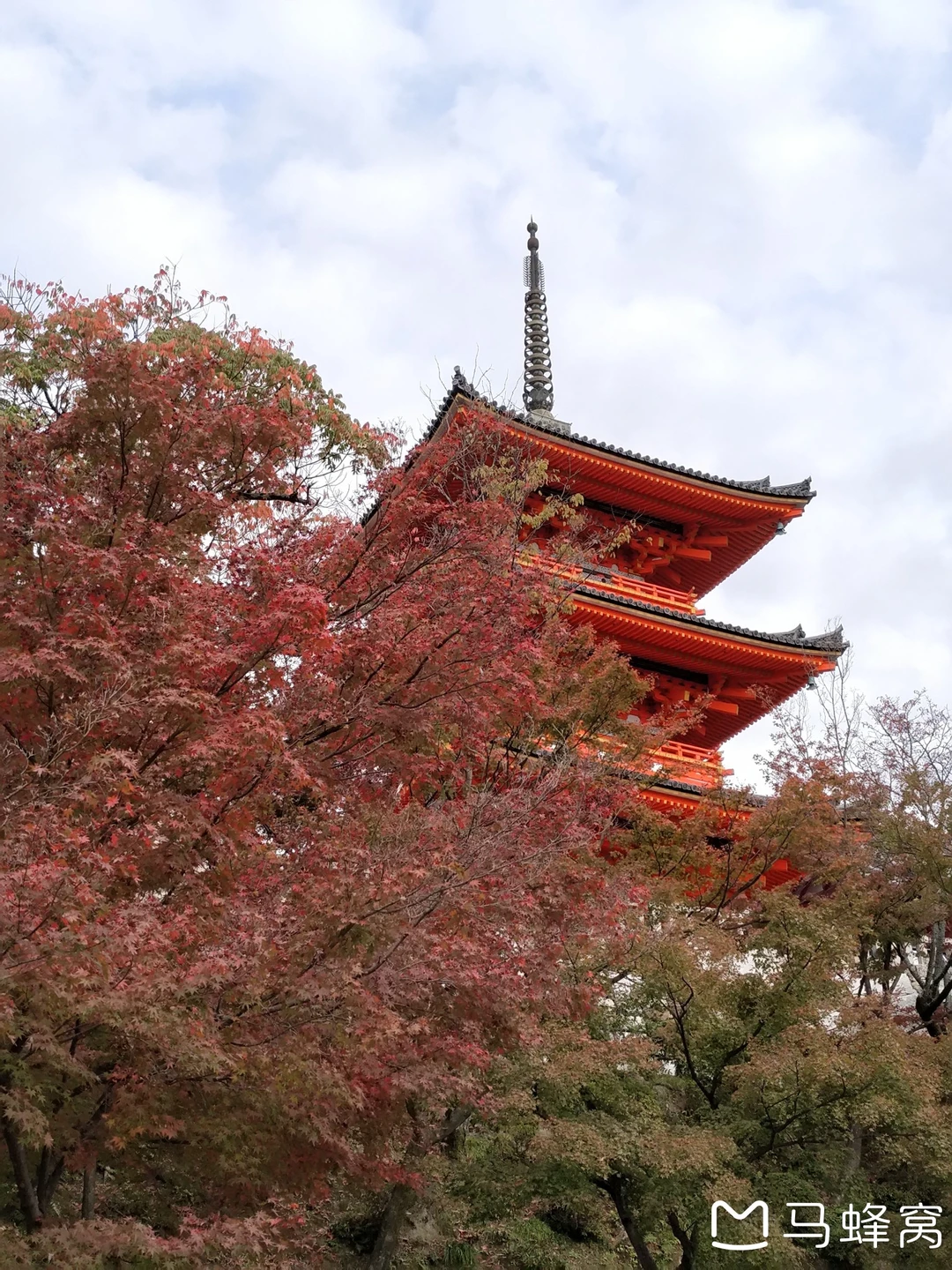
From Fushimi Inari, we took a bus to Kiyomizu-dera—one of Kyoto's most famous temples. The wooden stage offers panoramic views of Kyoto's autumn canopy. While the leaves were still transitioning, the contrast of red, orange, and green against the city skyline was stunning.
Cost: 400 yen (~$2.70) for temple admission.
[Link: Kyoto autumn foliage temples]
Day 4: Osaka Castle and City Views
Osaka Castle: History Meets Autumn Colors
Osaka Castle is surrounded by a park with over 600 cherry and maple trees. While cherry blossoms are the main draw in spring, autumn transforms the grounds into a tapestry of red and gold. The castle itself offers an excellent museum and observation deck.
Cost: 600 yen (~$4) for castle admission.
Tempozan Ferris Wheel and Sakishima Cosmo Tower
For panoramic Osaka views, we visited: - Tempozan Ferris Wheel (800 yen, ~$5.40): 112.5 meters tall, with stunning harbor views - Sakishima Cosmo Tower Observatory (free with Osaka Amazing Pass): 252 meters high, offering 360-degree city views
[Link: Osaka observation deck comparison]
Day 5: Shinsaibashi, Dotonbori, and Umeda Sky Building
Shinsaibashi and Dotonbori: Osaka's Shopping and Food Heart
Shinsaibashi is a covered shopping arcade stretching over 600 meters, while Dotonbori is the neon-lit canal district famous for street food. Must-try eats include: - Takoyaki (octopus balls) - Kushikatsu (deep-fried skewers) - Okonomiyaki (savory pancake)
Umeda Sky Building: The Floating Garden Observatory
The Umeda Sky Building features a "floating garden" observatory 173 meters above ground. The open-air deck offers unobstructed views of Osaka's skyline—especially magical at sunset.
Cost: 1,500 yen (~$10) for adults.
[Link: Dotonbori food guide]
FAQ: Kansai Autumn Foliage Travel
1. When is the best time to see autumn foliage in Kansai?
Peak season typically runs from mid-November to early December. Kyoto's higher elevations (like Arashiyama) peak earlier (mid-November), while Osaka city (like Osaka Castle Park) peaks later (late November to early December).
2. How do I get Kansai sightseeing train tickets without a middleman?
Book through the official JR West website (English available) up to one month in advance. Alternatively, purchase at JR stations in Kyoto, Osaka, or Kansai Airport—but expect sold-out dates during peak foliage season.
3. Is it worth visiting Kansai in autumn with young children?
This depends on your child's interests. Our itinerary skipped Universal Studios and Nara deer feeding—common family activities—because our child prefers nature over crowded attractions. For families with younger kids, consider adding Osaka Aquarium Kaiyukan or Kids Plaza Osaka.
4. How much should I budget for a six-day Kansai trip?
For budget travelers (like us): approximately $800–$1,200 per person including flights, accommodation, food, and attractions. Mid-range travelers should budget $1,500–$2,000.
5. What's the best way to get around Kyoto and Osaka?
Use IC cards (like ICOCA or Suica) for trains and buses. For Kyoto, consider the Kyoto City Bus One-Day Pass (600 yen). For Osaka, the Osaka Amazing Pass (2,700 yen) includes unlimited subway rides and free entry to 40+ attractions.
[Link: Japan IC card guide]
Conclusion: Your Kansai Autumn Foliage Adventure Awaits
Our six-day journey through Kyoto and Osaka was a masterclass in flexibility—and a reminder that even imperfect planning yields unforgettable memories. From the quiet beauty of Fushimi Inari's gates at dawn to the neon chaos of Dotonbori at night, Kansai in autumn is a sensory feast.
Ready to plan your own autumn foliage adventure? Start by checking updated foliage forecasts, booking flexible flights, and prioritizing one or two must-see spots per day. And remember: the best travel stories come from the moments you didn't plan for.
Bookmark this guide, share it with your travel buddies, and start counting down the days to peak foliage season. Your Kansai autumn exploration begins now.
Have questions about our itinerary? Drop them in the comments below—we'd love to help you plan your trip!
You may also like