A Spontaneous Journey Through the Jiangnan Region: A Complete 7-Day Self-Guided Tour of Jiangsu, Zhejiang, and Shanghai
Meta Description: Plan your perfect Jiangnan itinerary with this detailed 7-day self-guided tour of Jiangsu, Zhejiang, and Shanghai. Includes real costs, food tips, and hidden gems from a 2016 trip.
Introduction: Why This Jiangnan Travel Guide Matters
Planning a 7-day self-guided tour of Jiangsu, Zhejiang, and Shanghai can feel overwhelming. The Jiangnan region—with its classical gardens, ancient water towns, and modern metropolises—offers a unique blend of history and contemporary life. This guide is based on an actual trip taken from September 5th to September 11th, 2016, by a couple who navigated the challenges of post-G20 crowds, budget constraints, and spontaneous discoveries.
Whether you're a first-time visitor or a seasoned traveler, this Jiangsu Zhejiang Shanghai travel guide will help you plan your route, budget wisely, and avoid common pitfalls. Let's dive into the complete itinerary, real expense report, and actionable tips.
Before You Go: Essential Planning Tips for Jiangnan Travel
Best Time to Visit Jiangsu, Zhejiang, and Shanghai
The ideal time for a Jiangnan road trip is spring (March-May) or autumn (September-November). Our trip started on a Monday to avoid weekend crowds, but we hit an unexpected surge due to the G20 Summit's aftermath. Wuzhen was nearly empty, while Hangzhou was packed. Lesson learned: always check local events before booking.
What to Pack for a Self-Guided Tour

- Comfortable walking shoes – You'll walk 10,000+ steps daily.
- Student ID – Many attractions offer half-price tickets.
- Portable charger – Your phone will be your map, camera, and ticket.
- Light jacket – Spring Airlines flights can be chilly.
Budget Overview: How Much Does a 7-Day Jiangnan Trip Cost?
Based on our Jiangnan travel expenses, two people spent approximately ¥2,900 per person (excluding last-minute flight changes). Here's the breakdown:
- Flights: ¥300 (Spring Airlines from Jieyang to Shanghai) + ¥460 (return)
- Accommodation: ¥275–¥246 per night (Jinjiang Inn, Fulinmen Inn)
- Attractions: ¥60–¥320 per person (Yuyuan Garden, Oriental Pearl Tower)
- Food: ¥15–¥172 per meal (from street food to sit-down restaurants)
Pro tip: Book flights early and avoid last-minute changes to save up to ¥1,000.
Day 1: First Impressions of Shanghai – Yuyuan Garden, the Bund, and Shengjianbao
Spring Airlines: You Get What You Pay For
Our Shanghai self-guided tour began with a Spring Airlines flight. At ¥300 per ticket, the price was tempting, but the experience was basic: no free water, snacks, or legroom. At 178 cm tall, my knees pressed against the metal storage compartment. The in-flight sales pitch was a surprise. Tip: Bring your own jacket and water.
Jinjiang Inn: A Peaceful Haven in the Bustling City
We stayed at the Jinjiang Inn Shanghai People's Square Huaihai East Road (¥275/night). The room was small but clean, quiet, and perfectly located near restaurants, convenience stores, and a metro station (less than 5-minute walk). This is a solid budget option for Shanghai budget accommodation.
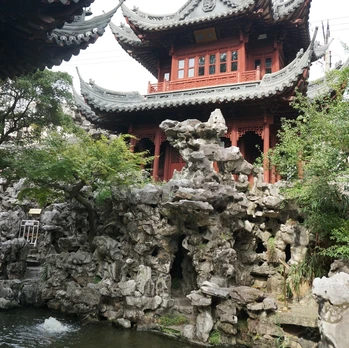
Yuyuan Garden: A First Taste of Classical Gardens
Arriving at 2 PM, we headed straight for Yuyuan Garden. On the way, we stopped at Nanxiang Xiaolongbao for soup dumplings (¥25). Eating in the shop cost more than takeout, but the broth stayed intact. The crab roe aroma was rich and satisfying.
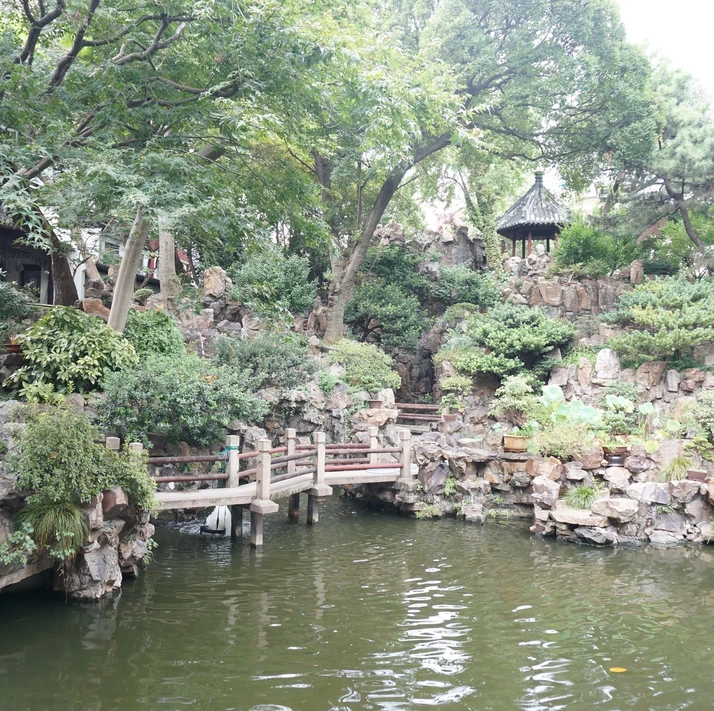
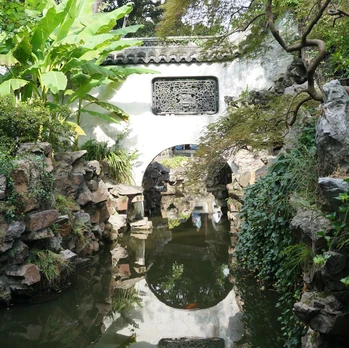
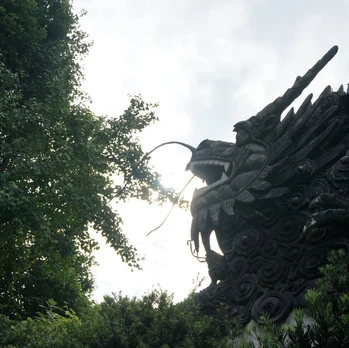
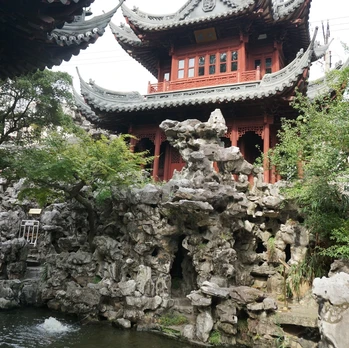
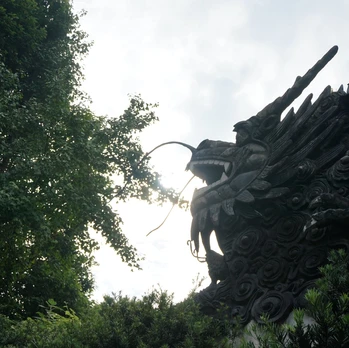
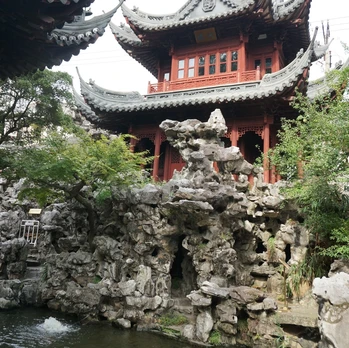
Yuyuan Garden offered half-price tickets with a student ID (¥60). While I'm no garden expert, the classical Chinese design was impressive. We strolled, took photos, and marveled at the "backyard" of a wealthy merchant.
The Bund: From Shengjianbao to Waibaidu Bridge
Leaving Yuyuan Garden, we walked along the Bund toward Waibaidu Bridge. Exhausted, we rested at a Starbucks near Nanjing Road—and discovered Xiao Yang Shengjian (pan-fried pork buns). Shengjianbao exceeded expectations: crispy bottom, rich broth, and savory filling. Warning: Let them cool before biting!
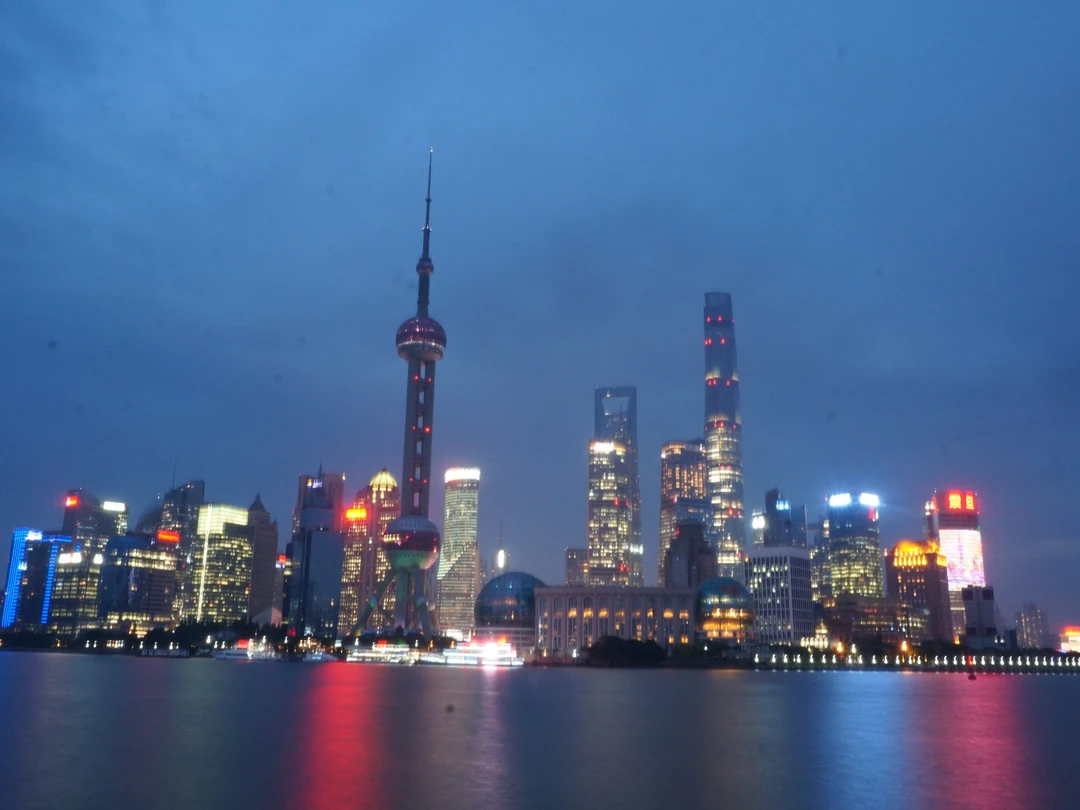
Waibaidu Bridge under the night sky was stunning—a steel structure glowing with history. We waited for the Lujiazui skyline to light up, but the Bund grew crowded even on a Monday. We cabbed back to rest.
Day 2: Oriental Pearl Tower – From the Science Museum to the Glass Walkway
Shanghai Science & Technology Museum: Better for Families with Kids
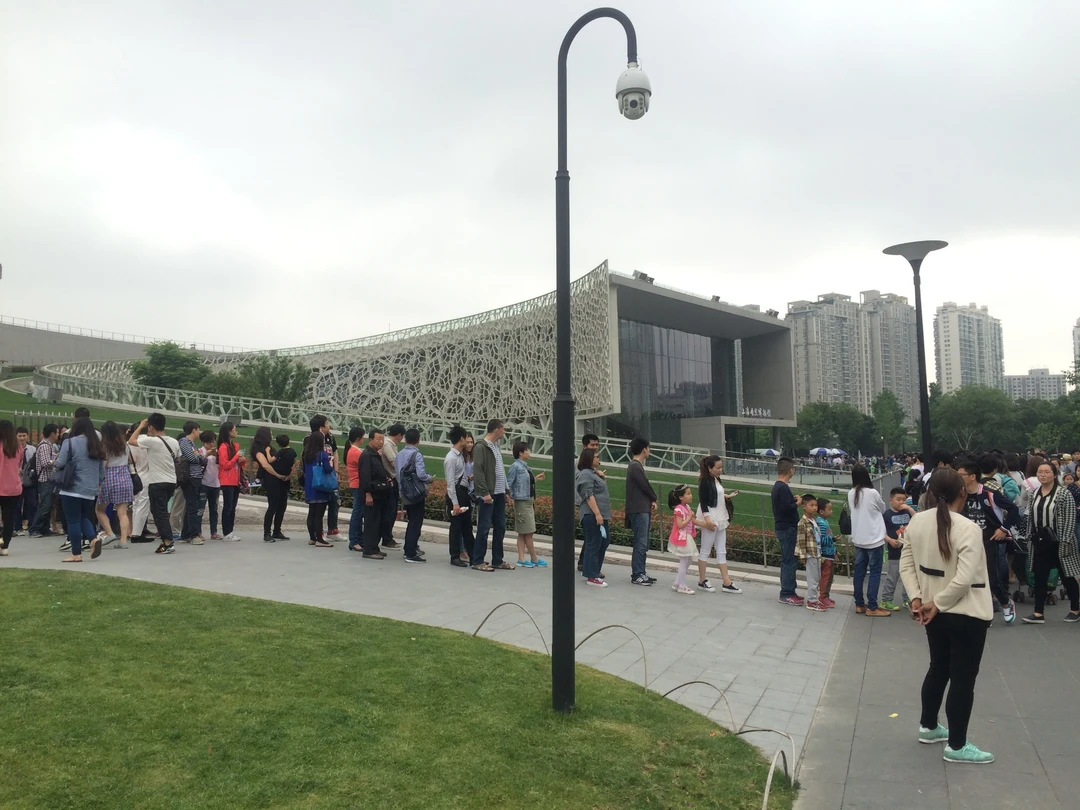
In the morning, we took the metro to the Shanghai Science & Technology Museum. Expecting a high-tech wonderland like "Running Man," we found it more suited for children. The exhibits were decent but childish. The panoramic cinema, 4D theater, and spherical cinema required advance booking—all sessions were full until 1 PM. We wandered for a few hours and headed to Lujiazui for lunch.
Golden Grandma's Home: The "Immortal Chicken" Was a Showstopper
At Golden Grandma's Home in Lujiazui, we ordered three dishes (¥172 total):
- Immortal Chicken – A whole chicken fried and braised with pork trotters and wood ear mushrooms. The skin was crispy, the meat tender, and the sauce perfect with rice. We scraped the pot clean.
- Sweet-and-Sour Spare Ribs – A cold dish, decent flavor but greasy for two.
- Clay Pot Bullfrog – Salty, spicy, and sour with a thick sauce. Came with plain congee—not recommended.
Oriental Pearl Tower: From the Clouds to the Glass Walkway
After lunch, we walked five minutes to the Oriental Pearl Tower and bought Package B tickets (¥320, no student discount). The highlight was the glass walkway on the upper observation deck. Standing 259 meters above ground, looking down at the city through transparent floors was both thrilling and terrifying. [Link: Best observation decks in Shanghai]
Day 3: Shanghai to Suzhou – A Culinary and Cultural Shift
Morning Treats: Lillian Bakery and Harlan's Bullfrog Rice
Before leaving Shanghai, we grabbed Lillian Bakery egg tarts (¥13.5) and Harlan's Bullfrog Rice (¥31). The egg tarts were buttery and flaky—a perfect morning snack. The bullfrog rice was spicy and satisfying.
Suzhou: The Venice of the East
We took a bus from Shanghai to Suzhou (¥82). Our accommodation was the Suzhou Fulinmen Inn (¥108/night), a budget-friendly guesthouse near the city center. Upon arrival, we tried Zhu Yuanzhang's Pork Ribs (¥15) and Wufangzhai pork rib noodles (¥18) with red bean congee (¥9). The ribs were tender, the noodles slurp-worthy, and the congee a comforting end to the day.
Day 4: Suzhou Classical Gardens – Humble Administrator's Garden and Lingering Garden
Humble Administrator's Garden: A Masterpiece of Chinese Gardening
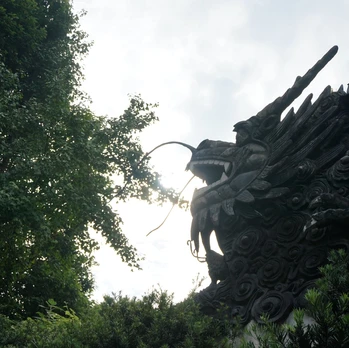
We started with the Humble Administrator's Garden (¥135, half-price with student ID). This UNESCO World Heritage site is the largest classical garden in Suzhou, featuring ponds, pavilions, and winding paths. Despite the crowds, the tranquility of the water lilies and rockeries was mesmerizing. [Link: Top 10 classical gardens in Suzhou]
Yuxing Noodles: Double-Yellow and Eel Noodles
For lunch, we visited Yuxing Noodles (¥28 for double-yellow noodle, ¥17 for eel noodle). The double-yellow noodle (with two types of yellow fish) was rich and flavorful, while the eel noodle was savory and satisfying. A must-try for noodle lovers.
Lingering Garden: A Smaller, Quieter Gem
In the afternoon, we explored the Lingering Garden (¥82.5). Smaller than the Humble Administrator's Garden, it felt more intimate and less crowded. The rock formations and bamboo groves were stunning.
Dinner at Zhu Restaurant and Changfa Fresh Pork Mooncake
Dinner at Zhu Restaurant (¥107) offered affordable local dishes. We also tried Changfa fresh pork mooncake (¥4)—a savory pastry that's a Suzhou specialty. Perfect for a quick snack.
Day 5: Suzhou to Wuzhen – A Water Town Dream
Songhelou Restaurant: A Suzhou Institution
Before leaving Suzhou, we had lunch at Songhelou Restaurant (¥162), a historic restaurant known for its traditional Jiangsu cuisine. The squirrel-shaped mandarin fish was the star—crispy, sweet, and sour.
Wuzhen: The Venice of China
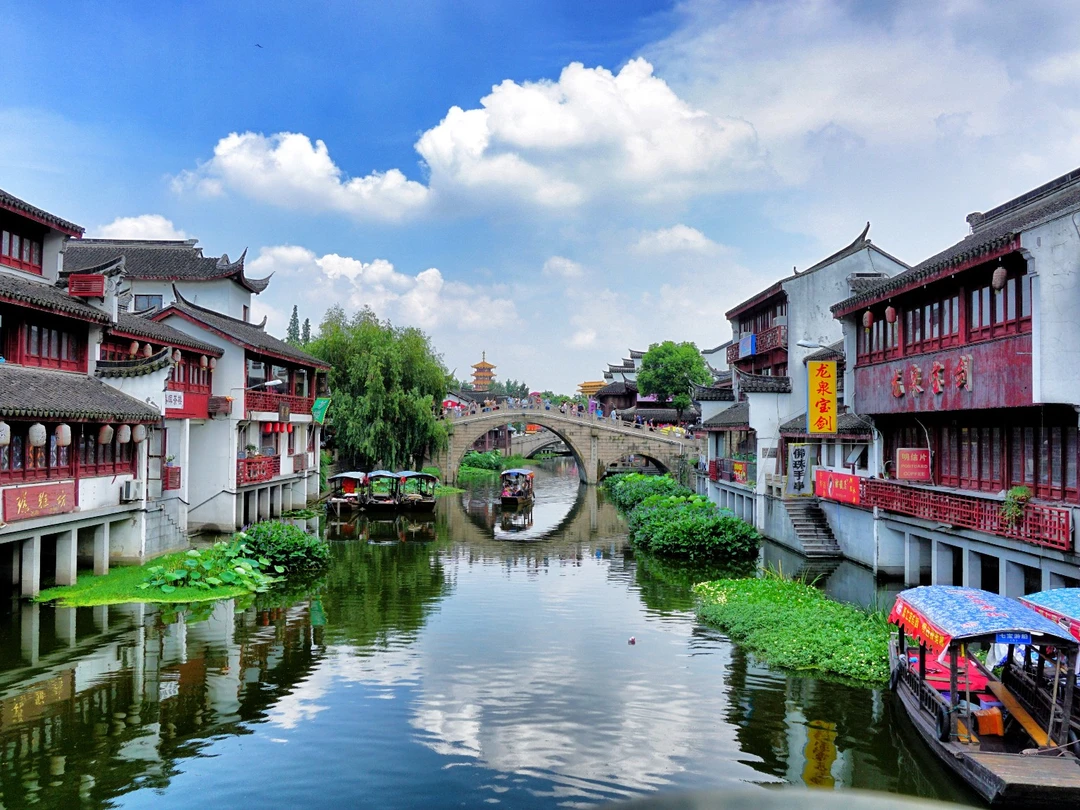
We took a bus from Suzhou to Wuzhen (¥70). The Xizha Scenic Area (¥180) was nearly empty thanks to the post-G20 lull. We wandered along the canals, crossed stone bridges, and watched the sunset paint the water in gold. Dinner was a simple meal (¥95) at a local restaurant.
Wuzhen Yuanyuan Guesthouse: A Cozy Stay
We stayed at the Wuzhen Yuanyuan Guesthouse (¥138/night), a charming inn with traditional decor. The host was friendly and recommended the best photo spots.
Day 6: Wuzhen to Hangzhou – From Water Towns to Lakeside Views
Dongzha Scenic Area: A Morning Stroll
In the morning, we explored the Dongzha Scenic Area (¥150). While more commercialized than Xizha, it offered a glimpse into daily life in a water town. We visited the Hundred Beds Museum and watched a traditional puppet show.
Xinbailu Restaurant: A Hangzhou Gem
After a bus ride to Hangzhou (part of the Suzhou to Wuzhen bus route), we had lunch at Xinbailu Restaurant (¥83). The Dongpo pork was melt-in-your-mouth tender, and the longjing shrimp was delicate and fragrant.
Hangzhou Jinjiang Inn Lakeside: Prime Location
We checked into the Hangzhou Jinjiang Inn Lakeside (¥246/night), just a 5-minute walk from West Lake. The location was unbeatable for evening strolls.
Day 7: Last Day in Hangzhou – Xinfeng Snacks and Departure
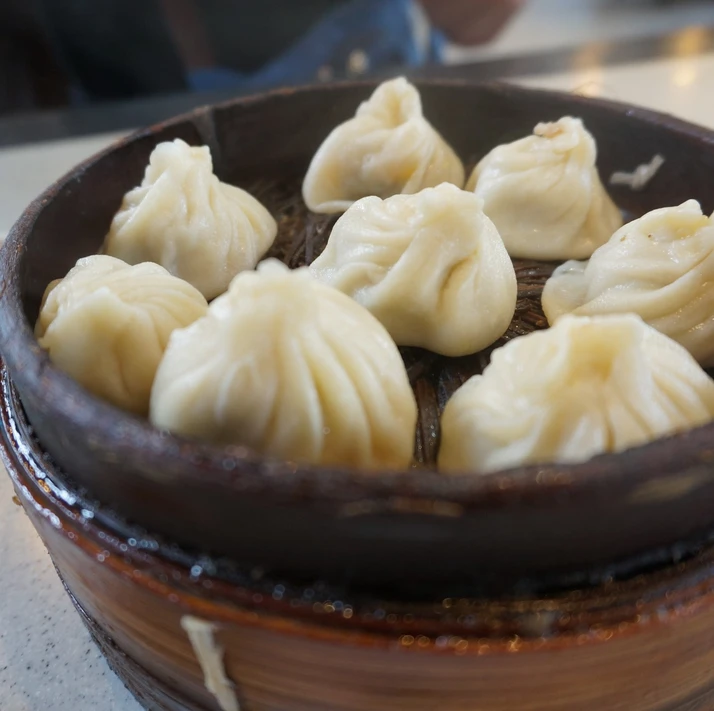
Xinfeng Snacks: A Budget Breakfast
For our final morning, we visited Xinfeng Snacks (¥34), a local chain known for its xiaolongbao and soy milk. The dumplings were juicy, the soy milk warm and comforting.
Departure from Hangzhou Xiaoshan Airport
We flew back from Hangzhou Xiaoshan Airport to Jieyang (¥460). Due to last-minute changes, our total cost increased by nearly ¥1,000. Lesson: Book flights early and stick to your plan.
FAQ: Your Jiangnan Travel Questions Answered
1. Is 7 days enough to visit Jiangsu, Zhejiang, and Shanghai?
Yes, but it's tight. This itinerary covers Shanghai, Suzhou, Wuzhen, and Hangzhou—the core of the Jiangnan region. For a more relaxed pace, consider 8-10 days.
2. What is the best time to visit the Jiangnan region?
Spring (March-May) and autumn (September-November) offer mild weather and fewer crowds. Avoid Chinese public holidays (e.g., National Day, May Day) when attractions are packed.
3. How much does a 7-day Jiangnan trip cost per person?
Based on our Jiangnan travel expenses, budget ¥2,500–¥3,500 per person for budget accommodations and street food. Mid-range travelers should expect ¥4,000–¥5,000.
4. Can I use student IDs for discounts at attractions?
Yes! Many attractions (e.g., Yuyuan Garden, Humble Administrator's Garden) offer half-price tickets with a valid student ID. Bring your ID card and student card.
5. Is it better to book flights in advance or last minute?
Book at least 2-3 months in advance for the best prices. Last-minute changes can cost ¥1,000+ extra, as we learned.
Conclusion: Start Planning Your Jiangnan Adventure Today
This 7-day self-guided tour of Jiangsu, Zhejiang, and Shanghai proves that even a spontaneous trip can be unforgettable. From the shengjianbao of Shanghai to the classical gardens of Suzhou and the water towns of Wuzhen, the Jiangnan region offers a rich tapestry of experiences.
Ready to plan your trip? Start by booking flights early, packing comfortable shoes, and downloading offline maps. And remember: the best memories come from unexpected discoveries—like a hidden bakery or an empty canal at sunset.
Call to Action: Share your own Jiangnan travel stories in the comments below, or subscribe to our newsletter for more budget-friendly travel guides. Your dream Jiangnan adventure awaits!
You may also like