Jiangnan on Wheels: A 9-Day Self-Drive Journey Through Jiangsu, Zhejiang, and Shanghai
Planning a self-drive tour of Jiangnan? This comprehensive 9-day itinerary takes you from Beijing through Nanjing, Wuxi, Hangzhou, and Shanghai—covering ancient water towns, imperial gardens, and modern metropolises. Discover insider tips, cost breakdowns, and must-see attractions for your Jiangnan road trip.
Introduction: Why a Jiangnan Self-Drive Trip?
Some trips are long-planned romances; others are spur-of-the-moment impulses. During the 2016 Spring Festival, while most people were visiting relatives and clinking glasses, my parents and I had already packed our bags, ready to embark on a spontaneous self-drive adventure through Jiangsu, Zhejiang, and Shanghai.

In truth, this journey came about rather dramatically—the itinerary was only finalized a week before departure, and we hit the road on the third day of the Lunar New Year (February 10th). Though the decision was rushed, the preparation was anything but careless. I've always believed in one principle: a "spur-of-the-moment" trip isn't reckless unpreparedness, but confident spontaneity. Route planning, accommodation booking, and itinerary research—none of it can be skipped.
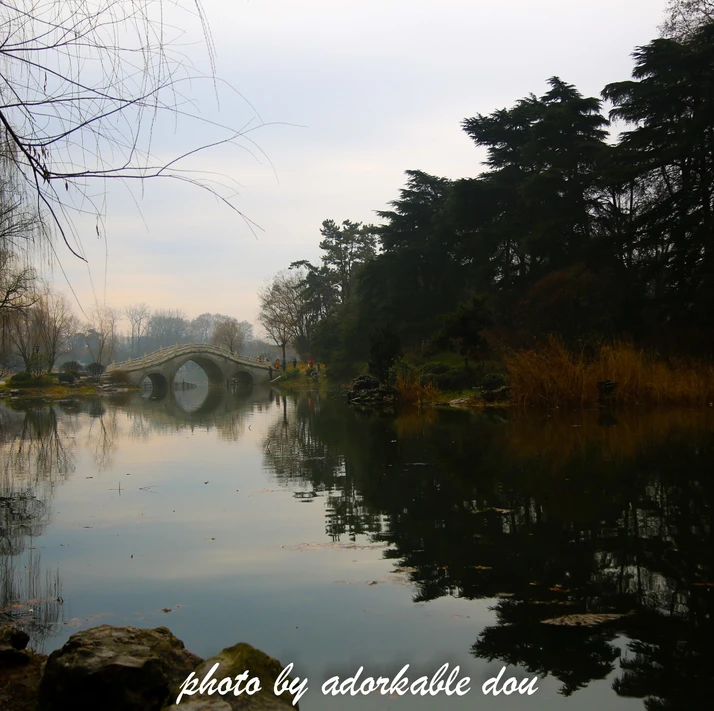
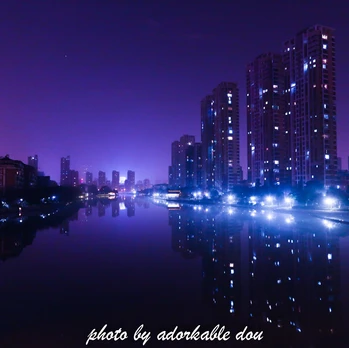
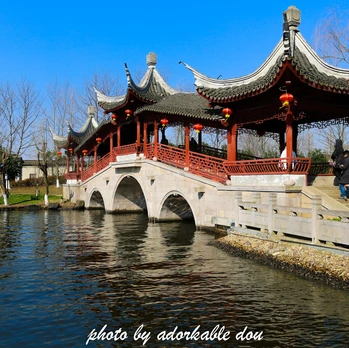
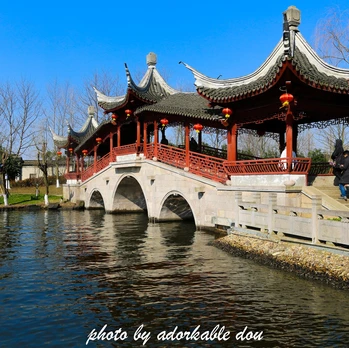
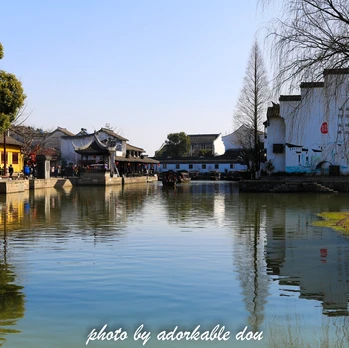
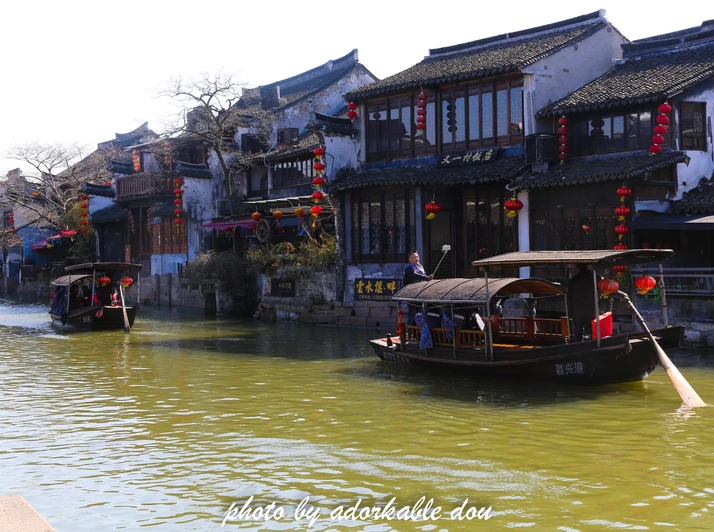
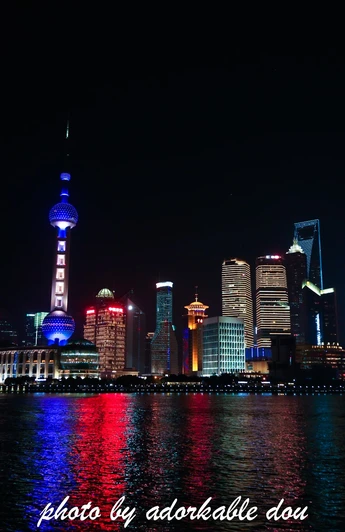
As a photography-loving solo traveler, this trip was destined to be a feast of landscapes. No models, no selfies—just 580 carefully captured high-resolution photos, documenting every ounce of poetry in the water towns of Jiangnan. If you're expecting glamorous portraits, you might be disappointed—here, there's only pure scenery, genuine experiences, and the ramblings of a young man who loves life.
Pre-Trip Preparations: No Battle Without a Plan
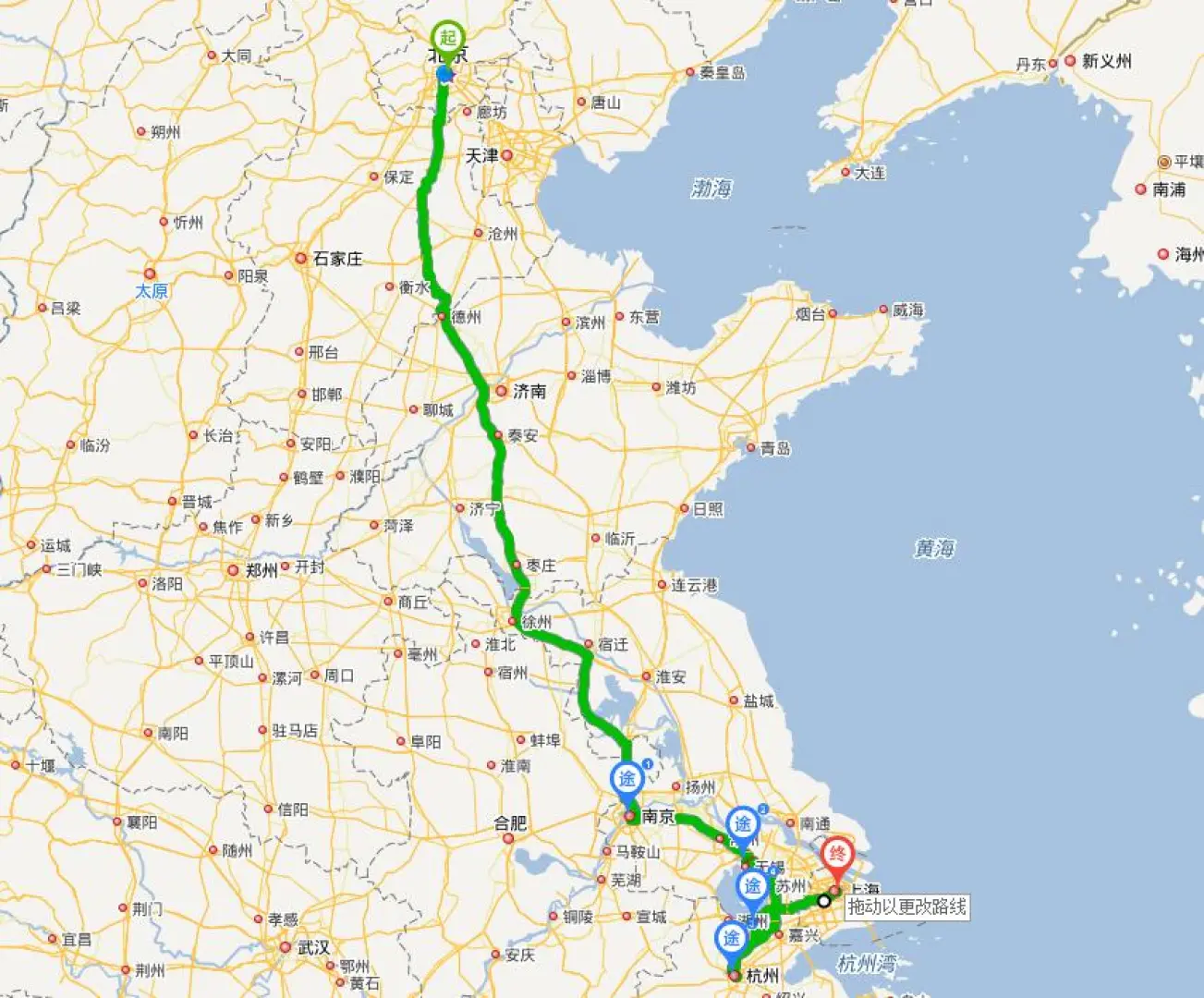
Route Planning for Your Jiangsu Zhejiang Shanghai Road Trip
Starting from Beijing, we drove the entire way. The initial goal was simply Shanghai, but then I thought: since we're driving anyway, why not string together Jiangsu, Zhejiang, and Shanghai for a proper adventure? And so, a loop route was born.
9-Day Itinerary Overview: - DAY 1: Beijing → Nanjing (pure driving) - DAY 2: Nanjing → Wuxi (Xuanwu Lake, Jiming Temple, Presidential Palace, Confucius Temple) - DAY 3: Wuxi → Hangzhou (Taihu Lake's Yuantouzhu) - DAY 4: Hangzhou's West Lake → Nanxun Ancient Town - DAY 5: Nanxun Ancient Town → Xitang - DAY 6: Xitang → Shanghai (Madame Tussauds) - DAY 7: Shanghai (China Art Museum, City God Temple, Shanghai World Financial Center, Lujiazui) - DAY 8: Shanghai (Tianzifang, Nanjing Road, 1933 Old Millfun, Xintiandi, The Bund, People's Square) - DAY 9: Shanghai → Beijing
The first few days were quite packed—basically one city per day: sightseeing in the morning, driving in the evening. Tiring, but highly efficient.
Accommodation Choices for Your Self-Drive China Trip
The biggest advantage of self-driving is flexibility, so we didn't book hotels for the entire trip in advance. Instead, we arranged them the day before based on actual progress. The mainstays were budget chain hotels like Home Inn and Hanting, with one night at GreenTree Inn, and finally, two luxurious nights at The Westin Shanghai.
Top Accommodation Recommendation: The Hanting Hotel near Jiaxing Nanhu New Culture Plaza—brand-new facilities, spacious rooms, excellent value for money, easily the best experience of the entire trip. As for The Westin Shanghai, its five-star quality speaks for itself, but so does the price—no need to elaborate.
Vehicle and Photography Gear for Jiangnan Travel
Our companion for this journey was a BMW. Long-distance driving was remarkably comfortable—precise steering, solid chassis, making the 1,081-kilometer stretch far less grueling. I haven't driven many cars, but the BMW's driving feel left a lasting impression.
Photography Gear: Samsung S6 edge+ (for casual shots) + Canon 5D3 + 24-105mm lens + EX600 flash + tripod. Unfortunately, I shot everything in JPEG format this time, severely limiting post-processing flexibility. Lesson learned the hard way: always shoot in RAW!
All post-processing was done in Lightroom—much faster than Photoshop for batch-editing travel photos.
Cost Breakdown for a 9-Day Jiangnan Road Trip
The per-person cost was around 10,000 RMB, covering fuel, tolls (Spring Festival highway tolls were waived, saving a bundle), accommodation, meals, tickets, and all other expenses. Over 9 days, this budget was mid-to-upper range, mainly due to the last two nights at the five-star hotel.
DAY 1: Under the Stars, Heading South
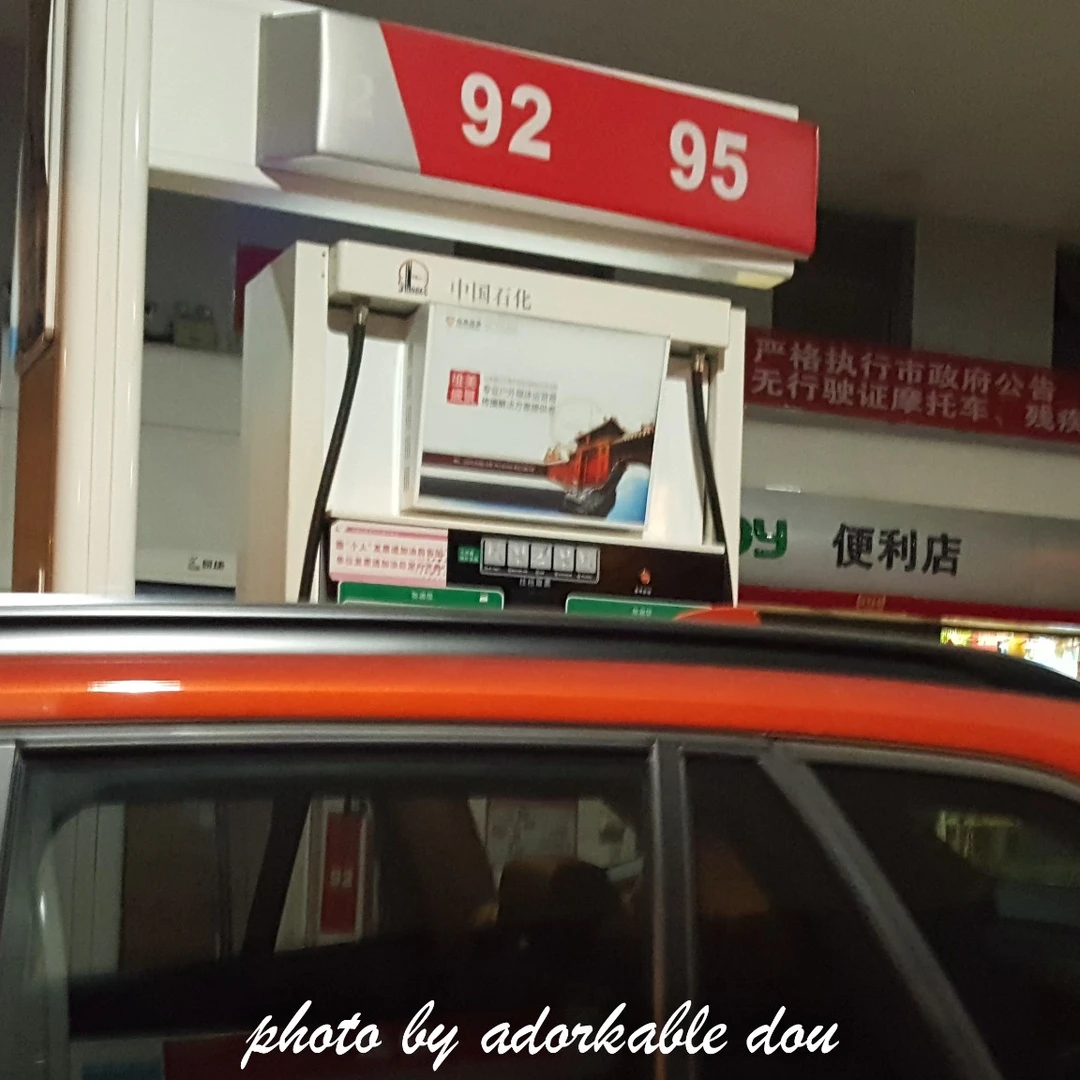
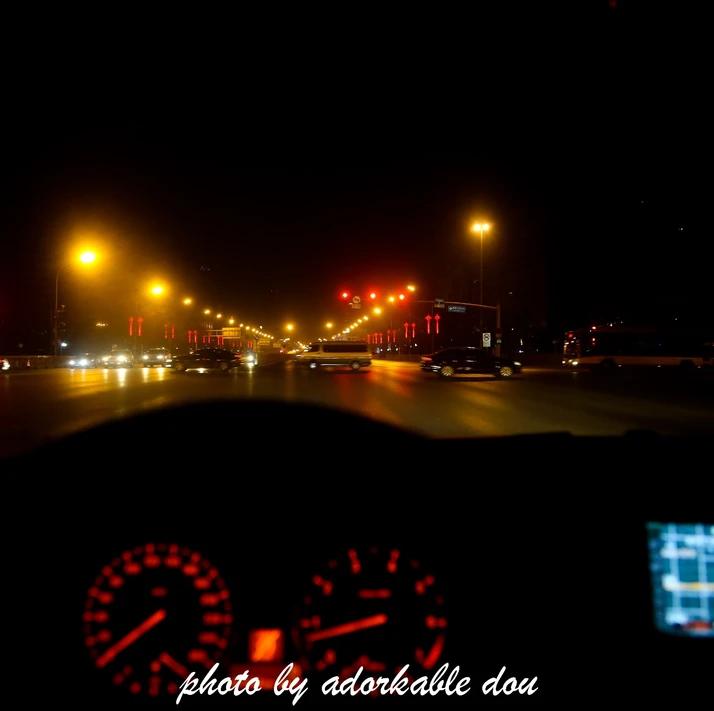
At 5:30 AM, Beijing was still asleep. After filling up the tank, we drove onto the empty Chang'an Avenue. The capital during Spring Festival was unusually quiet—the normally bustling streets had only a handful of cars.
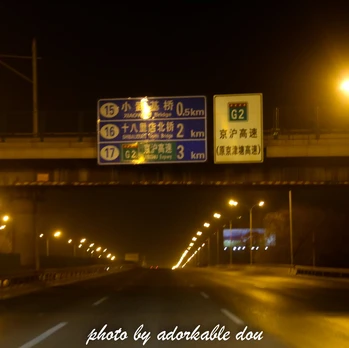
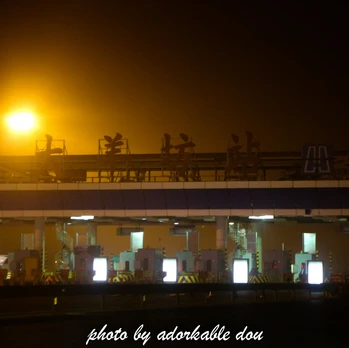
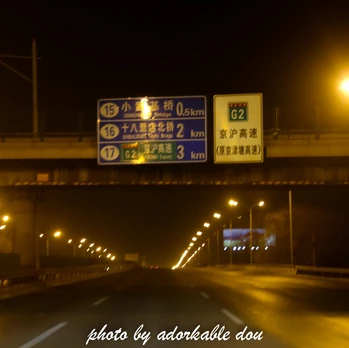
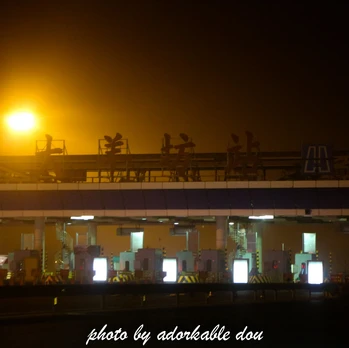
At 5:53 AM, we passed through Dayangfang Toll Station and officially entered the Beijing-Shanghai Expressway (G2). This major artery has numerous exits and complex road conditions—the most extreme case had three different highway numbers on a single road. Strong suggestion: always use navigation! It can be a lifesaver in critical moments.
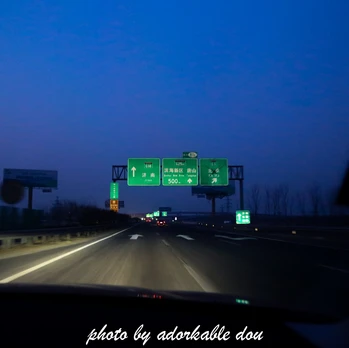
At 7:27 AM, we reached the Hebei border. The Beijing section of the G2 is only two lanes in each direction, with a speed limit of 100 km/h, so progress was slow. By 9:00 AM, we entered Shandong, and at 2:52 PM, we finally arrived at the Jiangsu border. The scenery along the way wasn't spectacular, but the sight of the G2 Yellow River Bridge reminded me of the documentary "Super Engineering"—China's infrastructure is truly hardcore.
At 4:26 PM, the winter sun was already setting, the sky growing dark. By 5:13 PM, we were still 137 kilometers from Nanjing. After a full day of driving, my body was numb. We took a short break at the Xuyi service area, strictly adhering to the rule of "no driving while fatigued."
At 7:51 PM, we finally arrived in Nanjing! Total distance: 1,081 kilometers. Fuel cost: 576.58 RMB. Though exhausted to the point of nausea, I felt a huge sense of accomplishment—this was my first long-distance drive since getting my driver's license.
That night, we checked into the Home Inn (Nanjing Xuanwu Avenue Long-Distance Bus East Station branch). The choice was simple: affordable price and parking available. Downside: limited dining options nearby, so we ended up spending 50 RMB at KFC for a mediocre meal.
[Link: Best roadside stops on Beijing-Shanghai Expressway]
DAY 2: One Day in Nanjing, From Royal Gardens to Qinhuai Nightscapes
Xuanwu Lake: Morning Light on the Pearl of Jinling
At dawn, a light drizzle was falling—the weather forecast had predicted light rain. Before it picked up, we walked 1.8 kilometers to Xuanwu Lake Park—a free attraction, so why not?
Located in Nanjing's Xuanwu District, Xuanwu Lake is backed by Purple Mountain to the east, flanked by the Ming City Wall to the west, and adjacent to Nanjing Railway Station to the north. It's the largest urban park in Jiangnan and the largest imperial garden lake in China, earning the title "Pearl of Jinling." The Song Dynasty poet Ouyang Xiu once wrote: "No place in Jinling is more beautiful than the Rear Lake; no place in Qiantang is more beautiful than West Lake"—a testament to its status.
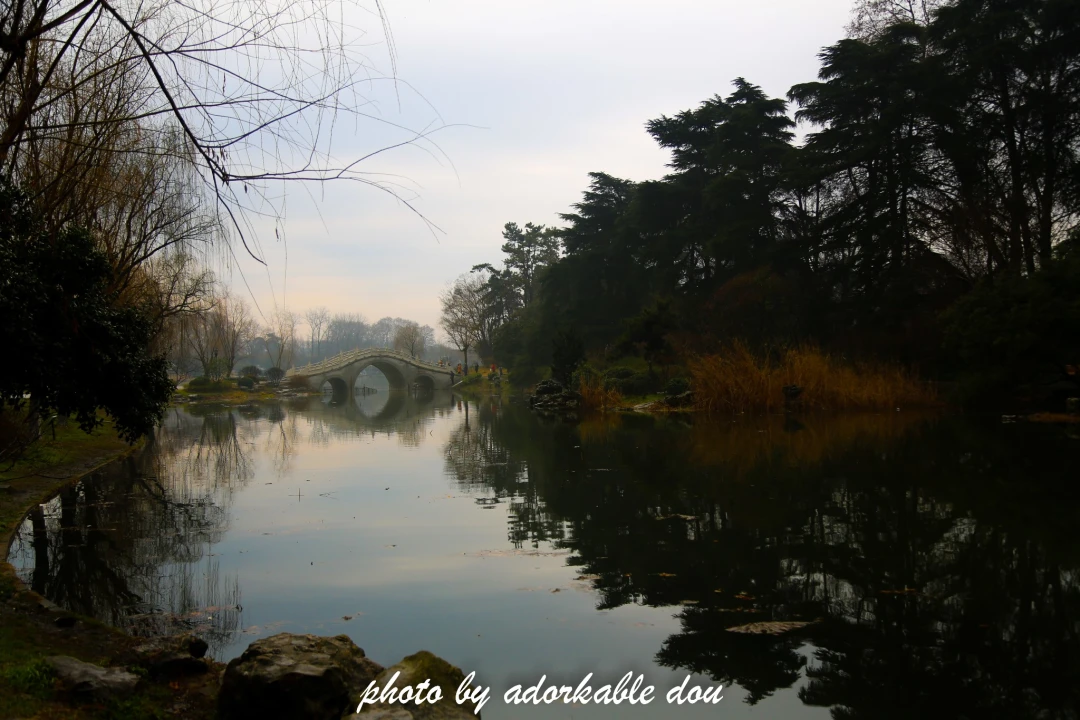
The park is divided into five islets: Huanzhou, Yingzhou, Lingzhou, Liangzhou, and Cuizhou, all connected, each with its own charm. Winter at Xuanwu Lake has a unique appeal—a few winter jasmine blooms braved the rain, unpretentious; the vast lake was shrouded in mist, deeply refreshing.
Fun Fact: "Xuanwu" is the mythical northern deity, depicted as a turtle-snake hybrid, representing the north alongside the Azure Dragon, White Tiger, and Vermilion Bird.
Ancient Jiming Temple: The Serenity of the First Temple of the Southern Dynasties
From Xuanwu Lake, we walked to Ancient Jiming Temple. Admission was 20 RMB per person—quite reasonable.
Founded in the Western Jin Dynasty, Jiming Temple is one of Nanjing's oldest Buddhist temples, long hailed as the "First Temple of the Southern Dynasties." Inside, the Medicine Buddha Pagoda stands about 44.8 meters tall, with seven stories and eight sides. The bronze Medicine Buddha statue it houses was originally from Beijing's Yonghe Temple; in 1972, at the request of Zhao Puchu and with Premier Zhou Enlai's approval, it was moved to Nanjing.
Perhaps due to the Spring Festival, the temple was packed with visitors, diminishing the usual monastic tranquility. But standing on the Humo Tower (豁蒙楼) and gazing into the distance, the misty cityscape of Nanjing unfolded like a traditional ink painting—a moment worth every step of the journey.
[Link: Nanjing day trip itinerary for first-time visitors]
FAQ Section
Q1: Is a self-drive trip through Jiangsu, Zhejiang, and Shanghai suitable for first-time drivers in China? A: Yes, but with preparation. The highways are well-maintained, but navigation is essential. Spring Festival offers the bonus of waived tolls, though traffic can be heavy near major cities. If you're new to long-distance driving, start with shorter segments and always take breaks every 2-3 hours.
Q2: What is the best time of year for a Jiangnan road trip? A: Spring (March-April) and autumn (September-November) offer the most pleasant weather. Winter can be cold and rainy, as we experienced, but the lack of crowds and lower prices make it a viable option. Avoid Chinese National Day (October 1-7) when highways are extremely congested.
Q3: How much should I budget for a 9-day self-drive tour of Jiangnan? A: Expect around 8,000-12,000 RMB per person, depending on accommodation choices. Budget hotels like Home Inn or Hanting cost 200-400 RMB per night, while five-star hotels like The Westin can exceed 1,500 RMB. Fuel for a round trip from Beijing is roughly 1,200-1,500 RMB, and tolls add another 500-800 RMB unless waived during holidays.
Q4: Can I visit all these attractions without a car? A: Yes, but with less flexibility. High-speed rail connects major cities like Nanjing, Wuxi, Hangzhou, and Shanghai. However, reaching ancient water towns like Nanxun and Xitang requires additional bus or taxi transfers. A car gives you freedom to explore off-the-beaten-path spots and adjust your schedule on the fly.
Q5: What photography gear do you recommend for a Jiangnan road trip? A: A DSLR or mirrorless camera with a versatile zoom lens (24-105mm or similar) is ideal. Always shoot in RAW format for maximum post-processing flexibility. A tripod is essential for low-light shots at West Lake or night scenes on The Bund. Don't forget spare batteries and memory cards—you'll shoot more than you expect!
Final Thoughts: Is a Jiangnan Self-Drive Trip Worth It?
Absolutely. Despite the exhaustion of long driving days, the freedom to stop wherever the scenery calls you—a misty lake, a hidden temple, a quiet water town—makes every kilometer worthwhile. This 9-day itinerary balances iconic attractions with authentic experiences, giving you a taste of both imperial history and modern Chinese life.
Pro Tips for Your Own Trip: - Always book accommodation with parking in advance - Download offline maps for areas with weak signals - Carry cash for tolls and small-town purchases - Pack layers—Jiangnan weather changes quickly - Don't skip the water towns: Nanxun and Xitang are less crowded than Zhouzhuang or Wuzhen
[Link: Essential packing list for China road trips]
Ready to Plan Your Jiangnan Adventure?
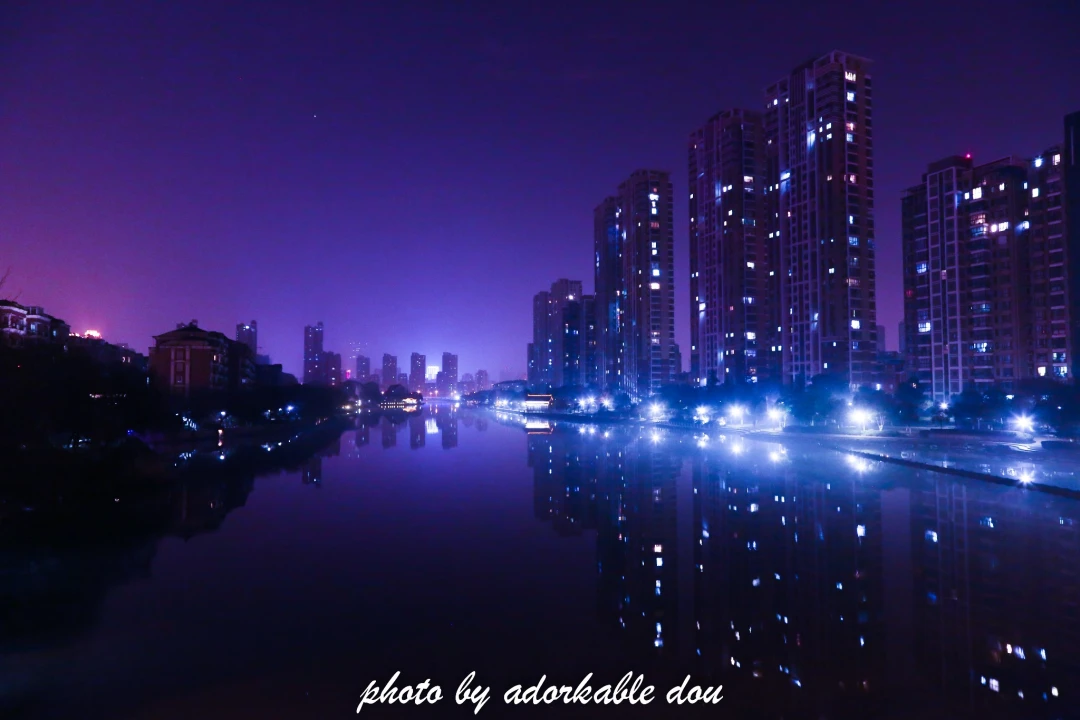
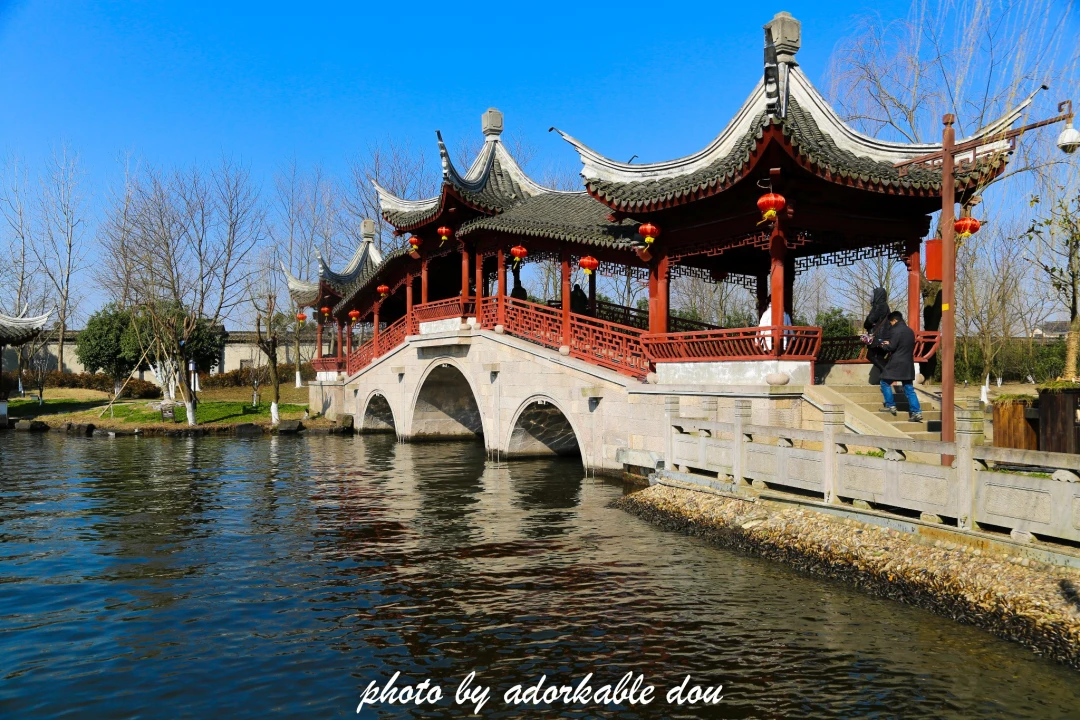
Whether you're a photography enthusiast, a history buff, or simply craving a scenic drive through China's most poetic region, this Jiangsu-Zhejiang-Shanghai road trip delivers. Start by mapping your route, booking your first night's accommodation, and packing your camera. The water towns, ancient temples, and neon-lit skylines of Jiangnan are waiting.
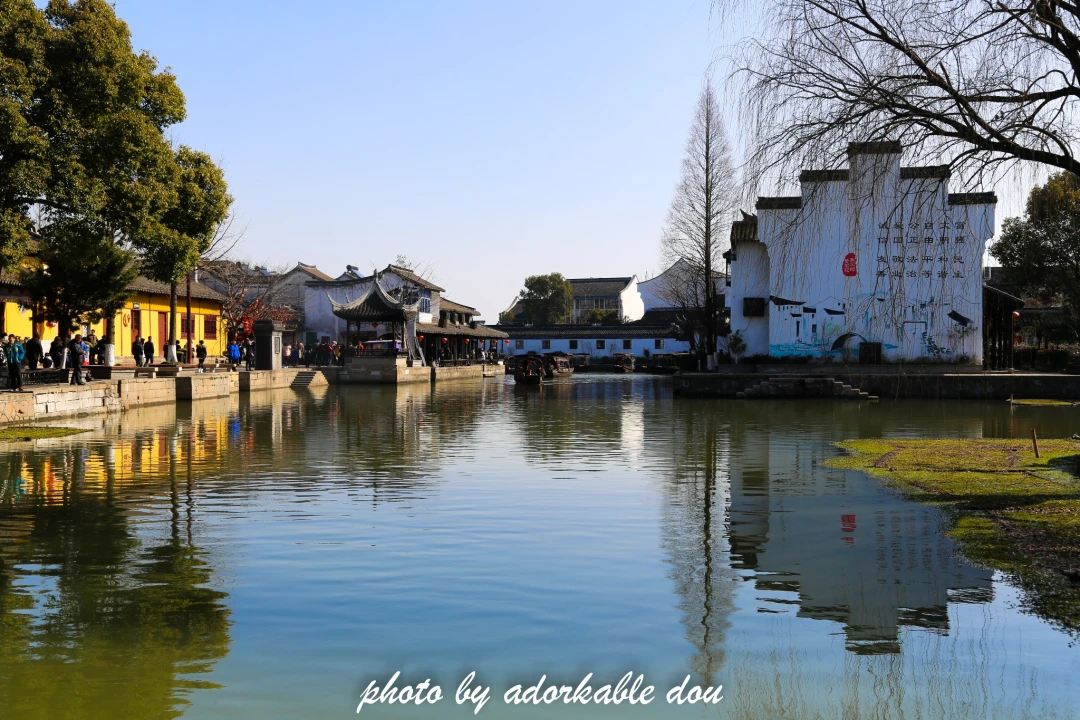
Hit the road. Capture the beauty. Share your story.
Have you taken a self-drive trip through Jiangnan? Share your tips and favorite stops in the comments below!
[Link: More China road trip itineraries]