Half Ink-Wash Jiangnan, Half Neon Shanghai: A Journey Through Time Between Two Worlds
Meta Description: Discover the captivating duality of Jiangsu, Zhejiang, and Shanghai—from misty water towns like Wuzhen and Nanxun to the neon-lit Bund and Wukang Road. A complete travel guide to China's most enchanting region.
Introduction: Where Misty Rain Meets Urban Glitter
Have you ever imagined that a single region could harbor two completely different souls? The "Jiang-Zhe-Hu" area—encompassing Jiangsu, Zhejiang, and Shanghai—offers exactly that: a breathtaking contrast between ancient tranquility and modern dynamism.
On one side, you'll find hazy scenes of misty rain, cobblestone paths winding past small bridges and flowing water, with oil-paper umbrellas sheltering the delicate grace of Jiangnan women. On the other, skyscrapers pierce the clouds, neon lights flow through the night, and subway stations pulse with hurried crowds.
This is the magic of Jiang-Zhe-Hu travel: two worlds coexisting on the same land. One is as still as a resting maiden, the other as lively as a darting hare. Together, they create a destination that offers both the tender elegance of tradition and the free-spirited romance of modernity.
After spending four years at university in Ningbo and exploring nearby cities, I developed a deep appreciation for this "Free-Shipping Empire"—a nickname born from the region's legendary e-commerce efficiency. But beyond the economic prosperity lies a landscape of ancient towns where time seems to slow down, where every brick tells stories from a century ago.
This journey took me and my travel companion, Mr. Frog, through the dawn and dusk of Wuzhen, the misty rain of Nanxun, the tranquility of Lili, and the romance beneath Shanghai's plane trees. Welcome to a journey about two-faced Jiangnan.
Sparkling Moments: Heart-Stopping Scenes Along the Way
Every great journey is built on unforgettable moments. Here are the highlights that made this trip truly special.
Wuzhen: A Gentle, Nostalgic Scroll of Time
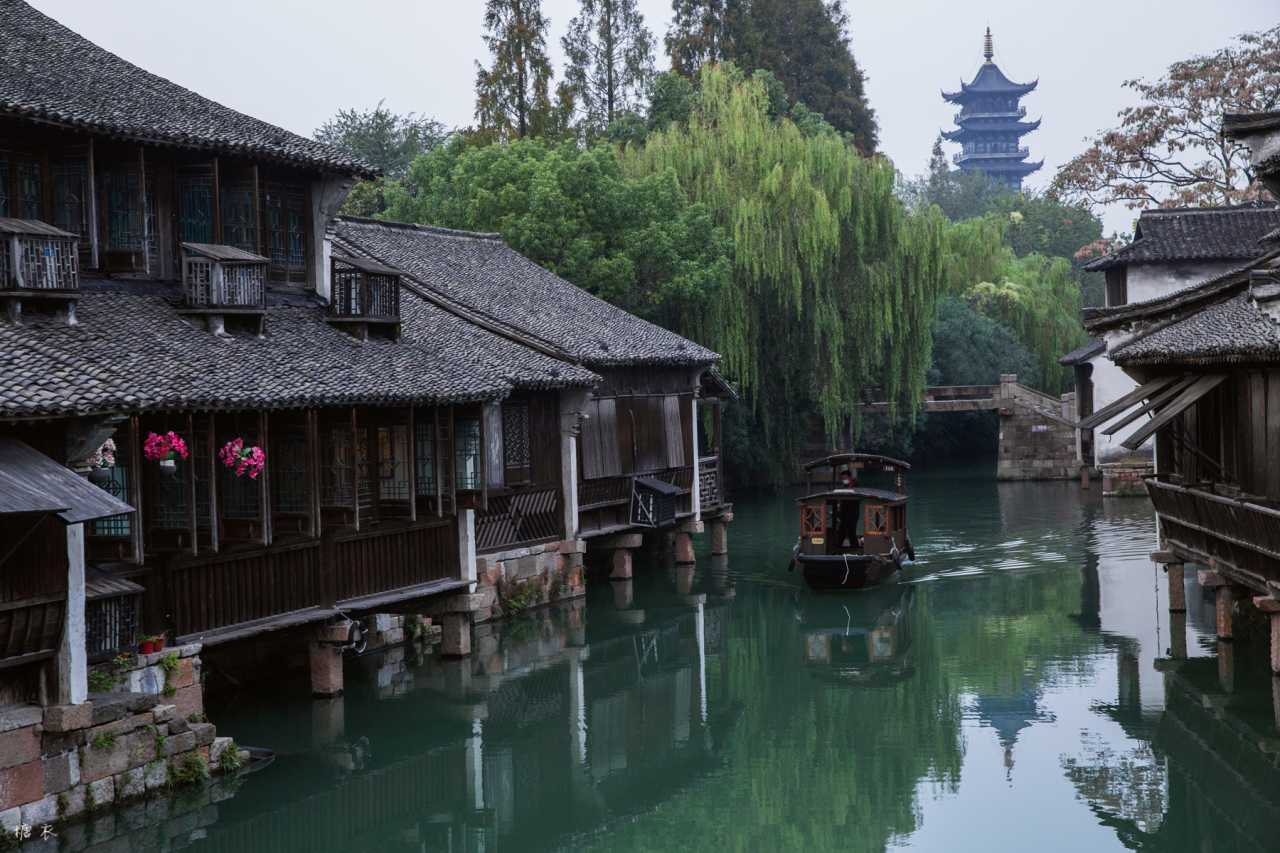
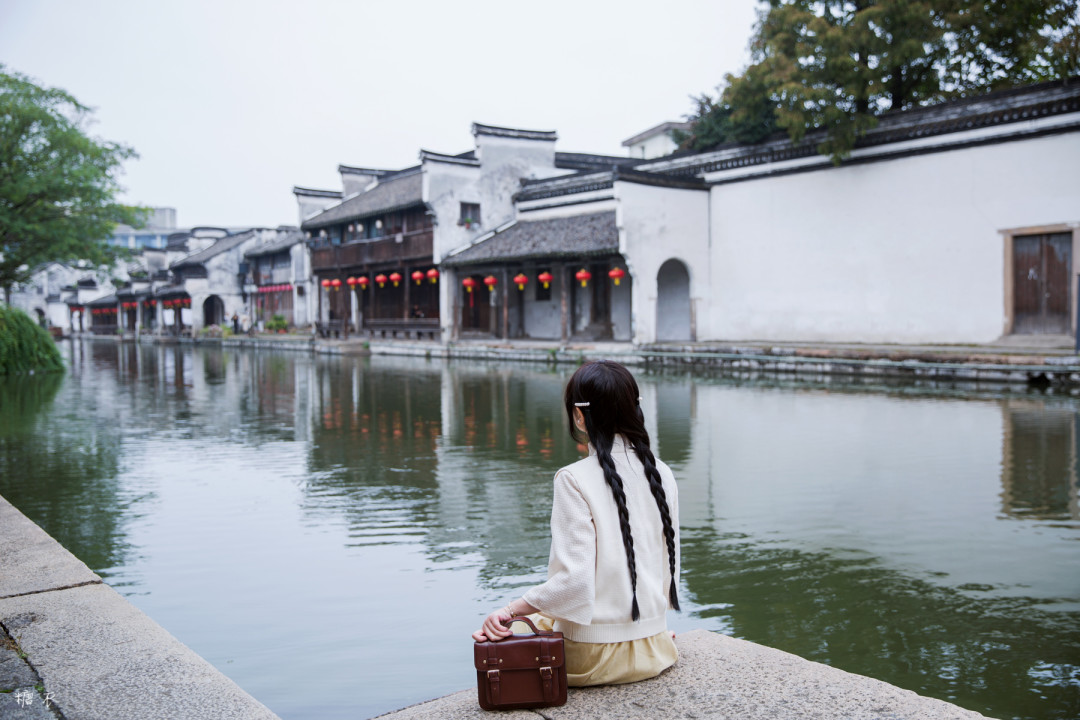
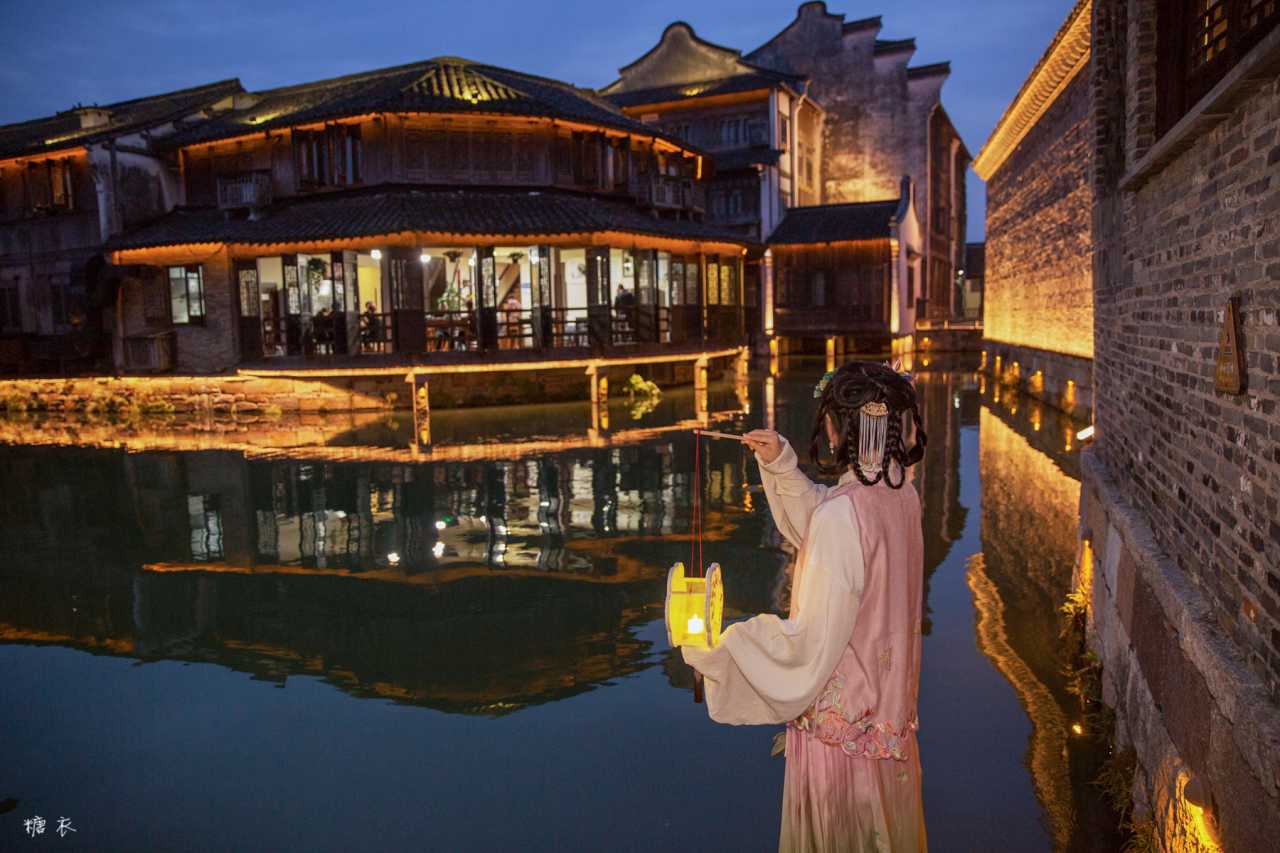
Small bridges, flowing water, homes with cooking smoke curling upward, an ancient pagoda by the canal—Wuzhen is the epitome of Jiangnan water town charm. When night falls, lights flicker on, and the entire ancient town seems to tell long, flowing stories.
Nanxun: A Second Heartbeat in an Ink-Wash Painting
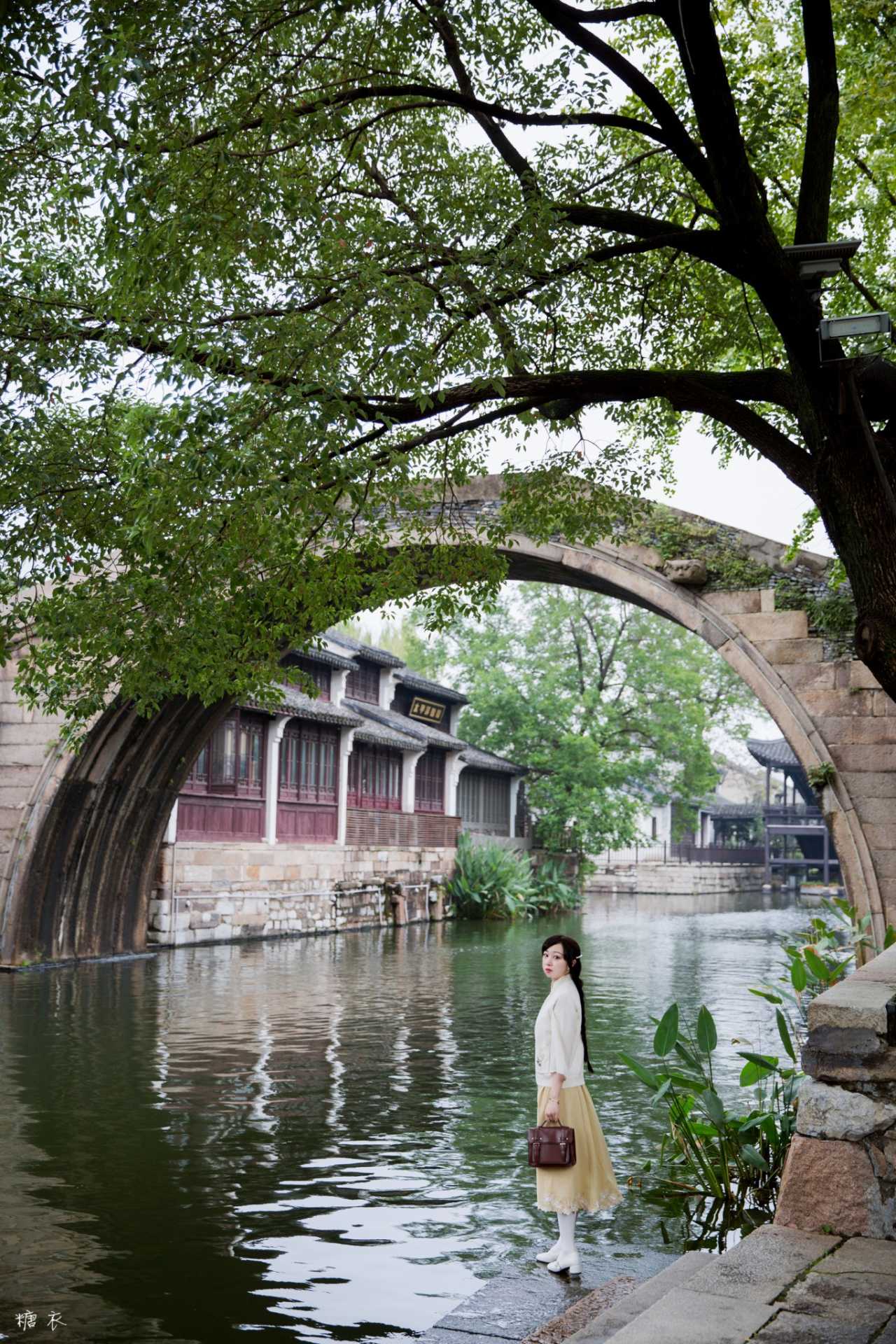
Though less famous than Wuzhen, Nanxun has a magnetic pull that makes you want to linger. I've been there twice, and I still yearn to return.
Lili: A Secluded Sanctuary
Many travelers know Suzhou's gardens, Tongli, and Zhouzhuang. Few discover Lili. This small town features a quaint little church and a long street so quiet you can barely hear footsteps.
Huakai Haishang Ecological Park: An Autumn Oil Painting
Vast fields of summer cypress create a colorful secret prepared for every Shanghai resident. Nearby, pinkish-purple spider flowers resemble a dreamy garden for maidens.
Wukang Road: Light and Shadow Beneath Plane Trees
The Wukang Building has become an icon of Shanghai, but the plane trees here are even more captivating. On sunny days, sunlight filters through the leaves, casting dappled shadows that turn the world into a living painting.
Hengfu Museum and Blackstone Apartments: Stories of Old Shanghai

Old Western-style houses hold history, while modern culture finds new expression. Blackstone Apartments blend nostalgia with innovation so skillfully that they exude a uniquely Shanghai charm.
Shanghai Arts & Crafts Museum and Hengfu Art Center: Romance and Culture
White buildings radiate romance; old Shanghai culture reveals its allure. There are always corners that surprise you.
HSBC Bank History Museum: The Glorious Past of a Financial Hub
From ancient times to today, Shanghai has been a financial powerhouse. This museum reveals the city's economic pulse.
Xintiandi and Sinan Mansions: The Liveliness of Shikumen Alleys
Xintiandi's bustling energy and everyday life, combined with Sinan Mansions' leisure and romance, paint a picture of modern Shanghai living.
Julu Road: My Favorite Shanghai Street
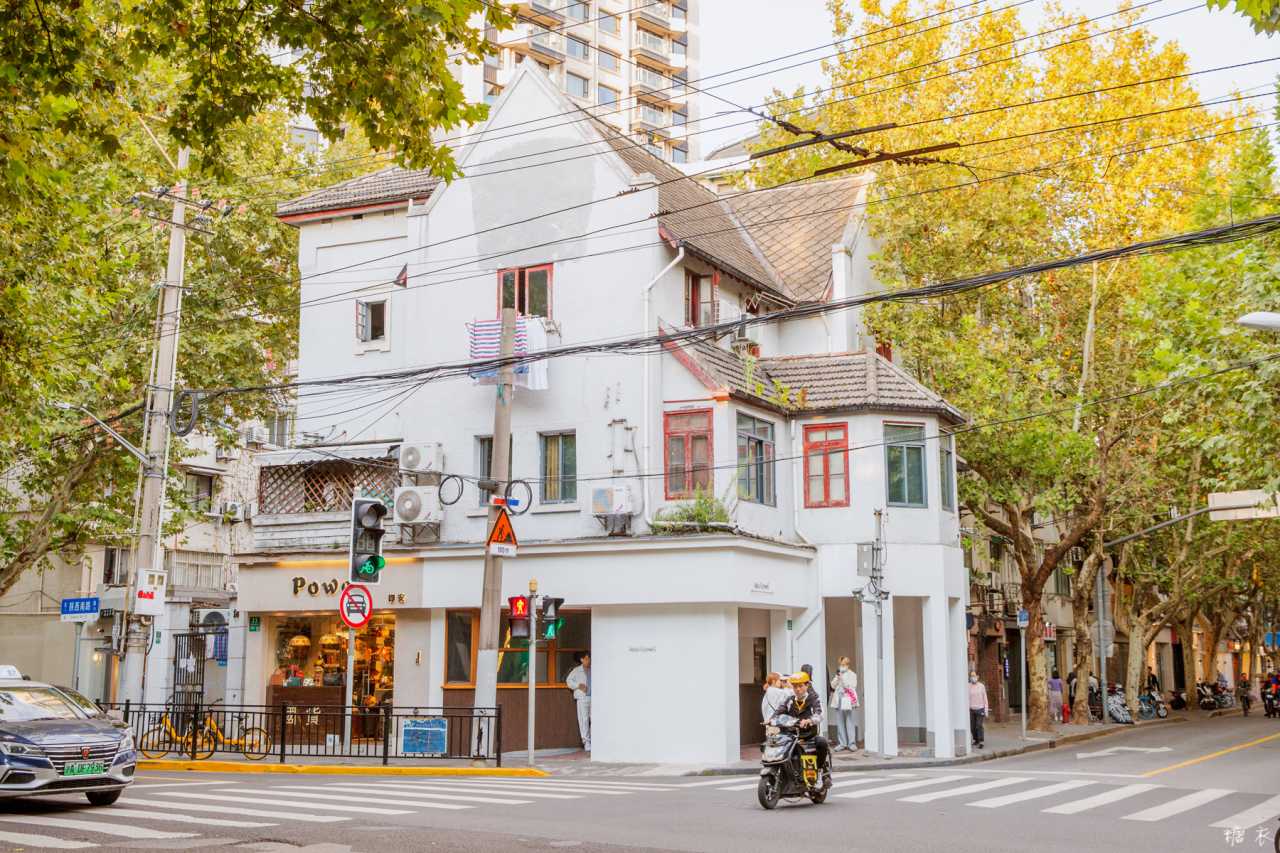
Boutique shops beneath plane trees, paired with old Western-style houses—unique and beautiful.
Suzhou Creek: A Witness to a Century of Change
Walking along Suzhou Creek felt like walking through a hundred years of Shanghai's history. On the Waibaidu Bridge, traffic flows endlessly, evoking memories of stories from "Romance in the Rain."
The Bund: Splendor and Glory
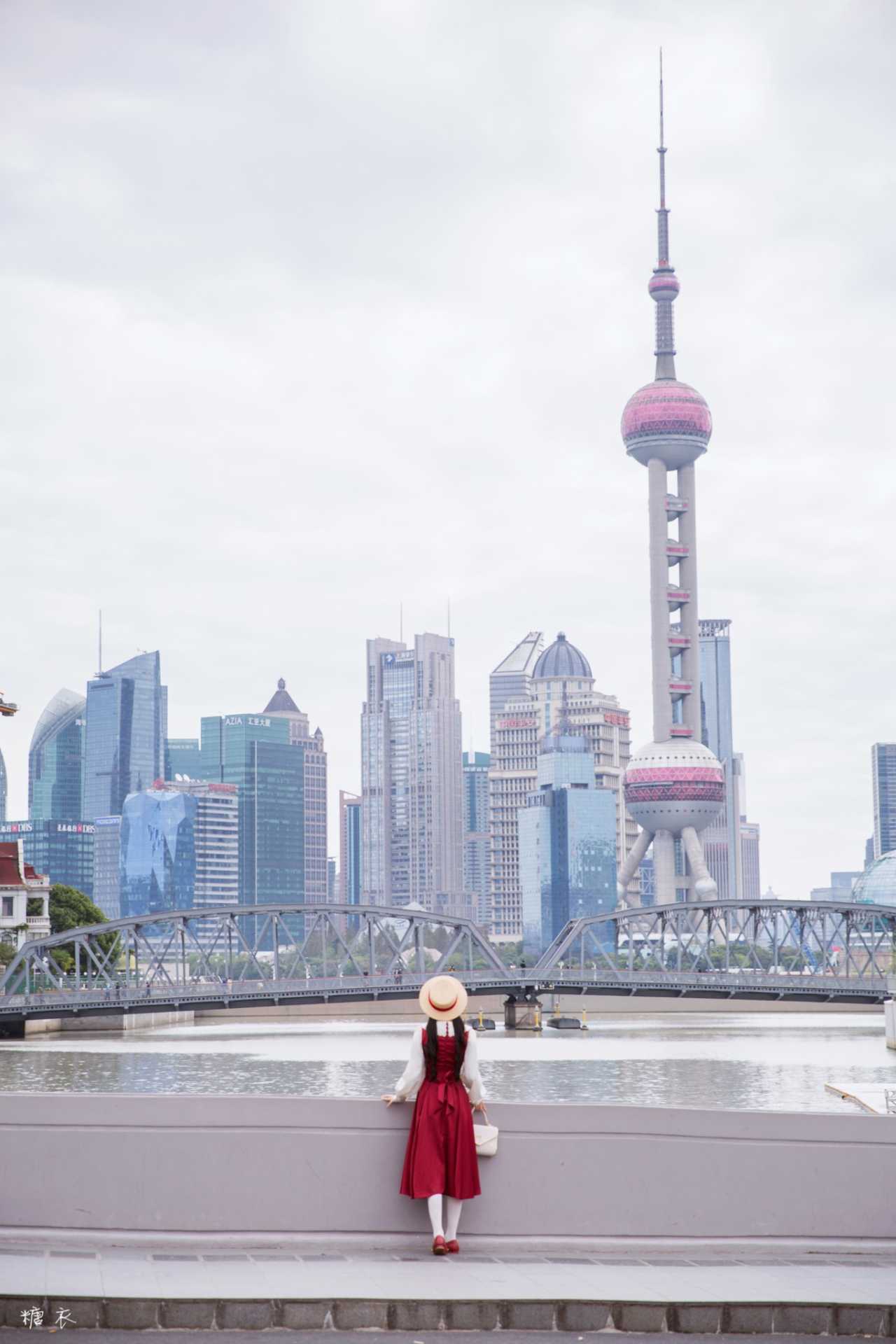
The century-old historical buildings along the Huangpu River, the Oriental Pearl Tower across the water—the full splendor of urbanization unfolds before your eyes.
Ancient Water Towns: Time Weaves a Serene Scroll
Wuzhen by Day: The Epitome of Jiangnan Water Towns
When did I first hear of Wuzhen? It's so famous that it almost became synonymous with "Jiangnan water town" in my mind. Strangely, despite spending years in Jiangnan, I never made it there until now.
Many know Wuzhen because of the drama "Time Flows Like Water," starring Rene Liu and Huang Lei. Rene Liu later became Wuzhen's ambassador. This place of nostalgia, small bridges, and flowing water seems to be the last sanctuary in people's hearts—when you're exhausted by city life, you can retreat here and breathe slowly.
Stepping into Wuzhen, this feeling only deepened. It truly has a unique power to calm your mind.
Wuzhen is mainly divided into East Gate and West Gate: - East Gate is more rustic, with many original residents still living there. - West Gate is managed by the Wuzhen Group, better maintained, and cleaner. - South Gate is free, less renovated, but most reflective of local life.
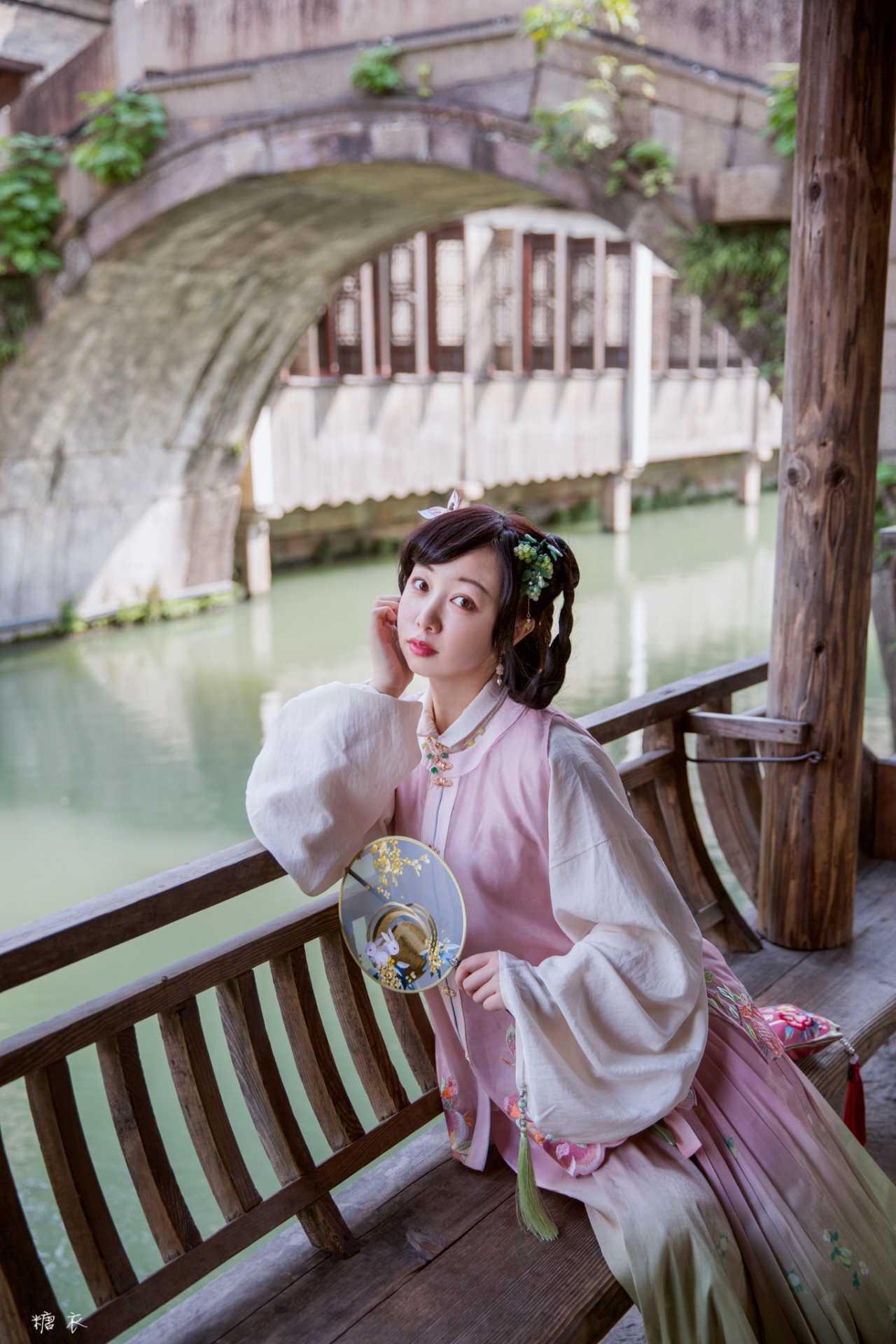
Practical Tips for Wuzhen: - Address: No. 18 Shifo South Road, Tongxiang City, Jiaxing City, Zhejiang Province - Transportation: Self-drive, private car, or bus - Recommended Visit Time: West Gate 1-2 days, East Gate half to one day - Ticket Price: West Gate 150 RMB, East Gate 90 RMB, Combo 190 RMB
With limited time, we chose the classic West Gate. It was indeed beautiful—clean streets, not overly commercial, every scene like an ink-wash painting of Jiangnan.
I'd often heard people say Wuzhen was over-commercialized. But I came anyway, and I'm glad I did. Though West Gate is managed by the Wuzhen Group, they do an excellent job—only one shop per category, well-arranged, without the usual "local specialty" chaos. The environment is clean, with small bridges, flowing water, and shady trees. The old houses are restored to preserve classical charm without looking dilapidated.
Tie-dyed cotton cloth is a hallmark of Wuzhen. One of my earliest impressions was of a woman in a cotton cheongsam walking beneath deep blue tie-dyed fabric.
You can take a boat ride in Wuzhen, drifting along the canal to the town's end, then walk back along the streets. If you stay inside the scenic area, you can experience the "morning tea" the next day—buying breakfast at the floating market, a truly unique experience.
[Link: Best time to visit Jiangnan water towns] [Link: How to plan a 3-day Shanghai and water town itinerary]
Shanghai's Neon Soul: Where History Meets Modernity
Wukang Road and the Plane Tree Romance
The Wukang Building has become an icon of Shanghai, but the plane trees here are even more captivating. On sunny days, sunlight filters through the leaves, casting dappled shadows that turn the world into a living painting.
This area represents Shanghai's cultural heritage at its finest—a blend of colonial architecture, modern boutiques, and the unmistakable rhythm of city life.
The Bund: A Century of Financial Power
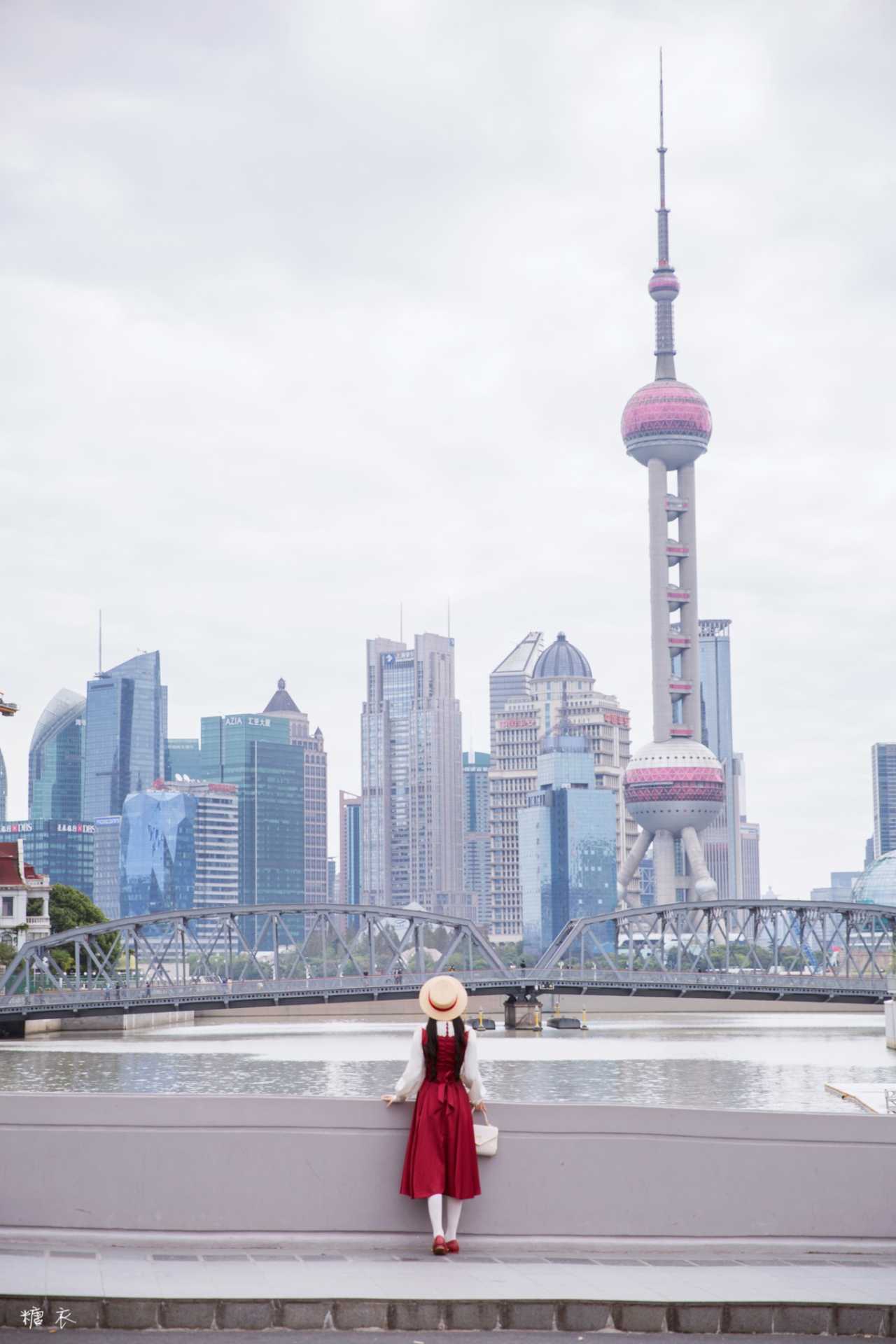
The century-old historical buildings along the Huangpu River tell stories of Shanghai's rise as a global financial hub. Across the water, the Oriental Pearl Tower and the modern Pudong skyline represent China's economic miracle.
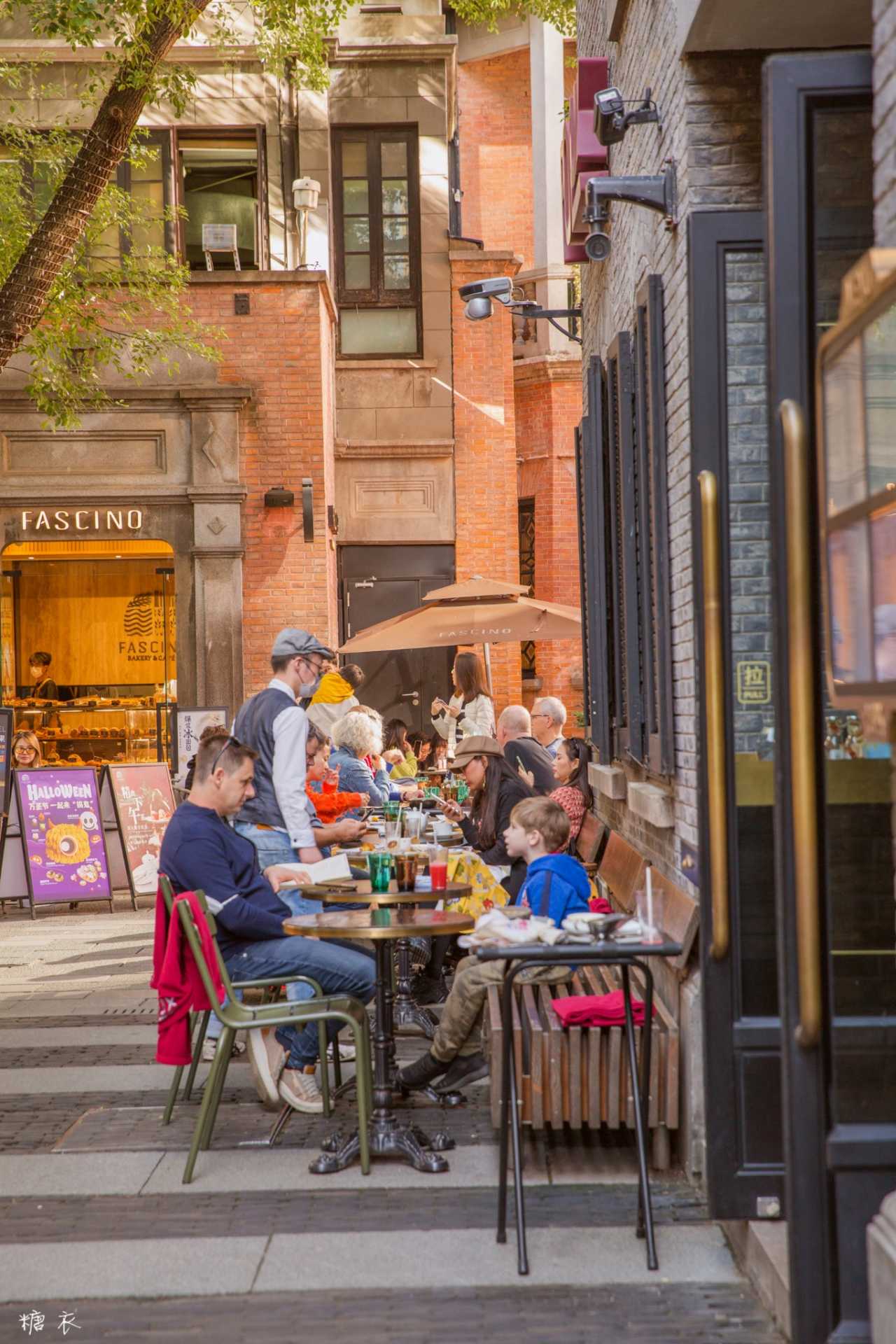
Xintiandi and Sinan Mansions: Modern Shanghai Living
Xintiandi's bustling energy and everyday life, combined with Sinan Mansions' leisure and romance, paint a picture of modern Shanghai living. These areas showcase the Shikumen architecture that defines old Shanghai, now repurposed for trendy cafes, restaurants, and boutiques.
Julu Road: A Hidden Gem
Boutique shops beneath plane trees, paired with old Western-style houses—Julu Road is my favorite Shanghai street. It's less crowded than the main tourist areas but offers an authentic taste of Shanghai street life.
Frequently Asked Questions
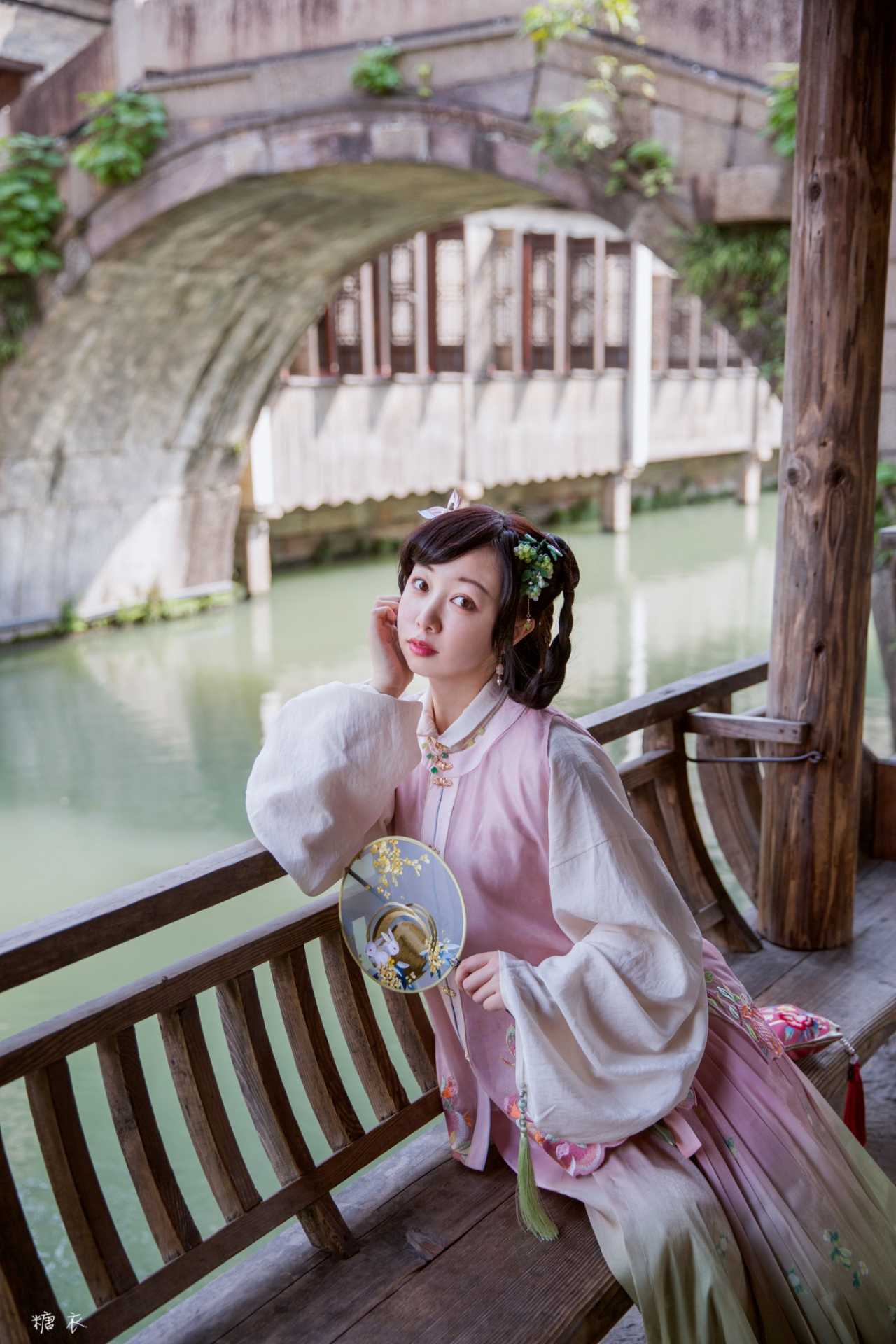
Q1: What is the best time to visit Jiangnan water towns?
A: Spring (March-May) and autumn (September-November) offer the most pleasant weather. Spring brings blooming flowers and mild temperatures, while autumn offers clear skies and comfortable walking conditions. Avoid Chinese public holidays for a more peaceful experience.
Q2: How many days should I spend in Shanghai and the water towns?
 A: A minimum of 5-7 days is recommended: 3 days in Shanghai (Bund, French Concession, museums, shopping) and 2-4 days exploring water towns like Wuzhen, Nanxun, and Lili.
Q3: Is Wuzhen worth visiting despite commercialization concerns?
A: Absolutely. While West Gate is managed commercially, the quality of maintenance, cleanliness, and overall experience is excellent. The night views, morning tea experience, and boat rides make it a memorable destination. East Gate offers a more authentic, rustic experience.
Q4: What is the best way to travel between Shanghai and the water towns?
A: High-speed trains and long-distance buses connect Shanghai to major water towns. For Wuzhen, take a train to Tongxiang or Jiaxing, then a local bus. Private car services offer more flexibility for multi-town itineraries.
Q5: What should I pack for a Jiangnan trip?
A: Comfortable walking shoes are essential. Bring an umbrella or raincoat (especially in spring), light layers for variable weather, and a camera for the stunning scenery. In summer, pack sunscreen and a hat.
Practical Travel Tips for Your Jiang-Zhe-Hu Adventure
Transportation: High-speed trains connect all major cities. For water towns, consider self-driving or hiring a private car for flexibility.
Accommodation: Stay inside Wuzhen's West Gate for the morning tea experience. In Shanghai, choose the French Concession or Bund area for easy access to attractions.
Dining: Don't miss local specialties like xiaolongbao (soup dumplings), shengjianbao (pan-fried buns), and the fresh seafood available in water town restaurants.
Budget: Entry fees for major attractions range from 90-200 RMB. Budget 500-800 RMB per day for comfortable mid-range travel.
[Link: Budget travel guide to Shanghai and Jiangnan] [Link: Best street food in Shanghai and Jiangsu]
Conclusion: Your Journey Between Two Worlds
The Jiang-Zhe-Hu region offers something truly rare: the chance to step between two worlds in a single journey. One day you're drifting through misty canals in Wuzhen, the next you're gazing at the neon-lit skyline of Shanghai from the Bund.
This duality is what makes Jiangnan travel so enchanting. It offers both the tender elegance of tradition and the free-spirited romance of modernity. Whether you're seeking tranquility or excitement, history or innovation, you'll find it here.
Ready to experience this incredible journey? Start planning your trip today. Book your flights, choose your water towns, and prepare to be amazed by the beauty of half ink-wash Jiangnan and half neon Shanghai.
Share your own Jiang-Zhe-Hu travel stories in the comments below, or tag us in your photos using #TwoFacedJiangnan. Your adventure awaits!
Have you visited Jiangnan or Shanghai? What was your favorite moment? Let us know in the comments!