Guniujiang Travel Guide: Discover the Hidden Paradise of Mountains and Waters in Southern Anhui
Meta Description: Escape to Guniujiang, a hidden paradise in Southern Anhui with crystal-clear springs, ancient villages, and fewer crowds. Discover why this "unexplored Huangshan" offers the best mountain and water scenery in East China.
Introduction: A Spontaneous Escape for Clean Air
Spring in Nanjing always arrives without warning. One day you're shivering in a down jacket, and the next you're searching for coolness in humid, stifling air. After several rainless days, the city feels trapped under a giant steamer, making it hard to breathe. Whenever this happens, I start longing for somewhere far away — a place with mountains, water, and refreshing coolness.

During a casual gathering with friends, someone mentioned a name: Guniujiang. He described it as a paradise on earth — mountains, water, few tourists, and the perfect temperature. I checked the map. It's only about a three-hour drive from Nanjing. So, before the peak of summer arrived, I packed my bags and embarked on a short escape.
Why Guniujiang? The "Unexplored Huangshan" of Anhui
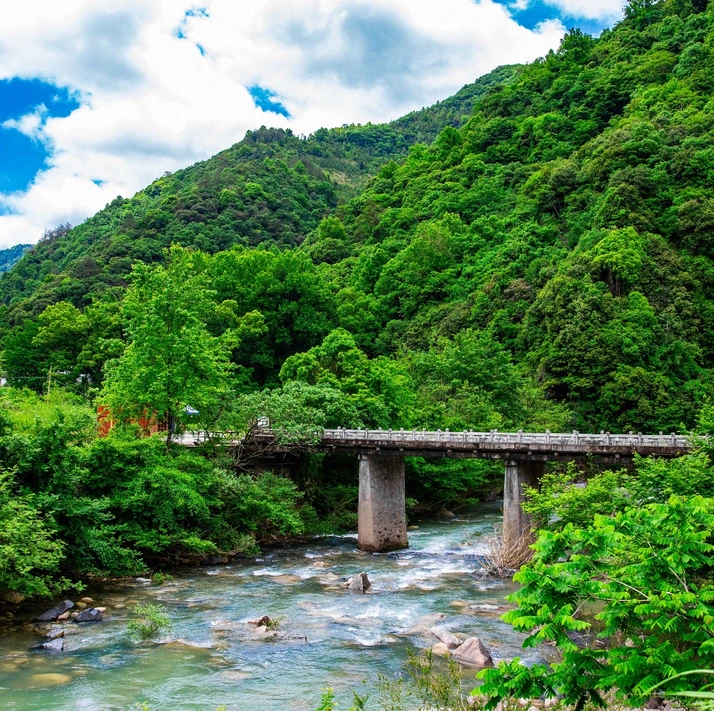
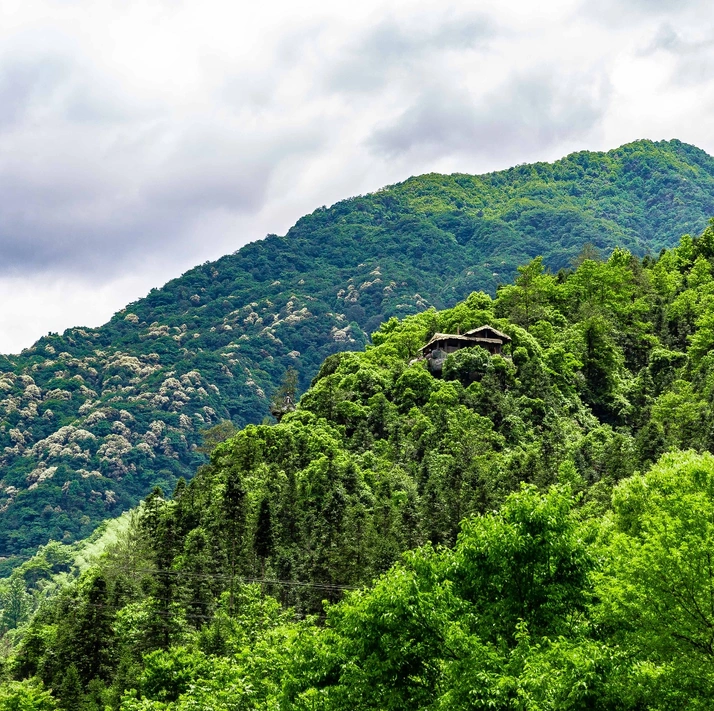
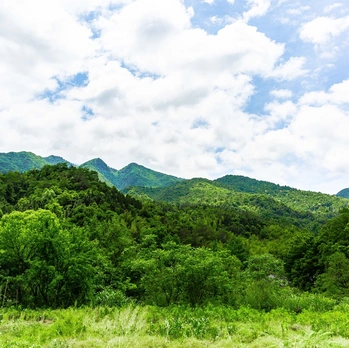
Anhui has many mountains, but Huangshan (Yellow Mountain) is so famous that most people overlook its "twin brother" — Guniujiang. This 1,727-meter peak was historically called "Western Huangshan" because its shape resembles a bull descending from the heavens. Not only is it the main western extension of the Huangshan mountain range, but locals proudly call it the "unexplored Huangshan."
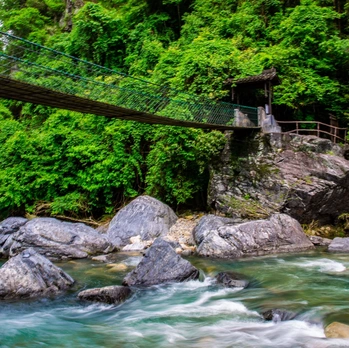
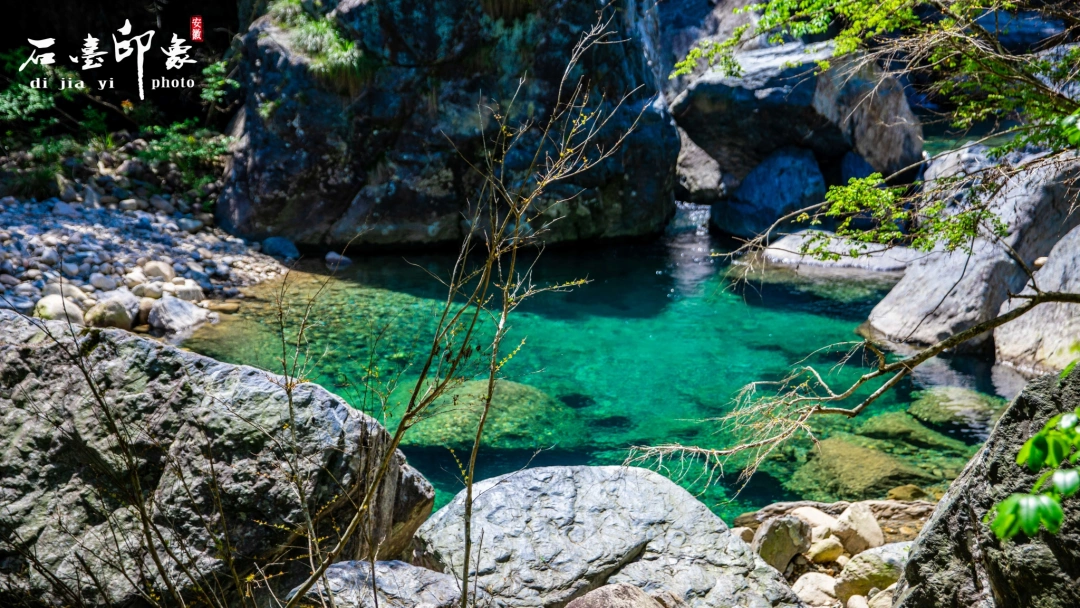
There's a saying: "After visiting Huangshan, no other mountain is worth seeing; after visiting Jiuzhaigou, no other water is worth seeing." But in Anhui, that saying might need a twist: "After visiting Huangshan, no other mountain is worth seeing; after visiting Guniujiang, no other water is worth seeing." The mountain springs here are hailed as "the best water in East China," so crystal clear that you might feel like you've stepped into Jiuzhaigou.
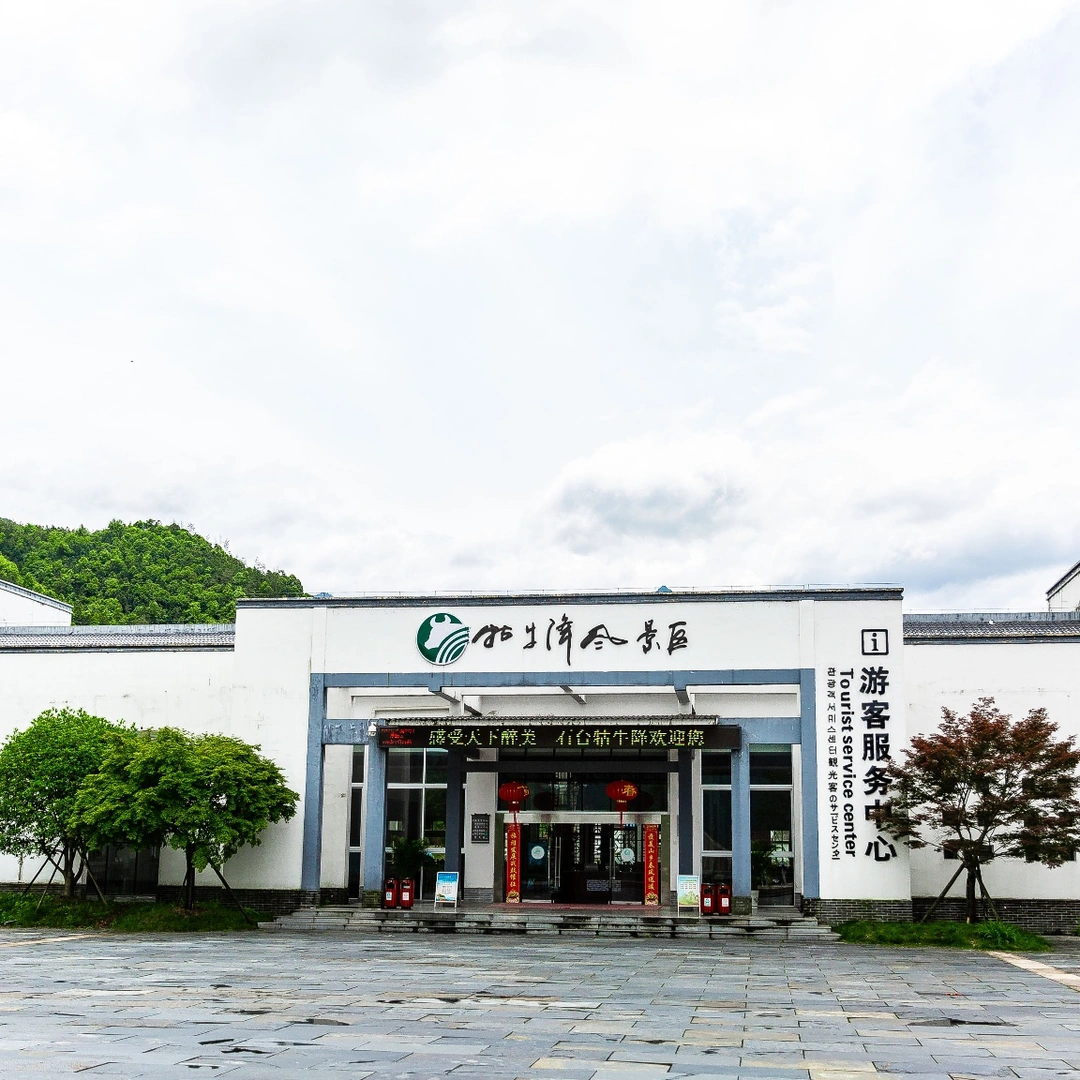
Guniujiang has four main scenic areas: Longmen Scenic Area, Shuanglong Valley Scenic Area, Lingshan Scenic Area, and Guniufeng Scenic Area. Each has its own unique charm, but if you want to see the most pristine mountain and water scenery, Longmen Scenic Area is the absolute choice.
[Link: Best time to visit Guniujiang]
Longmen Pool (Dragon Gate Pool): A Jade Basin That Captivates the World
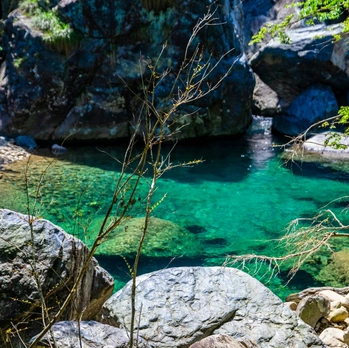
The moment I stepped into the scenic area, the sky was a brilliant blue, and the canyon was so quiet I could hear my own heartbeat. Towering ancient trees cast dappled shadows, and the air was filled with the fragrance of grass and wood. Walking along the winding path, I saw in the distance a pool of emerald water nestled between two towering cliffs — the famous Longmen Pool (Dragon Gate Pool) .
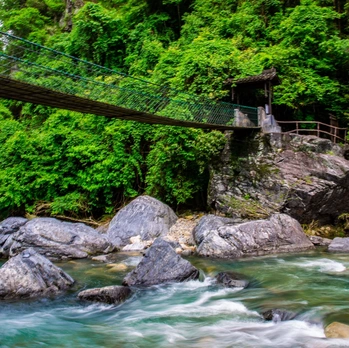
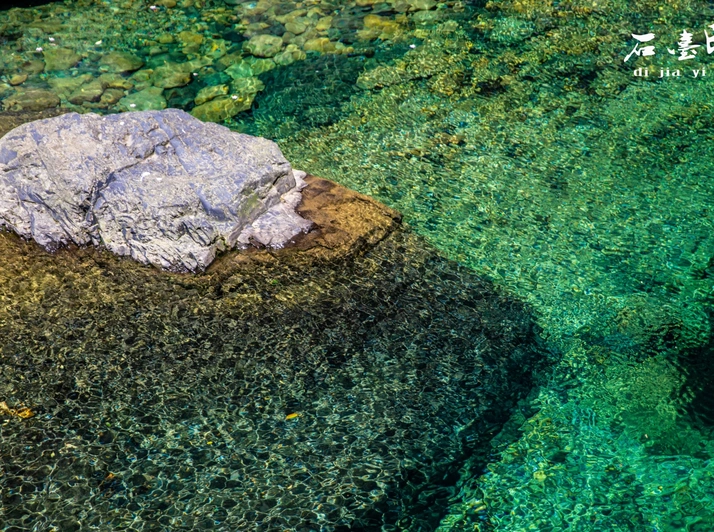
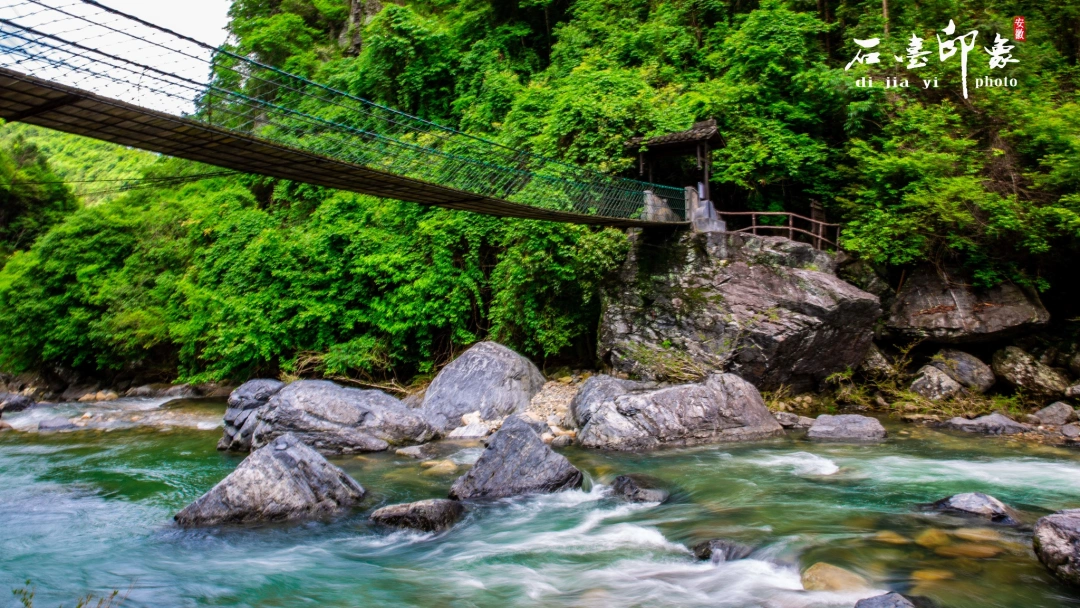
It looked as if the two mountains had been split open by a giant blade, forming a natural gateway. Water slowly gathered in the rocky gorge, eventually pooling into a jade-like surface. The sediment content here is extremely low, and the water is so pure you can see every pebble at the bottom. I cupped some spring water in my hands and drank — it was sweet, cool, and instantly dispelled the summer heat.
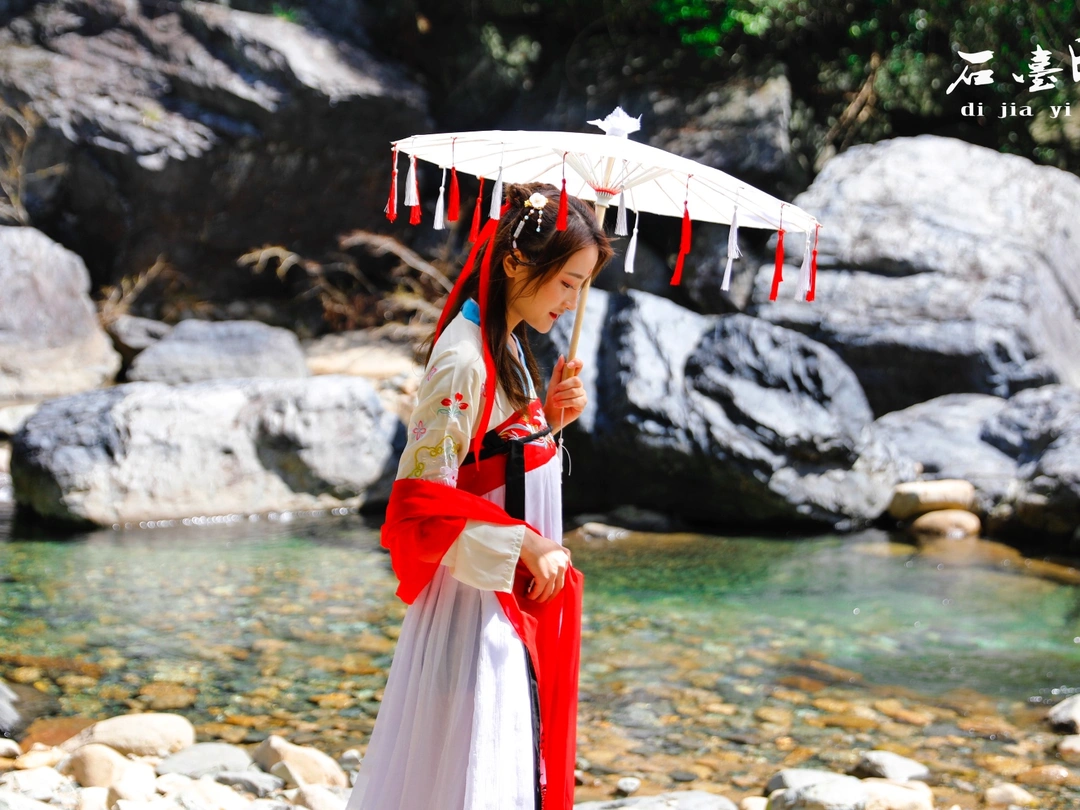
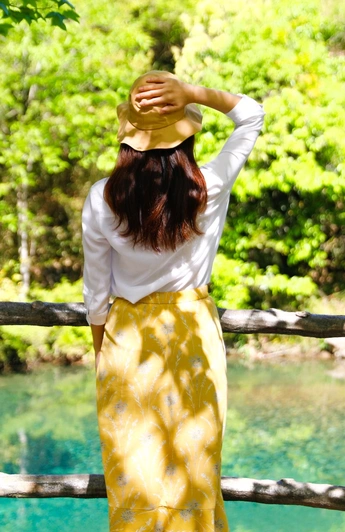
Standing by the pool, gazing into the distance, the mountains were a deep indigo, and the green shadows swayed gently. A girl dressed in Hanfu (traditional Chinese clothing) leaned against the railing, her flowing sleeves fluttering like she had stepped out of an ancient painting. This scene made me sigh: the spring breeze for miles is nothing compared to you.
[Link: Guniujiang photography spots]
Longmen Stone Valley (Dragon Gate Stone Valley): 400 Million Years of Change
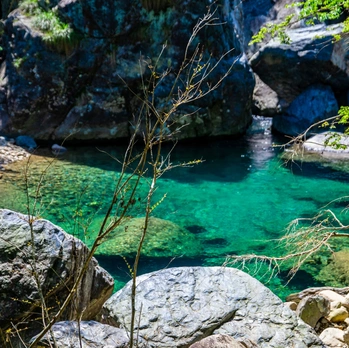
After passing Longmen Pool, I stepped onto a wooden boardwalk, and the view suddenly opened up — massive boulders tumbled through the river valley, stretching for over a kilometer. This is the "Longmen Stone Valley (Dragon Gate Stone Valley)." According to geologists, about 440 million years ago, this area was still a vast ocean. Later, crustal movements pushed the land upward, and after hundreds of millions of years of rock formation, it became today's spectacular karst landscape.
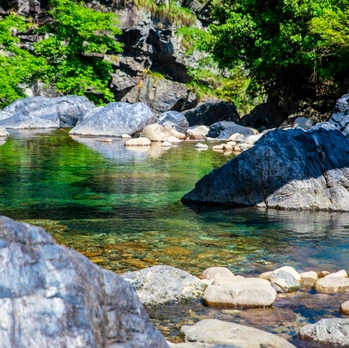
Walking through the stone valley, you'll find that the concentration of negative oxygen ions here reaches up to 70,000 per cubic centimeter — making it a true natural oxygen bar. Every deep breath feels like a thorough cleansing of your lungs. I couldn't help but slow down, greedily inhaling this pure air, feeling as if my whole body had become lighter.
Four-Tiered Waterfall (Sidie Feipu): High Mountains and Flowing Water
Passing through the forest and crossing Yuanyang Pool (Mandarin Duck Pool) , I heard the sound of water in the distance. Turning a corner, the sight before me took my breath away — a waterfall cascaded straight down, splitting into four tiers, crashing against rocks and sending up a thunderous roar. Under the sunlight, the waterfall looked like a colorful ribbon suspended in the air, with mist rising and droplets scattering everywhere.
Standing in front of the waterfall, I suddenly understood why Boya (a legendary ancient musician) played "High Mountains and Flowing Water" (Gaoshan Liushui). If he were alive today, he would surely set up a guqin (ancient zither) here, in this uninhabited place, and play a celestial melody. As for me, I could only stand still, letting the mist wet my face and letting my soul be purified by this grandeur.
[Link: Waterfall hikes in Anhui]
Mountain Tea Plantation: A Cup of Tea, Half a Day of Leisure
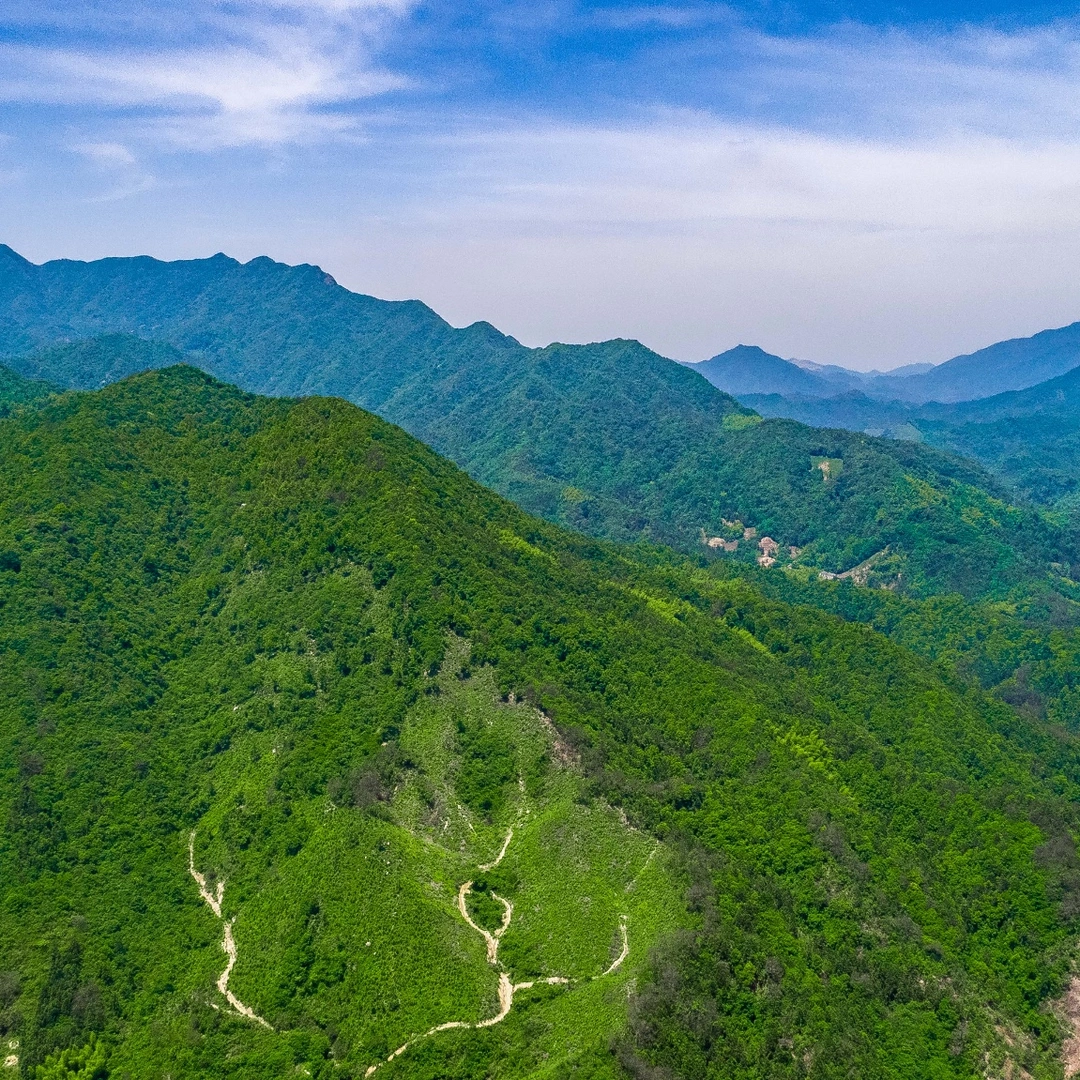
Leaving the Four-Tiered Waterfall, we headed to the high-altitude tea plantation before noon. The short uphill hike wasn't tiring, as the surrounding trees provided shade and the air was fresh — every step felt like an aerobic exercise. By the time we reached the tea plantation, the sun was already strong, but luckily, there was a pavilion at the top that offered both shade and a panoramic view of the entire valley.
A classical beauty leaned against a pillar to rest, sunlight streaming through the leaves and casting a glow on her. The scene was so beautiful I didn't dare disturb it. I quietly pressed the shutter and captured the moment. Guniujiang's scenery is like a painting, indeed perfect for a Hanfu photoshoot, as if you've traveled back to ancient times.
Yanjia Ancient Village (Yan Family Ancient Village): A Time Capsule in Southern Anhui
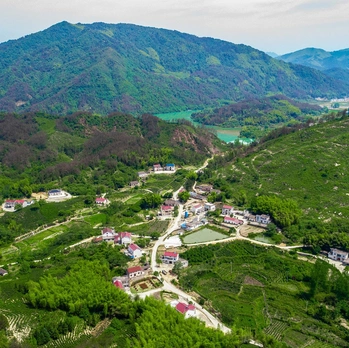
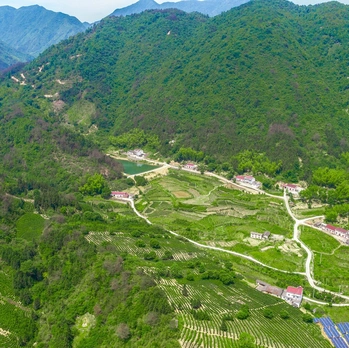
At the foot of Guniujiang lies a primitive village — Yanjia Ancient Village (Yan Family Ancient Village) . Surrounded by green mountains and clear waters, it sits quietly like a corner forgotten by time. A small stream babbles in front of the village, and cobblestone alleys connect every household. During the tea-picking season, villagers are busy in the tea plantations, gathering fresh leaves.
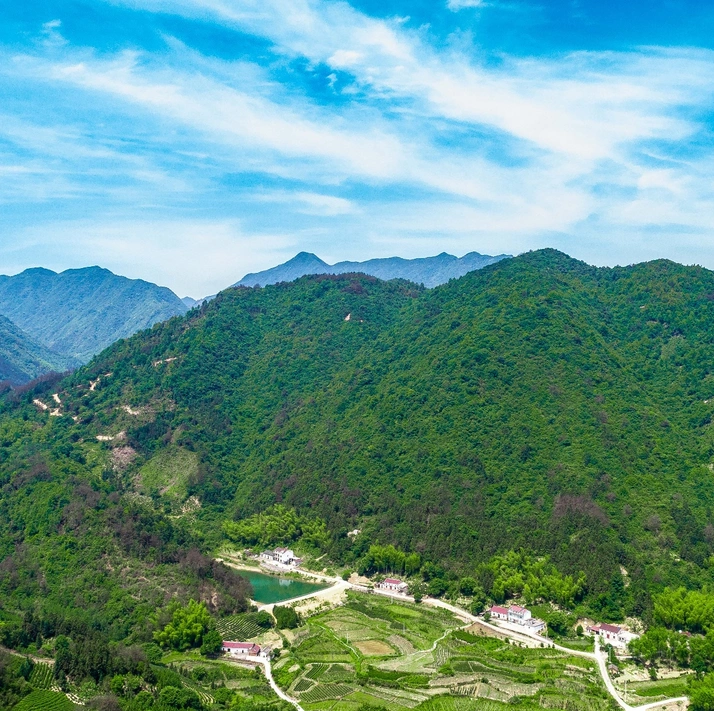
Walking into the village, you'll notice that the ancient houses have weathered countless storms. The bricks, tiles, and plaster have long peeled off, leaving the walls uneven. But it's this very patina that gives them the warmth of time. I stepped into an old house — it was empty inside, except for a beam of light streaming through a hole in the roof, illuminating the decaying wooden structures, as if trying to awaken this long-dormant dwelling.
A cute little dog followed me all the way, occasionally wagging its tail as if guiding me. This scene reminded me of the pastoral life described by Tao Yuanming (a famous ancient poet) — sowing in spring, harvesting in autumn, rising with the sun, and resting at sunset. The people here have guarded this land for generations. I admire their steadfastness.
[Link: Ancient villages in Anhui]
A Taste of Shitai: Good Food and Love Are Not to Be Missed
The cuisine of Shitai was another surprise of this trip. The food here is delicious, generous in portion, and you'll never worry about going hungry. It was bamboo shoot season, and the tender shoots paired with free-range chicken were so flavorful I couldn't stop eating. Braised pork hock soup, chicken hotpot — every dish was made with authentic skill.
What impressed me most was the local "Yipin Guo" (One-Pot Dish) . The bottom layer is lined with dried bamboo shoots, the second layer with chunks of pork, the third with white or fried tofu, the fourth with meatballs, and the fifth with seasonal vegetables. It's a hearty, communal dish that warms both body and soul.
[Link: Shitai local cuisine guide]
FAQ: Everything You Need to Know About Guniujiang
1. How do I get to Guniujiang from Nanjing?
 Guniujiang is about a 3-hour drive from Nanjing. You can take the G50 expressway to the Shitai exit, then follow local roads to the scenic area. Alternatively, take a high-speed train to Chizhou Station and then a bus or taxi to Guniujiang (about 1.5 hours).
2. What is the best time to visit Guniujiang?
 The best time to visit Guniujiang is from April to October, when the weather is warm and the waterfalls are at their fullest. Spring (April-May) offers blooming flowers and fresh tea leaves, while autumn (September-October) provides crisp air and colorful foliage.
3. How many days do I need to explore Guniujiang?
 A 2-day trip is ideal to cover the main scenic areas: Day 1 for Longmen Scenic Area and Yanjia Ancient Village, Day 2 for Shuanglong Valley and Guniufeng. If you're short on time, a full-day visit to Longmen Scenic Area is still rewarding.
4. Is Guniujiang suitable for family trips?
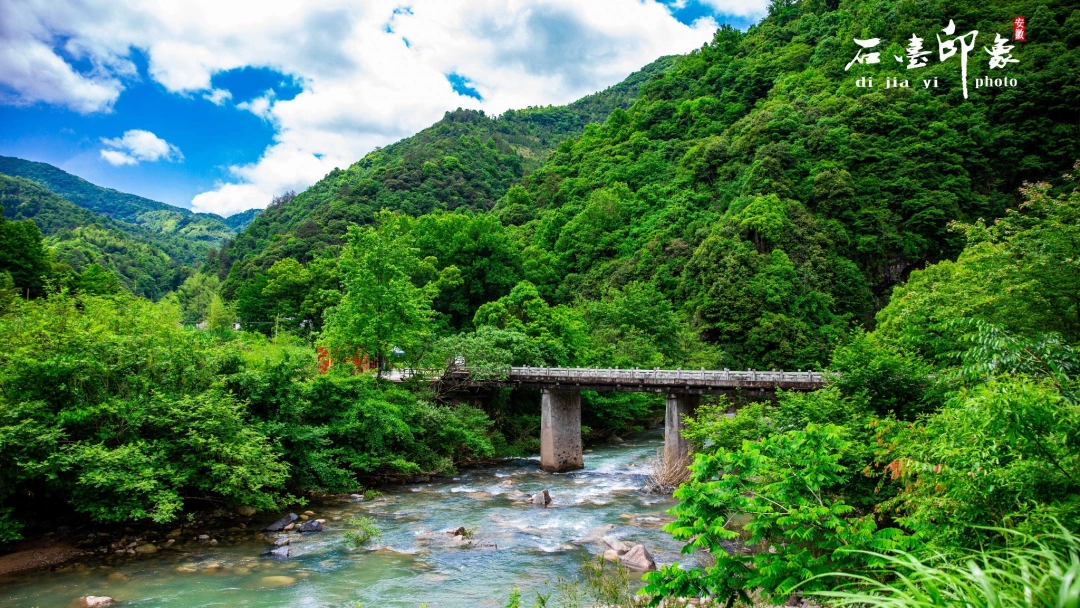 Yes! Guniujiang is family-friendly, with well-maintained boardwalks, gentle hiking trails, and plenty of rest areas. The negative oxygen ions are great for kids and elderly visitors. Just bring comfortable walking shoes and plenty of water.
5. What should I pack for a trip to Guniujiang?
Pack comfortable hiking shoes, a light jacket (even in summer), sunscreen, insect repellent, a reusable water bottle, and a camera. If you plan to visit the tea plantation, bring a hat and sunglasses. Hanfu enthusiasts will love the scenery for photoshoots.
Conclusion: Your Escape Awaits
Guniujiang is more than just a scenic spot — it's a hidden paradise where mountains, water, and ancient culture converge. Whether you're seeking clean air, stunning waterfalls, or a glimpse into traditional village life, this "unexplored Huangshan" delivers an unforgettable experience.
The spring breeze for miles is nothing compared to you — and Guniujiang is waiting to welcome you.
Ready to plan your trip? [Link: Book Guniujiang tours] or [Link: Find hotels near Guniujiang]
Have you visited Guniujiang? Share your experience in the comments below!
You may also like