Guangzhou & Wuzhishi Travel Guide: Urban Splendor Meets Natural Wonder
Meta Description: Discover Guangzhou's Huacheng Square, Cantonese morning tea culture, and Wuzhishi's Danxia landscape. A 1500-word travel guide bridging city luxury and natural beauty across Guangdong.
Introduction: From the City of Flowers to the Five Finger Stone
Some destinations reward patience with unforgettable experiences. Guangzhou, the "City of Flowers," is precisely such a place. After a decade-long wait, I finally set foot in this southern Chinese metropolis—not as a primary destination, but as an unexpected layover en route to Wuzhishi (Five Finger Stone) in Meizhou. What followed was a journey that bridged urban sophistication and raw natural wonder, proving that the best travel moments are often unplanned.
This two-hour flight from Yangzhou to Guangzhou opened doors to two contrasting worlds: the gleaming skyline of a modern megacity and the ancient, finger-like peaks of a Danxia landform. Here's your complete guide to experiencing both.
Chapter One: Huacheng Square – Guangzhou's Urban Heartbeat

Exploring Zhujiang New Town: Skyscrapers and City Planning
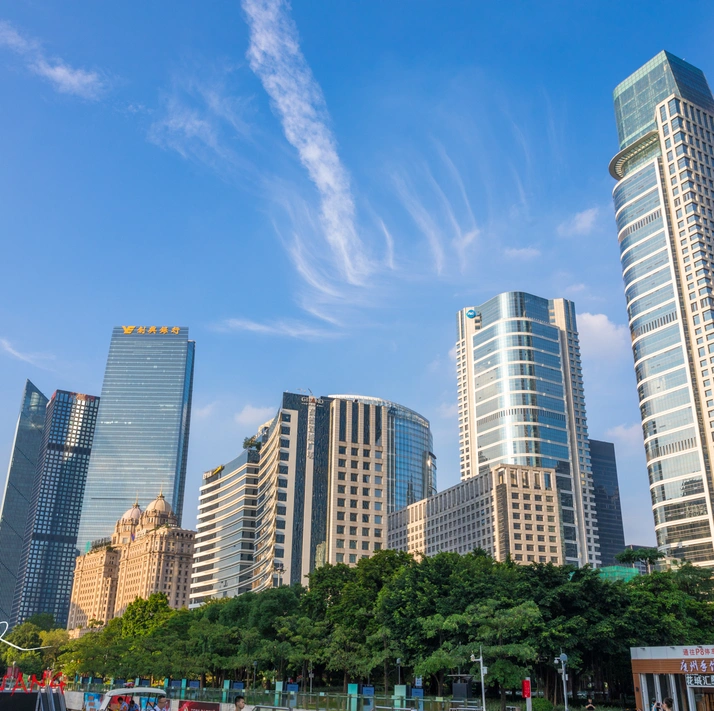
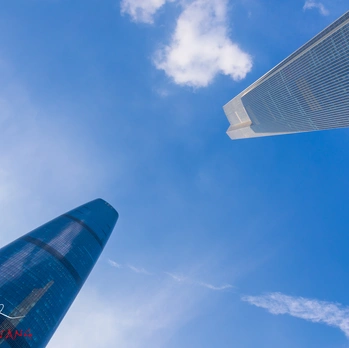
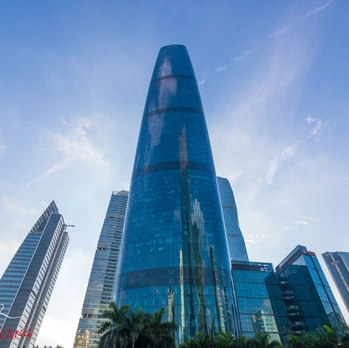
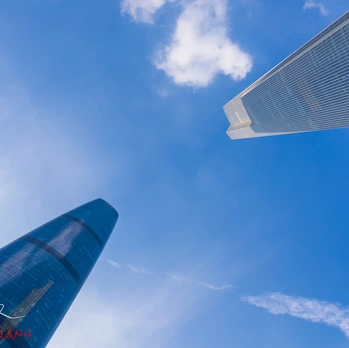
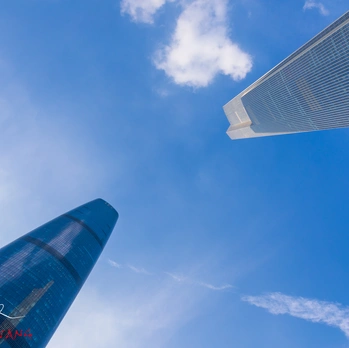
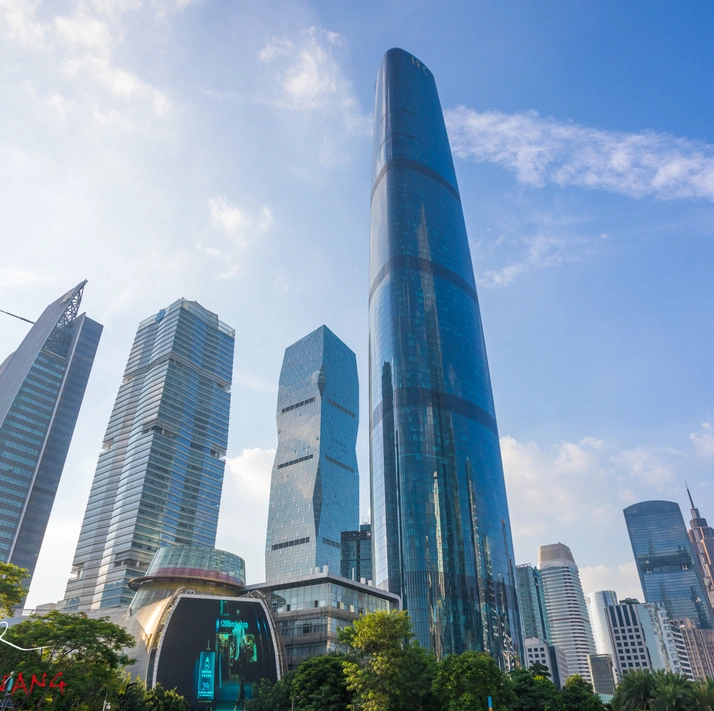
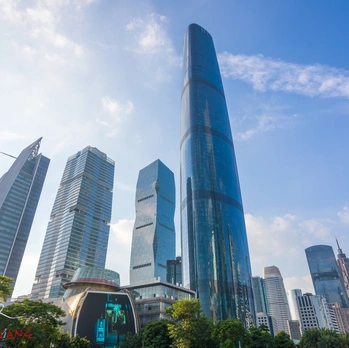
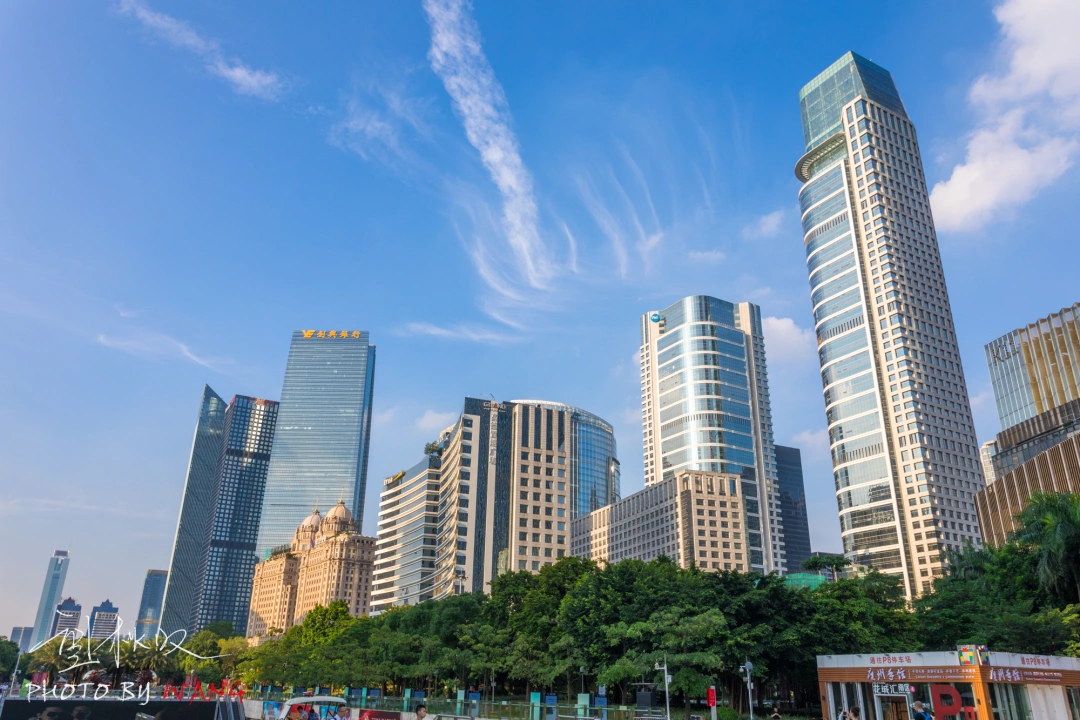
Emerging from Zhujiang New Town subway station, I was immediately struck by the architectural ambition surrounding me. Skyscrapers rise with authoritative grace, declaring Guangzhou's status as a world-class metropolis. Some say Hong Kong has lost its edge, but Guangzhou is forging ahead as a brand-new international hub.
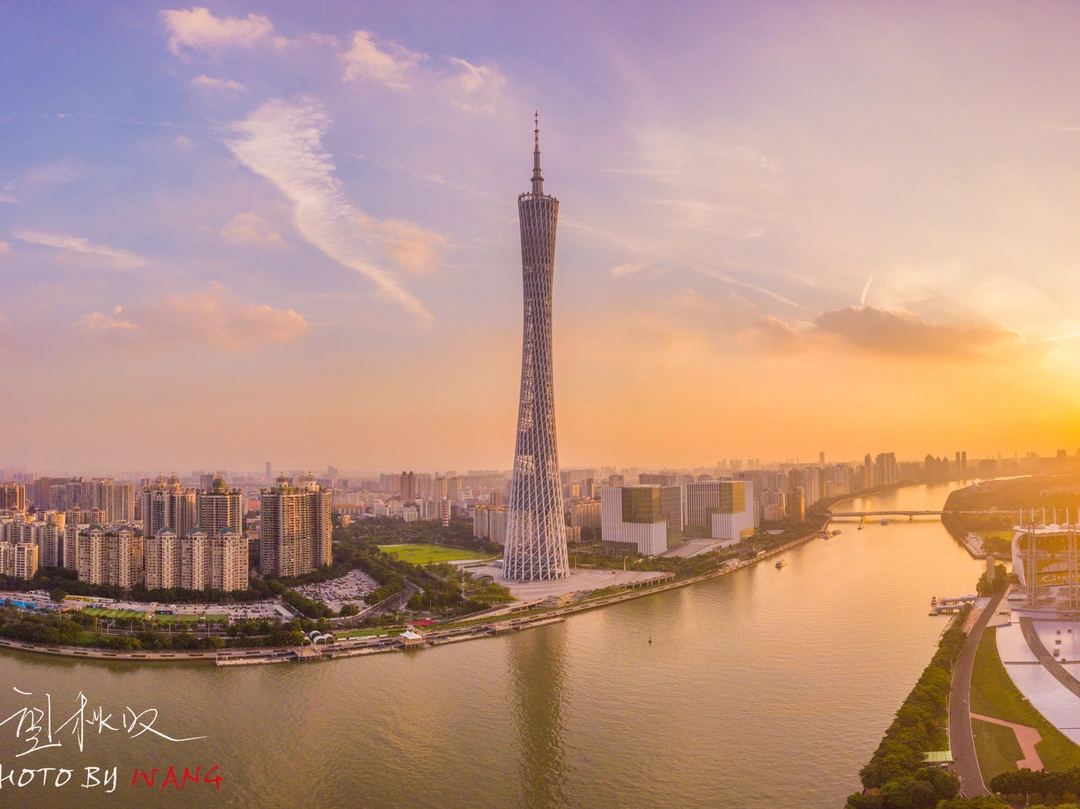
Huacheng Square serves as the city's green lung—a rare oasis amid concrete and glass. Walking northward, the iconic Canton Tower (affectionately called "Little Waist") comes into view. At 600 meters, it's China's tallest TV tower and the world's second tallest, surpassed only by Tokyo Skytree. [Link: Canton Tower observation deck tips]
Interesting fact: Civilian drone flight ceilings max out at 500 meters, meaning aerial shots from the tower's peak remain a dream for now.
Asian Games Park: A Photographer's Puzzle
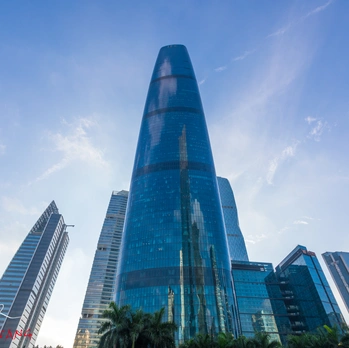
At the square's far end lies the 2010 Guangzhou Asian Games Memorial Park, facing the Canton Tower across the Pearl River. It should be a photographer's paradise—except for one baffling rule: cameras are banned inside. Smartphones are permitted, but dedicated cameras? Not allowed. This peculiar regulation became a memorable talking point of the trip. [Link: Guangzhou photography spots without restrictions]
Sunset at Canton Tower: Golden Hour on the Pearl River
By 6:30 PM, the sun hadn't fully set, but the Little Waist was already lighting up. It cycled through rainbow, golden yellow, and Chinese red—a dancer pirouetting against the twilight. Nearby, Liede Bridge glowed gold, its tower resembling a needle plunged into the river.
Many claim the Pearl River is most beautiful at night, with cruise ships gliding across illuminated waters. But I argue the best perspective is from above—a 720-degree unobstructed view where scattered lights dance in the river's reflection. No cruise ship can replicate that.
Musical Fountain Show: A Symphony of Light and Water
I nearly returned to my hotel, but word of the 8 PM musical fountain show changed my plans. With ten minutes to spare, I found my spot, set up my tripod, and adjusted camera settings.
At exactly eight, music began. The fountain's outline lights dimmed, then synchronized with the melody—lights and water jets transforming in perfect harmony. The distant Canton Tower served as backdrop, complementing the foreground fountain. I've seen many musical fountains, but none with such distinct foreground-background layering and perfect fusion. Huacheng Square's show is unmatched.
Chapter Two: Cantonese Morning Tea – A Culinary Pilgrimage
Dian Dou De: 70 Years of Morning Tea Tradition
The next morning, I visited Dian Dou De, a teahouse near the train station with over seventy years of history. Its name comes from the Cantonese phrase "dim dou dak" (whatever works)—reflecting the pragmatic, easygoing Cantonese character. While less famous than Tao Tao Ju, it's a respected institution in Guangzhou's morning tea scene.
The teahouse opened at 8 AM, but customers were already waiting. Inside, walls displayed awards and historical introductions, building anticipation. "A teahouse without tea—how could that be?" The waitress warmly asked my preference: chrysanthemum, pu'er, or tieguanyin, priced between 8-10 yuan. A small stove boiled water at the table, and the server began brewing kung fu tea.
Har Gow (Shrimp Dumplings): Intangible Cultural Heritage
If you visit Guangzhou and skip har gow, you've missed the point. Dian Dou De's signature golden shrimp dumplings are listed as intangible cultural heritage. At over 30 yuan for three pieces, I hesitated—until I bit into one. Packed with filling, fresh, sweet, and delightfully crisp. The wrapper was slightly thick, not translucent enough to reveal the shrimp's pink gleam, but the lingering aftertaste was unforgettable. Heritage-listed? Absolutely deserved. [Link: Best har gow in Guangzhou]
Golden Sand Red Rice Rolls: A Three-Layered Sensation
Golden sand red rice rolls are another must-order. Shrimp is coated in thin flour, fried crispy, then wrapped in chewy red rice noodle skin. One bite delivers three layers: soft outside, crunchy middle, tender inside. A cascade of textures—nothing short of heavenly.
Lava Buns and Other Surprises
Growing up on Yangzhou-style morning tea, I thought I knew steamed buns. But Dian Dou De's phoenix lava buns surprised me. The filling wasn't red bean paste but salted egg yolk—golden outside and inside, looking exceptionally premium. Biting into a hot one released oozing egg yolk lava. Careful not to burn yourself.
Lizhou boat congee, four-color shrimp dumplings, honey-glazed char siu buns… what was supposed to be a 50-yuan-per-person meal turned into 150 yuan. At the next table sat an elderly local woman who came here almost daily. She told me early-morning customers were mostly locals; tourists arrived after 10 AM for desserts. Watching the hall fill with locals, I realized morning tea culture isn't just thriving in Yangzhou—Guangzhou loves it just as fervently.
Chapter Three: Wuzhishi – The Five Finger Stone of Danxia
Southern Multicolored Danxia: A Hidden Gem
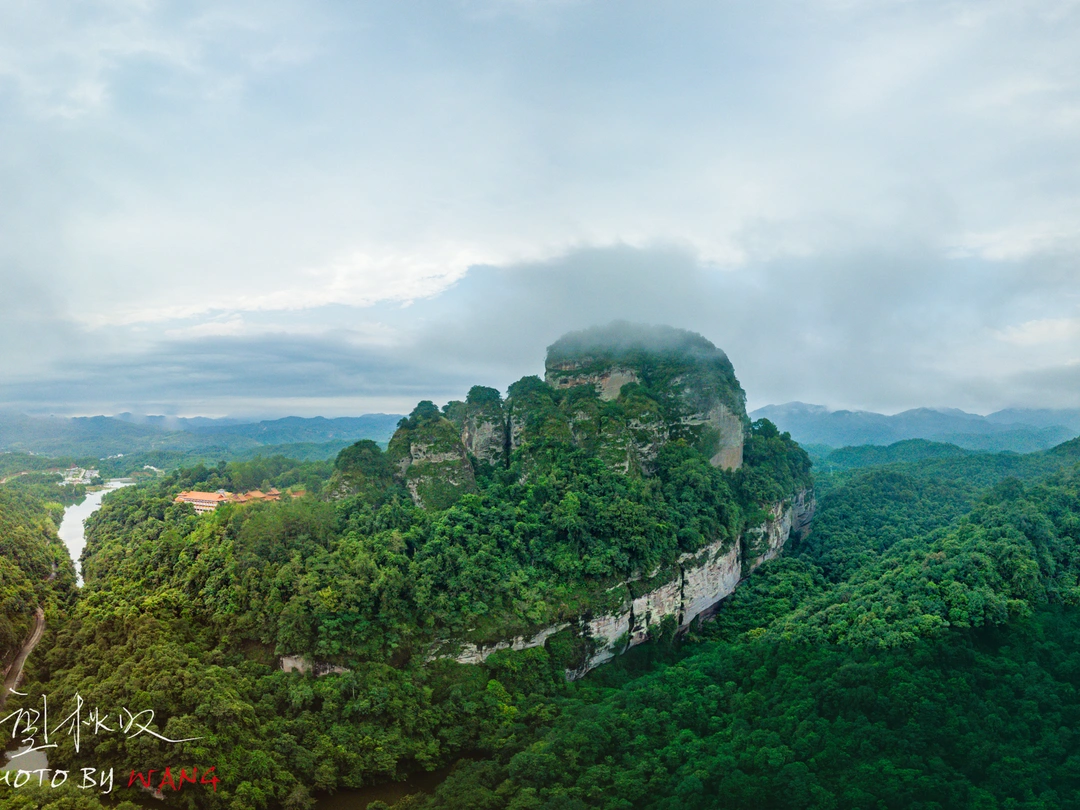
When people mention Danxia landforms, most think of Zhangye's Rainbow Mountains in Gansu. But few know that over 2,000 kilometers away, at the junction of Fujian, Guangdong, and Jiangxi provinces, lies another Danxia landscape. Unlike Zhangye's vibrant colors, this one is enveloped in green vegetation, with nearly every peak shaped like a finger-like cylinder.
This is Wuzhishi (Five Finger Stone). Five fingers rise abruptly from the ground, piercing the sky. They are named Baoding Stone (thumb), Luohan Stone (index finger), Tianzhu Stone (middle finger), Xianglong Stone (ring finger), and Baogai Stone (pinky). [Link: Wuzhishi hiking trails and best viewpoints]
What Makes Wuzhishi Unique
Unlike the colorful stripes of Zhangye, Wuzhishi's Danxia is characterized by: - Vegetation-covered peaks – Green dominates, with rock formations emerging through foliage - Cylindrical shapes – Each finger-like peak stands independently - Vertical cliffs – Dramatic, near-vertical walls typical of Danxia erosion - Cultural significance – Local legends associate the five fingers with Buddhist and Taoist mythology
Best Time to Visit Wuzhishi
Spring and autumn offer the most comfortable hiking conditions. Summer brings heat and humidity, while winter can be chilly. Early morning or late afternoon provides the best lighting for photography, with shadows accentuating the finger-like formations.
Frequently Asked Questions
Q: How do I get from Guangzhou to Wuzhishi? A: Take a high-speed train from Guangzhou South Station to Meizhou West Station (approximately 3.5 hours), then take a local bus or taxi to Wuzhishi Scenic Area (about 1 hour).
Q: Is Cantonese morning tea expensive in Guangzhou? A: Prices vary. Traditional teahouses like Dian Dou De offer dishes from 10-40 yuan each. A full meal for one person typically costs 50-150 yuan depending on selections.
Q: What's the best time to visit Huacheng Square? A: Late afternoon to evening (4-9 PM) offers the best experience—golden hour for Canton Tower photos, followed by the musical fountain show at 8 PM.
Q: Can I climb all five fingers at Wuzhishi? A: Some peaks have accessible trails, while others are protected for ecological reasons. Check with the scenic area office for current trail conditions and restrictions.
Q: What should I pack for a Guangzhou-Wuzhishi trip? A: Comfortable walking shoes, light clothing (Guangzhou is humid), a camera with zoom lens, sunscreen, and an umbrella (sudden rain is common).
Conclusion: Two Worlds, One Journey
From Guangzhou's glittering skyline to Wuzhishi's ancient stone fingers, this journey proved that China's diversity is its greatest travel asset. The city's energy and the mountain's serenity—both are essential experiences for any traveler seeking depth and contrast.
Ready to plan your own Guangzhou and Wuzhishi adventure? Book your high-speed train tickets early, reserve a table at Dian Dou De for authentic morning tea, and pack your hiking boots for those Danxia trails. The City of Flowers and the Five Finger Stone await.
Have you visited Guangzhou or Wuzhishi? Share your experiences in the comments below, or ask questions—I'm happy to help with your travel planning.
Internal Linking Suggestions: - [Link: Guangzhou Cantonese morning tea guide] - [Link: Best time to visit Canton Tower] - [Link: Danxia landforms in China: complete guide] - [Link: Meizhou travel tips and accommodations] - [Link: Guangdong province road trip itinerary]
Word count: 1,520