From Shanghai to Jiangnan: A Six-Day Chinese New Year Travelogue – The Ultimate Spring Festival Itinerary
Meta Description: Discover the perfect Chinese New Year escape from Shanghai to Jiangnan. Explore the Bund, Wuzhen water towns, and Yangshuo in this comprehensive 6-day travel guide. Plan your Spring Festival adventure now.
Introduction: Why Spend Chinese New Year Exploring Shanghai and Jiangnan?
The Spring Festival represents the gentlest bond in the Chinese soul. When a year of busy work finally pressed pause, my wife and I exchanged a glance and simultaneously had the same thought: this New Year, why not go somewhere far away? Chongqing's spicy hotpot was certainly tempting, but in the end, we set our sights on Shanghai and Wuzhen — one a dazzling metropolis of neon lights, the other a Jiangnan water town where life drifts on canals. This trip wasn't about escape; it was about rediscovering the texture of life through movement.
Travel, when it comes down to it, only requires a quiet heart and tireless feet. You'll constantly meet strangers and unfamiliar sights, and you'll constantly reflect and refresh your memories. The destination itself may not matter as much as whether it can gently strike a chord deep within you.
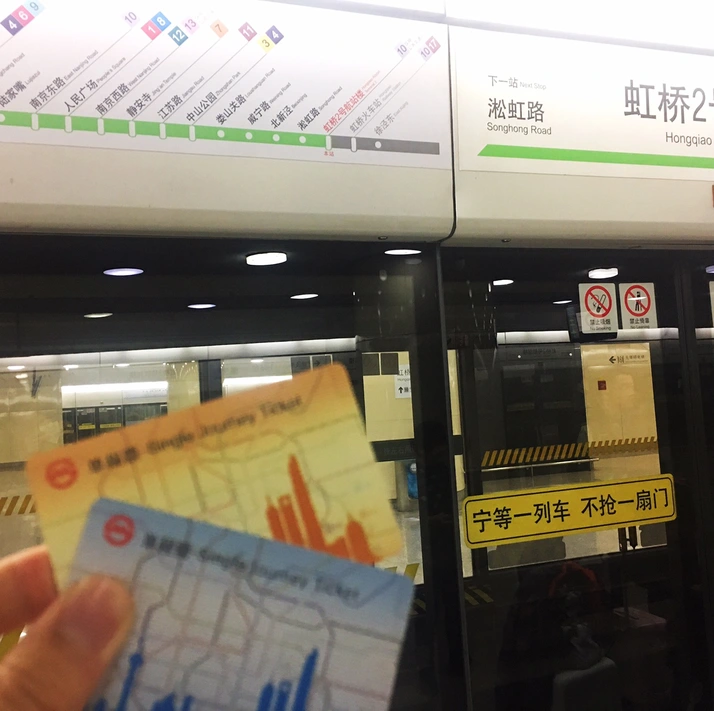
After confirming our destination, I quickly switched into "planning mode." I cycled through Ctrip, Tuniu, and Mafengwo, setting departure times, booking flights, reserving hotels, signing up for a Shanghai day tour, and scouring for must-visit spots and food recommendations. Before leaving, I made a minimalist checklist: ID card, phone charger, Alipay, Dianping, Metro Metropolitan (essential for the subway), Amap, plus a small amount of cash and a few changes of clothes — one outfit per day, packing light was the key.
Day 1: Shenzhen → Shanghai – The Bund at Night and the Fire of Hotpot

Chinese New Year Eve Departure
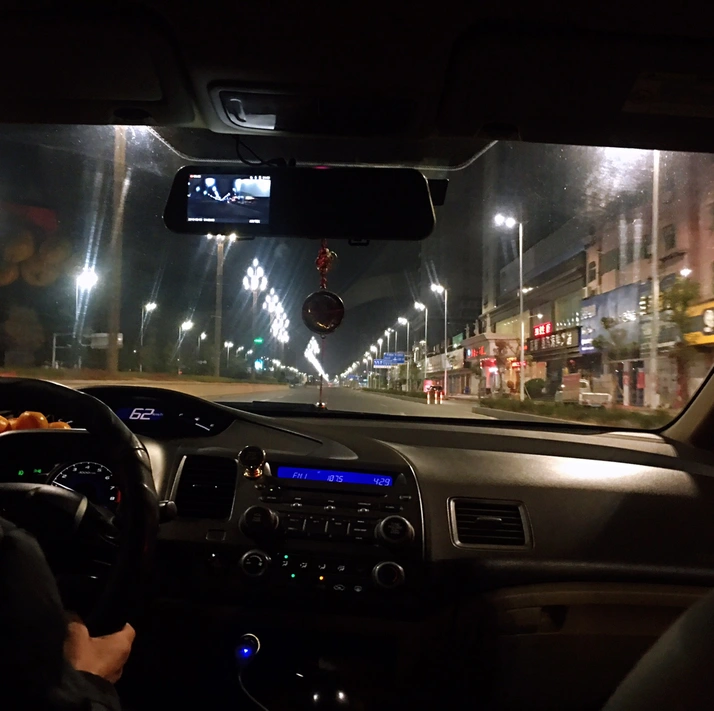
On New Year's Eve, after finishing the family reunion dinner and watching the Spring Festival Gala, it was already past midnight. When the alarm went off, we grabbed our suitcases and set out. At 4:30 AM, at the entrance to our neighborhood, the driver was still at his post. Working through the New Year — that kind of dedication warmed our hearts. The roads were clear, and we arrived at Shenzhen Airport two hours early.
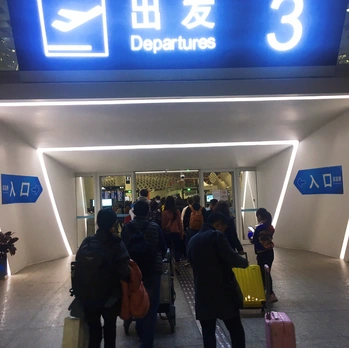
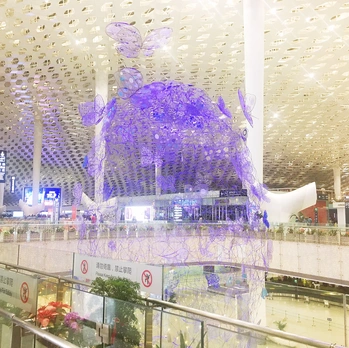
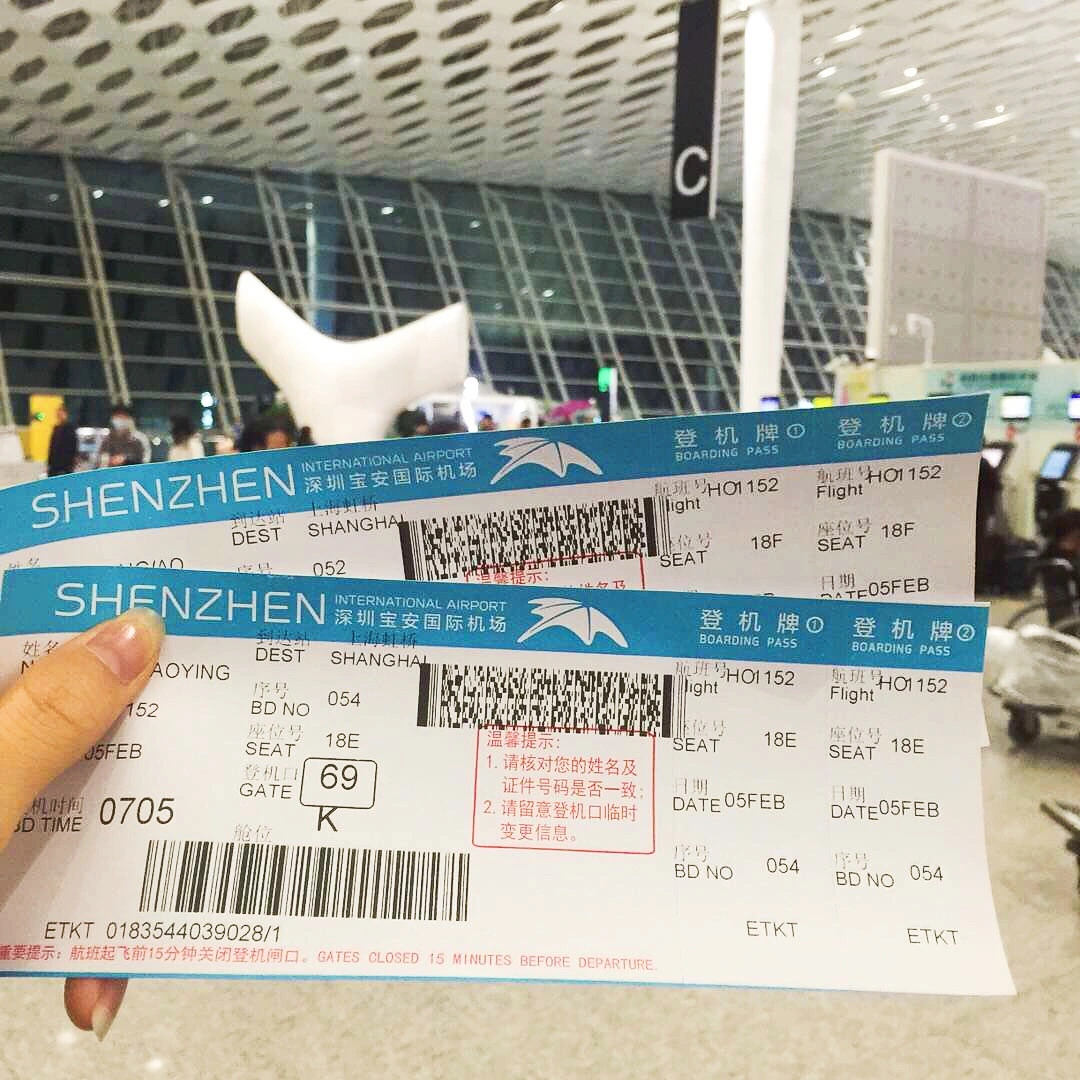
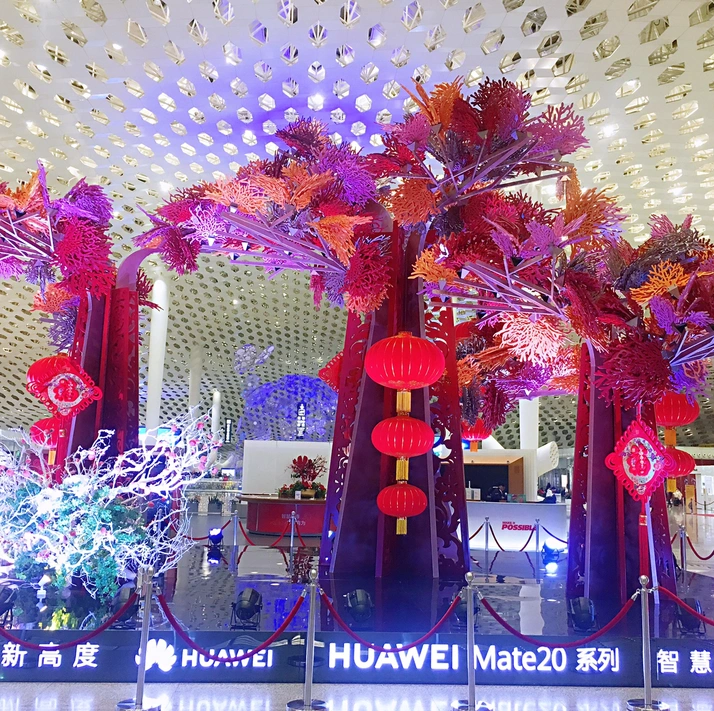
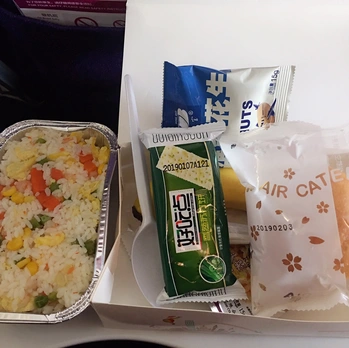
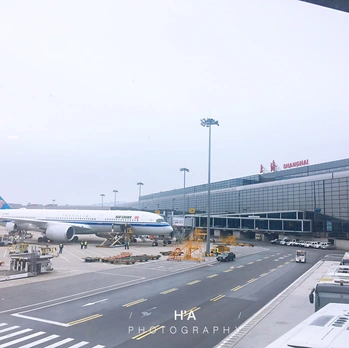
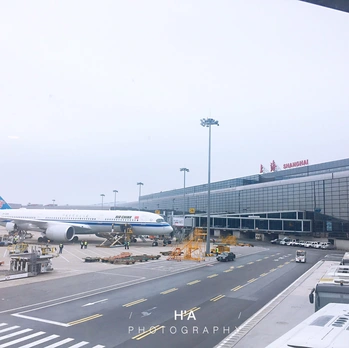
On the first day of the New Year, the airport was brimming with festive spirit. Red lanterns, Chinese knots, and "Year of the Pig" decorations were everywhere. After boarding, Juneyao Airlines' breakfast was surprisingly delicious — hot porridge with side dishes, warming both stomach and heart. Two hours later, the plane landed at Shanghai Hongqiao Airport. The Magic City, here we were.
Exploring Nanjing Road and The Bund
Shanghai, a city known as "The Shanghai Bund," is both modern and traditional. Located at the center of China's coastline, it's one of the four direct-controlled municipalities and a city of historical and cultural significance. We hopped on the subway to feel the city's pulse. After dropping our luggage at the hotel and resting briefly, we headed straight for Nanjing Road.
Nanjing Road is known as "China's Premier Commercial Street," stretching from the Bund in the east to Jing'an Temple in the west, a total of 5.5 kilometers. Coming out of Exit 2 of East Nanjing Road Station, we were greeted by crowds — Spring Festival travel truly means a sea of people. The traffic police officers were diligently managing the flow, earning a heartfelt thumbs-up.
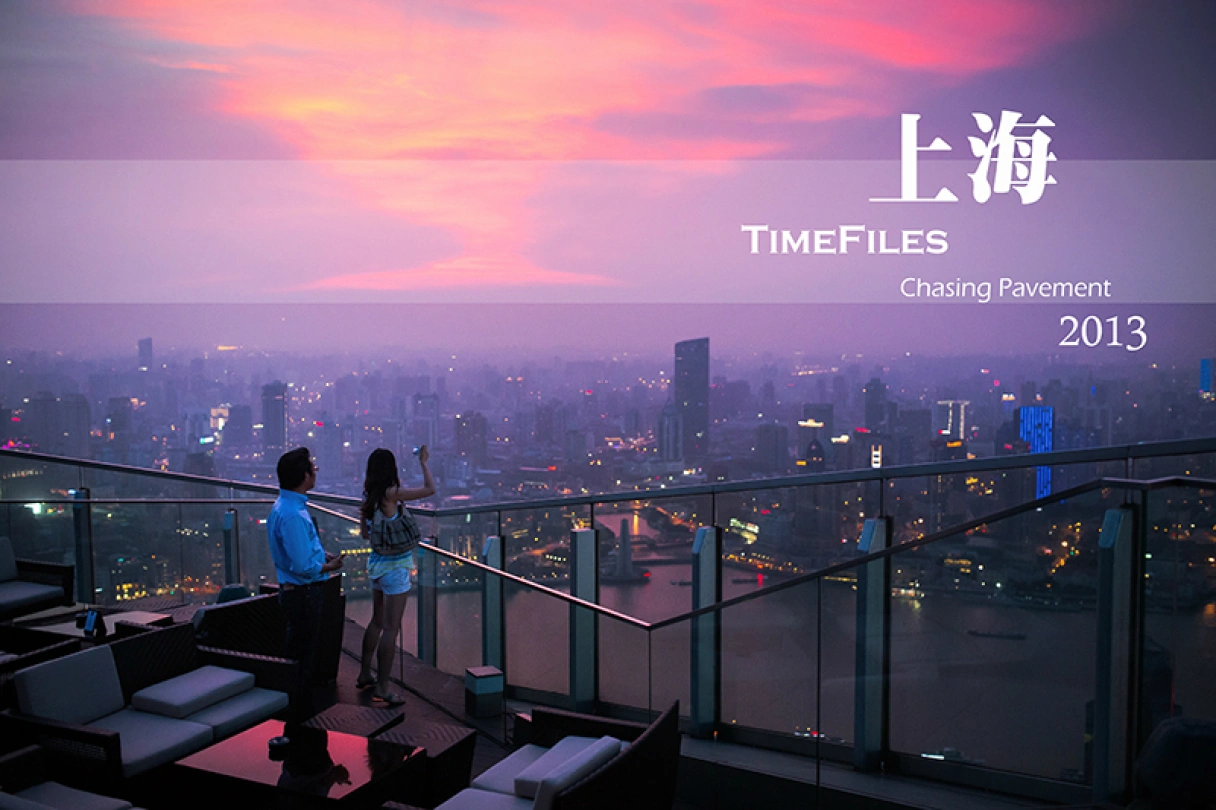
The Peace Hotel, Bund 18, and other historic buildings with their international architectural styles were especially enchanting under the night sky. Across the river, the skyscrapers of Lujiazui glittered brilliantly, and the Oriental Pearl Tower seemed cloaked in gold. The Bund's romance lies in the collision of classical and modern, and in the stories left behind by every passerby.
New Year's Day Hotpot Feast
Hunger struck, so we searched for a highly-rated hotpot restaurant — Jin Niu Zuo Beef Hotpot, on the fifth floor of Hongyi International Plaza. Arriving just after 5 PM, there was already a long line. Eating hotpot on the first day of the New Year symbolizes a prosperous year ahead. The beef was tender, the broth rich, and one bite melted away all travel fatigue.
Nanjing Road at night is a city that never sleeps. Neon lights were arranged in a dazzling display. The Bund nightscape was breathtaking — the historic buildings looked majestic under the lights, while Lujiazui's skyscrapers sparkled like diamonds. Standing by the Huangpu River, watching the lights reflect on the water, I couldn't help thinking: this is Shanghai — a city forever young, forever vibrant.
[Link: Best time to visit Shanghai Bund]
Day 2: Xitang and Wuzhen – Seeing Jiangnan's Water Towns in a Day
Morning at Xitang Ancient Town
Early the next morning, we gathered at East Nanjing Road and boarded a day-trip bus to Xitang and Wuzhen. Booking tickets online in advance made everything hassle-free and convenient.
An hour later, we arrived at Xitang Ancient Town. Xitang is characterized by its bridges, covered corridors, and narrow alleyways, making it quite distinctive among many ancient towns. Actually, Xitang isn't large — just two main streets — but there were plenty of snacks. Glutinous rice balls, pig-shaped buns, handmade spicy and sour rice noodles (20 yuan per bowl, recommended), and Granny Guan's stinky tofu... We ate as we walked, feeling carefree. One shop even had free props for tourists to take photos, and we happily snapped a few pictures together.
Afternoon at Wuzhen Water Town
After eating our fill, we set off for Wuzhen — about another hour's drive. The weather was clear, with not a cloud in the sky.
Wuzhen is known as "China's Last Water Town Where People Sleep by the Water." It's divided into two sections: East Gate (Dongzha) and West Gate (Xizha). Dongzha is more authentic, featuring Mao Dun's Former Residence, the Hundred Beds Museum, and the Sanbai Wine Workshop. Xizha is more grand and elegant, composed of 12 islands surrounded by emerald waters, connected by 79 ancient stone bridges. Over 30 attractions, including the Three-Inch Golden Lotus Museum, Wuzhen Pottery Workshop, and Zhaoming Academy, are scattered throughout. Dongzha is small, while Xizha is large, and their levels of commercialization differ — Xizha is busier, while Dongzha is more rustic.
Wuzhen ticket prices: Dongzha 100 yuan, Xizha 120 yuan, combo ticket 150 yuan. Booking online can save a bit. The route is simple: follow the river, explore one side first, then the other. We took a boat from the Xizha entrance, which took about 25 minutes to reach the farthest point, then slowly walked back out.
White Lotus Pagoda, Wuzhen Post Office... each spot was filled with stories. As the sun set, its golden rays cast a special charm over the water. When night fell, the lights came on, making the ancient town appear even more gentle. We followed the crowd out, marking the end of a perfect day. Personal advice: if you're short on time, a day tour from Shanghai is really convenient.
[Link: Shanghai to Wuzhen day trip guide]
Day 3: Roaming the Magic City – From Shengjian to Chocolate
Breakfast at Xiao Yang Shengjian
On the third day, we decided to slow down and truly experience Shanghai. We slept in, then headed out to find food.
First stop: Xiao Yang Shengjian. A must-eat in Shanghai. On the third floor of the No. 1 Food Store on East Nanjing Road, there was already a long queue. We recommend the shrimp and crab roe shengjian (pan-fried pork buns), 29.5 yuan for six. One bite and the broth burst out — absolutely delicious. Next to it was Brother Niu's Pot Stickers (8 yuan for four) and seafood noodle soup (35 yuan, generous portion). This food street is a local favorite, with every stall having a line, business booming.
M&M Chocolate Flagship Store
After eating, we visited the M&M Chocolate flagship store on the second floor of World Trade Square. Chocolate lovers shouldn't miss it — the colorful wall of chocolate beans was irresistible for photos.
Evening Farewell to Shanghai
In the evening, we strolled along East Nanjing Road again to see the night views. Then we headed to a hotel near Pudong Airport, as we had an early flight to Guilin the next morning. Farewell, beautiful Shanghai.
[Link: Shanghai food guide – best local eats]
Day 4: Shanghai → Guilin – Yangshuo's Scenery and West Street
Early Morning Flight
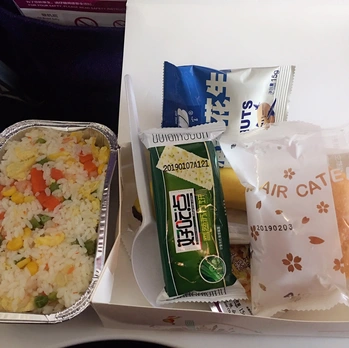
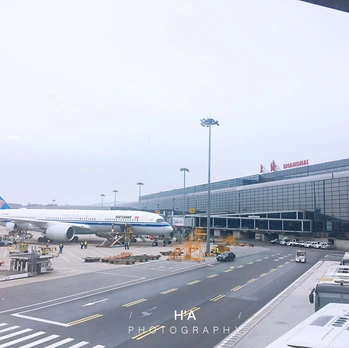
At 5 AM, the hotel shuttle bus took us to Pudong Airport on time. The cold was biting, and it was raining. China Eastern Airlines served fruit and millet porridge for breakfast — simple but comforting. Three hours later, the plane landed at Guilin Liangjiang Airport.
Yangshuo and West Street
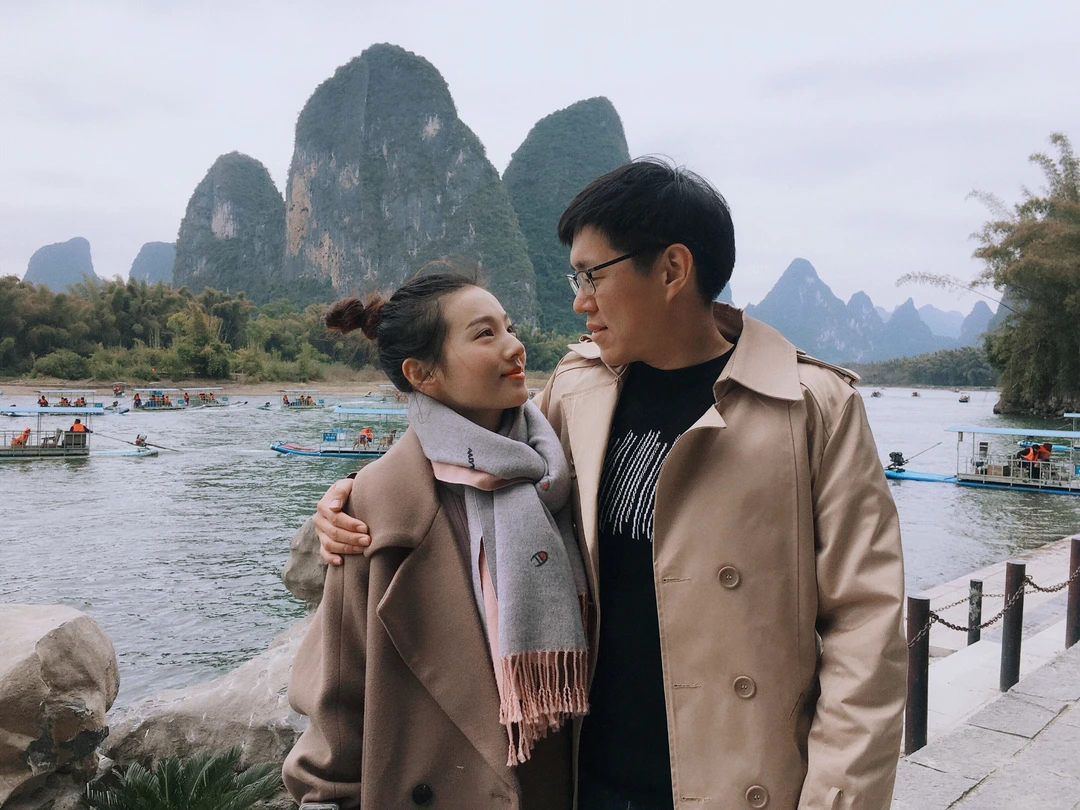
From Guilin, we headed to Yangshuo, famous for its karst mountain scenery and the vibrant West Street. This ancient street blends traditional Chinese architecture with modern cafes, bars, and souvenir shops. It's the perfect place to unwind after days of city exploration.
Day 5-6: Exploring Guilin and Return Journey
The remaining days were spent exploring Guilin's iconic landscapes — the Li River, Elephant Trunk Hill, and the stunning rice terraces. Each location offered a different perspective on China's natural beauty, providing a peaceful contrast to Shanghai's urban energy.
Frequently Asked Questions (FAQ)
Q1: What is the best time to visit Shanghai and Jiangnan during Chinese New Year?
The first week of the Spring Festival holiday (usually late January to mid-February) is ideal. The atmosphere is festive, and many attractions have special decorations. However, expect crowds at popular spots like the Bund and Nanjing Road.
Q2: How do I get from Shanghai to Wuzhen?
The easiest way is to book a day tour from Shanghai that includes transportation. Alternatively, take a bus from Shanghai South Bus Station or Shanghai Hongqiao Bus Station. The journey takes about 1.5-2 hours.
Q3: What should I pack for a winter trip to Shanghai and Jiangnan?
Pack warm layers as temperatures can drop to 0-10°C (32-50°F). Include thermal underwear, a warm coat, gloves, and a scarf. Comfortable walking shoes are essential for exploring ancient towns.
Q4: Is it necessary to book hotels and tours in advance during Chinese New Year?
Absolutely. Chinese New Year is peak travel season. Book flights, hotels, and popular day tours at least 2-3 weeks in advance to secure availability and better prices.
Q5: What are the must-try foods in Shanghai and Wuzhen?
In Shanghai, try shengjian buns, xiaolongbao (soup dumplings), and hotpot. In Wuzhen, sample local snacks like glutinous rice balls, stinky tofu, and handmade rice noodles.
Conclusion: Your Perfect Spring Festival Escape Awaits
This six-day Chinese New Year travelogue from Shanghai to Jiangnan proves that the Spring Festival holiday can be more than just family gatherings — it can be an adventure that refreshes your soul. From the neon-lit Bund to the ancient canals of Wuzhen, from shengjian buns to hotpot feasts, every moment offers a new discovery.
Whether you're a first-time visitor or a seasoned traveler, this Shanghai to Jiangnan itinerary provides the perfect balance of urban excitement and cultural immersion. The memories of walking through lantern-lit ancient towns, tasting local delicacies, and watching the sunset over the Huangpu River will stay with you long after you return home.
Ready to Plan Your Own Spring Festival Adventure?
Don't wait until the last minute — start planning your Chinese New Year trip to Shanghai and Jiangnan today. Book your flights, reserve your hotels, and secure your day tours to ensure a stress-free holiday. The magic of Shanghai and the charm of Jiangnan's water towns are waiting for you.
Share your own travel stories in the comments below, or contact us for personalized itinerary recommendations!
[Link: Best Shanghai hotels for Spring Festival] [Link: Top Jiangnan water towns to visit] [Link: Chinese New Year travel tips and packing list]
You may also like