From North to South: A Journey Through Jiangsu and Shanghai in Pursuit of Love and Friendship
Meta Description: Discover a heartfelt 6-day Jiangsu-Shanghai itinerary from Taiyuan to Shanghai, Suzhou, Nanjing, and Xuzhou. Follow one woman's journey to reunite with college friends, savor local cuisine, and keep a wedding promise.
Introduction: When Travel Becomes a Promise Kept
Some trips are for the scenery. Some are for the food. And some are for keeping a promise — to see the people who matter most in your life.
In the autumn of 2017, I embarked on such a journey. Starting from Taiyuan in the north, I traveled southward through Shanghai, Suzhou, and Nanjing, finally arriving in Xuzhou. Six days and five nights, four cities, one wedding, countless pan-fried pork buns (生煎), and a heart full of memories.
This Jiangsu-Shanghai travel story isn't just about destinations — it's about the love and friendship that made every mile worthwhile. Whether you're planning a similar route or simply dreaming of a Chinese road trip filled with authentic food and meaningful reunions, this guide will take you along for the ride.
The Story Behind the Journey: A College Promise
I went to university in Nanjing, where there were only five girls in my class. We were as close as sisters. After graduation, I returned to the north. Before we parted, we made a promise: whoever got married first, I would come back south for the wedding.

But when LT became the first to tie the knot, she set the date during National Day — the busiest time of year for my job. I had no choice but to miss it. Fortunately, on September 30, 2017, the only couple from our class that had made it through six years of long-distance love finally decided to hold their wedding. When I found out they weren't picking the National Day holiday, I nearly jumped for joy.
So my husband and I immediately agreed: we would plan this Jiangsu-Shanghai trip together.
Departure: A Nostalgic Train Ride South
I had been checking flight prices for two weeks, but nothing felt right. In the end, we decided to take the Z198 train — the same route I had ridden for four years. It used to be called Z98, but the familiar green carriages were still the same.
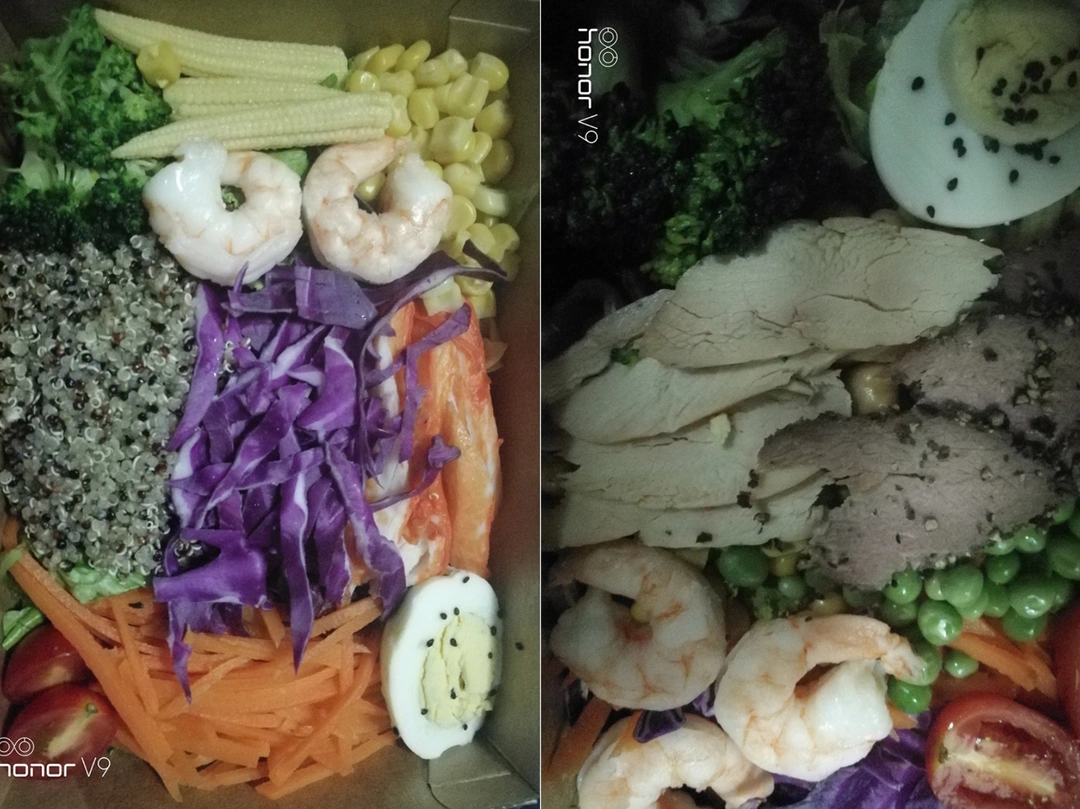
On the evening of September 24, we boarded the southbound train. The carriage swayed gently, just like every night I had traveled between north and south during my college years. Before boarding, we bought two low-calorie meals to try something new — a little appetizer for the journey ahead.
We slept through the night, and on the morning of September 25, we arrived in Shanghai.
Day 1: Shanghai First Impressions – Pork Buns, Heytea, and Old Haunts
I'm embarrassed to admit that during my four years of college, I had never once been to Shanghai. My husband, on the other hand, had trained here for six months and knew the city far better than I did.
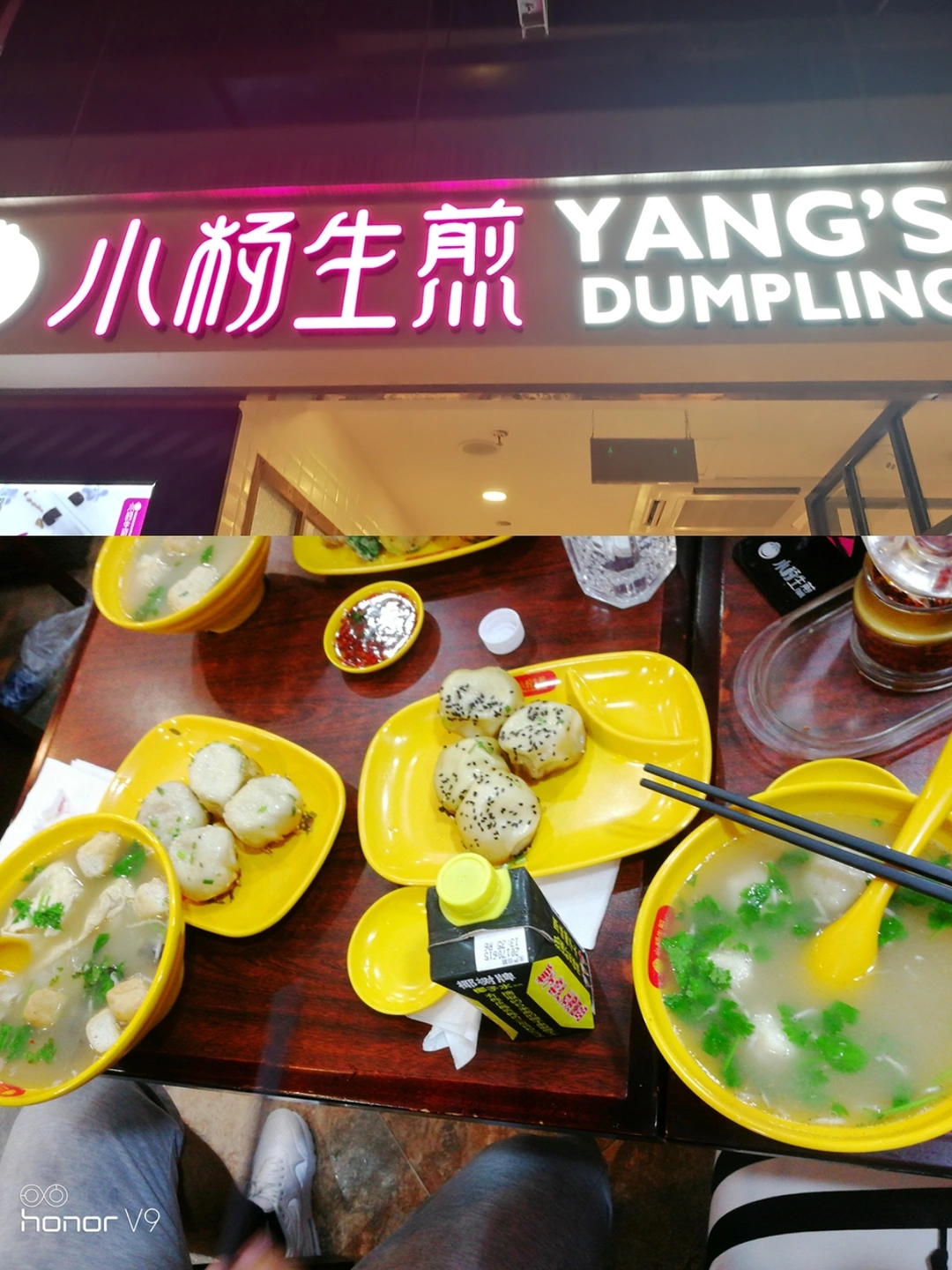
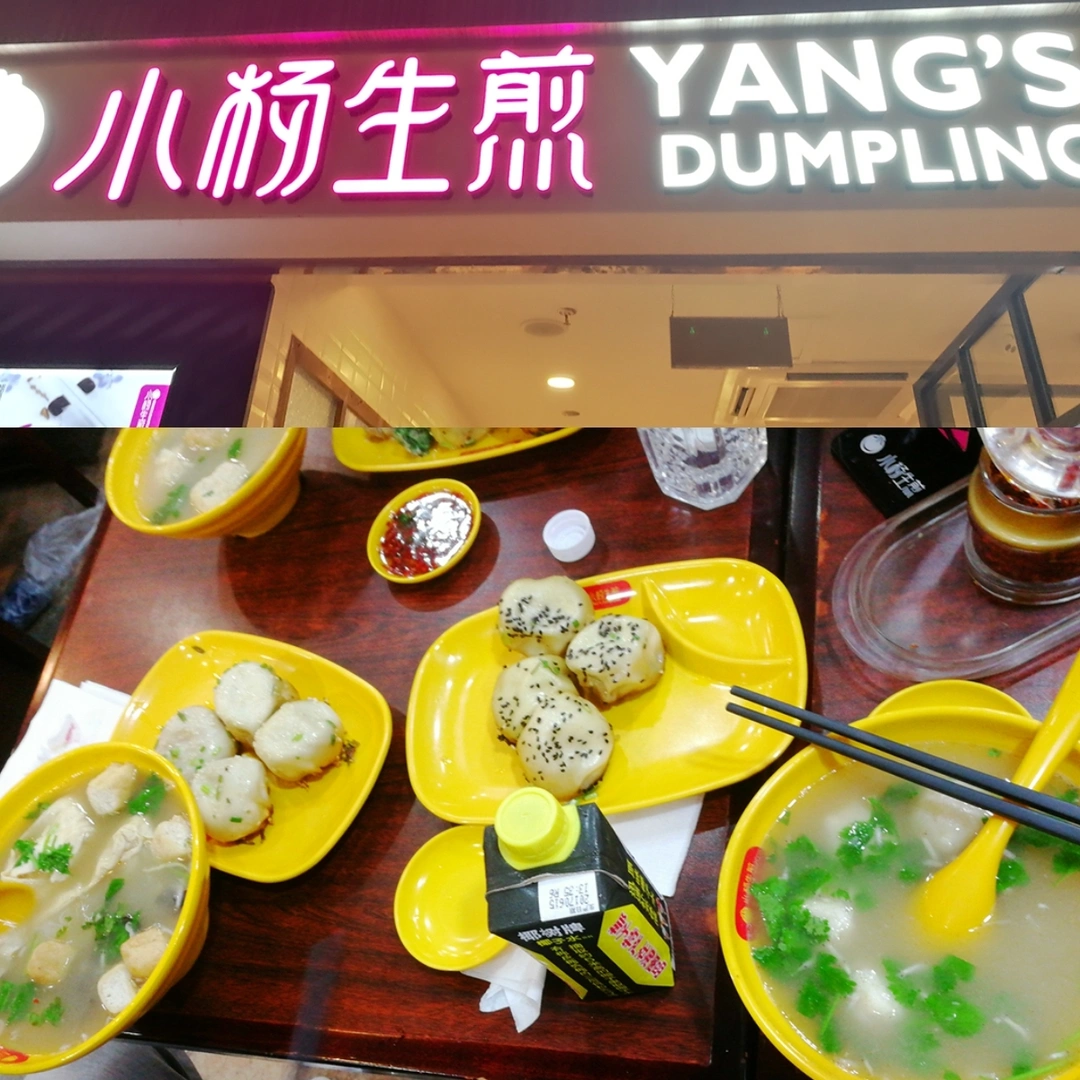
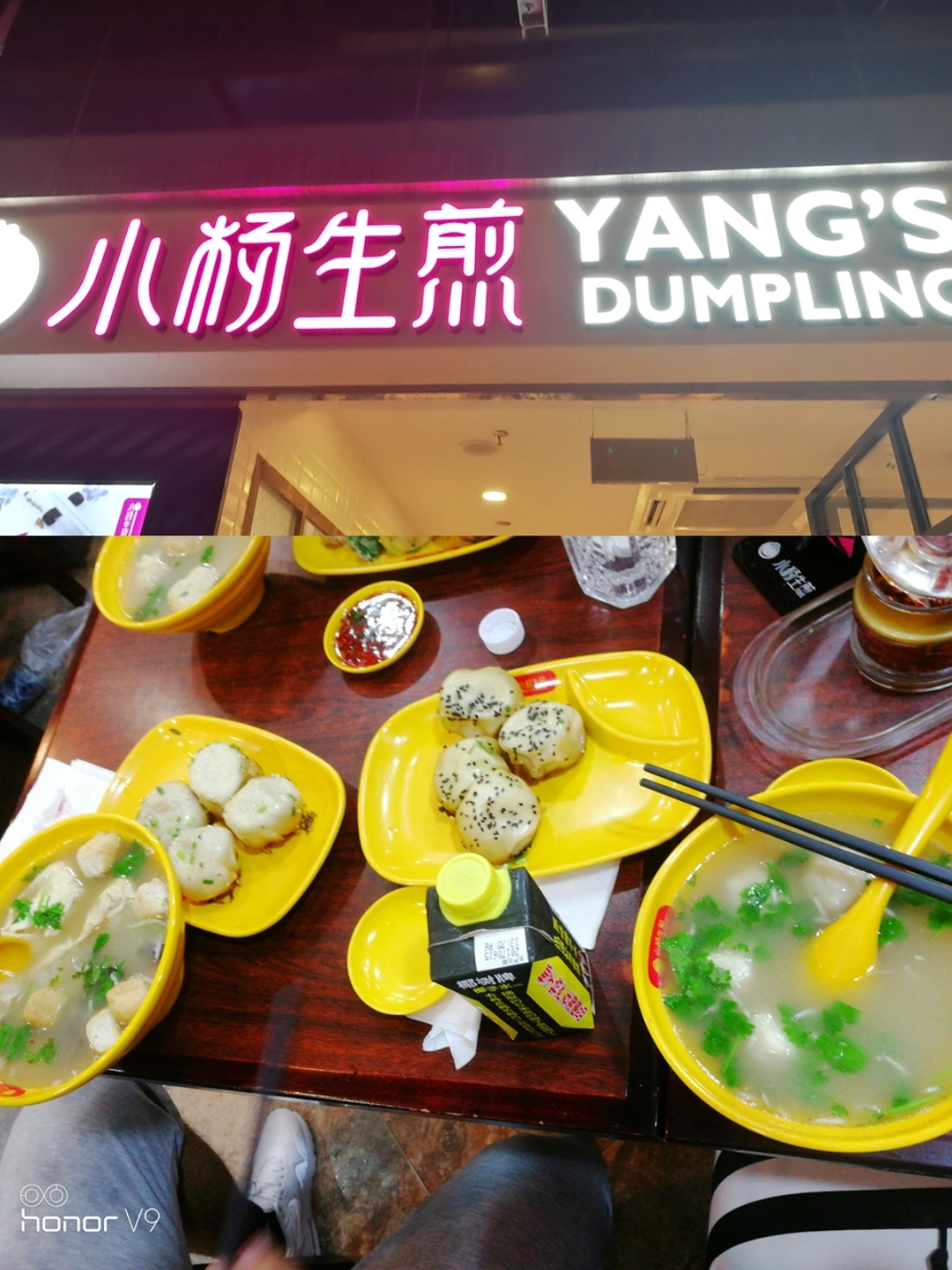
We booked a room at the Hanting Hotel on Sichuan Middle Road near the Bund — 254 RMB per night, decent value for the location. After dropping off our bags, we headed straight for Xiao Yang Sheng Jian (小杨生煎), a famous pan-fried pork bun chain. There happened to be one on the way to the subway station. It was packed, but we managed to find seats. The first bite sent a burst of hot soup exploding across my tongue, and I was instantly hooked. I later realized this trip had turned into a full-blown pork bun pilgrimage.
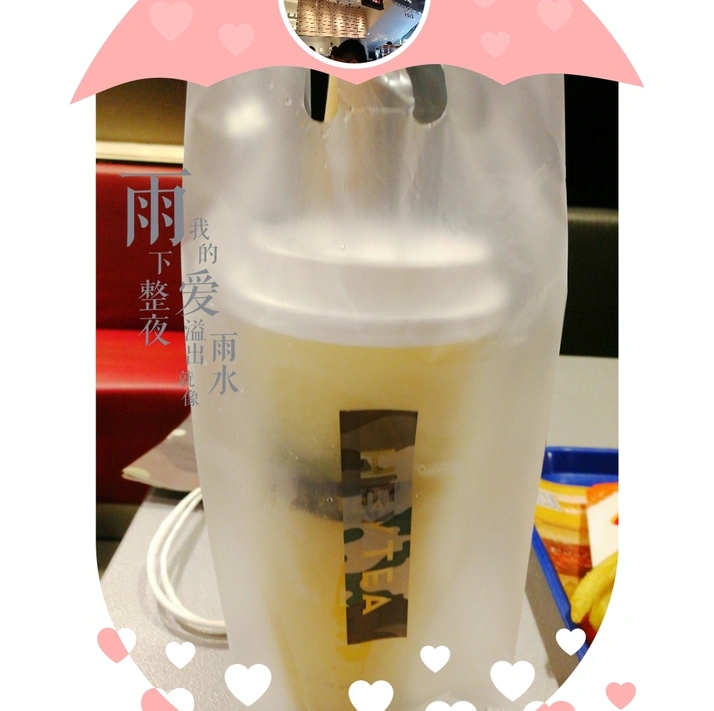
In the afternoon, we went to Pudong. The Oriental Pearl Tower looked just as I remembered it. My husband, revisiting old memories, told me funny stories from his training days. At the Super Brand Mall, we stumbled upon the legendary Heytea (喜茶). We queued for a bit, ordered a cup, and it was genuinely good.
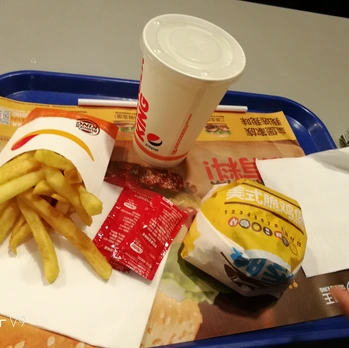
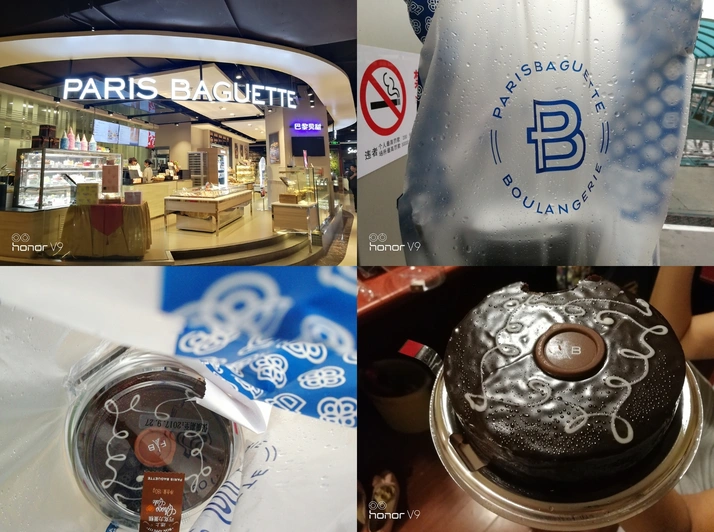
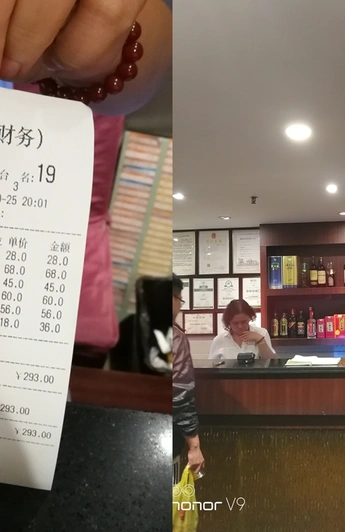
My husband was craving Burger King — even though there was one in Taiyuan, he insisted on eating it here. We also bought a Paris Baguette pastry to take back to the hotel as a late-night snack. That evening, we had dinner with his former mentor. He tried to pick up the tab but failed. We ate at an authentic Shanghai restaurant, its walls covered with awards. The food lived up to the hype.
[Link: Best Shanghai food tours for pork bun lovers]
Day 2: City God Temple, Qibao Ancient Street, and a Night in Suzhou
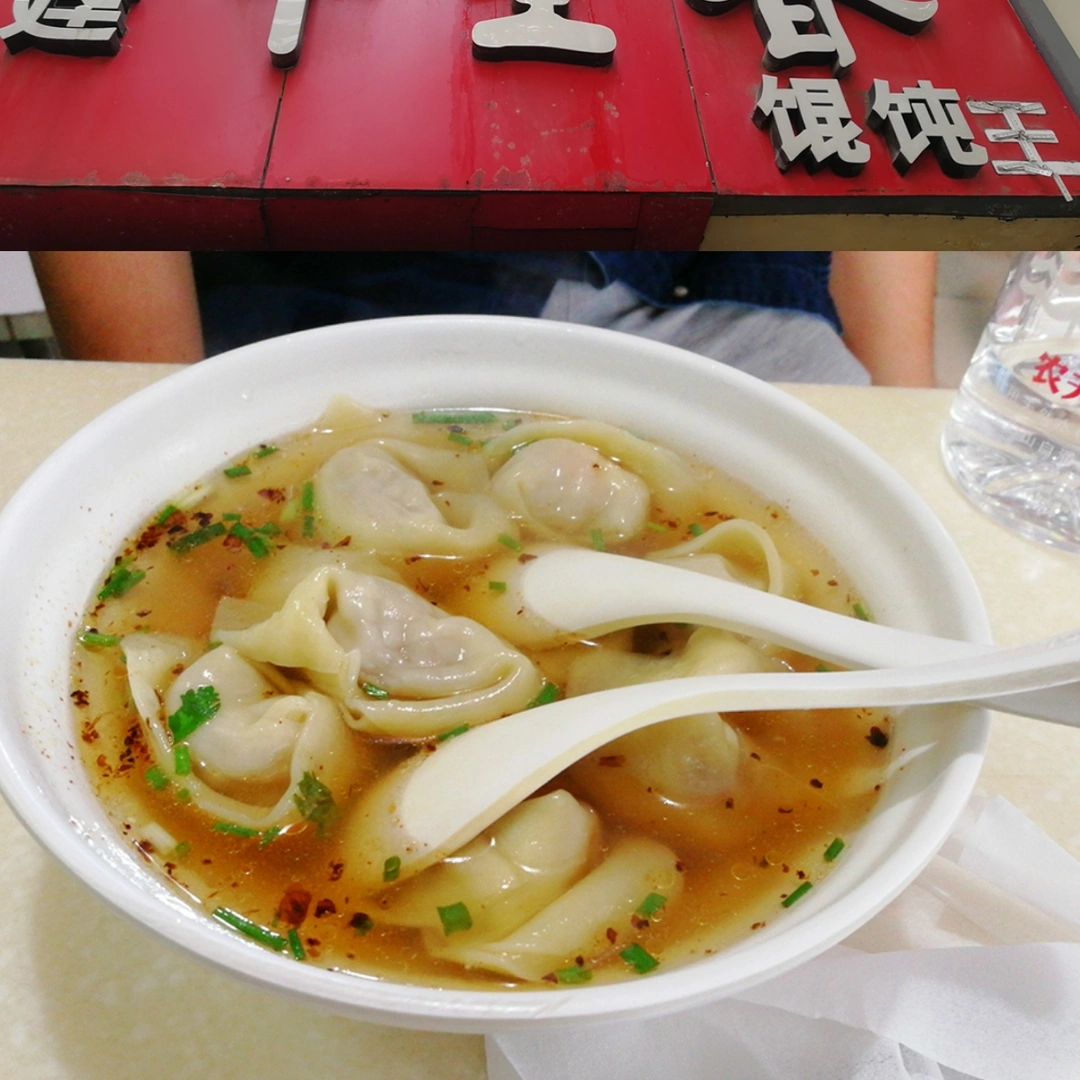
The next morning, we found a small wonton shop called Qianli Xiang (千里香馄饨) near our hotel. The place was shabby, to say the least. My husband, who has a thing about cleanliness, saw the hopeful look in my eyes and agreed to come in. The wontons were surprisingly delicious — the broth was fresh and flavorful.
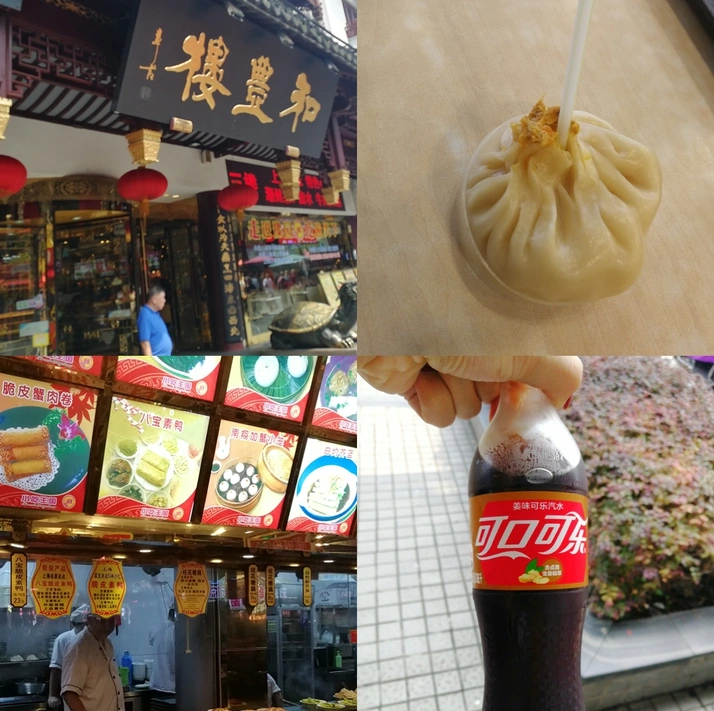
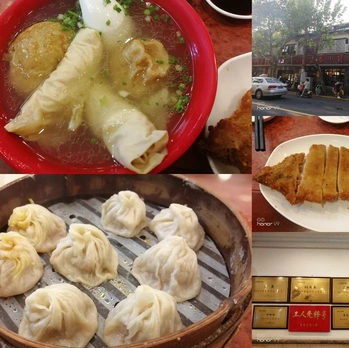
Next, we visited the Shanghai City God Temple (城隍庙). There, I tried what people call the "most overpriced bun" — 10 RMB for one, filled entirely with soup, the wrapper dense and chewy. To this day, I still have mixed feelings about that bun.
My husband took me to Qibao Ancient Street (七宝老街). The braised pork knuckles and beef offal were generous in portion — nothing like the small servings you'd expect in the south. We ate until we were stuffed, and still had leftovers. Honestly, it was amazing.
On our way back, we stopped at Fuchun Xiaolong (富春小笼). I absolutely love this kind of Jiangnan snack — thin wrappers, generous filling, and savory broth. My husband also took me to try meat-filled mooncakes (肉月饼). I remember we had a small disagreement that day, but we made up quickly. That's probably the power of love — no matter what little problems come up, they can always be resolved.
Before coming to Shanghai, I had found a guide to "the best ice cream in Shanghai." Normally I don't let my husband have cold treats, but this time I gave him a pass. We tried every four- and five-star rated ice cream we could find.
In the evening, we took the high-speed train to our second stop: Suzhou. We stayed at the Hanting Hotel on Guanqian Ganjiang West Road — 274 RMB for two nights, just three to five minutes from the subway station, and quite comfortable. We arrived late, and most restaurants we wanted to try were already closed, so we settled for some fast food.
[Link: Ultimate Suzhou travel guide for first-time visitors]
Day 3: Shantang Street Serenity and Wedding Dress Shopping at Tiger Hill
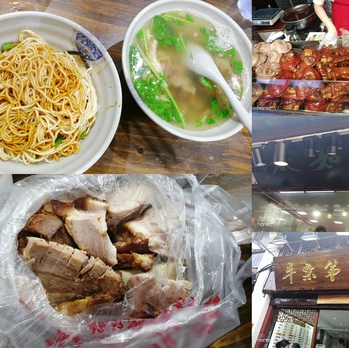
In the early morning, Shantang Street (山塘街) was as peaceful as an ink-wash painting. We found Zhu Nianxin Snack Shop (朱新年点心店) and Rongyang Lou (荣阳楼), two old-school local eateries that served authentic Suzhou breakfast. Before leaving, we grabbed some Zhao Yuanzhang Braised Meat Bones (赵元章肉骨烧) and ate them on the go.
In the afternoon, we went to the wedding dress street near Tiger Hill (虎丘) to prepare for the ceremony. I won't say much more — just remember: bargain hard. Really, really hard. We were still too kind.
After a whole afternoon of shopping, we came back with plenty of loot. That evening, we returned to Shantang Street to eat and wander. The night view was completely different from the morning — lanterns lit up, their reflections shimmering on the water. It was dreamlike.
Day 4: Suzhou's Last Meals and Nanjing's Nostalgia
We finally got to eat the dishes we had been craving since Day 1: Yaba Sheng Jian (哑巴生煎) and Lüyang Wonton Shop (绿杨馄饨店). These were our favorites, and the most memorable meals of the entire trip. The shops were full of elderly locals — a sure sign of authentic Suzhou flavor.
I tried a so-called "dark cuisine" specialty — savory soy milk (咸豆浆). My husband was speechless at my determination to try everything.
Our last meal in Suzhou was Cangshu lamb hotpot (藏书羊肉) — a clean, comforting hotpot that warmed both stomach and heart.
Then we took the high-speed train to Nanjing, my alma mater. The old cafeteria was closed, so we went to the new one that had opened during my senior year. We also found Meimanji (美满吉), a fast-food spot my best friend ZXJ and I used to love. My husband walked with me along the paths I had taken so many times before — every corner was filled with memories.
We stayed at the Wan'ai Couples Hotel (万爱情侣酒店) near the Confucius Temple (夫子庙) and even got a membership card. It's a decent chain. We bought some braised duck gizzards nearby, and brought some back to Taiyuan when we left.
[Link: Nanjing travel itinerary for food lovers and history buffs]
Day 5: Nanjing Impressions and a Xuzhou Reunion
Breakfast came a bit late. We went to Nanjing Impressions (南京大排档) and were lucky not to have to queue long. We bought some salted duck (盐水鸭) to take home.
I took my husband to Sun Yat-sen Mausoleum (中山陵) to soak in the history. Then we returned to Confucius Temple, where we ate buns from Qifangge (奇芳阁) and stinky tofu.
The afternoon train took us to Xuzhou — the final stop on this journey. The wedding was everything we had hoped for: joyful, emotional, and filled with the laughter of old friends. We danced, we cried, and we celebrated the love that had brought us all together.
Frequently Asked Questions About This Jiangsu-Shanghai Trip
1. What is the best time to visit Jiangsu and Shanghai?
Autumn (September to November) is ideal. The weather is mild, crowds are smaller than during National Day, and the scenery is beautiful. This trip took place in late September, which was perfect for sightseeing and eating outdoors.
2. How many days do I need for a Jiangsu-Shanghai itinerary?
A minimum of 5-7 days is recommended to cover Shanghai, Suzhou, Nanjing, and possibly Xuzhou. This 6-day, 5-night itinerary allowed for a relaxed pace with time for both sightseeing and meaningful reunions.
3. What are the must-try foods in Shanghai and Suzhou?
In Shanghai, don't miss Xiao Yang Sheng Jian (pan-fried pork buns), Fuchun Xiaolong (soup dumplings), and meat-filled mooncakes. In Suzhou, try Yaba Sheng Jian, Lüyang Wonton, and Cangshu lamb hotpot. Savory soy milk is an adventurous choice!
4. Is it easy to travel between these cities by train?
Yes, high-speed trains connect Shanghai, Suzhou, Nanjing, and Xuzhou efficiently. The travel time between Shanghai and Suzhou is about 30 minutes, and Nanjing is roughly 1.5 hours from Suzhou. Book tickets in advance during peak seasons.
5. Where should I stay in Shanghai and Suzhou on a budget?
In Shanghai, the Hanting Hotel near the Bund (Sichuan Middle Road) offers good value at around 254 RMB per night. In Suzhou, the Hanting on Guanqian Ganjiang West Road (274 RMB for two nights) is conveniently located near the subway.
Conclusion: A Journey Worth Taking
This trip from north to south wasn't just about visiting famous landmarks or eating amazing food — though we did plenty of both. It was about honoring a promise, reconnecting with friends, and sharing new experiences with the person I love most.
If you're thinking about planning a similar journey through Jiangsu and Shanghai, I encourage you to do it. Whether you're chasing pork buns, wedding dresses, or old memories, the road will reward you.
Ready to plan your own China travel adventure? Start by booking your train tickets, mapping out your food stops, and reaching out to the people who matter most. Because the best journeys aren't the ones you take alone — they're the ones you share.
Have you traveled through Jiangsu or Shanghai? Share your favorite food finds or hidden gems in the comments below!
[Link: Best China travel resources for independent travelers] [Link: How to plan a multi-city trip in China on a budget]