Four Days in Shanghai at the Winter Solstice: Finding Another Side of the Magic City Among Millennia-Old Treasures and Sycamore-Shaded City Walks
Here is the SEO-optimized and rewritten article based on your source material. It has been expanded to approximately 1500 words, structured for search engines, and enhanced with a FAQ section and internal linking suggestions.
Four Days in Shanghai at the Winter Solstice: Finding Another Side of the Magic City Among Millennia-Old Treasures and Sycamore-Shaded City Walks
Meta Description: Discover a winter itinerary for Shanghai. Explore ancient Egyptian artifacts at the Shanghai Museum, stroll sycamore-lined streets in the Hengfu district, and find peace by Suzhou Creek. Your ultimate 4-day Shanghai guide.
The most enchanting part of travel is rarely the moment you arrive at a destination. It's those unexpected encounters—like standing on the Waibaidu Bridge at dusk on the winter solstice, watching the Lujiazui skyline gradually light up against the twilight, with a century-old parade of foreign-style buildings behind you and the Suzhou Creek flowing quietly at your feet.
Taking advantage of the winter off-season, I planned a four-day trip to Shanghai. The main target was the blockbuster ancient Egyptian exhibition at the Shanghai Museum that had been drawing crowds all year—I figured it would be quieter by now. Little did I know that this journey would ultimately become a deep dialogue about time, civilization, and urban memory.
Itinerary Overview: Four Days, Two Rhythms
The core of this trip was a dual-track approach: exhibitions + city walks. The ancient Egyptian exhibition at the Shanghai Museum was the highlight, but the newly fully opened East Wing of the Shanghai Museum in Pudong—with its Bronze Hall, Calligraphy and Painting Hall, and Ceramics Hall—was equally unmissable. The remaining time was given over to Shanghai's streets and alleys: the shikumen (stone-gate houses) of Xintiandi, the historic Hengfu (Hengshan-Fuxing) district around Wukang Road, and the banks of Suzhou Creek—each spot telling the story of the city's past and present.
Four-Day Itinerary at a Glance:
- Day 1: Fly from Tianjin to Shanghai → Shanghai Museum East Wing Bronze Hall → The Bund night view → Stay near People's Square
- Day 2: Shanghai Museum People's Square location ancient Egyptian exhibition → Xintiandi night view → Stay near Lujiabang
- Day 3: Xintiandi walking tour (First CPC National Congress site, shikumen, Zhou Enlai Residence) → Hengfu Historic District (Wukang Road, Arts and Crafts Museum) → Xuhui Riverside → Xujiahui Library → Stay near Lujiabang
- Day 4: Suzhou Creek walking tour (Sihang Warehouse, Postal Museum, Waibaidu Bridge) → North Bund ferry → Shanghai Museum East Wing calligraphy and painting exhibition → Return to Tianjin
Day One: From the Silence of Bronze Vessels to the Brilliance of the Bund
Shanghai Museum East Wing: China's Story in Bronze
From Pudong Airport, I took Metro Line 2 straight to the Shanghai Museum's East Wing. The Bronze Hall had just fully opened, with far more exhibition space than the old building and the artifacts displayed in a more spacious layout.
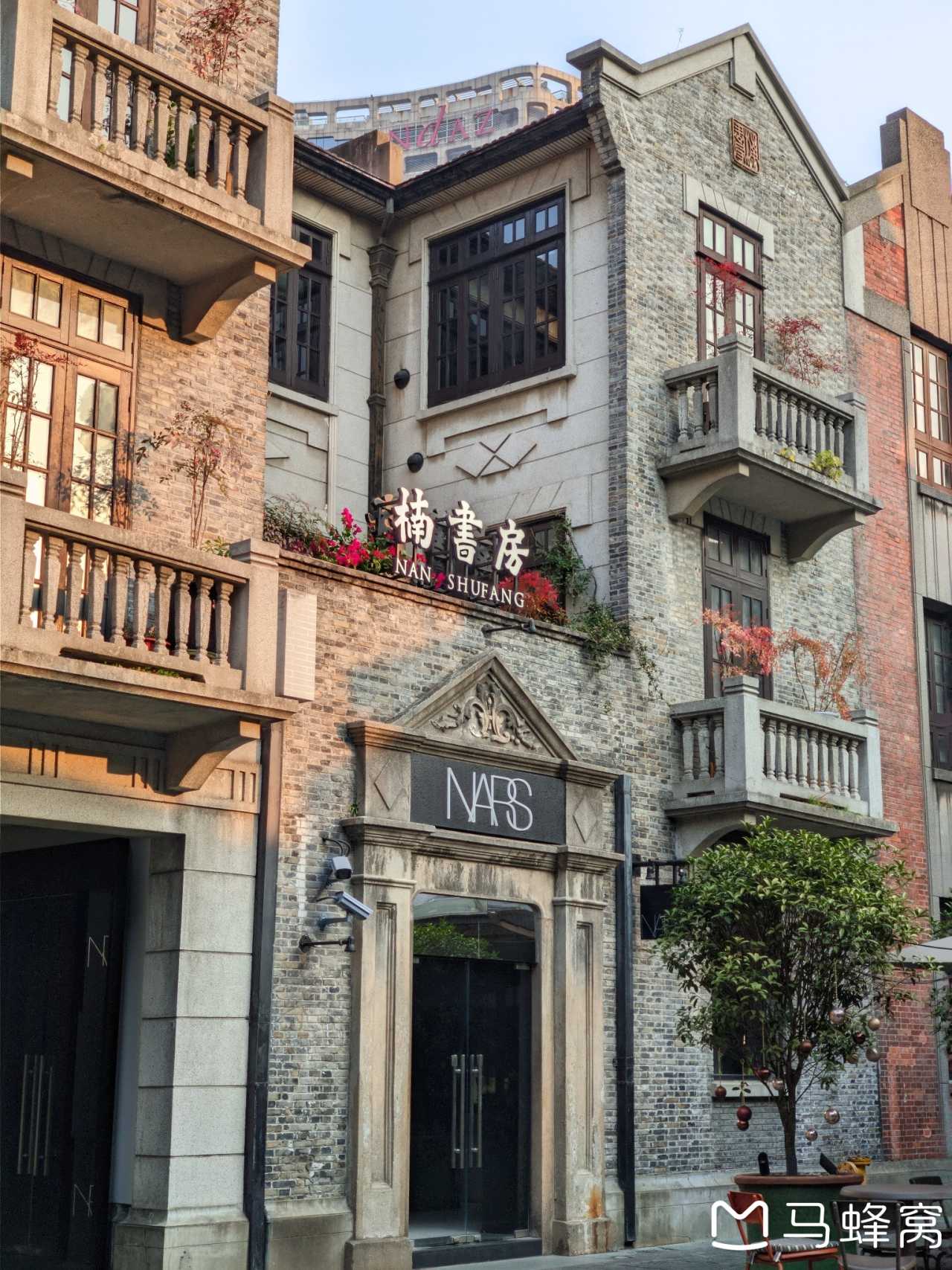
The beauty of bronze lies in its silent power. Beneath those mottled green patinas lie three thousand years of rituals, warfare, and daily life.
At the bottom of the Zizhong Jiang Pan (a bronze water basin from the Spring and Autumn period), a circle of small animals can actually rotate—a testament to the ingenuity of craftsmen from that era and a husband's affection for his wife. The Da Ke Ding (a massive bronze cauldron) is displayed alone in its own room; its solemn form and intricate ornamentation make you instinctively hold your breath. The Shang Yang Fang Sheng (a bronze measuring vessel from the Shang Yang reforms) is surprisingly small in reality, yet it stands as a physical witness to one of the most important reforms in Chinese history—standing before it, you can almost hear the heartbeat of that transformative age two millennia ago.
The most unexpected piece was the Hunyuan Xizun (a bronze wine vessel in the shape of an ox): an utterly adorable ox, carrying a wine vessel on its back, so vividly crafted that you want to reach out and pat its head. Then there was the Eight-Ox Coin Storage Vessel from the ancient Dian Kingdom—a "piggy bank" with eight oxen encircling it, each one endearingly chubby.
[Link: For more on ancient Chinese artifacts, see our guide to the best bronze collections in China.]
The Bund: Tonight's "Ten-Mile Foreign Concession"
Emerging from the museum, the sky had already darkened. On the winter solstice in Shanghai, night falls around five in the afternoon. I took the metro to East Nanjing Road and walked to the Bund.
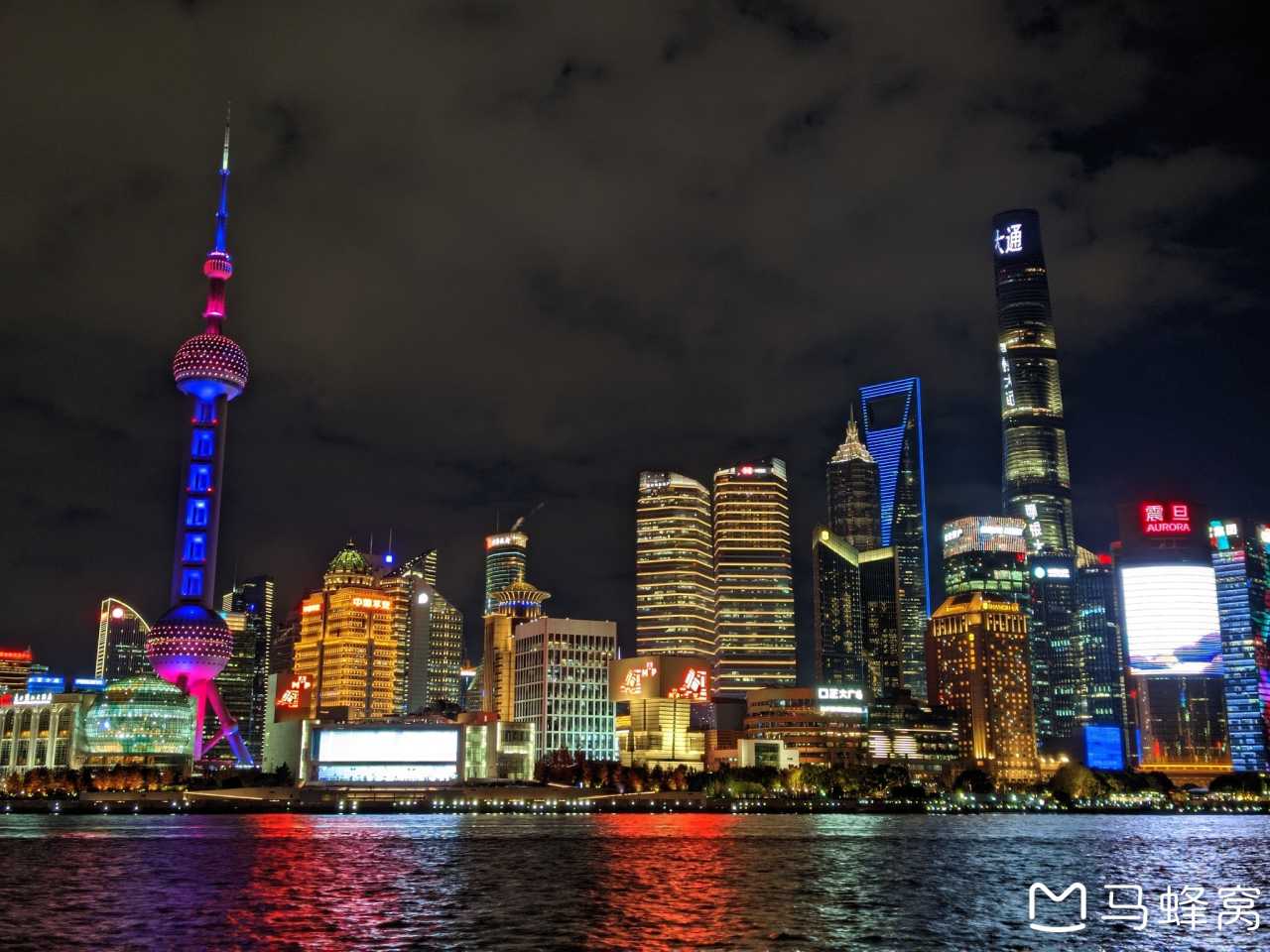
Standing by the Huangpu River, the opposite shore of Lujiazui was ablaze with lights—the Oriental Pearl Tower and the "Three-Piece Set" (Shanghai Tower, Shanghai World Financial Center, and Jin Mao Tower) glittering in the night. Behind me stood the century-old foreign-style buildings—Roman columns, arched windows, granite facades—each one telling tales of the "Ten-Mile Foreign Concession" (Shanghai's historic international settlement era).
As a Tianjin native, I couldn't help making a mental comparison: the Bund is strikingly similar to Tianjin's Jiefang North Road—the same financial district, the same Roman pillars. But Shanghai's riverfront is wider, its skyline more modern. This collision of history and future is something you simply can't replicate elsewhere.
[Link: Discover the best photography spots on the Bund for sunset shots.]
Day Two: The Millennia-Old Echoes of Ancient Egypt
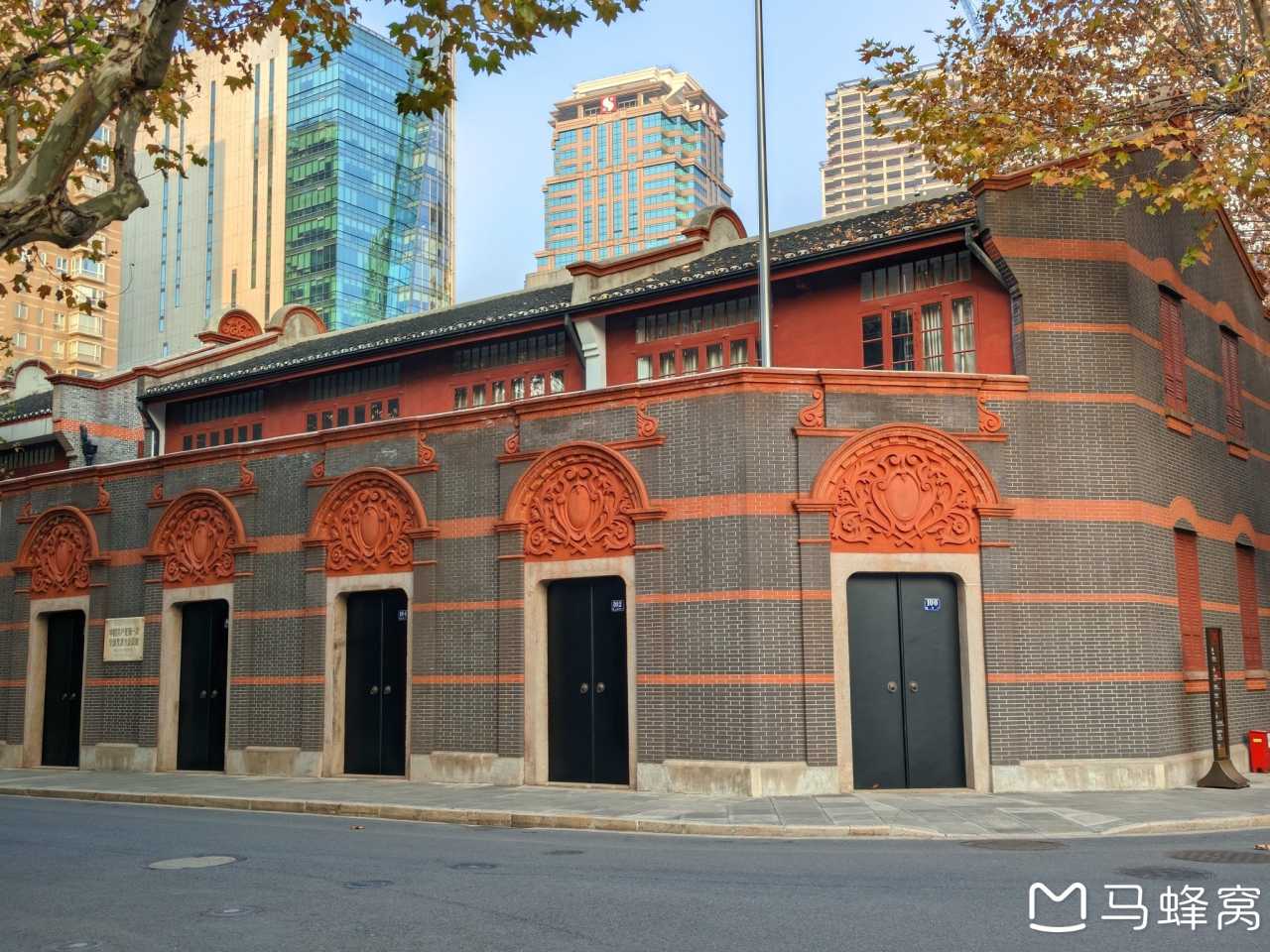
The Shanghai Museum's Ancient Egyptian Exhibition: A Dialogue Across Time
Early the next morning, I hopped on a shared bike and rode to the Shanghai Museum at People's Square. In front of this building, designed with a "round heaven, square earth" concept, a standing statue of Pharaoh Merneptah had already been waiting at the entrance.
Even on a weekday, there were still plenty of visitors, the exhibition halls bustling with people. The ancient Egyptian exhibition was spread across three halls: "The Land of the Pharaohs," "The Secrets of Saqqara," and "The Age of Tutankhamun."
In "The Land of the Pharaohs," the standing statue of Ramesses II towered with majesty. This most famous pharaoh in Egyptian history seemed to be gazing down at us from across the millennia. A bilingual stone tablet inscribed in three scripts evoked the story of the Rosetta Stone—the power of writing truly transcends time.
"The Secrets of Saqqara" showcased the allure of archaeology. A painted shrine featuring a falcon god and an owl, along with a calf statue that actually contained a real calf inside—each artifact spoke to the ancient Egyptians' unique understanding of life and the afterlife. The standing statue of Bastet, the cat goddess, still looked remarkably stylish by today's aesthetic standards.
"The Age of Tutankhamun" was the exhibition's climax. The colossal statue of Amenhotep IV (Akhenaten) bore the unmistakable style of Amarna art—exaggerated, almost grotesque forms that stood in stark contrast to traditional Egyptian art. The bust of Nefertiti was breathtakingly beautiful. And the colossal statue of Tutankhamun reminded us of the young pharaoh who died at just nineteen, and of the treasures from his tomb that stunned the world.
After three hours of touring, I walked out of the exhibition hall feeling completely exhilarated. The grandeur and mystery of ancient Egyptian civilization left me wanting more.
[Link: Check for current ticket availability and timings for the Shanghai Museum's special exhibitions.]
Christmas Eve in Xintiandi

After nightfall, I cycled to Xintiandi. The shikumen buildings there, decked out in Christmas lights, were especially lively. In late December, Shanghai's ginkgo trees had turned a perfect shade of yellow, complementing the gray bricks and black tiles of the old architecture.
The site of the First National Congress of the Communist Party of China is located right in this neighborhood—I'll visit it tomorrow. For tonight, I just wanted to stroll by Taiping Lake, watching the reflections of countless household lights shimmering on the water surrounded by high-rises, and soak in this city's glamorous side.
Day Three: Measuring Shanghai's Texture on Foot
Around Xintiandi: Red Memories and Everyday Life
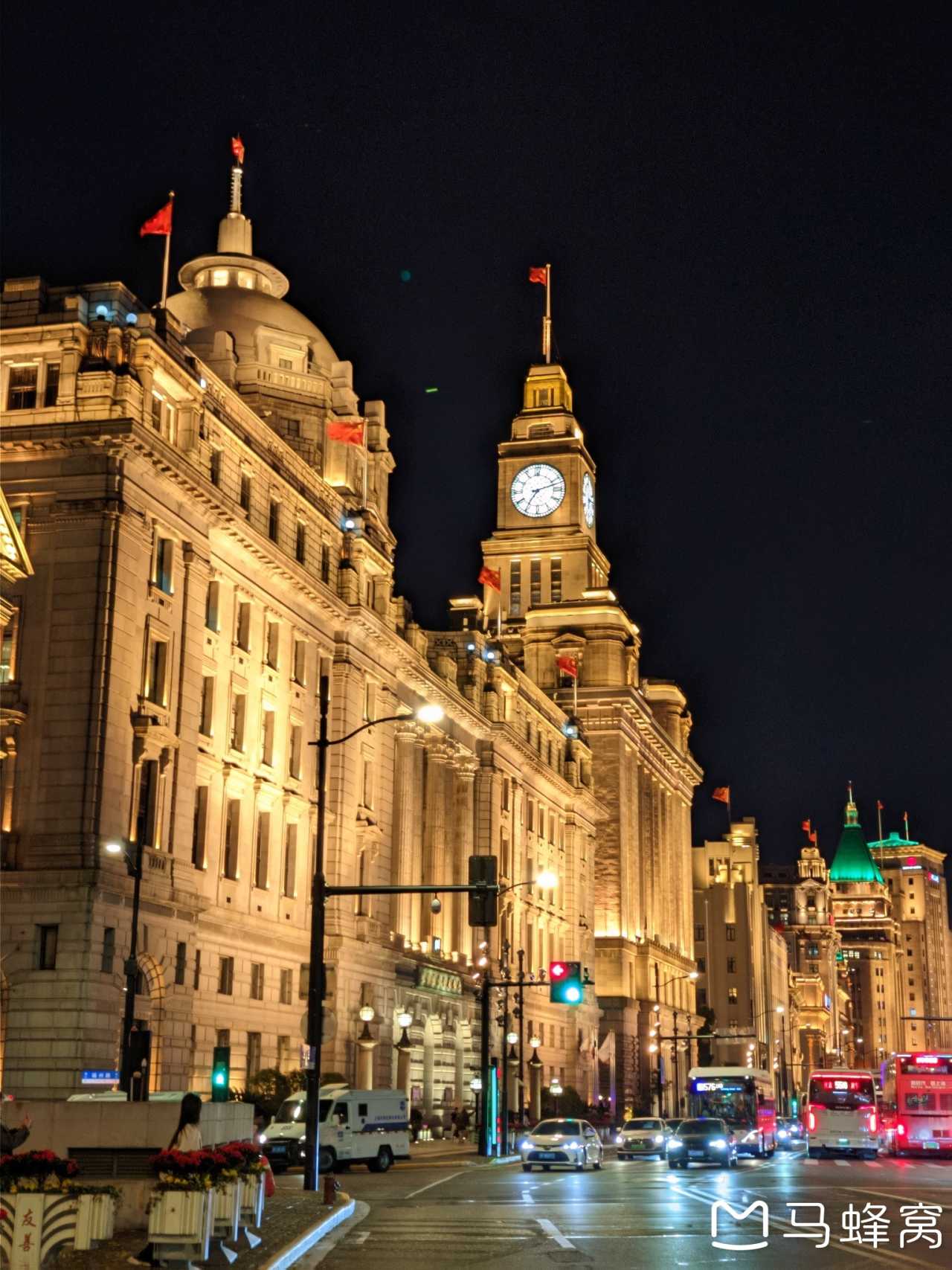
I started the day's city walk in Shanghai from the Zhou Enlai Residence early in the morning.
The small garden at the Zhou Enlai Residence has been opened to the public, with a statue of Premier Zhou standing quietly. The commercial streets near Sinan Mansions are refined and elegant. In Fuxing Lane, laundry hanging out to dry and the chatter of residents provided a glimpse into everyday life. This is the real Shanghai—not just the skyscrapers, but the human stories woven into the fabric of the city.
Hengfu Historic District: Sycamore-Shaded Serenity
From Xintiandi, I walked west into the Hengfu Historic District. This area is famous for its sycamore-lined streets, which in winter create a canopy of bare, elegant branches against the grey sky. Wukang Road is the crown jewel of this district.
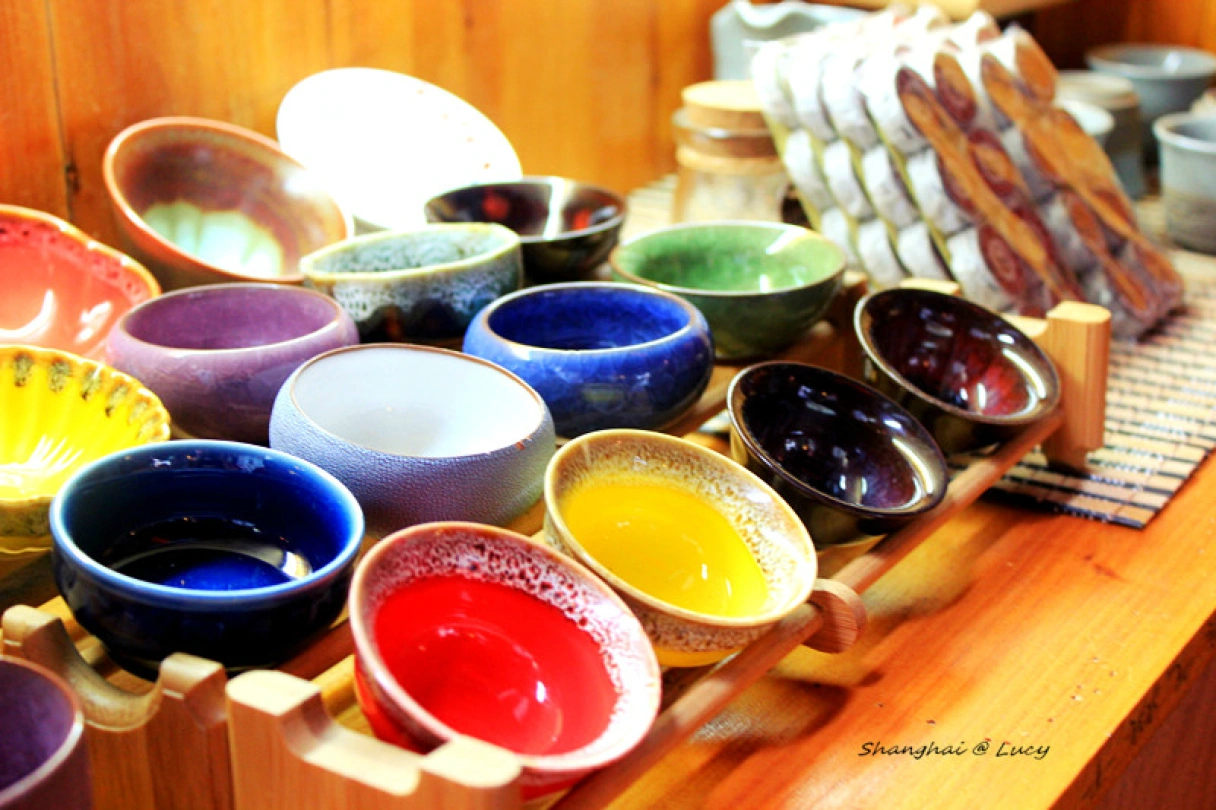
I stopped at the Shanghai Arts and Crafts Museum, housed in a beautiful Spanish-style villa. The museum showcases traditional crafts like jade carving, paper-cutting, and embroidery. It’s a quiet, contemplative space away from the city's hustle.
Xuhui Riverside and Xujiahui Library
In the afternoon, I headed to the Xuhui Riverside. This revitalized stretch of the Huangpu River offers a peaceful walking path with views of the water and the city skyline. It’s a favorite spot for local joggers and cyclists.
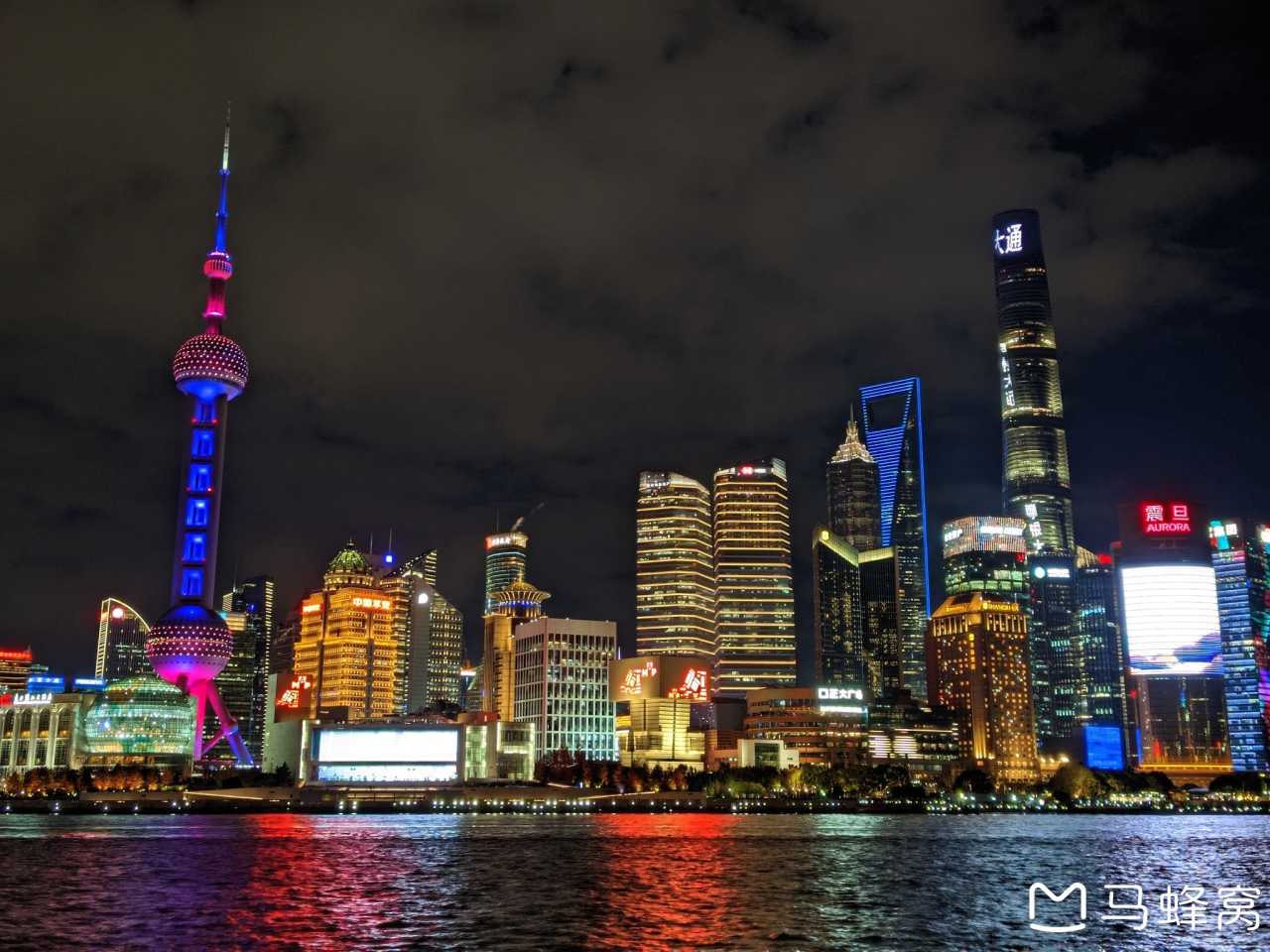
I ended my day at the Xujiahui Library, a stunning neo-classical building that is one of Shanghai's oldest libraries. The reading room, with its high ceilings and wooden shelves, feels like stepping back in time. It’s a perfect place to reflect on the day’s discoveries.
[Link: Explore our curated list of the best sycamore-shaded streets in Shanghai for a scenic walk.]
Day Four: Suzhou Creek and the North Bund
Suzhou Creek Walking Tour: History Along the Water
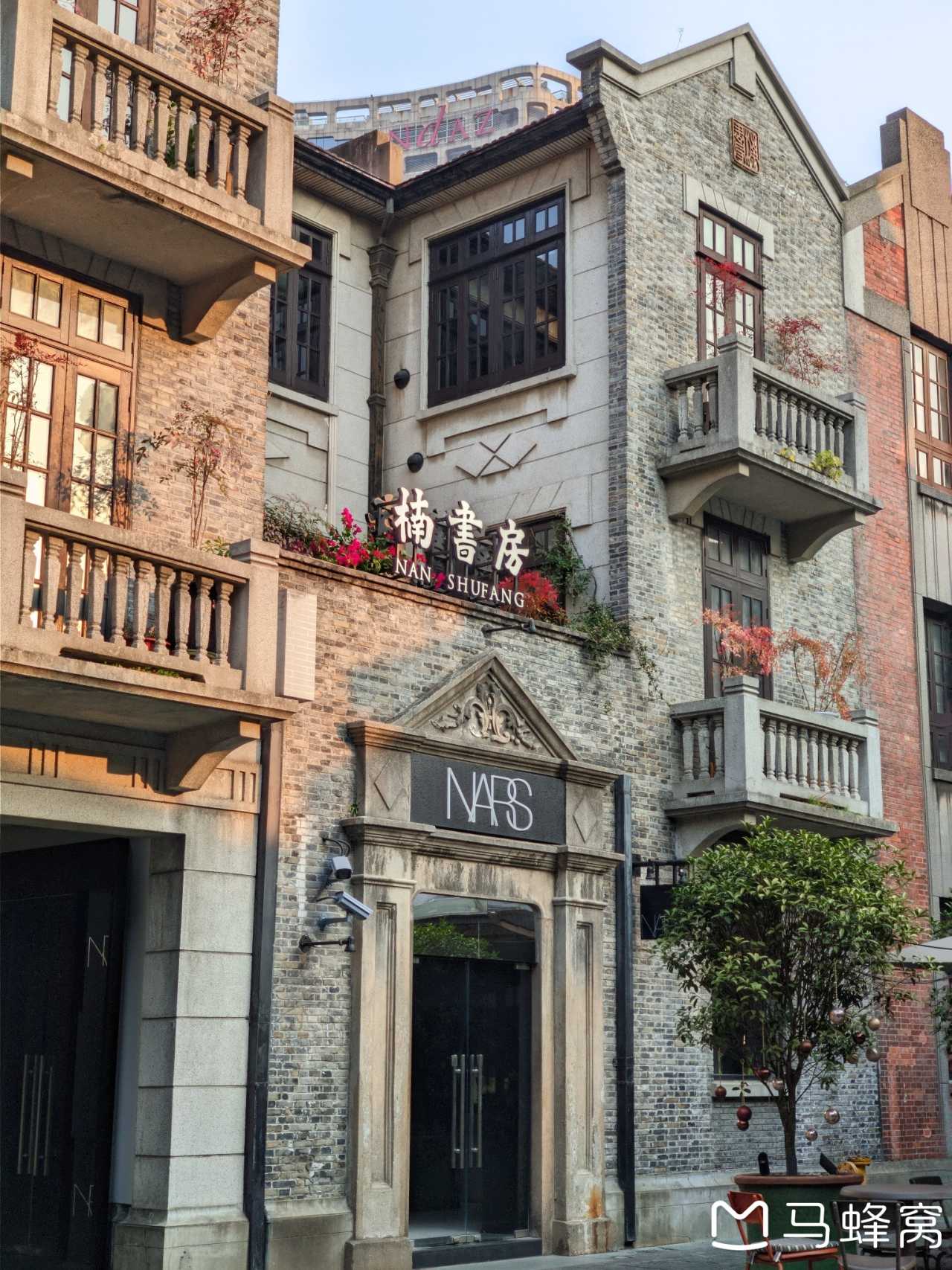
On my final day, I followed the Suzhou Creek walking route. This waterway was the lifeblood of Shanghai's industrial past. I started at Sihang Warehouse, a powerful memorial to the Chinese soldiers who defended it during the Battle of Shanghai in 1937. The bullet-riddled walls are a stark reminder of the city's wartime history.
From there, I walked to the Shanghai Postal Museum, a beautiful Baroque-style building that still functions as a post office. The museum inside is a fascinating look at the history of communication in China.
Waibaidu Bridge and the North Bund Ferry
The walk culminated at the Waibaidu Bridge, the iconic steel bridge that connects the Bund to the Hongkou district. Standing on the bridge at midday, I could see the Pudong skyline in one direction and the historic buildings of the Bund in the other.
I took the North Bund ferry across the Huangpu River. The short ride offers a unique perspective of the city from the water. It’s a cheap and scenic way to travel between the two sides of the river.
Final Stop: Shanghai Museum East Wing Calligraphy Hall
Back in Pudong, I made a final visit to the Shanghai Museum East Wing to see the calligraphy and painting exhibition. This section of the museum houses masterpieces from the Tang, Song, and Ming dynasties. The brushstrokes, ink washes, and artistic philosophy on display are a fitting conclusion to a trip focused on culture and history.
FAQ: Planning Your Winter Trip to Shanghai
Q: Is winter a good time to visit Shanghai? A: Yes, winter is an excellent time for a Shanghai winter itinerary. The crowds are smaller, hotel prices are lower, and the crisp air is perfect for Shanghai city walks. The winter solstice also offers beautiful short days with stunning sunsets over the Bund.
Q: How do I get tickets for the Shanghai Museum's special exhibitions? A: Tickets for major exhibitions like the ancient Egyptian exhibition are often sold out weeks in advance. Book online through the official Shanghai Museum WeChat mini-program or official website. Walk-up tickets are rarely available for blockbuster shows.
Q: What is the best way to get around Shanghai in winter? A: The Shanghai Metro is efficient, clean, and covers all major attractions. For Shanghai city walks, comfortable walking shoes are essential. You can also use shared bikes or ride-hailing apps like Didi for short trips.
Q: Are the sycamore trees still beautiful in winter? A: Absolutely. While the leaves have fallen, the bare, elegant branches of the sycamores create a beautiful, architectural silhouette against the winter sky. The Hengfu district is particularly atmospheric during this time.
Q: What should I pack for a winter trip to Shanghai? A: Shanghai’s winter is cold and damp. Pack a warm coat, scarf, gloves, and a hat. Layering is key. An umbrella is also a good idea, as winter can bring occasional rain.
Your Shanghai Winter Adventure Awaits
A trip to Shanghai during the winter solstice offers a unique perspective on this dynamic city. You can explore millennia-old treasures in world-class museums, wander through sycamore-shaded streets, and witness the collision of history and modernity along the Bund and Suzhou Creek.
Ready to plan your own journey? Start by booking your tickets to the Shanghai Museum and mapping out your favorite city walk routes. The magic of Shanghai is waiting for you, no matter the season.
Share your favorite Shanghai discovery in the comments below!