For a Musical, I Flew to Shanghai and Ended Up Exploring Nantong Too: An Unforgettable China Travel Story
Meta Description: Discover how a Les Misérables ticket led to an unexpected Nantong adventure. From blue calico museums to ancient city walls, explore Nantong's hidden gems before heading to Shanghai for the musical. Perfect for China travel enthusiasts.
Introduction: When a Musical Ticket Sparks an Epic China Travel Adventure
Some of the best travel stories begin with a split-second decision. That's exactly what happened when I impulsively bought a ticket for Les Misérables in Shanghai—and ended up discovering Nantong, a charming city in Jiangsu Province that most travelers overlook. What started as a musical pilgrimage turned into a week-long exploration of Chinese cultural heritage, complete with blue calico weaving, ancient pagodas, and unexpected museum discoveries.
If you're planning a Shanghai trip and looking for off-the-beaten-path China destinations, this Nantong travel guide will show you why adding a detour to this historic city is a brilliant idea.
Why I Chose Nantong: The Impulsive Decision That Changed My Trip
When the third round of Les Misérables tickets went on sale, my hand moved faster than my brain. I clicked, paid, and secured the most expensive tier—all in one smooth motion. The ancient Chinese saying proved true: "The first effort gives you momentum, the second drains it, the third exhausts it." My "exhausted" third round turned straight into "frenzied."
After buying the ticket, I did the math: round-trip airfare over a thousand yuan for just three or four days? Too wasteful. I decided to make it a full week and swing by Nantong on the way—I'd never been there anyway, and my museum passport just happened to have a Nantong stamp waiting to be collected.
Pro tip for budget travelers: Nantong has its own airport with surprisingly affordable flights. I chose a one-way route: fly into Nantong, out of Shanghai. This strategy saved money and allowed me to explore two cities in one trip.
Flying on China's ARJ21 Regional Jet: A Unique Experience
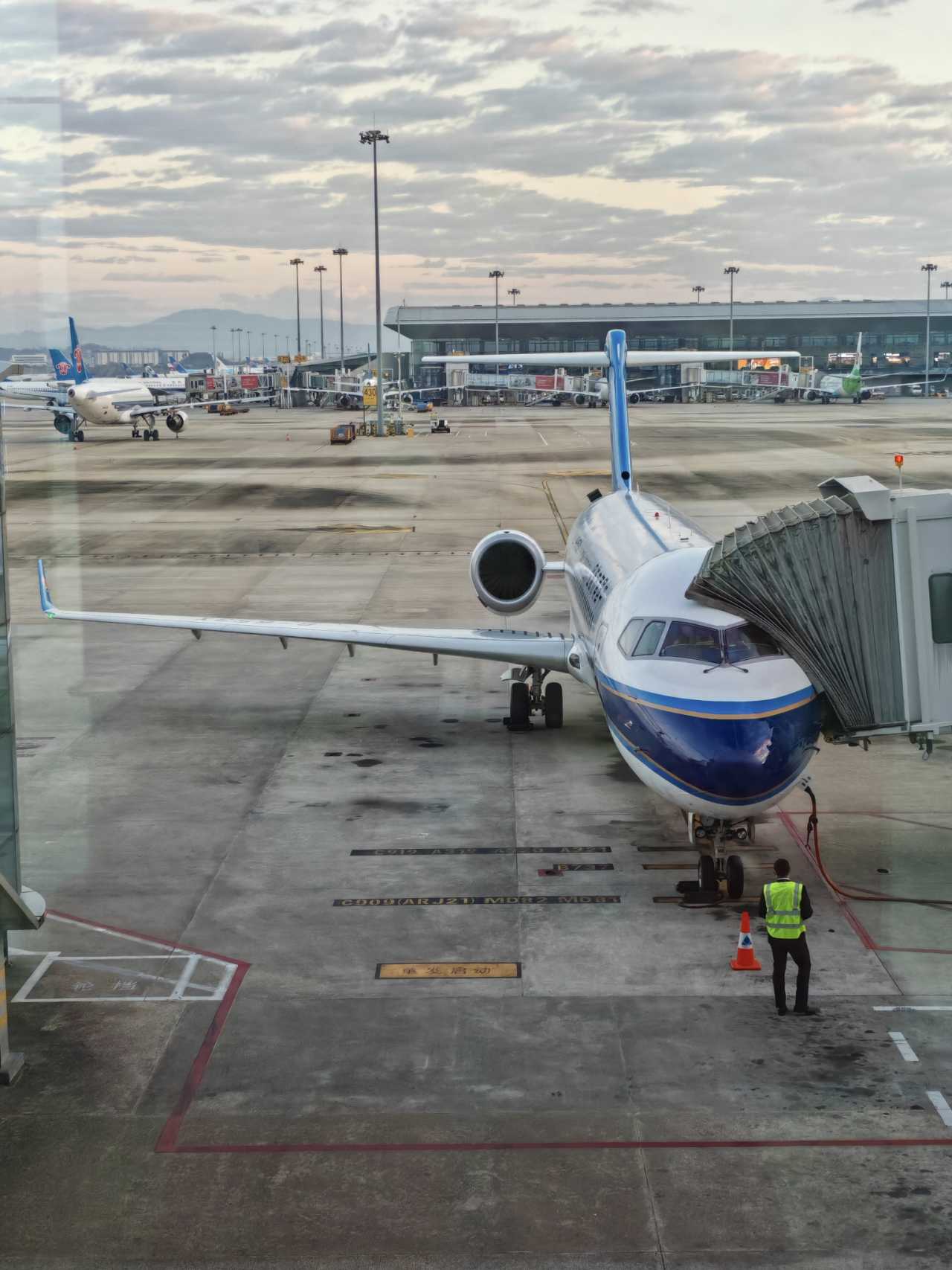
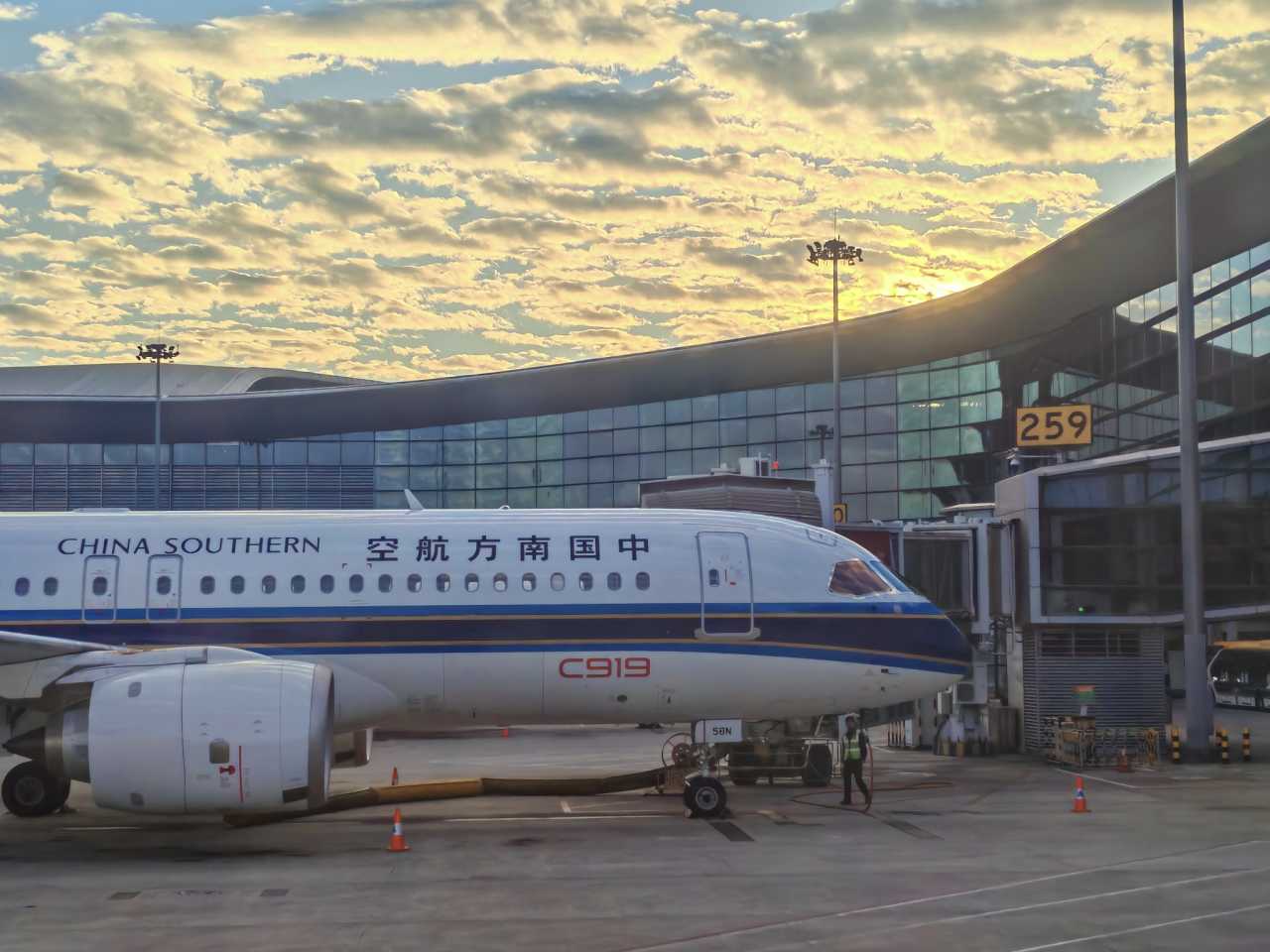
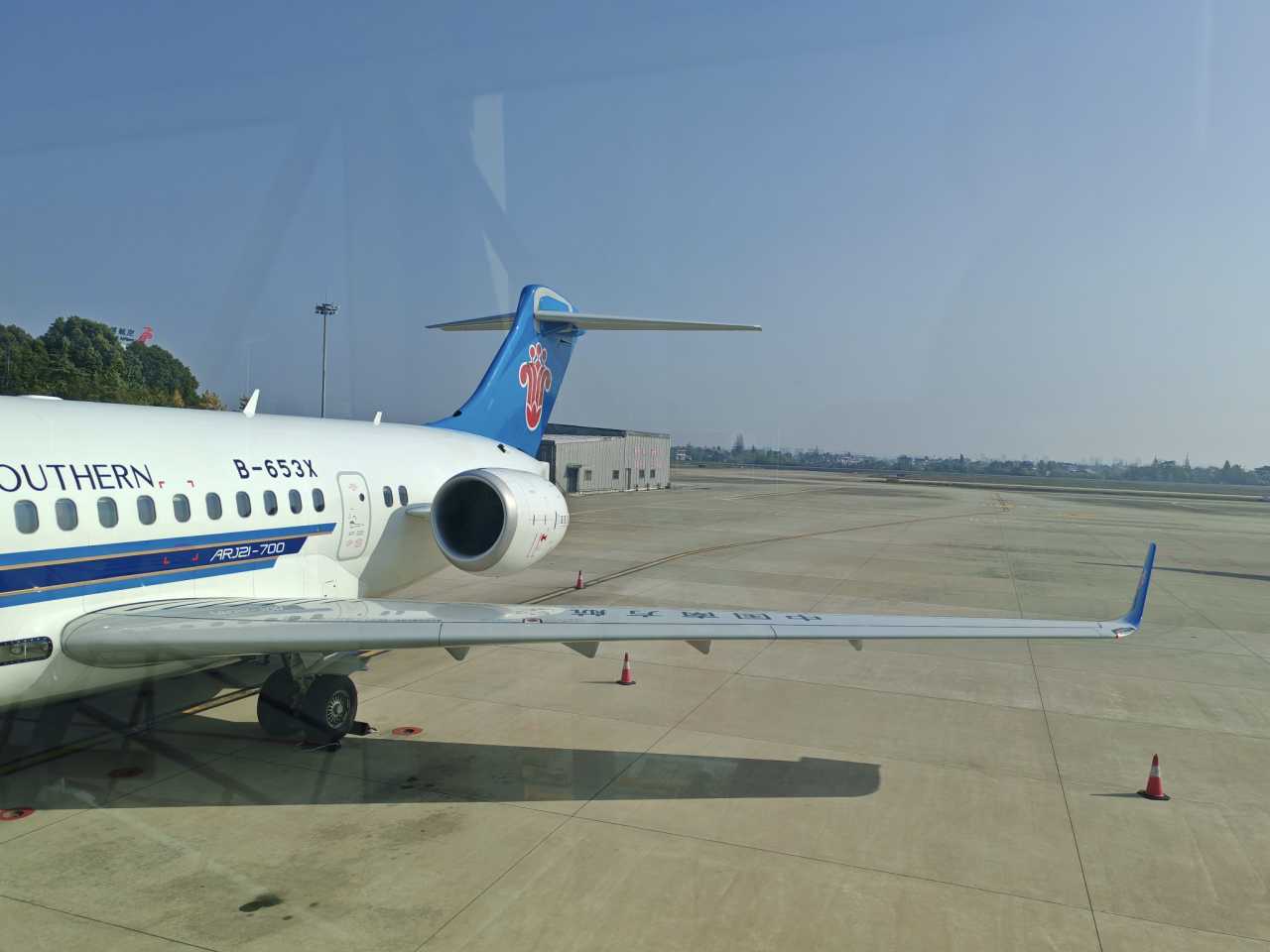
When booking, I didn't bother checking the aircraft type—I just picked the earliest flight. Only when selecting seats did I notice the layout: two seats on one side, three on the other. This was the ARJ21 regional jet, affectionately called "Ah Jiao" by aviation enthusiasts. I'd never flown on a domestically produced plane before, so a small one would do just fine. Parked next to it was a C919, so at least we exchanged glances.
Small planes are indeed less stable than larger ones. The flight attendant kept announcing: "The restroom may be closed at any time due to turbulence; passengers in need should go now." But luck was on my side—the flight was smooth, no surprises at all.
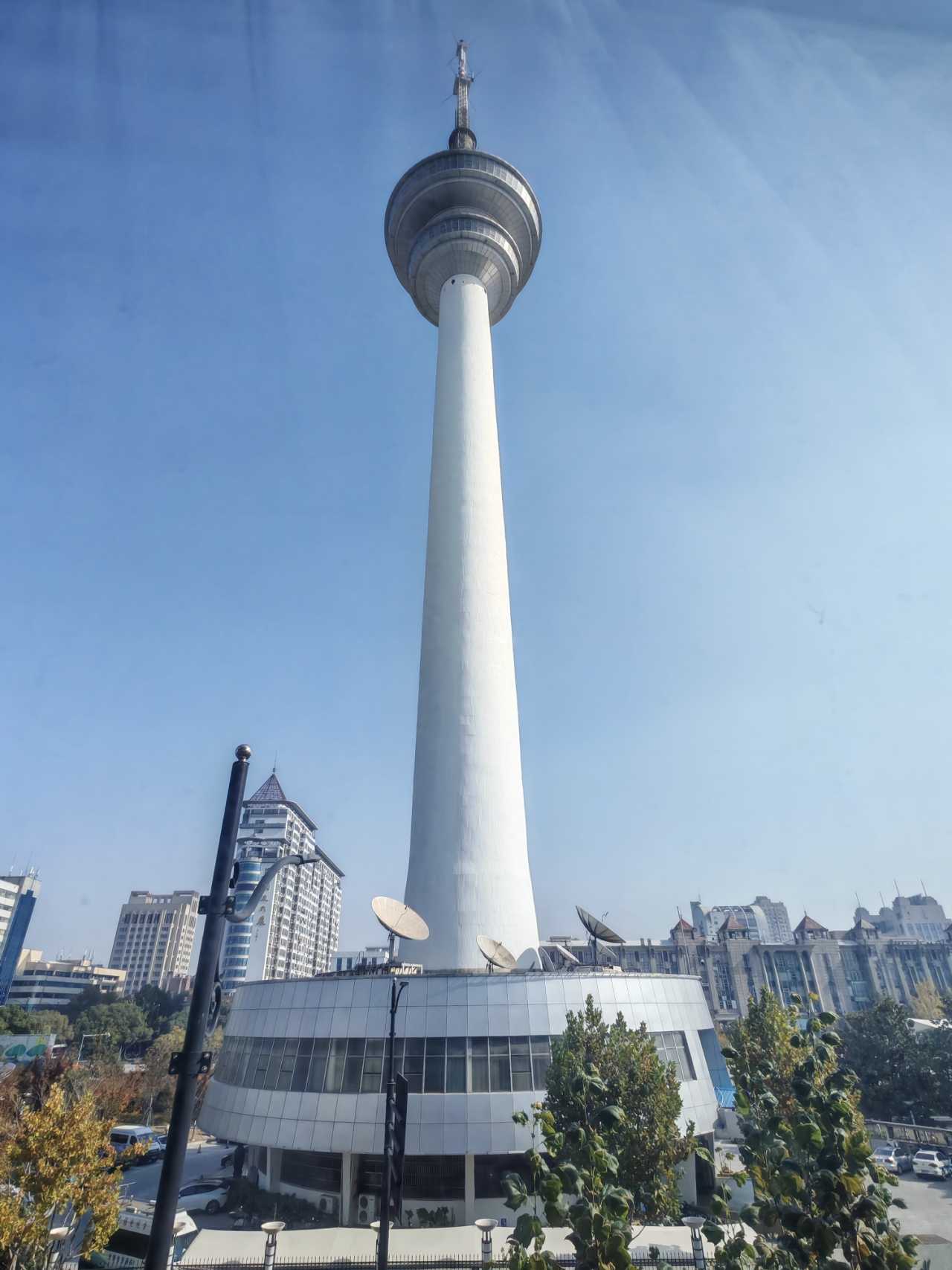
Nantong Airport doesn't have a metro connection yet, so it's either bus or taxi. Dragging a large suitcase, I took a cab to the city center—just half an hour to the hotel. The floor-to-ceiling window in my room faced Nantong's TV tower directly. By day, the tower stood tall and elegant; by night, it sparkled with lights. It was the first little surprise of the trip.
First Impressions of Nantong: Bell Tower, Blue Calico, and an Accidental City Walk
Nantong Bell Tower and Drum Tower: A Century-Spanning Time Portal
After resting at the hotel, I originally planned to go out and find food, but laziness struck and I ordered delivery instead. Once fed, I started wandering aimlessly along the Hao River Scenic Area.

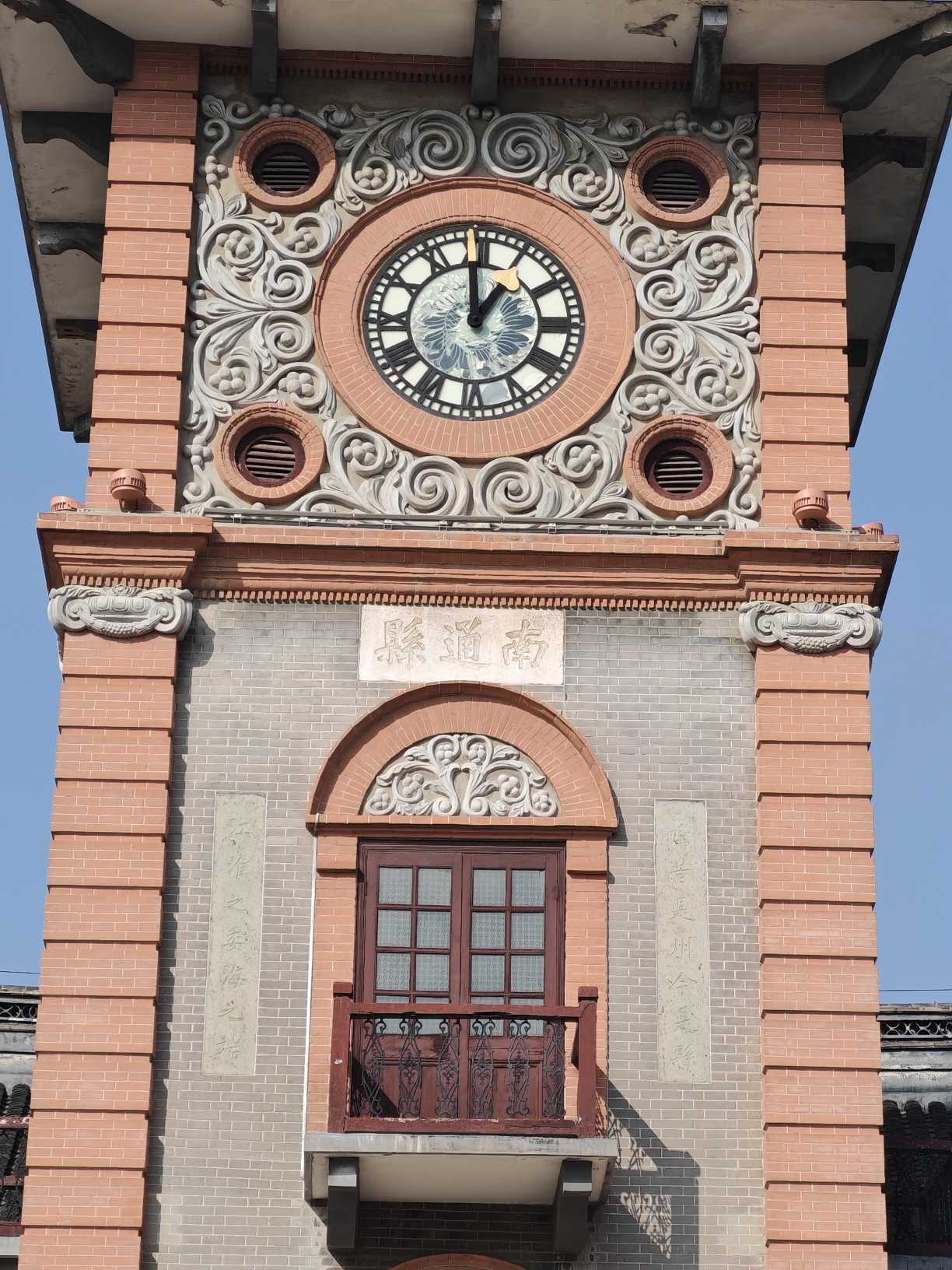
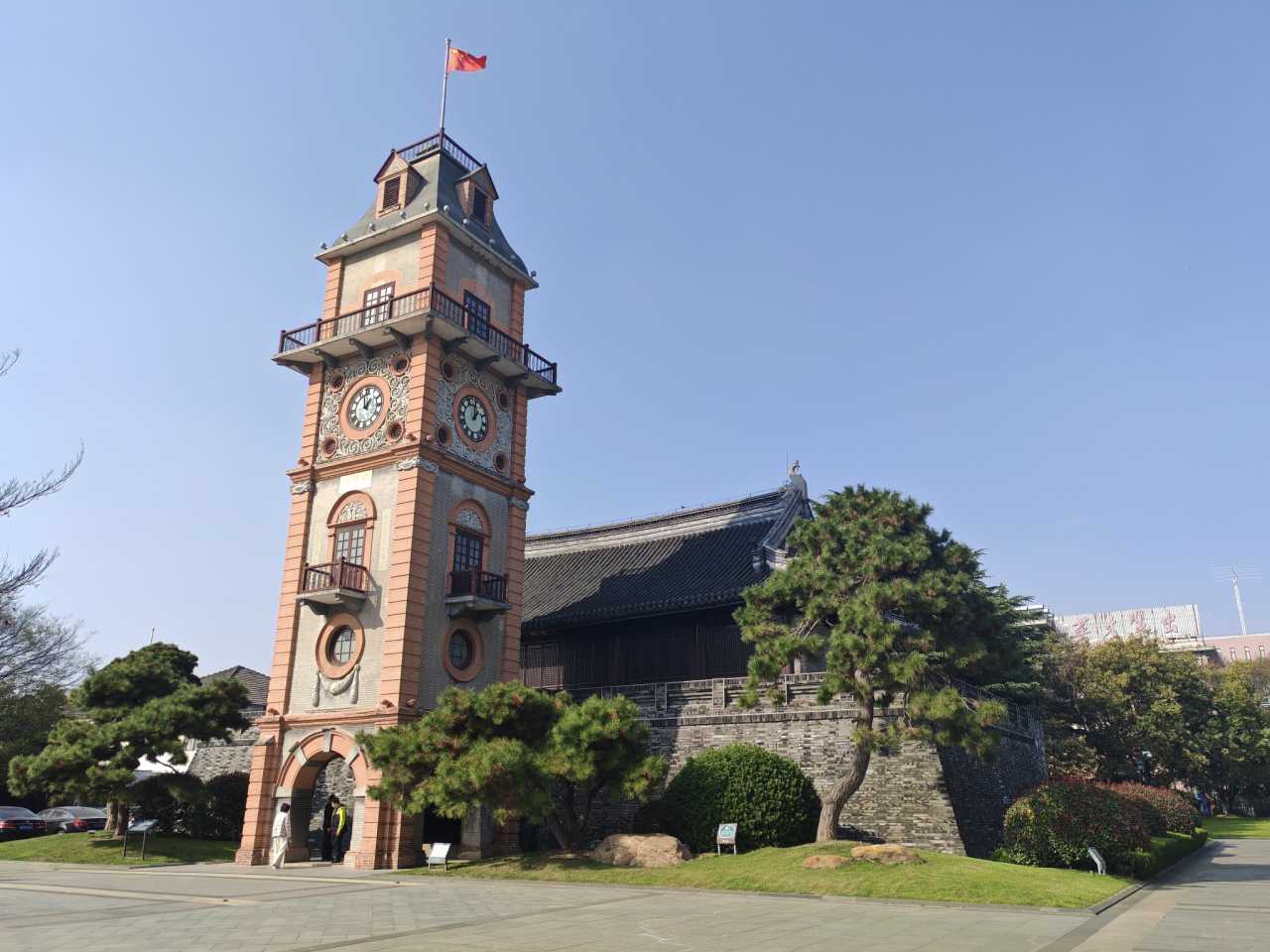
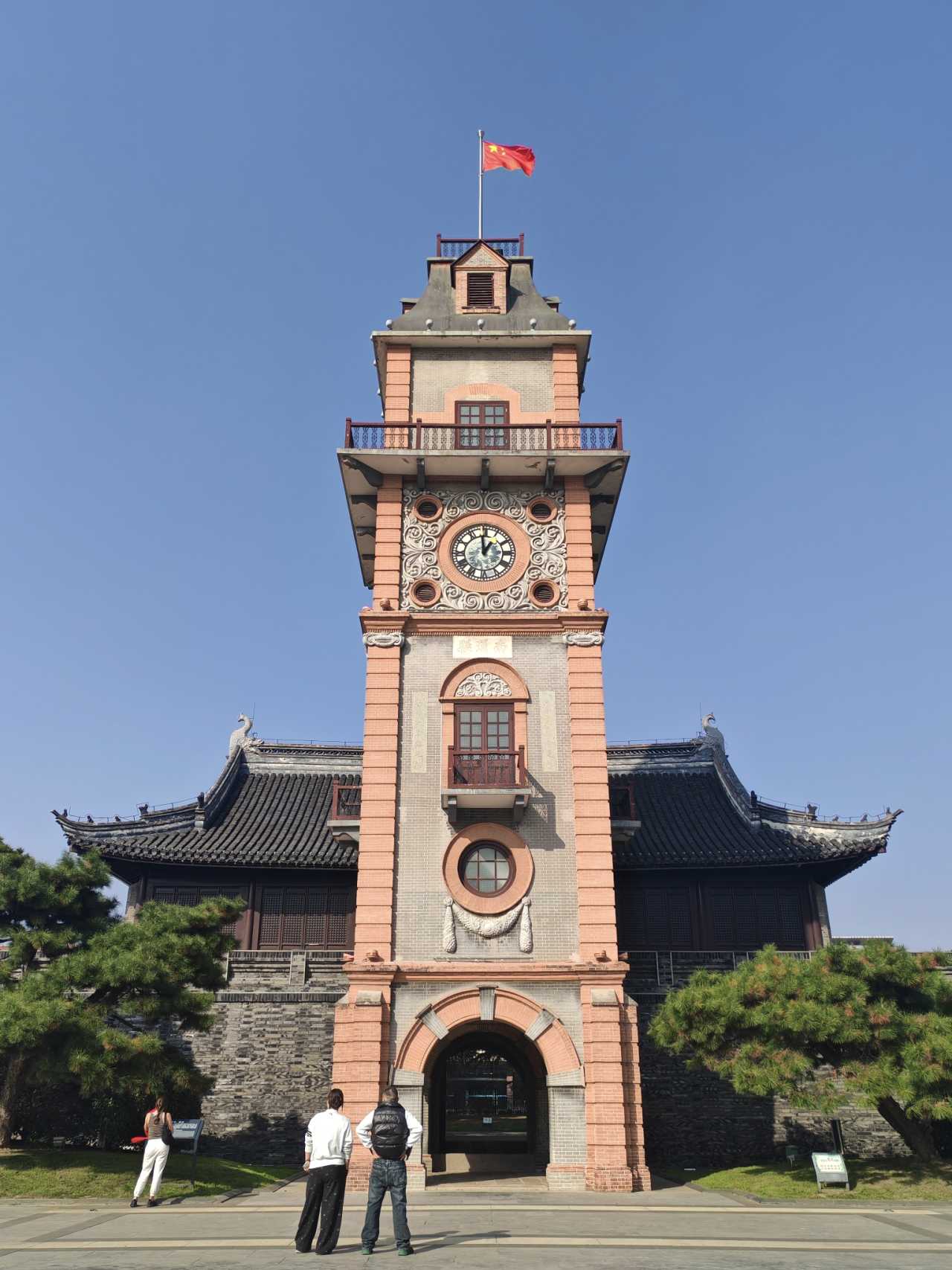
Nantong's iconic landmarks—the Bell Tower and the Drum Tower—suddenly appeared before me. The Drum Tower behind was first built in the Yuan Dynasty, serving as the front gate of Nantong's prefectural and county offices through the Yuan, Ming, and Qing dynasties. The Bell Tower was built in 1914, championed by the famous industrialist Zhang Jian and designed by architect Sun Zhixia. It was once the tallest building in Nantong. The giant clock inside still chimes the hour accurately to this day.
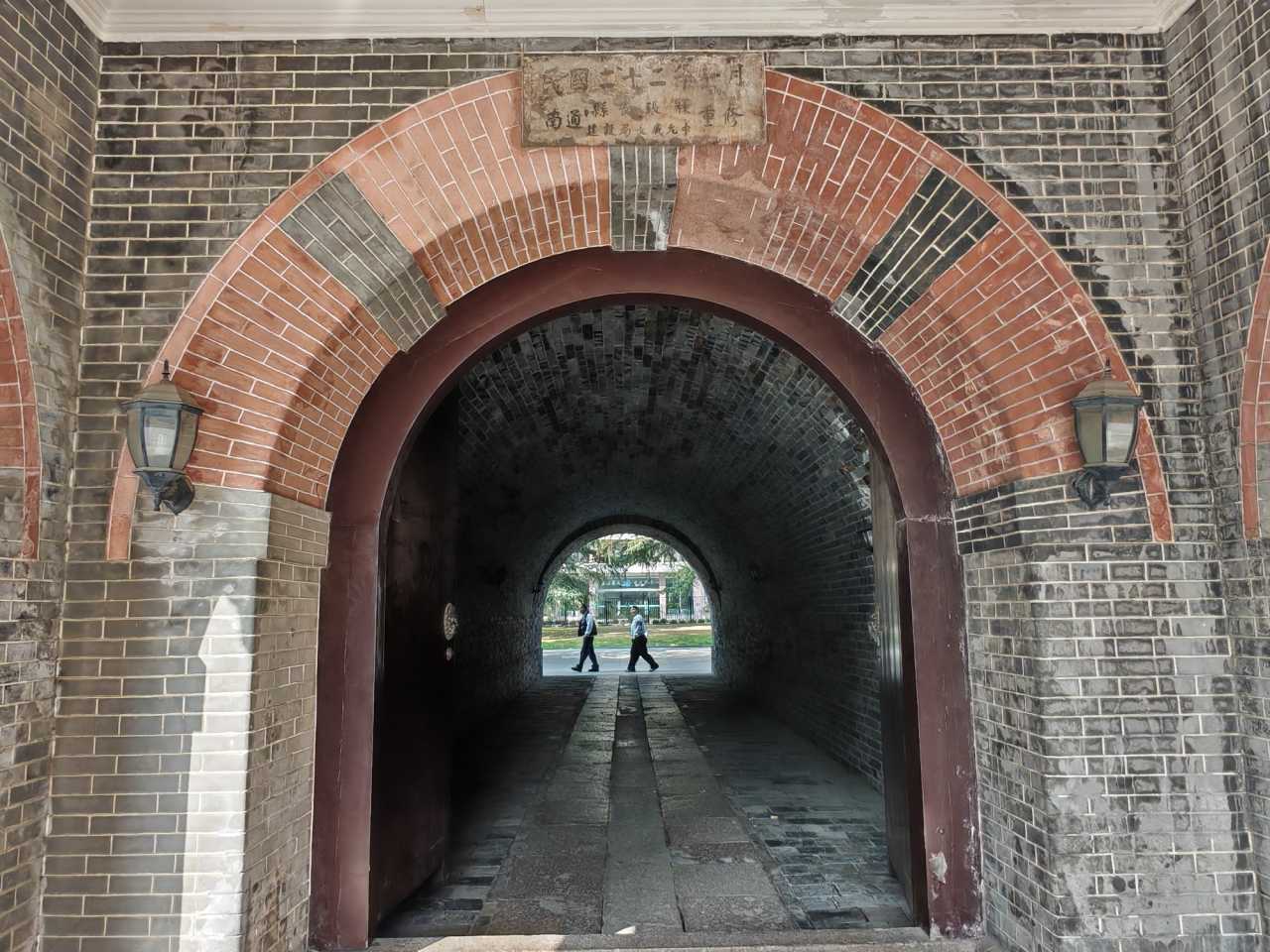
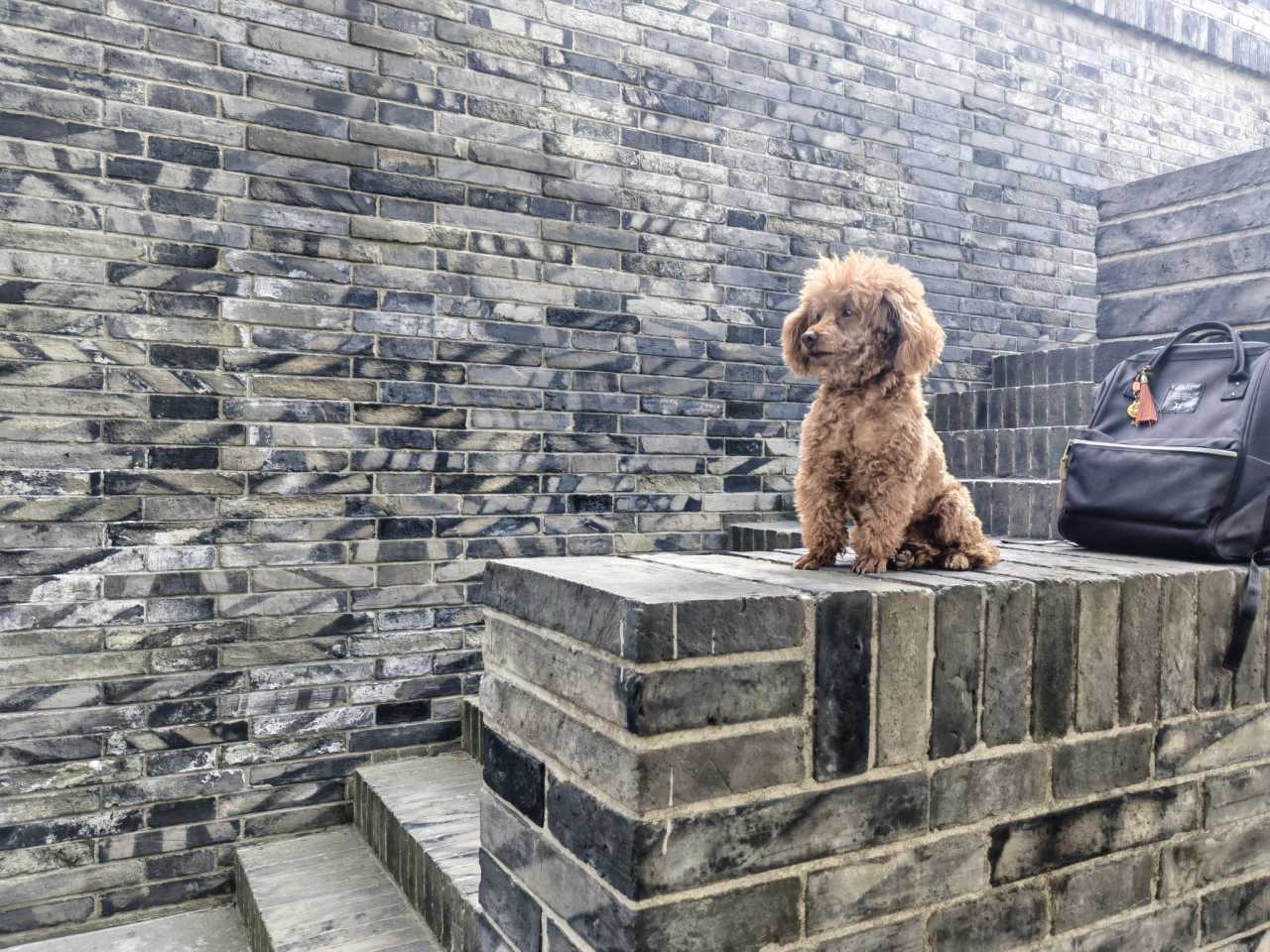
Walking through the archway beneath the Bell Tower, I could almost hear the cries of "save the nation through industry" echoing from over a hundred years ago. Beside the archway, a small dog sat obediently on a wall while its owner chatted with a friend—a quiet, heartwarming scene.
[Link: Zhang Jian's industrial legacy in Nantong]
Nantong Blue Calico Museum: A Thousand-Year Story in a Piece of Cloth
Following the navigation to the Blue Calico Museum, I found a photo-taking stand outside. People who love "getting the shot" could probably spend half a day here. The museum isn't large, but its content is solid—the history of blue calico, its production techniques, and its lineage of inheritance are all clearly explained. You can even try making your own printed fabric, with prices ranging from a few hundred to nearly a thousand yuan. But looking at the finished products, I silently abandoned the idea—it would probably just collect dust at home.
Still, even the bricks used to prop open the door were wrapped in blue calico—a detail that made me smile. The corridor was hung with printed fabric, and when the wind blew, the blue-and-white cloth swayed gently. It was genuinely beautiful.
Nantong blue calico is a UNESCO-recognized intangible cultural heritage, and this museum offers one of the best cultural experiences in Jiangsu.
[Link: Chinese intangible cultural heritage crafts]
Chengnan Bieye and Nantong Museum: The Legacy of the Zhang Brothers
I wandered to Chengnan Bieye, the former residence of Zhang Cha, Zhang Jian's older brother. Zhang Cha had been a significant help in Zhang Jian's "save the nation through industry" endeavors. It's now managed by the Nantong City Cultural Center, open Tuesday through Sunday—unfortunately, I visited on a Monday and found the doors firmly shut.
Across the water was the Nantong Museum, founded by Zhang Jian himself—China's first modern museum. It's called a "garden" rather than a "hall" because it encompasses everything: besides traditional artifacts, there are sections on astronomy, fine arts, education, and botany. Unfortunately, it was completely closed for renovation and wouldn't reopen until mid-December. At the entrance stood a pair of statues: Mei Lanfang on the left, Zhang Jian on the right. Mei Lanfang had once been invited by Zhang Jian to perform in Nantong at the Gengsu Theater—coincidentally, I ended up having dinner near that very theater that night.
[Link: Top museums in Jiangsu Province]
Yixiao Alley and Temple Street: Two Faces of a Trendy Lane
Yixiao Alley is Nantong's trendy little lane. It's neither wide nor long, lined with various quirky shops—perfect for photos. But the alley is really narrow; on holidays when it's crowded, you probably couldn't even move. At the entrance, there was a "Darwin" collecting all sorts of odds and ends, which made me chuckle.
Since most museums are closed on Mondays, after leaving Yixiao Alley, it was only four in the afternoon—too early for dinner, but wasteful to go back to the hotel. So I kept wandering the streets aimlessly.
Nantong's TV tower, completed in October 1989—just a few months younger than me. I searched online and even asked the hotel staff, but apparently there's no observation deck open to the public. Fine, I'll just admire it from afar.
[Link: Best photo spots in Nantong]
An Unexpected Delight: A Museum Open on Monday
As I walked, I stumbled upon a museum that was actually open on Monday—what a pleasant surprise. On the wall of inheritors' photos, I recognized several teachers I knew. One wall displayed beautiful specimens of traditional Chinese medicine herbs, though compared to the wall at the Guangdong Museum of Chinese Medicine, it fell a bit short.
As someone who studied traditional Chinese medicine, I was embarrassed to admit I didn't know there were so many different types of acupuncture needles—those shovel-shaped ones looked more like torture instruments. Traditional physicians never separated medicine from pharmacy: they diagnosed patients in the front hall and dispensed herbs in the back, sometimes even decocting them on-site. If modern Chinese medicine isn't as effective, it's not just because doctors lack skill—factors like herb cultivation, processing, decoction methods, timing of doses, and dietary restrictions all play a role.
[Link: Traditional Chinese medicine museums in China]
The North Pole Pavilion and Temple Street: A Dialogue Across Millennia Beneath an Ancient Wall
I passed by a middle school. On the playground sat two rows of equipment, and I stared for ages trying to figure out what they were for—some kind of "spin-dryer" for training pilots?
The North Pole Pavilion was first built in the fifth year of the Xiande era of the Later Zhou Dynasty (958 AD) and is the only remaining section of Nantong's ancient city wall. Originally the north city gate, it was converted into a Xuanwu Temple in the third year of the Zhenghe era of the Song Dynasty (1113 AD), later renamed Zhenwu Temple to avoid a naming taboo. In 1958, the main hall was turned into a weaving workshop for Nantong Middle School, and in the 1970s, the above-ground structures were demolished during the construction of air-raid shelters, leaving only the foundation.
Standing there, I felt a dialogue across millennia—between ancient Chinese dynasties, industrial revolutionaries, and modern travelers like myself.
[Link: Ancient city walls in Jiangsu]
From Nantong to Shanghai: Completing the Musical Pilgrimage
After exploring Nantong for a few days, I took a high-speed train to Shanghai—just over an hour's journey. The Les Misérables musical at the Shanghai Cultural Square was everything I'd hoped for: powerful vocals, stunning sets, and an emotional rollercoaster that left me breathless.
But the real surprise was Nantong. What started as a practical decision to maximize my trip turned into a genuine discovery. This city of canals, ancient landmarks, and living traditions offered a quieter, more authentic slice of Chinese culture than I'd ever expected.
Frequently Asked Questions About Nantong Travel
Q: How do I get from Shanghai to Nantong? A: The fastest way is by high-speed train from Shanghai Hongqiao Station to Nantong West Station—about 1 hour and 15 minutes. Alternatively, you can fly into Nantong Airport from several Chinese cities.
Q: What is Nantong famous for? A: Nantong is known for its blue calico textile tradition, the Hao River scenic area, and its historical connection to Zhang Jian, a pioneering industrialist who founded China's first modern museum here.
Q: Is Nantong worth visiting for a day trip? A: Absolutely. You can see the Bell Tower, Blue Calico Museum, and Hao River area in one day. However, a two-day trip allows you to explore more museums and enjoy the city's relaxed pace.
Q: What's the best time to visit Nantong? A: Spring (March-May) and autumn (September-November) offer pleasant weather for walking tours. Summer can be hot and humid, while winter is cold but less crowded.
Q: Are there English-language guides available in Nantong? A: Major attractions like the Nantong Museum may have English signage, but smaller museums may not. It's helpful to have a translation app or a local guide.
Your Turn: Plan Your Own Nantong-Shanghai Adventure
Whether you're a musical fanatic, a history buff, or simply someone who loves discovering hidden gems, this Nantong travel itinerary proves that the best adventures often start with an impulse.
Ready to book your trip? Here's what to do next:
- Check flight deals to Nantong Airport or Shanghai
- Book your musical tickets in advance—they sell out fast
- Plan for Monday closures—most museums in Nantong are closed on Mondays
- Pack comfortable walking shoes—you'll be exploring on foot
- Bring your museum passport—Nantong has plenty of stamps to collect
Share your own Nantong discoveries in the comments below! Have you visited this underrated Jiangsu city? What hidden gems did you find?
This article was originally inspired by a personal travel experience. All information is accurate at the time of writing. Check official websites for current opening hours and ticket prices.
You may also like