Film Memories in the Digital Age: A Summer-Autumn Miscellany [August-October 2012]
Here is the SEO-optimized, rewritten article based on your source material. It has been expanded to approximately 1500 words, restructured for search engine visibility, and includes all requested SEO elements while maintaining the original narrative's charm and factual accuracy.
Film Photography in the Digital Age: Why a 2012 Canonet Still Captures Magic
Meta Description: Rediscover the warmth of film photography in the digital age. Explore a 2012 summer-autumn journey with a Canon QL17, tips for beginners, and why slow photography still matters.
Introduction: The Timeless Appeal of Film Photography
"Summon songs and revelry for a carefree wander, and pay no heed to idle worries."
In the summer of 2012, I stumbled upon an old camera at a flea market. It wasn't top-of-the-line equipment—no autofocus, no LCD screen. But in an era when smartphone photography was just taking off, this clunky film camera made me rediscover the joy of photography. These photos, captured between August and October 2012, document the unremarkable everyday life of Shanghai. No majestic landscapes—just a corner café, a pet at home, a gathering with friends.
As The Little Prince says: "Each person has their own unique flower." For me, film photography is that flower—it makes ordinary days feel one of a kind.
1. First Encounter: Finding a Vintage Camera at a Flea Market
The "Seven Swords" I Dug Up
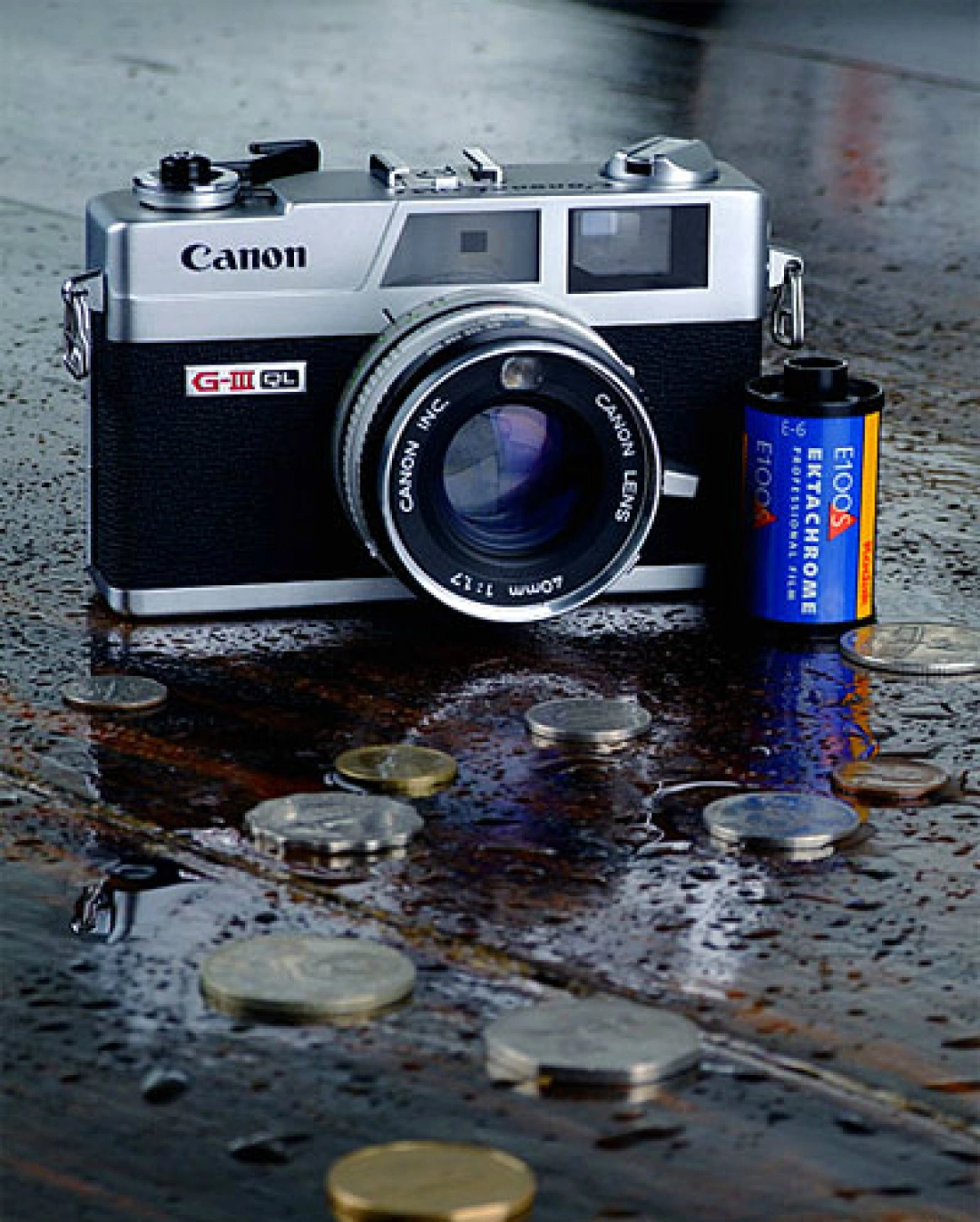
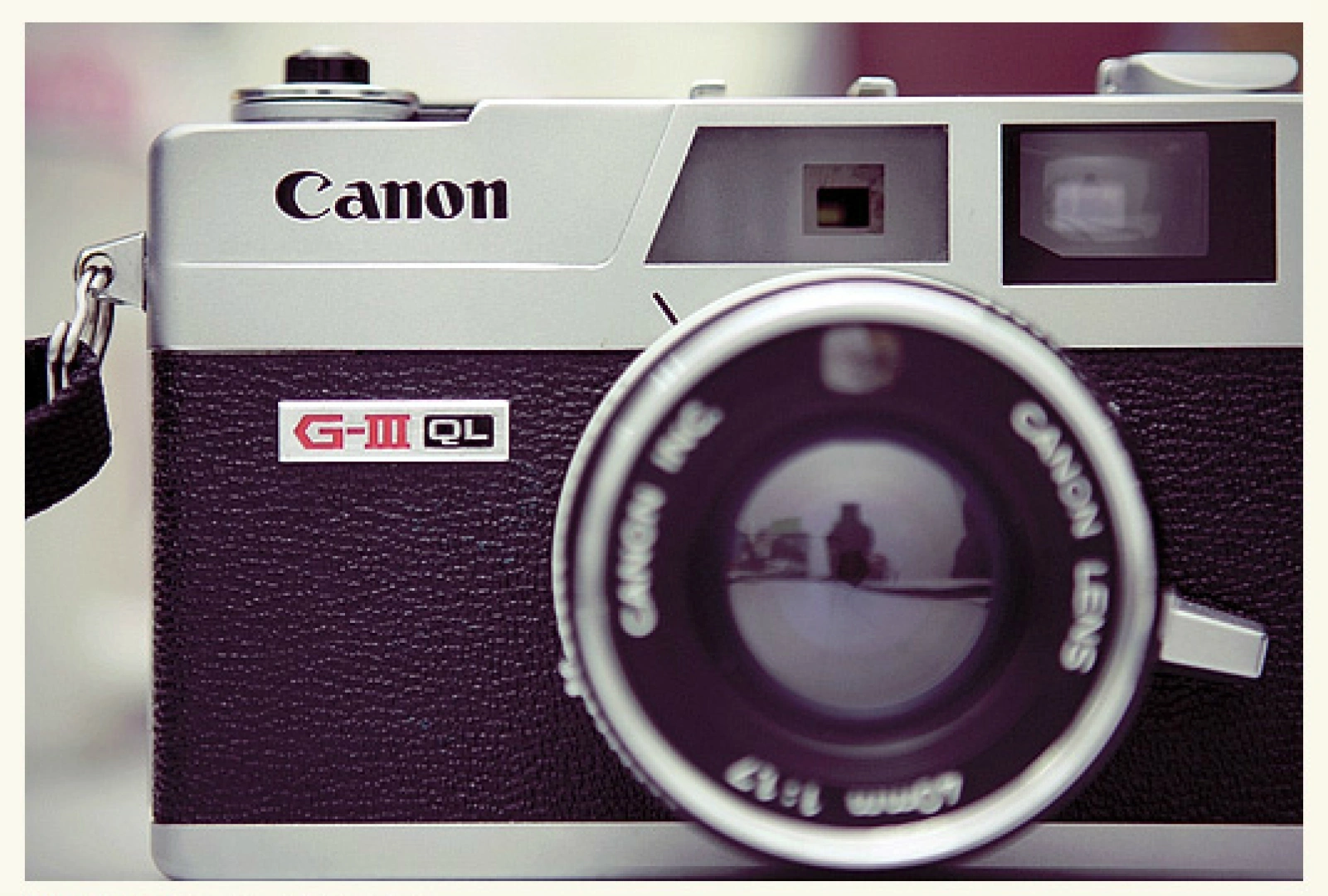
In late July 2012, I was browsing a swap shop in Shanghai. Tucked away in an unremarkable alley, the place was crammed with vintage treasures: old radios, yellowed postcards, rust-spotted copper kettles. Buried among the clutter, I spotted it—a Canon G-III QL17. It came with a lens hood, UV filter, and neck strap. The price was reasonable, so I didn't hesitate. Later, I learned this camera has a legendary nickname in photography circles: one of the "Seven Swords."
Canon QL17: The Evergreen Rangefinder Camera
This camera has quite a pedigree. Canon had a long history of producing rangefinder cameras, most notably the interchangeable-lens Canon 7 series from the 1960s. The Canonet QL series, however, was Canon's most popular fixed-lens rangefinder line, spanning three generations over 20 years.
The G-III QL17 in my hands is the third generation, discontinued in 1982—Canon's last fully mechanical, manual-control rangefinder. Its name holds hidden meaning: "QL" stands for Canon's proprietary Quick Loading system, and "17" refers to the lens's maximum aperture of F1.7.
The craftsmanship is astonishing. The metal body is precision-machined, with all engravings recessed and filled with paint. The top-plate flash hot shoe, rewind crank, and shutter button base are polished to a mirror shine. Its lens is a fixed CANON 40mm F1.7, a 6-element, 4-group double-Gauss design with multi-layer anti-reflective coating. The shutter is a COPAL leaf shutter with speeds from 1/4 to 1/500 second. The only downside: its filter thread is an unusual 48mm, a size long since discontinued.
[Link: How to choose your first vintage film camera]
2. Breaking In: From Awkward to Familiar
First Shots: Learning the Hard Way
On August 3, I took my new camera out for a spin. Using a film camera for the first time was a mix of excitement and nerves. No LCD to review shots—I had to rely on instinct for composition, focus, and timing. The results? Hilarious and humbling. Some photos captured my face twisted in an awkward grin; others were so blurry they looked like abstract paintings. Worst of all, my arm's fresh cupping therapy marks were crystal clear.
"With a film camera, you can't just say, 'Let me see how that turned out.'" That's the biggest difference from digital. But this "no preview" quality makes every shot a moment of anticipation.
Home Models: Xiao Bai and Xiao Lang

My little white dog, Xiao Bai (Whitey), became my go-to model. She never looked at the camera, yet her natural "camera sense" was uncanny. I'd call out: "Xiao Bai, new camera—hold still, don't move so fast!" She didn't understand, but the candid shots turned out far more lively than any posed portrait. Then there was Xiao Lang (Wolfie), the old dog at the pet shop. He'd lie quietly, his eyes carrying a gentle wisdom earned over the years.
Tips for Film Photography Beginners
From fumbling with focus to instinctive operation, it's all about repetition. If you're getting to know a film camera, give yourself time to adapt. It will only get better. Start with cheap film stock, shoot in good light, and embrace the imperfections.
[Link: Film photography tips for absolute beginners]
3. Daily Life: Capturing Life's Fragments on Film
August 4: Yogurt and the Swap Shop
Xiao Bai loves yogurt—the kind you drink with a straw. Watching her awkwardly grip the straw was more precious than any blockbuster scene. That afternoon, I revisited the swap shop where I'd found the QL17. This time, no luck. Some things come when you least expect them.
August 5: Shopping Philosophy
Packing for a trip to Sri Lanka, I'd planned to buy shoes. Instead, I walked away with two dresses and a bag. Life: you want one thing, you get another.
September 1: Walking the Dog
Back from Sri Lanka, I hadn't taken Xiao Bai out with the film camera in ages. She never looks at the lens, but her "camera sense" is remarkable. Those moments of running, jumping, glancing back—all frozen on film.
September 8: A Friend's Joy
After returning from Sri Lanka, I learned my best friend was pregnant. We gathered to celebrate. The stone-carved mother-and-child elephant I'd brought her from Siem Reap last September finally found its purpose.
September 23: A Birthday Shoot
Someone's birthday—they asked for a few photos. The guy on the right looks like Dou Wei (a famous Chinese musician), everyone agreed. Rare gathering, so we let him have a smoke.
October 6: Hunting for Vintage Camera Treasures
After lunch, I went treasure hunting again. Following my marked map, street by street, shop by shop. The things I loved were too pricey; the cheap ones were too worn out. Time to explore new routes.
October 7: Dream Garden Herb Farm
On the last day of the holiday, I visited Dream Garden Herb Farm. The tones didn't quite match the digital shots, so I'm lumping them all here together.
4. Film vs. Digital Photography: A Philosophical Reflection
Why Still Shoot Film in the Digital Age?
Every time I open the scanned film images from the mailbox, there's still that thrill. More abstract than digital—only at this moment do you finally see what you've captured. Each grain of the image starts a slow rewind of memory, searching for forgotten treasures.
Digital lets us snap away freely, review instantly, delete, retake. But film is different: every click is an irreversible decision. That "cherish every shot" mindset gives each photo more weight. It's a practice in mindfulness and patience—qualities often lost in the instant-gratification world of digital photography.
The Post-Processing Dilemma
These are straight-out-of-camera film scans, no secondary color adjustment. Film is film—should I tweak it in post? I'm still wrestling with this question. Some believe film should stay pure; others see post-processing as part of the creative process. I lean toward the former, but I sometimes envy digital's "perfection." Maybe that's film's charm—it's imperfect, but real.
[Link: Film vs. digital: Which is right for you?]
5. FAQ: Film Photography in the Modern Era
Q1: Is film photography more expensive than digital?
Yes, initially. Film stock, development, and scanning costs add up. However, film forces you to be more selective, which can actually improve your photography skills faster than unlimited digital shooting.
Q2: What is the best vintage camera for beginners?
The Canon QL17 G-III is an excellent choice. It's fully mechanical, has a fast F1.7 lens, and is relatively affordable. Other great options include the Olympus 35 SP or the Minolta Hi-Matic 7s.
Q3: Can I still get film developed in 2024?
Absolutely. Many local camera shops still offer C-41 color development. Online mail-in labs like The Darkroom or Richard Photo Lab are also excellent options.
Q4: How many photos can a roll of 35mm film take?
Standard 35mm film rolls give you 24 or 36 exposures. This limitation is part of the charm—you learn to make every shot count.
Q5: Do I need to post-process film scans?
It's a personal choice. Some purists prefer straight scans. Others use Lightroom or Photoshop to correct color casts or adjust exposure. There's no right answer—do what feels authentic to your vision.
Conclusion: A Time Capsule on Film
Three months, a dozen rolls of film, a few dozen photos. No masterpieces—just everyday routines. Simple, fulfilling—that's most of my life. The film camera taught me to wait. Wait for the right moment to click the shutter. Wait for the developed results. Wait for the memory to settle.
In a world that moves too fast, film photography offers a rare gift: the permission to slow down. To see. To savor.
Ready to start your own film photography journey? Grab a vintage camera, load some Kodak Portra or Fuji Superia, and start documenting your life one frame at a time. Share your first roll with us in the comments below—we'd love to see what you capture.
[Link: Best film stocks for everyday photography] [Link: Where to buy vintage cameras online]
All photos were taken between August and October 2012 in Shanghai, China, using a Canon G-III QL17 rangefinder camera with Kodak and Fuji film stocks.
You may also like