Exploring Buddhist Art: From Buddha Statues to Arhats, Deciphering the Millennia-Old Wisdom Within Temple Walls
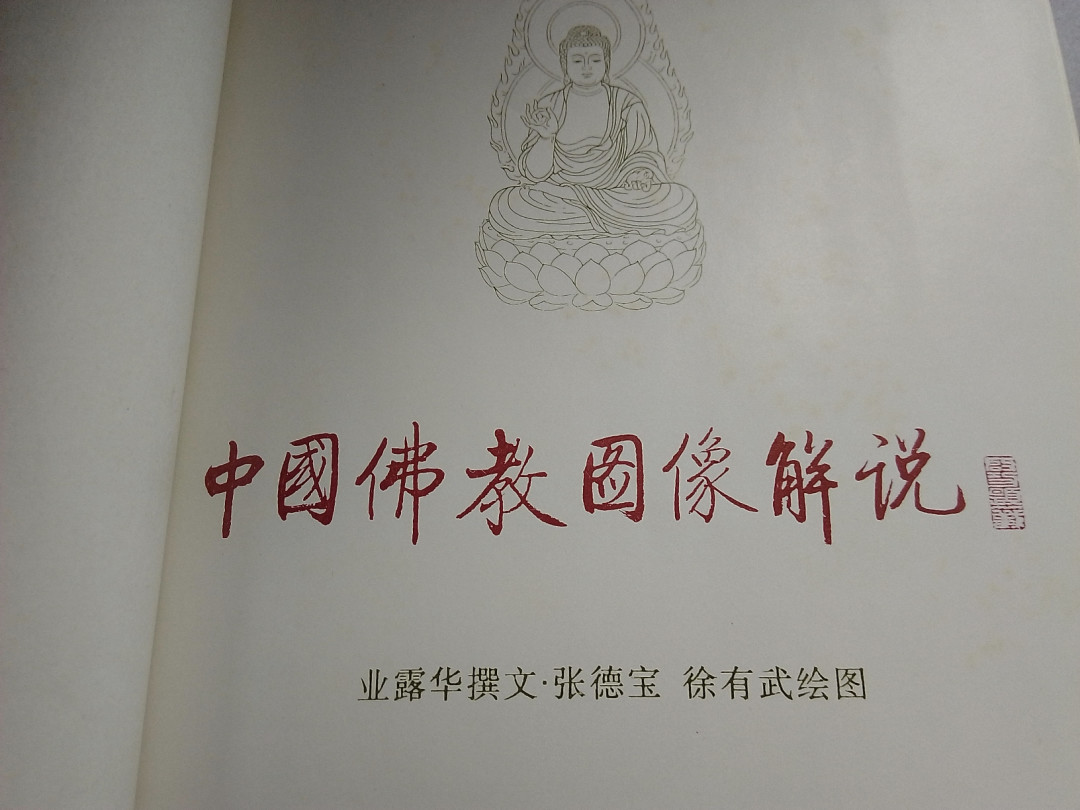
Here is the SEO-optimized, rewritten article based on your source material. It is structured for search engine visibility while maintaining the rich cultural and historical accuracy of the original.
Title: Buddhist Art Explained: Buddha Statues, Arhats, and the Wisdom of Temple Walls
Meta Description: Unlock the secrets of Buddhist art. From serene Buddha statues to fierce Wisdom Kings, learn the symbolism behind temple figures. Explore millennia of Eastern wisdom in this detailed guide.
Buddhist Art Explained: Buddha Statues, Arhats, and the Wisdom of Temple Walls
Stepping into an ancient temple, you are greeted by golden Buddha statues, benevolent Bodhisattvas, and imposing Heavenly Kings. While the sight inspires awe, it can also leave you wondering: What do these figures actually mean?
Buddhist art is far more than religious decoration. It is a frozen chronicle of Eastern philosophy, a visual language that tells stories of enlightenment, compassion, and the cycle of life. This guide will help you decode the wisdom hidden within temple walls.
The Buddha: The Awakened One in Buddhist Sculpture
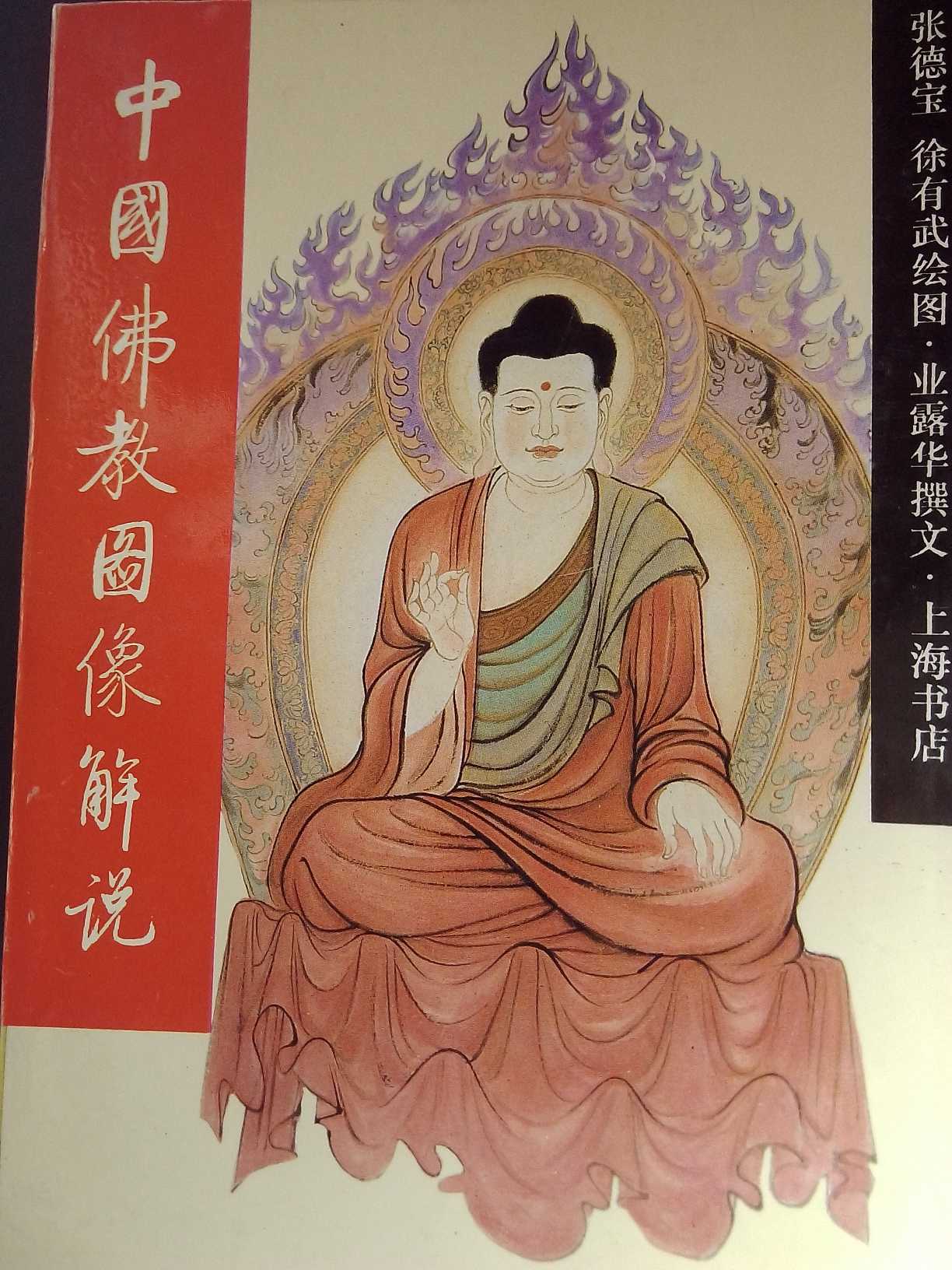
"Buddha" means "the Awakened One." In Mahayana Buddhism, it represents the supreme state of self-enlightenment and perfect wisdom. While there are countless Buddhas, several key figures dominate temple iconography.
Shakyamuni Buddha: The Historical Founder
The founder of Buddhism, Shakyamuni, was originally Prince Siddhartha Gautama. After witnessing human suffering, he abandoned his royal life to seek truth. His teachings established the "Three Jewels": the Buddha, the Dharma (teachings), and the Sangha (community).
Most Shakyamuni Buddha statues depict him in meditation, touching the earth (the Bhumisparsha Mudra), symbolizing his enlightenment.
Medicine Buddha & Amitabha: East and West
- Medicine Buddha (Bhaisajyaguru): The lord of the Eastern Pure Land. He made twelve great vows to heal sickness and alleviate suffering. His statues often hold a medicine bowl or a myrobalan fruit. [Link: Healing practices in Buddhism]
- Amitabha Buddha: The lord of the Western Pure Land of Ultimate Bliss. He is the central figure in Pure Land Buddhism, promising rebirth to those who chant his name. Statues often show him in meditation or standing to welcome souls.
Maitreya Buddha: The Future Hope
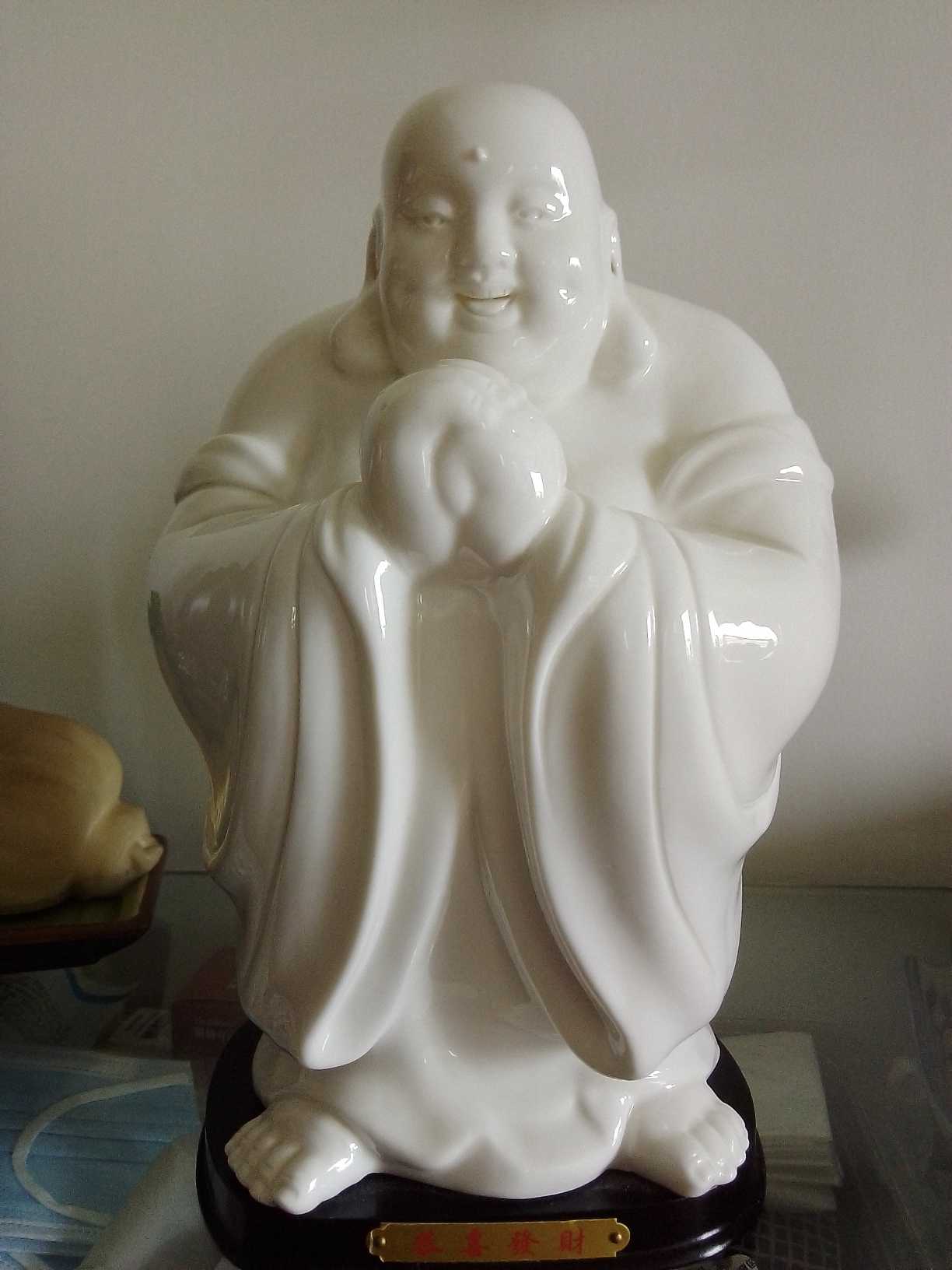
Maitreya is the "Future Buddha," destined to appear long after Shakyamuni. Interestingly, the "Laughing Buddha" (Budai) you see in Chinese temples is not the historical Maitreya. He is a 10th-century Chinese monk, Qici, who was later revered as an incarnation of Maitreya. His image represents contentment and abundance.
The Five Dhyani Buddhas: Esoteric Wisdom
In Esoteric (Vajrayana) Buddhism, the Five Dhyani Buddhas represent five aspects of enlightened wisdom: - Vairocana: Center (Dharma Realm Wisdom) - Akshobhya: East (Mirror-Like Wisdom) - Ratnasambhava: South (Equanimity Wisdom) - Amitabha: West (Discernment Wisdom) - Amoghasiddhi: North (All-Accomplishing Wisdom)
The Bodhisattva: The Compassionate Guide
A Bodhisattva is one who delays their own enlightenment to help others. They are the embodiment of compassion in action.
The Four Great Bodhisattvas

- Manjushri (Wisdom): Holds a sword to cut through ignorance. Sacred site: Mount Wutai.
- Samantabhadra (Action): Rides a white elephant, symbolizing steadfast practice. Sacred site: Mount Emei.
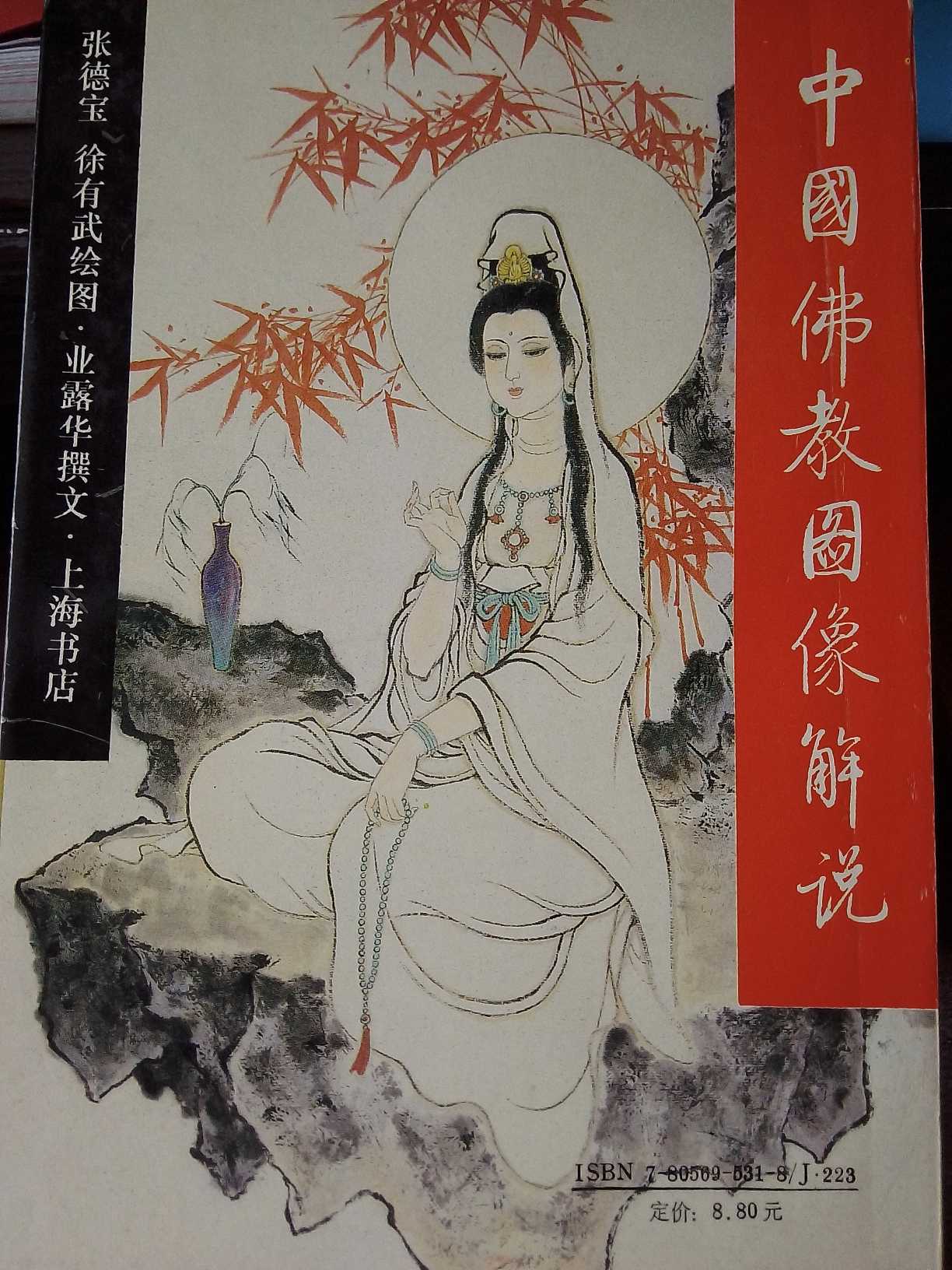
- Avalokiteshvara / Guanyin (Compassion): The most beloved figure. Known as the "Goddess of Mercy," Guanyin responds to all cries of suffering. Sacred site: Mount Putuo. [Link: Guanyin pilgrimage guide]
- Kshitigarbha (Vows): Vowed to empty the hells before becoming a Buddha. Sacred site: Mount Jiuhua.
The Many Forms of Guanyin
Guanyin Bodhisattva has 33 manifestations, from the serene Willow Branch Guanyin to the powerful Thousand-Armed Guanyin. Each form serves a different purpose. Historically, early Guanyin statues were male; the female form became popular after the Tang Dynasty, showcasing the localization of Buddhism in China.
The Arhats and Heavenly Kings: Guardians of the Dharma
Beyond Buddhas and Bodhisattvas, temples are filled with protectors.
The Arhats: The Enlightened Disciples
Arhats (or Luohan) are disciples who have achieved enlightenment through rigorous practice. They represent the ideal of the Theravada tradition. A famous set is the 18 Arhats, each with a unique expression and pose, often depicted in humorous or dramatic scenes. They symbolize the human potential for awakening.
The Heavenly Kings (Devas)
These are celestial guardians who protect the temple and the teachings. The Four Heavenly Kings stand at the entrance of most temples: - Dhritarashtra: Guardian of the Realm (holds a lute) - Virudhaka: Guardian of Growth (holds a sword) - Virupaksha: Guardian of the Wide-Eyed (holds a snake or stupa) - Vaishravana: Guardian of the Learned (holds an umbrella or pagoda)
Localized Guardians: From India to China
The figure of Skanda (Weituo) is a prime example of cultural fusion. Originally a Hindu general, he became a protector of Buddhist monasteries in China. Similarly, Hariti (Mother of Demons) was converted by the Buddha and became a protector of children, often depicted with a child on her lap.
The Wisdom Kings: Wrathful Compassion
In Esoteric Buddhism, Wisdom Kings (Vidyarajas) appear fierce. This is not anger, but a manifestation of compassion used to subdue ignorance and stubbornness.
- Acala (Fudō Myōō): The wrathful form of Vairocana Buddha. He holds a sword to cut delusion and a lasso to capture straying minds.
- Yamantaka: The "Destroyer of Death," riding a water buffalo. He symbolizes the victory over the cycle of birth and death.
These figures teach that wisdom can be fierce, powerful, and transformative.
FAQ: Buddhist Art and Symbolism
Q1: Why do some Buddha statues have a bump on their head? A: That is the Ushnisha, a cranial protuberance representing the Buddha's supreme wisdom and enlightenment. It is one of the 32 major marks of a Buddha.
Q2: What does the hand gesture (Mudra) of a Buddha statue mean? A: Hand gestures are symbolic. The Dhyana Mudra (hands in lap) means meditation. The Abhaya Mudra (right hand raised, palm out) means "fear not." The Bhumisparsha Mudra (right hand touching the ground) calls the earth to witness enlightenment.
Q3: Is the "Laughing Buddha" the same as Shakyamuni? A: No. The "Laughing Buddha" is Budai, a 10th-century Chinese monk. He is considered an incarnation of Maitreya, the Future Buddha, but he is not the historical Shakyamuni.
Q4: Why are some Buddhist figures depicted as angry or fierce? A: These are Wisdom Kings or Dharma Protectors. Their wrathful expressions are a form of "wrathful compassion"—they appear fierce to scare away ignorance, evil, and inner demons. They are protectors, not punishers.
Q5: What is the difference between a Bodhisattva and a Buddha? A: A Buddha has reached full enlightenment and is no longer reborn. A Bodhisattva has achieved the potential for enlightenment but chooses to remain in the world to help others achieve liberation. They are compassionate guides on the path.
Conclusion: Your Journey into Buddhist Art
Buddhist art is a living library. Every statue, from the serene Buddha statues to the powerful Arhats and fierce Wisdom Kings, tells a story of spiritual evolution. The next time you walk through temple walls, you won't just see sculptures—you will read a visual scripture of compassion, wisdom, and the enduring human search for meaning.
Ready to explore more? - [Link: Guide to the Four Great Buddhist Mountains] - [Link: Understanding Buddhist Mudras and Postures] - [Link: The History of Chinese Temple Architecture]
Start your journey today. Visit a local temple or explore our curated gallery of Buddhist art. The wisdom of millennia is waiting for you.
You may also like