Eternity in the Creases of Time: Three Artistic Dialogues Across a Millennium
Meta Description: Explore three transformative art exhibitions spanning 2023-2026, from ancient Roman treasures to Rodin's masterpieces. Discover how humanity's pursuit of beauty transcends centuries in this SEO-optimized guide.
Introduction: When Art Becomes a Time Machine
Lost in the clamor of city life, my heart is always searching for those quiet corners that can instantly calm the soul. Over the years, I’ve developed a habit—collecting every exhibition I’ve seen, every path I’ve walked, like gathering seashells along the shore. Not because they are perfect, but because these fragments will one day become the gentlest footnotes when I look back.
Today, I want to share with you three art exhibitions that have lingered in my memory for a long time. They come from the early spring of 2023, the height of summer in 2025, and the late spring of 2026. Three exhibitions, three moments in time, yet they all point to a single theme: humanity’s relentless pursuit of beauty has never faded with the years.
Whether you're an art enthusiast, a history buff, or simply seeking cultural experiences in Shanghai, these exhibitions offer profound insights into how ancient civilizations and modern masters speak to one another across millennia. [Link: Best art exhibitions in Shanghai 2026]
Beauty in Extremis: When Ancient Rome’s Breath Crosses Two Millennia
The Exhibition That Started It All
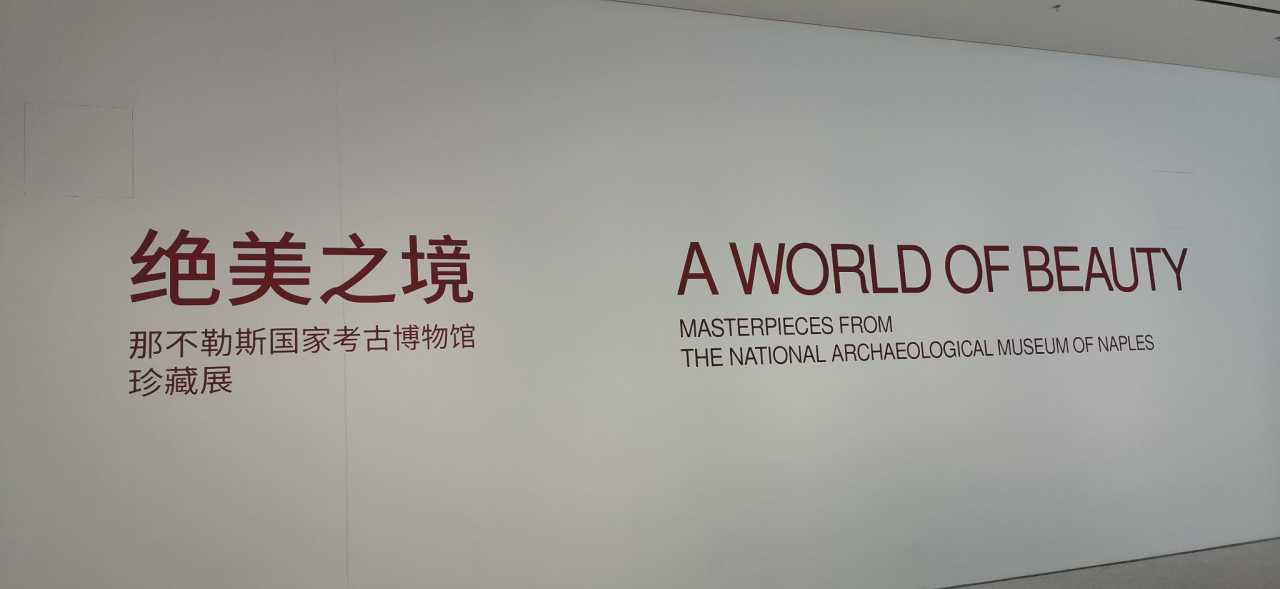
In February 2023, I stepped into the Pudong Art Museum, greeted by a feast titled “Beauty in Extremis.” It was one of the key events of the 2022 China-Italy Year of Culture and Tourism, bringing around 70 rare treasures from the National Archaeological Museum of Naples. Most of these artifacts came from Pompeii and Herculaneum—two cities buried under the ash of Mount Vesuvius—along with ancient collections from the Farnese family.
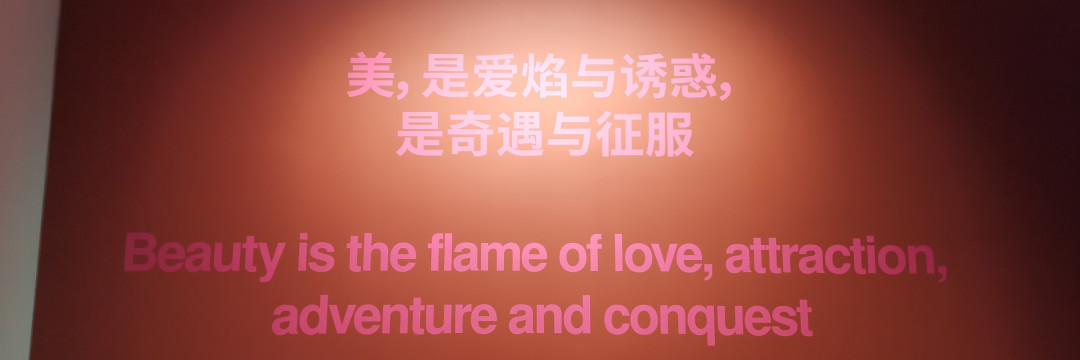
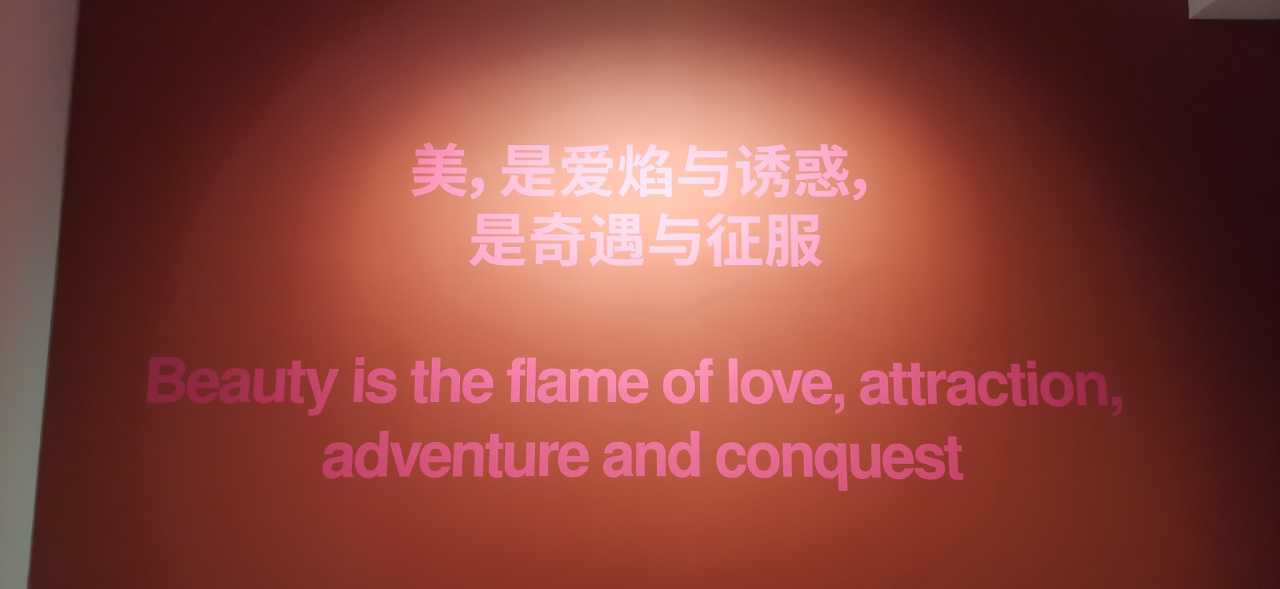
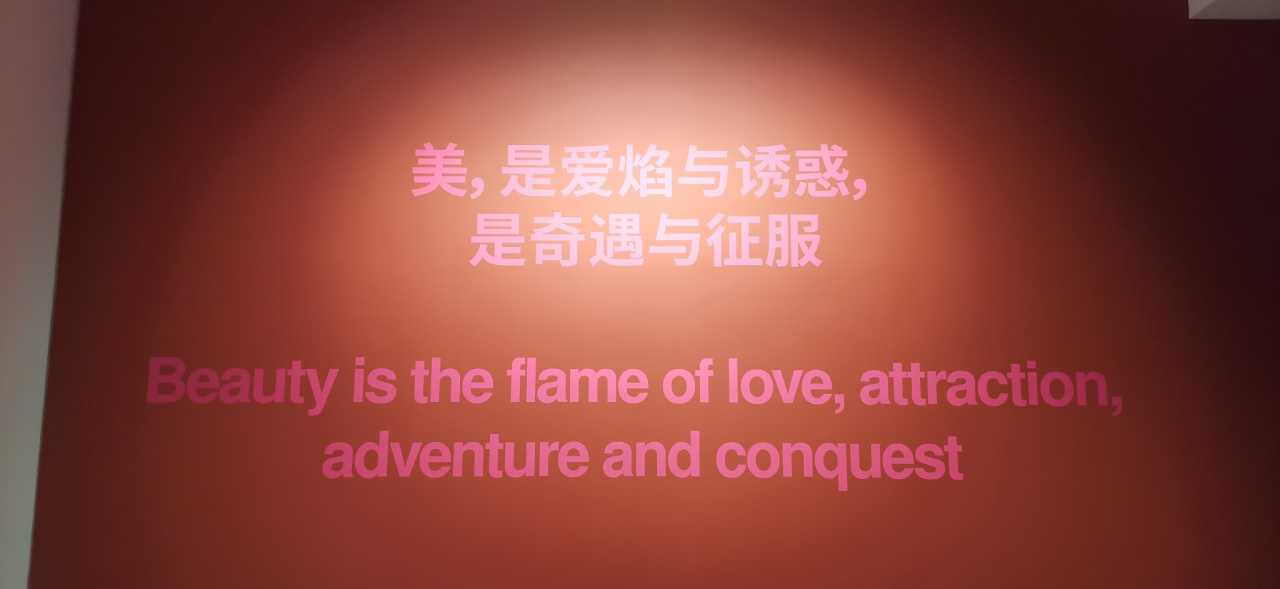
The exhibition’s opening line is still etched in my mind: “Beauty is the flame of love and temptation, the adventure and the conquest.” It was like a key, instantly unlocking the door to two thousand years ago. [Link: Pudong Art Museum exhibitions 2023]
The Warmth of Stone: Roman Sculptures That Breathe
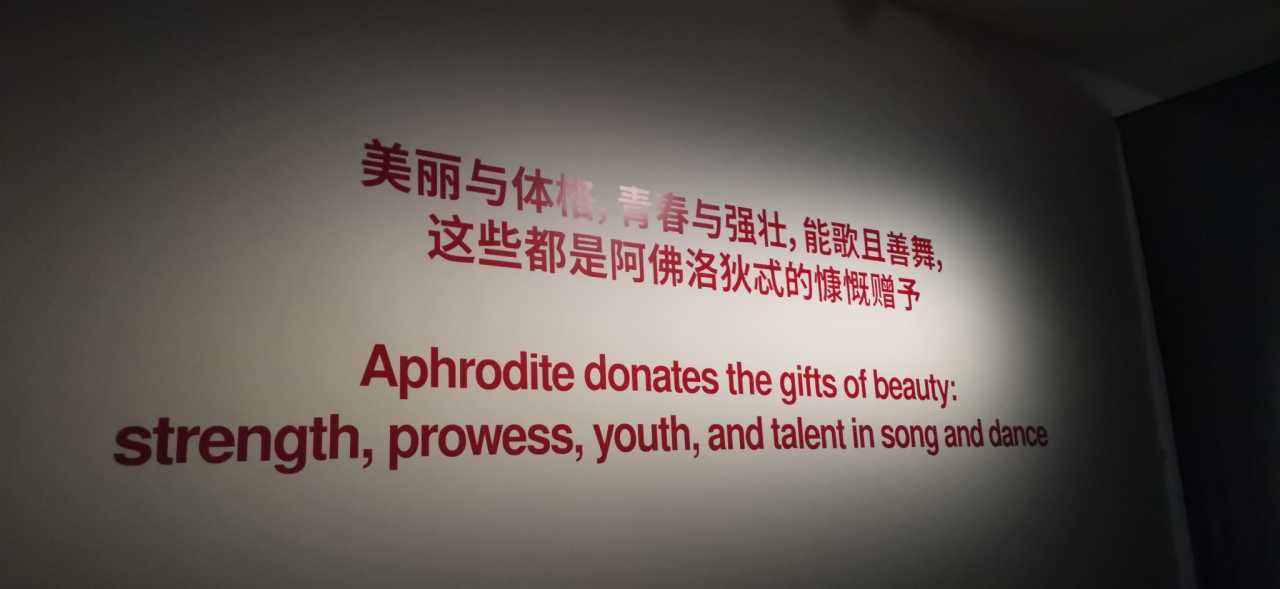
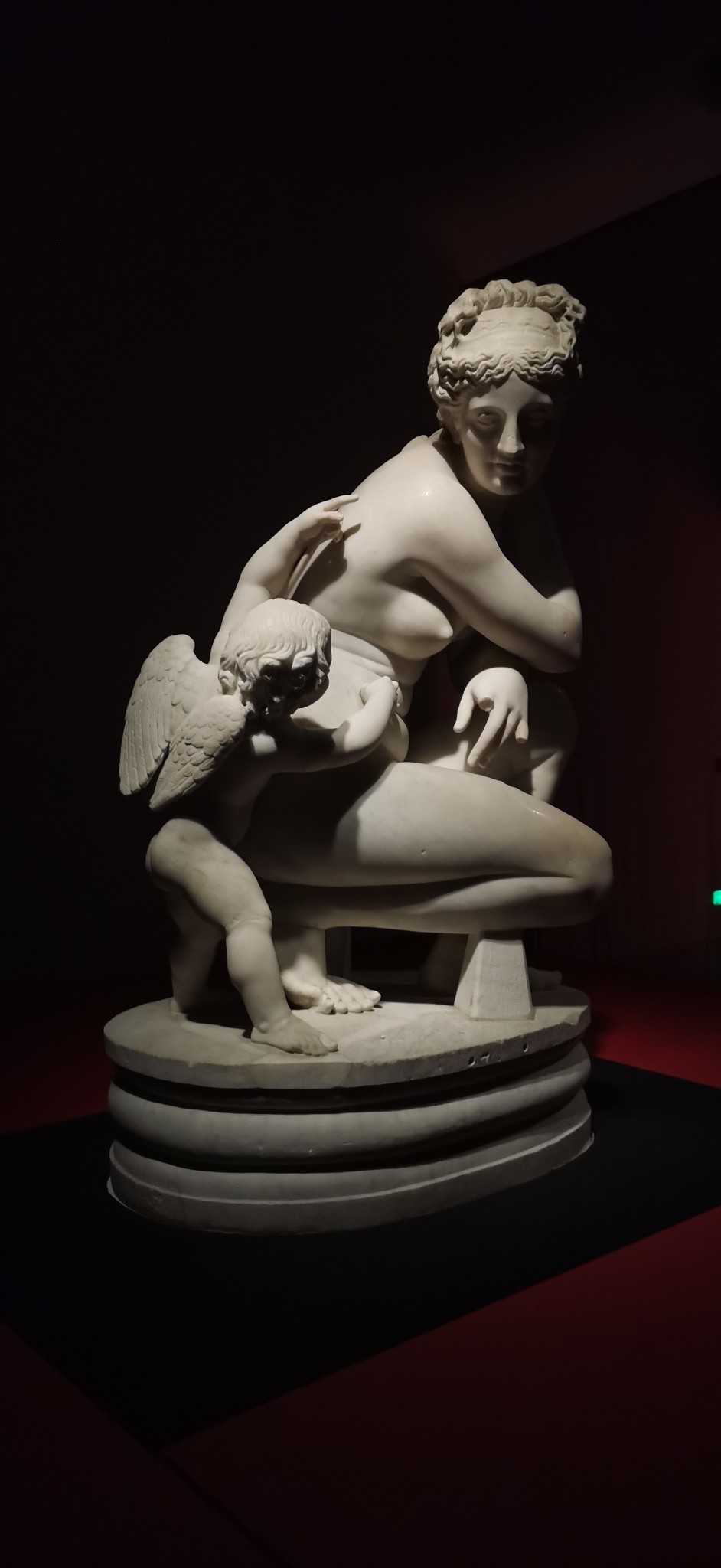
The star of the show was Aphrodite Bending Over with Eros. In this 2nd-century AD marble sculpture, the goddess of love is bending down to bathe, with little Eros nestled beside her. Can you imagine? A piece of cold stone, capturing such a tender moment between mother and child with such delicacy. Another piece, Reclining Aphrodite, showcased a different kind of beauty—a thin veil draped over her, a cloak half-covering her body, as she lounged lazily and elegantly by a pillar.
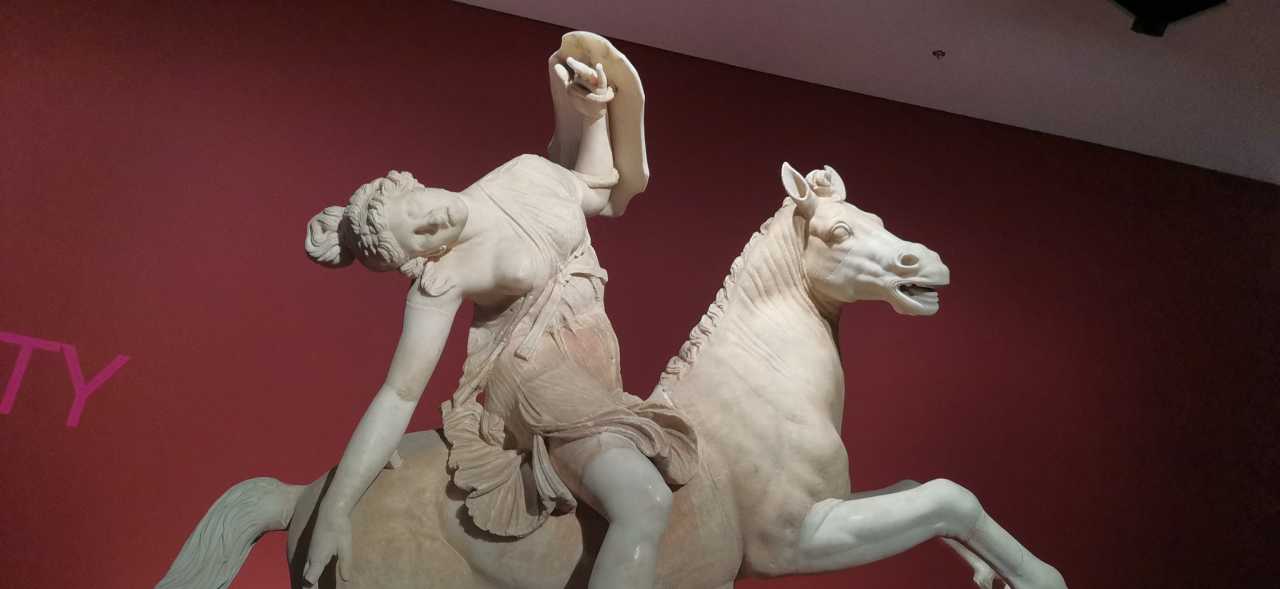
I also lingered long before the sculpture of an Amazon warrior on horseback. She wasn’t the traditional image of soft femininity; she was a warrior clad in armor, charging across the battlefield. This blend of strength and beauty, common in Roman art, never fails to strike a chord.
Daily Life and Myth in Pompeii Frescoes
The lives of ancient Romans were far richer than we imagine. The frescoes unearthed from Pompeii depicted sacrifices, banquets, gardens, and masks—each one a window into another time. In Still Life with Dionysus Statue and Offerings, fruits and wine vessels were painted so vividly that it felt as if someone might come to enjoy them at any moment. The Garden Fresco amazed me—two thousand years ago, Romans already knew how to paint blooming courtyards on their walls, merging indoor and outdoor spaces seamlessly.
What captivated me most was the Narcissus fresco. The youth gazes at his own reflection in the water, his self-absorption and obsession captured through soft lines and muted colors. Standing before it, I could almost hear the gentle ripple of the water.
Bronze and Glass: The Civilization Code in Everyday Objects
The exhibition also featured a wealth of bronze and glassware. Bronze lamp stands, folding tripods, wine jugs adorned with horse heads—all unearthed from Pompeii. These everyday items are now works of art. Roman aesthetics permeated every detail of life—even a baking mold was shaped like a seashell; even an oil lamp was carved with lion motifs and chains.
The glassware was particularly stunning. Those cups with embossed decorations and double-handled engraved goblets glowed with a warm luster under the lights. It’s hard to believe they had lain beneath the earth for two thousand years.
Gladiators and Philosophers: The Two Sides of Roman Life

A few other pieces left a strong impression on me: a bronze gladiator helmet engraved with the head of Medusa, as if declaring, “Fear is my weapon”; and the Pseudo-Seneca Head, known as “The Pirate,” its weathered face etched with the contemplation and sorrow of a philosopher. Romans worshipped strength, but also revered wisdom—this contradiction and unity is the very charm of their civilization.
As I left the exhibition hall, I turned back to look at the Pudong Art Museum’s iconic installation Universe—a cone-shaped mesh structure made of countless calligraphic characters, floating like a tower of thought in the air. Isn’t Roman civilization just like that? Seemingly distant, yet always connected to us.
Rodin: The Legacy and Echoes of Modern Sculpture
A Modern Master Arrives in Shanghai
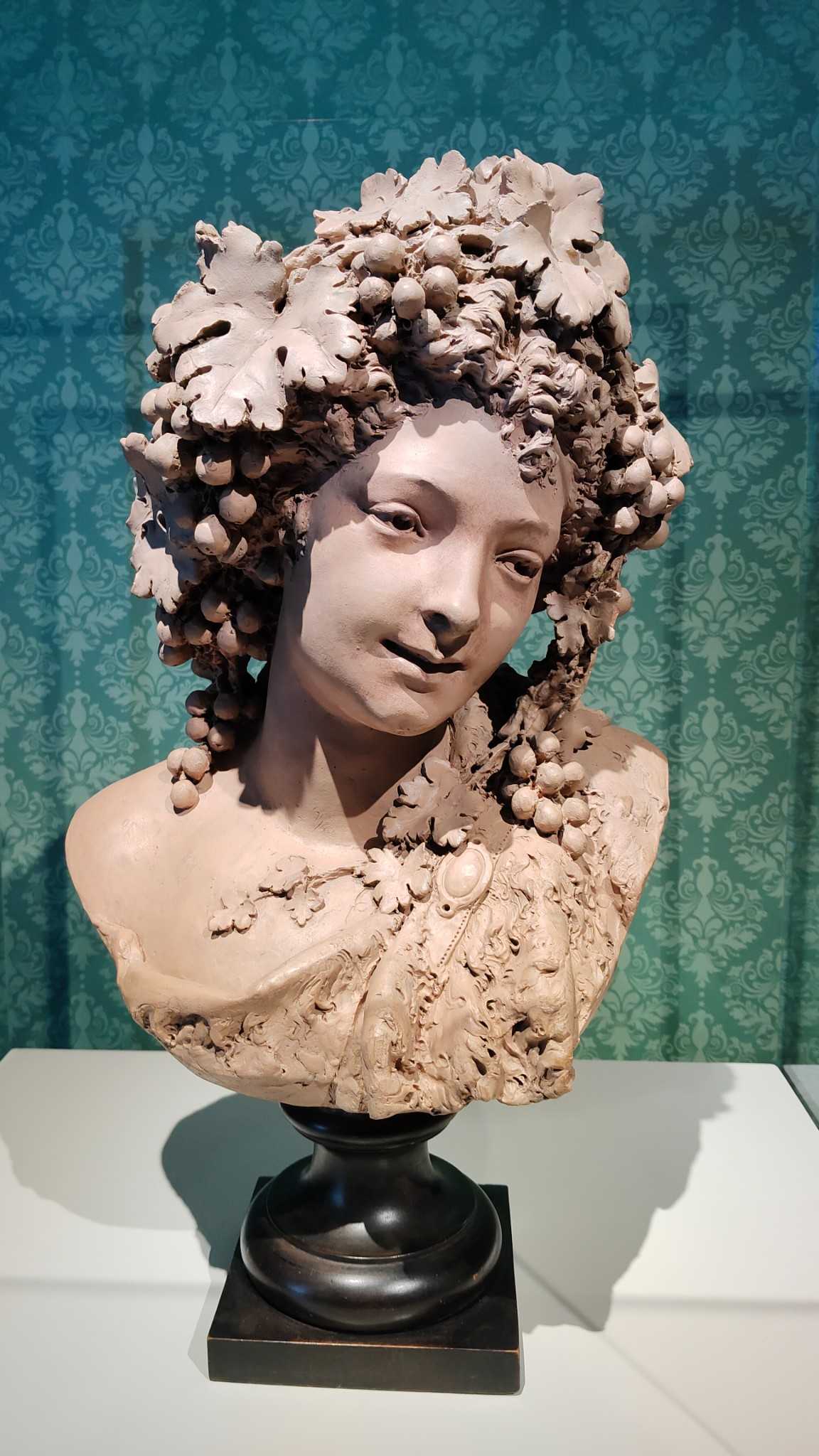
Fast-forward to August 2025, and I entered the Shanghai Rodin Art Center for its inaugural exhibition, “Rodin: The Legacy and Echoes of Modern Sculpture.” It featured 106 original works by Rodin, including sculptures, paintings, ceramics, and videos, along with 16 pieces of ancient Chinese art he had collected, and 30 works by related artists—the first time Rodin’s masterpieces had been presented on such a large scale in China. [Link: Shanghai Rodin Art Center exhibitions 2025]
From The Age of Bronze to The Thinker: The Awakening of an Era
In the gallery, the plaster cast of The Age of Bronze stood silently. The young man’s stretched body and slightly raised head seemed as if he had just awakened from a deep sleep. With this key, Rodin opened the door to modern sculpture. Meanwhile, The Thinker sat at the center of the platform, muscles tense, brow furrowed—lost in contemplation of humanity’s heavy fate.
A crowd gathered around the bronze sculpture of The Kiss. The embracing lovers, their bodies pressed tightly together, seemed on the verge of melting into each other’s breath. Rodin froze the most intense moment of love in bronze, allowing every viewer to feel that tremor.
The Power of the Unfinished: Rodin’s Artistic Philosophy
I couldn’t tear myself away from the plaster original of Eve. She clutches her chest, head bowed, body slightly curled, as if bearing some invisible weight. Rodin deliberately left traces of the unfinished—rough surfaces, blurred outlines—yet this imbued the work with a vibrant life. This aesthetic of the “unfinished” was Rodin’s rebellion against traditional sculpture: art need not be perfect; truth is the highest realm.
The exhibition also featured a mirrored installation of The Gates of Hell. On that massive door, countless figures writhe, struggle, and fall—Rodin brought Dante’s inferno from The Divine Comedy to life. Standing before the mirror, I felt I was glimpsing a microcosm of human desire and suffering.
Rodin’s Chinese Connection: A Cross-Cultural Dialogue
To my surprise, Rodin had collected 16 pieces of ancient Chinese art. These ceramics, bronzes, and jade objects were displayed alongside his sculptures, creating a fascinating dialogue. Rodin once said, “Chinese art taught me what true vitality means.” This cross-cultural resonance added a deeper layer to the exhibition, reminding us that great art knows no borders.
Rome Rome: From Olympus to the Capitoline
The Final Chapter of the Trilogy

In May 2026, the “Rome Rome: From Olympus to the Capitoline” exhibition at the Museum of World Expo became my most anticipated trip of the year. 131 precious artifacts, brought all the way from the Liverpool National Museums in the UK, told the story of the intertwining of Roman myth and history. [Link: Museum of World Expo exhibitions 2026]
The Gods Descend: Rome’s Faces of Olympus
The exhibition began with a full-length marble statue of Jupiter (Zeus). He holds a scepter, and an eagle stands proudly by his side—this is the majesty of the king of gods. Minerva (Athena) holds an owl and wears a battle garment adorned with serpent motifs, embodying both wisdom and strength. Diana (Artemis) is draped in deerskin and wears hunting boots, striking a pose as the goddess of the hunt.
What amazed me most was a large marble fragment in the style of Laocoön. Though broken, the dynamic agony of the struggle remained deeply moving. The tragedies of Greek mythology found continuation and elevation in Roman hands.
Frequently Asked Questions About These Art Exhibitions
Q1: What was the “Beauty in Extremis” exhibition about? A: “Beauty in Extremis” was a 2023 exhibition at the Pudong Art Museum featuring 70 rare artifacts from the National Archaeological Museum of Naples, including treasures from Pompeii and Herculaneum. It explored ancient Roman aesthetics through sculptures, frescoes, bronze, and glassware.
Q2: Where is the Shanghai Rodin Art Center located? A: The Shanghai Rodin Art Center is located in Shanghai, China. Its inaugural exhibition in 2025 featured 106 original works by Rodin, along with his personal collection of ancient Chinese art.
Q3: What artifacts were featured in the “Rome Rome” exhibition? A: The “Rome Rome: From Olympus to the Capitoline” exhibition at the Museum of World Expo featured 131 artifacts from the Liverpool National Museums, including marble statues of Roman gods like Jupiter, Minerva, and Diana.
Q4: How do these three exhibitions connect thematically? A: All three exhibitions explore humanity’s enduring pursuit of beauty across time—from ancient Roman civilization (2023), through modern sculpture with Rodin (2025), to the fusion of myth and history in Roman art (2026).
Q5: Are these exhibitions still running? A: “Beauty in Extremis” (2023) and “Rodin: The Legacy and Echoes” (2025) have concluded. “Rome Rome: From Olympus to the Capitoline” is running through May 2026. Check official museum websites for current schedules.
Conclusion: Your Journey Through Time Starts Now
These three exhibitions—spanning from the ashes of Pompeii to the workshop of Rodin, from the gods of Olympus to the thinkers of modern times—remind us that art is the truest time machine. Each sculpture, each fresco, each bronze vessel carries the breath of its creators across centuries.
If you missed “Beauty in Extremis” or the Rodin exhibition, don’t let “Rome Rome” pass you by. Plan your visit to the Museum of World Expo today—tickets are selling fast, and this is your chance to stand face-to-face with history.
Ready to explore? [Link: Book tickets for Rome Rome exhibition] or [Link: Discover more art exhibitions in Shanghai 2026]
Which of these three artistic dialogues speaks most to you? Share your thoughts in the comments below—I’d love to hear which era of beauty resonates with your soul.