[Encountering Henan] Kaifeng: A Millennia-Old Song Dynasty Invitation During the Qingming Festival
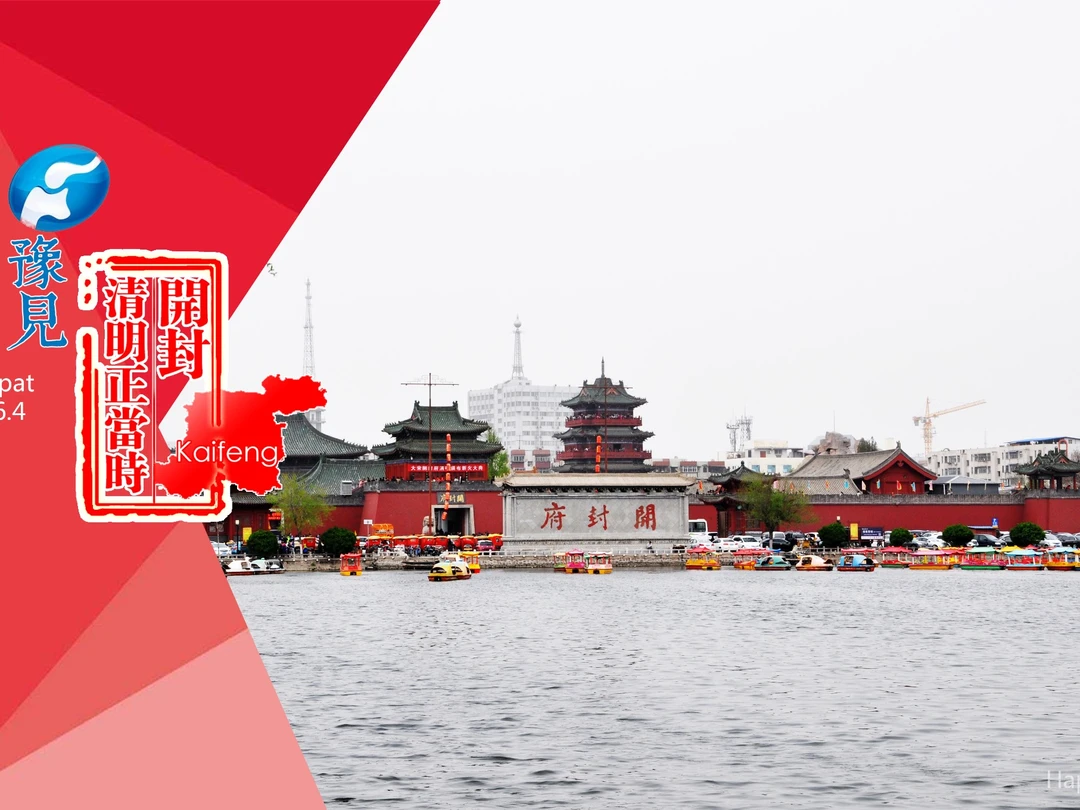
Meta Description: Discover Kaifeng travel guide for Qingming Festival—explore Song Dynasty history, Huang's Dumplings, Kaifeng Museum's "city upon city" secrets, and night markets. Plan your Henan cultural tour today.
Some cities are meant to be explored on foot; others are meant to be savored with time. Kaifeng is the latter kind—a city that doesn't rush to show you anything, yet hides a thousand years of stories in every brick, every wisp of cooking smoke.
In the spring of 2016, during the Qingming Festival (Tomb-Sweeping Festival), I took a high-speed train from Zhengzhou to Kaifeng. In just 30 minutes, I traveled from a modern metropolis to an ancient city that had been buried and reborn under the silt of the Yellow River. The spring light was perfect, willow catkins drifted in the air, and I thought to myself: perhaps no season is better suited for visiting Kaifeng than Qingming—after all, the famous painting "Along the River During the Qingming Festival," which depicts the bustling streets of the Song Dynasty capital Bianjing, is set precisely during this time of year.
[Link: Best time to visit Henan Province]
Why Visit Kaifeng During Qingming Festival?
The Qingming Festival (early April) is the ideal season for a Kaifeng cultural tour. The weather is mild, cherry blossoms bloom along Baogong Lake, and the entire city evokes the atmosphere of the Northern Song Dynasty. Unlike crowded Zhengzhou, Kaifeng offers a slower pace, deeper history, and authentic Henan cuisine that has been passed down for centuries.
Day One: Kaifeng at Night – Gentle and Quiet
I arrived in Kaifeng as evening fell. Boarding the C-series Zhengzhou-Kaifeng intercity train at Zhengzhou East Station, I watched the scenery outside the window shift from towering skyscrapers to low-rise houses and farmland—a gentle reminder that I was heading to a city with a character entirely different from Zhengzhou's.
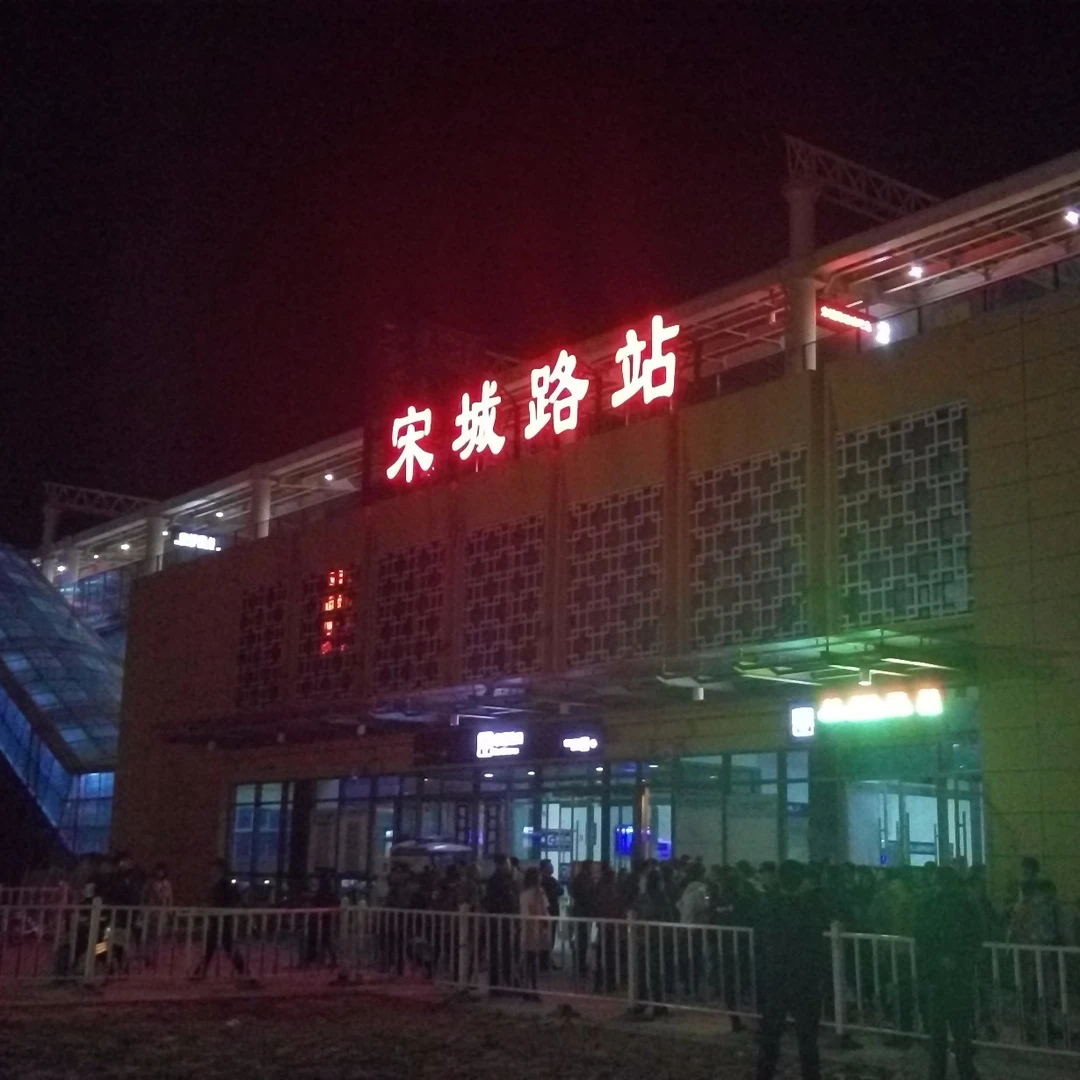
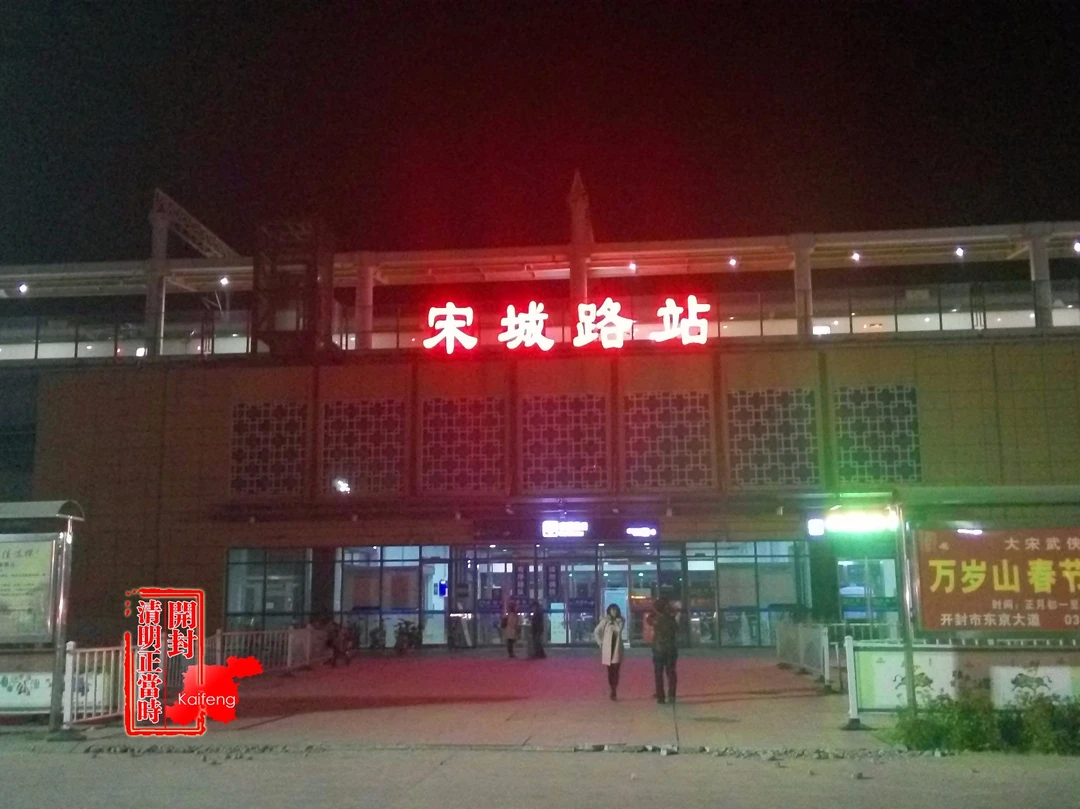
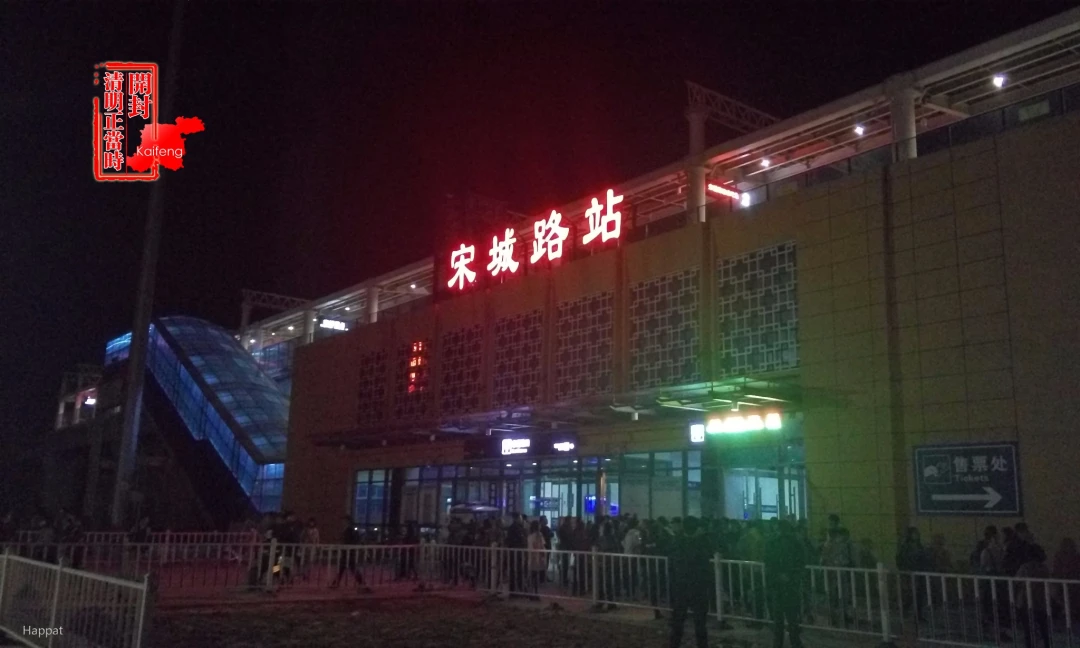
Songcheng Road Station was then the final stop of the intercity railway deep into Kaifeng's urban area, located southwest of the old city. It was already dark when I stepped off the train. My friend Yanling was waiting for me at the exit. She led me through a few streets, where the streetlights cast a dim glow, the shadows of plane trees swayed, and the air carried a faint scent of peanuts—this was Kaifeng's first impression on me: simple, warm, like a freshly cooked bowl of porridge.
That night, we talked until late. She told me that the people of Kaifeng never envy Zhengzhou's prosperity, because their roots are buried deep in the Eastern Capital (Dongjing) of a thousand years ago.
[Link: Henan travel itinerary 3 days]
Day Two: Kaifeng on the Tip of the Tongue – A First Encounter with the Ancient City

Morning: A Bowl of Porridge, a Taste of Nostalgia
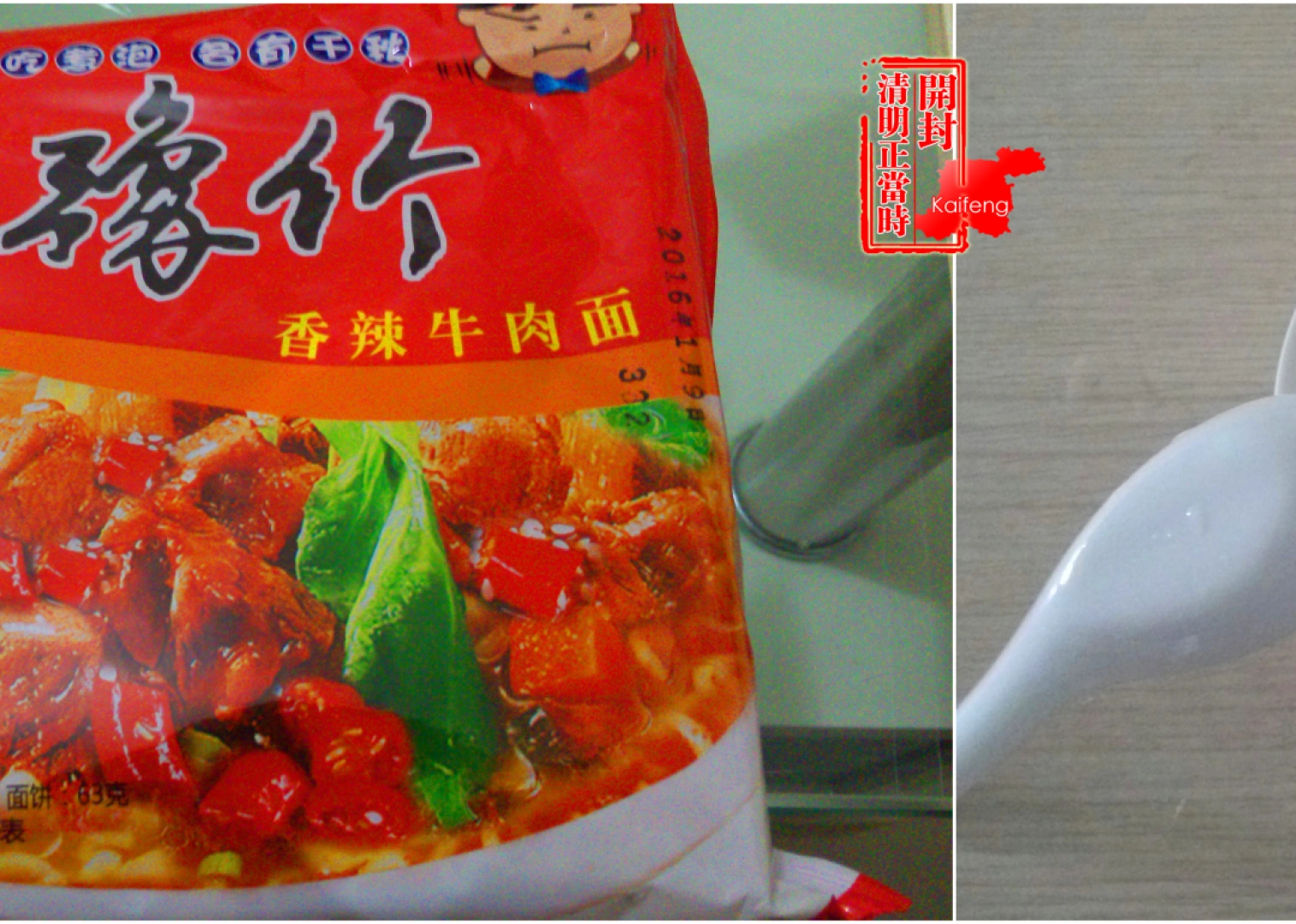
Waking up in the morning, the breakfast table was set with "Dayuzhu" instant noodles—a staple in Henan people's memories—along with a sweet porridge made from flour and rock sugar, with chunks of sweet potato added. My friend said this was the taste she had grown up with. I took a sip; it was sweet but not cloying, a warmth that spread from my stomach to my heart.
Huang's Dumplings (Huangjia Baozi): The Hustle and Bustle of an Old Brand
In Kaifeng, if you ask a local which restaurant serves the best soup dumplings (guan tang bao), nine out of ten will give you the same answer: Huang's Dumplings.
The original Huang's Dumplings restaurant on Daliang Road was just a short walk from my friend's home. When we arrived at noon, the place was already buzzing with noise and activity. Steam from the dumplings rose between the tables, mingling with the chatter of diners, creating a vivid picture of everyday city life.
While waiting for a table, I noticed a display of peanut products from "Xingshengde"—peanut cakes, five-spice peanuts, and spicy peanuts. I later learned that these are another emblem of Kaifeng. The peanut cakes are crispy and sweet, somewhat like Tangshan's peanut brittle but with a finer texture; the canned peanuts are perfect companions for a drink.
Finally, we were seated. When the first basket of soup dumplings arrived, they were piping hot, the translucent skins barely containing the shimmering broth inside. Gently lifting one, I bit a small hole, and the savory soup burst out instantly. The meat filling was firm and springy, neither greasy nor dry. My friend explained that the founder of Huang's Dumplings, Huang Sizhong, was the nephew of Huang Jishan, who founded "Di Yi Lou" (The First Tower), and had learned the craft from a young age, mastering the true techniques. A century later, this skill is still being passed down.
Besides the soup dumplings, we also ordered braised carp with noodles in sweet and sour sauce (liyu bei mian), barrel chicken (tongzi ji), stir-fried cold noodles (chao liang fen), and sweet potato mash with raisins (pu ren hong shu ni). The carp was tangy and sweet, the noodles as fine as hair; the barrel chicken had crispy skin and tender meat, growing more flavorful with each chew; the stir-fried cold noodles were silky and savory, infused with the aroma of garlic and chili. And the sweet potato mash with raisins was sweet without being heavy, melting on the tongue—a perfect ending to the meal.
[Link: Best street food in Kaifeng]
Daliang Gate and Baogong Lake: Contemplation by the Ancient City Wall
After a hearty meal, we headed east, passing through Daliang Gate—the west gate of Kaifeng's ancient city. Originally built in the second year of the Jianzhong era of the Tang Dynasty (781 AD), this gate had endured wars and floods, and the current structure was rebuilt in 1998. Standing beneath the gate tower, looking up at the gray bricks and tiles, it felt as though I could hear the hoofbeats of horses from a thousand years ago.
We strolled along Baogong Lake (Lord Bao's Lake), where the water shimmered in the breeze and weeping willows lined the shore. The Lord Bao Memorial Temple was nearby, but it was too crowded, so we chose to take a detour. Passing by the old Kaifeng Museum, I decided to go in—after all, the best way to understand a city is to step into its museum.
Kaifeng Museum: The Secret of "City Upon City"
Entry was free with a ticket. The second-floor southern exhibition hall, "Historical Exhibition of the Song Dynasty," was the museum's highlight. Display boards with text and images, along with precious artifacts, narrated the politics, economy, science, technology, and culture of the Song Dynasty.
What struck me most was the "city upon city" (cheng luo cheng) exhibit. Archaeologists had discovered six overlapping cities buried 3 to 12 meters beneath Kaifeng—from the Wei Dynasty's Daliang City to the Qing Dynasty's Kaifeng City, stacked layer upon layer. Except for Daliang City, which was slightly to the northwest, the central axes of the other cities had remained almost unchanged. This meant that the people of Kaifeng had been rebuilding their homes on the same land for millennia.
This reminded me of Pompeii, Angkor Wat, and the ancient city of Loulan—cities that were either destroyed by natural disasters or war. Only Kaifeng was repeatedly buried by the Yellow River's silt, only to rise again from the ruins. This tenacious vitality is perhaps what makes Kaifeng so moving.
[Link: Kaifeng Museum opening hours]
Kaifeng Prefecture (Kaifeng Fu): A Thousand-Year-Old Government Office
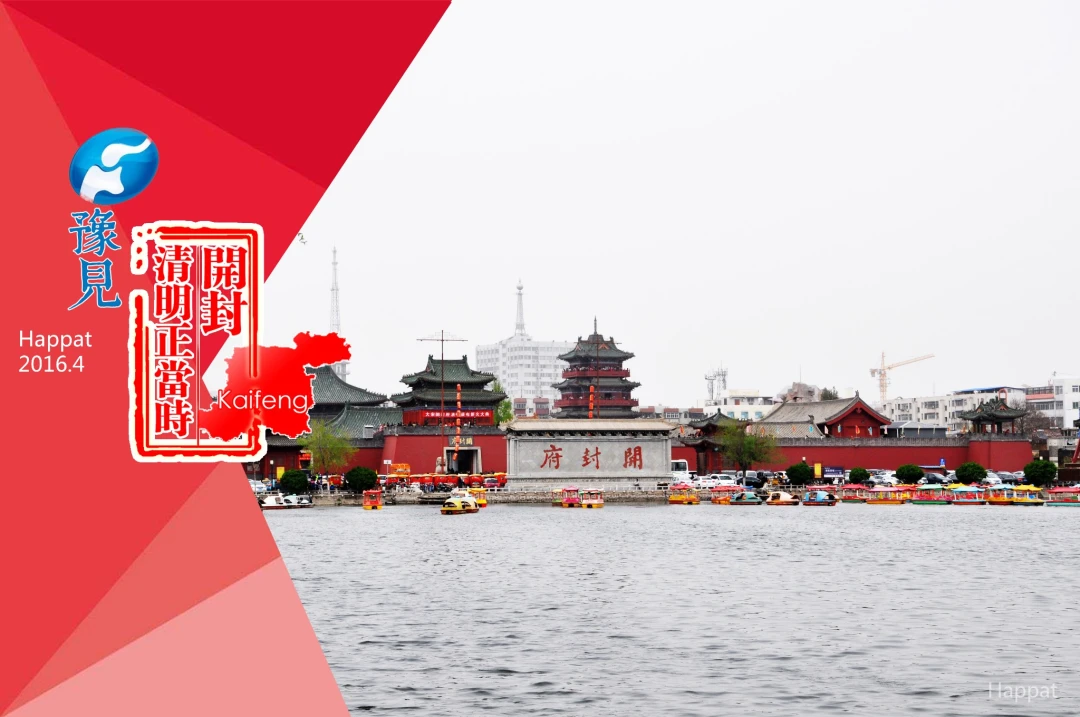
Leaving the museum, we crossed Baogong Lake and arrived at Kaifeng Prefecture. This administrative and judicial office of the Northern Song capital was known as the "Premier Prefecture Under Heaven." Historical records show that the Northern Song had 183 prefects in total, the most famous of whom was Lord Bao (Bao Zheng).
The reconstructed Kaifeng Prefecture was built according to the "Yingzao Fashi" (Building Standards), with a neat and dignified layout. The main gate, ceremonial gate, main hall, council hall, and Plum Blossom Hall were arranged along the central axis, flanked by buildings such as the Tianqing Temple, Mingli Courtyard, Qianlong Palace, and Qingxin Tower. Walking through it, I could almost hear the sound of Lord Bao's gavel striking the bench.
[Link: Lord Bao history and legend]
Drum Tower and Bookstore Street: Nighttime Hustle and Bustle
As night fell, we arrived at the Drum Tower. The underground shopping street beneath it was brightly lit, but the real excitement was on Bookstore Street's night market. By day, it's a tourist attraction; by night, it transforms into a paradise for local food lovers.
The air was thick with the aromas of various snacks: fermented noodle soup (jiang mian tiao), almond tea (xing ren cha), grilled skewers, and sweet pastries. The energy was electric—families, couples, and solo travelers all mingled under the glow of red lanterns. This is Kaifeng's heartbeat: ancient yet alive, chaotic yet comforting.
FAQ: Visiting Kaifeng During Qingming Festival
1. How do I get from Zhengzhou to Kaifeng?
 Take the Zhengzhou-Kaifeng intercity train (C-series) from Zhengzhou East Station. The journey takes approximately 30 minutes. Alternatively, you can take a bus or drive (about 1 hour).
2. What is the best time to visit Kaifeng?
Spring (March–May) and autumn (September–November) offer the most pleasant weather. Qingming Festival (early April) is especially recommended for its cultural significance and mild temperatures.
3. What are the must-try foods in Kaifeng?
 - Huang's Soup Dumplings (Huangjia Baozi) - Braised carp with noodles in sweet and sour sauce - Barrel chicken (tongzi ji) - Stir-fried cold noodles (chao liang fen) - Sweet potato mash with raisins - Peanut products from Xingshengde
4. Is Kaifeng suitable for a day trip from Zhengzhou?
Yes, a day trip from Zhengzhou is feasible. However, to fully experience Kaifeng's night markets, museums, and historical sites, a 2-day itinerary is recommended.
5. What historical sites should I not miss?
- Kaifeng Museum (especially the "city upon city" exhibit)
- Kaifeng Prefecture (Kaifeng Fu)
- Daliang Gate and Baogong Lake
- Drum Tower and Bookstore Street night market
Conclusion: Your Song Dynasty Invitation Awaits
Kaifeng is not a city you visit—it's a city you feel. From the steam rising over Huang's Dumplings to the silent layers of history beneath your feet, every moment here connects you to a thousand-year-old story.
Qingming Festival is the perfect time to accept this invitation. The spring light, the willow catkins, the savory broth of a soup dumpling—they all whisper the same message: Come, walk where the Song Dynasty walked. Taste what they tasted. And let Kaifeng's resilience inspire your own journey.
Plan your Kaifeng trip today. Book your Zhengzhou to Kaifeng high-speed train, reserve a table at Huang's Dumplings, and prepare to be enchanted by a city that refuses to be forgotten.
[Link: Book Henan tour packages] [Link: Kaifeng accommodation recommendations]
Have you visited Kaifeng during Qingming Festival? Share your experience in the comments below!