Don't Call Me This Weekend – I Was in Chiang Mai Learning to Cook, Shooting Wedding Photos, and Exploring Dozens of Amazing Little Shops
Meta Description: Escape the ordinary with this 48-hour Chiang Mai itinerary: Thai cooking classes, secret bread markets, wedding photo shoots at a sheep farm, and dozens of hidden shops. Perfect for a weekend getaway from Chengdu.
Have you ever had one of those weekends – slumped on the couch, scrolling through your phone, feeling like time is crawling by in the most boring way possible? While you were sprawled out doing nothing, I flew to Chiang Mai and packed 48 hours with more excitement than most people get in a week.
I'm not trying to show off. I just couldn't take it anymore. The concrete jungle of the city was suffocating, so my husband (whom I call "Beef" – a long story) and I made a snap decision: let's go somewhere else to breathe. We got lucky with an airline promotion – direct flights from Chengdu to Chiang Mai for just over a thousand yuan, cheaper than flying to many domestic destinations. So with one backpack, one camera, and a restless heart, off we went.
Why Chiang Mai? Simple: short flight time, perfect for a weekend; Thai cooking classes everywhere; trendy shops packed so tight you'll have trouble choosing; and even a sheep farm where you can shoot wedding photos. In a word, this place is made for an escape.
[Link: Best weekend getaways from Chengdu]
First Impressions of Chiang Mai: A Gentle Welcome in the Rain
Sichuan Airlines' little plane touched down smoothly at Chiang Mai Airport, just a ten-minute drive from the old city. As we stepped out of the terminal, Chiang Mai greeted us with a light drizzle. It wasn't heavy rain – just enough to accentuate the lazy, laid-back vibe of this small city.
We took a taxi to our hotel, dropped off our luggage, and hopped onto a red songthaew (shared pickup truck) – the most iconic form of transport on Chiang Mai's streets – to meet our photographer for dinner. We ate at a barbecue place run by Chinese expats, and the food was surprisingly good. Thai milk tea was perfectly sweet, and we chatted about our shooting plans for the day after next while munching on skewers. The atmosphere felt like a casual get-together with old friends.
After the main meal, we still had room, so we headed straight to a night market that's open every day. Unlike the tourist-packed markets in Bangkok, this one wasn't crowded. The lighting was warm, and there was a stage with a singer strumming a guitar and singing their heart out, even though barely anyone was watching. That "I'll do my thing, you do yours" attitude – that's so Chiang Mai.

Walking back to the hotel, June in Chiang Mai brought a pre-rainy-season coolness – not hot, not humid. Streetlights cast a soft glow on the road, and the whole city felt like it was asleep. We soaked in the stillness, looking forward to the next day.
[Link: Chiang Mai night markets guide]
Morning Exercise: Waking Up with Sweat
We'd eaten so much the night before that we decided to get up early and go for a run. Not abandoning our fitness routine while traveling – that's our little obsession. We changed into workout gear and jogged along the small streets near our hotel. Chiang Mai's streets are surprisingly clean, lined with trees on both sides, and running there lifted our spirits.
Our hotel was close to Nimman Road – that famous "trendy street" area. We jogged over and stumbled upon a graffiti wall. Beef struck a classic gym pose, I snapped a photo, and our workout check-in was complete.
After the run, Beef wasn't satisfied, so he jumped into the hotel pool for a few laps. We'd chosen this hotel carefully – black-and-white color scheme, minimalist and stylish, perfectly located between Nimman Road and the old city, away from the crowds. The interior used lots of greenery to divide spaces, making it feel both private and open. It was a pleasure to stay in.
[Link: Best hotels in Nimman area Chiang Mai]
Nana Jungle Bread Market: The Right Way to Start a Saturday
After a shower, we called a Grab (ride-hailing app) and headed straight to the Nana Jungle market at the foot of Doi Suthep mountain. Chiang Mai has so many markets you'll never visit them all, but this bread market is a true "Saturday-only" gem.
It started as a French bakery run by a couple who settled in Chiang Mai. The bread was so good that word spread, and eventually, locals started setting up stalls around it. Now it's a full-fledged market selling bread, handmade crafts, jam, pour-over coffee, fruits, and vegetables. It's only open on Saturday mornings, starting at 8 a.m., but to avoid crowds, they use a numbered entry system. Many people start lining up at 6 a.m., and the queue can stretch over a kilometer at its longest.
When we arrived, the smell of fresh bread was already drifting through the tree-lined paths. A small patch of forest hiding so many delicious things – it's exactly the Chiang Mai way. The locals love peace and quiet, so they turn their gaze to the hills surrounding the city.
The most eye-catching stall was a "bicycle juice stand." The owner is an environmentalist who wanted to promote low-carbon living, so he mounted a juicer on a bicycle – you pedal, and juice comes out. Beef chose mango, lime, and passion fruit, added some milk and honey, hopped on the bike, and pedaled a few times. A fresh juice was ready. The interactive experience was way more fun than a machine-made one.
Of course, a bread market wouldn't be complete without bread. We bought a classic chocolate croissant – flaky, layered, and perfect – paired it with a cup of coffee, and sat by a pond covered in duckweed to eat breakfast. At that moment, I thought: this is exactly how a Saturday should start.
[Link: Chiang Mai weekend markets not to miss]
Learning to Cook Thai Food: From Market to Table
We didn't eat too much at the bread market because we had a Thai cooking class coming up. We'd booked the top-rated one on TripAdvisor – Thai Akha Kitchen – a full-day course that guarantees you'll learn, cook, and eat well.
At 9 a.m. sharp, a red songthaew pulled up in front of us. Already on board were classmates from Hong Kong, India, Germany, and the United States. The driver took us all to a market near Chiang Mai Gate, where we met our teacher – a young woman from the Akha tribe in Thailand, named Niti. She didn't speak Chinese, but her English was fluent, so Beef naturally became the translator.
Quick background on the Akha people: They originally came from the mountainous areas of Yunnan Province in China and are a branch of the Hani ethnic group. In the 1930s, some Akha crossed the border from Myanmar into northern Thailand, settling in the highlands. That's why their cuisine has a lot of Yunnan influences.
Niti took us to Bumrung Buri Market, which is only open in the mornings and is a great place to see local life. She walked us through, explaining everything and letting us taste various ingredients. The most memorable was a reddish meat paste – it looked like chili sauce, but when I tasted it, I realized it was raw water buffalo salad, meant to be eaten with sticky rice. The flavor? Unique. Intense.

We got to know Thai tamarind, green onions, lemongrass, galangal (Thai ginger), kaffir lime leaves – all essential for tom yum soup and curry. After the market tour, we hopped back on the songthaew and headed to the kitchen to start cooking.
Everyone had their own stove, and ingredients were prepped in advance. Niti taught us to make seven Thai dishes and three Akha-style sides. Luckily, we cook at home often, so chopping and stir-frying came naturally. Even Niti noticed and gave us a thumbs-up.
We started with green papaya salad and fried spring rolls. The papaya salad, with fish sauce and lime juice, was so refreshing I couldn't stop eating. The main course was curry – Beef chose a three-star spicy red curry, and I picked a green curry with a mild kick. Making the curry paste was the real skill: grinding chilies, galangal, garlic, lemongrass, and green onions in a stone mortar, with the most important ingredient being Thai shrimp paste. It smells a bit funky, but it's the soul of the curry. The whole kitchen echoed with the pounding of stone pestles – like an impromptu percussion concert.
Beef's tom yum soup earned high praise from the group. The balance of sour, spicy, and savory was perfect. By the end of the class, we were stuffed, proud, and carrying a stack of recipes to recreate at home.
[Link: Best Thai cooking classes in Chiang Mai]
Wedding Photo Shoot at a Sheep Farm: Yes, That's a Thing
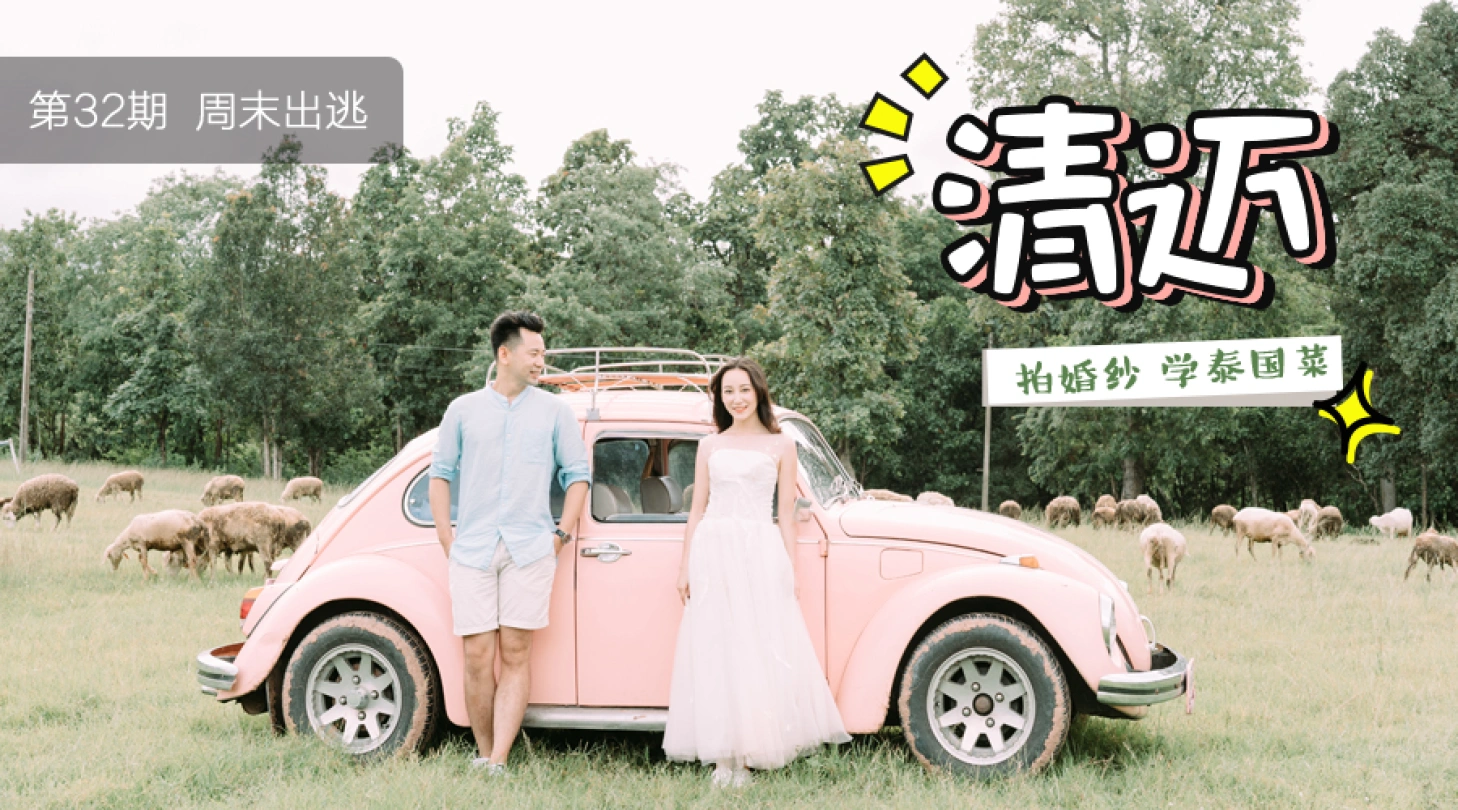
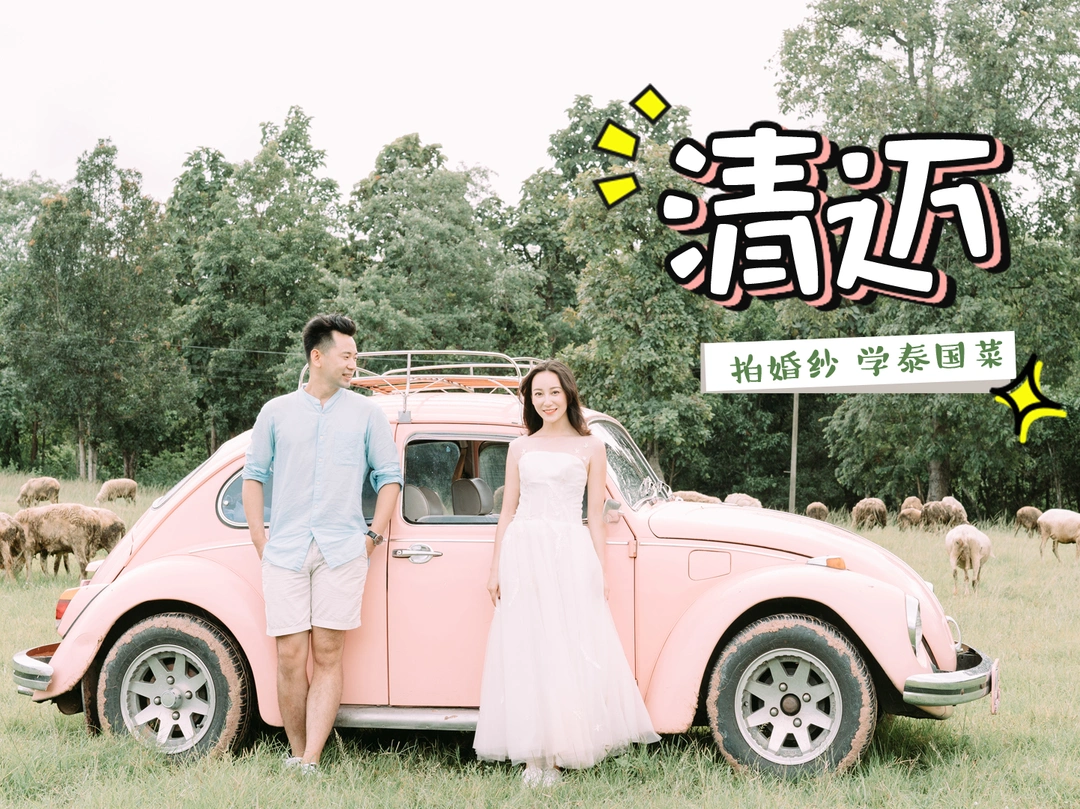
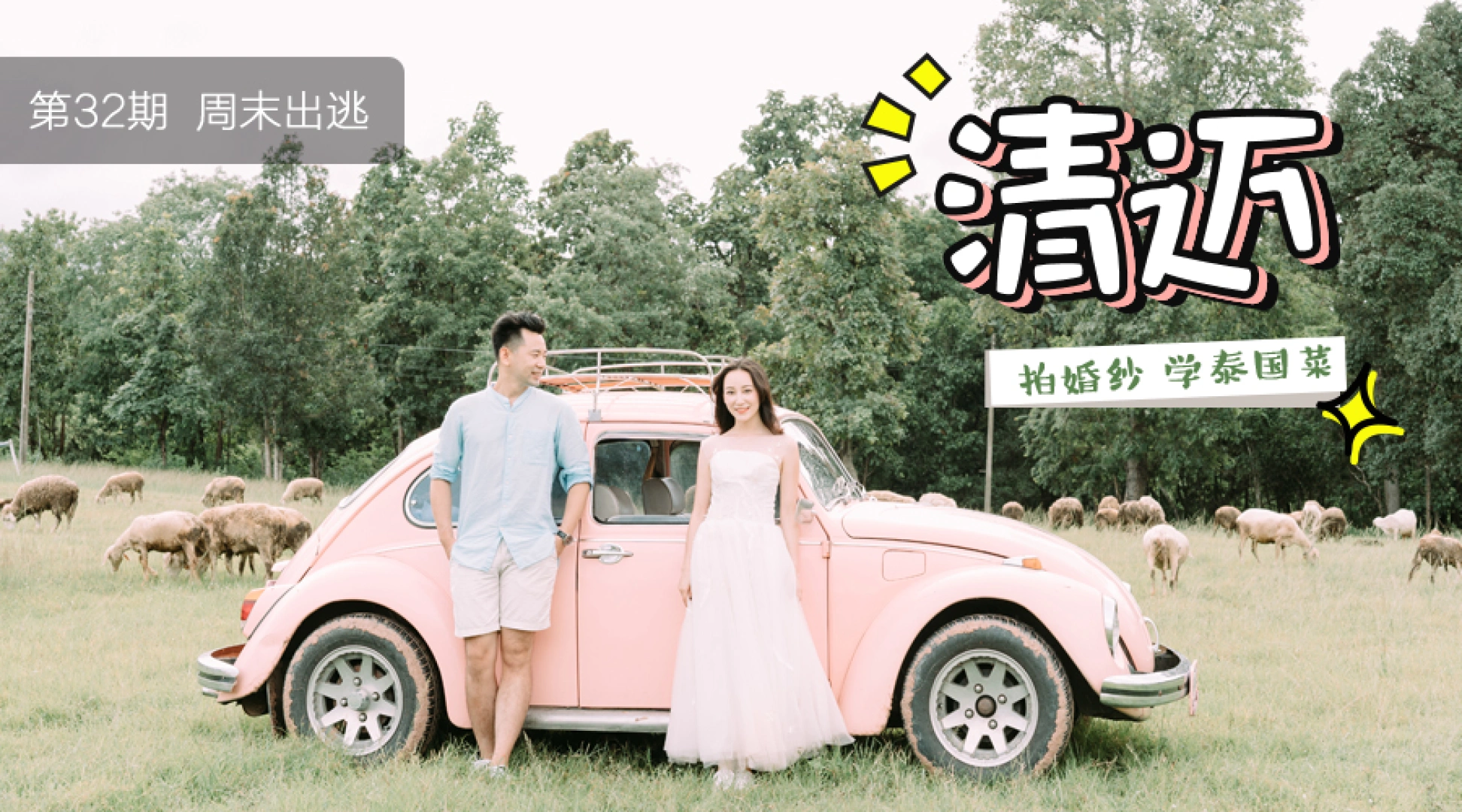
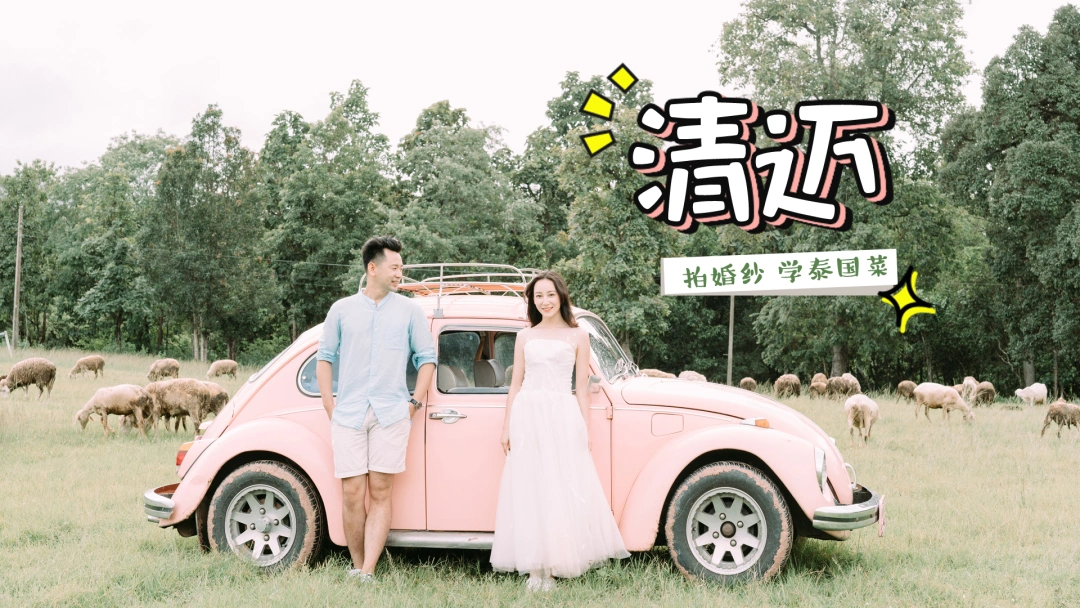
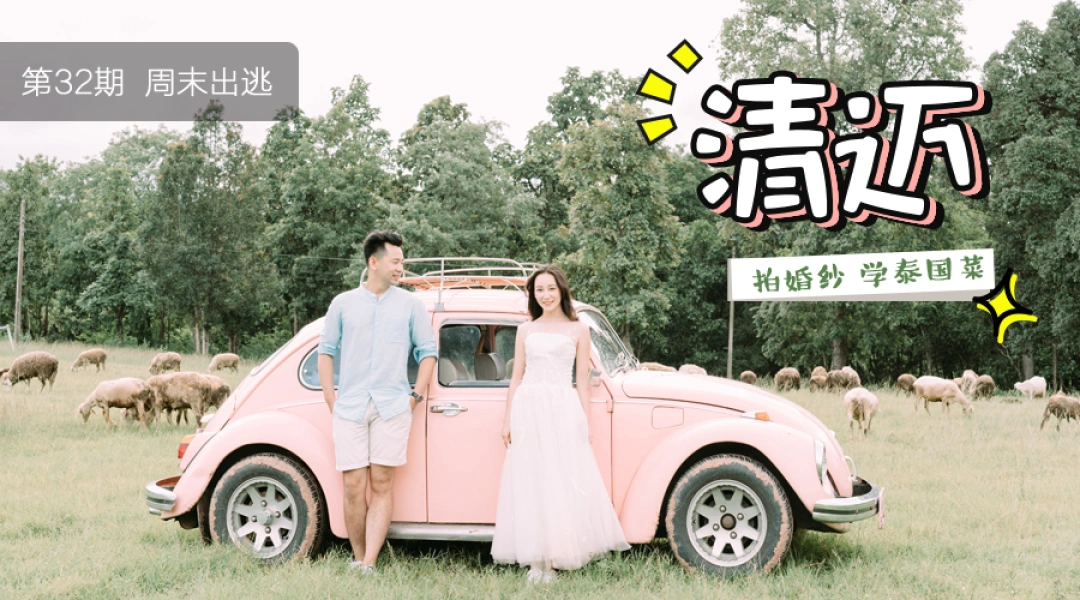
You might think a sheep farm sounds odd for wedding photos, but in Chiang Mai, it's a beloved spot. We'd arranged a photographer through a local studio – affordable, professional, and with a great eye for natural light. The farm was about 30 minutes from the city, nestled in a valley with rolling green hills.

The sheep were fluffy, friendly, and completely unbothered by the camera. We changed into simple outfits – white dress, linen shirt – and spent an hour wandering the fields, laughing, and posing. The photographer captured candid moments: feeding sheep, walking hand in hand, sitting under a tree. No stiff poses, no fake smiles. Just us, enjoying the moment.
The result? Photos that look like they belong in a travel magazine. And the whole session cost less than a fancy dinner back home.
[Link: Unique wedding photo locations in Chiang Mai]
Exploring Dozens of Amazing Little Shops
No trip to Chiang Mai is complete without getting lost in its labyrinth of boutiques and artisan shops. Nimman Road is the obvious starting point, but we ventured deeper into the soi (alleys) to find hidden gems.
We discovered a ceramic studio where you can paint your own mug, a vintage clothing store with 1970s Thai silk jackets, and a tiny bookshop-cum-café that smelled of old paper and fresh espresso. Each shop had its own personality – no chain stores, no mass-produced souvenirs. Just handmade, thoughtful goods.
One standout was a shop called Playworks – a design studio selling quirky stationery, bags, and home decor with a playful Thai twist. I bought a tote bag with a cartoon elephant riding a scooter. Beef picked up a notebook with a hand-drawn map of Chiang Mai's best street food stalls.
By the end of the afternoon, our bags were full, but our hearts were fuller. This is the Chiang Mai experience: slow, creative, and deeply satisfying.
[Link: Chiang Mai shopping guide – Nimman Road and beyond]
FAQ: Chiang Mai Weekend Getaway
Q: Is a weekend enough time for Chiang Mai?
A: Absolutely. With direct flights from Chengdu (just over 1,000 yuan round trip), you can pack in a cooking class, market visits, a photo shoot, and boutique shopping in 48 hours. It's the perfect short escape.
Q: What's the best time of year for a Chiang Mai weekend trip?
A: November to February offers cool, dry weather. June (when we went) is pre-rainy season – warm but not humid, with occasional light showers that add to the charm.
Q: Do I need to book cooking classes in advance?
A: Yes, especially for popular ones like Thai Akha Kitchen. Book at least a week ahead on TripAdvisor or Klook to secure your spot.
Q: Can I really shoot wedding photos at a sheep farm?
A: Yes! Several farms near Chiang Mai offer photo packages. Expect to pay around 3,000–5,000 baht for a professional photographer and location access.
Q: What should I pack for a Chiang Mai weekend?
A: Light clothing, comfortable walking shoes, a rain jacket (if traveling in rainy season), and an empty stomach for all the food you'll eat.
Ready for Your Own Chiang Mai Weekend Escape?
Don't let another weekend slip away on the couch. Whether you're craving authentic Thai cooking, Instagram-worthy wedding photos, or just a breath of fresh air in a city that knows how to slow down – Chiang Mai is waiting.

Book your flight, pack your bag, and get ready to say, "Don't call me this weekend."
[Link: Cheap flights to Chiang Mai from China] [Link: Chiang Mai travel insurance options]
Have you been to Chiang Mai? Share your favorite hidden shop or market in the comments below!
You may also like