Deep in the Plane Trees: A Seven-Day Autumn Journey Through Shanghai's Timeless Soul
Meta Description: Discover Shanghai's timeless soul on a 7-day autumn trip. From Bund night views to plane tree-lined streets, explore local eats, museums, and hidden gems in this ultimate Shanghai travel guide.
Introduction: Why Shanghai in Autumn Captures the Heart
In late autumn, while Guangdong's leaves remain stubbornly green, Shanghai transforms into a canvas of golden plane trees, crisp air, and layered melancholic beauty. With annual leave untouched, I decided to take my parents on a long-awaited autumn trip to Shanghai—a city where century-old buildings and time-honored eateries tell stories of resilience and charm. Over seven days, we wandered through streets shaded by plane trees, past shikumen lane houses and bustling markets, measuring the city's warmth and depth with every step.
If you too want to experience the charm of "deep in the plane trees" in Shanghai, this personal guide offers inspiration for an unforgettable autumn journey.
Day One: Arrival in the Magic City – The Bund at Night

Arrival and Check-In: From Hongqiao to East Nanjing Road
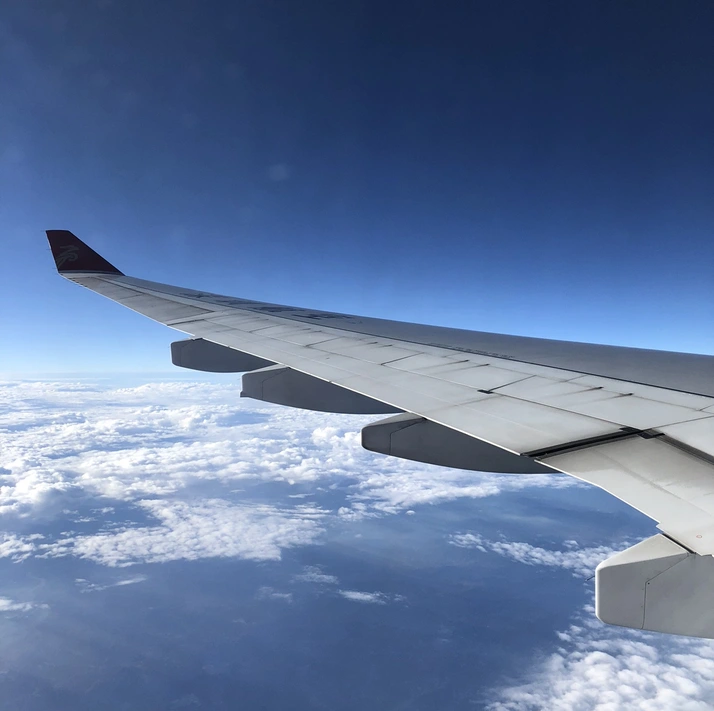
Flying from Shenzhen on a Shenzhen Airlines A330, the three-hour journey was smooth and pleasant. We arrived at Hongqiao Airport just after 5 PM, took Metro Line 2 straight to East Nanjing Road Station in half an hour, and checked into our homestay tucked away in this bustling area.
Travel Tip: Hongqiao Airport connects directly to Metro Line 2 and Line 10, making East Nanjing Road easily accessible within 30 minutes.
Dinner: Authentic Local Flavors at Cuiting Restaurant
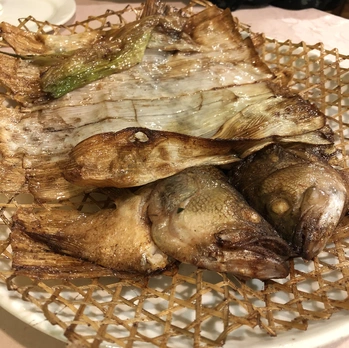
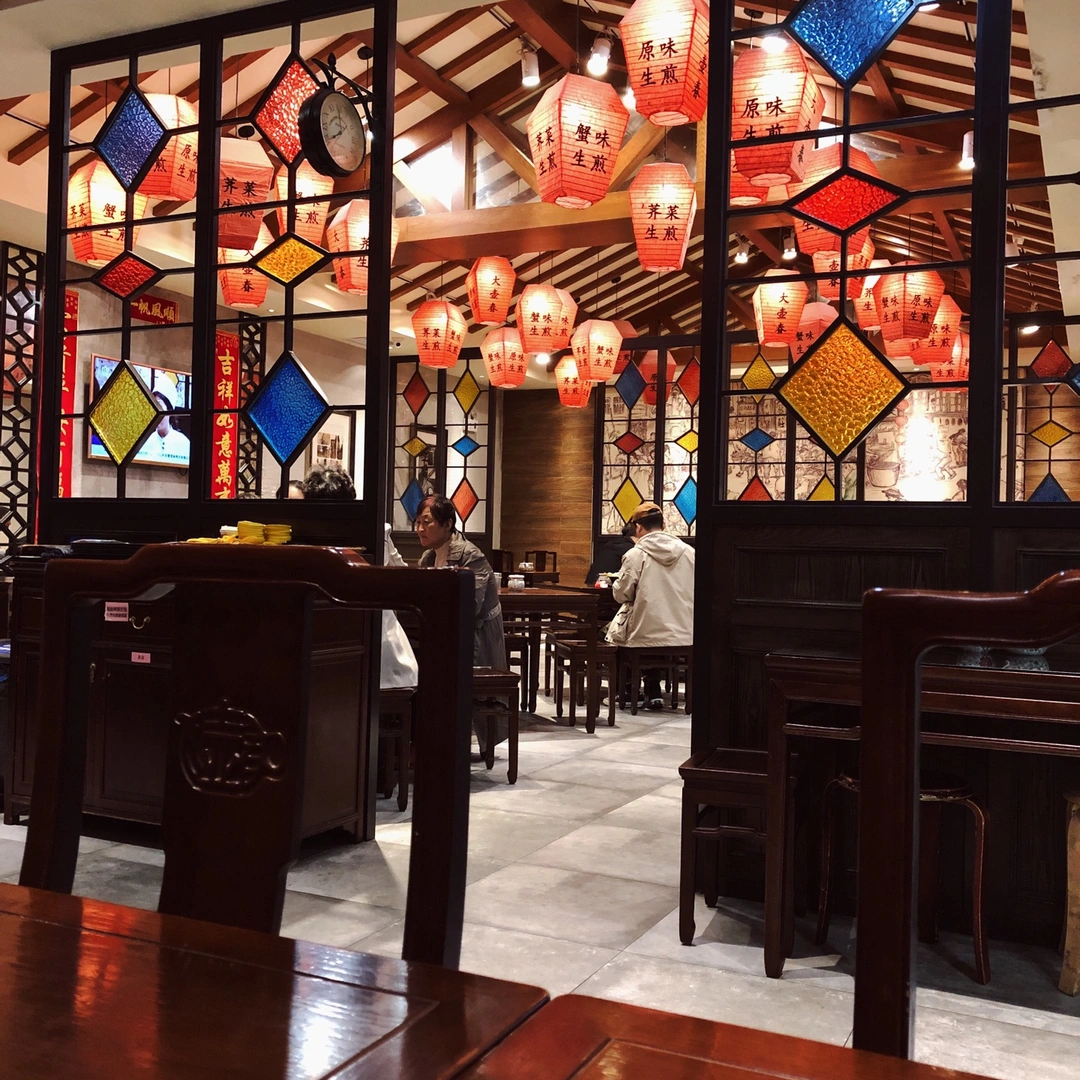
For our first Shanghai dinner, we chose Cuiting Restaurant on South Shanxi Road. The staff handed out number tickets and told us the wait time—they'd call when our turn came, so we wandered the nearby mall without worrying about missing our slot. After about 45 minutes, we were seated.
Recommended Dish: Bamboo-Net Sea Bass (竹网鲈鱼)
The fish was covered in a layer of scallions. Lift them off, and there it was—tender, silky sea bass with rich scallion aroma and very few bones. Even I, who don't usually care for fish, was completely won over.
The Bund: International Architecture in Night Lights
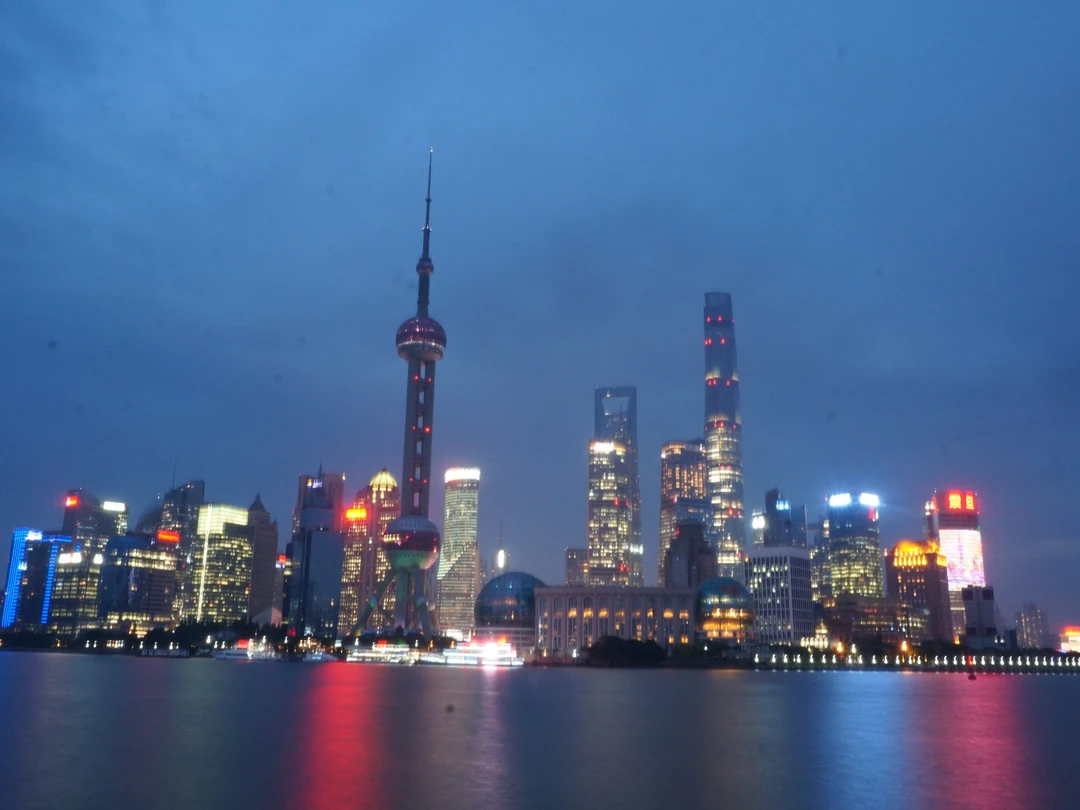
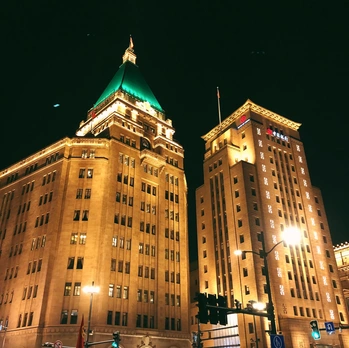
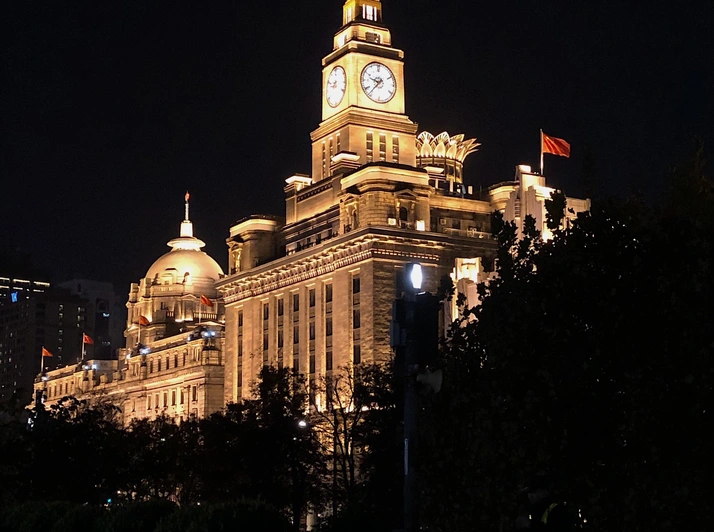
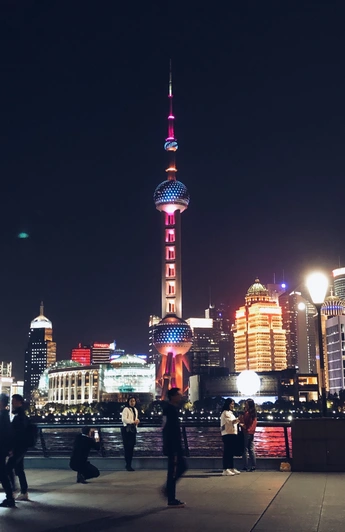
After dinner, we walked east along East Nanjing Road Pedestrian Street. At its end lay the Bund. The Peace Hotel, the Bank of China Building, the Customs House—these century-old buildings glowed under the lights, while the Oriental Pearl Tower across the river sparkled brilliantly. The autumn night was cool, the river breeze brushed our faces, and our family stood by the Huangpu River, feeling the city's past and present converge.
Photo Tip: The best Bund photos come at twilight—golden hour meets blue hour, creating dramatic contrasts between historic architecture and modern skyscrapers.
[Link: Best time to visit the Bund for sunset photography]
Day Two: Civilizations in the Museum and Shanghai on the Tongue
Breakfast: Da Hu Chun's Pan-Fried Buns
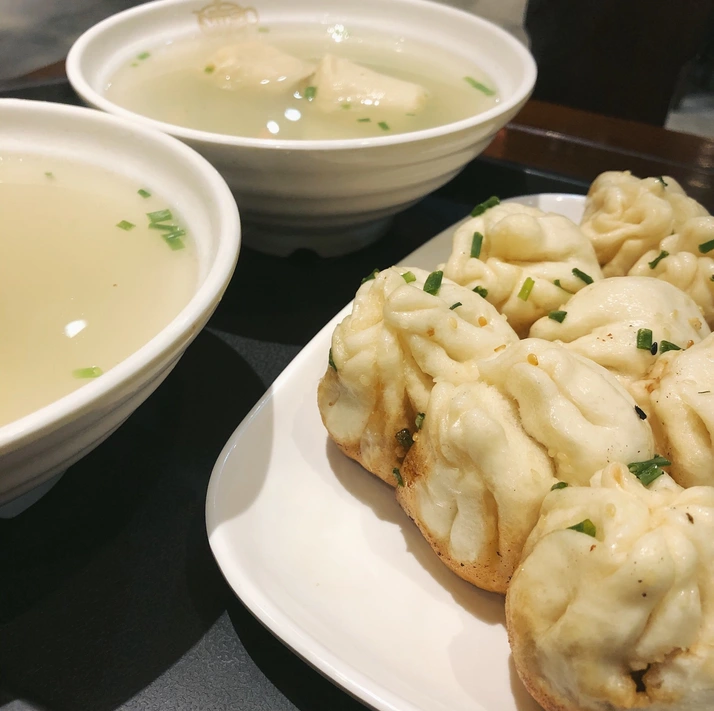
The aroma of shengjian (pan-fried pork buns) woke us up. Da Hu Chun serves the real Shanghai taste—"clear-water pan-fried buns" with firm filling, savory broth, moderate-thickness skin, and crispy golden bottoms. One order with a bowl of vermicelli soup, and you're perfectly satisfied.
Shanghai Museum: Half a Day Crossing Five Thousand Years
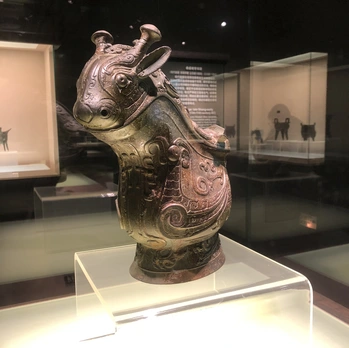
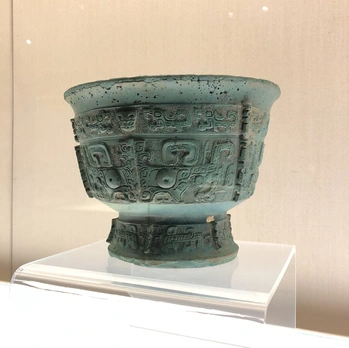
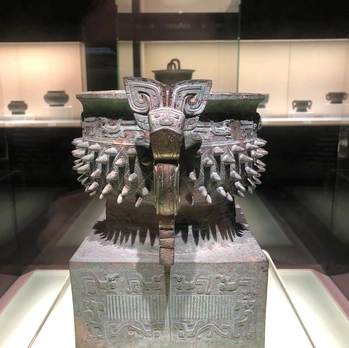
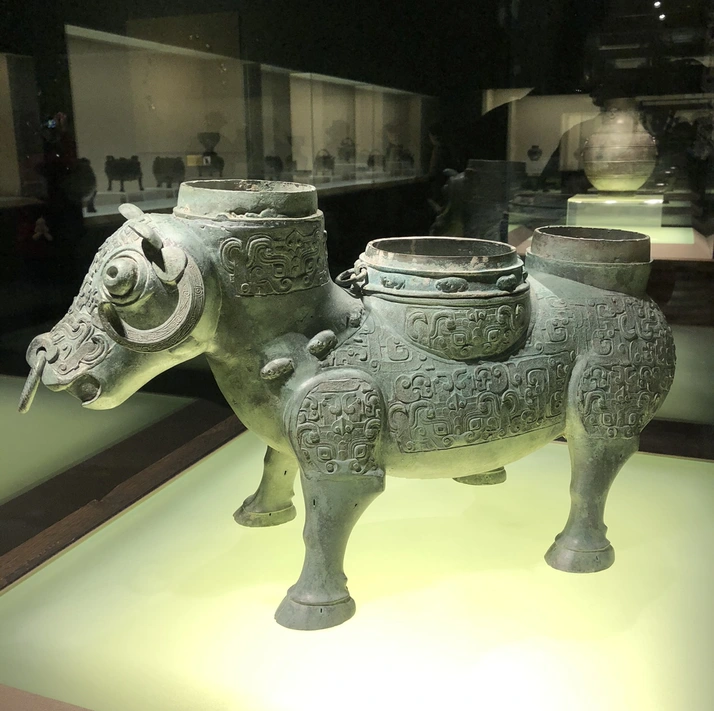
At 9 AM, we arrived at the Shanghai Museum, one of China's top four. Bronze ware, ceramics, paintings, calligraphy, jade, coins—each exhibit tells the story of Chinese civilization's brilliance. It takes half a day to go through the whole museum, so arrive early to avoid queues.
Must-See Exhibition: "The Birth of Art: From the Sun King to Napoleon" features treasures from the École des Beaux-Arts in Paris—a rare opportunity to see European masterpieces in Shanghai.
Lunch: Scallion Oil Noodles at Yu Xing Ji
By 2 PM, we were starving and headed straight for Yu Xing Ji Noodle House. A bowl of scallion oil noodles with savory shrimp, tossed in Suzhou-style red broth—even I, who usually avoids scallions, polished off every last bite.
People's Park and Trendy Desserts
After lunch, we passed through People's Park, which felt a bit quiet; the once-famous "matchmaking corner" seems to have vanished. At the International Hotel's pastry shop on the north side, the butterfly-shaped puff pastries (蝴蝶酥) are a must-buy souvenir. This 80-year-old Shanghai institution is worth queuing 20–30 minutes for.
M&M's and Shen Da Cheng: Joy on Nanjing Road
At Shimao Plaza, the M&M's Chocolate World has an entire wall of colorful chocolate beans. At 59 yuan per jin (about $4 per pound), it's pricey but happiness is priceless. Shen Da Cheng's egg yolk and pork floss green rice balls (蛋黄肉松青团) are a glutinous rice lover's dream—best eaten fresh, especially just out of the steamer.
Souvenir Tip: Stop by Shanghai No. 1 Food Store for abundant, reasonably priced local specialties.
[Link: Top 10 Shanghai souvenirs to bring home]
Day Three: World Expo Legacy and Chinese Red
Breakfast: Sanlintang Wontons – The Realm of Thick-Skinned Goodness
This three-decade-old hole-in-the-wall is the undisputed king of wontons. The thick-skinned shepherd's purse wontons have a chewy bite, and the soup is tinged red—the authentic Sanlintang "meat dew" soy sauce broth. The aunties working there are warm and friendly, not aloof like some old establishments. That bowl of wontons stayed with me long after I got home.
China Art Museum: A Millennium-Long Scroll Through Time
Take Metro Line 8 to the station, walk five or six minutes, and you'll see the striking Chinese-red dougong structure of the China Art Museum, once the China Pavilion at the Shanghai World Expo. The venue is free (closed on Mondays), but the museum's crown jewel—the "Multimedia Version of Along the River During the Qingming Festival"—requires a separate 20-yuan ticket.
Don't Miss: This 200-meter-long scroll shifts between day and night with synchronized sound and light effects, from desolate outskirts to bustling cityscapes. I walked it several times, discovering something new each time.
A Wu Guanzhong exhibition was also on display, his works brimming with inner spirit and patriotic sentiment. Coinciding with the 70th anniversary of the founding of the People's Republic, a realistic art exhibition on the ground floor was deeply moving.
Afternoon Tea and Dinner: Seesaw and Dexing Restaurant
After exploring, we stopped at Seesaw Coffee in the Expo area for a flat white. Rich and smooth, the setting was quiet and perfect for a rest. For dinner, we chose the century-old Dexing Restaurant on Changli Road, just renovated—clean and spacious. Their Dexing soup dumplings are in the Wuxi style, with sweet pork filling and plenty of broth. At around 50–60 yuan per person, we left completely full.
Red Ruby Cake Shop and Lujiazui Night View
After dinner, we spotted a Red Ruby Cake Shop and bought a slice of creamy cheese butter cake. We took a bus to Lujiazui to see the "bottle opener" (Shanghai Tower), the "syringe" (Jin Mao Tower), and the "egg beater" (Shanghai World Financial Center) glittering in the night sky. Mission accomplished!
[Link: Lujiazui night photography spots]
Day Four: Old Times Deep in the Plane Trees
Site of the First CPC National Congress: A Spark in a Shikumen Lane House
Tucked among plane trees, this shikumen (stone-gate) townhouse features alternating blue and red bricks with intricately carved door lintels. In 1921, the First National Congress of the Communist Party of China was held here. The exhibition hall is unadorned, letting historical facts and artifacts tell the story.
Admission: Free. Arrive early to avoid tour groups. Nearby, the Shikumen Wulixiang Museum (20 yuan) offers a glimpse of old Shanghai living spaces.
S. Engine Coffee: An Afternoon in a European Villa
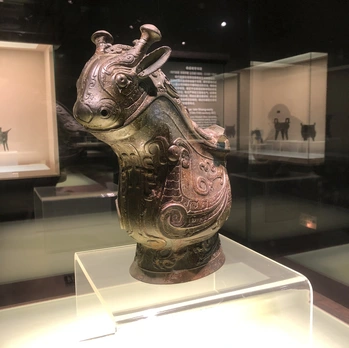
Near the congress site, S. Engine Coffee occupies a two-story European-style standalone villa. A spiral staircase, open spaces—perfect for zoning out with a book or laptop. The coffee is excellent, and the atmosphere transports you to another era.
Day Five: French Concession and Art Deco Architecture
Morning Stroll: Wukang Road and the Plane Tree Canopy
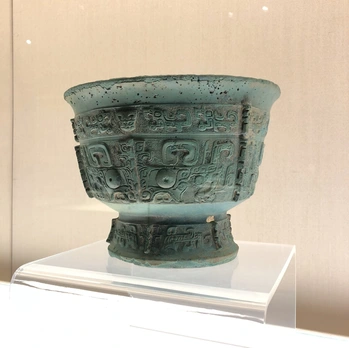
Wukang Road is perhaps Shanghai's most photographed street—lined with towering plane trees and Art Deco buildings. Start at the Wukang Mansion (Normandie Apartments), a ship-like building designed by Hungarian architect László Hudec. Walk south, stopping at boutique shops and cafes.
Hidden Gem: The Lao Shanghai Art Museum on Fuxing Road offers rotating exhibitions of local artists.
Lunch: Traditional Shanghainese at Guyi Restaurant
Guyi Restaurant on Wulumuqi Road serves classic Shanghainese dishes: sweet and sour spare ribs, steamed hairy crab, and braised pork belly. The portions are generous, and the prices reasonable for the quality.
Afternoon: Tianzifang and the French Concession
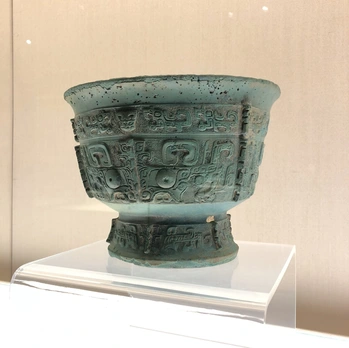
Tianzifang is a labyrinth of narrow alleyways filled with art studios, craft shops, and cafes. While touristy, it's worth a visit for its preserved shikumen architecture. For a quieter experience, explore the French Concession streets like Fuxing Road and Hengshan Road, where plane trees create a natural canopy.
[Link: French Concession walking tour guide]
Day Six: Zhujiajiao Water Town and Local Crafts
Day Trip: Zhujiajiao Water Town
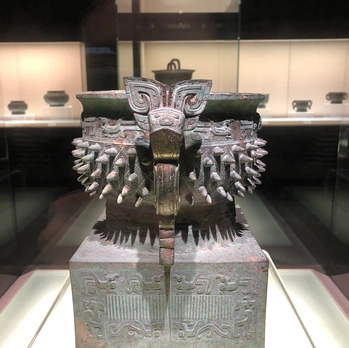
Take Metro Line 17 to Zhujiajiao Station, then a short bus ride to this ancient water town. With its stone bridges, canals, and Ming-Qing architecture, Zhujiajiao offers a glimpse of old Jiangnan life. Rent a boat for 150 yuan (30 minutes) and drift past traditional houses.
Lunch: Try stinky tofu and sweet osmanthus cake from street vendors. For a sit-down meal, Shuiyuege Restaurant serves excellent river fish.
Evening: Yuyuan Garden and City God Temple
Back in the city, Yuyuan Garden is a classical Chinese garden with rockeries, pavilions, and koi ponds. The adjacent City God Temple area is a bustling market with traditional crafts and snacks. Try nanxiang steamed buns (soup dumplings) at the original Nanxiang Steamed Bun Restaurant.
[Link: Zhujiajiao vs. Qibao – which water town is better?]
Day Seven: Final Flavors and Farewell
Breakfast: Street-Style Jianbing
For our last morning, we grabbed jianbing (Chinese crepes) from a street vendor near our homestay. Crispy, savory, and filled with egg, scallions, and chili sauce—the perfect on-the-go breakfast.
Last Souvenir Run: Tianzifang and the Bund
We made a final trip to Tianzifang for last-minute souvenirs: silk scarves, tea sets, and calligraphy scrolls. Then, a final walk along the Bund to say goodbye to the Huangpu River.
Lunch: A Final Feast at Din Tai Fung
For our last meal, we chose Din Tai Fung at Xintiandi for their legendary xiaolongbao (soup dumplings). Each dumpling is perfectly pleated, with thin skin and rich broth. A fitting end to our Shanghai journey.
FAQ: Your Shanghai Autumn Trip Questions Answered
Q: What is the best time to visit Shanghai for autumn foliage?
A: Late October to mid-November is peak autumn, when plane trees turn golden and the weather is cool and pleasant (15–22°C). Avoid early October (National Day crowds) and December (cold and damp).
Q: Is Shanghai expensive for a 7-day trip?
A: Budget 300–500 yuan per person per day for mid-range travel (including accommodation, meals, and attractions). Luxury options can exceed 1,000 yuan daily.
Q: Do I need to speak Mandarin to navigate Shanghai?
A: While English is common in tourist areas, learning basic phrases like "hello" (nǐ hǎo) and "thank you" (xiè xiè) helps. Download a translation app for menus and signs.
Q: Are there any hidden costs at Shanghai attractions?
A: Some museums (like China Art Museum) are free, but special exhibitions require tickets. Always check official websites for pricing.
Q: What should I pack for an autumn trip to Shanghai?
A: Layers are key—light jacket or sweater for mornings/evenings, comfortable walking shoes, and an umbrella (autumn can be rainy). Don't forget a camera for the plane tree-lined streets.
Conclusion: Why Shanghai Stays with You
Seven days in Shanghai is enough to scratch the surface—but the city's soul runs deep. From the plane tree-lined streets of the French Concession to the neon glow of Lujiazui, from the humble wonton shop to the grand museum halls, Shanghai is a city of contrasts that somehow feels cohesive.
Your next step: Start planning your autumn Shanghai trip today. Book flights 2–3 months in advance for best prices, reserve popular restaurants (like Cuiting and Dexing) a week ahead, and download metro maps offline. The magic of "deep in the plane trees" awaits.
Ready to explore? Share this guide with your travel buddies, pin it for later, or drop a comment below with your Shanghai questions. The plane trees are calling—answer them.
[Link: Shanghai 7-day itinerary PDF download]
[Link: Best Shanghai hotels for autumn stays]
[Link: Shanghai foodie map – 50 must-try dishes]
You may also like