Cinque Terre Italy Travel Guide: Exploring the Five Colorful Fishing Villages of the Ligurian Coast
Meta Description: Discover Cinque Terre, Italy's UNESCO-listed coastal gem. Our guide covers Monterosso, Vernazza, Corniglia, Manarola, and Riomaggiore – with insider tips on seafood, hiking trails, and photography spots.
Introduction: Why Cinque Terre Captures Every Traveler's Heart
Along the rugged Mediterranean coastline of northern Italy, five candy-colored fishing villages cling to sheer cliffs like jewels scattered by fate. Cinque Terre – meaning "Five Lands" – is a place that haunts the dreams of travelers long after they leave. With pastel houses stacked like building blocks against azure seas, this UNESCO World Heritage site offers an authentic slice of Italian coastal life that no photograph can fully capture.
In 1997, Cinque Terre and the surrounding Portovenere area earned UNESCO recognition for their "cultural landscape of great scenic and cultural value." But for many visitors, the real draw isn't the official designation – it's the promise of "absolutely divine" seafood, as two Shanghai travelers told me at Rome's Colosseum. They had detoured from Florence just for a meal here. Sometimes, word-of-mouth is the most powerful recommendation.
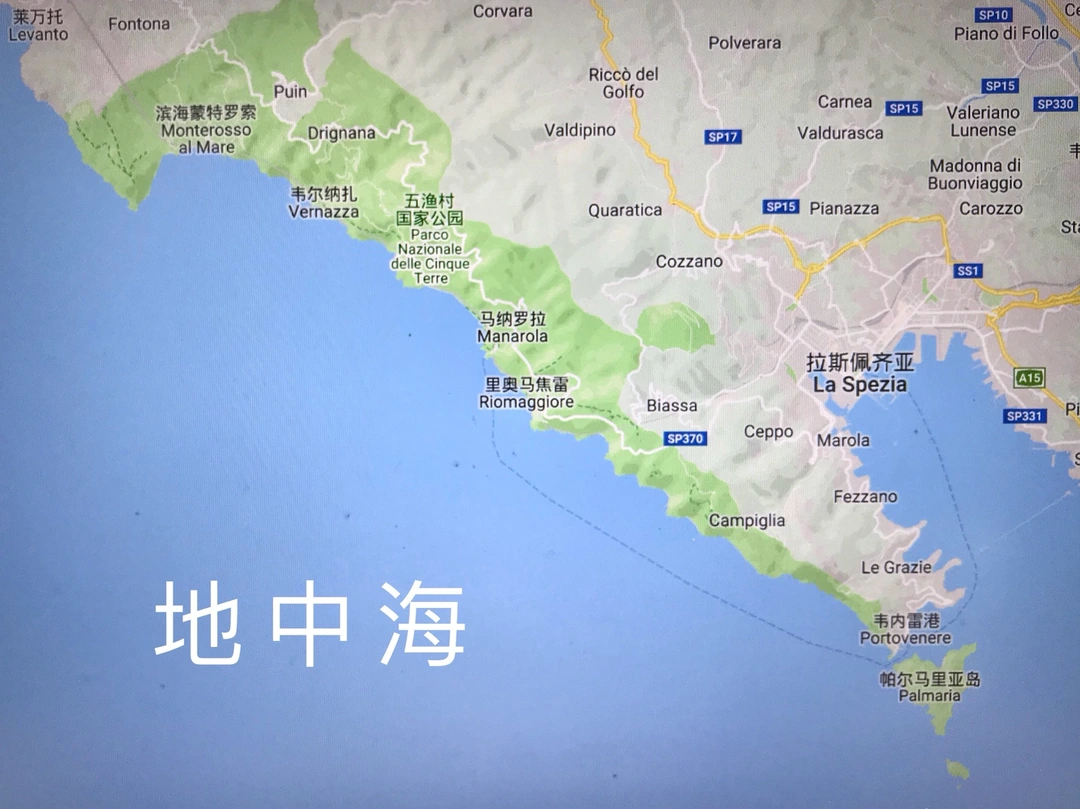
From northwest to southeast, the five villages are: Monterosso al Mare, Vernazza, Corniglia, Manarola, and Riomaggiore. Each offers a unique character, but together they create an unforgettable Mediterranean experience. This Cinque Terre travel guide will help you plan your visit, whether you're hiking the coastal trails, savoring fresh seafood, or simply soaking in the views.
H2: Monterosso al Mare – The Largest Village and Your Gateway to Cinque Terre

H3: Arriving in Monterosso: First Impressions of the Sandy Beach Village
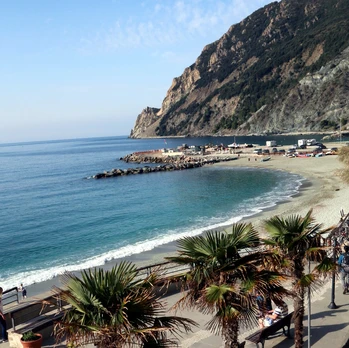
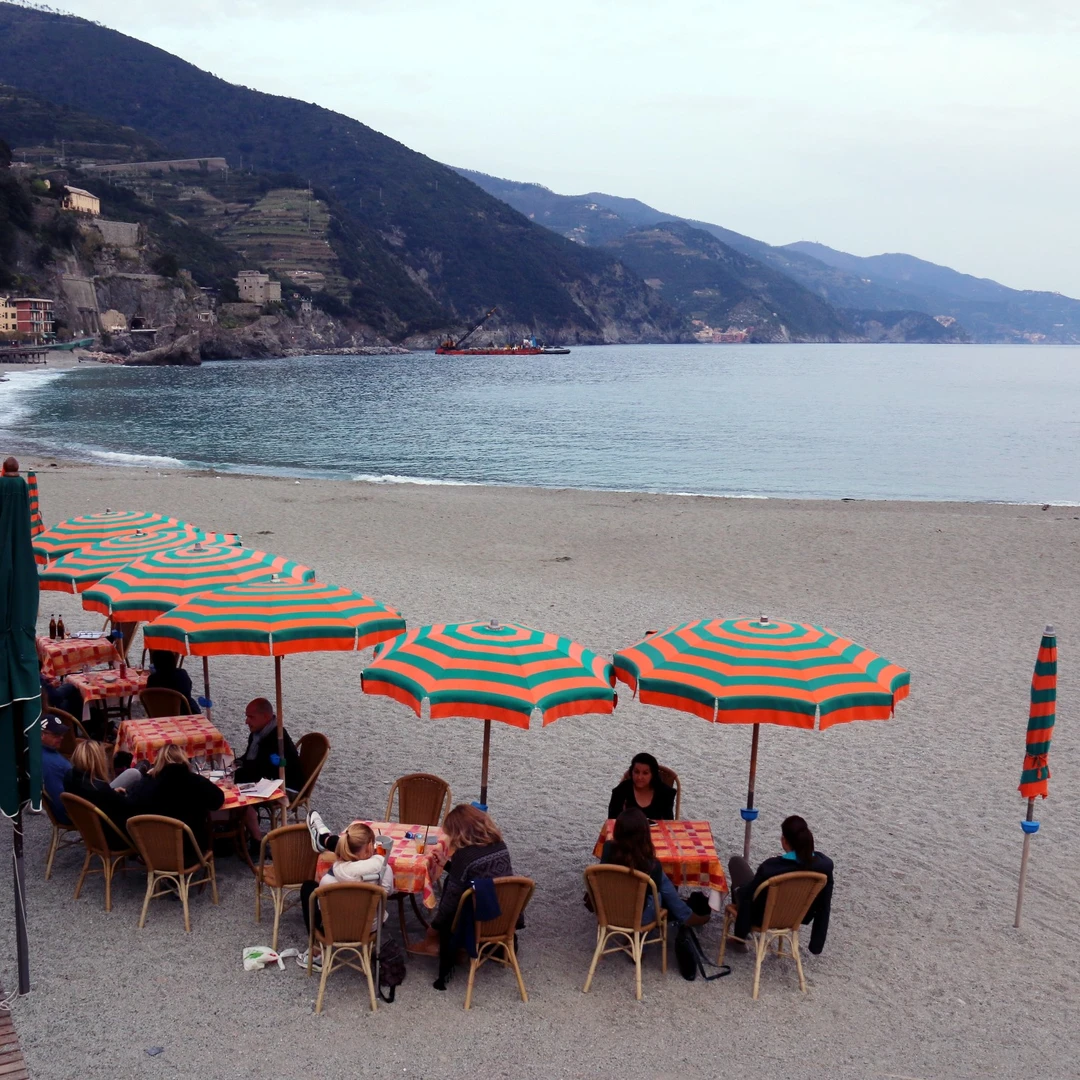
Monterosso is the westernmost and largest of the five Cinque Terre villages. As you step off the train, you're greeted by the only sandy beach in the area – a rare find along this mostly cliff-lined coast. While the sand quality is modest, the beach offers a perfect spot to sit facing the Mediterranean and soak up the salty breeze.
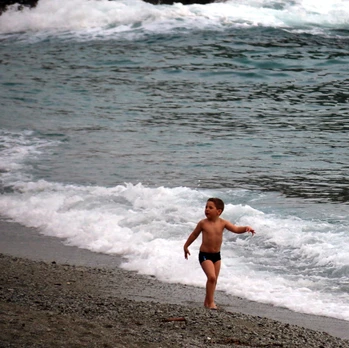
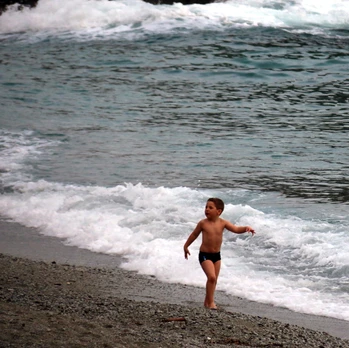
In April, the wind still carries a chill, and the seawater remains bitingly cold. Yet a handful of fearless children splash in the waves, their laughter rising with the tide. This is the spirit of Cinque Terre – raw, unpolished, and utterly joyful.
H3: Where to Stay in Monterosso: Cliffside Hotels with Sea Views
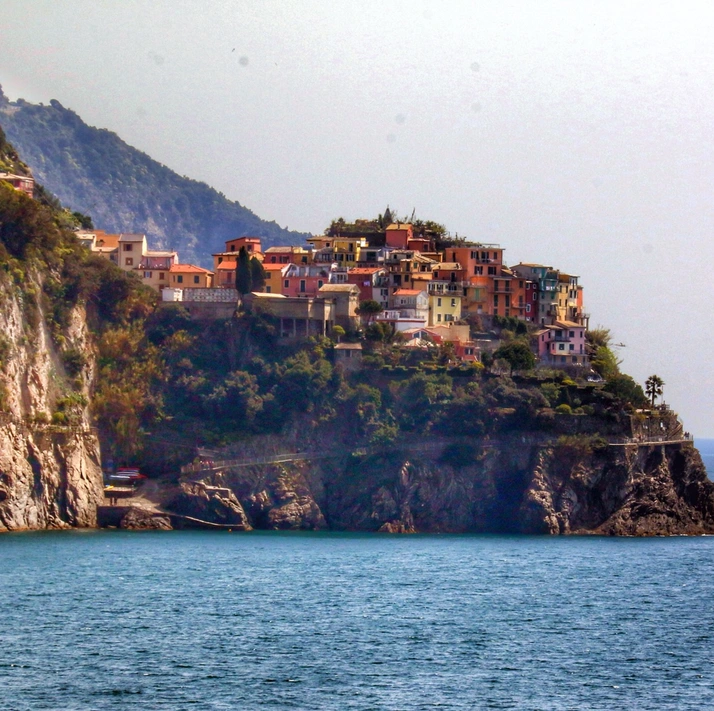
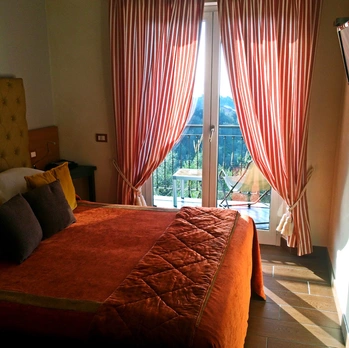
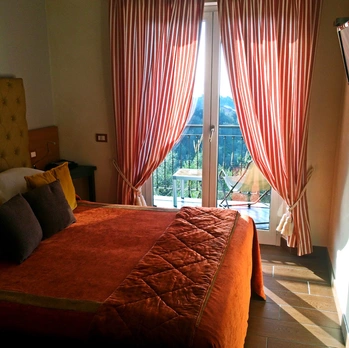
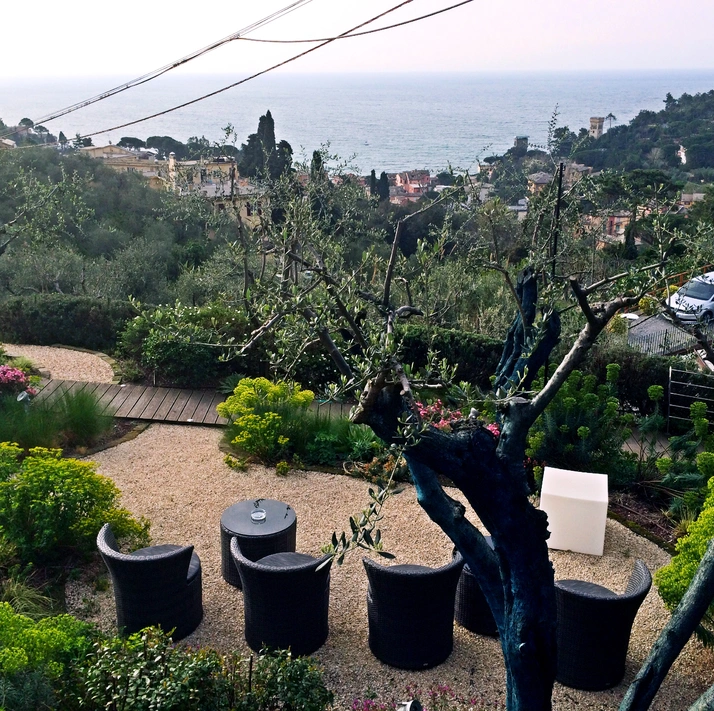
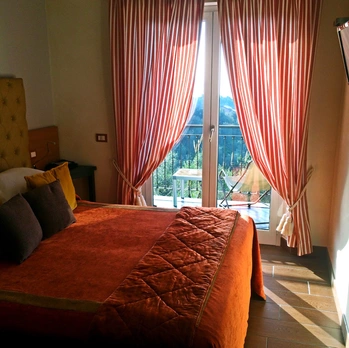
Our hotel perched halfway up the hillside, with the owner driving to the station to pick us up – a common courtesy in this region. The charming courtyard featured a two-story building and scattered bungalows, all elegantly positioned on the slope. Standing on the balcony, we faced the vast Mediterranean, the salty breeze washing over us.
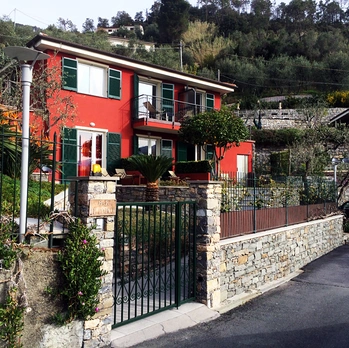
For the best Cinque Terre accommodation, look for hotels or agriturismos on the hillsides above Monterosso. These offer panoramic views and quieter nights compared to the village center.
H3: The Best Seafood in Monterosso: A Local's Recommendation
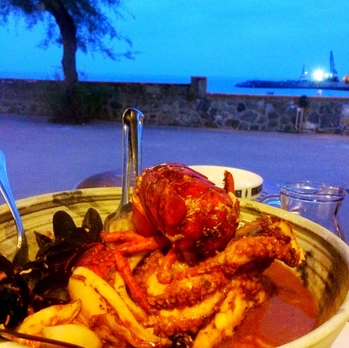
Following a local recommendation, we found a seaside food stall and ordered a seafood stew – lobster, mussels, squid, and shellfish I couldn't name. It wasn't photogenic, but the flavor was surprisingly fresh and delicious. We ate and chatted as the sky and sea melted into darkness, leaving only the faint lights of fishing boats and a canopy of stars.
Pro tip: For authentic Cinque Terre seafood, skip the touristy restaurants on the main square and head to the small stalls near the harbor. The catch-of-the-day is always the best choice.
H3: Morning Magic: Watching Sunrise from Monterosso
The next morning, I threw on my coat and stepped onto the balcony. The sky was just beginning to lighten, with a crescent moon still hanging on the horizon, as if guiding the sunrise. Moon and sun sharing the sky isn't rare, but once the sun bursts forth in its full glory, all eyes turn to it.
I walked briskly to the beachside train station – a humble, spotless structure that reminded me of the contrast between rural Italy and other parts of the world. Here, even a fishing village by the cliffs could boast a life of "facing the sea, with spring blossoms."
[Link: Best sunrise photography spots in Cinque Terre]
H2: Vernazza – The "Turtle Head Islet" of the Mediterranean
H3: A Ten-Minute Train Ride to Paradise
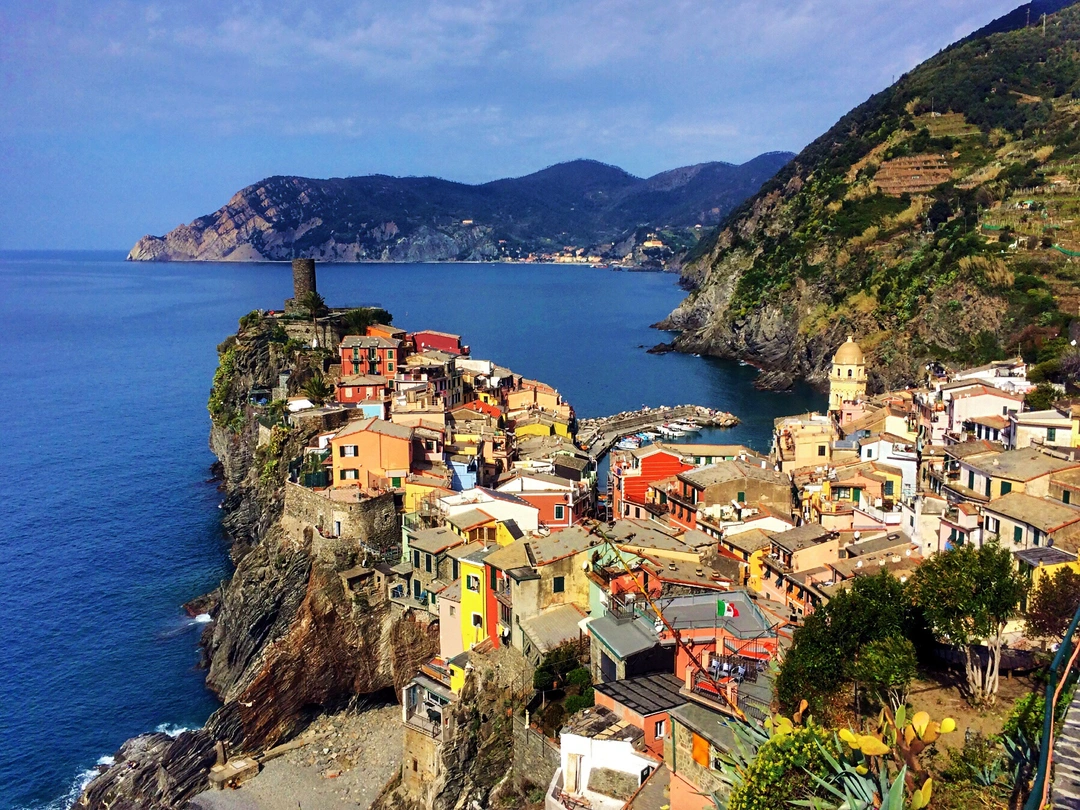
A railway carved through the mountains connects the five villages like a necklace. From Monterosso to Vernazza, it's just a ten-minute ride. Vernazza is the second village, with houses stacked up the hillside like terraced fields, bursting with color like mountain flowers.
On the seaside cliffs, hardy weeds grow alongside charming little hotels that seem to sprout from the rocks. Beside a stone cottage, two elderly Italian men chatted leisurely, as if time itself had slowed down here.
H3: The Artistic Soul of Vernazza: Sketching the Scenery
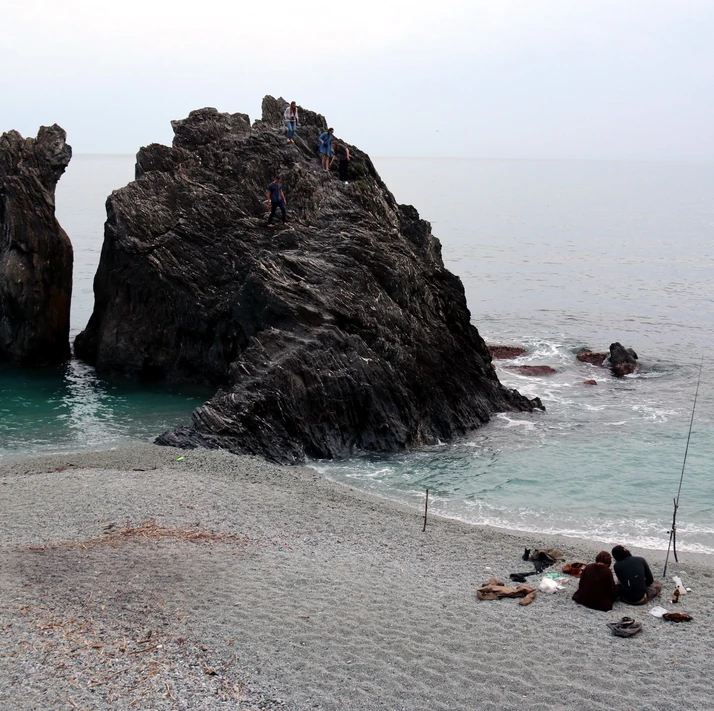
A girl in a red dress sat on a rock, absorbed in sketching the beautiful scene before her. Her companion gazed idly out at the sea. They sat close together, but were their hearts equally close? The scene itself was a fascinating picture – one I could only capture with my camera.
Vernazza is arguably the most photogenic of the five villages. Its harbor, framed by colorful houses and the church bell tower, is a favorite subject for painters and photographers alike.
H3: Climbing the Stone Steps: A Walk Through Vernazza's Streets
We climbed the stone steps from the shore, the path narrow and winding. These weren't streets, nor even alleys – just stone-paved steps. Yet every household had its door facing these uneven stairs, complete with house numbers, windows, and balconies, each wall painted a different color.
Halfway up, I turned to look back at the village. On the mountain side, the houses rose in layers, with the church bell tower at the top and the train station by the tunnel at the bottom. On the sea side, a massive rock jutted into the water like a turtle's head raised high. In the distance, Monterosso was faintly visible. This scene, far from the bustle of modern civilization, was truly breathtaking.
[Link: Cinque Terre hiking trails: Which path is right for you?]
H2: Corniglia – A Hidden Paradise on the Cliff Top
H3: Hiking from Vernazza to Corniglia: The Wild Coastal Path
From Vernazza to the third village, Corniglia, there's a wild path hugging the mountainside. It winds and twists, with mountain flowers waving by the roadside and streams flowing past your feet. Walking along the curving trail, you have towering cliffs on one side and the deep blue Mediterranean on the other. Simply beautiful!
When we grew tired, we stopped at a small roadside shop to rest. Facing the refreshing sea breeze, we sipped ice-cold drinks and admired the Mediterranean under the sun. The water changed colors with the rolling waves – sapphire, emerald, and violet – like a giant kaleidoscope.
Hiking tip: This section of the Cinque Terre coastal trail takes about 1.5 hours at a leisurely pace. Wear sturdy shoes and bring plenty of water, especially in summer.
H3: Why Corniglia Feels Different from the Other Villages
After more than an hour of hiking along the mountainside, we spotted Corniglia in the distance. This third village is the only one not built right on the coast; instead, it sits atop a cliff. Compared to the others, it's less accessible, so its old buildings are better preserved.
The narrow streets, paved with bluestone, were so tight that even pedestrians had to squeeze past each other. The mottled walls revealed the original brickwork beneath. Yet the people here lived comfortably. The girls smiled contentedly, and even the cats seemed utterly at ease.
Corniglia offers the most authentic glimpse of traditional Cinque Terre life, away from the crowds that flock to the more accessible villages.
[Link: Off-the-beaten-path experiences in Cinque Terre]
H2: Riomaggiore – The Path Crushed by Love
H3: Arriving in Riomaggiore: A Spiral Road to the Cliff Top
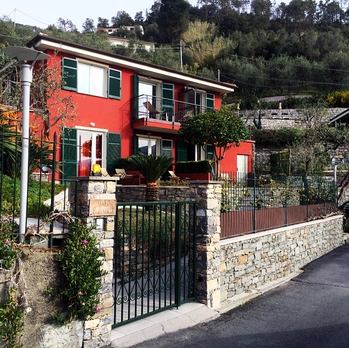
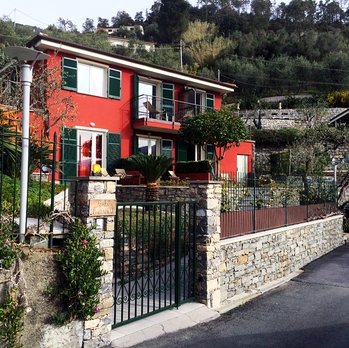
Riomaggiore is the easternmost village. After getting off the train, a wide road spirals up to the cliff top, lined with colorful, well-arranged houses. The views from the upper levels are spectacular, offering a bird's-eye perspective of the entire village and the sea beyond.
H3: The Color Psychology of Cinque Terre's Architecture
Some say that a person's sophistication is inversely proportional to the colors they use – the more refined, the fewer colors. This applies to clothing and cities alike. Cities in developed countries often have muted, monotonous palettes – Paris, for instance, is mostly gray-white, with only a few red cafés scattered here and there.
But here, every fishing village is a riot of color, like spring flowers. That, perhaps, is the charm of raw, unspoiled beauty. Cinque Terre's architecture is a testament to the joy of living by the sea, where every house competes to be the brightest gem on the cliff.
H3: The Famous Via dell'Amore (Lover's Lane)
While the Via dell'Amore path connecting Riomaggiore to Manarola remains partially closed for restoration, its legend lives on. This "Path of Love" was carved into the cliff face in the 1920s and became a symbol of romance. Even without walking it, you can feel the love that permeates this village.
[Link: Is the Via dell'Amore open? Current status and alternatives]
H2: Cinque Terre Travel Tips: Everything You Need to Know
H3: Best Time to Visit Cinque Terre
- Spring (April-May): Mild weather, fewer crowds, wildflowers in bloom
- Summer (June-August): Peak season, crowded trails, warm swimming
- Fall (September-October): Pleasant temperatures, harvest season, lower prices
- Winter (November-March): Quietest time, some restaurants closed, cool weather
H3: How to Get Around the Five Villages
- Train: The most efficient option. A Cinque Terre Train Card gives unlimited travel between villages.
- Hiking: The Sentiero Azzurro (Blue Trail) connects all five villages. Allow 4-5 hours for the full walk.
- Boat: Seasonal ferries offer stunning coastal views between villages.
- Car: Not recommended. Parking is limited and expensive.
H3: What to Eat in Cinque Terre
- Seafood stew (ciuppin): The local specialty
- Focaccia: Especially the Ligurian version with olive oil and salt
- Pesto: Genoa is nearby, and the pesto here is legendary
- White wine: The Sciacchetrà dessert wine is a local treasure
- Anchovies: Monterosso is famous for its anchovy dishes
H2: Frequently Asked Questions About Cinque Terre
Q1: How many days do you need in Cinque Terre?
Most travelers find 2-3 days sufficient to visit all five villages at a relaxed pace. One day allows a quick overview; three days let you hike, swim, and enjoy meals without rushing.
Q2: Which is the most beautiful village in Cinque Terre?
Each village has its charm, but Vernazza is often considered the most photogenic for its harbor setting. Manarola wins for sunset views, while Monterosso offers the best beach.
Q3: Is Cinque Terre expensive?
Cinque Terre is moderately expensive compared to other Italian destinations. Accommodation in the villages costs more than in nearby towns like La Spezia. However, street food and local wine can keep costs reasonable.
Q4: Can you swim in Cinque Terre?
Yes, but only at designated beaches. Monterosso has the only sandy beach. Manarola and Riomaggiore have rocky platforms for sunbathing and swimming. Always check water conditions, as currents can be strong.
Q5: Is Cinque Terre worth visiting in winter?
Yes, if you prefer solitude. Many restaurants and shops close from November to March, but the villages are atmospheric without crowds. The weather is cool but often sunny.
H2: Conclusion: Your Cinque Terre Adventure Awaits
Cinque Terre is more than a collection of five colorful villages – it's a testament to how humanity can live in harmony with nature's most challenging landscapes. From the sandy shores of Monterosso to the cliff-top tranquility of Corniglia, from the artistic soul of Vernazza to the vibrant streets of Riomaggiore, every corner offers a new perspective.
Whether you're hiking the coastal trails, savoring freshly caught seafood, or simply watching the sunset paint the houses in golden hues, Cinque Terre will leave an indelible mark on your heart.
Ready to plan your Italian adventure? Start by booking your train tickets to La Spezia, then hop on the regional train that connects the five villages. Pack comfortable walking shoes, your camera, and an empty stomach – the flavors of the Ligurian coast await.
[Link: Complete Italy itinerary: Rome to Cinque Terre to Florence]
Book your Cinque Terre Cinque Terre Cinque Terre Cinque Terre Cinque Terre Cinque Terre Cinque Terre Cinque Terre Cinque Terre Cinque Terre Cinque Terre Cinque Terre Cinque Terre Cinque Terre (internal link to travel booking page)
Have you visited Cinque Terre? Share your favorite village in the comments below!