Chongqing Travel Guide: A Romantic Encounter Between the Mountain City and Hotpot
Meta Description: Discover why Chongqing is China's most addictive city. From spicy hotpot to surreal mountain views, this Chongqing travel guide covers top attractions, local tips, and must-try foods.
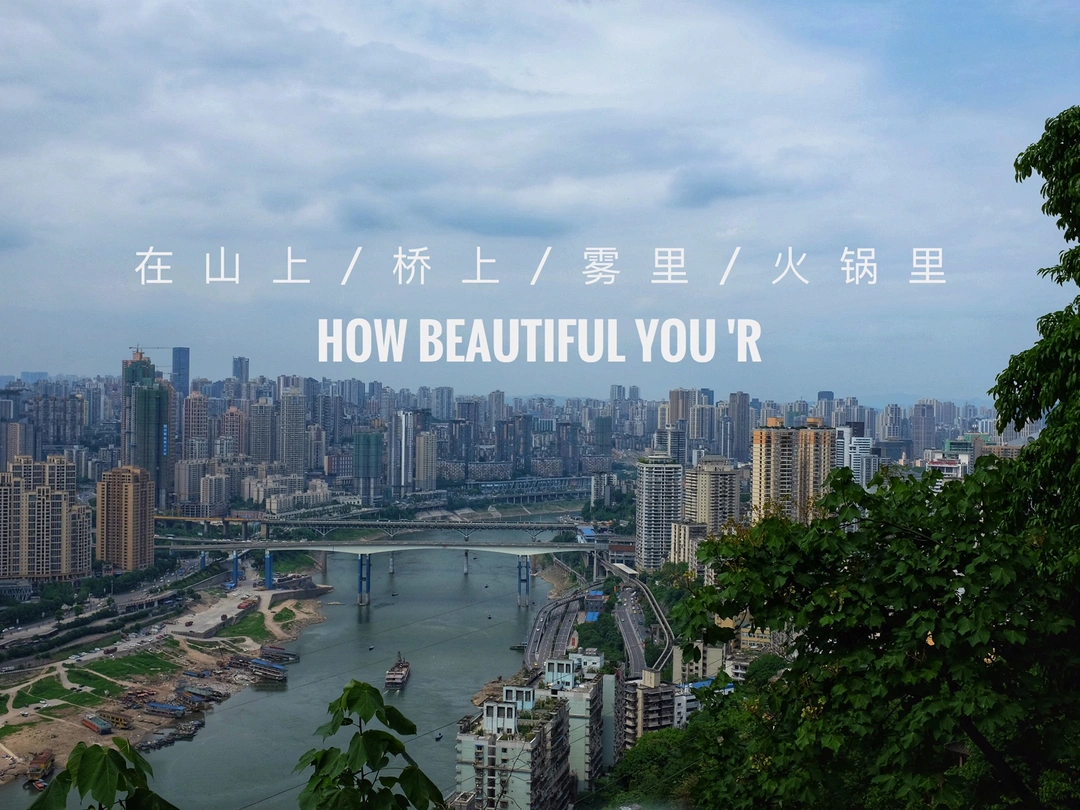
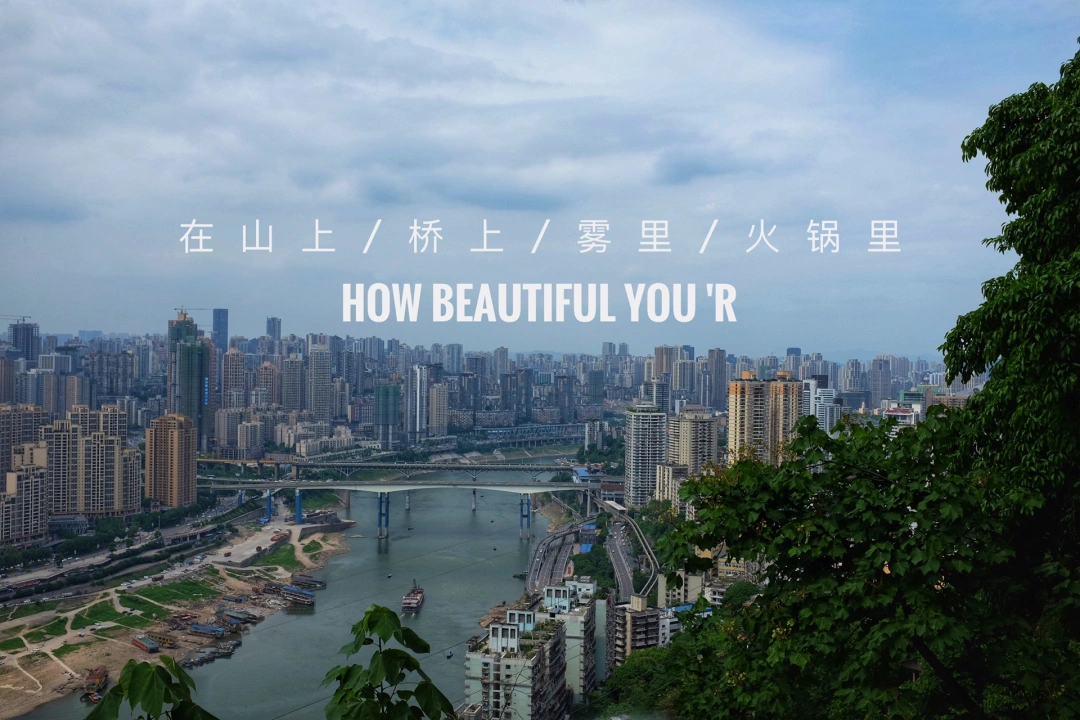
Some say Chongqing is an addictive city. It doesn't have Chengdu's laid-back laziness, nor does it possess Shanghai's polished modernity. It has its own temperament—spicy, three-dimensional, surreal—like a bubbling pot of red oil hotpot that makes you cry from the heat while you can't stop yourself from reaching for more.
I visited Chengdu two years ago and always thought Sichuan and Chongqing must be pretty similar. It wasn't until I actually set foot in Chongqing that I realized how wrong I was. Every inch of the air here carries a different vibe—from the local dialect echoing through the streets, to the buildings clinging to the mountainsides, to that unforgettable hotpot that keeps you coming back for more. Everything is so unique, so alive.
As someone who has traveled quite a bit, this is the first time I've felt such an urgent need to document a journey. If you're also drawn to this city, follow my footsteps and let's step into this magical mountain city together.
Essential Chongqing Travel Tips Before You Go
Why Independent Travel Beats Tour Groups

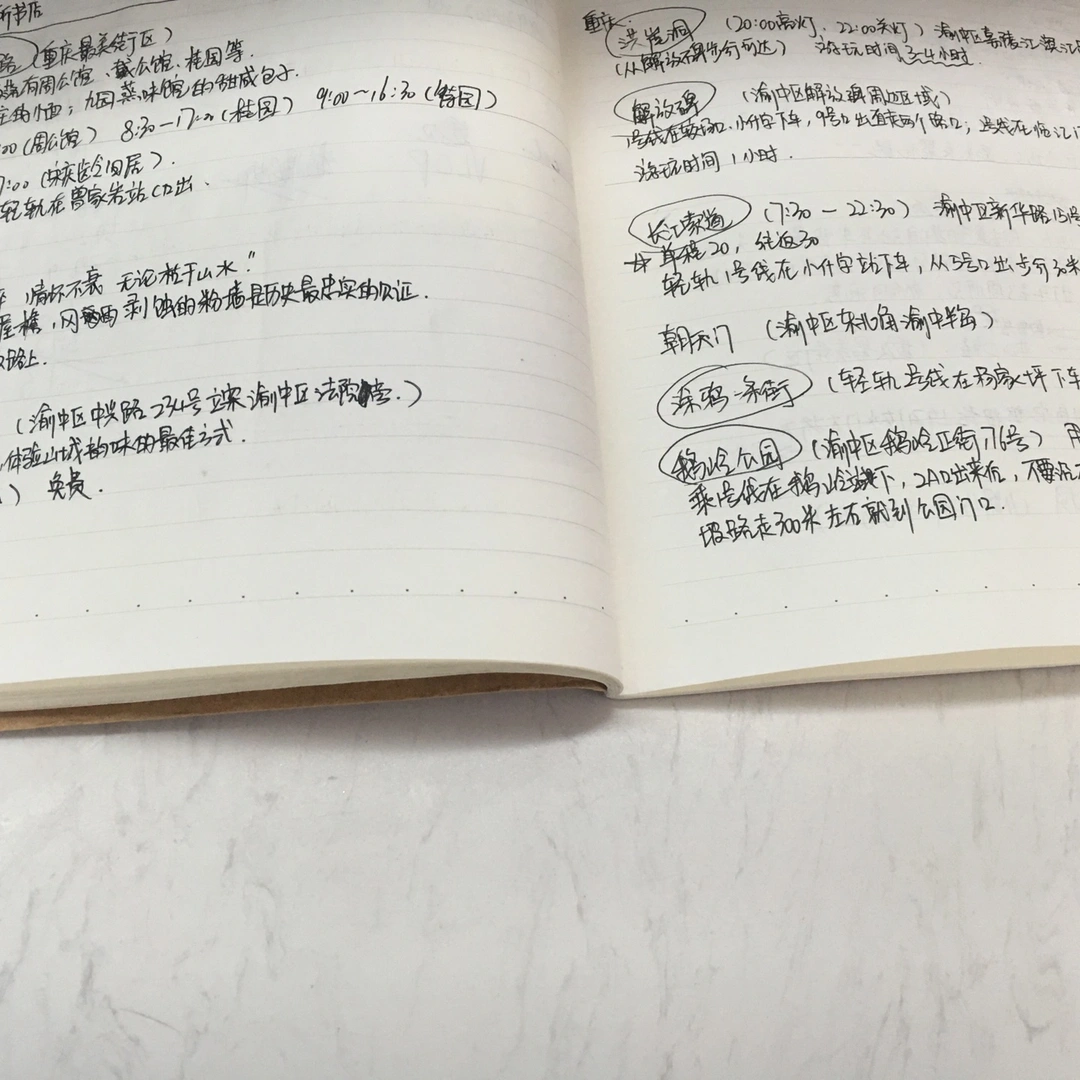
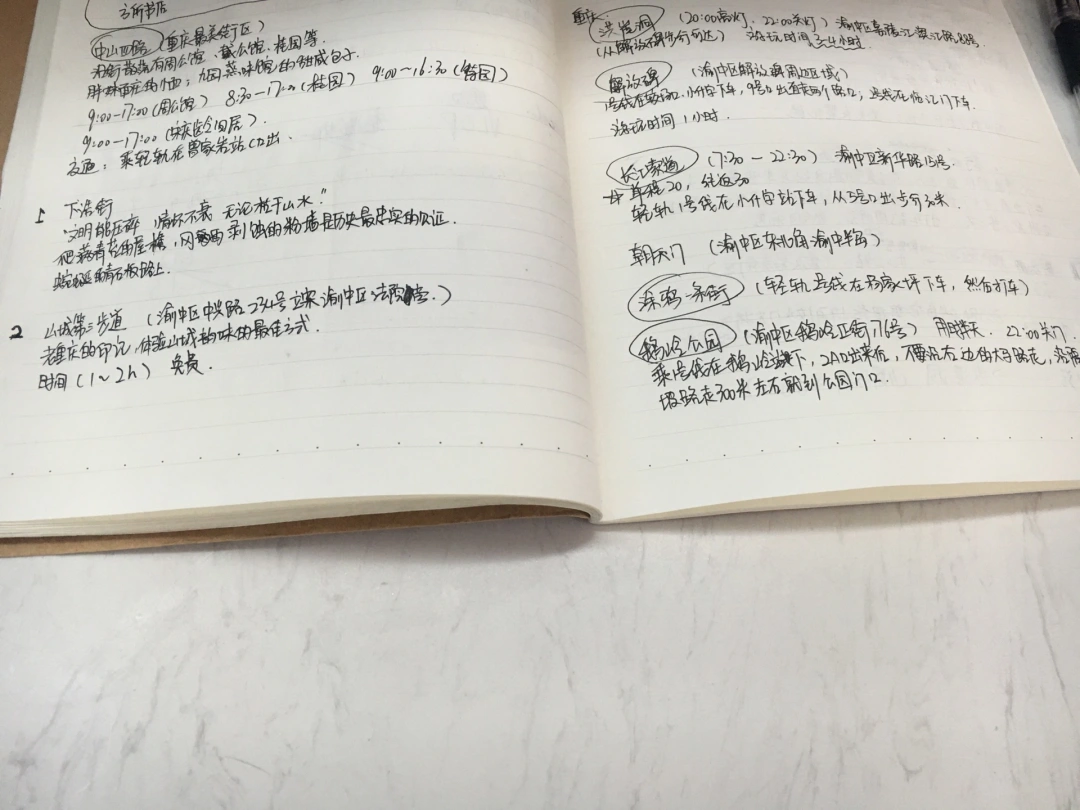
Don't join a tour. The beauty of Chongqing lies in being able to wander freely through its streets and alleys. Before leaving, I spent two full days scrolling through travel guides, jotting down every attraction I wanted to visit and what made each spot special. Don't think it's a hassle—doing your homework beforehand will save you a lot of detours.
Chongqing Weather: Always Carry an Umbrella
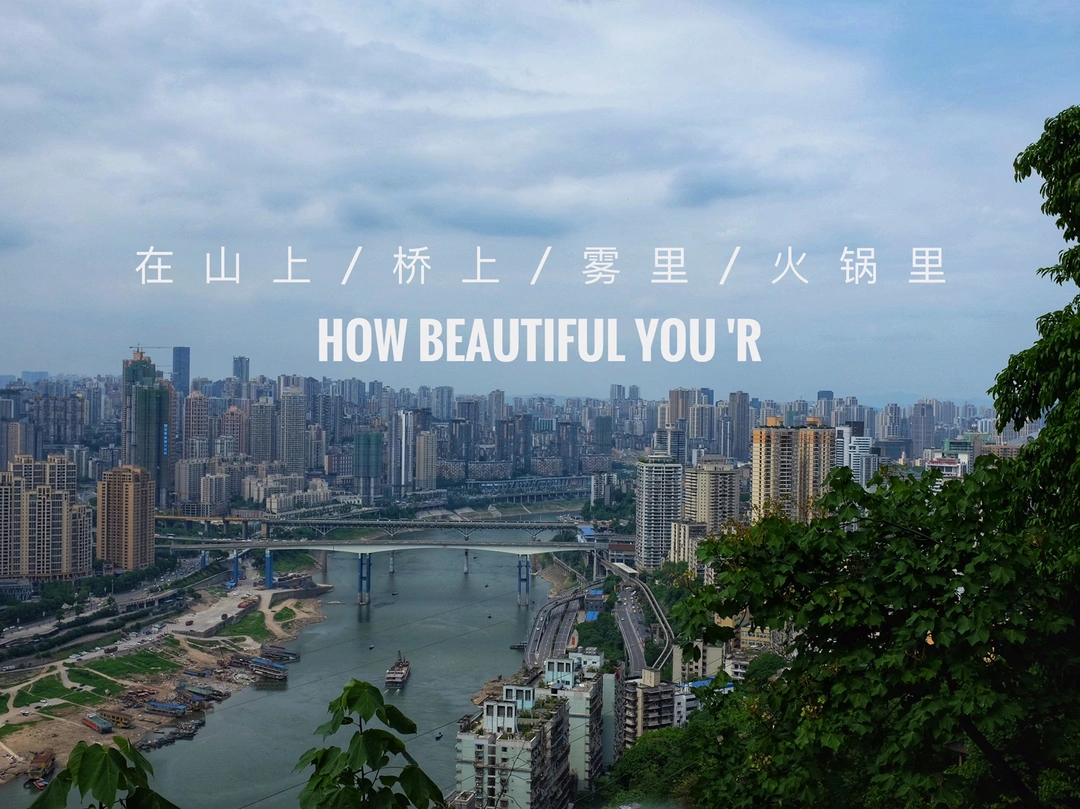
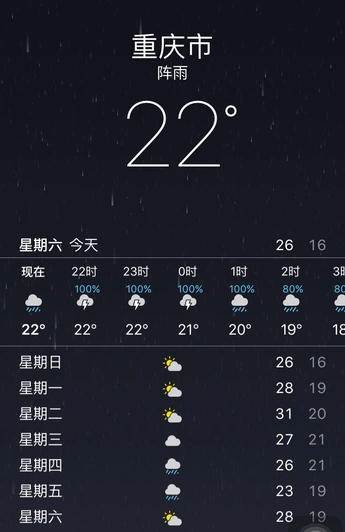
Rain in Chongqing comes and goes as it pleases. On the day we flew in, our flight was delayed over an hour due to a downpour. But strangely enough, during our four days in Chongqing, not a single drop of rain fell—until the day we left. So no matter what the forecast says, always bring an umbrella.
Avoid Peak Crowds for a Better Experience
As soon as we got into the taxi, the driver laughed and asked, "Did you see Chongqing on Douyin (TikTok)?" He told us that during the May Day holiday, the city ranked second in China for tourist traffic, with a staggering 17 million visitors, just behind Xi'an. We deliberately avoided the holidays, taking three days off to stretch a weekend into a longer trip, and it turned out to be a brilliant decision.
We stayed at the Atour Hotel near Jiefangbei (Liberation Monument), which had an excellent location and made everything convenient. We stayed there all four days, saving ourselves the hassle of moving luggage.
[Link: Best areas to stay in Chongqing for first-time visitors]
Day 1: Art, Iconic Views, and Chongqing Hotpot
Morning: Sleeping In and Local Noodles
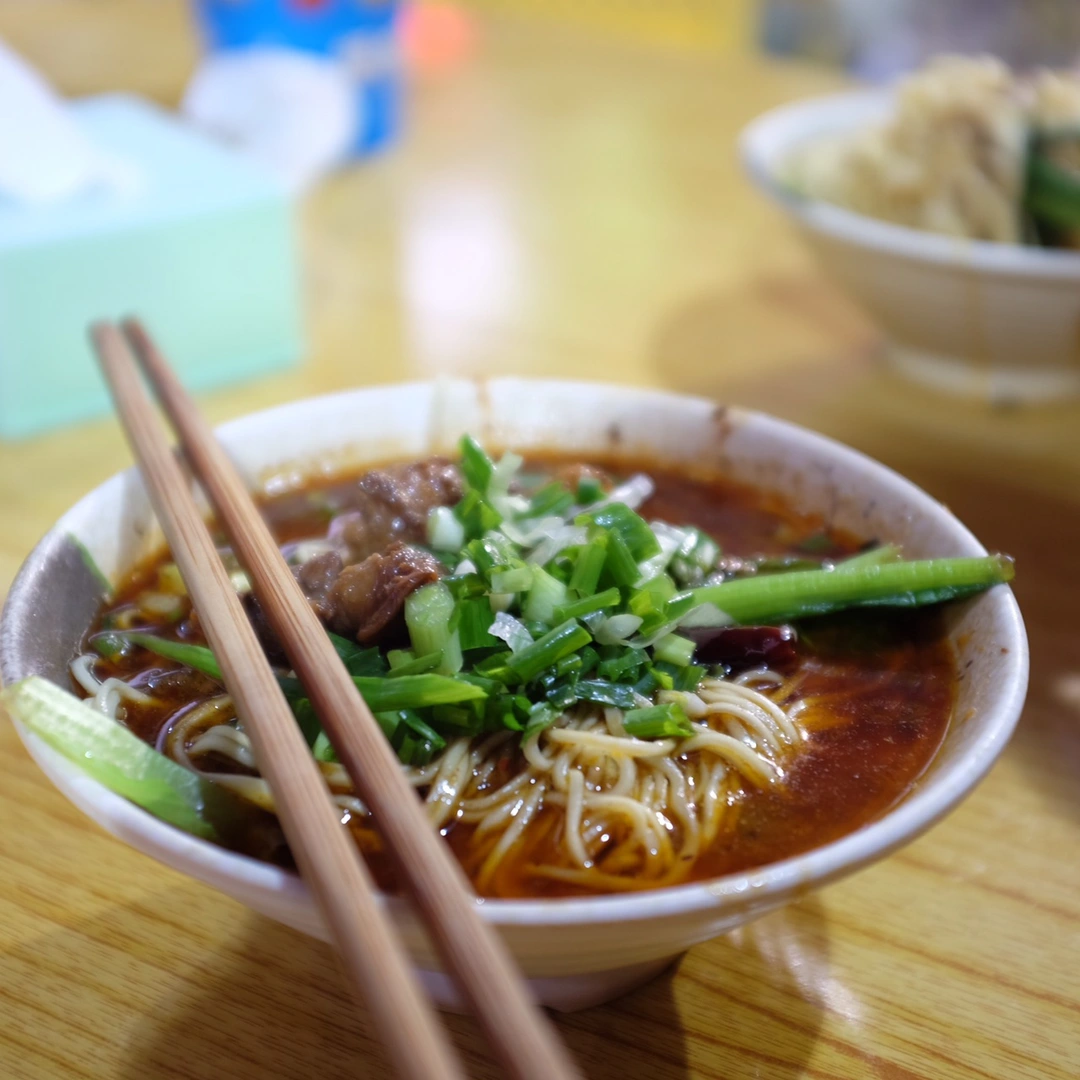
So much for getting up early. Every trip, I swear I'll make the most of the morning, and every time I end up sleeping until ten. After getting ready, we found a small Chongqing noodle shop (Chongqing xiaomian) around the corner from our hotel. The place was tiny, packed with locals, and I later learned it only stays open for a few hours at lunchtime. The noodles were chewy, numbing, spicy, and incredibly flavorful—way better than anything I've had in Kuanzhai Alley in Chengdu.
Sichuan Fine Arts Institute: A Graffiti Paradise
From Jiaochangkou, we took Metro Line 2 to Xiejiawan, then transferred to Bus 823 to Huangjueping. The route passed by Liziba, but the train was too crowded, so we decided to come back later.
Sichuan Fine Arts Institute (SCFAI), one of China's top eight art academies, was founded in 1940. We visited the old Huangjueping campus, which felt like a miniature version of Beijing's 798 Art District. The moment we walked in, we were surrounded by an intense artistic atmosphere—walls, buildings, everything covered in colorful graffiti, all student work. Sunlight filtered through the leaves, and the whole campus was quiet and beautiful.
The most famous spot is the Graffiti Street outside the school. Entire blocks of buildings are covered in murals, said to be the largest graffiti artwork in China and even the world. It's absolutely stunning.
[Link: Top art districts and creative spaces in Chongqing]
Liziba Station: The Viral TikTok Spot
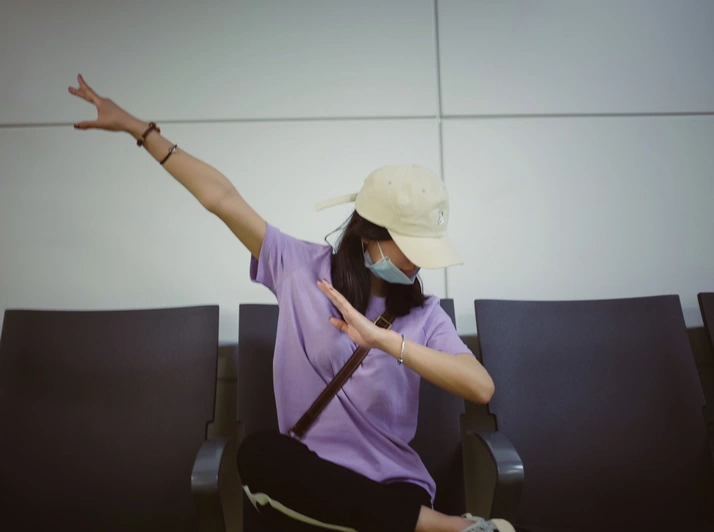
On the way back, we headed straight for Liziba Station. A word of warning: Chongqing's metro is different from other cities. If you exit through the wrong gate, it's nearly impossible to cross back. We didn't check the signs and just walked out randomly, only to spend ages searching before realizing we were on an upper level. We had to walk down a huge slope and then up another just to reach that classic photo spot.
When we got there, it felt like finding our tribe—crowds of people everywhere, with TikTok soundtracks echoing all around. Despite the crowds, seeing the light rail train pass right through the building was still breathtaking.
Yangtze River Cableway: Aerial Views of Chongqing
From Liziba, we took Bus 262 straight to the Yangtze River Cableway. We waited in line for an hour and a half, but it was worth it. The cableway stretches 1,166 meters (3,825 feet), connecting Yuzhong District and Nan'an District. It's been operating for 30 years and is known as "the first aerial corridor over the Yangtze River." Under the bright sun, the river shimmered, the Yangtze River Bridge came into full view, and it was a sight to behold.
The Best Chongqing Hotpot: Brother Zhou's Sliced Pork Kidney
After the cableway, we took a taxi to "Brother Zhou's Sliced Pork Kidney Hotpot" (Zhoushixiong Da Dao Yaopian Huoguo), recommended by our driver. We waited 30 minutes in line. The moment we walked in, the spicy aroma hit us. The waiter, noticing we weren't locals, suggested the mild spice level.
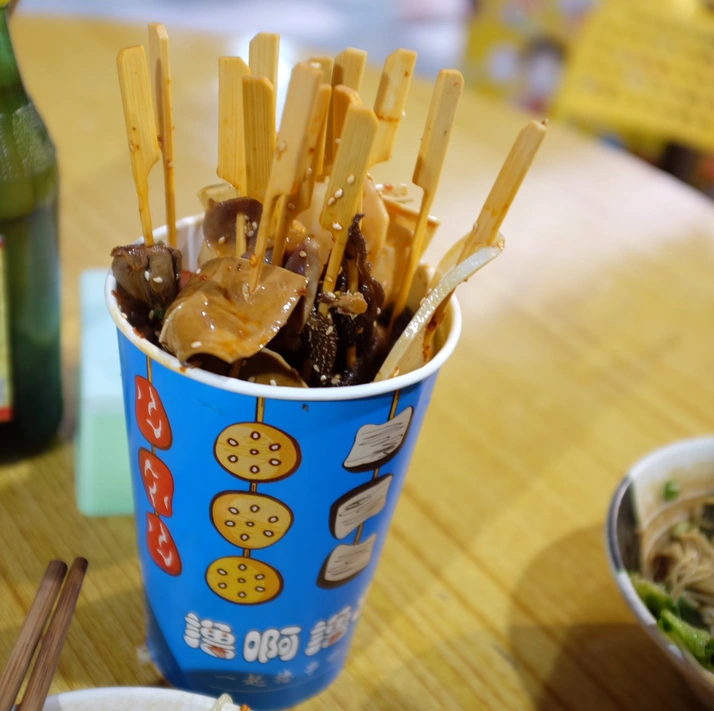
Must-order dishes at Chongqing hotpot: - Sliced pork kidney (yaopian) - Tripe (maodu) - Crispy fried pork (suru) - Iced jelly (bingfen)
Chongqing hotpot doesn't use sesame paste for dipping sauce—it's all oil-based. Since I never liked sesame paste anyway, I felt right at home.
The tripe was incredibly fresh, and the broth was so spicy we couldn't speak, but we just couldn't stop eating. To finish, a bowl of iced jelly—the perfect pairing! The brown sugar glutinous rice cakes (hongtang cigba) were also amazing. We ordered a full table of food, couldn't finish it all, and the bill came to just 270 RMB (about $37 USD)! I was absolutely in love with Chongqing. For this hotpot alone, I will definitely come back.
[Link: Guide to authentic Chongqing hotpot restaurants]
Day 2: Republican-Era Charm and Old Chongqing
Zhongshan Fourth Road: Chongqing's Most Beautiful Street
From Jiaochangkou, we took the metro to Zengjiayan and exited at Gate C onto Zhongshan Fourth Road. This street is full of Republican-era charm and is perfect for photos. Historical sites include the Special Garden (Teyuan), home to the China Democratic Party Museum, as well as Guiyuan (Osmanthus Garden), Zhougongguan (Zhou Enlai's Residence), and Daigongguan (Dai Li's Mansion).
We visited Guiyuan, the site where the Double Tenth Agreement was signed. During the 1945 Chongqing Negotiations, Zhang Zhizhong used this place as Mao Zedong's meeting and office space, and the original furnishings are still preserved.
Xiahao Old Street: A Glimpse of Vanishing Chongqing
From Zhongshan Fourth Road, we headed to Xiahao Old Street. GPS navigation is useless in this mountain city. We took a wrong turn but stumbled upon an unexpected scene—a tiny grocery store, elderly people cooling off under a tree, and stone steps covered in moss. Even though we took the long way, we gained some special memories.
When we finally found Xiahao Old Street, the entrance was blocked off. We talked to the worker there, and he kindly let us in. There were very few tourists, and most of the shops mentioned in travel guides were closed. National Geographic once called Xiahao "another world"—home to two kinds of people: the original residents clinging to old Chongqing's way of life, and young people who run tea houses. Now, most of those left are elderly people who refuse to move. Seeing the large "demolish" (chai) characters spray-painted on the walls made my heart ache.
Deep in the alley, we found a small tea house run by a young couple. They served traditional Chongqing tea and homemade snacks. Sitting there, watching the old men play Chinese chess under a banyan tree, I felt like I had traveled back in time.
[Link: Hidden historical streets in Chongqing worth exploring]
Frequently Asked Questions About Chongqing Travel
1. What is the best time to visit Chongqing?
The best times are spring (March-May) and autumn (September-November) when temperatures are mild. Avoid Chinese public holidays like May Day and National Day when tourist numbers exceed 17 million visitors. Summer can be extremely hot and humid, while winter is foggy but less crowded.
2. How many days do you need to explore Chongqing?
Four days is ideal for a first visit. This allows time for top attractions like Hongyadong, Yangtze River Cableway, Sichuan Fine Arts Institute, and authentic hotpot experiences. If you have more time, consider day trips to Dazu Rock Carvings or Wulong Karst.
3. Is Chongqing hotpot really that spicy?
Yes, Chongqing hotpot is famously spicy—think Sichuan mala (numbing and spicy) flavors intensified. Most restaurants offer mild spice levels for tourists. The key is to balance the heat with iced jelly (bingfen) or cold beer. Remember, Chongqing hotpot uses oil-based dipping sauce, not sesame paste.
4. What's the best way to get around Chongqing?
The metro system is excellent and covers most attractions. However, be prepared for lots of stairs and escalators—Chongqing is a mountain city. Taxis and ride-hailing apps are affordable. Walking can be confusing due to the city's multi-level layout, so always check which exit to use at metro stations.
5. What are the must-try foods besides hotpot?
Don't miss Chongqing xiaomian (small noodles), chongqing la hot pot (spicy pot), jianghu cai (street-style stir-fries), and local snacks like suanlafen (sour and spicy noodles) and bingfen (iced jelly with brown sugar). Street food in Jiefangbei and Hongyadong is particularly good.
Your Chongqing Adventure Awaits
Chongqing is not just a city—it's an experience that engages all your senses. From the dizzying heights of the Yangtze River Cableway to the soul-warming heat of authentic Chongqing hotpot, every moment here feels like stepping into another world.
The city is changing rapidly. Xiahao Old Street may soon disappear under demolition crews. The graffiti at Sichuan Fine Arts Institute will continue to evolve. But the spirit of Chongqing—bold, spicy, unapologetically three-dimensional—will remain.
Ready to plan your trip? Book your flights to Chongqing Jiangbei International Airport and prepare for an unforgettable journey. Whether you're a food lover, photography enthusiast, or culture seeker, this mountain city has something special waiting for you.
Pro tip: Save this guide, download offline maps, and pack your appetite. Chongqing will surprise you at every turn.
[Link: Complete Chongqing itinerary for 4 days] [Link: Best hotpot restaurants in Chongqing ranked by locals] [Link: How to navigate Chongqing's confusing metro system]
Have you visited Chongqing? Share your favorite memory in the comments below!
You may also like