Brothers Side by Side, Youth in Full Bloom: Our Shanghai Journey – A 20-Year Reunion in the Magic City
Meta Description: Discover the ultimate Shanghai group travel guide through the eyes of four childhood friends. Explore the Bund, Pudong skyscrapers, Peace Hotel history, and Waibaidu Bridge. Plan your own reunion trip today.
Introduction: Why Some Trips Are About People, Not Places
Some journeys aren't defined by landmarks or itineraries—they're defined by the people you share them with. This is the story of how four childhood friends finally turned a 20-year promise into reality, exploring Shanghai during the 2017 Labor Day holiday.
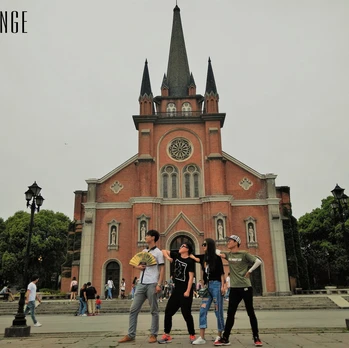
On April 28, 2017, my three childhood friends and I embarked on our very first group trip together. Twenty years—from running around in diapers to living scattered across Xi'an, Hohhot, Quanzhou, and Shanghai—we had finally transformed that endlessly repeated "let's go somewhere together" plan into action.
The one who kicked off this trip was Ming, the sole woman among our four-person crew. One day in early April, she dropped a bombshell in our group chat: "Let's go to Shanghai. Labor Day holiday." No buildup, no discussion—just a decisive notification. And just like that, we snapped into action, booking tickets, packing bags, and counting down the days.
Honestly, I'm the type to procrastinate. This travelogue? I put it off for a whole month before finally writing it. But Ming and Lei are both the "act now, think later" type. Booking tickets—something I could agonize over for a week—they wrapped up in a single evening. Train or sleeper? What time to arrive? These questions that bounced endlessly in my head were nothing to them.
As for the itinerary? I spent three days planning, printing out Plan A, B, C, and D—only to have them mercilessly ignored. My heart ached, but I kept quiet—not that it would have made a difference anyway.
But that's exactly what made it real. We know each other inside out—when someone needs help, when to shut up, and when to give them a good scolding. With these guys, I don't have to wear any mask, worry about any risks, or overthink anything. I just need to be a blissful fool, soaking up all the joy and ease they bring.
I love you all. Truly.
[Link: How to plan a group trip to Shanghai with friends]
First Impressions of the Magic City: A Century of Change on the Bund

A Thesis Defense Bombshell from Nowhere
On the day of departure, I got a text from my university: "Defense is on the 3rd." Wait—wasn't it supposed to be the 10th? The 10th was the school's long-standing tradition! I had planned to play until the 6th before heading back.
In that moment, my heart sank. But then I thought: Screw it. I'll deal with it after the trip.
The Peace Hotel: Legend of the Far East's First Skyscraper
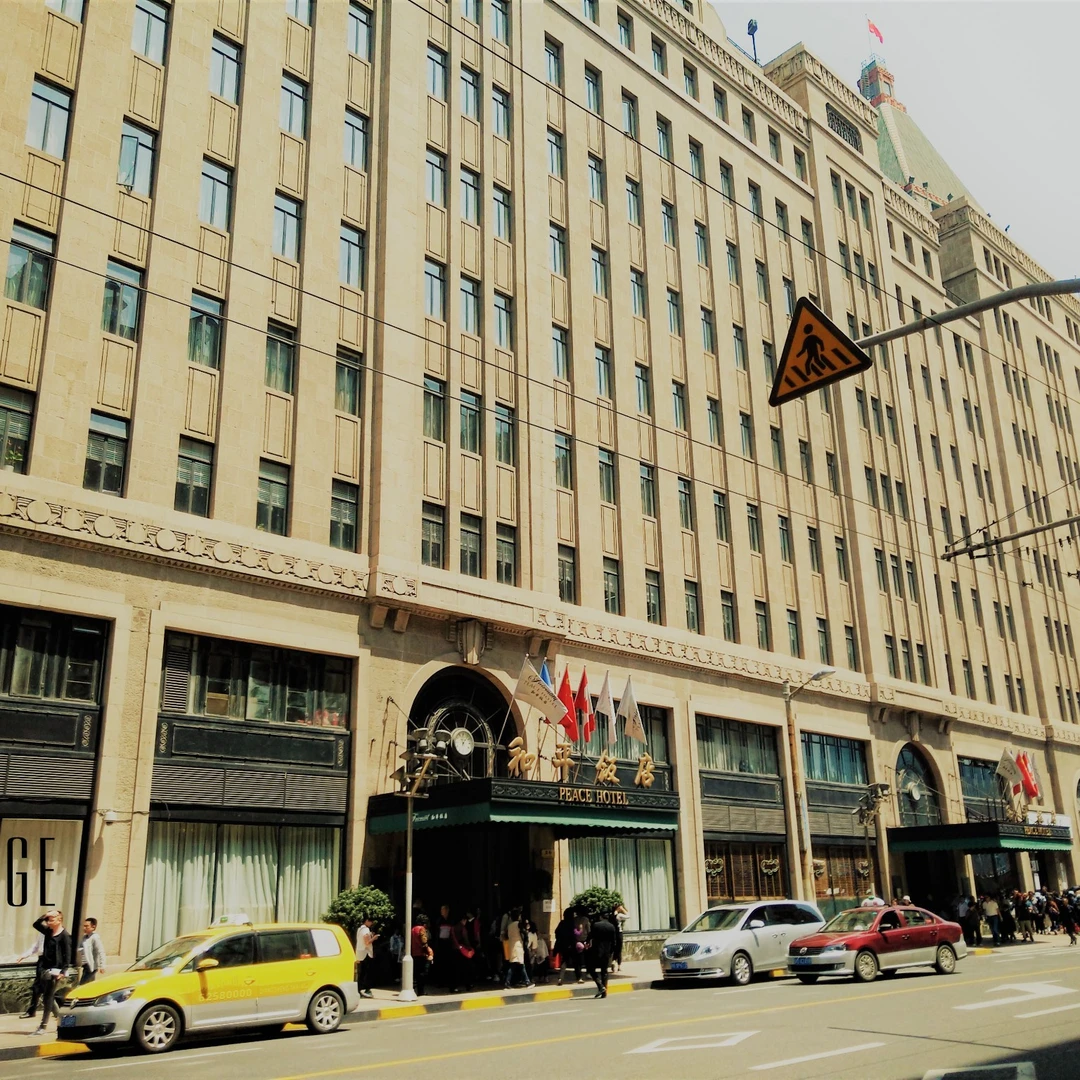
Standing on the Bund, the first thing that catches your eye is the Peace Hotel. Just the name alone carries weight. Its green copper-clad roof gleams with the patina of age under the sun, while the granite exterior feels solid and imposing.
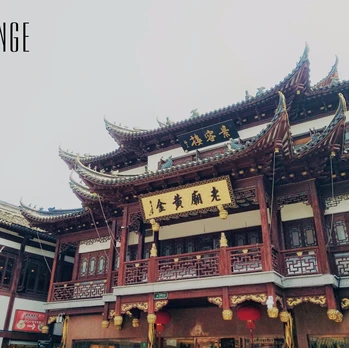
I flipped through a history pamphlet: The Peace Hotel was Shanghai's first modernist building, standing 77 meters tall with twelve floors. In 1929, Jewish businessman Victor Sassoon conceived and built the "Cathay Hotel"—later renamed the Peace Hotel. The lobby floor is paved with creamy Italian marble, crowned by an ornate bronze chandelier—luxurious and elegant, earning it the title "The First Building of the Far East."
Victor Sassoon was no ordinary figure. For those unfamiliar, look into his tangled history with modern China's major events—he was arguably the most influential Jew in modern Chinese history, bar none.
Upon completion, the hotel became the talk of Shanghai, hosting financial magnates, business tycoons, and international celebrities. General Marshall, Ambassador John Leighton Stuart, Lu Xun, Soong Ching-ling, Charlie Chaplin, George Bernard Shaw—and contemporary national leaders—all graced its halls.
[Link: Complete guide to visiting the Peace Hotel Shanghai]
Chen Yi and the People's Heroes
Speaking of Shanghai, you can't ignore Chen Yi. After Shanghai's liberation in May 1949, he served as the city's first mayor. Allow me to read this in proper news anchor cadence: "A tested proletarian revolutionary, military strategist, diplomat, poet, one of the founders and leaders of the People's Liberation Army, and an outstanding leader of the Party and the state."
Standing on the Bund, watching the surging Huangpu River, I thought of that saying: "We weren't born in a peaceful era, but we were born in a peaceful country." All of this was bought with the lives and blood of the people's heroes behind us.
Along the Huangpu: From Waibaidu Bridge to the Pudong Trio

"Careful, or I'll Throw You into the Huangpu"
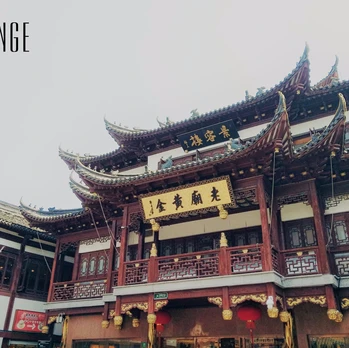
The Huangpu River was wider than I imagined. As someone who grew up along the Yellow River, I had to admit—a modest river like this had such commanding presence, as if it wanted to hold the whole world. That's the ambition Shanghai deserves.
Walking along Suzhou Creek, L suddenly blurted out: "Careful, or I'll throw you into the Huangpu." I flinched—with his build, picking me up and tossing me into the river would be child's play.
Waibaidu Bridge: Echoes of Romance and Sorrow
For many, Waibaidu Bridge is forever linked to that iconic scene from the drama "Romance in the Rain"—where Yiping leaps off the bridge. In her orange-red gauze dress, white lining, and black coiled hair, she climbs the railing and begins to sing. No matter how beautiful the beginning, all that remains is sorrow and parting.
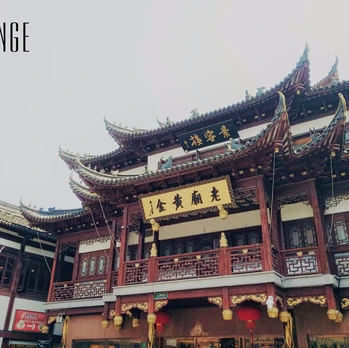
Waibaidu Bridge has faithfully recorded the changes and fortunes of Shanghai. Its rusty brown exterior feels steeped in history. Time flows on, the Huangpu River rushes east, and the endless parade of international architecture along its banks tells stories of half a century of pride.
Fun fact: There's an iron plate hidden underwater beneath the bridge—could it be there to catch anyone impulsive enough to jump from that very spot? If so, that's surprisingly thoughtful.
[Link: Best photo spots on the Bund for group travel]
The Pudong Trio: Looking Up at the Height of Dreams
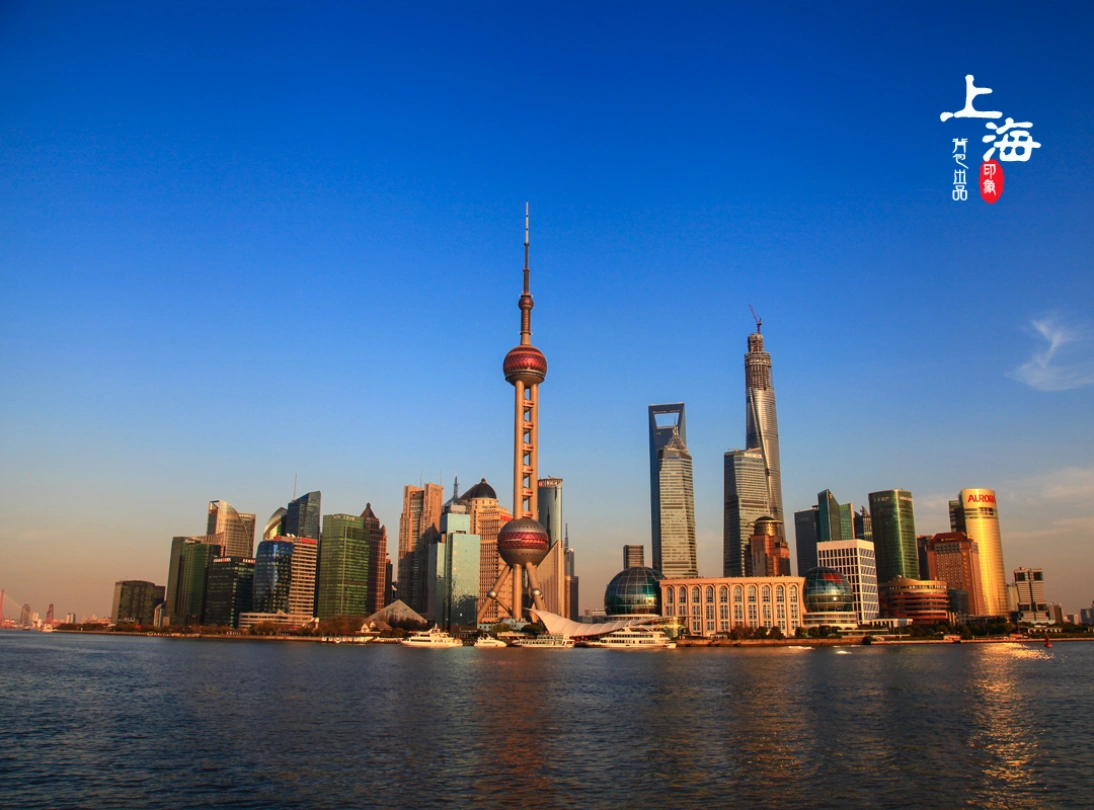

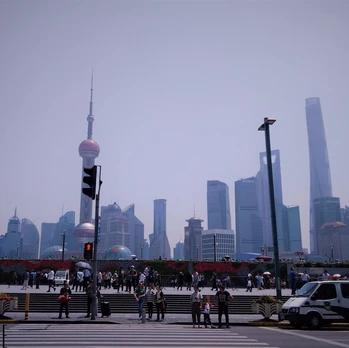
If the Bund represents Shanghai's past, then Pudong is its future. Standing on the skywalk, catching sight of those three iconic towers in the distance, my excitement was almost overwhelming.
Jin Mao Tower: A Pagoda-Inspired Classic
Jin Mao Tower was one of the first skyscrapers I ever knew as a child. At 420.5 meters and 88 floors, its design draws inspiration from the pagoda at Songyue Temple on Mount Song—a twelve-sided, multi-eaved structure. Architect Adrian Smith struggled to create something distinctive for the 1990s, ultimately finding inspiration in ancient Chinese architecture to craft this modern masterpiece.
Rumor has it Jin Mao was originally aiming to be the world's tallest. But by its completion in 1999, two other towers had beaten it to the punch, leaving Jin Mao in third place. Still, it held the title of China's tallest for a time—glory days.
[Link: Jin Mao Tower vs Shanghai Tower – which to visit]
Shanghai World Financial Center: The Coolest "Bottle Opener"

The Shanghai World Financial Center is my personal favorite of the three. Sharp, angular lines paired with a futuristic blue tint give the building a clean, modern elegance. Minimalist yet visually striking, it makes full use of its height—the highest observation deck reaches 474 meters.
But there's a backstory: Originally, the circular observation deck at the top was designed to be round. Since the building is owned by a Japanese corporation, the public quickly drew parallels to a Japanese sword with a rising sun emblem on the hilt—sparking controversy. The design was ultimately revised into the rectangular shape we see today.
Economists often joke that a skyscraper's completion often signals an impending economic crisis. The Empire State Building finished just before the Great Depression. Jin Mao Tower opened amid the Asian Financial Crisis. The Shanghai World Financial Center was completed just before the 2008 global financial meltdown. Of course, it's all coincidence—just a bit of fun.
Shanghai Tower: The Absolute Peak of Shanghai
At 632 meters, the Shanghai Tower will hold the title of China's tallest building for the foreseeable future. Its design is simple: a cylindrical core wrapped in a slightly twisted triangular prism, clad in vast glass curtain walls.
The inspiration supposedly came from the Beijing Olympics torch—or perhaps a dragon rising from the water. But honestly, the Shanghai Tower looks better in person than any photograph can capture. Standing beneath it, you feel impossibly small—and impossibly inspired.
[Link: Shanghai Tower observation deck tickets and tips]
Why Shanghai Is Perfect for a Friends' Reunion Trip
Shanghai offers something unique for group travel: a blend of history, modernity, and shared experiences that strengthens bonds. Here's why this city works so well for reunions:

- Walkable landmarks: The Bund, Huangpu River, and Pudong are all within easy reach
- Varied dining options: From street food to Michelin-starred restaurants
- Photo opportunities everywhere: Create memories that last a lifetime
- Public transportation: The metro system connects all major attractions
- Accommodation for every budget: Hostels to five-star hotels
[Link: Best Shanghai itineraries for group travel]
FAQ: Planning Your Shanghai Group Trip
Q1: When is the best time to visit Shanghai with friends?
The best times are spring (March-May) and autumn (September-November) when temperatures are mild and humidity is low. Avoid Chinese public holidays like Labor Day (May 1) and National Day (October 1) if you prefer fewer crowds.
Q2: How many days do you need for a Shanghai group trip?
 Three to five days is ideal. This allows time for the Bund, Pudong skyscrapers, Old Town, French Concession, and a day trip to nearby water towns like Zhujiajiao.
Q3: Is Shanghai expensive for group travel?
 Shanghai can fit any budget. Street food meals cost as little as 20-30 RMB ($3-4 USD), while fine dining can exceed 500 RMB per person. Hostels start at 100 RMB per night, while luxury hotels can cost 1,000+ RMB.
Q4: Can you visit all three Pudong towers in one day?
 Yes, but it's ambitious. We recommend visiting the Shanghai Tower observation deck for the best views, then exploring Jin Mao Tower's architecture and the World Financial Center's unique design from the outside.
Q5: What should we pack for a Shanghai trip?
Comfortable walking shoes are essential. Bring layers for temperature changes, an umbrella for sudden rain, and a power bank for your phone. Don't forget your camera—you'll want to capture every moment.

Conclusion: Your Shanghai Reunion Awaits
Our Shanghai journey proved that the best trips aren't about perfect itineraries or flawless planning—they're about the people you share them with. From the historic Peace Hotel to the futuristic Shanghai Tower, from Waibaidu Bridge's romantic echoes to the Huangpu River's commanding presence, every moment was enriched by having my childhood friends by my side.
Twenty years of friendship, four days in Shanghai, and a lifetime of memories. That's what happens when you finally stop saying "let's go" and actually go.
Ready to plan your own Shanghai reunion? Start by booking your flights, choosing your travel dates, and sending that group chat message. Don't wait another 20 years—your adventure starts now.
[Link: Book your Shanghai group travel package] [Link: Find the best Shanghai hotels for groups]
"We weren't born in a peaceful era, but we were born in a peaceful country." – Standing on the Bund, watching the Huangpu River flow, we understood this more than ever.