Beyond the Crowds: An 8-Day Cherry Blossom Journey Through the Heart of Kansai
Meta Description: Escape the tourist crowds during Japan's cherry blossom season. Discover our 8-day Kansai itinerary with insider tips for Mount Yoshino, Nara, and Kyoto—including budget, timing, and hidden gems.
There's a certain magic to cherry blossom season in Japan—but anyone who's visited during peak bloom knows the reality: shoulder-to-shoulder crowds, selfie sticks at every angle, and the constant battle for a clear shot of those iconic pink petals. Yet somehow, my partner and I managed to wander through temples, hillsides, and gardens that felt almost deserted. Friends back home kept asking, "Did you Photoshop the tourists out?"
The truth? We didn't. We just planned differently.
This isn't a guide for first-timers who want to tick off every major attraction. If you're looking for a traditional tour-bus itinerary, you'll find this article frustrating. But if you're willing to wake up a little earlier, stay a little farther out, and trade convenience for solitude, here's how we spent eight days exploring Kansai's cherry blossoms without feeling like we were in a theme park.
[Link: Best time to visit Japan for cherry blossoms]
Before We Begin: A Few Honest Words
Let's be clear: you won't find completely empty temples during sakura season. Japan's cherry blossom period is a national event, and crowds are inevitable. What you can do is choose your timing, routes, and angles wisely—and have a little patience.
This guide is not for you if:
- You're visiting Japan for the first time and want the classic "greatest hits" itinerary. Those spots are crowded for a reason, and I can't magically remove tour groups for you.
- You insist on staying in one city and doing day trips. Yes, moving accommodations is a hassle—but staying near different attractions lets you beat traffic and truly experience each place.
- You refuse to wake up early. I'm not asking for sunrise, but 7 AM is the difference between peaceful photos and elbowing through crowds.
Also, a quick reality check: this trip was booked months in advance, but cherry blossoms are fickle. In 2018, they bloomed a full week early. (The previous year, they were a week late. Nature has a sense of humor.) So I've split this guide into two tracks—one for peak bloom, one for late bloom—both designed to minimize crowds.
[Link: Cherry blossom forecast Japan 2025]
Cherry Blossom Survival Kit: Timing Tips & Essential Websites

Best Times to Visit Key Spots
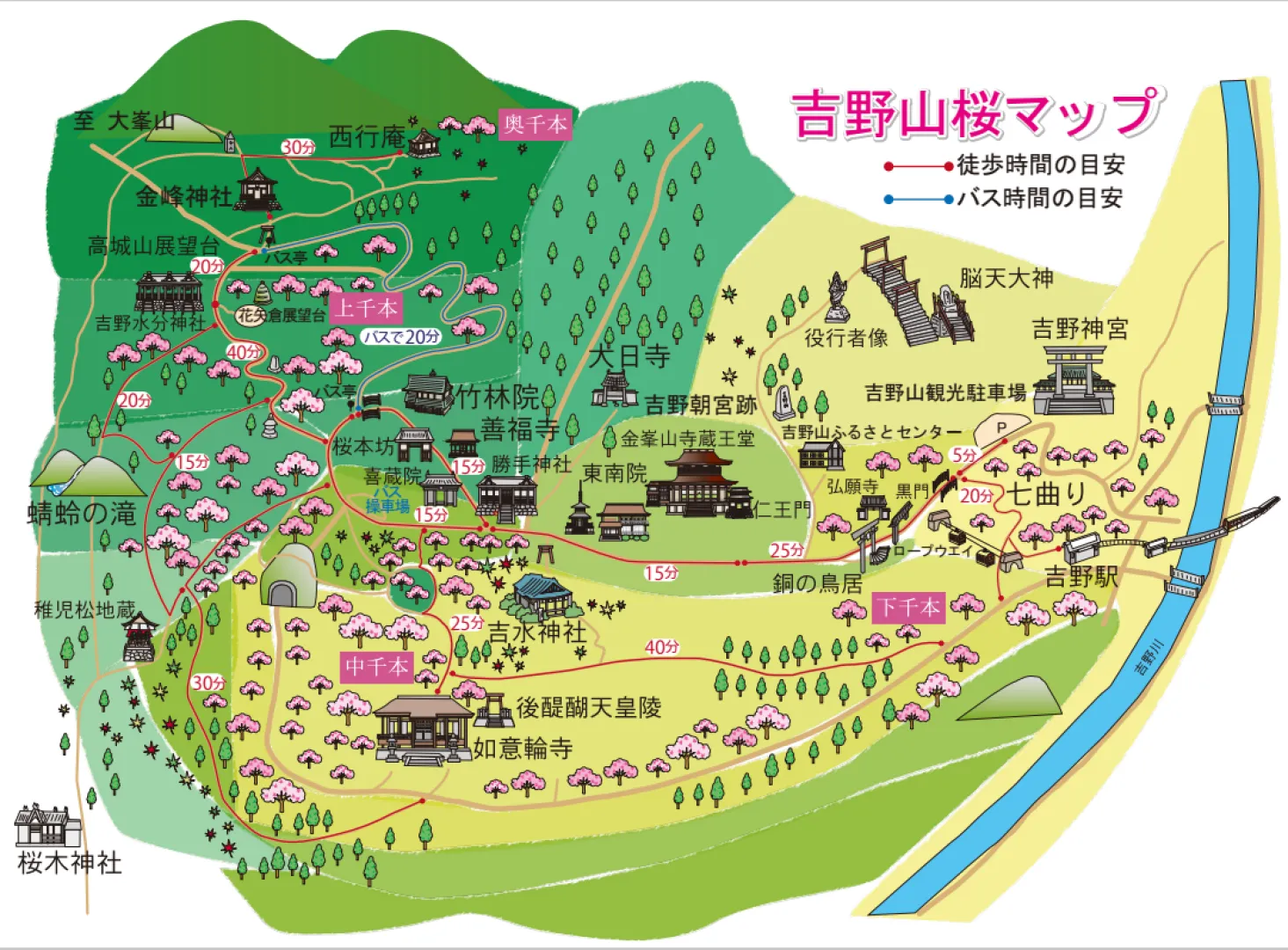
Mount Yoshino (吉野山): This is far from everything, so unless you're staying overnight, you'll find it quiet before 9 AM. By 10, the lower section gets busy, but the middle and upper areas stay peaceful—mainly because most visitors don't want to climb that far.
Nara Park: Most tourists don't stay overnight in Nara (and tour buses certainly don't), so you can enjoy quiet paths until about 10 AM—except near Todaiji Temple, which gets crowded by 9.
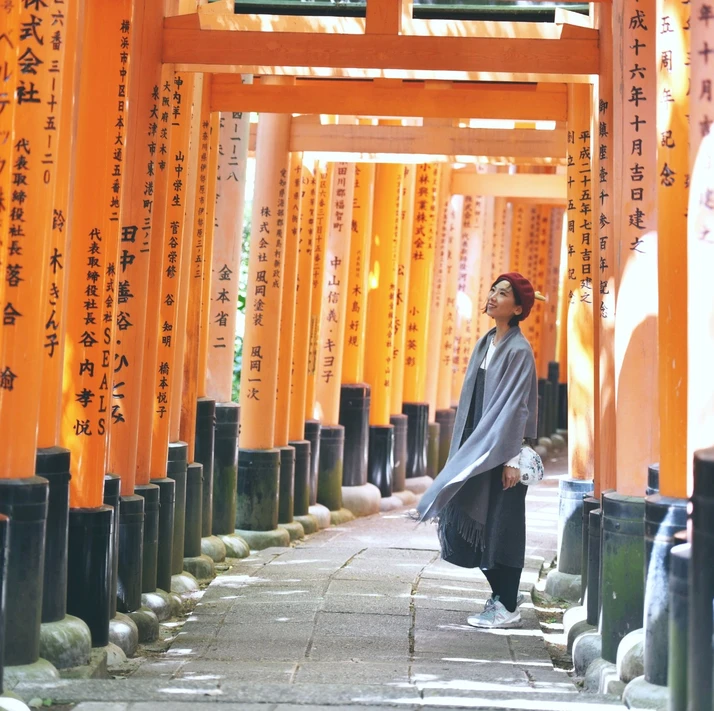
Kiyomizudera & Higashiyama District: This is Kyoto's most dense tourist zone. Hit Kiyomizudera and Yasaka Shrine by 7 AM, then wander down Ninenzaka and Sannenzaka slopes at your leisure. Save Kodai-ji Temple for later.
Keage Incline (蹴上傾斜鉄道): This is a local secret, so arrive before 8 AM for clear shots. After that, it fills up fast.
Arashiyama: Stay on Kyoto's west side near a JR station (JR is faster than the Randen tram), then leave by 6–7 AM to enjoy the bamboo grove and Tenryuji Temple before the crowds. Shops open around 9, so save eating and shopping for later. Bonus: temples like Daikaku-ji and Seiryo-ji, far from the main shopping street, stay quiet even at normal hours.
[Link: Kyoto off-the-beaten-path cherry blossom spots]
Websites That Saved My Trip
When cherry blossoms bloomed early and my itinerary fell apart, these sites helped me rebuild overnight:
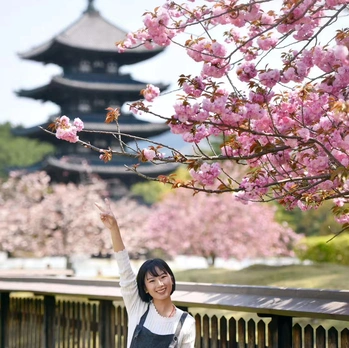
- Kyoto Cherry Blossom Map (kyoto-kankou.or.jp): Covers almost every Kyoto sakura spot, updated frequently with bloom status. Perfect for finding late-blooming locations when you're traveling at the tail end of season.
- Keage Incline Blog (personal blog, search "Keage Incline sakura 2018"): Foreign tourists rarely know this spot, so official sites don't cover it. This blog updates irregularly but is your best bet.
- Nara Cherry Blossom Info (nara-kankou.or.jp): Less detailed than Kyoto's site, but useful for cross-referencing.
- Today's Nara Park (nara-park.com): Daily photo updates of Nara Park—super fresh intel.
- Nara Saho River Blog (search "Saho River sakura"): Another local secret, covered only by personal blogs.
- Yoshino Tourism Association (yoshinoyama-sakura.jp): Everything about Mount Yoshino—lodging, restaurants, maps, and bloom status.
[Link: Japan cherry blossom tracking apps]
Our 8-Day Route: A Bird's-Eye View
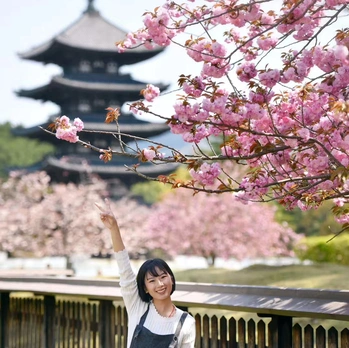
Budget Breakdown (for Two People)
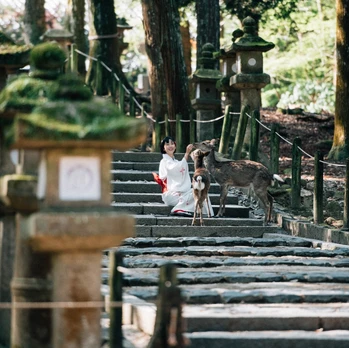
| Category | Cost (RMB) |
|---|---|
| Meals | 2,400 |
| Transportation (flights + local) | 5,400 |
| Accommodation (7 nights) | 7,300 |
| Activities (tickets, hot springs) | 1,000 |
| Souvenirs | 1,250 |
| Other (kimono rental, insurance, WiFi) | 1,200 |
| Total | 18,550 (~9,300 per person) |
Transportation Choices & Why
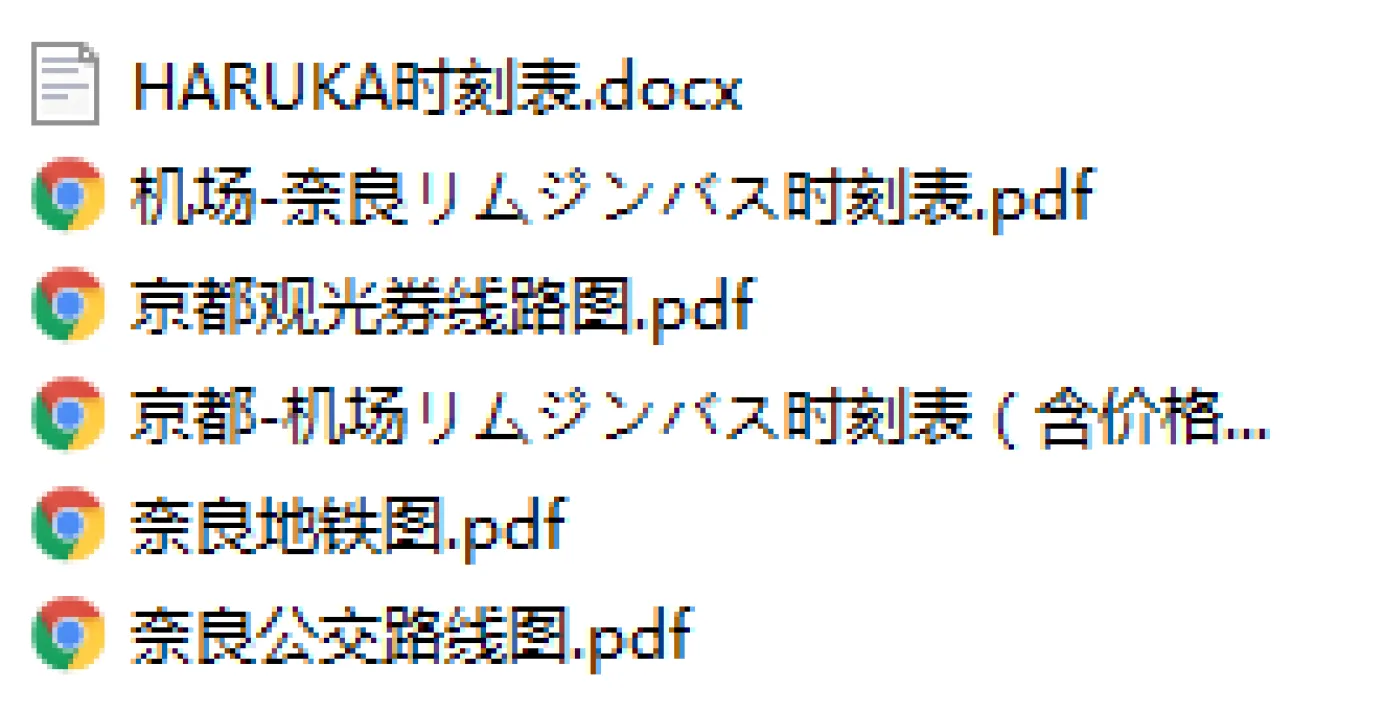
We used three passes: HARUKA (airport to Tennoji + Kyoto to airport), Kyoto Sightseeing 2-Day Pass (1,700 yen), and ICOCA for everything else.
Why not other passes?
- Kintetsu Rail Pass: Our long-distance trips were spread out (airport to Yoshino, Yoshino to Nara, Nara to Kyoto, Kyoto to airport), and express trains require extra fees. Not cost-effective.
- JR Pass or Kansai Thru Pass (KTP): Our daily transport costs stayed under 2,000 yen per person, and many trips didn't require JR trains. KTP doesn't cover JR lines, which we used for some attractions.
- Airport Bus vs. HARUKA: HARUKA to Kyoto costs 1,600 yen per person; the airport bus is 2,550 yen. Easy choice.
Pro tip on HARUKA tickets: Kyoto Station has two green ticket counters. Only the one on the lowest floor sells standalone HARUKA tickets, and you must buy them at the manned counter. Staff couldn't explain why.
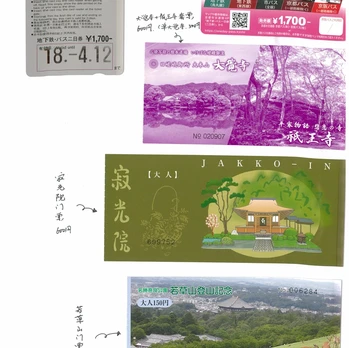
Kyoto Sightseeing 2-Day Pass (1,700 yen): I bought this last-minute after reading a blog. It covers Kyoto's subway (Karasuma + Tozai lines), city buses, and some Kyoto Bus routes—but not JR or the Randen tram to Arashiyama. I still got my money's worth because I took several buses within Arashiyama (shuttling to Daikaku-ji for photos). But do the math before buying.
[Link: Japan Rail Pass vs ICOCA comparison]
Day 1–2: Mount Yoshino – Where the Real Hike Begins
Access: Take the Kintetsu line to Yoshino Station (terminal), then walk up. There's a ropeway, but it was under maintenance during our visit. Honestly, even without luggage, the walk is fine.
Important: Do not bring large suitcases up to mountain lodges. The paths are steep and long. Either store luggage in station lockers or ship it directly to your next hotel.
Opening hours: 24/7, free entry. Ropeway: 360 yen one-way. Special buses run during cherry blossom season (400 yen/single from Chugusenbō to Okusenbō area).
Bloom timing: Early to mid-April historically, but the window is narrow—4–10 days, and petals fall within 1–2 days after peak. In 2018, bloom started in late March. We caught the tail end and felt the pain.
What We Loved
Our lodge owner recommended the morning chanting session at Zao-ji Temple (a World Heritage site). At 6:30 AM, we joined a handful of worshippers for a surreal recitation. It started snowing—yes, April snow—and a shivering Shiba Inu watched us from a corner. The whole experience felt otherworldly.
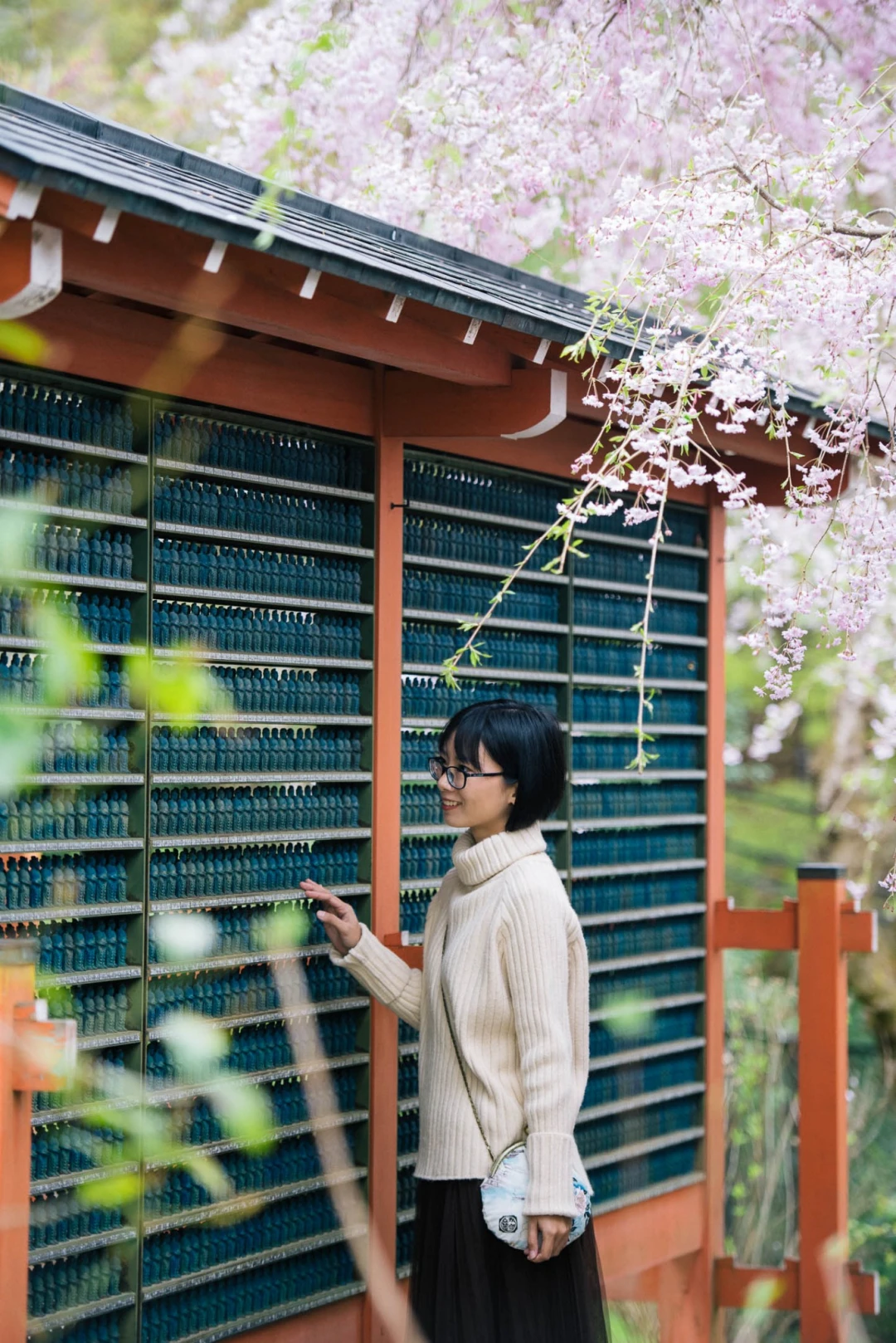
The best photo spots? Yoshimizu Shrine (mid-mountain) for the famous "one-thousand cherry trees" view, and the slope leading to Hanagura Observatory (upper mountain)—the bend before the observatory actually offers a better angle than the observatory itself.
Insider Tips
- Restaurants and shops close by 6 PM. Only one place in Chugusenbō stays open late.
- For misty photos, go early morning or late afternoon—which means staying overnight. The higher your lodging, the better.
- From base to Okusenbō takes about 2 hours on foot.
- Bring a raincoat. Rain and fog are common.
- The ropeway is skippable. Walk the "Seven Curves" path instead—15–20 minutes, surrounded by cherry trees.
[Link: Mount Yoshino hiking trails guide]
Day 3–4: Nara – Deer, Temples, and Hidden River Blossoms
Access: From Yoshino, take Kintetsu to Nara Station (about 1.5 hours). Stay near Nara Park for early-morning access.
Bloom timing: Mid-April, overlapping with Mount Yoshino's tail end. The Saho River and Nara Park offer different varieties that bloom slightly later.
What We Loved
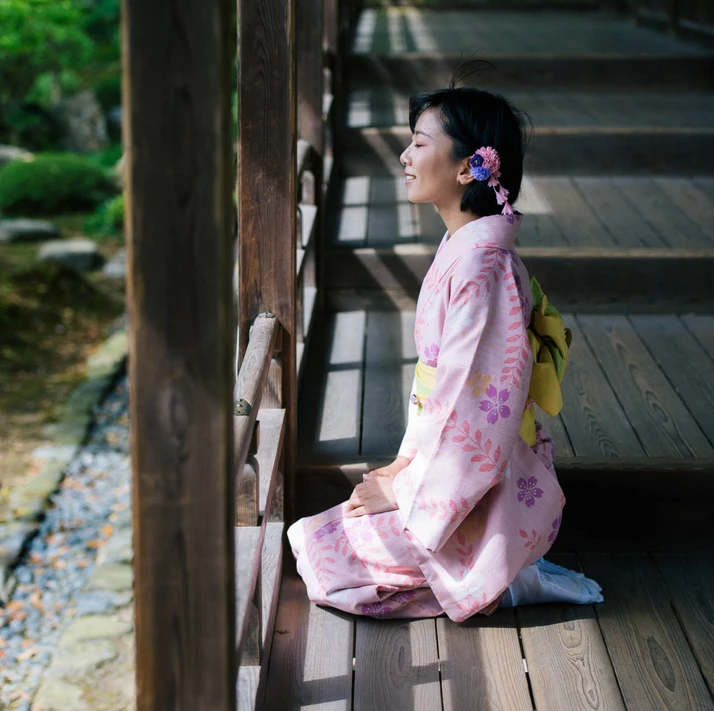
The Saho River (佐保川) was our biggest surprise. It's a 15-minute walk from Nara Station, lined with weeping cherry trees that form a tunnel of pink. We arrived at 7 AM and had the entire stretch to ourselves—just the sound of water and occasional deer wandering by.
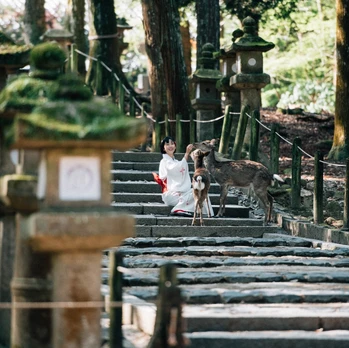
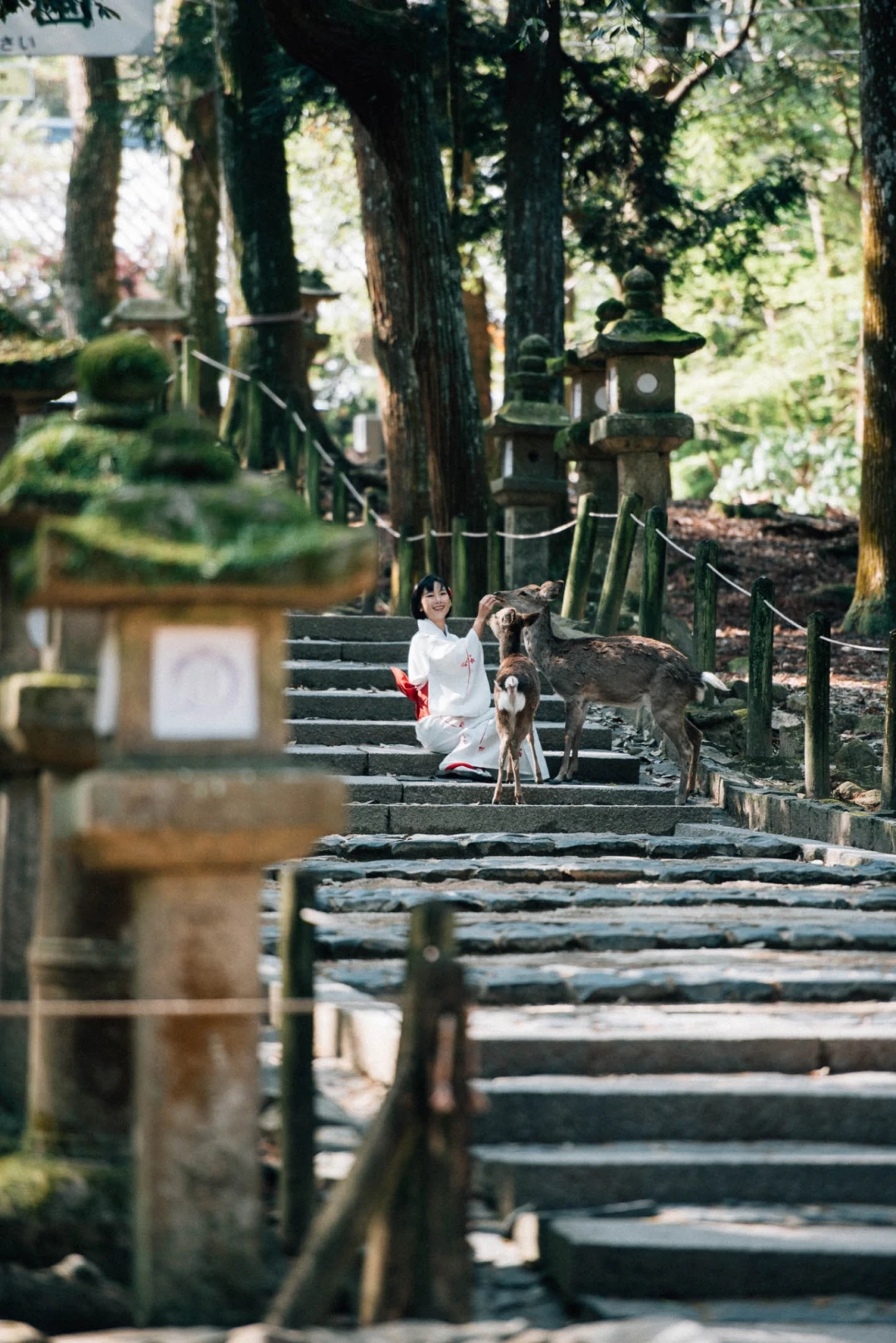
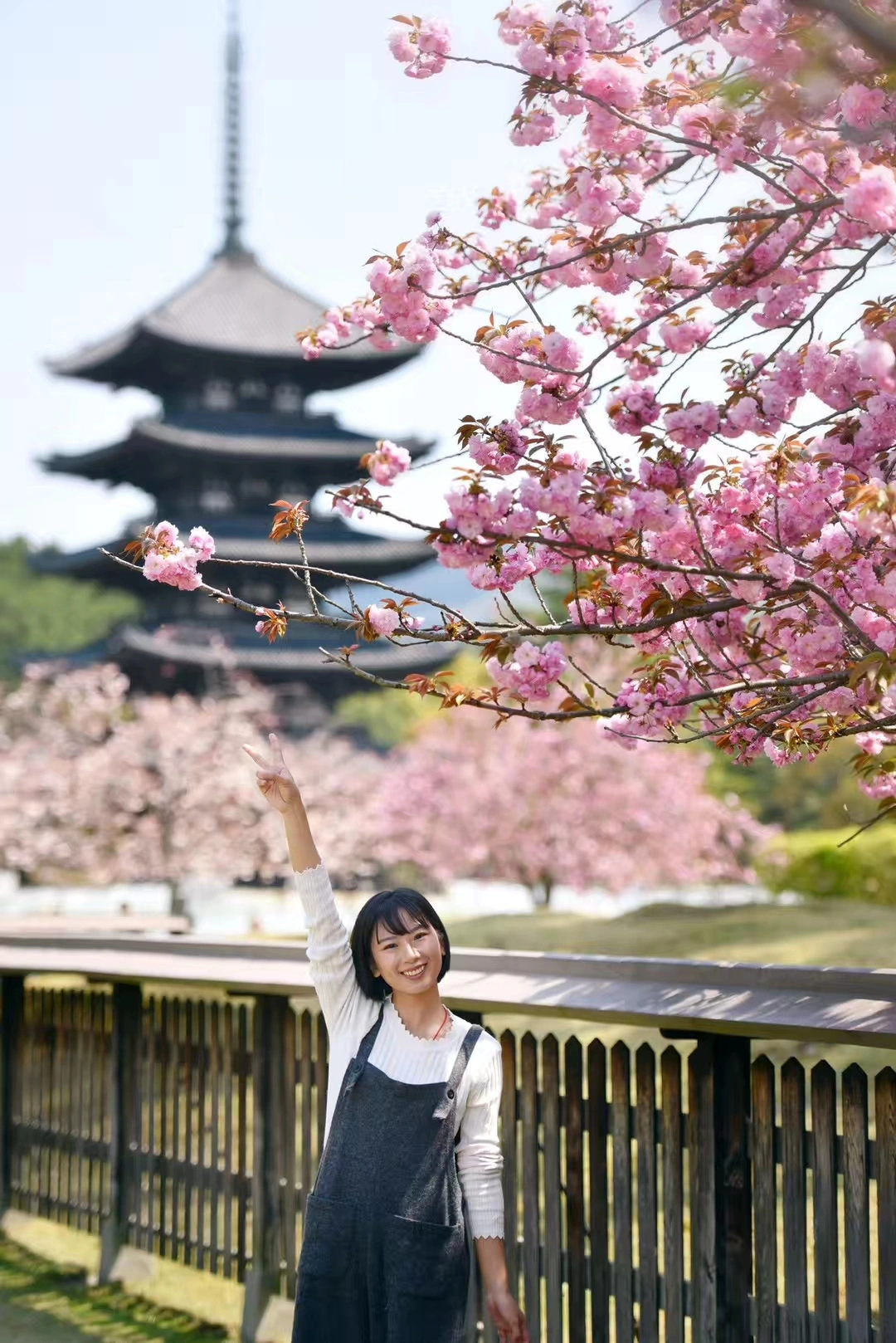
Nara Park at dawn is a completely different experience from midday chaos. The deer are still sleepy, the light is golden, and you can photograph Todaiji's silhouette without a single person in frame. By 9 AM, tour groups arrive, but we were already heading to the quieter east side of the park.
Insider Tips
- Nara Park Cherry Blossom Map (nara-park.com) updates daily with photos—check before heading out.
- The Kasuga-taisha approach is lined with stone lanterns and cherry trees. Go at 6:30 AM for ethereal light.
- Isuien Garden offers a paid but uncrowded viewing experience. The reflection pond is stunning.
- Skip the crowded deer crackers area near Todaiji. Walk to the less-visited Wakakusa Mountain base for deer interactions without the mob.
[Link: Nara off-season travel tips]
Day 5–8: Kyoto – Mastering the Art of Early Starts
Access: From Nara, take JR Nara Line to Kyoto Station (about 45 minutes). Stay in Higashiyama or near Kyoto Station for easy access.
Bloom timing: Mid-to-late April. Kyoto's diverse microclimates mean you can find blossoms even late in the season.
Day 5: Eastern Kyoto – The Classic Route, Reimagined
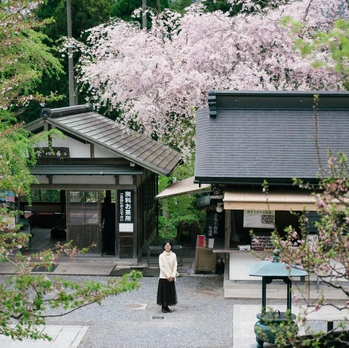
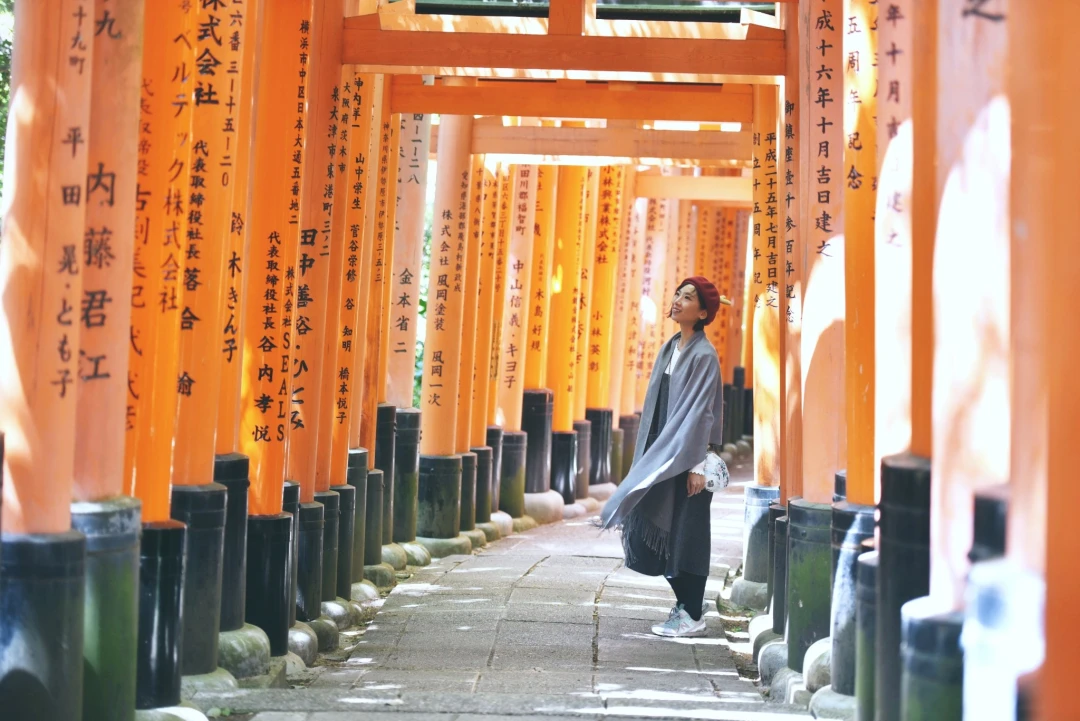
Kiyomizudera opens at 6 AM during cherry blossom season. We arrived at 6:30 and had the main platform to ourselves for 20 minutes. By 7:30, the crowds started streaming in.
Ninenzaka and Sannenzaka slopes are empty before 8 AM. We walked them twice—once in solitude, once later to see the shops open. The contrast was stark.
Keage Incline is a 10-minute walk from Kiyomizudera. We arrived at 7:30 AM and got clear shots of the abandoned railway lined with cherry trees. By 8:30, it was shoulder-to-shoulder.
Day 6: Arashiyama – The Bamboo Grove Before the World Wakes
We stayed near JR Saga-Arashiyama Station (not the Randen tram, which is slower). Left at 6:15 AM, walked through the bamboo grove at 6:30—completely alone. Tenryuji Temple opened at 8:30, and we were first in line.
Daikaku-ji and Seiryo-ji are 15 minutes from the main shopping street. Even at 10 AM, they felt peaceful. Daikaku-ji's pond reflection of cherry blossoms is a hidden gem.
Day 7: Late-Blooming Spots
If you're traveling at the tail end of season, these spots still had blossoms:
- Ninna-ji Temple (Omuro): Famous for late-blooming Omuro cherry trees. We visited on April 15 and found 70% bloom.
- Haradani-en Garden: A private garden open only during cherry blossom season. Late-blooming varieties ensure color even in late April.
- Kamogawa River: The northern stretch (near Demachiyanagi) has cherry trees that bloom a week later than central Kyoto.
Day 8: Departure
We took the HARUKA from Kyoto Station to Kansai Airport (75 minutes, 1,600 yen). Pro tip: buy your ticket at the manned counter on the lowest floor of Kyoto Station—the other counter doesn't sell standalone HARUKA tickets.
[Link: Kyoto cherry blossom season packing list]
Frequently Asked Questions
1. When is the best time to see cherry blossoms in Kansai without crowds?
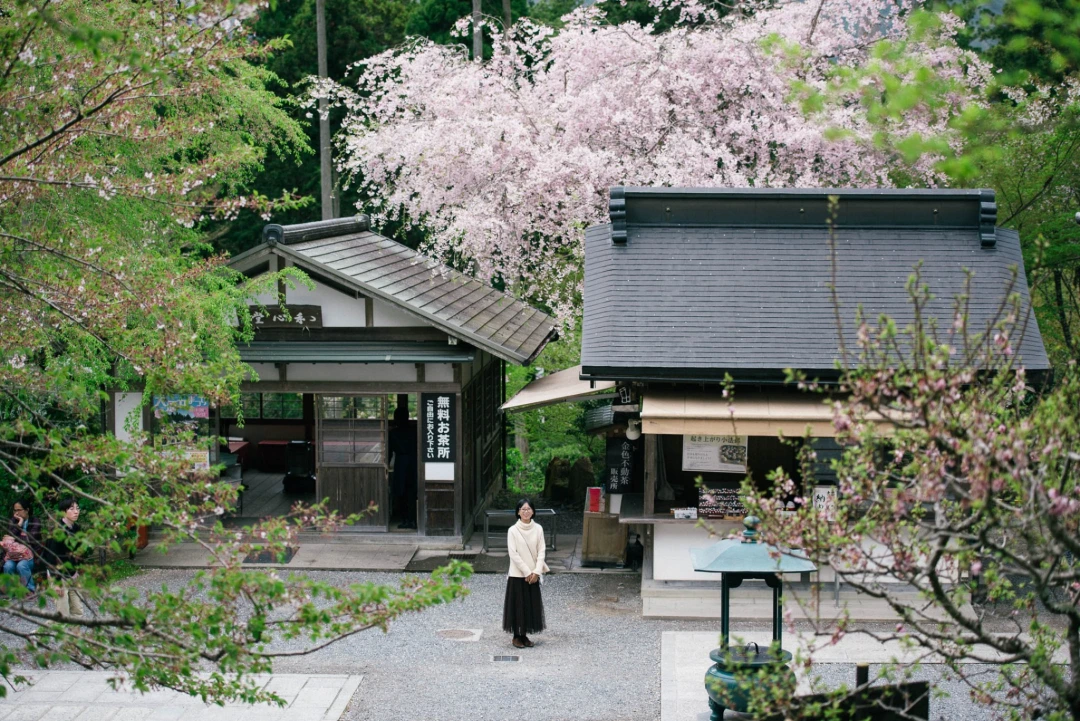
Late March to mid-April is peak season, but crowds are inevitable. For solitude, visit during the first week of April (before Golden Week) and focus on early mornings (before 8 AM) and less-visited spots like Mount Yoshino's upper areas, Nara's Saho River, and Kyoto's Daikaku-ji.
2. Is it worth staying overnight on Mount Yoshino?
Absolutely. Staying overnight lets you experience the early morning chanting at Zao-ji Temple and capture misty photos at dawn. Most day-trippers leave by 4 PM, so you'll have the upper mountain to yourself in the late afternoon and early morning.
3. How much does a Kansai cherry blossom trip cost for two people?
Our total was approximately 18,550 RMB (~9,300 RMB per person), including flights, accommodation (7 nights), meals, transportation, activities, and souvenirs. Budget-conscious travelers can reduce costs by choosing guesthouses over ryokans and using local buses instead of taxis.
4. Can I see cherry blossoms in Kyoto without crowds?

Yes, but you need to plan strategically. Arrive at popular spots like Kiyomizudera and Arashiyama's bamboo grove by 6:30–7 AM. Alternatively, visit lesser-known locations like Keage Incline, Daikaku-ji, and the Saho River in Nara, which remain quieter even during peak hours.
5. What should I pack for a cherry blossom trip to Kansai?
Pack layers (temperatures range from 5–20°C in April), a raincoat (rain and fog are common on Mount Yoshino), comfortable walking shoes (you'll hike 10,000+ steps daily), and a portable Wi-Fi device for checking bloom status websites. Don't forget a reusable water bottle and snacks for early mornings.
[Link: Japan cherry blossom photography tips]
Ready to Plan Your Own Crowd-Free Sakura Adventure?
The secret to a peaceful cherry blossom journey isn't luck—it's strategy. Wake up early, stay overnight near attractions, and embrace the less-traveled paths. Mount Yoshino's misty mornings, Nara's hidden river blossoms, and Kyoto's empty temple grounds are waiting for you.
Start planning today. Book your accommodations at least 3–4 months in advance, especially for Mount Yoshino lodges. Monitor bloom forecasts daily using the websites listed above. And remember: the best photos come from patience, not from fighting for space.
Your turn: What's your dream cherry blossom destination in Japan? Share in the comments below, or [Link: contact us for personalized itinerary planning].
This article was last updated in April 2025. Cherry blossom timing varies yearly; always check current forecasts before booking.