Beyond Neon, Between Waters: A 48-Hour Travelogue Through Shanghai and Jiaxing
Here is the SEO-optimized and rewritten article based on your source material. It has been restructured for search visibility while preserving the poetic, narrative quality of the original travelogue.
SEO Title: Beyond Neon, Between Waters: The Ultimate 48-Hour Shanghai & Jiaxing Spring Travel Guide
Meta Description: Escape the tourist trail. Discover a poetic 48-hour journey through Shanghai’s neon skyline and Jiaxing’s misty waters. A family travelogue with sunset tips, Bund views, and hidden Jiangnan gems.
Beyond Neon, Between Waters: A 48-Hour Travelogue Through Shanghai and Jiaxing
Prologue: A Spring Reunion Across Time and Space
The late March wind still carried a biting chill, yet it could no longer conceal the gentle warmth of Jiangnan spring. Shanghai Hongqiao Station teemed with life—the rumble of suitcase wheels rising and falling on the platforms like a hurried overture. My wife and I stood on the platform of Metro Line 2, watching our son’s figure merge into the crowd. He was dragging two large suitcases, turning back to wave at us with a gesture that held the composure of an adult, yet retained a hint of youthful lightness. The sound of rolling luggage gradually dissolved into the station’s clamor, as if time itself had been stretched in that moment, only to be swiftly swallowed by reality.
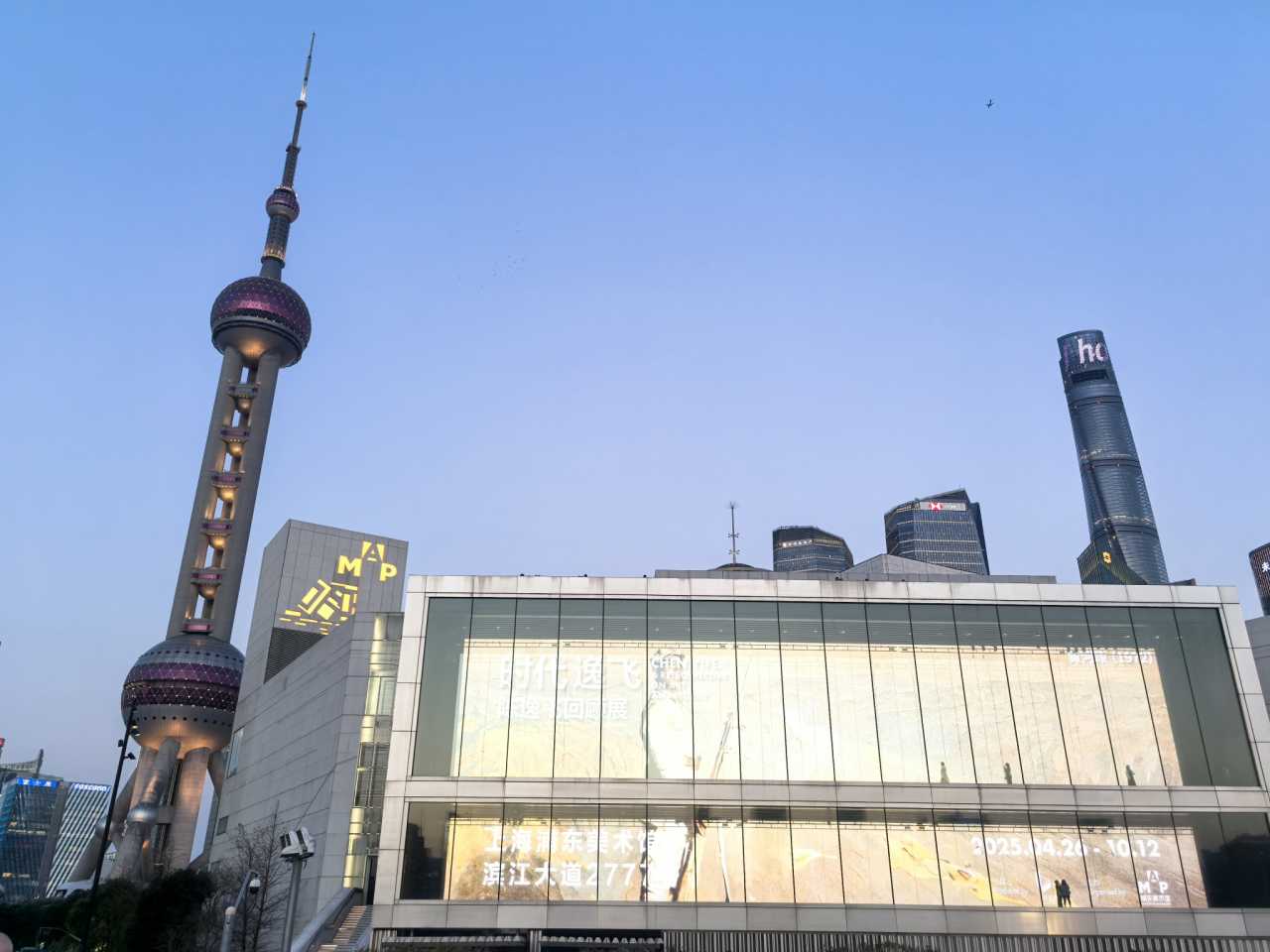
Following the hotel reservation he had made for us, we took the metro toward the InterContinental Hotel near the Shanghai Convention Center. As the revolving door opened, the sweet fragrance of lilies washed over us—the floral arrangement in the lobby was in full bloom, its pink petals dewy and delicate, as if capturing the entire tenderness of spring. After checking in smoothly, we waited patiently for the evening dinner appointment with our son on the Bund. This 48-hour journey, from this very moment, was destined to inscribe a spring travelogue for our family—somewhere between neon lights and misty waters.
Day 1: Shanghai Sunset on the Huangpu – Lights That Warm the Heart

17:30 | Lujiazui Circular Skybridge: A Twilight Narrative in a Steel Forest
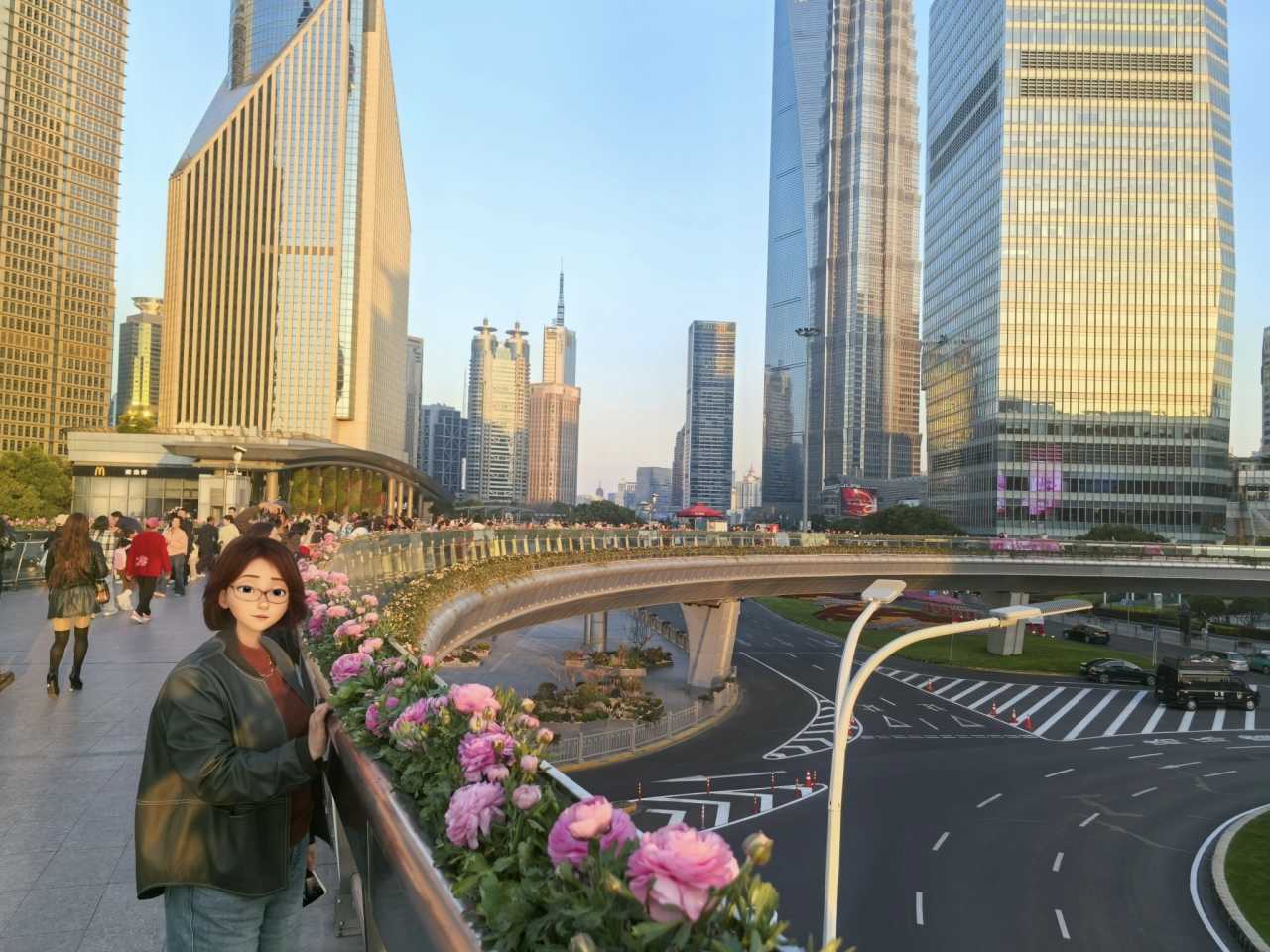
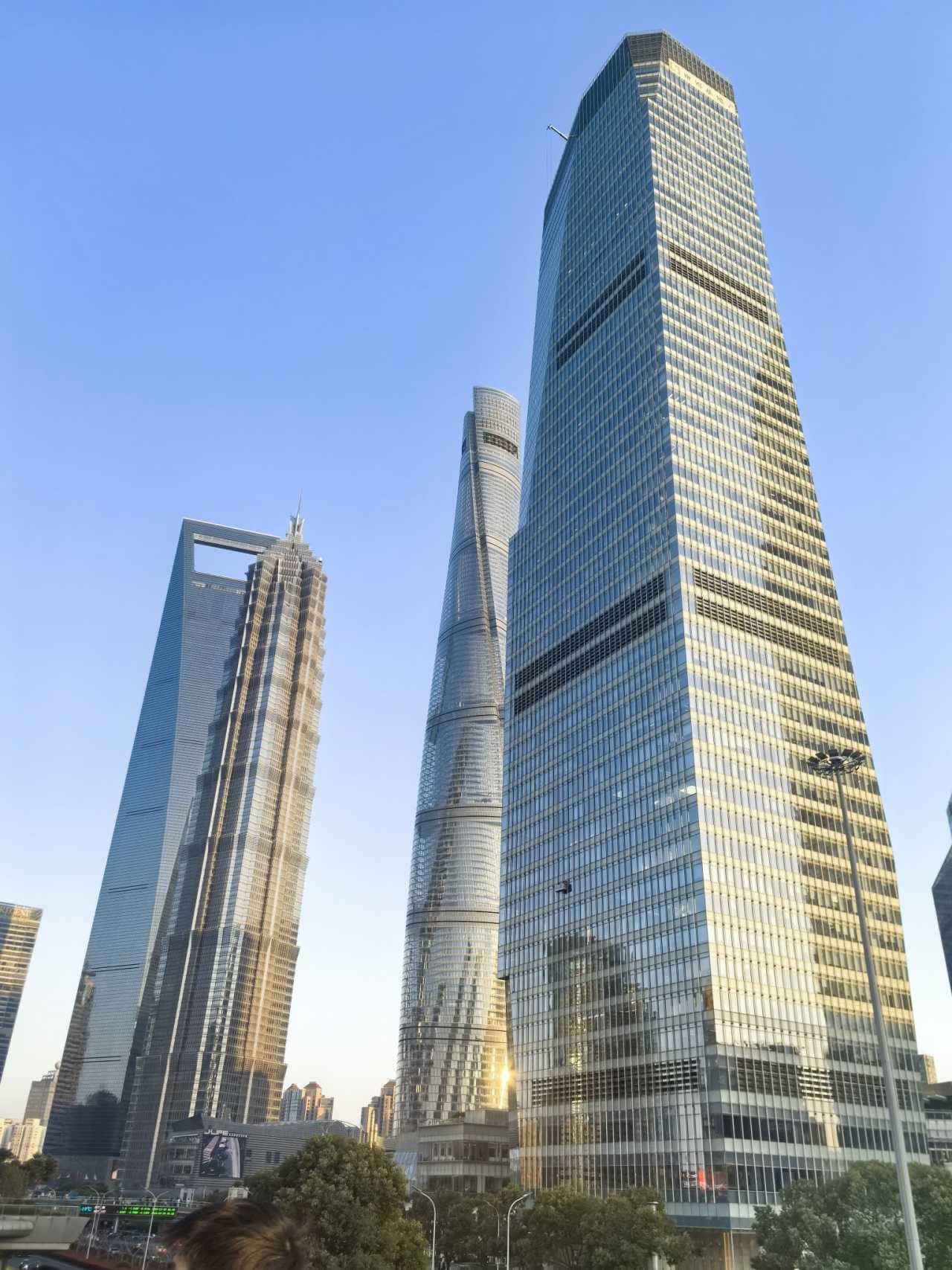
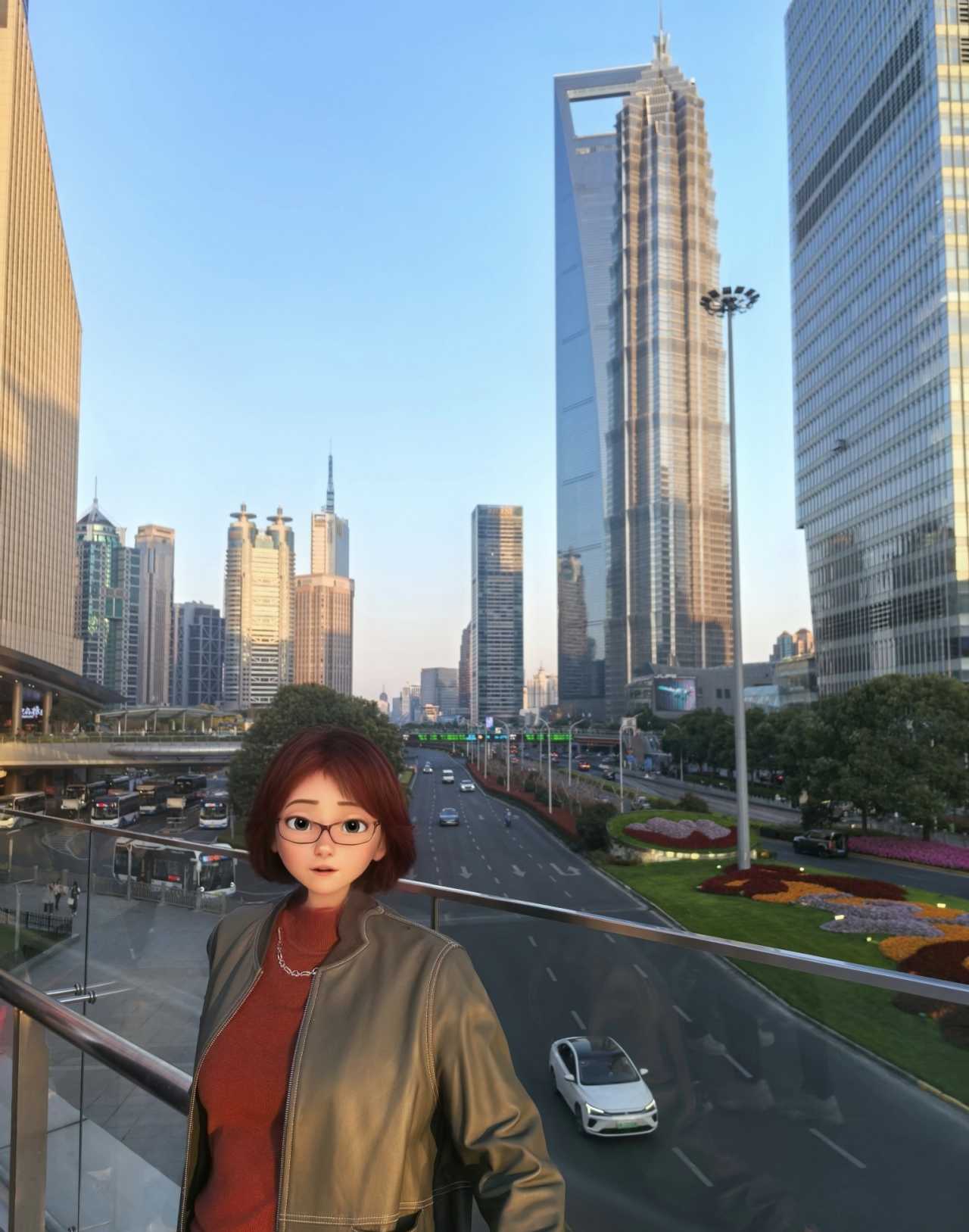
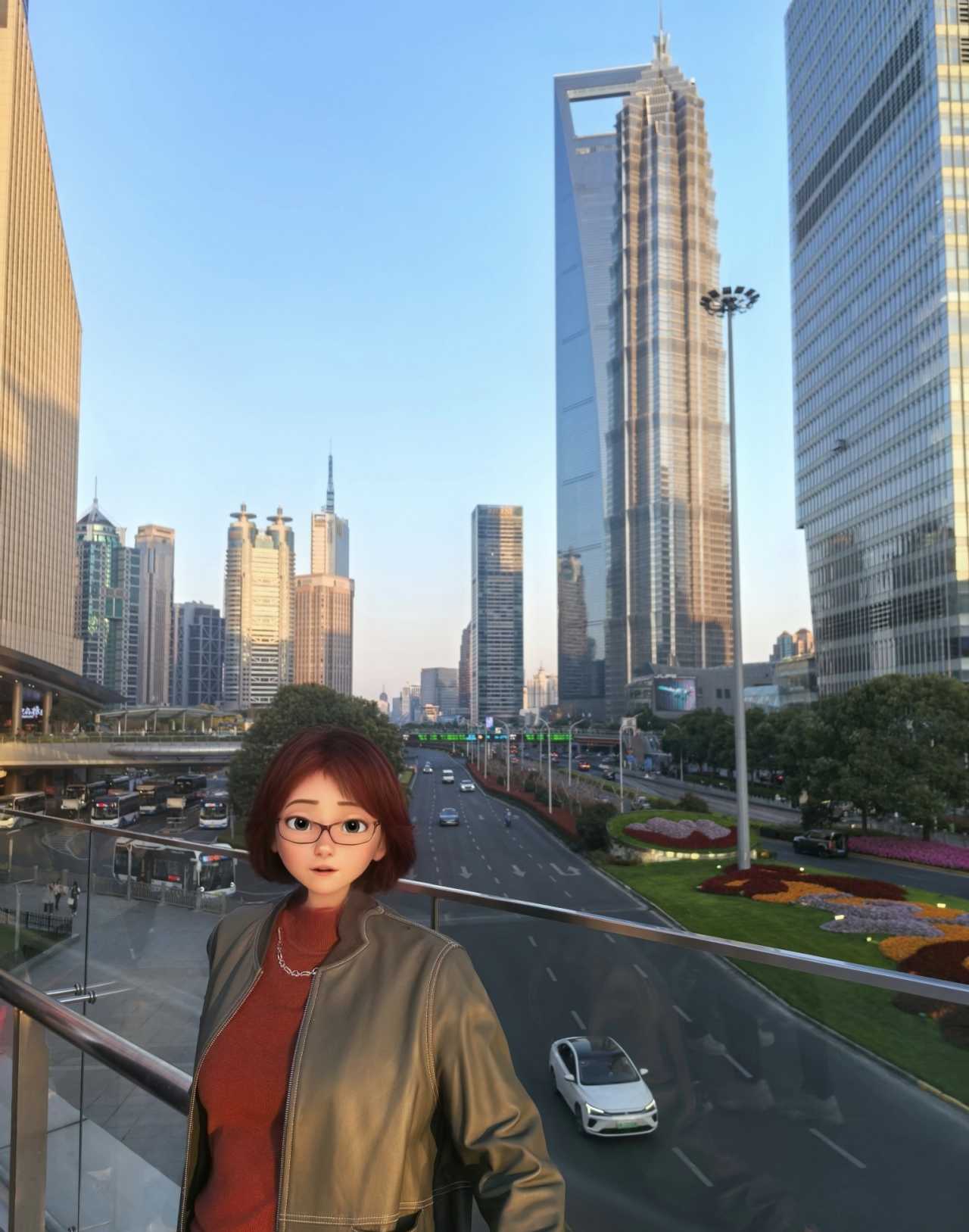
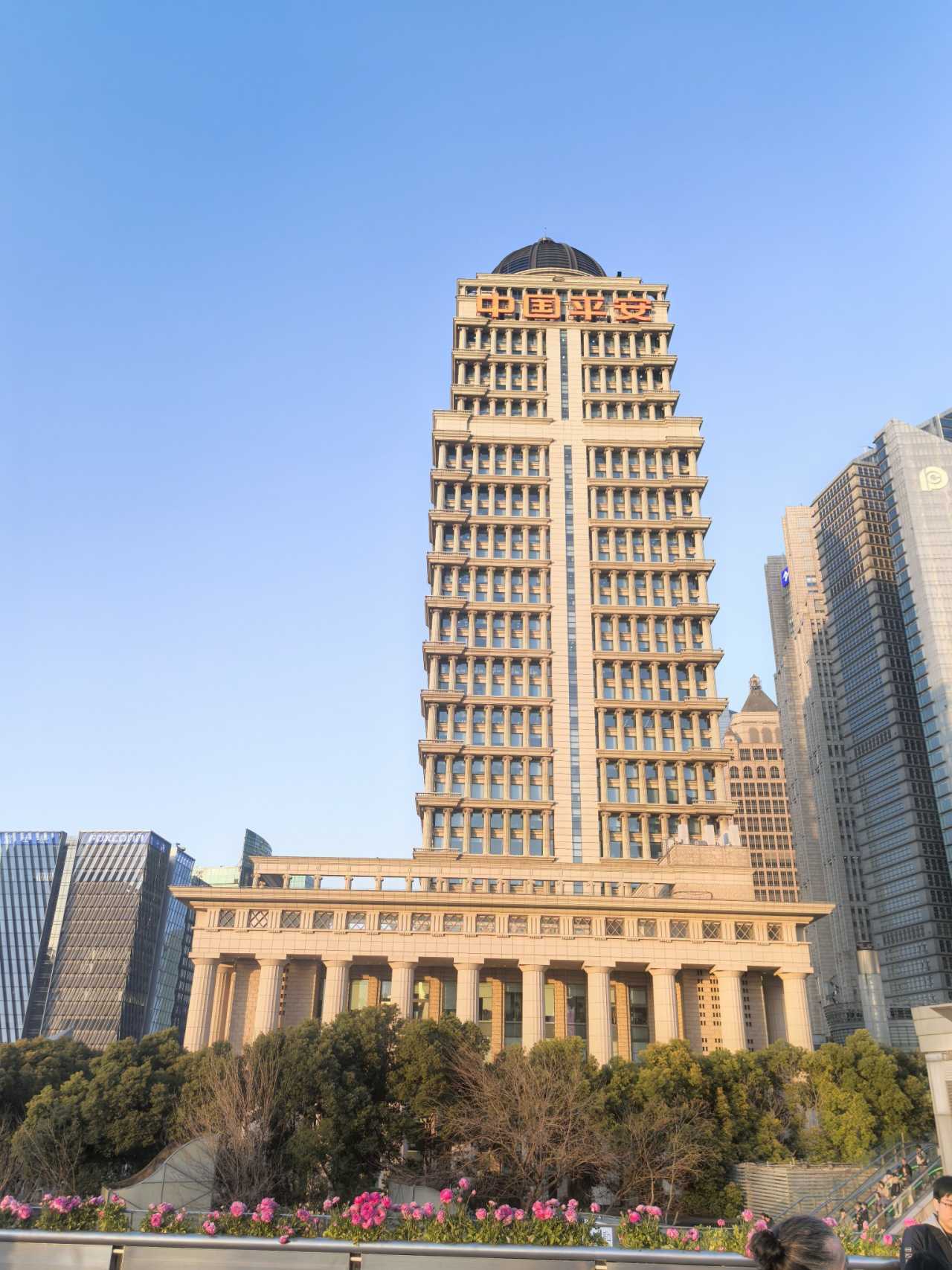
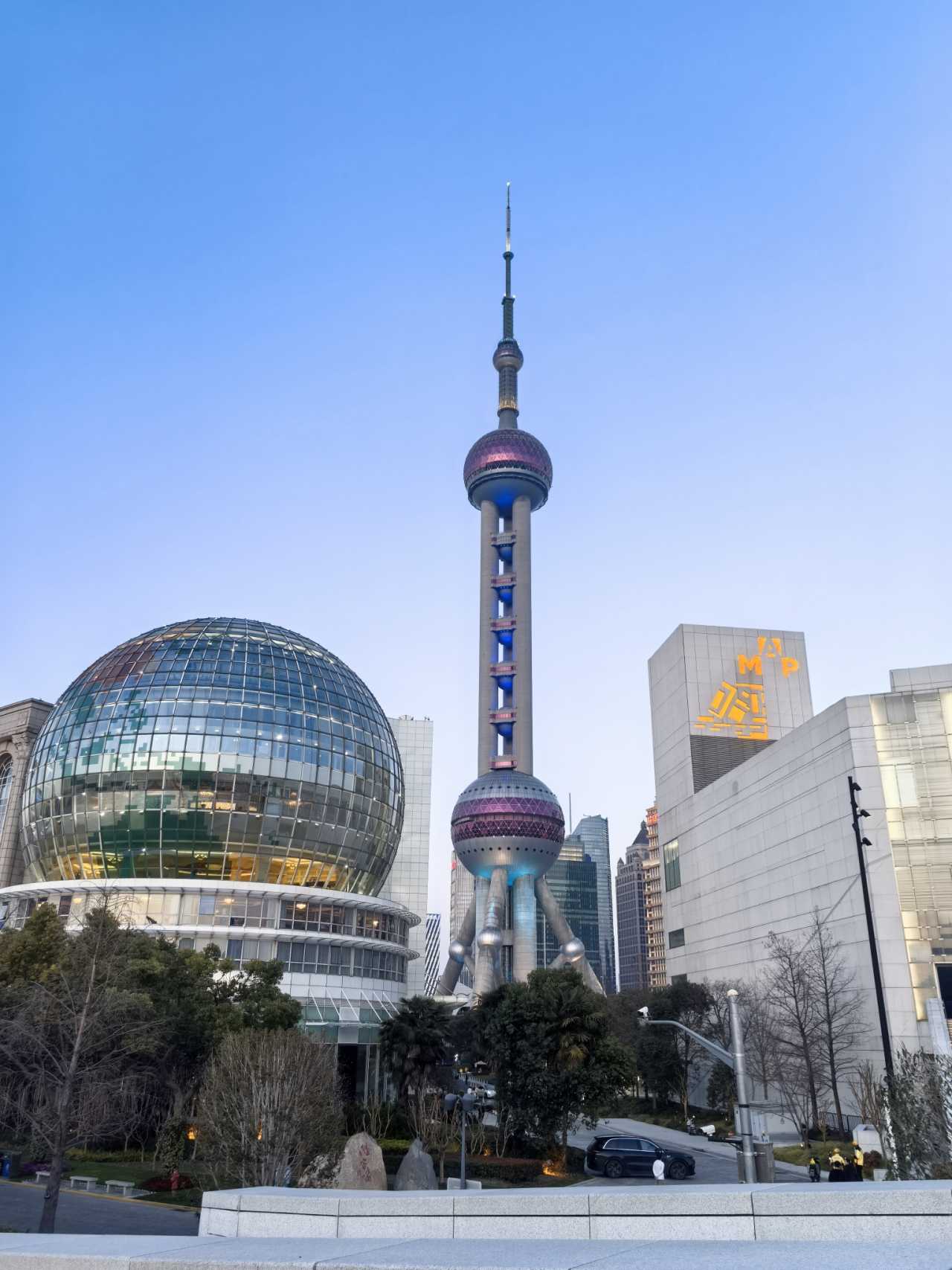
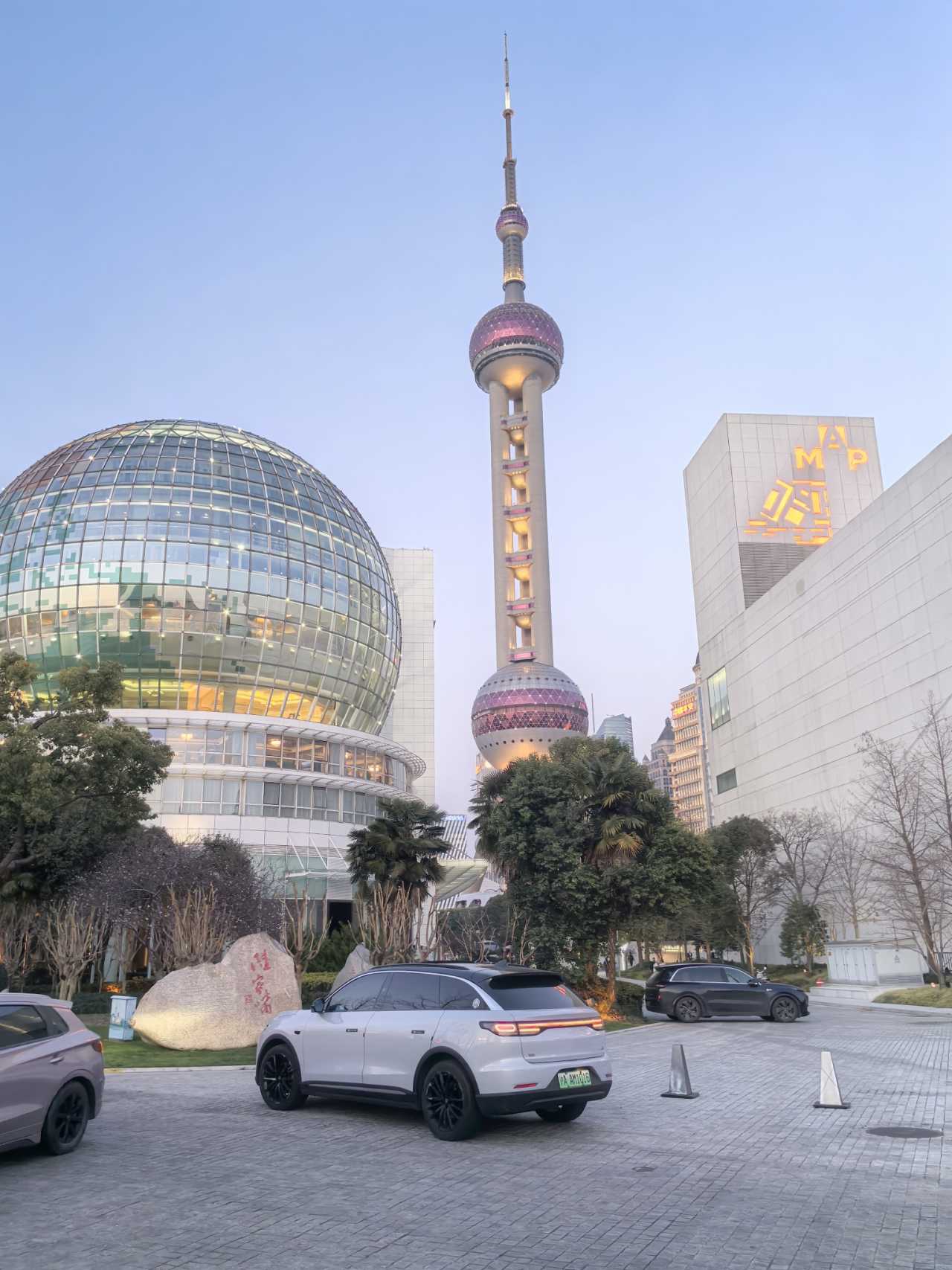
When my wife and I emerged from Metro Line 2, the Lujiazui skyline unfurled before us like a giant screen. We felt as though we had stepped into an elevated corridor through a forest of steel. The glass curtain walls of surrounding skyscrapers crushed the setting sun into fragments of gold, refracting countless brilliant specks of light. The circular skybridge wound like a silver ribbon among the towers, and before us, the "Lujiazui Three-Piece Set" was performing a symphony of light and shadow.
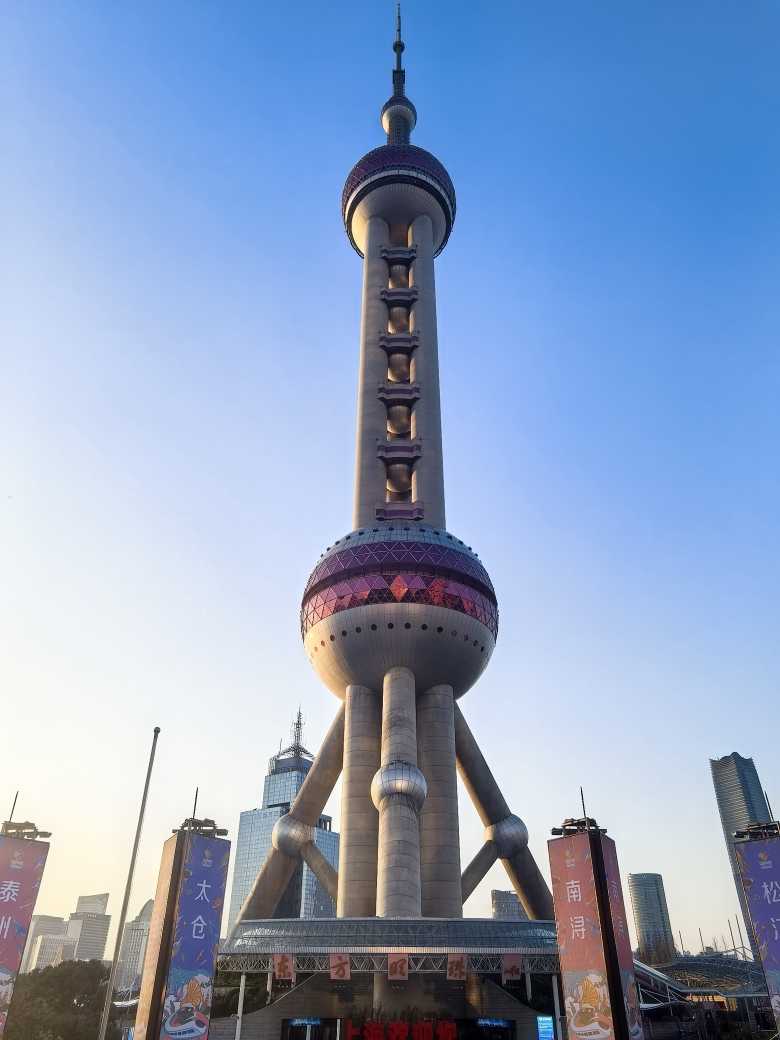
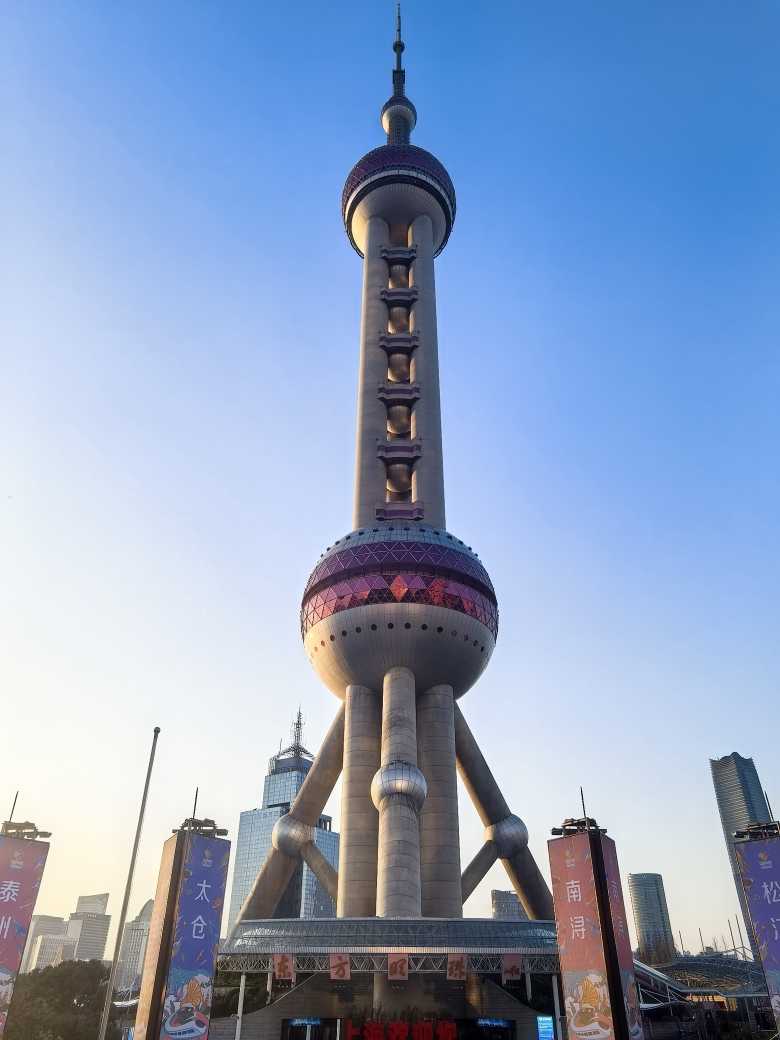
- The spherical observation deck of the Oriental Pearl Tower wore a crimson sunset crown.
- The trapezoidal opening of the Shanghai World Financial Center held half a setting sun.
- The spiral curtain wall of the Shanghai Tower flowed with amber halos.
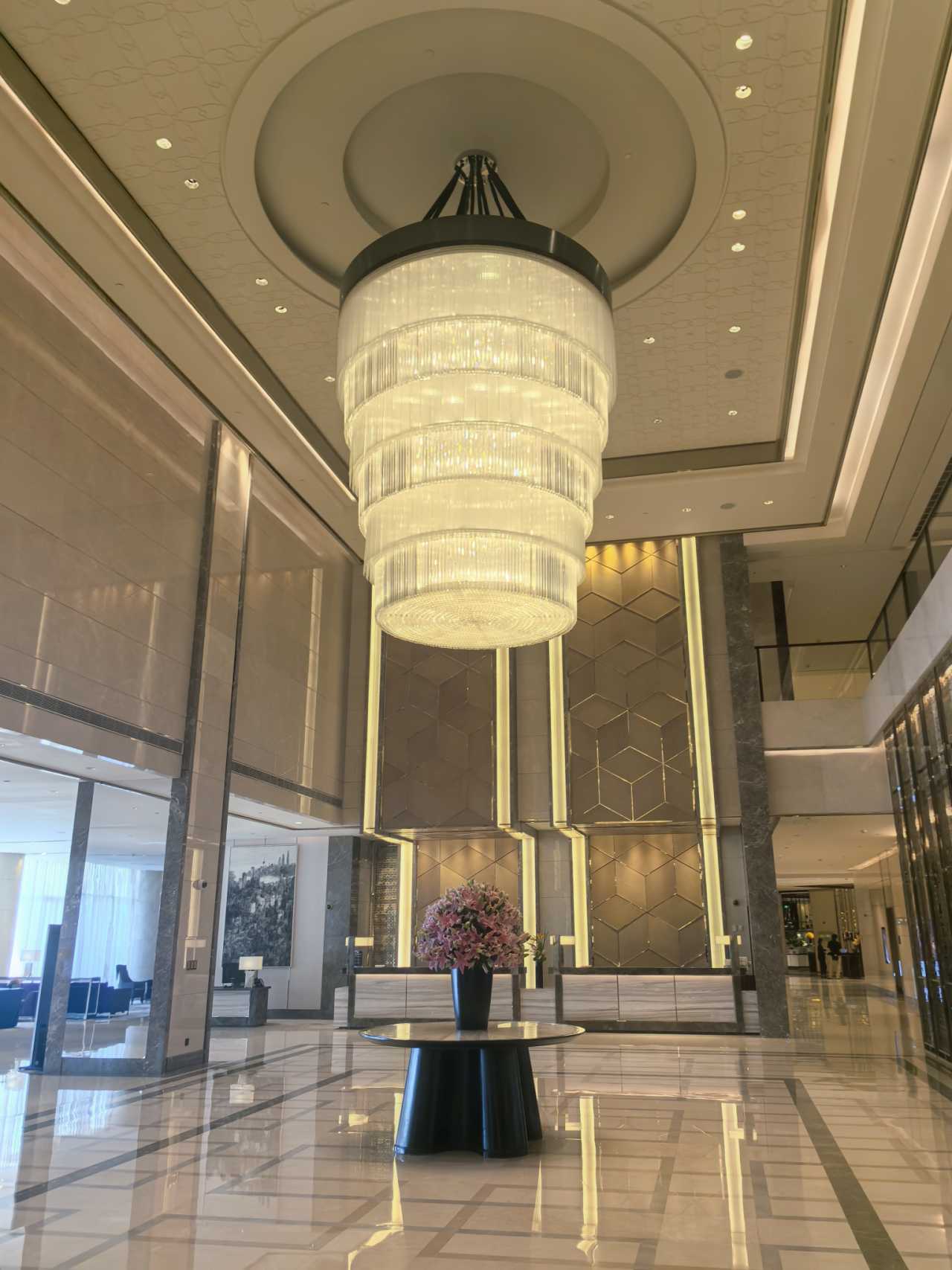
Even the cold office towers were bathed in a warm orange glow. On the southeast side of the skybridge, a few magnolia trees stretched their branches quietly, their red and white petals appearing even more luminous against the backdrop of steel and glass—like a deliberate blank space designed by the city.
I leaned against the railing, my thoughts suddenly drifting back to the Dragon Boat Festival seven years ago, when I had come to Shanghai specifically to see off our son as he left to study in the United States. The scene before me intertwined with that memory: the glass curtain walls greedily drank in the last rays of daylight in the twilight hour, as if in an instant they could refine that light into countless golden thieves. I stood still in the wind, letting the city's clamor flow with time.
Travel Tip: The Lujiazui Circular Skybridge is located at the busy intersection in the central Lujiazui area, spanning Century Avenue, Lujiazui Ring Road, and Lujiazui West Road. Exit 1 of Lujiazui Station on Metro Line 2 leads directly to it. Primarily a pedestrian walkway, it also serves as a "sightseeing corridor," making it an excellent spot for photographing buildings, people, or the night view. Most notably, by simply stopping on the circular skybridge, you can capture all three skyscrapers—Shanghai Tower, Jin Mao Tower, and Shanghai World Financial Center—in a single frame.
18:00 | Pudong Art Museum Sunset Corridor: A Suspended Amber of Time
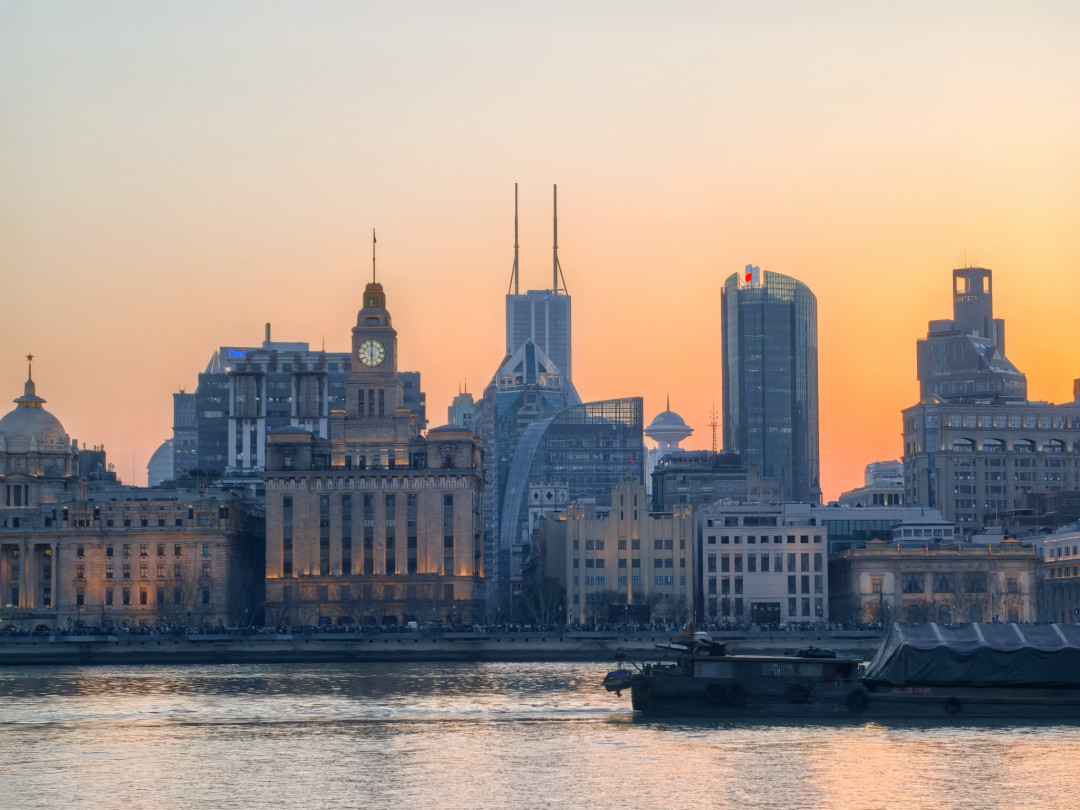
Descending from the skybridge and walking westward along the riverside promenade, the Mirror Hall of the Pudong Art Museum was framing the twilight into a flowing picture. Turning a corner, the broad Huangpu River spread out before us. On the opposite bank, the spire of the Peace Hotel pierced the honey-colored dusk. The copper rust of the Customs House Bell glowed with a warm, aged luster in the misty light.
At this moment, the Huangpu River was unfurling a satin sheet of sunset: flames of molten gold leaked from the gaps in the clouds, shattering into leaping specks of gold on the water's surface. Occasionally, a waterbird flew by or a ferry crossed, its wake rippling and crumpling the reflections. By now, the Sunset Corridor had gathered a forest of tripods belonging to photography enthusiasts. At that very moment, the outline lights of the Bund's historic buildings began to illuminate one by one:
- The Asia Building was the first to open its amber eyes.
- Classical domes, Neo-Renaissance columns, and Baroque carved balconies lit up in succession.
It looked like a golden dragon that had been dormant all day, shaking open its armor studded with golden scales.
Travel Tip: The Sunset Corridor at the Pudong Art Museum is a free viewing platform at the foot of the Oriental Pearl Tower. It offers an unparalleled perspective for viewing the Bund’s historic buildings. The lighting time for the Bund’s buildings is 6:00 PM in winter and 7:00 PM in summer. Arrive an hour early to stroll along the river and enjoy the evening breeze. Don’t miss the blue hour after 7:00 PM.
18:30 | The Bund: A Rainbow Through a Time Tunnel
During the fantastical seven-minute crossing of the Huangpu River, my wife held tightly to my hand. The LED strips on the tunnel walls simulated deep-sea wonders, with manta ray-shaped lights swimming across the ceiling. As the magnetic levitation train accelerated, the deep blue light cast river-of-stars-like shadows on the tunnel walls. In that instant, I remembered a family trip through this same sightseeing tunnel years ago, our young son’s excited exclamations still echoing in my ears.
As soon as we emerged, the evening breeze from the Bund carried the sweet scent of tulips. The flowers in the garden beds were blooming boldly: red like fire, yellow like sunset clouds, pink like mist. My wife stood before them, beaming, and I captured this warm scene with my camera. By now, all the outline lights of the historic buildings were fully lit. The dome of the HSBC Building glowed with a pearly white in the night, and the bell tower of the Customs House struck the hour, its chimes mingling with the gentle lapping of the river against the stone embankment.
Travel Tip: For the best Bund photography, arrive just before sunset to capture the transition from natural light to the iconic golden hour. The Bund is free to access, but the Bund Sightseeing Tunnel costs approximately 50 RMB per person.
Day 2: Between Waters – Exploring Jiaxing’s Jiangnan Water Towns
09:00 | A Short Escape to Jiaxing
Leaving the neon glow of Shanghai behind, we boarded a high-speed train from Shanghai Hongqiao Station. In just 27 minutes, we arrived in Jiaxing, a city that embodies the classic "water town" aesthetic of Jiangnan. The transition was immediate: the steel and glass of Lujiazui gave way to white-walled, black-tiled buildings, weeping willows, and winding canals.
Our destination was Xitang Water Town—a historic gem known for its covered corridors and ancient bridges. Unlike the bustling tourist hubs of Zhouzhuang or Wuzhen, Xitang retains a quiet, lived-in charm. We walked along the covered walkways, the morning mist still clinging to the surface of the canals. The sound of oars dipping into the water replaced the hum of Shanghai’s metro.
11:00 | Xitang’s Covered Corridors and Local Flavors
The most distinctive feature of Xitang is its covered corridors—over 1,000 meters of roofed walkways that line the canals, offering shelter from both rain and sun. We stopped for a bowl of Xitang wontons and a plate of fried tofu at a small family-run stall. The flavors were simple, yet deeply satisfying—a testament to the region’s culinary heritage.
My wife found a small embroidery shop where elderly women were hand-stitching traditional silk patterns. We bought a small handkerchief as a memento, the scent of jasmine tea drifting in from a nearby teahouse.
Travel Tip: Xitang is less crowded than Wuzhen but offers a more authentic water town experience. It is accessible via a 30-minute taxi ride from Jiaxing South Station. Entry tickets are around 95 RMB. [Link: Best Water Towns Near Shanghai]
FAQ: Planning Your Shanghai & Jiaxing Spring Trip
1. What is the best time of year to visit Shanghai and Jiaxing? Spring (March to May) and autumn (September to November) offer the most pleasant weather. Late March, as described in this travelogue, provides mild temperatures and blooming flowers, perfect for outdoor exploration.
2. How do I get from Shanghai to Jiaxing? The high-speed train from Shanghai Hongqiao Station to Jiaxing South Station takes approximately 27 minutes. Tickets cost around 40-60 RMB for a second-class seat. It is one of the easiest day trips from Shanghai.
3. Is the Bund Sightseeing Tunnel worth it? It is a unique experience, especially for families. The visual effects are dated but charming. For photographers, the views from the Pudong Art Museum Sunset Corridor are superior. We recommend the tunnel for the novelty, but the riverbank for the photography.
4. Can I visit Xitang Water Town in half a day? Yes. A half-day trip (4-5 hours) is sufficient to explore the main corridors, sample local food, and enjoy a boat ride. However, staying overnight allows you to experience the town’s magical evening lanterns.
5. What should I pack for a spring trip to Shanghai? Pack layers. Mornings and evenings can be chilly (10-15°C), while afternoons are warmer (18-22°C). Bring a light jacket, comfortable walking shoes, and an umbrella for occasional spring showers.
Conclusion: A Journey Between Neon and Mist
As our train pulled back into Shanghai Hongqiao Station, the neon lights of the city flickered back into view. We had traveled not just through space, but through time—from the steel-and-glass ambition of Lujiazui to the misty, timeless canals of Jiaxing. The 48 hours felt like a single, suspended moment.
We saw our son off again at the station, this time with a deeper sense of peace. The journey had reminded us that family is not just about being together in one place, but about creating memories that bridge the distance between cities, between generations, and between the neon lights and the misty waters.
Ready to Plan Your Own 48-Hour Escape?
Don’t wait for the perfect moment—create it. Whether you’re chasing the golden sunset over the Huangpu River or seeking serenity in the covered corridors of Xitang, this itinerary offers the perfect blend of urban energy and Jiangnan tranquility.
[Link: Book Your Shanghai Hotel Near Lujiazui]
[Link: Check Train Schedules to Jiaxing]
[Link: Top 10 Water Towns Near Shanghai for Families]
Share your own travel story in the comments below—we’d love to hear about your journey between neon and waters.