Beijing in April: Scooping Moonlight from the Water, Gathering Fragrance in My Clothes – A Spring Travel Guide
Meta Description: Discover Beijing in April with our intimate travel guide. From hutong stays to traditional opera photoshoots, this 1500-word article captures spring's unpredictability and cultural depth. Plan your Beijing trip now.
Introduction: Why Beijing in April Demands a Flexible Itinerary
April in Beijing is a study in contrasts—a season where cherry blossoms bloom alongside sudden snowstorms, where ancient hutongs whisper secrets of dynasties past, and where a spontaneous "gift-delivery adventure" can transform into a decade-old dream come true. This is the story of two friends who braved Beijing's capricious spring for a traditional opera photoshoot, and how they discovered that the city's true magic lies not in its famous landmarks, but in the moments of unexpected warmth between the cold.
Whether you're planning a Beijing spring travel guide, seeking traditional opera photography in Beijing, or simply curious about hutong hotel experiences, this article offers authentic insights into navigating the capital during its most unpredictable season.
The Spontaneous Gift-Delivery Adventure: How a Phone Call Sparked a Trip
It all began with a simple problem: a handmade paper landscape craft destined for a teacher. "It'll fall apart in the mail," my friend lamented. "Paper landscapes definitely won't survive shipping." The solution? Deliver it in person.

Within 30 minutes, two friends separated by a thousand miles—one in Shenzhen, one in Changsha—had booked flights, hotels, and a long-cherished dream: a traditional opera photoshoot in Beijing. This is the essence of spontaneous travel in Beijing—sometimes the best trips aren't meticulously planned, but synced with the right companion.
Key insight: The meaning of a trip isn't measured by distance, but by the quality of connection. As I later wrote in my journal: "Everyone should have a few friends like linen napkins—simple, dependable. When we're old, sipping tea and strolling together, we can say: 'Our friendship has aged beautifully.'"
Living in the Hutongs: Two Hotels, Two Faces of Beijing
Guyunfang Yijing Hotel: A Hidden Gem in Nanluoguxiang
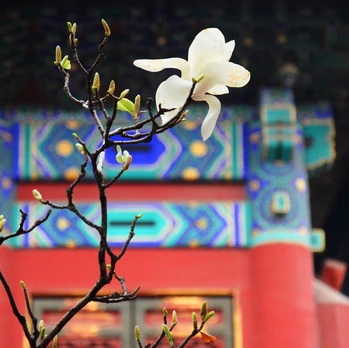
Finding this hotel was an adventure in itself. Dragging suitcases through winding alleyways, we asked for directions three times before spotting the entrance. But the moment we pushed the door open, it was all worth it. This Nanluoguxiang accommodation wasn't a paradise, but it had a serene, "hidden-in-plain-sight" quality. Once we got our bearings, we realized the main Nanluoguxiang street was just a five-minute walk away.
April travel tip: Beijing's heating stops in mid-March. We happened to hit a once-in-decades April snowstorm. The blankets were pitifully thin. When I asked for an extra blanket, the clerk laughed: "They're all gone." So we cranked up the air conditioning, wrapped ourselves in jackets, and huddled in our room chatting and snacking on fruit. Somehow, we stayed warm.
Shichahai Shadow Puppet Culture Hotel: The Joy of Sleeping In
If Guyunfang was a "hidden gem," then the Shichahai Shadow Puppet Hotel was a place you never wanted to leave. Radiant heating, plush mattresses, excellent soundproofing—these three things combined made me want to stay in bed until noon every day.
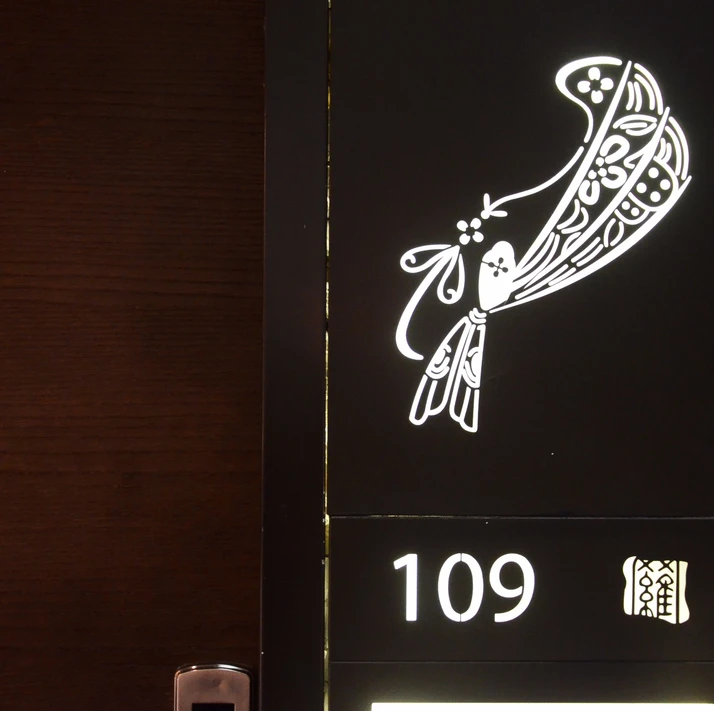
The hotel was steeped in shadow puppet motifs: characters hung in the hallways, small decorations adorned the rooms, and live performances were held every Tuesday, Thursday, and Saturday evening. The welcome tea handed to me by the front desk girl warmed me from the inside out after a day of freezing. Over those few days, we had dinner delivered twice—not out of laziness, but because we couldn't bear to leave our cozy little nest.
[Link: Best hutong hotels in Beijing for cultural immersion]
Obsession or Nothing: A Traditional Opera Experience, a Decade in the Making
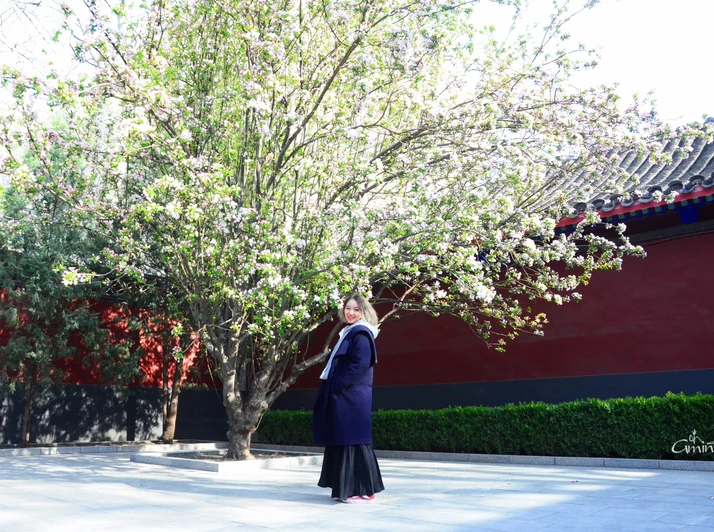
From "Fat Cat" to "Farewell My Concubine": The Origin Story
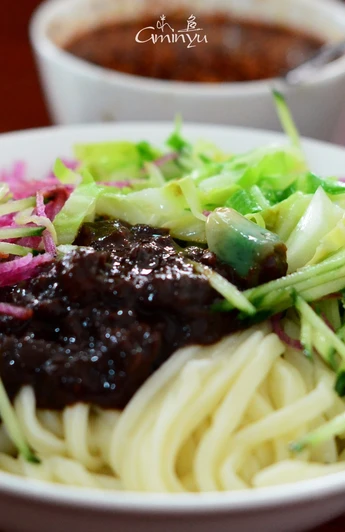
My connection to traditional opera isn't exactly highbrow. As a child, I watched a film where Gillian Chung appeared in opera costume, and I thought, "That's so beautiful." Later, I saw Farewell My Concubine and secretly dreamed: if only I could one day wear full opera makeup and costume, and have a photoshoot. I was in middle school back then.
That dream took ten years to come true. This is the story of Beijing traditional opera photography and how a childhood fantasy became reality.
A 3 AM Train Ride, Just to Make My Dream Happen
To avoid disrupting my friend's schedule, I flew to Beijing a day early. What touched me most was my friend Qianqian. She took a train from Handan at three in the morning, arriving at my aunt's doorstep by seven. Beijing's sudden cold spell had caught her off guard—she was underdressed and even got sick while searching for the hotel in the hutongs. But the moment she heard I was going for the opera shoot, she insisted on coming along after breakfast.
From 10:30 AM to 5 PM—six and a half hours—she stayed by my side, skipping lunch the whole time.
Sticking on Hairpieces, Binding the Head, Adding Headdresses: The "Painful Pleasure" of Opera Makeup
The opera makeup process was far more complex than I'd imagined.
First, I changed into the undergarments and water-silk trousers. In Beijing's unheated rooms, this was a test of my cold tolerance. I layered two jackets and still hopped around shivering.
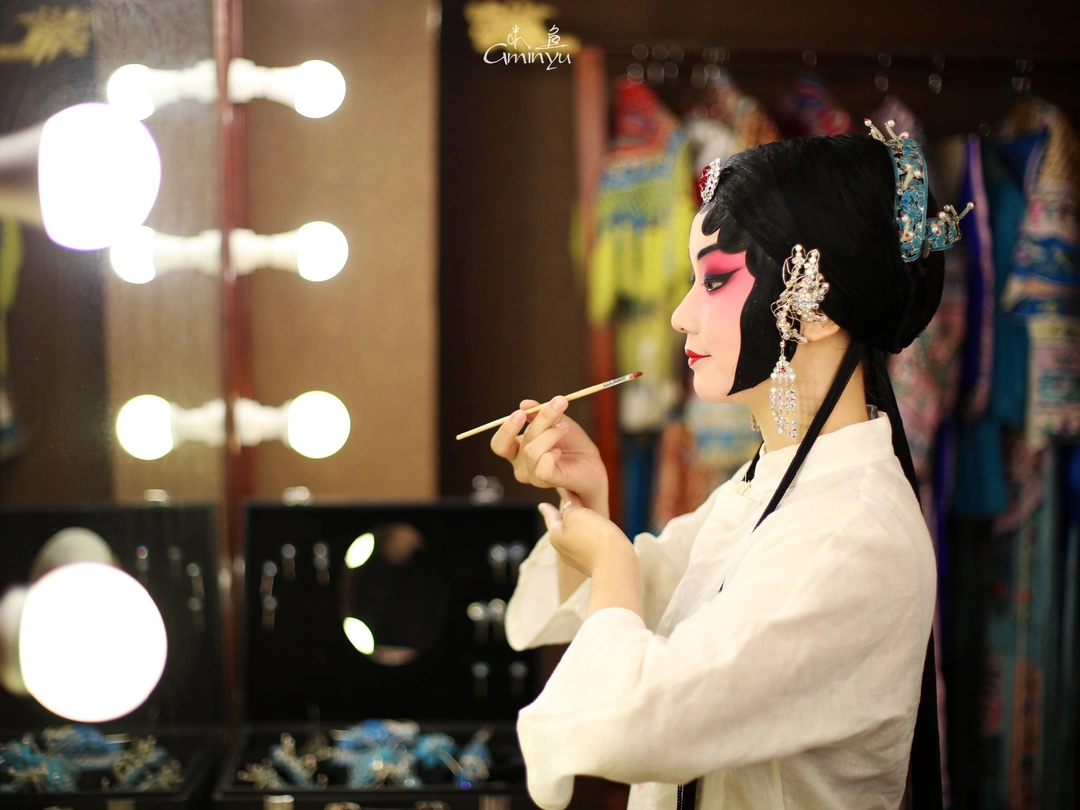
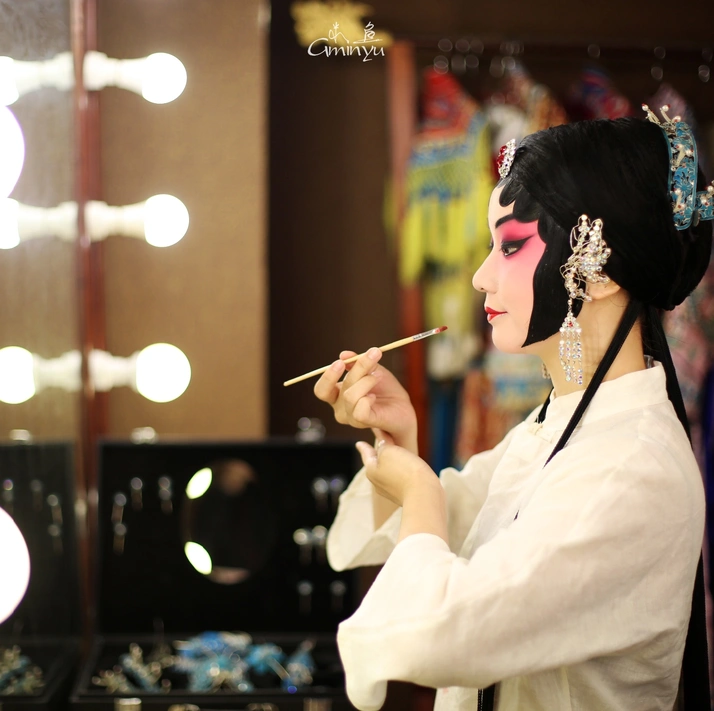
When the pink foundation was applied, I looked at my strange reflection in the mirror—a bit unsettling. But after the brows were lifted and tied back, I instantly felt like I'd stepped into character. It was as if I'd fallen straight from modern life into a classical opera troupe.
The most unforgettable part was "sticking on the hairpieces." The makeup artist pressed wet, plaster-like strips onto my face, and the cold sensation made me yelp. But once they were in place, my appearance transformed—even I was stunned.
When the headdresses (jewelry) were added, I finally understood the saying: "If you want to wear the phoenix crown, you must bear its weight." The imperial consort crown was so heavy my neck ached. When the entire look was complete, I stared at my reflection, speechless. Qianqian, who had been dozing off, snapped awake, grabbed her phone, and started snapping photos nonstop, exclaiming, "You're so beautiful!"
Quick note: I'd always thought opera greasepaint was impossible to remove. Actually, with a professional makeup remover balm, a few wipes of a wet tissue, and a wash with cleanser, it comes off cleanly.
Three Characters, Three Lives
I shot three looks for my Chinese opera costume photography session:
Yang Yuhuan (Imperial Consort) — Classic and grand, but the phoenix crown was so heavy I had to turn my head with care.
Du Liniang (from The Peony Pavilion) — Gentle and elegant, my most anticipated role. While chatting about The Peony Pavilion during makeup, I mentioned that during the "returning soul" scene, a man in the front row had sobbed uncontrollably. The studio owner casually remarked, "Well, maybe he had a similar experience." That sent me and the makeup artist into fits of laughter.
Zhong Wuyan — I thought I'd love Du Liniang best, but once the makeup was done, the fierce, commanding Zhong Wuyan stole my heart. The half-face floral pattern took half an hour to paint, and afterward, I couldn't stop taking selfies. And this costume was layered to the max—everything they could put on me, they did. I was instantly warm. The best part was the thick hemp rope cinched across my shoulder blades—it forced my back straight without effort.
Wearing this heavy outfit, I truly understood how hard opera performers have it. I waddled around like a penguin; they have to sing and dance on top of that.
Grandma's Starlight
After the May Day holiday, I visited my grandmother. That evening, she held my phone, her eyes glistening like starlight, scrolling through my Du Liniang photos again and again. "Back in the day," she said, "I played Li Sanniang and Xiao Guiying in The Fisherman's Revenge. The troupe wouldn't let us take leave easily, because every performer mattered. Without any one of us, the show couldn't go on. When we performed, there were thousands in the audience, and they paid two cents for a ticket to watch."
In that moment, I realized: what I love isn't just the beauty of opera, but that spirit of "everyone matters—without anyone, the show can't go on."
Snowy Hotpot Night and the Forbidden City
Dingmao Hotpot: Warmth in the Storm
The name "Dingmao" caught my eye. When we emerged from the subway, the sleet had us shivering. Each of us bought an umbrella and decided to walk a kilometer to the restaurant. Along the way, we asked a Starbucks barista, a delivery driver, and even called the restaurant before finally finding it.
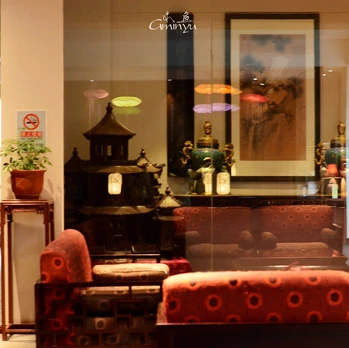
This Beijing hotpot experience was worth every shivering step. The bubbling broth, the thinly sliced lamb, the dipping sauces—it was the perfect antidote to Beijing's April chill. If you're visiting during spring, don't skip the hotpot. It's not just a meal; it's a ritual of warmth.
[Link: Best hotpot restaurants in Beijing for spring visits]
FAQ: Planning Your Beijing Spring Trip
Q1: What should I pack for Beijing in April?
A: April in Beijing is notoriously unpredictable. Pack layers: a light jacket, a warm sweater, and a waterproof outer layer. Don't forget an umbrella—you'll likely encounter both rain and sleet. Comfortable walking shoes are essential for hutong exploration.
Q2: Are traditional opera photoshoots worth the investment?
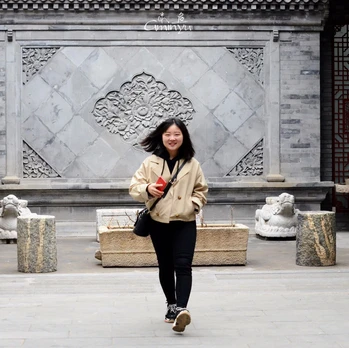 A: Absolutely. A Beijing opera photoshoot experience typically costs between 1,500-3,000 RMB depending on the number of looks and complexity. The process takes 4-6 hours, but the results are unforgettable. It's a unique way to connect with Chinese culture and create stunning portraits.
Q3: Which hutong area is best for first-time visitors?
 A: Nanluoguxiang is the most popular, offering a mix of traditional architecture, boutique shops, and street food. For a quieter experience, consider Shichahai or Wudaoying Hutong. Both offer excellent Beijing hutong hotel options with cultural charm.
Q4: How do I remove opera makeup without damaging my skin?
 A: Contrary to popular belief, professional opera greasepaint is removable. Use a high-quality makeup remover balm, follow with a wet tissue wipe, then wash with a gentle cleanser. Avoid harsh scrubbing—let the remover dissolve the makeup first.
Q5: What's the best way to experience Beijing's spring weather?
A: Embrace the unpredictability. Plan indoor activities like hotpot dinners and shadow puppet performances alongside outdoor explorations. The Forbidden City in spring is stunning, but check weather forecasts daily. A flexible itinerary is your best friend.
Conclusion: Scoop the Moonlight, Gather the Fragrance
Beijing in April taught me that the most memorable trips aren't about perfect weather or flawless plans. They're about the moments when everything goes wrong—yet somehow feels exactly right. The shivering walk to hotpot, the heavy phoenix crown, the friend who skipped lunch to watch you transform—these are the fragments that become cherished memories.
Whether you're dreaming of a Beijing cultural travel guide, planning a spring trip to Beijing, or simply seeking inspiration for your next adventure, remember this: the city's true beauty lies not in its famous landmarks, but in the unexpected warmth you find between the cold.
Ready to scoop your own moonlight? Start planning your Beijing spring adventure today. Book your hutong hotel, reserve your opera photoshoot, and pack for every season in a single day. The capital is waiting—and it promises to be anything but predictable.
[Link: Book your Beijing spring itinerary now]
You may also like