匚 FOUNT: In Search of Light — The Phantom of Shanghai, Now Sunny, Now Rainy
Meta Description: Discover Shanghai through the lens of "匚 FOUNT: In Search of Light." Explore the Bund, Lujiazui, and hidden gems in this SEO-optimized travel guide. From rainy skies to neon nights, find your light in the Magic City.
Introduction: A Promise Seven Years Overdue
On June 1, 2017, I typed a line into my phone's memo pad: "A week-long business trip to Shanghai — why not seize this rare opportunity to stay a few extra days and turn it into a real trip?" At that moment, I was sitting on a flight to Shanghai, watching clouds churn outside the window while my mind was already sketching out a personal map of the city.
Shanghai was no stranger to me. The year of my college entrance exam coincided with the World Expo, and my first-ever graduation trip was dedicated to this city. I weaved through endless crowds at the pavilions, leaving behind only blurry photos and exhausted legs. During university, I visited again for a competition — so rushed that I barely had time to glance at the Bund's nightscape. This time, I was coming for work, but I finally had a mature mind and time I could truly call my own. I decided to see this city properly.
Initially, I titled this travelogue "FOUNT: In Search of Light." FOUNT is the name of a Japanese restaurant in Shanghai where actor Hu Ge invested. From the moment I booked this article, I smugly used this name as my theme. But just before departure, while doing my research, I tremblingly opened a translation app to check — and realized I had been reading "FOUNT" as "FOUND" all along. In that moment, I nearly collapsed. Change it? I'd have to redo the watermarks on nearly a thousand photos. Leave it? It felt like signing my name wrong — deeply uncomfortable.
It wasn't until I looked up the meaning behind the name FOUNT that everything clicked:
"匚 (fāng): A measure word for water, meaning 'one dipper.' FOUNT: A source, a spring. 匚 is a measure word for water, echoing the English 'fount' in a delightful parallel. The Chinese name is 匚, the English name is FOUNT — a clever homophonic play. We hope this name offers every guest a continuous flow of creative cuisine and life energy." — Hu Ge
This character "匚" became a key, unlocking a new meaning for the entire travelogue — from simply searching for light and shadow to tracing back to the source of light, seeking the origin of light, gathering a dipper of light and shadow, and discovering an endless stream of it. So the main title remained "匚 FOUNT: In Search of Light," while the subtitle "The Phantom of Shanghai, Now Sunny, Now Rainy" captures June in Shanghai — a child's face, changing from clear skies to drizzling rain in an instant. The city's charm lies in this very mutability.
In Search of Light in the Magic City: Love at First Sight

The Sky City in a Downpour
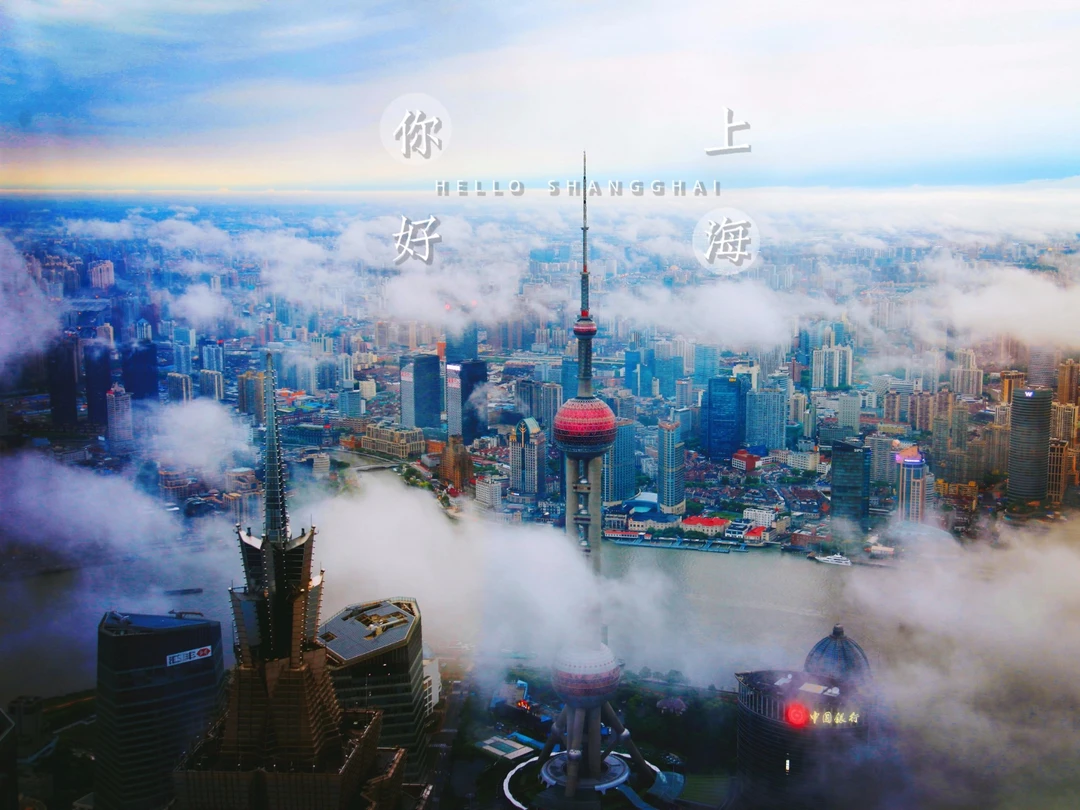
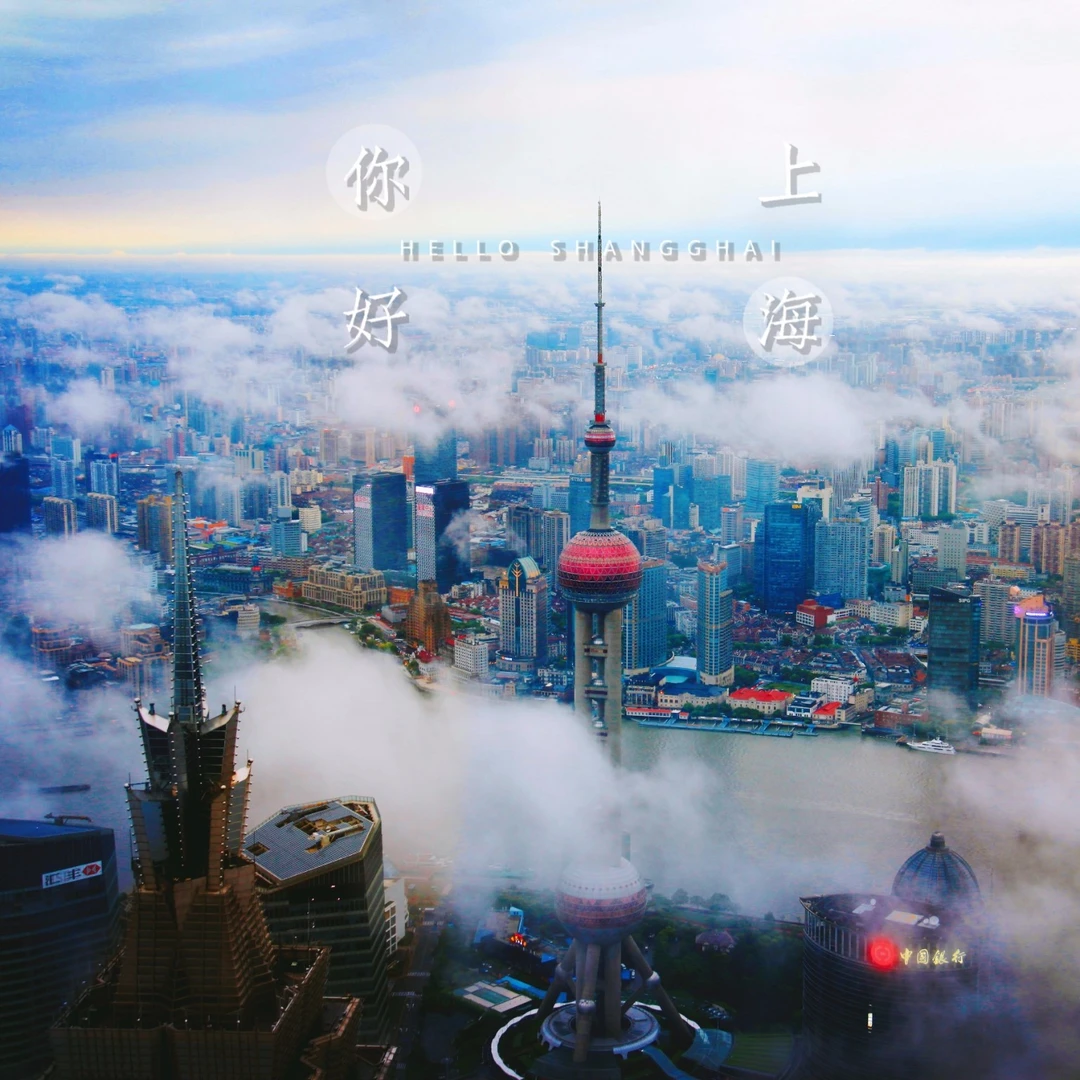
"Hello, Shanghai."
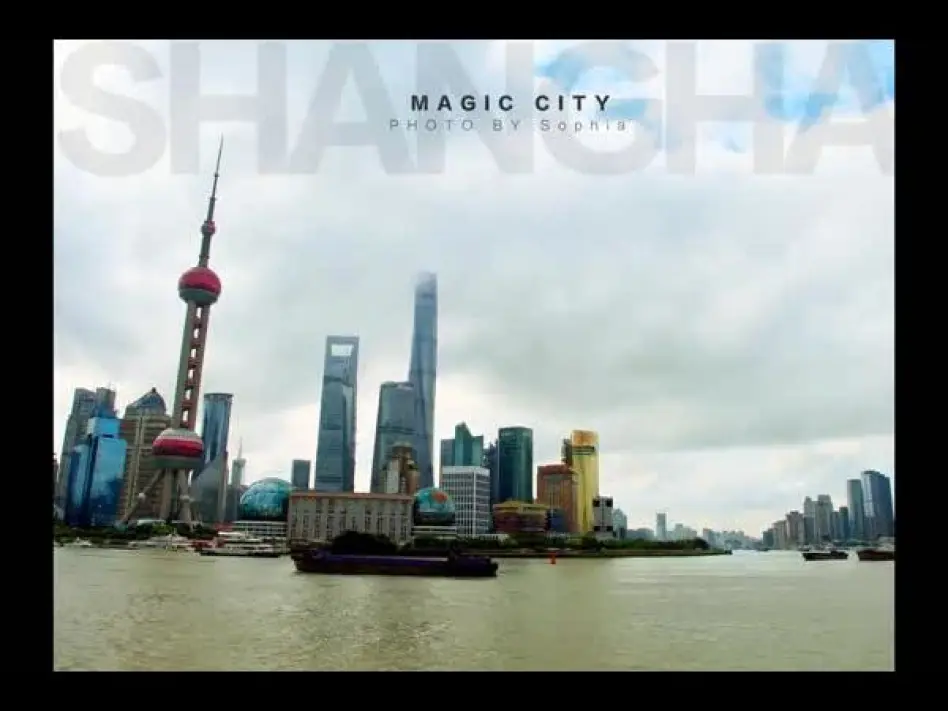
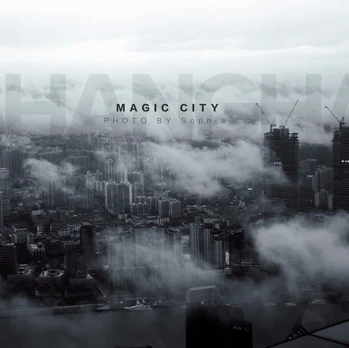
As I scrambled, drenched and disheveled, up to the 100th floor of the Shanghai World Financial Center in a raging storm, the sight before me left me speechless. The plum rain season has no delicacy about it. "A single rainstorm trapped me here" — my umbrella was still dripping, but my heart was blooming with joy. I was immensely grateful that I hadn't let the storm stop me, and just as thankful that I hadn't missed this sky city before my eyes.
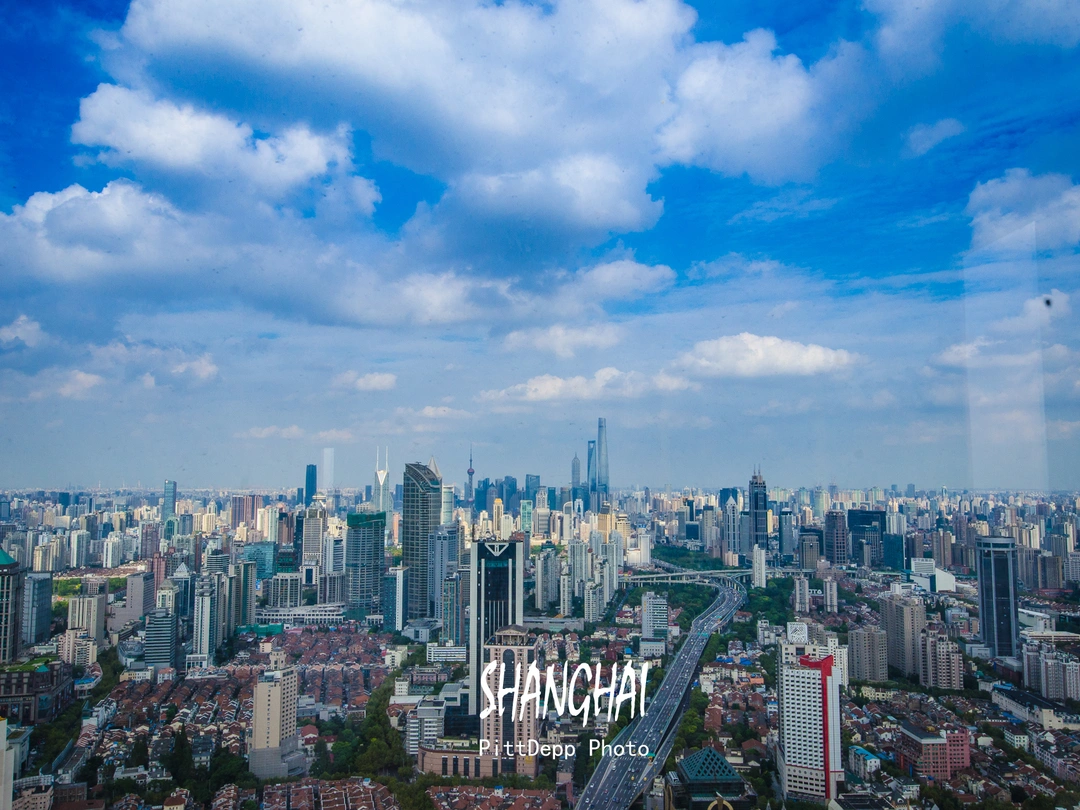
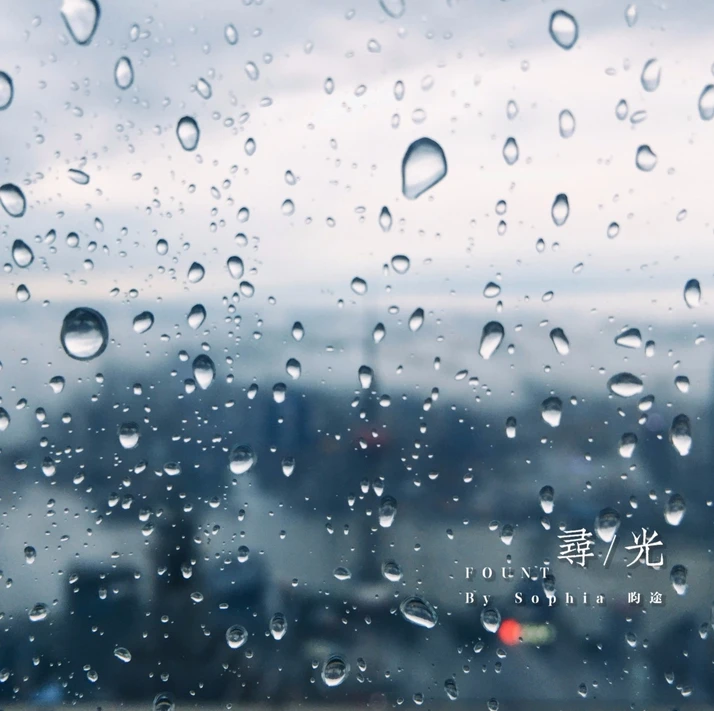
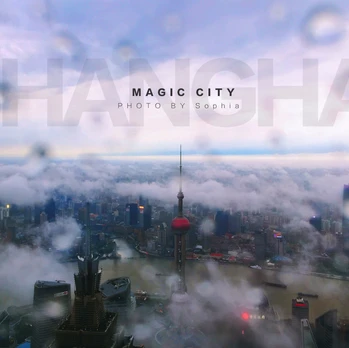
After the heavy rain, the sky was washed clean. The stratocumulus clouds had partially dispersed but still drifted swiftly. The landscape along the Huangpu River unfurled like a slow scroll, and every droplet clinging to the glass reflected a tiny Shanghai. "The sky is blue-gray waiting for the rain, and I am waiting for you — smoke rises in curls, across the river for a thousand miles."
Blue tones painted the scene, white clouds raced by, and the city lights began to glow. I turned my head — who was there, in the dim light of the fading lanterns?
A Different View of the Oriental Pearl
When you're in the middle of it, you can't see its splendor. Truly, distance creates beauty. Only by standing high enough can you see far enough. I saw Lujiazui's Oriental Pearl Tower and financial centers, the cruise ships on the Huangpu River, the Bund's clock tower, the Peace Hotel, the Waibaidu Bridge, and even the curved horizon.
The Shanghai Tower, the Shanghai World Financial Center, and the Jin Mao Tower — playfully nicknamed "the egg whisk," "the bottle opener," and "the syringe" — pierce the sky, standing like a tripod. Standing at the foot of the Oriental Pearl and looking back at these towering skyscrapers, I suddenly felt like I was looking at a poster for a superhero movie.
From the 263rd floor of the Oriental Pearl, one side reveals the world's financial hub, a powerful magnet drawing ambitious, transformative elites from everywhere; the other side shows the Bund, the Waibaidu Bridge, and the Huangpu River — just looking at the scene, I was pulled into the mood of the drama "Romance in the Rain." A gentle, refined atmosphere overflowed, leaving only one word: tenderness.
The Bund: Romance from Dawn to Midnight
Shanghai's Bund — the "Ten-Mile Foreign Concession." Across the Huangpu River, it gazes at the glittering Lujiazui from afar. In the early morning, the Bund is elegant and otherworldly. No traffic jams, just early risers exercising; no car horns, just the wind blowing off the river.
The Bund's clock tower bell rings deep and resonant. From 1966 to 2003, it weathered many changes and replacements, but now, every half hour, "The East Is Red" echoes across the Shanghai waterfront. Clear skies, gentle breeze — the Bund is one of those places that looks beautiful no matter the time, the weather, or the angle.
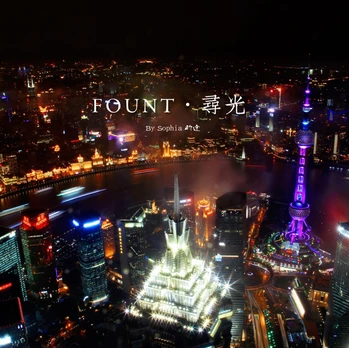
At night, the Bund sheds its morning elegance. As the city lights come on, Lujiazui glitters with neon, and the night's allure is irresistible. The LADYBEES advertisement on the Aurora Building inspires people to keep chasing their dreams. Looking back at the "Ten-Mile Foreign Concession" from the opposite shore, "the neon lights glow, the cars sound, and song and dance fill the air" — truly a city that never sleeps.
Ships flow endlessly on the Huangpu River. You stand on the boat watching the scenery, and someone on the Bund watches you. Shanghai at night is even more captivating than by day. Before the sky darkens, crowds already gather, hearts racing as they wait for the dazzling lights on both sides of the river.
[Link: Best photo spots on the Bund for sunrise and sunset]
The Light of Fashion: Shanghai's Modern Face

Shanghai World Financial Center: Awe Above the Clouds
The Shanghai World Financial Center, standing 492 meters tall, is one of the most recognizable buildings on the city's skyline. Climbing to the 100th-floor observation deck, the entire city unfolds beneath you. On the afternoon I visited, just after a storm, the stratocumulus clouds were still racing, and the Huangpu River wound through the city like a silver ribbon. Water droplets on the glass refracted the light, as if each one held a miniature Shanghai.
I recommend going up around sunset — you can see Shanghai in daylight, twilight, and nighttime all in one visit. Tickets cost around 180 RMB, with discounts available for online pre-booking.
Lujiazui: Another Side of the Financial Hub
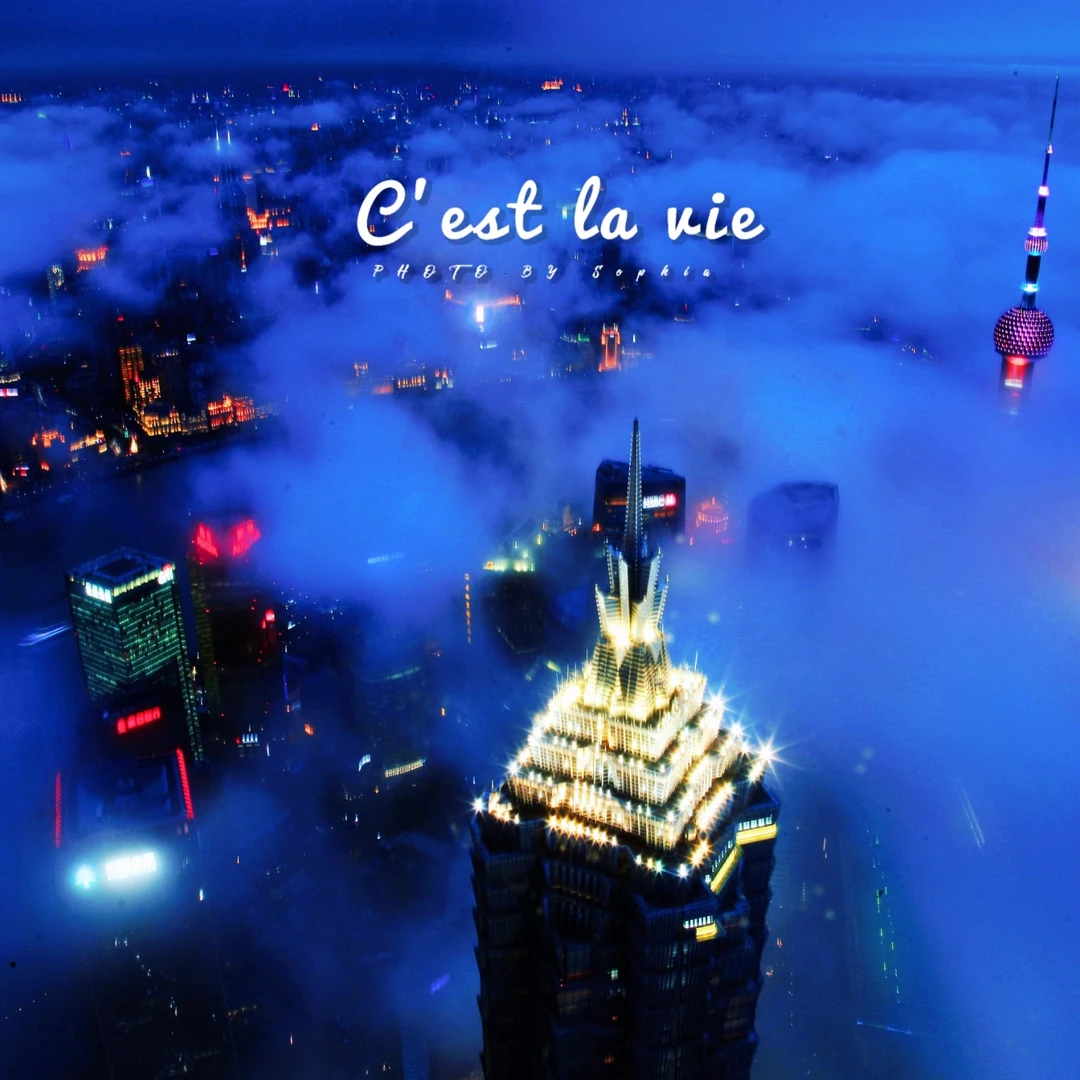
A wet pedestrian bridge, hurried commuters — Lujiazui in the rain is still beautiful. Standing at the foot of the Oriental Pearl, looking up at the three skyscrapers, the sense of pressure and awe is something photos can't convey. Every inch of this place exudes the scent of capital and dreams, making you straighten your back involuntarily.
Nanjing Road Pedestrian Street: A Different Charm in the Rain
Nanjing Road in the heavy rain was empty and quiet. Stripped of its usual bustle, it gained a sense of stillness. The shop windows looked especially refined against the wet backdrop — close enough to touch, yet unreachable. This lonely beauty is something only Shanghai in a storm can offer.
[Link: Best time to visit Nanjing Road for fewer crowds]
The Light of Art and Culture: Tenderness in the Alleys
Yu Garden: The Poetry of a Classical Garden
By the Nine-Turn Bridge in Yu Garden, a lotus fairy stands gracefully, smiling to welcome visitors. The carved railings and intricate pavilions transport you back to Ming Dynasty Shanghai. The garden's classical Chinese architecture contrasts beautifully with the modern skyscrapers visible in the distance — a perfect metaphor for Shanghai itself: ancient and futuristic, calm and electric.
Yu Garden is best visited early morning to avoid crowds. The bazaar outside offers traditional snacks like xiaolongbao and candied hawthorns. Don't miss the Huxinting Teahouse — one of the oldest teahouses in Shanghai, where you can sip tea while watching the koi swim beneath the bridge.
The French Concession: Where History Meets Hip
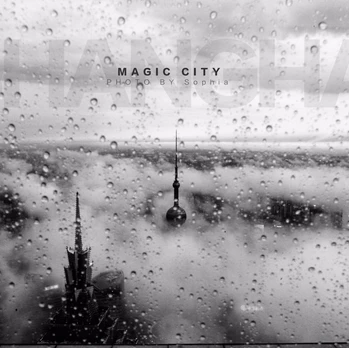
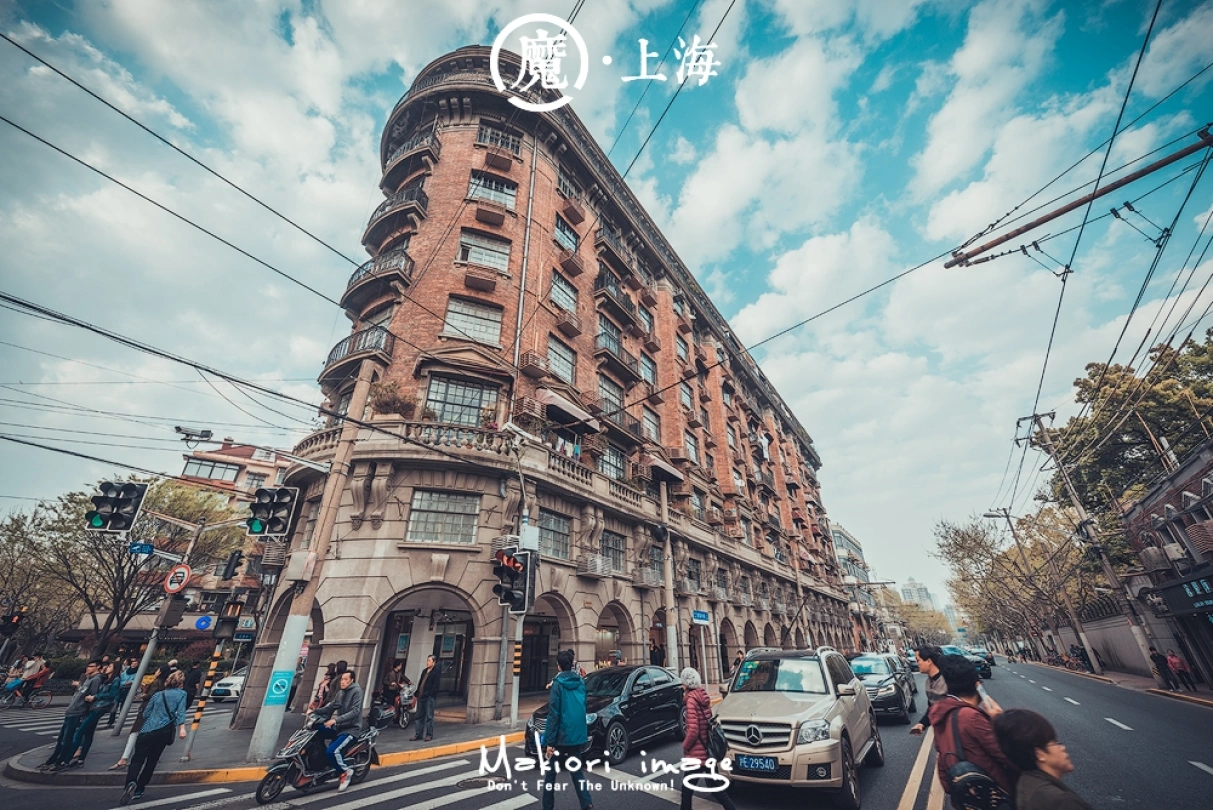
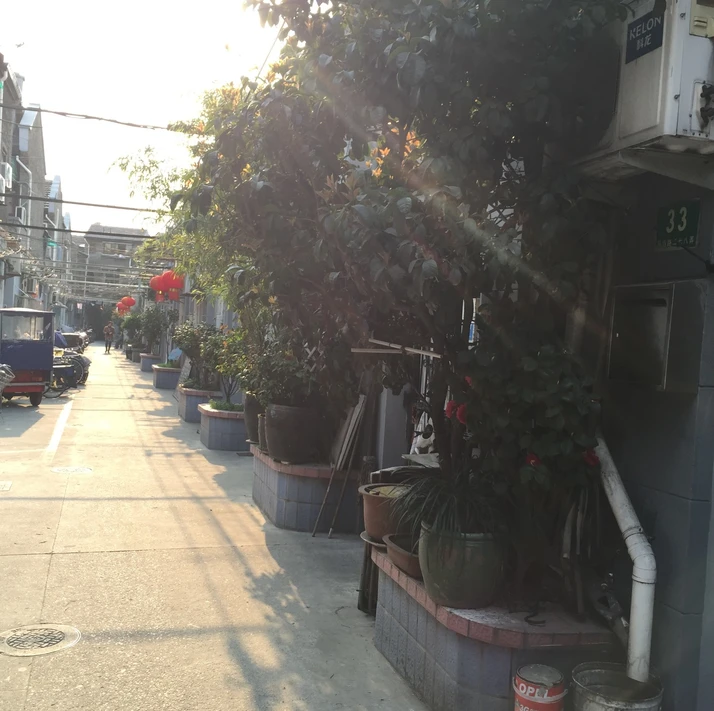
Beyond the tourist hubs, the French Concession offers a quieter, more intimate Shanghai. Tree-lined avenues, Art Deco buildings, and hidden boutiques make this area perfect for a lazy afternoon stroll. Cafés spill onto sidewalks, and vintage stores hide behind unassuming doors. This is where you'll find Shanghai's soul — not in the skyscrapers, but in the stories whispered by old walls.
[Link: Top 5 hidden cafés in the French Concession]
FAQ: Your Shanghai Travel Questions Answered
1. What is the best time to visit Shanghai for photography?
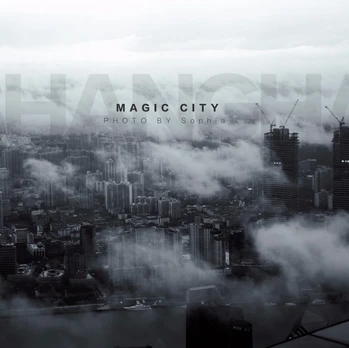
June offers dramatic skies after rain, but May and October are ideal for clear weather. For the "phantom" effect — sunny one moment, rainy the next — visit during the plum rain season (June-July). Bring a waterproof camera or phone case.
2. How much does it cost to visit the Shanghai World Financial Center observation deck?
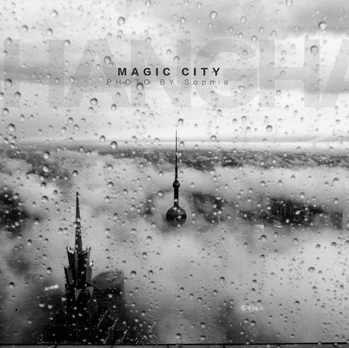
Tickets are approximately 180 RMB for adults. Online pre-booking often offers discounts. The 100th-floor Sky Walk is included in the ticket price. Sunset visits allow you to see daylight, twilight, and nighttime in one trip.
3. Is the Bund worth visiting in the rain?
Absolutely. Rain adds a romantic, cinematic quality to the Bund. Fewer crowds mean you can enjoy the architecture and river views without jostling for space. Just bring an umbrella and waterproof shoes.
4. What is the story behind the name "FOUNT" and Hu Ge's restaurant?
FOUNT is a Japanese restaurant in Shanghai invested by actor Hu Ge. The Chinese character "匚" (fāng) means "a dipper of water," while "FOUNT" means "source" or "spring." The name is a homophonic play — "fount" sounds like "found," but the deeper meaning is about finding the source of creativity and life energy. The restaurant is located in the Bund area and is known for its innovative Japanese cuisine.
5. How can I avoid crowds at popular Shanghai attractions?
- Visit the Bund at dawn (before 7 AM) for an empty, peaceful experience.
- Go to Yu Garden right when it opens (8:30 AM).
- Book the Shanghai World Financial Center for sunset — crowds thin after 7 PM.
- Explore the French Concession on weekdays for a quieter vibe.
Conclusion: Your Shanghai Journey Begins
Shanghai is a city of light — of neon reflections on rain-soaked streets, of golden sunsets over the Huangpu River, of lanterns flickering in ancient gardens. It's a city that changes with every passing cloud, every shift in the weather. Whether you're chasing the phantom of a rainy afternoon or the brilliance of a clear night, Shanghai rewards those who seek.
Now it's your turn. Pack your camera, bring an umbrella, and let the Magic City reveal its secrets. Start planning your trip today — and don't forget to book that sunset slot at the World Financial Center. The light is waiting.
Ready to find your light in Shanghai? [Book your Shanghai travel guide now] or [Explore our Shanghai itinerary planner] to create your perfect journey.
[Link: Complete Shanghai travel guide for first-time visitors] [Link: Best Shanghai hotels with Bund views] [Link: Shanghai food tour: Where to eat like a local]
You may also like