Solidifying a Century of Memories: Shanghai, Far More Than Just "Magic City"
Meta Description: Explore Shanghai beyond the skyscrapers. Discover 1933 Old Millfun's history, architecture, and hidden stories in this SEO-optimized guide to the Magic City's timeless charm.
Introduction: When "Magic City" Becomes a Way of Life
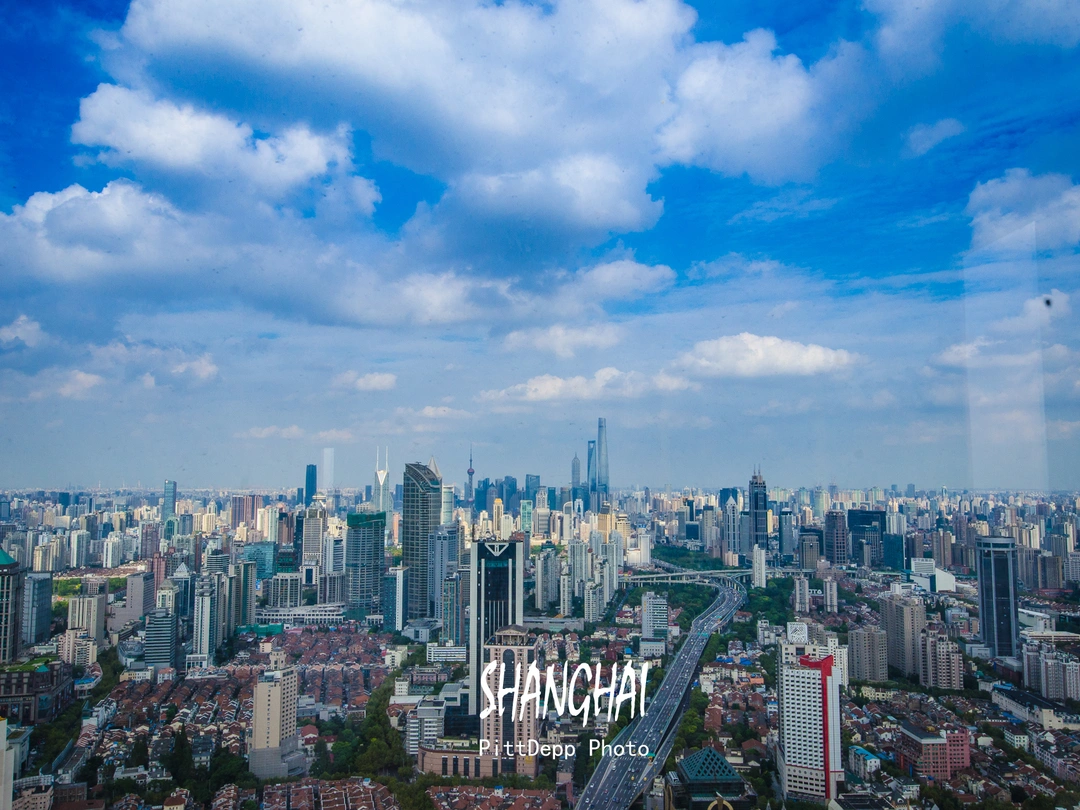
If you ask me what Shanghai truly is, I'd say it's not simply a city—it's time you can touch. Just over a hundred kilometers from where I live, Shanghai feels like another world. Through every rise and fall, it has always stood at the forefront of China's modernization.
The nickname "Magic City" (Modu) actually originated from the Japanese transliteration of "modern city." A century ago, the foreign concessions and the old county town—two completely different spaces—coexisted, collided, and permeated this land, creating this unparalleled city of "compatibility." That's the root of its "magic."
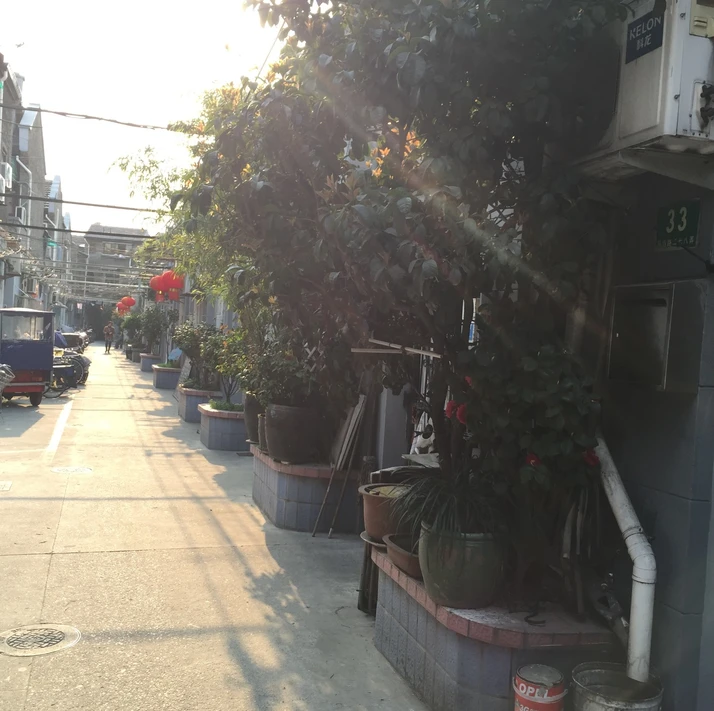
To this day, this magic remains undiminished. Skyscrapers in Lujiazui pierce the clouds, while just a few steps away, in the narrow lanes of shikumen (stone-gate houses), old Shanghai residents still sip tea, living life at their own leisurely pace. If Beijing has its laopao'er (old-school tough guys), Shanghai has its yeshu (uncles)—educated, self-restrained, always maintaining a gentle and refined demeanor. This is the city's most captivating undertone.
I'm almost embarrassed to admit it: I come to Shanghai almost every month—catching flights, visiting exhibitions, attending events—but always in a rush. Perhaps because I'm too familiar with it, I've overlooked what's right in front of me. It's like asking a Shanghainese, "How many times a year do you go to the Bund?" They'd probably just smile and shake their head.
March, with its blooming flowers, should have been perfect for outings. But I was swamped with work. By the time everything settled, April had quietly arrived. My restless heart could no longer be contained. Plus, I'd recently become obsessed with cycling for fitness, so I decided to set my sights on Shanghai—and catch up with some old friends.
And so began a journey of architecture, history, food, and friendship.
[Link: Best cycling routes in Shanghai]
1933 Old Millfun: Touching History in a Time Warp

The Past and Present of a Slaughterhouse
I chose 1933 Old Millfun as the first stop on this trip to the Magic City for a simple reason: I'm obsessed with architecture, especially spaces with clear lines and layered structures. Not because I'm a Virgo, but because I'm a sentimental Aquarius.
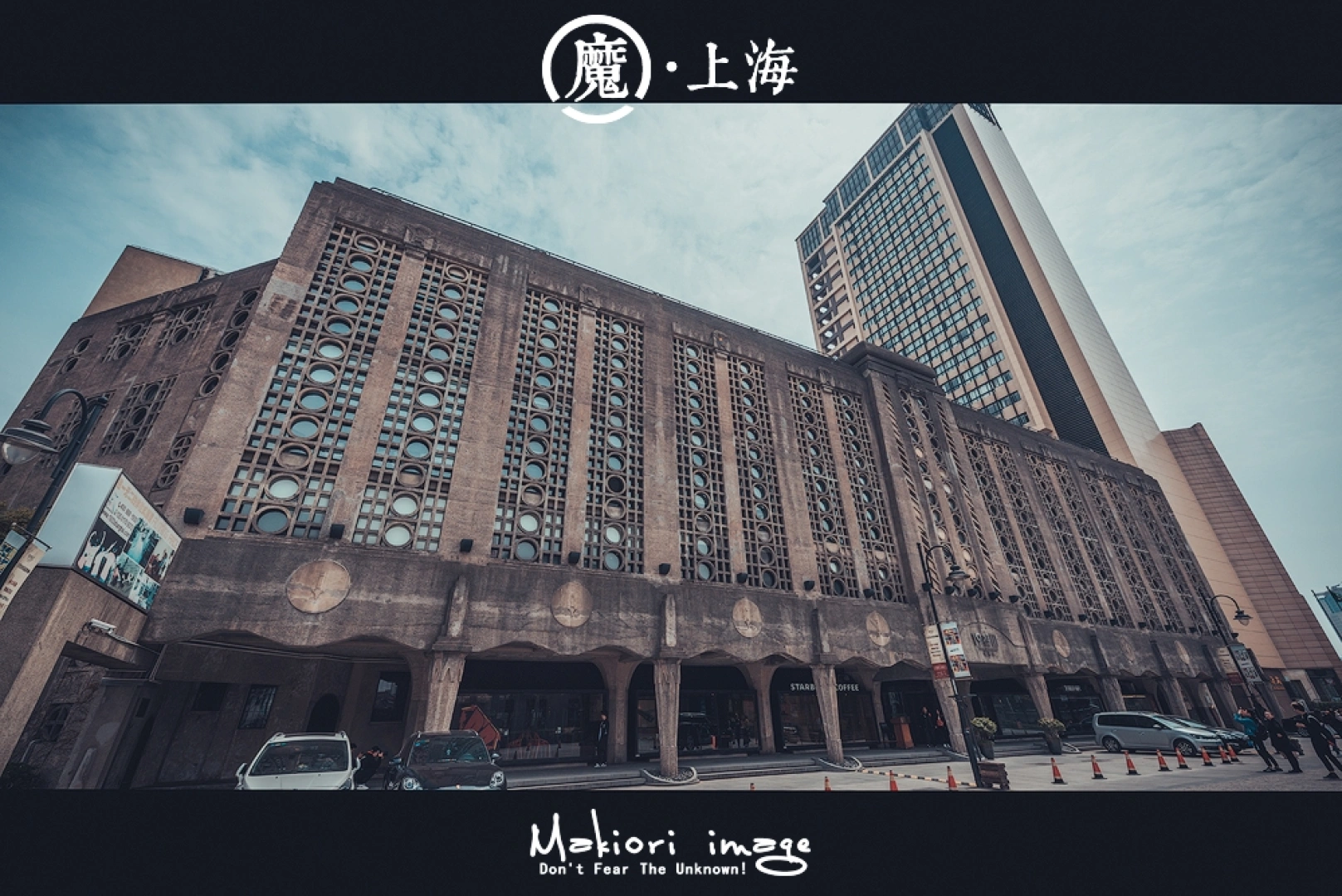
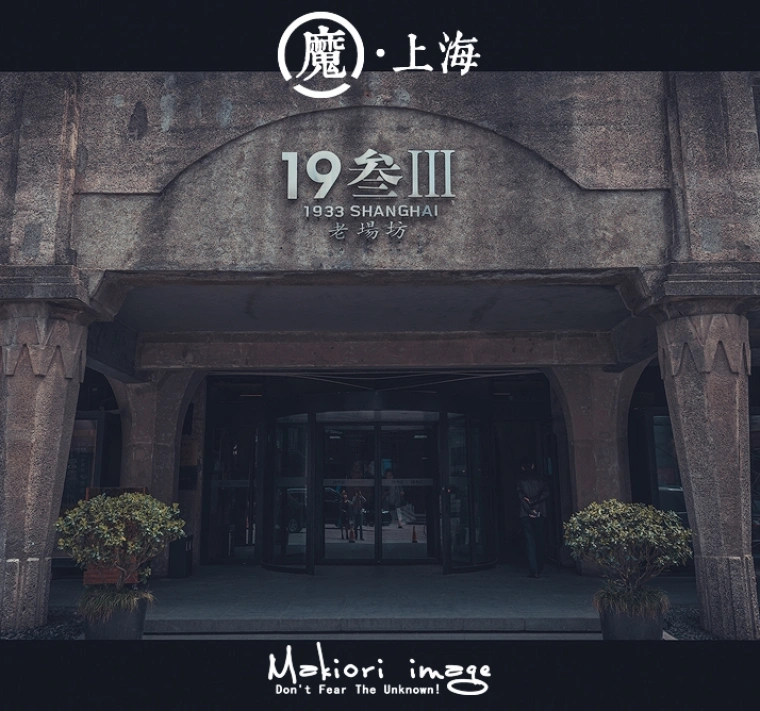
Standing before this building, I was immediately captivated by its understated, introverted charm. Can you imagine? This used to be a slaughterhouse. Completed in 1933, it looks plain on the outside, yet it was unique in Shanghai a century ago. Worldwide, only three slaughterhouses with this layout ever existed—in China, the UK, and India. Today, only this 1933 Old Millfun remains intact.
The moment I stepped inside, a chill rushed toward me. Cold stone pillars and exposed concrete formed a silent fortress. Looking up, a single beam of light fell from above—I couldn't help wondering what the last view was for those animals awaiting slaughter. Did any ever manage to "escape"? I laughed at my own imagination.
The building was designed by British architect Balfours and constructed by Shanghai Yu Hongji Construction Company. It's built entirely with imported British concrete, with walls about 50 centimeters thick and a hollow design between the two layers. In an era lacking advanced technology, the designer cleverly used physical principles for temperature control—even in the sweltering summer, the interior stays cool. That's why I felt such a chill upon entering.
[Link: Top 10 industrial heritage sites in Shanghai]
The Language of Architecture: Umbrella Columns, Cattle Ramps, and Bridge Corridors
The architectural features of 1933 Old Millfun can be summed up in a few keywords: umbrella columns, bridge corridors, central garden, lattice windows, cattle ramps, aerial stage, and French spiral staircases. Among these, the octagonal and quadrilateral umbrella-shaped column capitals are one of the building's most important features. The octagonal ones are mainly distributed on the western periphery, while the square ones appear in other areas.
Today, the space has been transformed into a creative industry cluster. Every white wall, every door and window is a pleasant surprise. It's like being in a maze—every ten steps, a new scene; every corner, a new discovery.

Cattle Ramps: Engineering Meets Humanity
The cattle ramps are definitely the main attraction. Back then, Shanghai's slaughtering process had already aligned with international standards, implementing a human-animal separation system. The ramps feature special anti-slip designs, with rough, uneven surfaces. Combined with the bridge corridors for separation and flow, the entire production process was orderly. Today, you can still walk along these ramps and experience the atmosphere from over seventy years ago.
If you look closely, you'll notice hollow cement lattice windows on the walls beside the ramps. The cement fixing these windows was all imported from Britain in the 1930s and is incredibly sturdy. Given the strong odors of the slaughtering process, the windows are all hollow-designed and face west—aligned with Shanghai's prevailing wind direction for excellent ventilation.
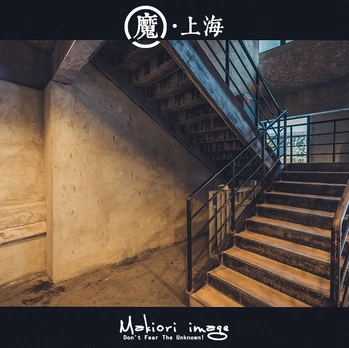
Since humans and animals were separated, there were naturally dedicated walkways for people. Each floor of the slaughterhouse is connected by French spiral staircases about one person wide. The graceful curves create wide angles, and handrails are installed for safety.
[Link: Architectural photography tips for industrial spaces]
A Feast of Light, Shadow, and Geometry
1933 Old Millfun remained relatively unknown until it gained fame from the fashion show in the film Tiny Times and as a filming location for variety shows like Running Man and Go Fighting!. More and more people have come to know this place.
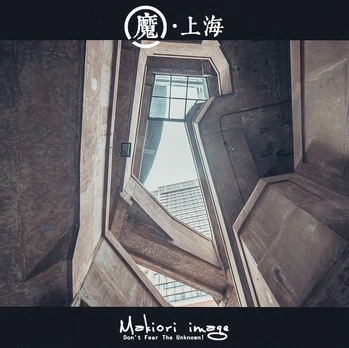
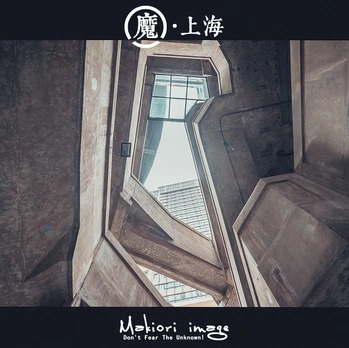
My favorite thing to do here is simply look around. No matter the angle, the geometric lines cutting through the space create a powerful visual impact. History, architecture, and modern elements collide here, bringing a unique atmosphere.
Honestly, I've visited many creative parks converted from old factories or buildings, but nowhere has transformed exposed concrete and steel into something so artistically stylish as 1933 Old Millfun. History has been passed down in a new form—and it succeeds.
Although the interior has changed significantly, the exterior retains its original appearance. The mottled concrete corridors are like silent narrators, telling us their stories.
Bridge Corridors: A Photographer's Paradise
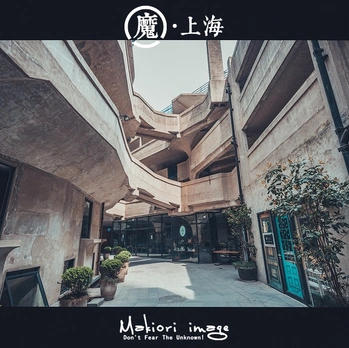
The bridge corridor space is one of the building's most enjoyable features. Each bridge corridor spans across the interior, creating a complex, interconnected yet independent spatial network. When the light is just right, stunning plays of light and shadow unfold here—a paradise for photographers.
The outer bridge corridor space includes four levels of external corridors and 26 connecting sloped bridges. Animals entered the slaughtering area through these bridges, and each bridge has a different width—cattle of different sizes would enter through bridges of corresponding widths for separation. The ingenuity of the design is truly admirable.
Following the stairs to the top floor, the view suddenly opens up. You can savor the entire intricate layout from here—though the wind did leave me a bit disheveled. As popularity has grown, cafes, restaurants, and clothing stores have moved in, adding vitality to the old mill. Occasionally, the venue also hosts plays, themed parties, and commercial launches.
Leaning out and looking down, the crisscrossing paths make you feel like you're in a visible maze—not lost, but not wanting to leave either.
[Link: Best cafes in Shanghai's creative parks]
A Day of "Head-Smacking" Fun with Mao Mao
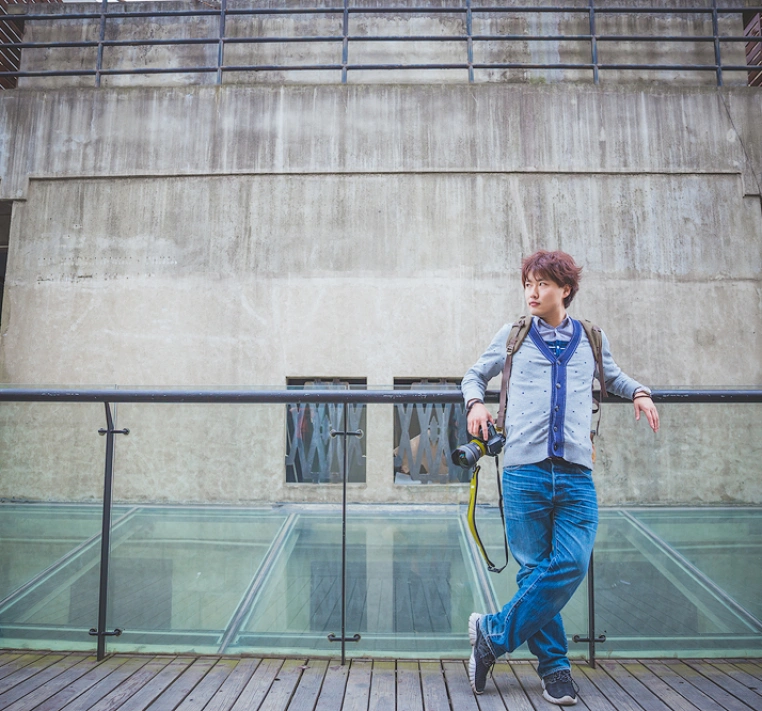
This day's itinerary wouldn't have been possible without the guidance and company of the goddess Yozuki Mao Mao. Since our trip to Lake Baikal, Mao Mao's photography skills had improved dramatically—like she'd taken some magic pill. Of course, I'd like to think I had something to do with it.
Let's rewind to an hour before this chapter begins...
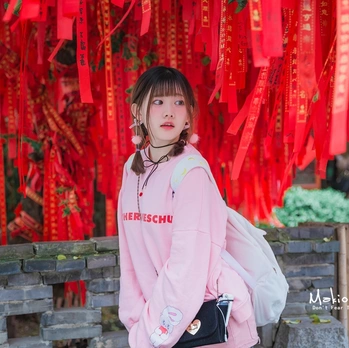
"Hey, where are you?" "Uh... almost there—somewhere near the cattle ramps?"
We spent the afternoon laughing, taking photos from every angle, and discovering hidden corners most tourists miss. Mao Mao pointed out details I'd walked past twice—a faded inscription on a wall, a spiral staircase that seemed to lead nowhere, a window perfectly framing the Pudong skyline in the distance.
It was a reminder that the best travel experiences aren't just about destinations—they're about the people who help you see them differently.
Beyond 1933: Shanghai's Architectural Heritage
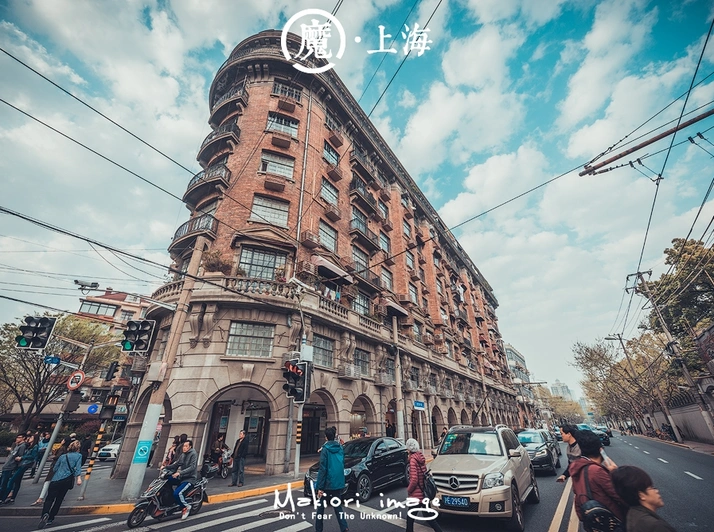
While 1933 Old Millfun deserves a full day of exploration, it's just one thread in Shanghai's rich architectural tapestry. The city offers countless other sites that tell the story of its evolution from a fishing village to a global metropolis.
The Bund: Where East Meets West
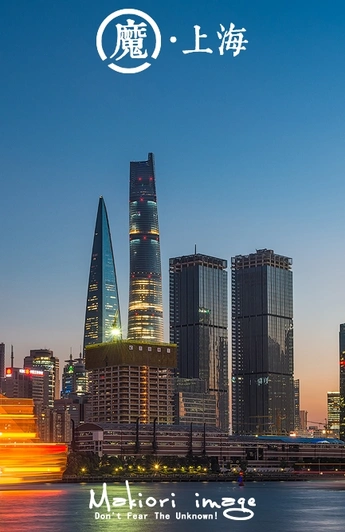
No visit to Shanghai is complete without walking the Bund. This 1.5-kilometer stretch along the Huangpu River showcases 52 buildings of various architectural styles—Gothic, Baroque, Romanesque, and Art Deco. Each building has a story, from the former HSBC Building (now the Shanghai Pudong Development Bank) to the Peace Hotel, once the epicenter of Shanghai's jazz age.
[Link: Self-guided walking tour of the Bund]
French Concession: Tree-Lined Elegance
The former French Concession offers a different Shanghai experience. Plane trees arch over quiet streets, hiding boutiques, bakeries, and historic villas. This area was home to many famous figures, including Sun Yat-sen and Zhou Enlai. Today, it's a favorite for cyclists and photographers seeking that elusive Shanghai charm.
Shikumen: The Soul of Old Shanghai
Shikumen (stone-gate houses) represent a unique Shanghai housing style that blends Western row houses with Chinese courtyard homes. The Xintiandi area has beautifully restored examples, now housing upscale shops and restaurants. But for a more authentic experience, explore the residential lanes of Huangpu District, where daily life continues much as it has for decades.
[Link: Guide to Shanghai's historic neighborhoods]
Food and Friendship: The Heart of Any Shanghai Trip
No journey through Shanghai is complete without its food. From street-side shengjianbao (pan-fried pork buns) to elegant xiao long bao (soup dumplings) at Din Tai Fung, the city's culinary scene is as diverse as its architecture.
Must-Try Shanghai Dishes
| Dish | Description | Where to Find |
|---|---|---|
| Shengjianbao | Pan-fried pork buns with crispy bottoms | Yang's Dumplings |
| Xiao long bao | Soup dumplings | Din Tai Fung, Nanxiang Steamed Bun Restaurant |
| Red-braised pork | Sweet and savory braised pork belly | Local Shanghainese restaurants |
| Scallion oil noodles | Simple yet addictive | Various noodle shops |
| Shanghai hairy crab | Seasonal delicacy (autumn) | Wang Baohe |
[Link: Ultimate Shanghai food guide]
FAQ: Your Shanghai Questions Answered
1. What is the best time to visit 1933 Old Millfun?
Early morning (9-10 AM) or late afternoon (3-5 PM) offers the best light for photography. Weekdays are less crowded than weekends. The building is open daily from 9:00 AM to 10:00 PM, and entry is free.
2. How do I get to 1933 Old Millfun?
Take Metro Line 4 or 10 to Hailun Road Station (Exit 2), then walk about 10 minutes. Alternatively, take Metro Line 4 to Linping Road Station and walk 15 minutes. Buses 6, 13, 17, and 33 also stop nearby.
3. Is 1933 Old Millfun suitable for children?
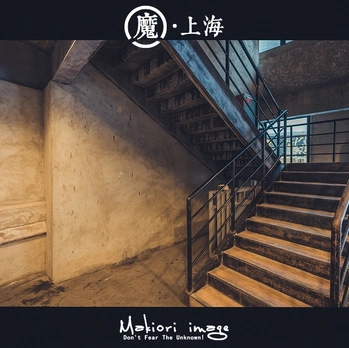
Yes, but with supervision. The spiral staircases and bridge corridors can be exciting for kids, but some areas have uneven surfaces. The building's maze-like layout can be fun for older children to explore.
4. What other attractions are near 1933 Old Millfun?
Nearby attractions include the Shanghai Jewish Refugees Museum (about 1.5 km away), Duolun Road Cultural Street (1 km), and the former residence of Lu Xun (1.5 km). The North Bund waterfront is also within walking distance.
5. How long should I spend at 1933 Old Millfun?
Plan for 2-3 hours to fully explore the building, take photos, and enjoy a coffee at one of its cafes. If you're a photography enthusiast or architecture buff, you might want to stay longer.
[Link: Shanghai 3-day itinerary]
Conclusion: Your Shanghai Adventure Awaits
Shanghai is far more than just "Magic City." It's a living museum of architectural innovation, a testament to human ingenuity, and a city where past and present coexist in perfect harmony. From the chilling history of 1933 Old Millfun to the bustling energy of the Bund, every corner tells a story.
The beauty of Shanghai isn't just in its famous landmarks—it's in the details: the way light falls through lattice windows, the sound of mahjong tiles from a shikumen lane, the taste of a perfectly steamed xiao long bao. It's a city that rewards those who slow down and look closely.
Ready to explore Shanghai for yourself? Start planning your trip today. Book your flight, pack your walking shoes, and prepare to fall in love with a city that has been solidifying memories for over a century.
[Link: Shanghai travel planning guide]
Have you visited 1933 Old Millfun or other Shanghai landmarks? Share your experiences in the comments below! And don't forget to subscribe to our newsletter for more travel inspiration and hidden gems across China.
You may also like