April in Shanghai: A Spring Stroll Through Time – The Ultimate Guide to Yuyuan Garden & Old Street
Meta Description: Discover Shanghai in April with our SEO-optimized guide to Yuyuan Garden, Old Street, and Jiangnan classical gardens. Explore Ming Dynasty rockeries, Qing Dynasty halls, and spring travel tips.
Introduction: Why April is the Best Month to Visit Shanghai
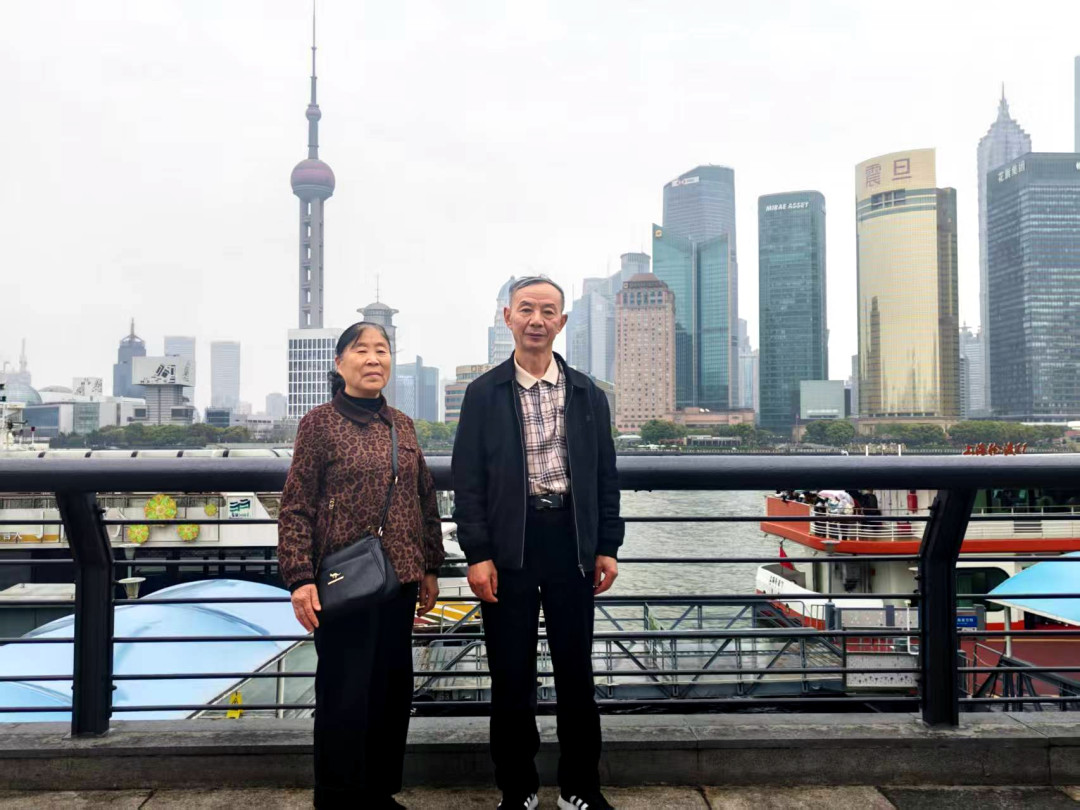
During the Qingming Festival season, Shanghai sheds the chill of winter without yet succumbing to the oppressive heat of midsummer. This is the golden window for Shanghai spring travel—a time when the city reveals its most enchanting face. I set foot in this city with my wife and daughter, both to visit family and to embrace an appointment with spring. My grandson studies at ShanghaiTech University, and my younger sister's family has made their home here, lending our trip an extra measure of warmth.
And I, though a returning visitor, am once again struck by this city's dual face—on one side, the graceful tranquility of classical gardens in Shanghai; on the other, the surging vitality of a modern metropolis. If you're planning things to do in Shanghai in April, this guide will help you uncover the cultural treasures that make spring in Shanghai unforgettable.
[Link: Shanghai spring travel itinerary]
Yuyuan Old Street: The Hustle and Bustle of a Century-Old Marketplace
Historical Roots of Yuyuan Old Street
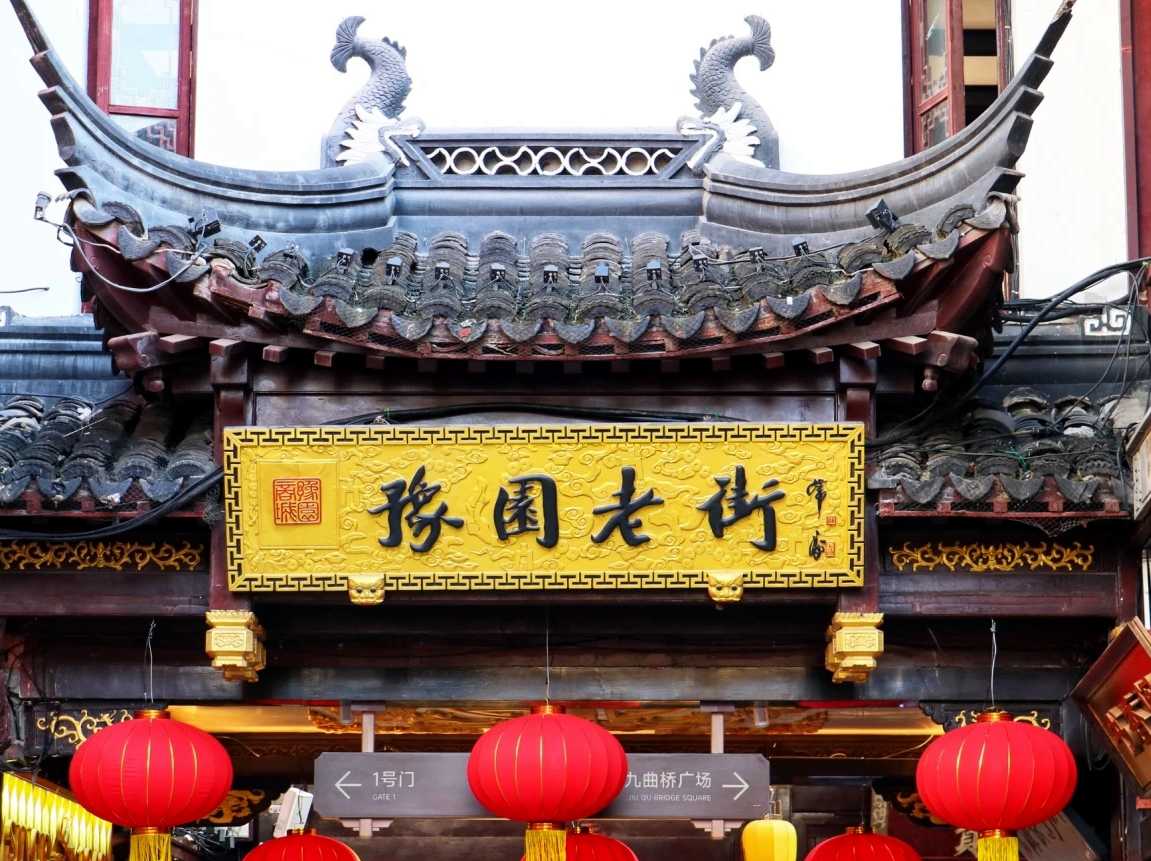
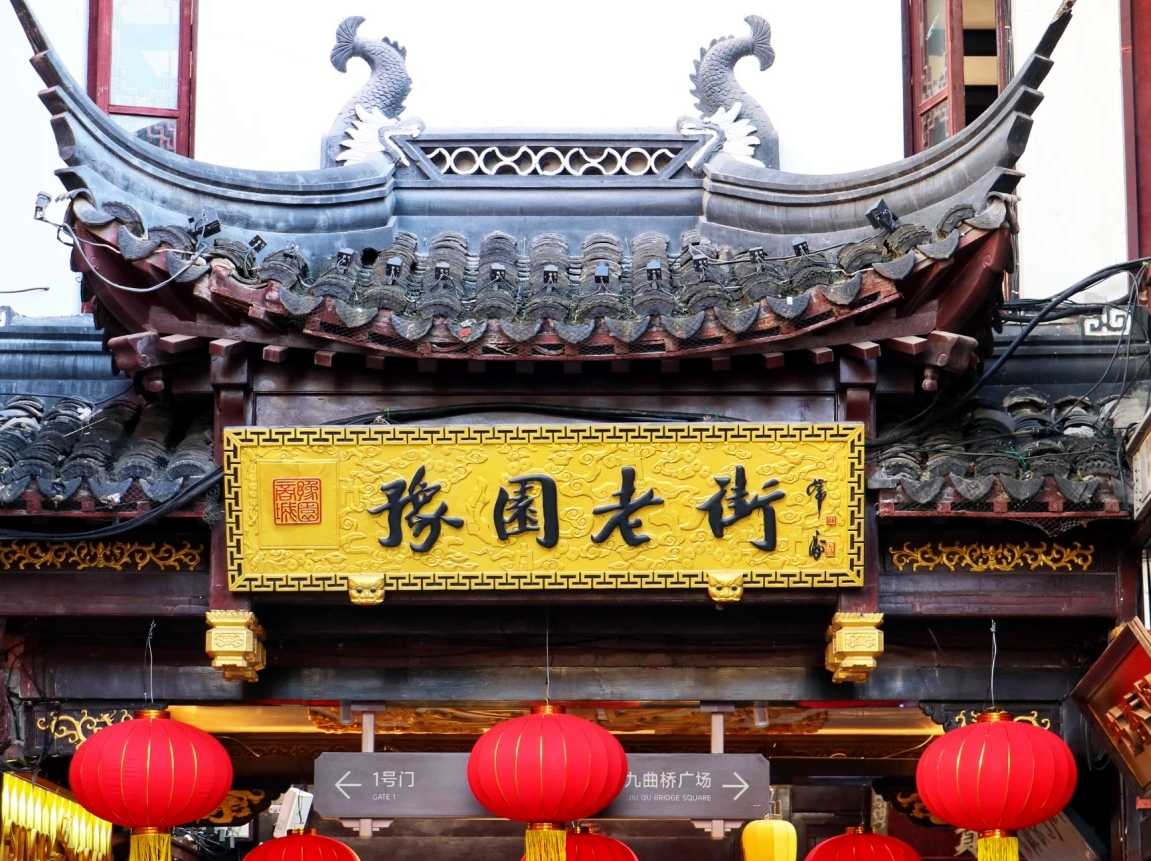
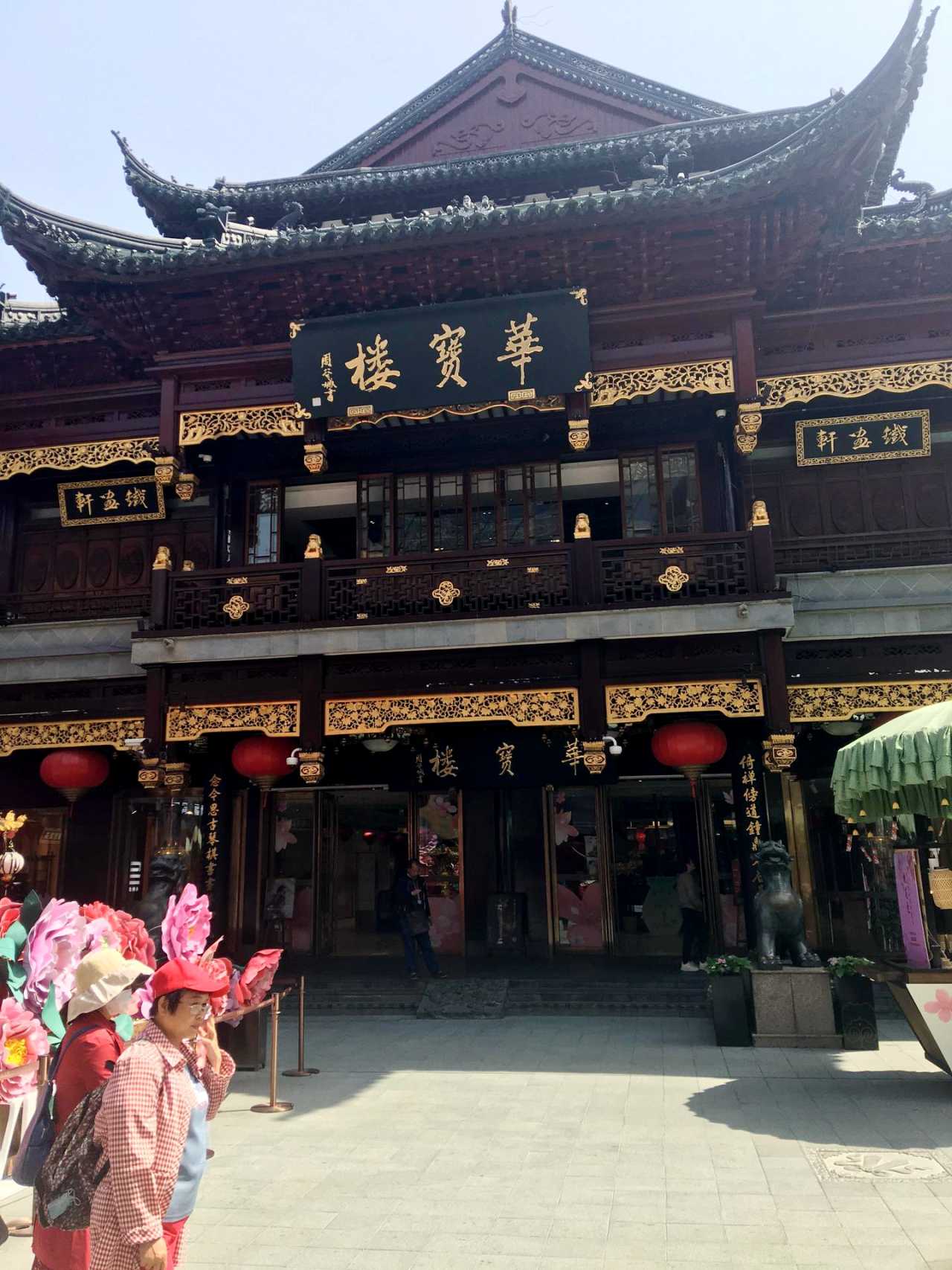
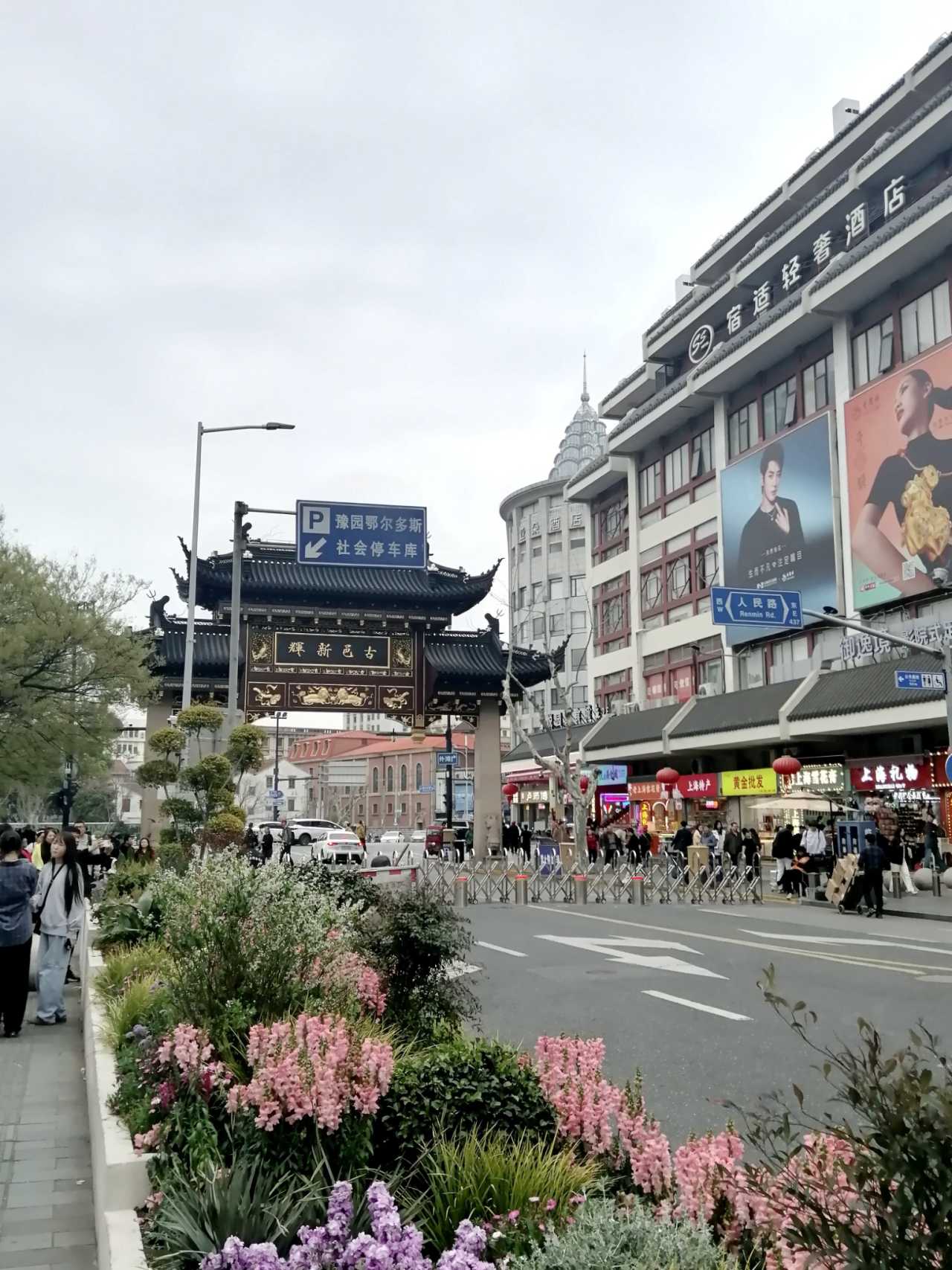
Our first stop was Yuyuan Old Street. Born in the thirteenth year of the Guangxu reign (1907), this street was originally named Yuyuan Road after the adjacent Ming Dynasty Yuyuan Garden, and was renamed Yuyuan Old Street in the 1920s. Though it stretches barely over a hundred meters, it encapsulates the essence of a century of Shanghai commerce.
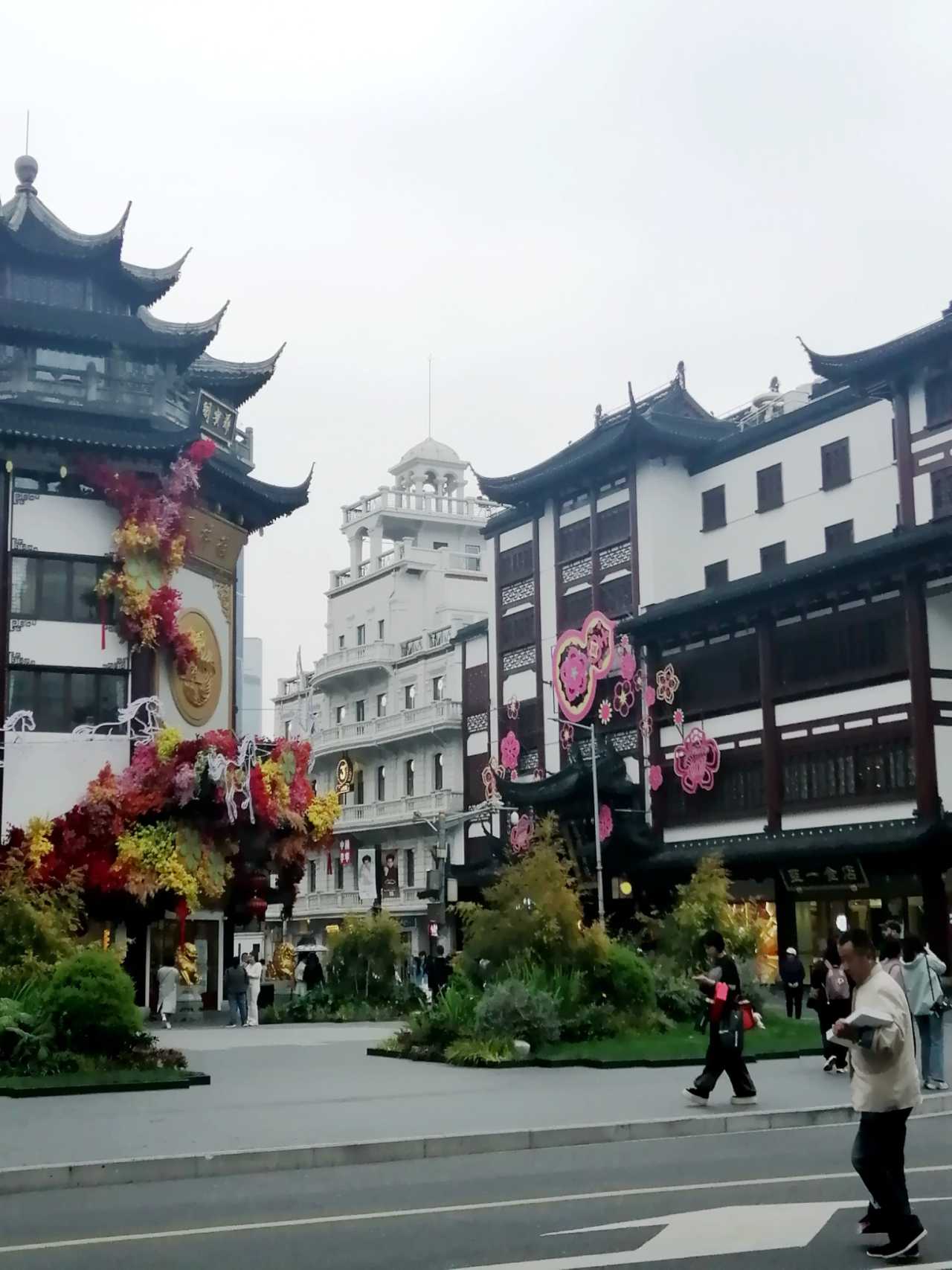
Walking on the bluestone slabs, I looked up to see traditional upturned eaves and carved rafters, as if stepping back a hundred years into the city's bustling lanes. Here, time-honored Chinese brands like the Wang Dalong Knife and Scissors Shop and the Liyunge Fan Shop cluster together, alongside specialty stores selling chopsticks and walking canes—each one holding the wisdom of old Shanghai life. What captivated me most were the couplet-inscribed pillars, where poetry and commerce blend seamlessly, turning shopping into a cultural experience.
Why Yuyuan Bazaar is Called the "Root of Shanghai"
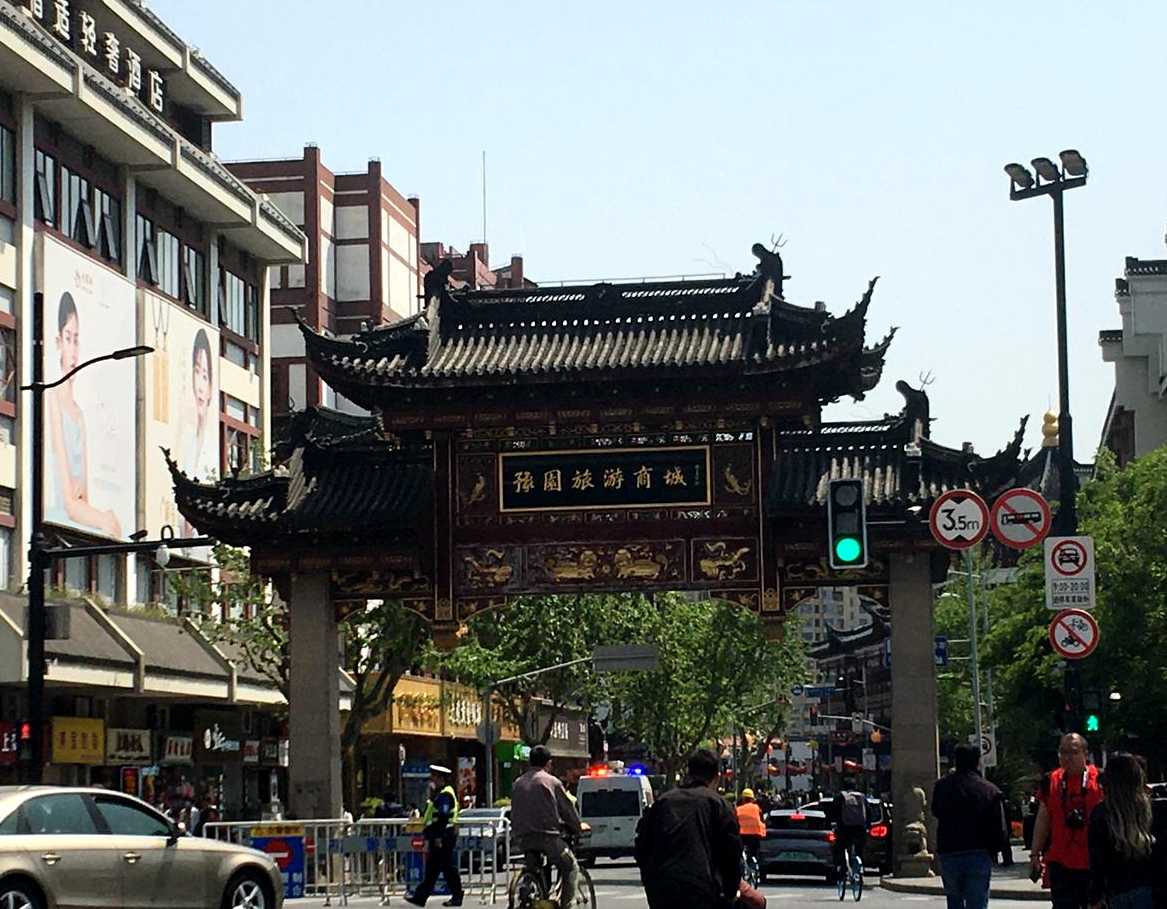
The Yuyuan Bazaar merges seamlessly with nearby landmarks—Yuyuan Garden, the Old City God Temple, and the Chenxiang Pavilion. From the Yuan, Ming, and Qing dynasties to the early Republic of China era, this area served as Shanghai's political, economic, and cultural center for over seven hundred years, earning it the title "Root of Shanghai." It is not merely a geographical coordinate but a cultural emblem, the spiritual calling card of a city.
[Link: Best time to visit Shanghai Old City]
Yuyuan Garden: The Pinnacle of Jiangnan Garden Design
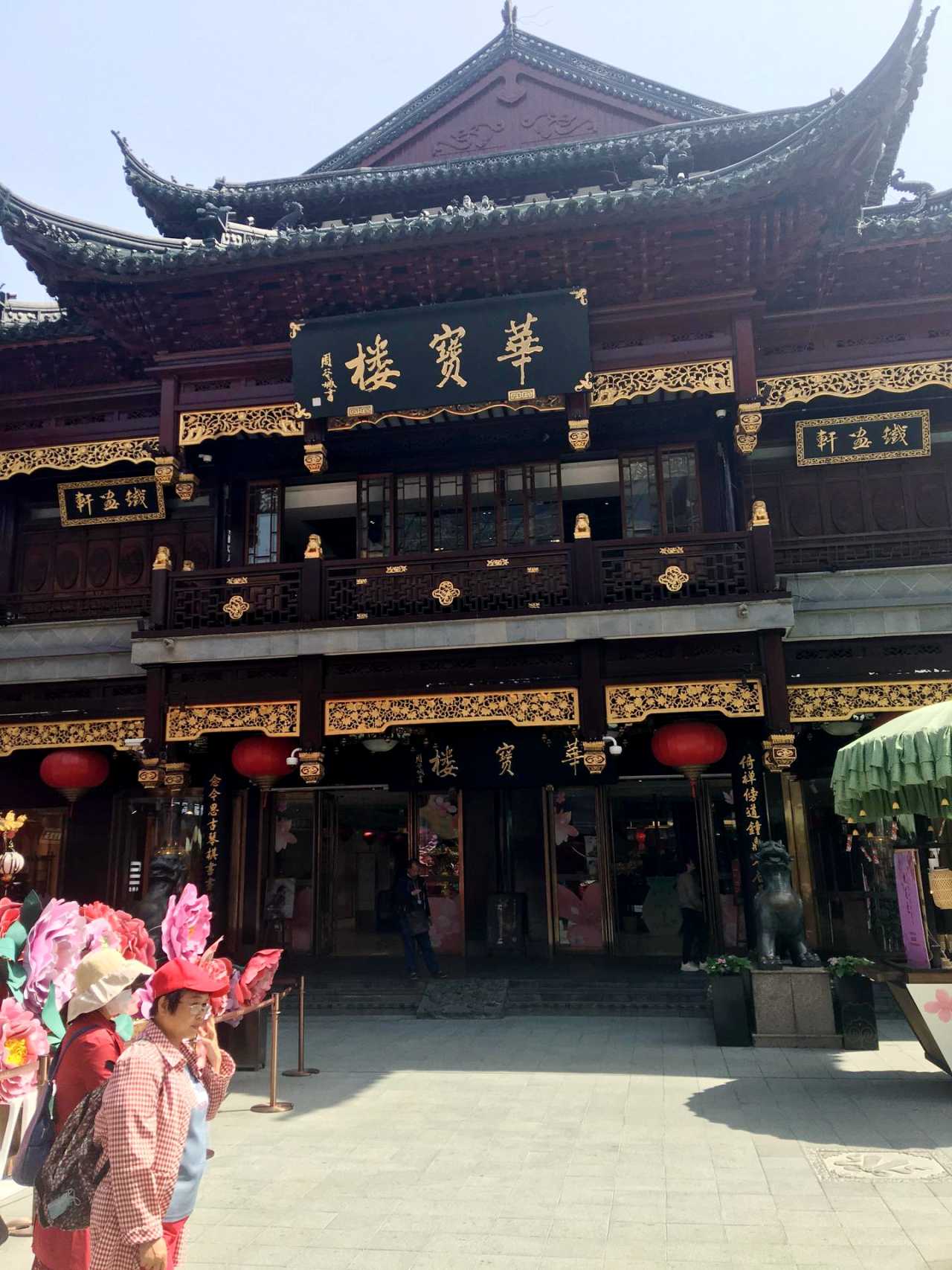
Overview of a National Treasure
Passing through the old street, we stepped into Yuyuan Garden. This private garden, first built during the Jiajing and Wanli reigns of the Ming Dynasty, boasts over 450 years of history and spans more than thirty mu (about 5 acres). Along with the Luxiang Garden and the Rishe Garden, it was counted among the "Three Great Gardens of Ming Dynasty Shanghai" and ranks first among the five surviving classical gardens in the city. In 1982, it was designated a Major Historical and Cultural Site Protected at the National Level by the State Council—the oldest such designation among Shanghai's ancient architecture—and is also a National AAAA Tourist Attraction.
The Stone Carving of the "Famous Garden by the Sea"
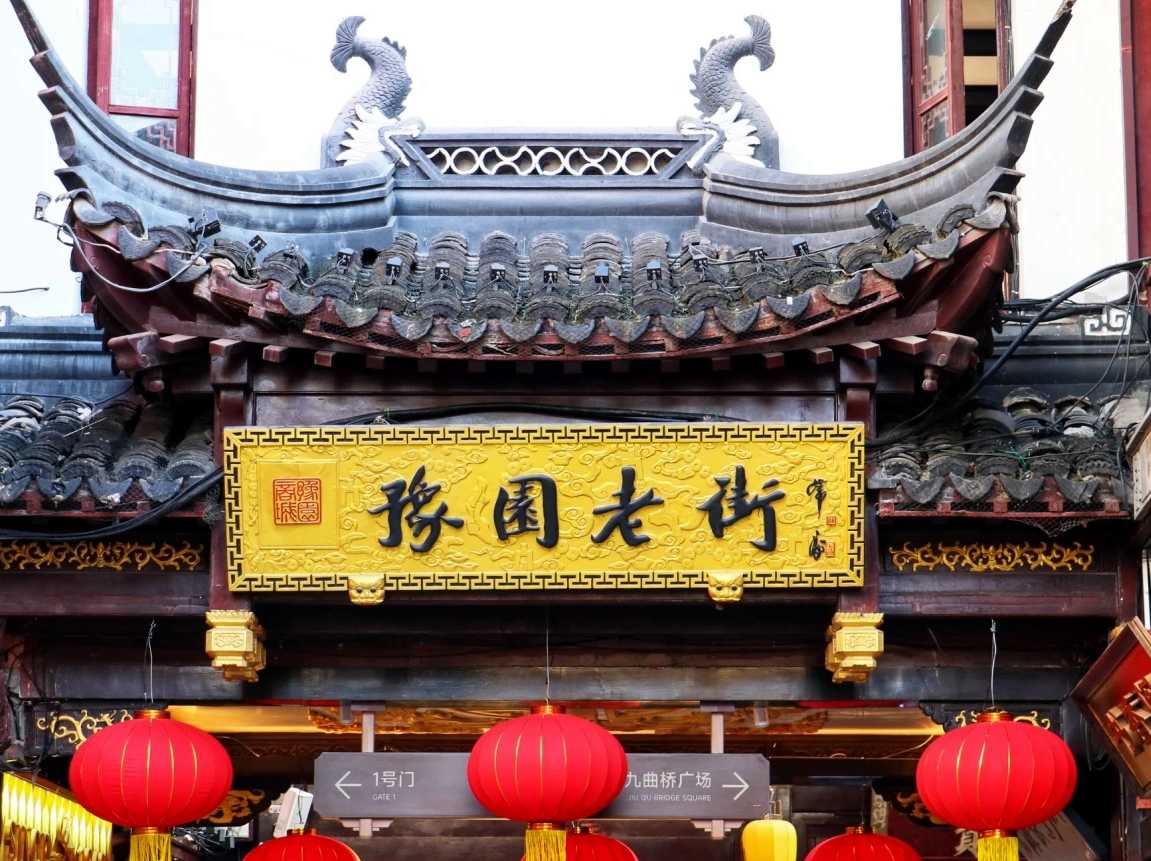
At the entrance, a massive natural stone greeted us. On May 18, 1999, Comrade Jiang Zemin, then General Secretary of the Communist Party of China Central Committee, President of the People's Republic of China, and Chairman of the Central Military Commission, inscribed the words "Famous Garden by the Sea" to commemorate the 440th anniversary of Yuyuan Garden's founding. The stone measures 2.3 meters long, 1.8 meters high, and 0.8 meters thick, weighing approximately 8 tons. Shaped like the character "mountain" (山), its two sides are smooth while the edges undulate naturally, as if nature had crafted it specifically as a welcoming stone for Yuyuan Garden.
The Hall of Three Ears of Grain: A Symbol of Harvest and Aspiration
Next, we arrived at the Hall of Three Ears of Grain. This hip-and-gable roof structure, built in the twenty-fifth year of the Qianlong reign (1760), stands 9 meters tall and is one of Yuyuan Garden's main buildings. During the Qing Dynasty, it served as a venue for official celebrations and "imperial edict readings," as well as a gathering place for local literati and gentry. Inside, a central scroll displays Pan Yunduan's "Record of Yuyuan Garden," while above hang three gold-inlaid plaques: "Hall of Three Ears of Grain," "Spiritual Terrace Foundation," and "Urban Forest." Most charming are the eight lattice windows on the main door, carved with motifs of rice, wheat, corn, sorghum, and melons—vividly illustrating the meaning "one stalk with three ears, a bountiful harvest in sight."
The Grand Rockery: A Masterpiece of Ming Dynasty Rockery Art
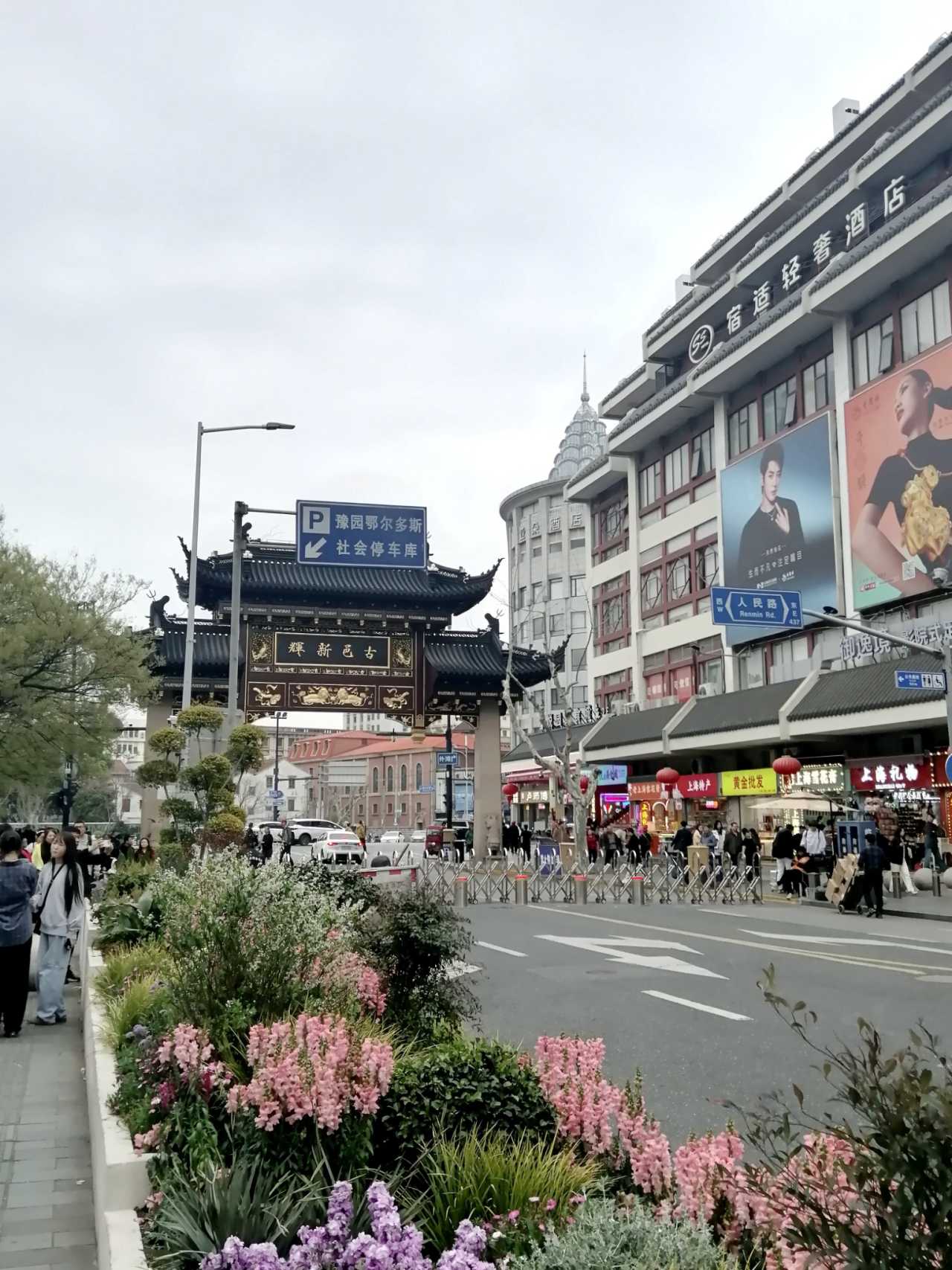
The Grand Rockery is one of Yuyuan Garden's crown jewels, constructed from thousands of tons of yellow stone from Wukang, Zhejiang Province. This is the painstaking work of Zhang Nanyang, a renowned Ming Dynasty rockery master, and his only surviving creation. Rising 14 meters high, it features layered peaks, jagged crags, steep cliffs and hidden ravines, with winding paths spiraling upward. In the past, climbing to the "Wangjiang Pavilion" at the summit offered a panoramic view of the boats on the Huangpu River. Pan Yunduan praised it in his "Record of Yuyuan Garden," saying, "Its steepness delights the eye," a testament to its grandeur.
Gradual Entry into Beauty: The Covered Corridor and Yuan Dynasty Iron Lions
To the east of the Yangshan Hall lies a covered corridor half-suspended over water, named "Gradual Entry into Beauty." In front of the corridor stand two Yuan Dynasty iron lions, cast in 1290—the female on the left, the male on the right. The inscriptions on their bases remain clearly legible: "Crafted by Zhao Zhang, artisan of Tongshan Town, Anyang County, Zhangde Prefecture" and "The twenty-seventh year of the Zhiyuan reign, the year of Gengyin, the twenty-eighth day of the tenth month, Great Yuan Dynasty." Over seven hundred years of wind and rain have left the lions' patterns slightly worn, yet they still guard the garden's tranquility.
The Ten Thousand Flower Tower and Dragon Wall: Poetic Blooms Year-Round
Passing through the double corridor, we came to the Ten Thousand Flower Tower on the left, named after the phrase "deep within ten thousand blossoms." Originally the site of a Ming Dynasty Flower God Pavilion, it was rebuilt in the twenty-third year of the Daoguang reign (1843). The four corner lattice windows on the ground floor feature clay reliefs of plum, orchid, bamboo, and chrysanthemum, symbolizing that flowers bloom here in all four seasons. To the east of the tower stands a dragon wall. Yuyuan Garden boasts five such walls adorned with dragon decorations, named the Reclining Dragon, Sleeping Dragon, Cloud-Piercing Dragon, and Twin Dragons Playing with a Pearl. Some soar through clouds, others churn seas, and still others frolic with pearls—all vividly winding along the white walls, seemingly ready to leap out.
Dianchun Hall: Echoes of the Small Sword Society
Beyond the dragon wall lies Dianchun Hall. Its name derives from a line by the Song Dynasty poet Su Shi: "Emerald dots adorn spring's beauty." Built in the early Daoguang reign, this five-bay hall is lofty and imposing. During the Small Sword Society Uprising, it served as the rebel forces' northern city headquarters. Chen Alin, one of the uprising's leaders and the Left Marshal of the Taiping Heavenly Kingdom's Administration and Propaganda Bureau, conducted business and issued decrees here, calling it the "Dianchun Hall Mansion." Inside hangs a massive painting by the late Qing artist Ren Bonian titled "Viewing the Sword," flanked by a couplet by calligrapher Shen Yinmo: "Courage embraces the vast emptiness; the heart retains pure essence," praising the rebels' heroic spirit. The hall also displays weapons used by the rebels, self-minted coins called "Sun and Moon Coins," and official proclamations.
The Exquisite Jade: One of Jiangnan's Three Great Stones
Crossing the three-zigzag bridge, we faced the Exquisite Jade, one of the three great stones of Jiangnan and Yuyuan Garden's "treasure of treasures." This translucent giant jade stands 3.3 meters tall and weighs 5 tons. Its jagged, porous surface and natural translucence make it a masterpiece of nature and art.
[Link: Jiangnan garden design principles]
FAQ: Your Questions About Visiting Yuyuan Garden in April Answered
1. What is the best time to visit Yuyuan Garden in April?
 April is ideal because the weather is mild (15–22°C / 59–72°F), and the Qingming Festival period brings fewer crowds than peak summer. Morning visits (8–10 AM) offer the best light for photography and a quieter experience.
2. How much time should I allocate for Yuyuan Garden and Old Street?
Plan for 3–4 hours total: 1.5–2 hours for Yuyuan Garden, 1 hour for Yuyuan Old Street, and extra time for the Old City God Temple and snacks like xiaolongbao (soup dumplings).
3. Are there guided tours available in English?
 Yes, Yuyuan Garden offers English audio guides and guided tours. Many tour operators also include it in Shanghai day tours. Check the official website or your hotel concierge for bookings.
4. What other attractions are near Yuyuan Garden?
Within walking distance: Old City God Temple (Chenghuangmiao), Chenxiang Pavilion, and the Bund (15-minute walk). The Shanghai Museum and Nanjing Road are a short taxi or metro ride away.
5. Is Yuyuan Garden wheelchair accessible?
The main pathways are wheelchair-friendly, but some historic buildings and rockeries have steps. Contact the garden in advance for accessibility details.
[Link: Shanghai travel tips for families]
Practical Tips for Your April Shanghai Trip
Getting to Yuyuan Garden
 - Metro: Line 10 (Yuyuan Garden Station, Exit 1) - Bus: Routes 11, 26, 64, 304, 736, 930 - Taxi/DiDi: From the Bund, about 10 minutes
What to Eat Near Yuyuan Old Street
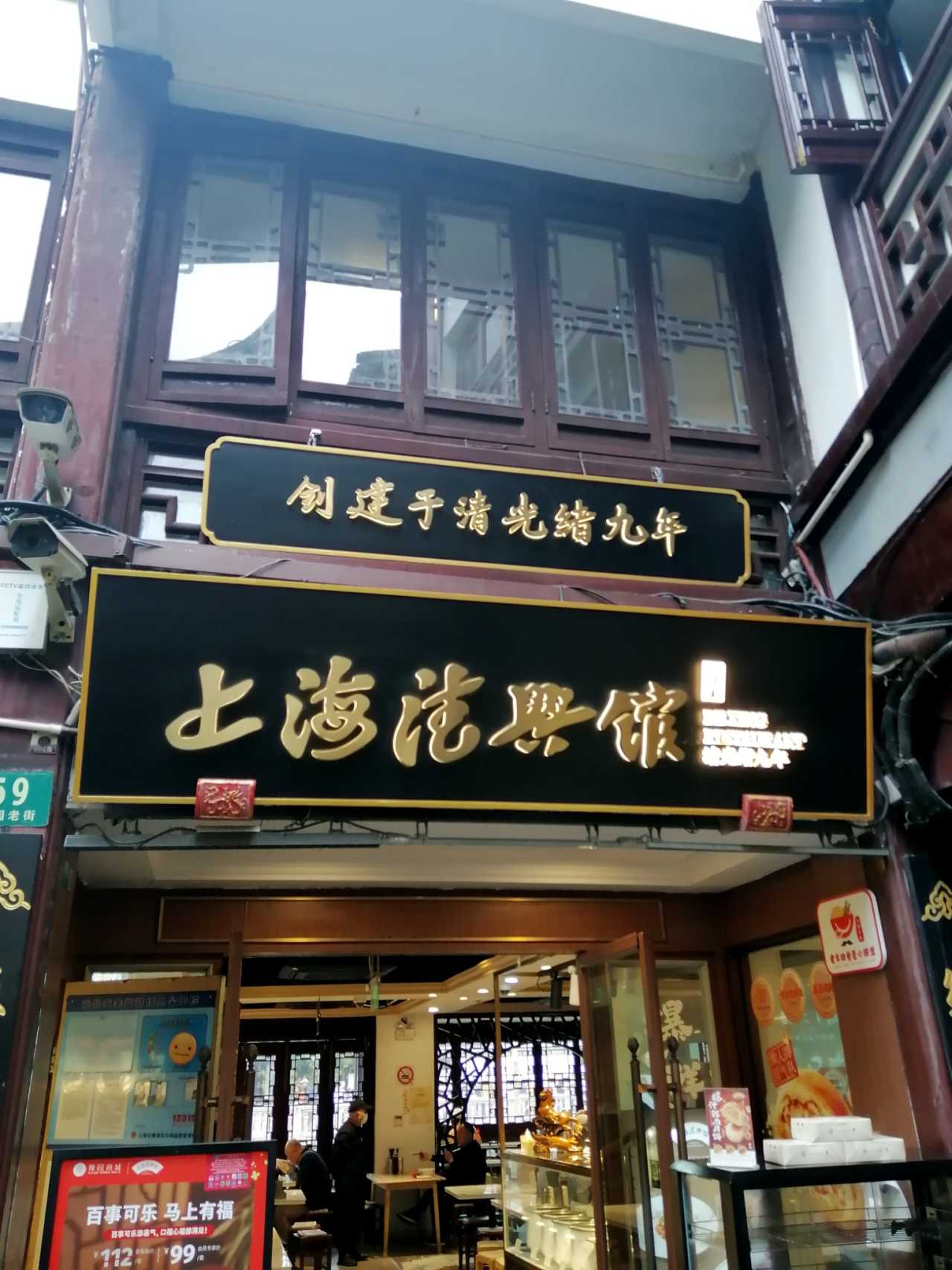
- Nanxiang Steamed Bun Restaurant – Famous for xiaolongbao
- Songyue Tower – Traditional Shanghai dim sum
- Old Shanghai Snack Street – Try shengjianbao (pan-fried buns) and tangyuan (glutinous rice balls)
Photography Tips
- Best spots: The Grand Rockery, Dianchun Hall, and the dragon walls
- Golden hour: 4–5 PM for warm light on the bluestone slabs
- Avoid: Midday harsh shadows; use a polarizing filter for reflections on water features
Conclusion: Why April in Shanghai Should Be on Your Bucket List
April in Shanghai is more than a season—it's a living museum where Ming Dynasty rockeries, Qing Dynasty halls, and modern vitality coexist in perfect harmony. Whether you're a history buff, a garden enthusiast, or simply seeking a spring travel destination that offers both culture and comfort, Yuyuan Garden and Old Street deliver an unforgettable experience.
From the Exquisite Jade to the Small Sword Society relics, every corner tells a story. And with the mild April weather, you can explore without the summer crowds or winter chill.
Ready to plan your trip? Book your Shanghai April travel now and discover why this city's classical gardens are considered among the finest in China. Don't forget to share your photos with us using #AprilInShanghai!
[Link: Book Shanghai guided tours] [Link: Shanghai hotel deals for April]
Article originally inspired by a Mafengwo travelogue. All historical facts verified as of publication date.
You may also like