Above the North Atlantic, Amid the Benbulben Mountains: A Dreamlike Solo Journey Across the Island of Ireland
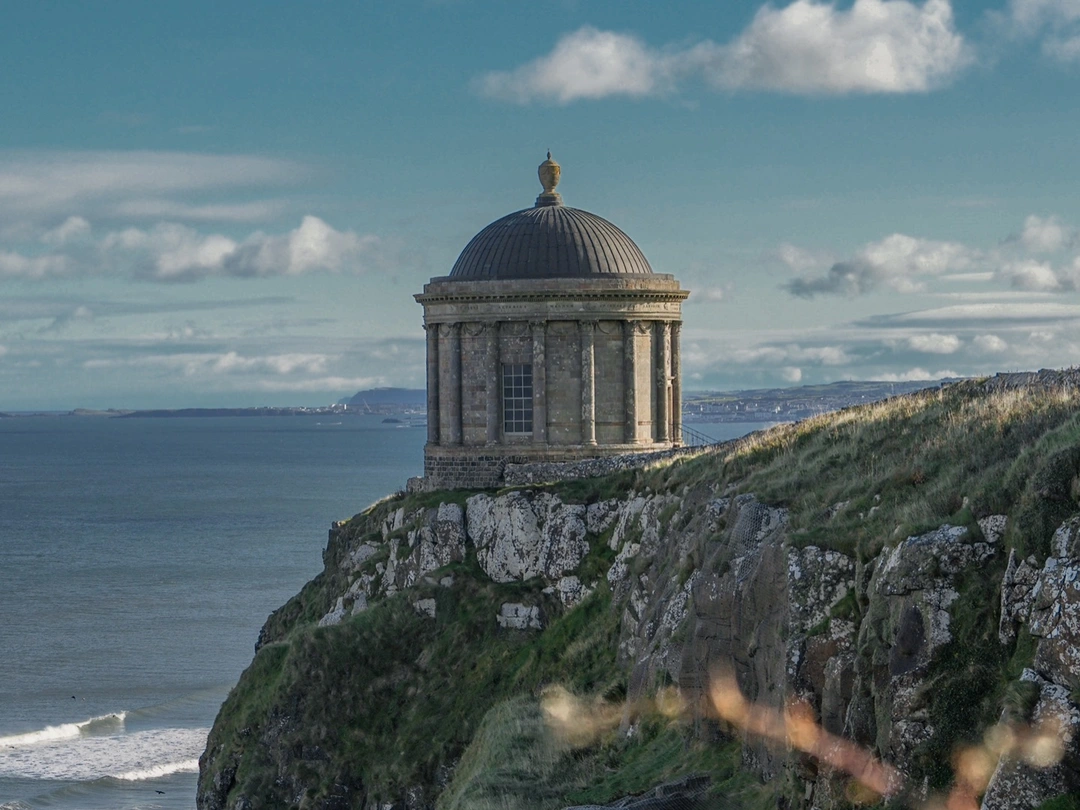
Meta Description: Discover Ireland's wild beauty and rich history on a solo journey from Belfast's Peace Wall to the Benbulben Mountains. Explore Game of Thrones filming locations, Titanic's birthplace, and more in this 11-day itinerary.
Introduction: Why Ireland Should Be Your Next Solo Travel Destination
"There is a pleasure in the pathless woods, there is a rapture on the lonely shore." — Lord Byron
These words resonate deeply with anyone who has felt the pull of the open road. In autumn 2018, I embarked on a solo journey across the island of Ireland—a land known as the "Emerald Isle of the Atlantic." This small Western European nation, with a population of just over four million, offers a unique duality: vibrant cities like Dublin and Belfast alongside wild, ancient landscapes that feel untouched by time.
Over eleven days, with a budget of roughly 20,000 RMB per person, I discovered why Ireland continues to captivate travelers worldwide. From the haunting beauty of the Benbulben Mountains to the industrial grit of Belfast, this trip was a soul-recalibrating experience.
Good news for travelers: If you hold a UK visa and have made your first entry into the UK, you can enter Ireland visa-free—a significant advantage for those exploring both regions.
Chapter One: Belfast Travel Guide — Wounds, Faith, and the City of Darkness

Belfast in the Rain: Understanding the Soul of Northern Ireland's Capital
When rain falls on Belfast, it doesn't just wet the rooftops—it seeps into your very soul. This city was once Europe's "darkest place," where an iron-gray sky pressed down like a massive cobblestone. Today, Belfast stands as a testament to resilience and rebirth.
Key Belfast attractions include:
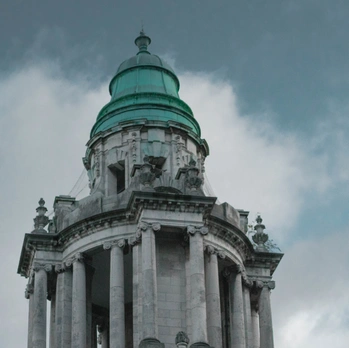
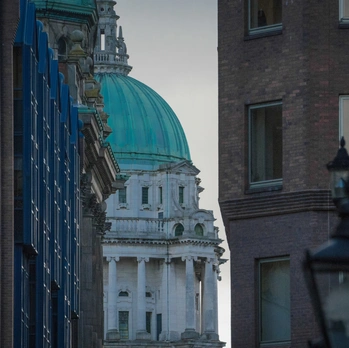
- Belfast City Hall (completed 1906): A masterpiece of Renaissance Revival architecture with its iconic green dome
- The River Lagan: Home to the famous blue ceramic salmon sculpture, each scale engraved with stories about the city
- Harland & Wolff shipyard: Where the Titanic was built in 1909
Belfast's houses may appear drab and gray at first glance, but the drizzle softens the neighborhoods, lending them an unexpected beauty. The city's story is one of survival—through the Troubles, through economic hardship, through decades of division.
The Peace Wall: What It Separates Isn't Communities—It's Hearts
The Peace Wall in West Belfast is perhaps the most famous wall after the Berlin Wall. On either side live Catholics and Protestants—communities that, even in death, refuse to be buried together.
Visiting the Peace Wall:
- Best visited early morning to avoid crowds
- Black taxis offer mini-tours with knowledgeable drivers who narrate the city's history
- Bring a marker—visitors are encouraged to write messages on the wall
- Most common words: "Peace" and "Love"
- Most striking message I saw: "Do the right thing."
The graffiti wall features many paintings about the relationship between Ireland and Britain. Understanding this history is crucial: it dates back to the 12th century, when the English obtained supreme sovereignty over Ireland from the Pope, leading to centuries of conflict.
The Titanic Belfast Museum: A Must-Visit Attraction
Anyone familiar with the Titanic knows the great ship began its legendary voyage from Southampton, England. But few know that construction started on March 31, 1909, at the Harland & Wolff shipyard in Belfast Harbor.
Titanic Belfast Museum highlights:
- Stands 34.7 meters tall—the same height as the Titanic
- Exterior clad in reflective aluminum panels
- Some see a giant ship; others say it resembles the iceberg the Titanic struck
- Inside, a small cable car takes you from top to bottom, tracing Belfast's industrial rise
- Recreated ship cabins show beds, wardrobes, and dining tables—everything slightly smaller than modern sizes
Practical tip: In Britain and Ireland, Guinness stout is an unavoidable companion with every meal. Try it with a Mexican taco from a city center spot for a unique fusion experience.
Chapter Two: Game of Thrones Filming Locations in Northern Ireland — A Pilgrimage Guide
A trip to Northern Ireland is a pilgrimage for Game of Thrones fans. The Dark Hedges, Ballintoy Harbor, and the Giant's Causeway draw visitors from around the world.
Important travel note: Though these attractions look close together on a map, actual distances are significant. Driving is the best option; public transportation will eat up your time.
Ballymoney Accommodation: The 9.9-Rated B&B and Warm-Hearted Elaine
I used to be lukewarm about B&Bs, feeling paranoid about staying alone as a solo traveler. But Northern Ireland's attractions are scattered around small towns north of Belfast, with few conventional hotels. That's how I ended up at Elaine's place.
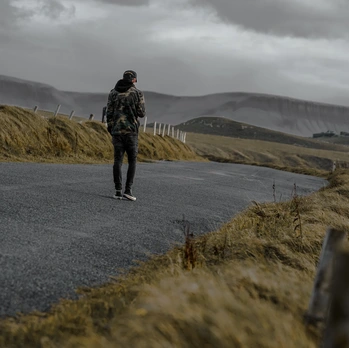
Online rating: 9.9
Every review raved about how warm and welcoming the elderly hostess was. I arrived in Ballymoney at night. It was barely past eight, but the main street was already deserted. Dragging my suitcase along a country path, I couldn't help but quicken my pace—it felt like walking through a small town in an American horror movie.
Safety note: Ireland is probably one of the safest countries in Europe, second only to Scandinavia.
Elaine's house is a two-story villa. She had left a light on for me. [Link: Best B&Bs in Northern Ireland] Her hospitality transformed my solo travel experience.
The Dark Hedges: A Photographer's Paradise
The Dark Hedges is one of the most photographed natural phenomena in Northern Ireland. This avenue of beech trees, planted in the 18th century, creates a tunnel-like canopy that feels otherworldly.
Photography tips:
- Visit early morning or late afternoon for the best light
- Avoid peak tourist hours (10 AM–4 PM)
- Bring a wide-angle lens to capture the full effect
Giant's Causeway: A UNESCO World Heritage Site
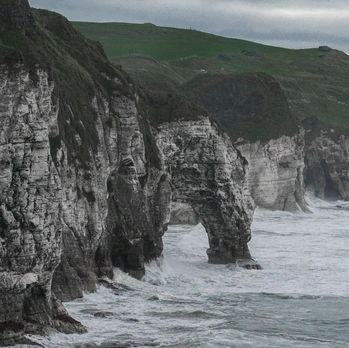
The Giant's Causeway features approximately 40,000 interlocking basalt columns, the result of an ancient volcanic eruption. According to legend, it was built by the giant Finn McCool.
Visitor information:
- Free to access, but parking costs
- Guided tours available
- Visitor center with exhibits on geology and mythology
Chapter Three: Benbulben Mountains Hiking — A Dreamlike Solo Adventure
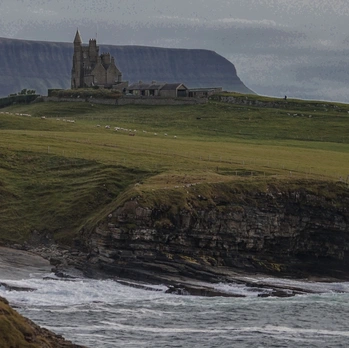
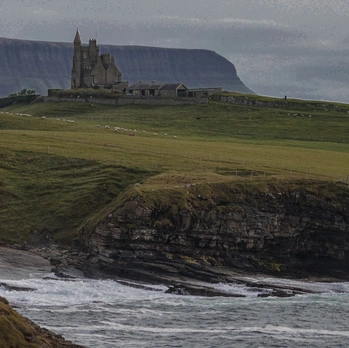
The Benbulben Mountains in County Sligo are one of Ireland's most distinctive geological formations. This flat-topped mountain, part of the Dartry Mountains, rises dramatically from the surrounding countryside.
Why hike Benbulben:
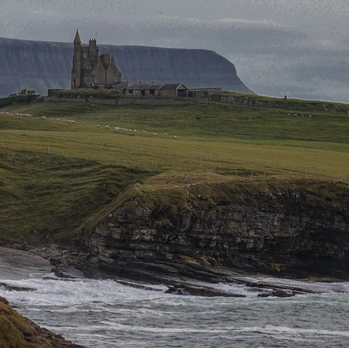
- Unique table-top shape created by glacial erosion
- Stunning views of the Atlantic Ocean and surrounding countryside
- Less crowded than other Irish hiking destinations
- Rich in mythology—associated with the legendary warrior Fionn mac Cumhaill
Hiking tips:
- Best hiked in good weather—conditions can change rapidly
- Allow 3-4 hours for the full circuit
- Bring waterproof gear and sturdy boots
- Start early to avoid afternoon fog
Ireland Travel Tips: Essential Information for Your Journey
Budget Planning: Ireland Solo Travel Cost
- Total trip cost: Approximately 20,000 RMB per person for 11 days
- Accommodation: B&Bs offer excellent value and local hospitality
- Transportation: Renting a car is recommended for exploring rural areas
- Food: Expect to spend €15-25 per meal in cities; less in small towns
Visa Requirements for Ireland

- UK visa holders can enter Ireland visa-free after first entry into the UK
- Standard tourist visa required for other nationalities
- Apply at least 3 months before travel
Best Time to Visit Ireland
- Peak season: June–August (warmest weather, busiest)
- Shoulder season: April–May, September–October (fewer crowds, mild weather)
- Off-season: November–March (lower prices, but rain and cold)
FAQ: Ireland Travel Questions Answered
1. Is Ireland safe for solo female travelers?
Yes, Ireland is considered one of the safest countries in Europe for solo travelers, especially solo female travelers. Violent crime is rare, though standard precautions apply—avoid walking alone late at night in unfamiliar areas.
2. How many days do you need to explore Ireland?
 For a comprehensive trip covering both Northern Ireland and the Republic, 10–14 days is ideal. This allows time for Belfast, Dublin, the Wild Atlantic Way, and the Benbulben Mountains.
3. What is the best way to get around Ireland?
 Renting a car offers the most flexibility, especially for visiting rural attractions like the Benbulben Mountains. Public transportation connects major cities but is limited in remote areas.
4. Do I need a separate visa for Northern Ireland?
 No. Northern Ireland is part of the United Kingdom, but the Common Travel Area allows free movement between the UK and Ireland. Your UK visa covers Northern Ireland.
5. What should I pack for an Ireland trip in autumn?
Pack layers: waterproof jacket, sturdy walking shoes, warm sweaters, and a scarf. Irish weather is unpredictable—rain is common, but temperatures rarely drop below freezing.
Conclusion: Your Irish Adventure Awaits
From the haunting Peace Wall of Belfast to the ancient majesty of the Benbulben Mountains, Ireland offers a journey that nourishes the soul. Whether you're tracing Game of Thrones filming locations, hiking through misty valleys, or simply enjoying a pint of Guinness in a cozy pub, this island nation leaves an indelible mark.
Ready to plan your Irish adventure? Start by researching flights into Dublin or Belfast, then map out your route through the Wild Atlantic Way. Remember: the best experiences often happen when you wander off the beaten path.
Call to Action: Download our free Ireland travel checklist and start planning your dream solo journey today. Subscribe to our newsletter for more destination guides and travel tips.
Note: This article is based on a personal travel experience from autumn 2018. While every effort has been made to ensure accuracy, travel information may have changed. Always check current visa requirements, opening hours, and travel advisories before booking.
You may also like