A Second Visit to Auckland’s Bird Island: A World-Class Wonder Praised by National Geographic – A Must-See in Your Lifetime
Meta Description: Discover why Auckland’s Bird Island (Muriwai Beach) is a National Geographic top 30 global wonder. Plan your visit with our guide to gannet colonies, black sand beaches, and photography tips.
If you ask me what the most unmissable place on New Zealand’s North Island is, my answer will always include Muriwai Beach, better known as Bird Island. This coastline, named by National Geographic as one of the “Top 30 Global Wonders,” offers not only breathtaking scenery but also the moving story of thousands of Australasian gannets. During my five months living in Auckland, I visited this place twice, and each time I was deeply awed by its beauty—on sunny days, it embodies pure blue and pristine clarity; under overcast skies, it reveals a vast, powerful, and untamed grandeur.
Whether you’re a nature lover, a photographer, or a traveler seeking New Zealand North Island hidden gems, Bird Island delivers an unforgettable experience. In this guide, I’ll share my two visits, practical tips, and why this Auckland day trip deserves a spot on your bucket list.
First Encounter with Bird Island: That Expansive Blue Took My Breath Away
My first trip to Bird Island was on a bright, sunny weekend. I had just arrived in Auckland and was already captivated by photos online, eager to see those adorable gannets standing in neat rows. A friend told me that October is when the gannets begin their large-scale migration from Australia, but by August, some “advance troops” had already arrived. I couldn’t contain my excitement any longer and set off early the next morning.
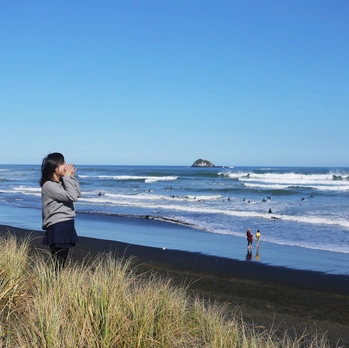
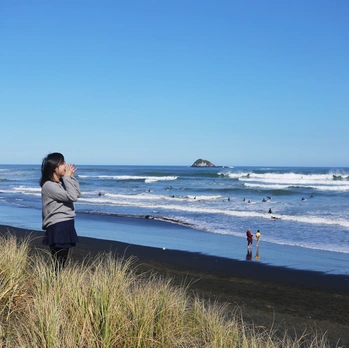
Leaving from West Auckland, I drove northwest along State Highway 16. After about 40 minutes, I reached Muriwai Beach. After parking, the first thing I saw was a landscape of wild grass and sand dunes. The beach here is famous for its black sand—under the sunlight, the grains shimmered with a metallic sheen. Although I had already experienced the magic of black sand at Karekare Beach, seeing it again reminded me of nature’s incredible craftsmanship.
Crossing the dunes, the view opened up before me: an endless coastline, bathed in sunlight, displayed a deep, vivid blue—like a giant sapphire spread between heaven and earth. Waves rolled in layer after layer, crashing against the black sand with a soothing, rhythmic sound. The beach was bustling with people; families with children were playing and picnicking, creating a lively atmosphere. It was probably the most “popular” beach I had seen in Auckland—perhaps the name “Bird Island” itself draws countless visitors.
I walked along the beach toward a nearby hill, following a winding path. The rocks along the trail were covered in moss, adding a touch of soft green to the rugged coastline. Finally, I stood on the viewing platform—and at that moment, I almost forgot to breathe.
[Link: Best beaches in Auckland for families]
The Awe-Inspiring Kingdom of Gannets
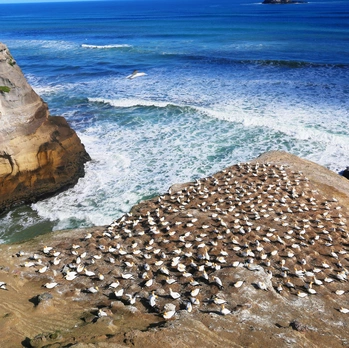
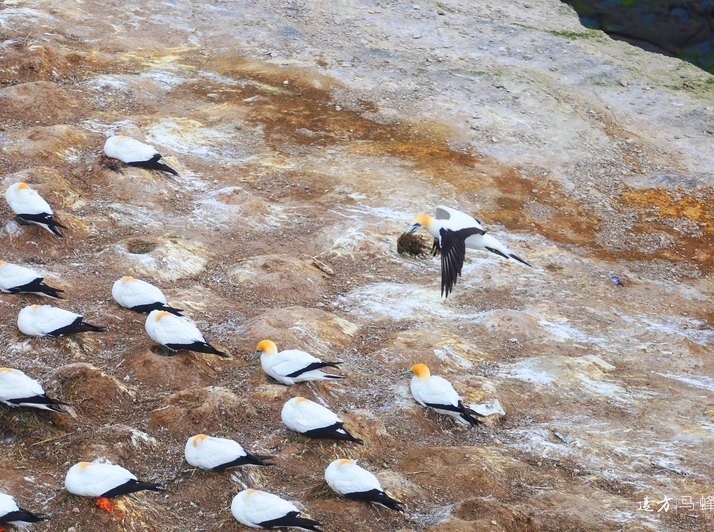
Two massive rocks jutted out from the sea, densely packed with small gannets. They stood in orderly rows, like disciplined soldiers or a group of little gentlemen dressed in black-and-white suits. Hundreds of gannets gathered together, their calls—a chorus of “ee-ah, ee-ah”—mingling with the sound of waves crashing against the cliffs, creating a magnificent symphony.

According to records, from August to March each year, about 1,200 pairs of gannets nest here. These birds fly to Australia for the winter, then return to New Zealand’s Bird Island around August to build nests with their mates and raise their young. By March of the following year, the chicks have grown, and the parents lead them on the flight back to Australia. This cycle repeats year after year, without interruption.
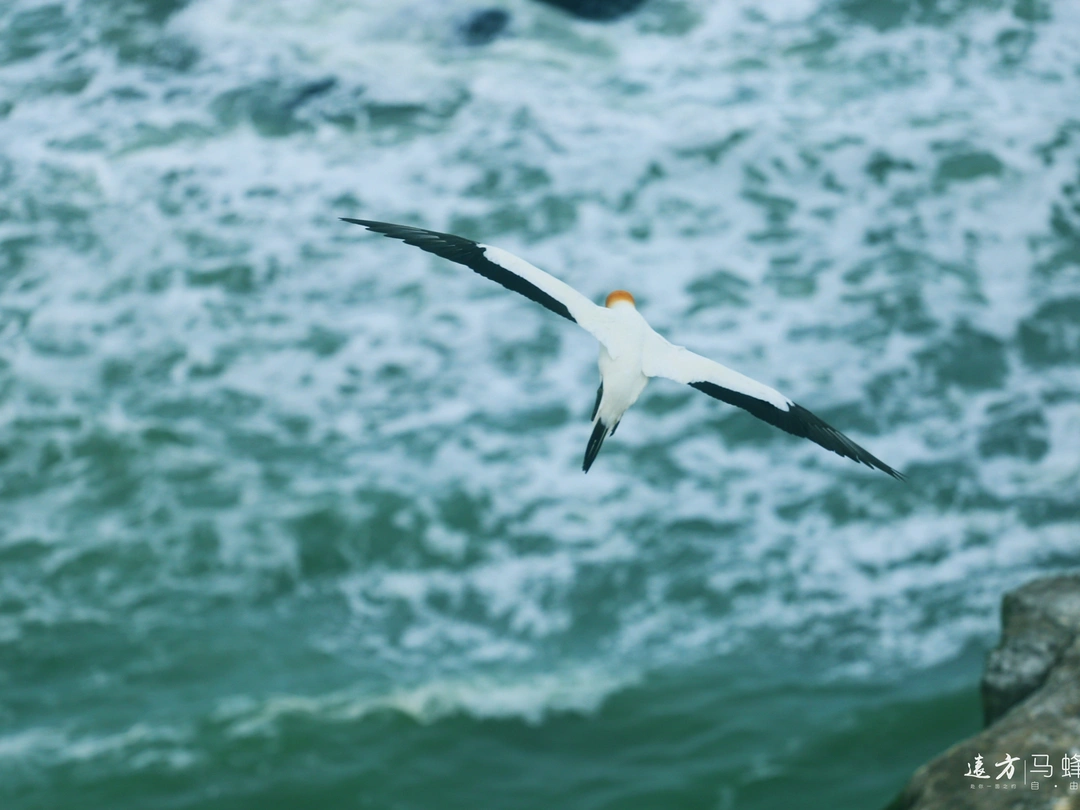
I lingered on the viewing platform, reluctant to leave. Watching these lovely creatures soar freely between the blue sky and the sea, I felt an indescribable emotion. They travel thousands of kilometers across the Tasman Sea, driven by a deep attachment to this homeland—a devotion to their birthplace that is truly moving.
[Link: New Zealand seabird watching tours]
A Second Visit to Bird Island: A Different Kind of Beauty Under Gray Skies
A month later, I set off for Bird Island again. This time, I had new gear—a Canon telephoto lens (the “little white” 70-200mm). Although the weather wasn’t ideal—overcast skies and a chilly wind—I couldn’t wait to go.
Walking across the black sand beach again, the scene was completely different from before. The cold wind whipped up clouds of yellow sand, carving wavelike patterns on the ground. The sea was no longer deep blue but a pale green, blending with the gray sky to create a unique, moody atmosphere.
I went straight to the main attraction. After crossing the kilometer-long beach, I climbed back up to the viewing platform on the hill. This time, I could finally capture close-ups of the gannets with my telephoto lens.
A Day in the Life of Gannets Through the Lens
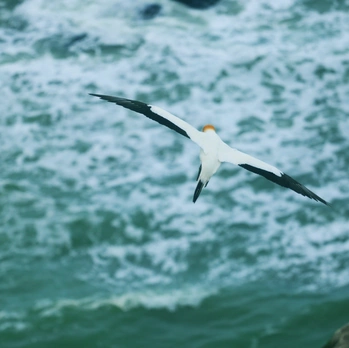
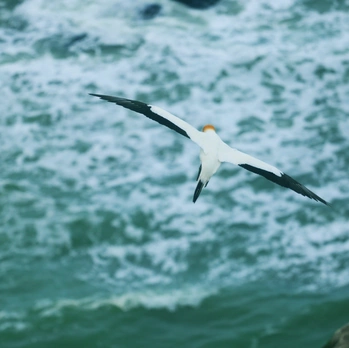
Through the lens, I discovered a whole new world. Every pose of the gannets was lively and fascinating: some tucked their heads into their feathers, curling into balls to shield themselves from the cold wind, looking adorably clumsy; others spread their wings, gliding against the wind with a graceful and powerful posture; some paired up, leaning against each other, as if whispering romantic tales.

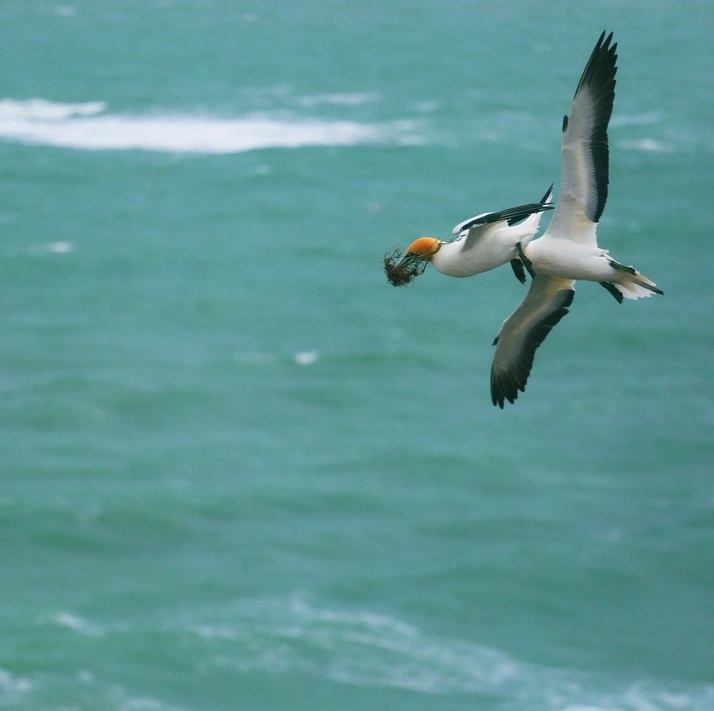
I captured a shot of two gannets dancing in the air—their bodies were supple and elegant, their wings drawing beautiful arcs in the wind. Another photo showed three gannets flying in a neat line, like a well-trained aerial performance team.
Australasian gannets are masters of flight. With their large wingspans, they can soar for long periods without flapping much, riding the air currents. They can fly thousands of kilometers nonstop across the Tasman Sea, arriving in New Zealand every summer and returning to Australia in winter. This resilience and determination are truly admirable.
[Link: Wildlife photography tips for beginners]
Practical Guide: How to Make the Most of Bird Island
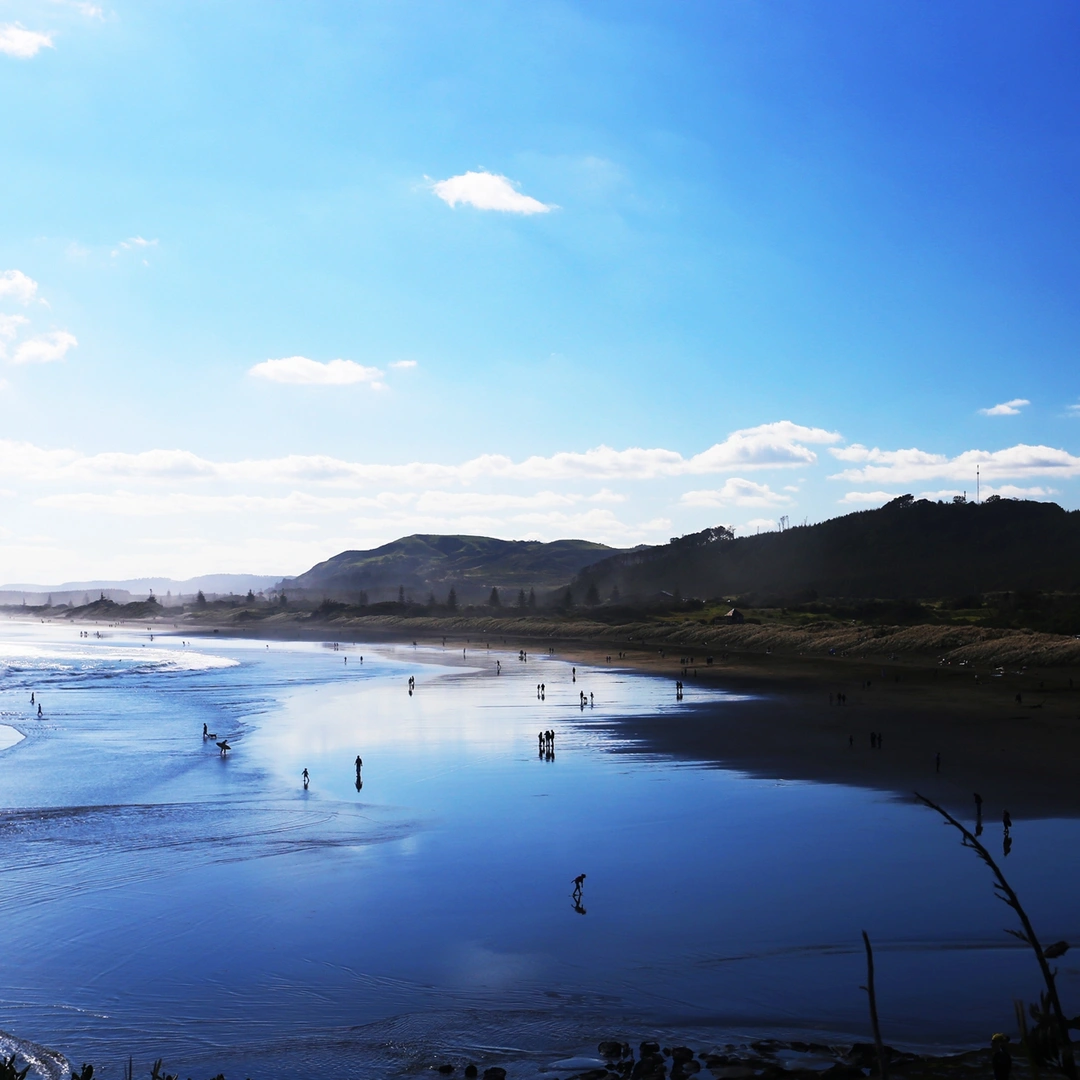
If you only have one day in Auckland, I would unhesitatingly recommend Bird Island. In just four hours, you can experience the awe of this world-class wonder.
Best Time to Visit
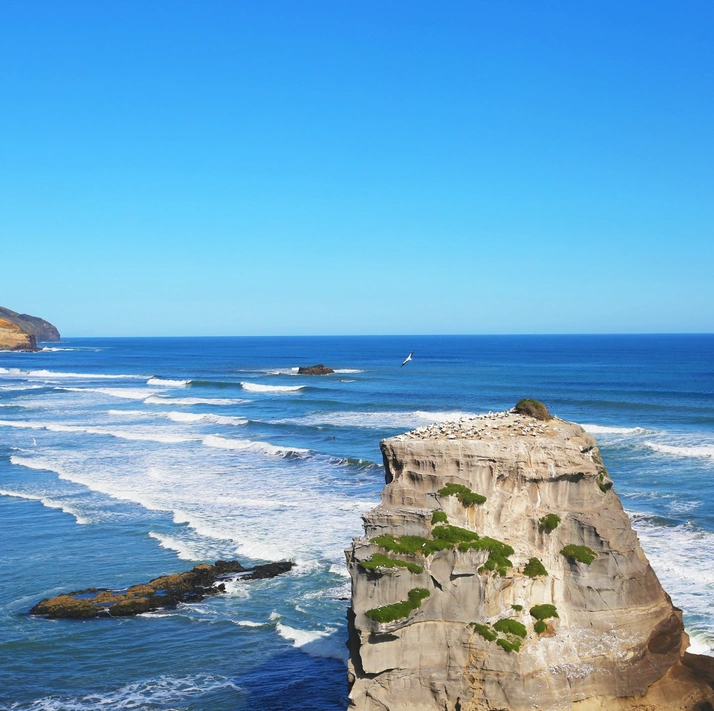
The gannet gathering season runs from August to April, with the peak spectacle from October to March. Choose a clear day for the best views of the blue sea and the flocks of gannets. For photographers, overcast days can also produce dramatic, moody images.
Getting There
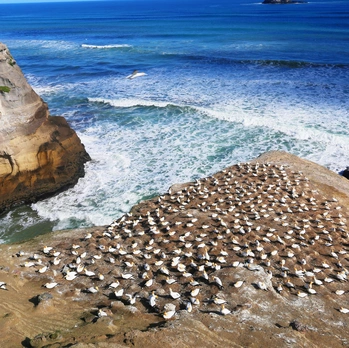
From central Auckland, take State Highway 16 northwest for about 40 minutes. Self-driving or hiring a car is recommended, as public transportation is limited. Parking is available near the beach entrance.
Tips for Your Visit
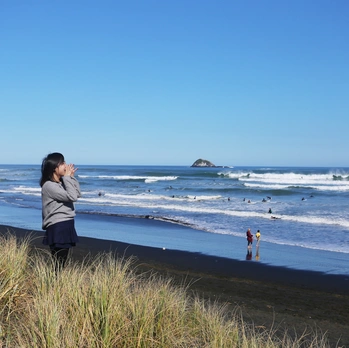
- Arrive before 10 a.m. to avoid the crowds.
- Start with a walk along the beach to enjoy the unique black sand.
- Then head up the hill to the viewing platform for a close-up look at the gannets.
- If time allows, bring a picnic and relax by the sea.
What to Bring
- A telephoto lens (at least 200mm) is essential for close-ups; otherwise, you’ll only get wide shots.
- A windproof jacket and comfortable shoes—it’s windy by the sea, and you’ll need to walk a fair distance.
- Sunscreen and a hat—New Zealand’s UV rays are very intense.
[Link: Auckland day trips by car]
Frequently Asked Questions About Bird Island
1. Is Bird Island free to visit?
 Yes, Muriwai Beach and the Bird Island viewing platform are free public access. There is no entrance fee.
2. Can you see gannets year-round?
 Gannets are present from August to April. The best time for viewing is October to March when nesting activity is at its peak.
3. How long should I spend at Bird Island?
 Most visitors spend 2–4 hours. This allows time for a beach walk, viewing the gannets, and photography.
4. Is Bird Island suitable for children?
 Absolutely. The beach is family-friendly, and the viewing platform is safe. However, keep children away from cliff edges.
5. What other attractions are near Muriwai Beach?
Nearby attractions include Karekare Beach, Piha Beach, and the Waitakere Ranges for hiking. [Link: West Auckland attractions]
Final Thoughts
My two visits to Bird Island deepened my understanding of this land. Gao Xiaosong once said in his talk show Xiao Shuo: “New Zealand is a particularly wonderful place—friendly people, fresh air, stunning scenery… everything feels like a gift from heaven.” I think Bird Island is the perfect embodiment of that sentiment.
Here, you can see one of the world’s purest coastlines, feel the raw power of nature, and witness the most moving miracles of life. Whether under a clear blue sky with its vast, azure expanse or beneath gray clouds with its wild, majestic atmosphere, Bird Island offers an unparalleled awe.
New Zealand isn’t just about the stunning scenery of the South Island—the North Island, with Auckland, is equally spectacular. And Bird Island is one of the most recommended places in Auckland. If you ever have the chance to visit this Middle-earth, don’t miss this world-class wonder praised by National Geographic.
Trust me—when you stand on that viewing platform, watching thousands of gannets soar between the blue sky and the sea, you’ll feel that all the travel fatigue was worth it.
Ready to plan your Auckland adventure?
[Link: Book a rental car for your Bird Island trip] [Link: Find accommodation near Muriwai Beach]
Start your journey to Bird Island today—and discover why National Geographic calls it one of the world’s top wonders.