A Journey Through Time and Space in Shanghai: An Unforgettable Dreamlike Adventure
Meta Description: Explore Shanghai's hidden gems beyond the tourist trail—from industrial ruins turned art spaces to romantic literary streets. Discover a 5-day itinerary blending history, culture, and urban adventure.
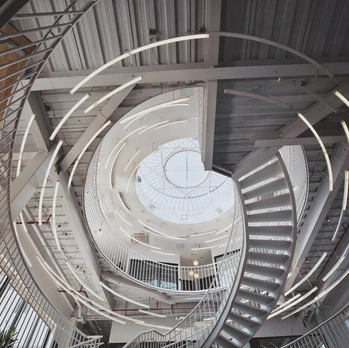
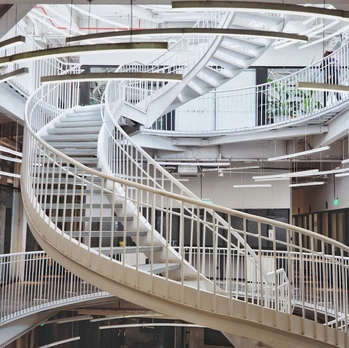
Shanghai, the city known as "Mó Dū" (The Magic Capital), possesses a captivating charm that is uniquely its own. Unlike Beijing's solemn grandeur or Guangzhou's bustling, down-to-earth energy, Shanghai weaves together a century of vicissitudes with a futuristic modernity in a way that is entirely its own. Strolling through its streets, you never know what you'll encounter around the next corner—it could be the former residence of a Republican-era celebrity, an art space converted from an abandoned factory, or even a spiral staircase hidden inside an office building.
In March 2019, my partner and I spent five days putting aside hundreds of unread messages on our phones, avoiding the crowded tourist hotspots, and exploring a different side of Shanghai. This trip felt like an adventure across time and space, with every step landing somewhere between the echoes of history and the imagination of the future.
5-Day Shanghai Hidden Gems Itinerary: Time-Folding Adventure
Day 1: From Industrial Ruins to Alleyway Life
M50 Creative Park: An Office Building with a Heavenly Staircase
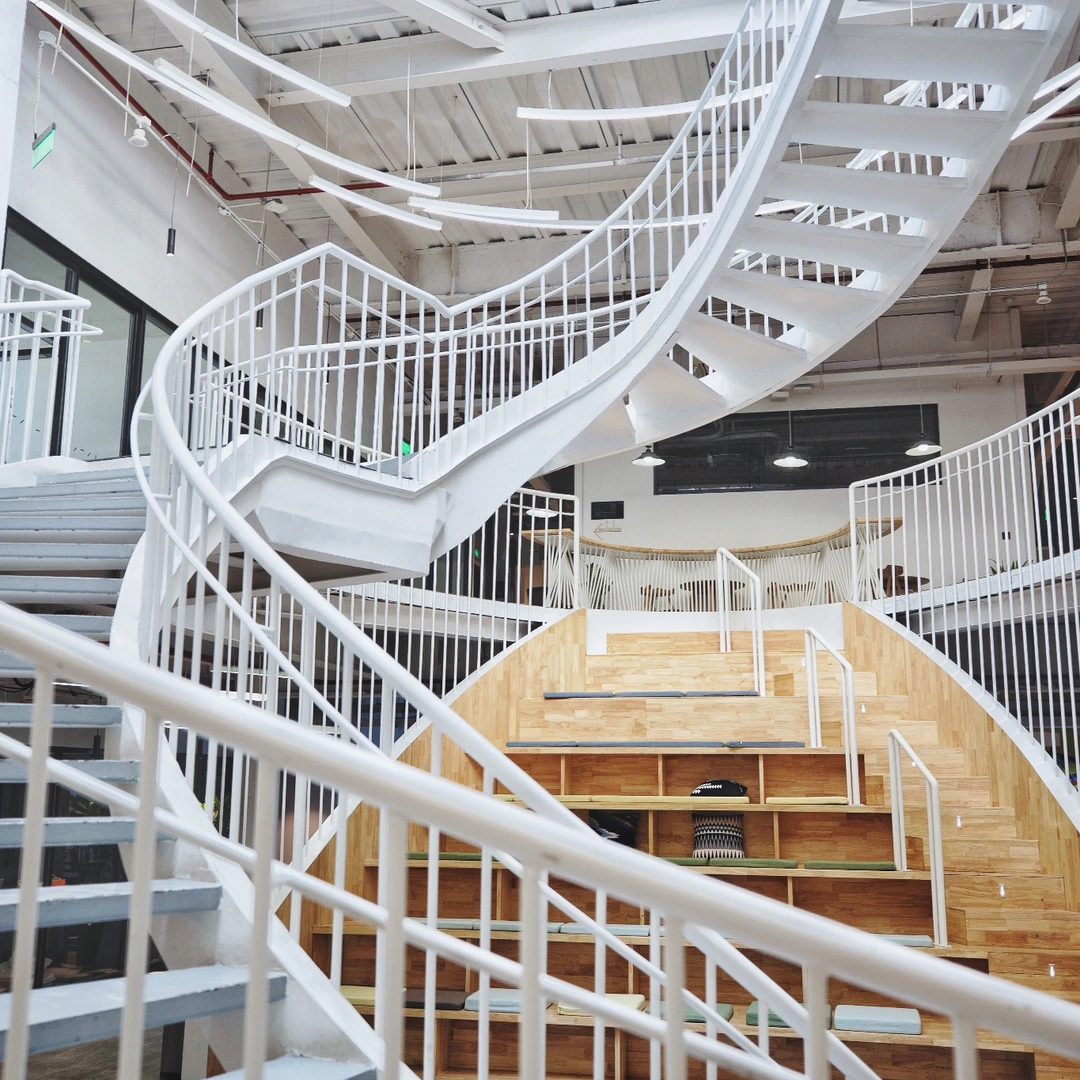
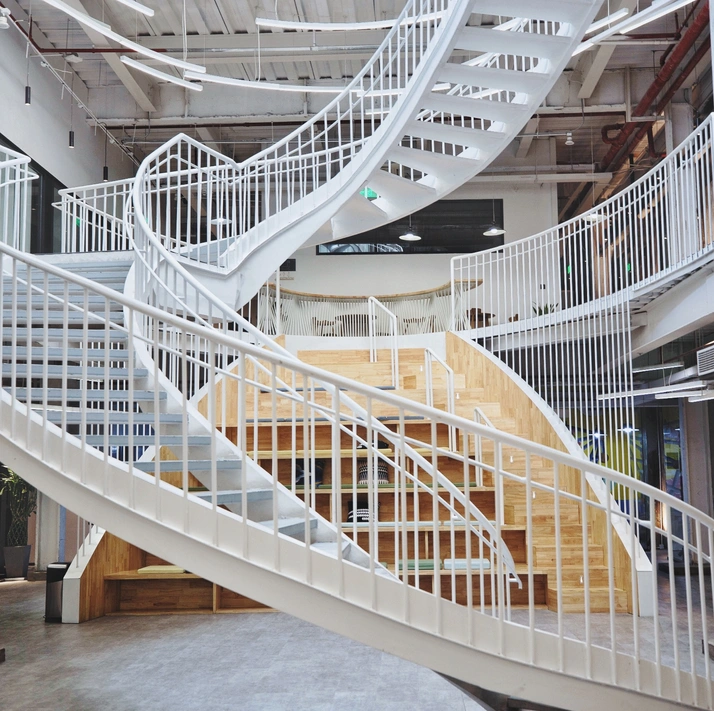
Our first stop was M50 Creative Park, not far from the hotel. At first glance, you might think it's a trendy café or art gallery, but it's actually an office building—yes, the kind you'd normally walk right past. Its former life, however, was an abandoned rivet factory.
Pushing open the door, the most striking feature is the pure white spiral staircase. It winds upward from the ground floor, reaching toward a skylight at the top, where light pours down like the ladder in Jacob's dream from the Bible. Shadows play across the white walls, and the collision of black and white, old and new, industrial and artistic creates a magical chemistry. Walking up those steps feels like climbing a staircase through time.
Practical Information: - Address: No. 23, Lane 833, Zhizaoju Road, Huangpu District, Shanghai - Opening Hours: Monday to Friday (closed on weekends—plan accordingly)

Shikumen Open House Museum: Stepping Into an Old Shanghai Home
Northern China has its siheyuan (courtyard houses), and the south has shikumen (stone-gate houses). Shikumen is neither purely Chinese nor a direct copy of Western style, but a fusion of both—black lacquered wooden doors with brass or iron knockers, door lintels adorned with traditional brick carvings and Western-style curved decorations, creating a unique charm.
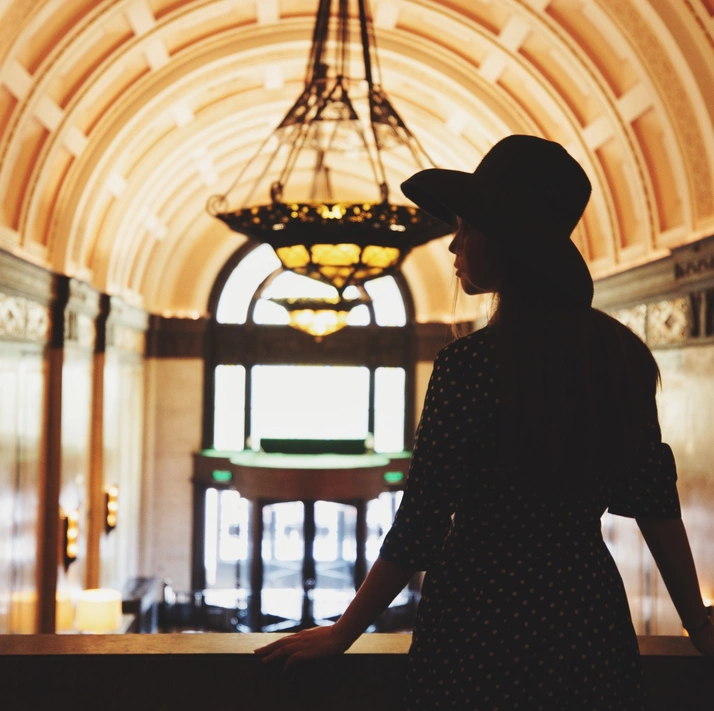
Hidden within the shikumen buildings of Xintiandi is the Shikumen Open House Museum. The term "屋里厢 (wū lǐ xiāng)" in Shanghai dialect means "home," and the name alone evokes warmth. Inside, the museum displays authentic objects from shikumen alleyways of the 1920s and 1930s—stoves, oil lamps, rouge boxes, chessboards, ashtrays—each carrying the warmth of bygone years.
Entering the living room, to the left is the master's study, where a Western electric fan and typewriter sit alongside Chinese brushes, ink, paper, and inkstones. A bouquet of pink roses blooms among the old objects, as if breathing new life into them. Climbing the spiral staircase, you reach the "亭子间 (tíng zi jiān)"—a small room facing north, with the kitchen below and a terrace above, cold in winter and hot in summer. In the 1920s and 1930s, many writers squeezed into such tingzijian to write, giving rise to the term "tingzijian literature."
The master bedroom's rosewood furniture and dressing table are so exquisite that you can't help but marvel: this family must have known how to enjoy life. Stepping out of the museum, the bustling energy of Xintiandi rushes toward you, but the shikumen buildings stand silently, like an old guardian preserving the memories of old Shanghai.
Practical Information: - Address: No. 25, North Block, Xintiandi, Lane 181, Taicang Road, Huangpu District, Shanghai - Admission: 20 RMB per person
Tianzifang: Where Commerce and Life Coexist
From the shikumen, it's a short walk to Tianzifang. This area is transformed from three alleys, where narrow lanes are still home to local residents. Tangled electrical wires, crooked birdcages, exposed meter boxes—these "imperfections" add a touch of authentic old Shanghai flavor to this commercial district.
The shops in Tianzifang are a feast for the eyes, each window display carefully designed. Many foreigners wander through, and Sino-Western fusion restaurants are everywhere, though the prices are steep. As I walked through the alleys, I initially tried to avoid photographing the exposed wires and pipes, but then I thought: just appreciate whatever you encounter. The walls don't have to be pristine—their mottled surfaces are beautiful in their own right.
Nanpu Bridge: No Cherry Blossoms, but No Lack of Surprises
March is cherry blossom season, and many recommend Gucun Park or Century Park, but I wanted to avoid the crowds. I'd heard that the bus stop near Nanpu Bridge was dubbed "Shanghai's Most Beautiful Cherry Blossom Bus Stop," so I decided to take a chance.
Unfortunately, the blossoms at the bus stop hadn't opened yet. But as we strolled along the riverbank, we stumbled upon a grove of cherry trees in full bloom! From a distance, the pinkish-white petals swayed in the spring breeze, more enchanting than any deliberately sought-out spot. Sometimes, the best travel surprises come when you least expect them.
Day 2: Industrial Heritage and Literary Alleys
Minsheng Wharf Silo: Wild Power in Ruins
This was once the largest-capacity grain silo in Asia. The 30 massive concrete cylinders loom in the distance like a silent fortress. Gray, weathered walls, broken windows, rough-hewn doors—40 years of industrial history preserved intact.
Looking up at these giant silos, you feel tiny in comparison. Moss and rain stains on the walls resemble wrinkles of time. In 2017, the site was transformed into an art center, with new time etched onto the old, giving the ruins a second life.
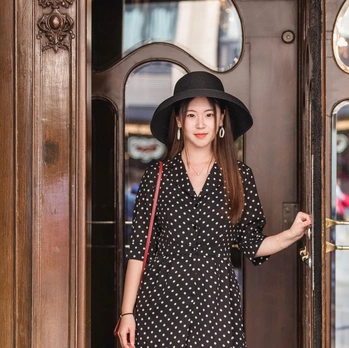
Tip: It's only open to the public during exhibitions; otherwise, the gates are locked. We arrived to find it closed, but just seeing the exterior was worth it—the rows of uniform iron windows, doors of varying sizes, half-open entrances, all telling stories of the past.
Nearby, other abandoned factory buildings have been converted into restaurants and art galleries, while others remain untouched. The contrast between the skyscrapers in the background and the dilapidated factories in the foreground is striking—this blend of old and new is what makes Shanghai so captivating.
A Surprise Later: A few months later, thanks to a friend, I returned to the silo—this time for a fashion show! Finally stepping inside was an indescribable thrill. That day, I wore a bright red ski jacket, standing out against the gray industrial space, and even met an adorable little girl.
Sweet Love Road: Shanghai's Most Romantic Street
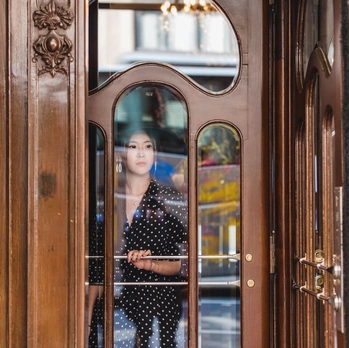
Sweet Love Road—the name alone tells you it's special. The road is lined with tall, straight metasequoia trees, and at the end sits a warm yellow mailbox, specifically for sending "Sweet Love Letters."
The walls are covered in declarations of love—"I love you," "I'll wait for you," "Let's stay together forever." School kids stood in front of the wall, soaking in the romantic atmosphere. One wall bore the words: "Beneath the tree, a chapter of poetry, a flask of wine, a loaf of bread—and you beside me singing in this barren place, and the wilderness becomes paradise." The imagery was so vivid, it made me smile.
Duolun Road: Shanghai's Most Cultural Street
A short walk south from Sweet Love Road brings you to Duolun Road, often called "Shanghai's Most Cultural Street." This leafy lane is lined with historic buildings that once housed literary giants like Lu Xun, Mao Dun, and Ding Ling. The architecture here is a mix of Art Deco, neoclassical, and traditional Chinese styles, reflecting the cosmopolitan spirit of 1930s Shanghai.
Today, Duolun Road is dotted with small museums, antique shops, and calligraphy studios. It's a place where you can feel the pulse of Shanghai's intellectual history. Don't miss the Shanghai Duolun Museum of Modern Art and the Lu Xun Park nearby.
Day 3: Shanghai Disneyland (Full Day)
A trip to Shanghai wouldn't be complete without a day at Shanghai Disneyland. While it's a popular tourist destination, it's also a masterclass in blending Chinese culture with Disney magic. The park's signature attraction, Tron Lightcycle Power Run, is a must-ride, and the Pirates of the Caribbean battle scene is breathtaking.
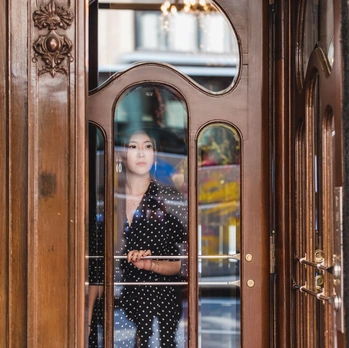
Pro Tip: Arrive early and use the FastPass system to maximize your time. Don't skip the Mickey Avenue parade—it's a spectacle of color and joy.
Day 4: Old Shanghai Glamour and Folk Culture
Peace Hotel: A Time Capsule of 1930s Elegance
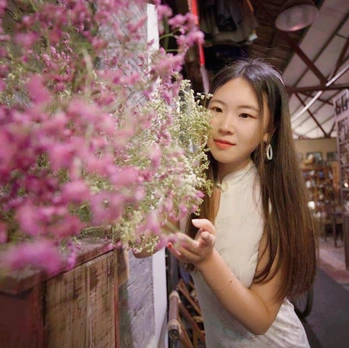
The Peace Hotel on the Bund is more than a hotel—it's a living museum. Built in 1929, it was originally the Cathay Hotel, owned by Sir Victor Sassoon. The Art Deco interiors, jazz bar, and panoramic views of the Huangpu River make it a must-visit. Even if you're not staying overnight, pop in for a drink at the Jazz Bar, where the Old Jazz Band has been playing since the 1930s.
Shenbao Building: The Birthplace of Modern Chinese Journalism
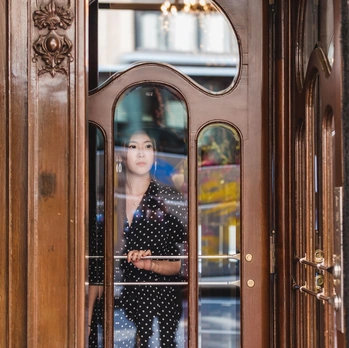
A short walk from the Peace Hotel brings you to the Shenbao Building, the former headquarters of China's longest-running newspaper. Founded in 1872, Shenbao (Shanghai News) was a pioneer in modern journalism. The building itself is a stunning example of neoclassical architecture, with a grand entrance and ornate details. Today, it houses a museum dedicated to the history of Chinese media.
Shanghai Past Folk Museum: A Treasure Trove of Nostalgia
Tucked away in a quiet lane, the Shanghai Past Folk Museum is a hidden gem. It's a private collection of over 10,000 artifacts from old Shanghai, including vintage cameras, gramophones, sewing machines, and even a 1920s rickshaw. The museum is run by a passionate collector who will happily share stories behind each object. It's like stepping into a time machine.
Address: No. 99, Lane 181, Taicang Road, Huangpu District (near Xintiandi) Admission: 30 RMB per person
Day 5: Wukang Mansion and Departure
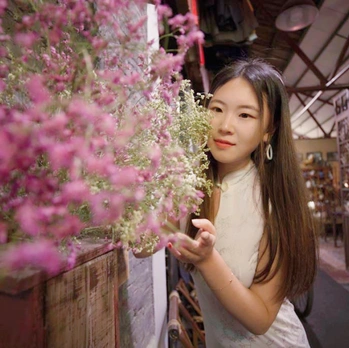
Wukang Mansion: The Most Photographed Building in Shanghai
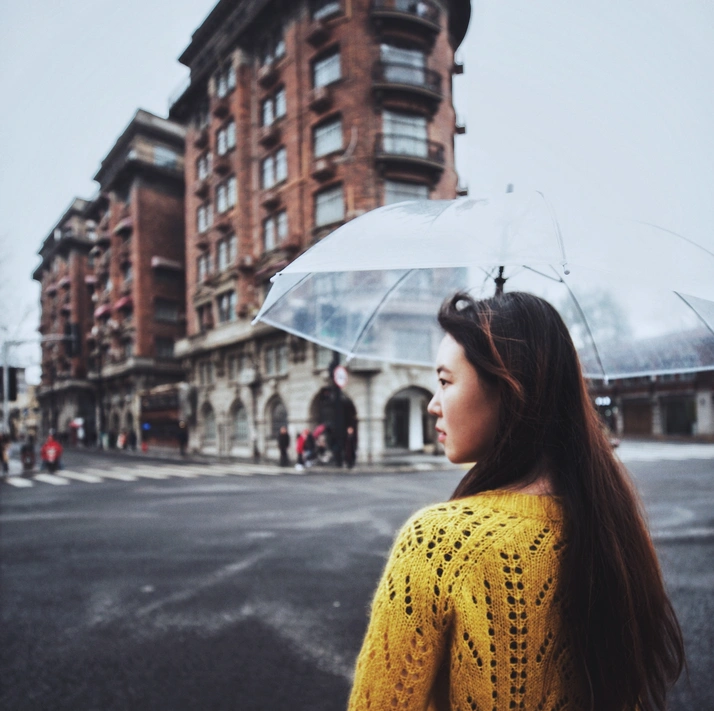
On our final day, we visited Wukang Mansion, a stunning 1924 apartment building designed by Hungarian architect László Hudec. Shaped like a giant ship, it's one of the most photographed buildings in Shanghai. The building's unique design—with its rounded corners, wrought-iron balconies, and red brick façade—makes it a masterpiece of Art Deco architecture.
The surrounding Wukang Road is a tree-lined street filled with boutique shops, cafés, and historic villas. It's the perfect place for a leisurely morning coffee before heading to the airport.
Frequently Asked Questions About Shanghai's Hidden Gems
Q1: What is the best time to visit Shanghai for cherry blossoms? A: Late March to early April is peak cherry blossom season in Shanghai. While popular spots like Gucun Park can be crowded, hidden spots like the Nanpu Bridge riverbank offer a quieter experience.
Q2: Are the M50 Creative Park and Shikumen Open House Museum accessible by public transport? A: Yes. M50 is near the "Xintiandi" metro station (Line 10, 13). The Shikumen Museum is within walking distance from "Xintiandi" station as well.
Q3: Can I visit Minsheng Wharf Silo without an exhibition? A: The silo is only open to the public during exhibitions. However, the exterior is worth seeing, and the surrounding area has converted factories and art spaces.
Q4: Is Tianzifang worth visiting despite the crowds? A: Absolutely. While it can be busy, the authentic alleyway atmosphere, unique shops, and local food stalls make it a must-see for those wanting to experience old Shanghai's charm.
Q5: How do I get to Sweet Love Road and Duolun Road? A: Both are located in the Hongkou District. Take the metro to "Hailun Road" station (Line 4, 10). From there, it's a 10-minute walk to Sweet Love Road, and another 5 minutes to Duolun Road.
Internal Linking Suggestions
- [Link: Best Art Galleries in Shanghai Beyond M50]
- [Link: Complete Guide to Xintiandi and Shikumen Architecture]
- [Link: Shanghai's Most Romantic Streets for Couples]
- [Link: Industrial Heritage Sites Transformed into Art Spaces in China]
Your Shanghai Adventure Awaits
Shanghai is a city that never stops surprising. From the industrial grandeur of Minsheng Wharf to the literary echoes of Duolun Road, every corner holds a story waiting to be discovered. Whether you're a history buff, an art lover, or a hopeless romantic, this 5-day itinerary will take you beyond the tourist traps and into the heart of the Magic Capital.
Ready to plan your own time-folding adventure? Start by booking your flights to Shanghai Pudong International Airport (PVG) or Shanghai Hongqiao International Airport (SHA). Then, use this guide to map out your days. And remember: the best discoveries often happen when you least expect them.
Share your Shanghai hidden gem finds with us in the comments below!